

Grief Across Cultures: Uniting Traditions Through Love and Loss (Part 6)
Grief is a common thread that ties humanity together, yet each culture has its unique way of navigating loss and honouring those who have passed. From sacred rituals to vibrant celebrations, these diverse mourning traditions reflect the universal desire to find comfort, meaning, and connection in the face of loss. By exploring these practices, we can uncover new ways to approach grief and celebrate life.
Unique Mourning Practices from Around the World
- Mongolia: Offering Stones to the Spirits - In Mongolian tradition, mourners place stones on cairns, known as ovoo, to honour the spirits of the deceased. These cairns are often built on sacred sites, and offerings of food, milk, or other gifts are left to ensure the spirits’ safe journey to the afterlife. Takeaway: Acts of offering and respect can create a profound sense of closure and spiritual connection.
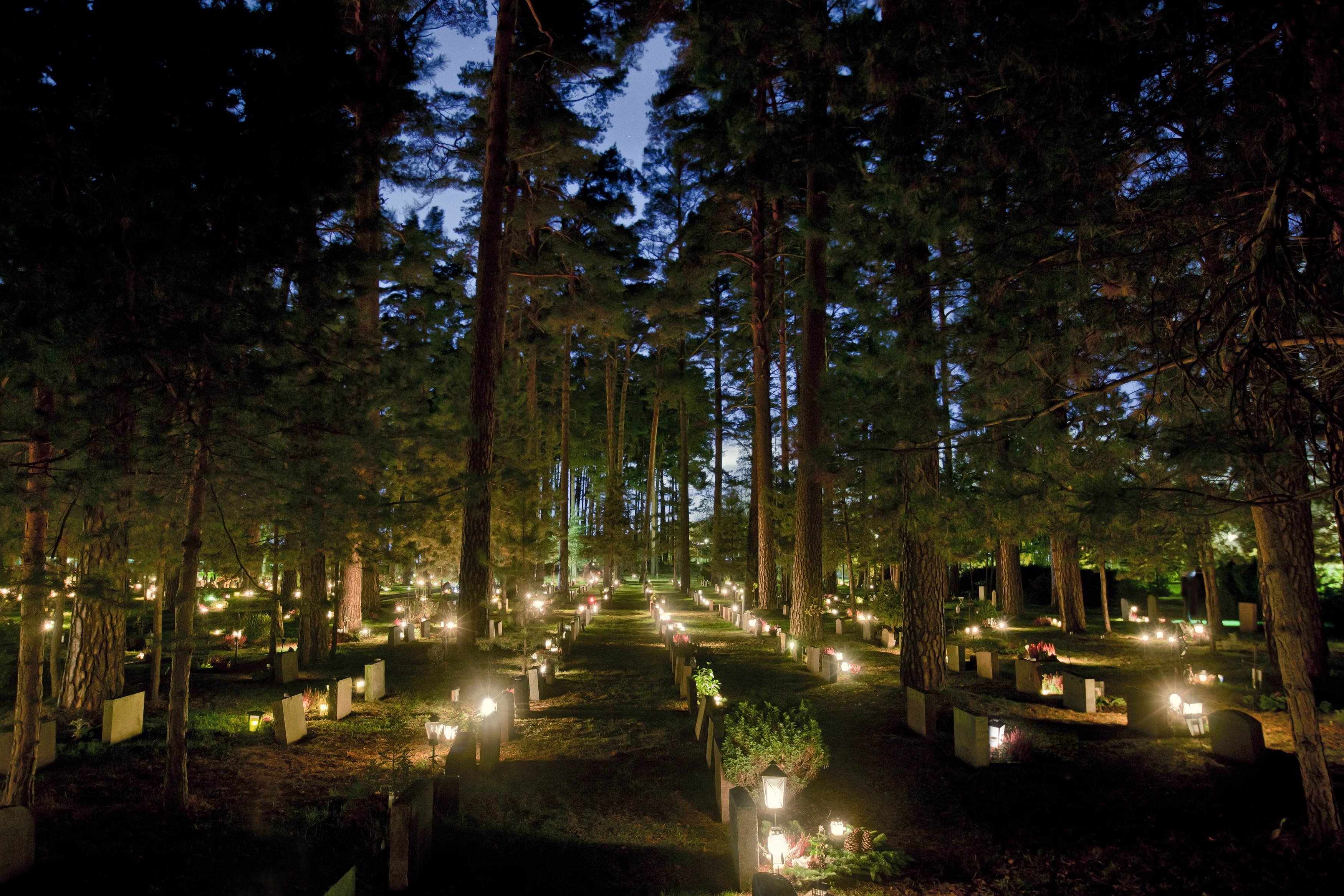
- Scandinavia: Remembering Through Light - In Scandinavian countries, lighting candles in memory of loved ones is a deeply rooted tradition. During All Saints’ Day or personal anniversaries, families visit gravesites to place candles, symbolizing the enduring presence of the deceased in their lives. Takeaway: The use of light in remembrance offers a comforting and hopeful reminder of a loved one’s legacy.
- Nigeria: Yoruba Funerals - Among the Yoruba people of Nigeria, funerals are elaborate ceremonies that can last for days. They are characterized by drumming, singing, and traditional dances that celebrate the life of the deceased. Mourning clothes in vibrant colours symbolize the joy of the deceased’s transition to the afterlife. Takeaway: Mourning doesn’t have to be somber—it can also be a celebration of life and continuity.
- Cambodia: The Pchum Ben Festival - In Cambodia, the Pchum Ben Festival is a time to honour ancestors by offering food and prayers at temples. It is believed that the spirits of the deceased return to receive these offerings, allowing the living to show their gratitude and respect. Takeaway: Rituals that bridge the living and the spiritual world foster a deep sense of connection and reverence.
- Armenia: Hokehankisd (Soul Rest) - Armenian Christians commemorate their loved ones with Hokehankisd, a requiem service held on the seventh and fortieth days after death and annually thereafter. These services involve prayers for the departed’s soul, ensuring peace in the afterlife. Takeaway: Regular rituals of remembrance reinforce the enduring bond between the living and the deceased.
Lessons from Global Mourning Practices
Across cultures, these traditions highlight universal themes that resonate with the grieving process:
- The Power of Ritual: Structured practices, like building cairns or holding requiem services, help provide a sense of order during chaotic times.
- Light as a Symbol: The use of candles or other forms of light reflects hope, love, and the enduring presence of the deceased.
- Connection Through Food: Offering food, whether to ancestors or the community, reinforces bonds and serves as a tangible act of love.
- Celebration Amid Grief: Joyful elements like music, dance, and colour remind us that life can be celebrated even in the face of loss.
Incorporating Global Wisdom into Personal Grief
These practices can inspire new ways to honour loved ones and navigate grief:
- Create a Memorial Offering: Dedicate a space at home or in nature where you can leave offerings, like flowers, notes, or small tokens, to remember your loved one.
- Light a Candle: Mark anniversaries or special moments by lighting a candle as a symbol of your connection.
- Celebrate Life Through Music: Play a song that reminds you of your loved one or host a gathering to celebrate their memory.
- Offer Food in Honour: Share a meal with family or donate food in memory of the deceased.
A Final Reflection
Grief, while deeply personal, is also a shared human experience that unites us across cultures. These diverse practices remind us that loss is not just about saying goodbye—it’s about cherishing the love that remains and finding ways to honour it. By drawing on the wisdom of these global traditions, we can transform our own grief into a meaningful journey of remembrance, connection, and healing.
Grief may be universal, but the ways we honour those we’ve lost are as unique as the lives they lived. Through love and tradition, their memories endure.