

Grief Across Cultures: Diverse Ways to Honour and Remember (Part 5)
Grief, while deeply personal, is a universal experience that transcends borders and cultures. Around the world, communities have developed unique traditions and rituals to help individuals and families process loss, celebrate life, and find comfort. These practices highlight the shared human desire to honour loved ones while reflecting the rich diversity of cultural expressions of grief.
Unique Mourning Traditions Around the World
- Tonga: The Laukava Tradition - In Tonga, mourning involves the community coming together to support the bereaved. The laukava ceremony features traditional mats, which are presented as gifts to the grieving family. The act symbolizes solidarity and care, and the mats often become treasured keepsakes. Takeaway: Offering physical symbols of support can create lasting reminders of community love during times of grief.
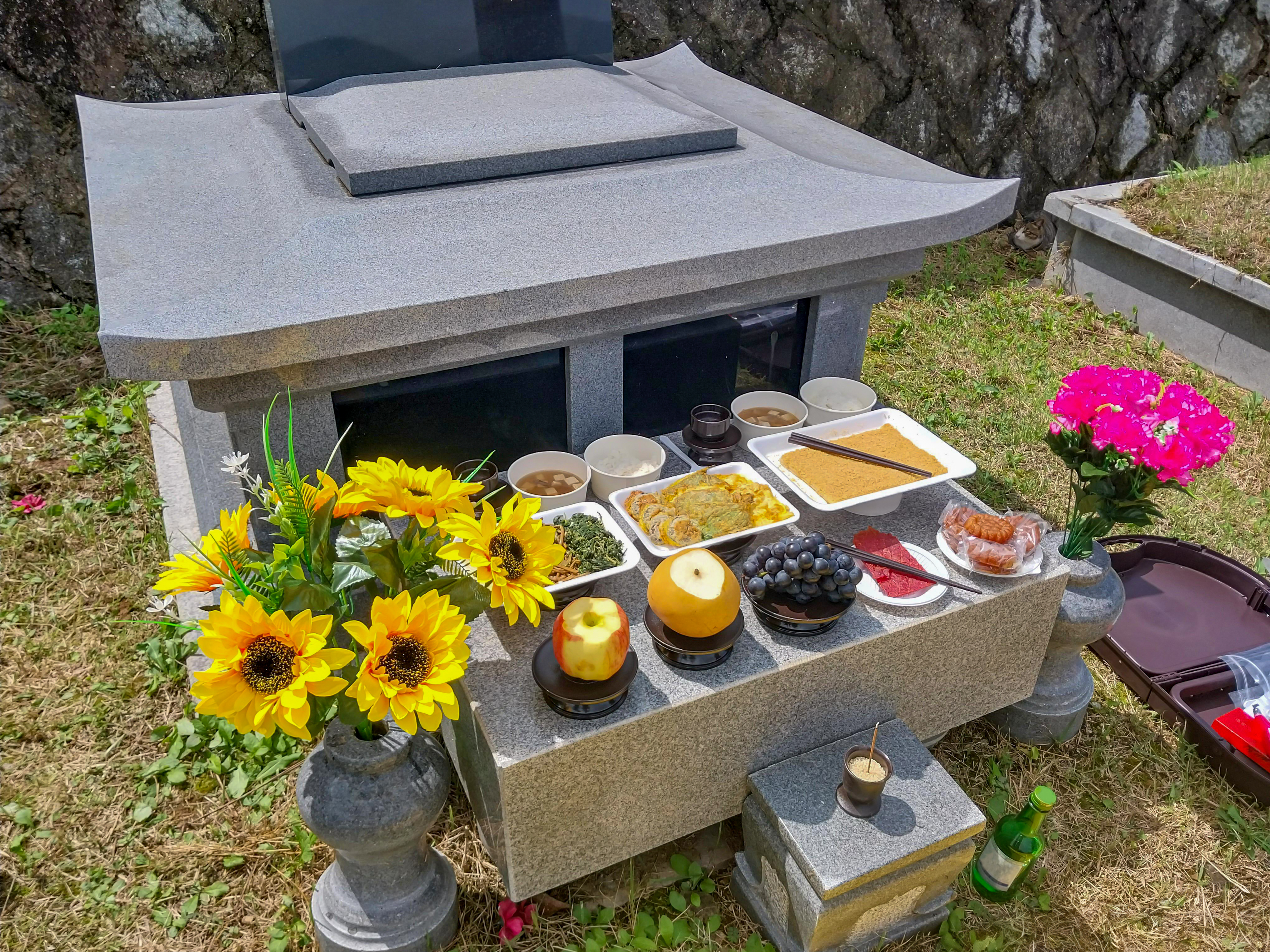
- South Korea: Ancestral Memorial Rites (Jesa) - Koreans observe jesa, an annual ritual where families gather to honour their ancestors. Offerings of food and drink are placed on a table, and prayers are said to show respect and gratitude. These rites ensure that the memory of the deceased remains alive across generations. Takeaway: Regular acts of remembrance strengthen family bonds and keep the legacy of loved ones alive.
- The Netherlands: Silent Marches - In the Netherlands, silent marches are often organized to honour those who have passed, particularly in the wake of tragedies. These solemn processions allow communities to grieve collectively, offering a sense of solidarity and peace. Takeaway: Public displays of unity in grief can provide comfort and a shared space for healing.
- Madagascar: The Mourning Veil - In some Malagasy communities, widows wear a black mourning veil for extended periods to signify their loss. The veil is later replaced with white as a symbol of moving forward and acceptance. Takeaway: Rituals that evolve over time can help individuals transition through the stages of grief.
- Bolivia: Día de las Ñatitas (Day of the Skulls) - In Bolivia, families celebrate the Día de las Ñatitas by decorating skulls of their ancestors with flowers and offering them cigarettes or sweets. The ritual reflects a belief in maintaining close ties with the deceased and seeking their blessings. Takeaway: Embracing a continued relationship with the deceased can provide comfort and spiritual connection.
Lessons from Global Mourning Practices
These diverse traditions demonstrate common themes that resonate across cultures:
- Community Support: Many rituals emphasize the importance of communal mourning, offering emotional and practical support to those who are grieving.
- Symbolism in Rituals: Physical objects, like mats or veils, provide tangible ways to express loss and keep memories alive.
- Celebration of Ancestors: Regular acts of remembrance, such as jesa or Día de las Ñatitas, reinforce the bond between the living and the dead.
- Transitions Over Time: Rituals that evolve, such as the shift from black to white mourning veils, acknowledge the stages of grief and healing.
Incorporating Global Wisdom into Personal Grief Drawing inspiration from these practices can help individuals find meaningful ways to process their own loss:
- Create a Keepsake: Develop a personal or family tradition of keeping a symbolic object that honours your loved one.
- Host a Remembrance Day: Dedicate a specific time each year to celebrate and reflect on the life of the deceased.
- Join a Community: Seek out or create opportunities for collective mourning, whether through vigils, processions, or support groups.
- Embrace Evolving Rituals: Allow your grieving process to change over time, creating new ways to honour your loved one as you heal.
A Final Reflection
Grief, though deeply individual, is shaped by the collective wisdom of cultural traditions. By exploring diverse mourning practices from around the world, we gain insight into the shared humanity of loss and the unique ways it can be honoured. These rituals remind us that while grief may be universal, the paths to healing are as varied as the cultures that create them.
Through connection, symbolism, and remembrance, we can find comfort and strength in even the most difficult times. Grief knows no borders, but love and memory endure in every corner of the world.