
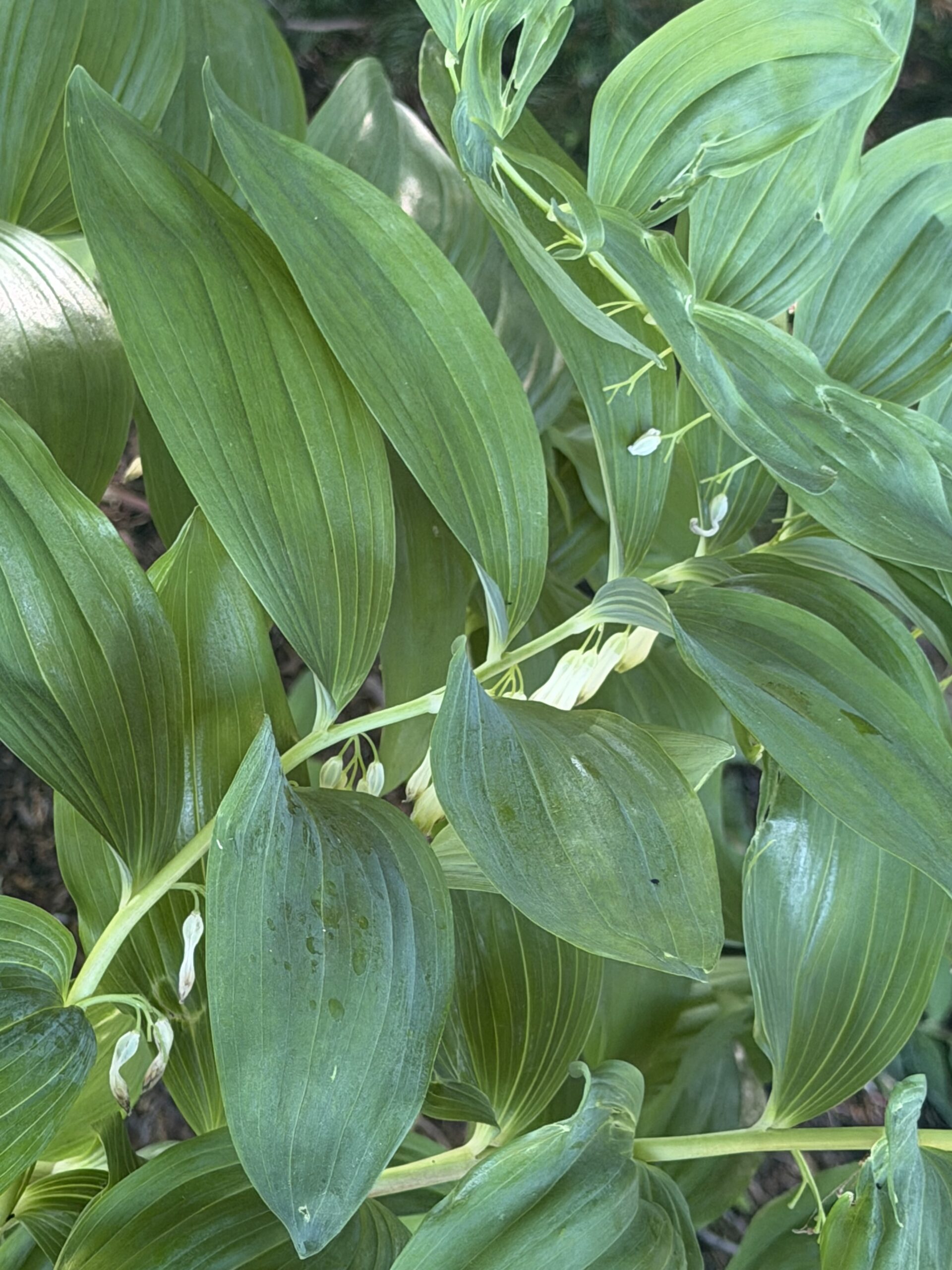
In the Gardens: Solomon’s Seal – A Woodland Treasure in the Shade
Tucked beneath the canopy of trees in Beechwood’s Botanical Gardens, where sunlight filters gently through the leaves and the air remains cool and moist, grows one of North America’s most…
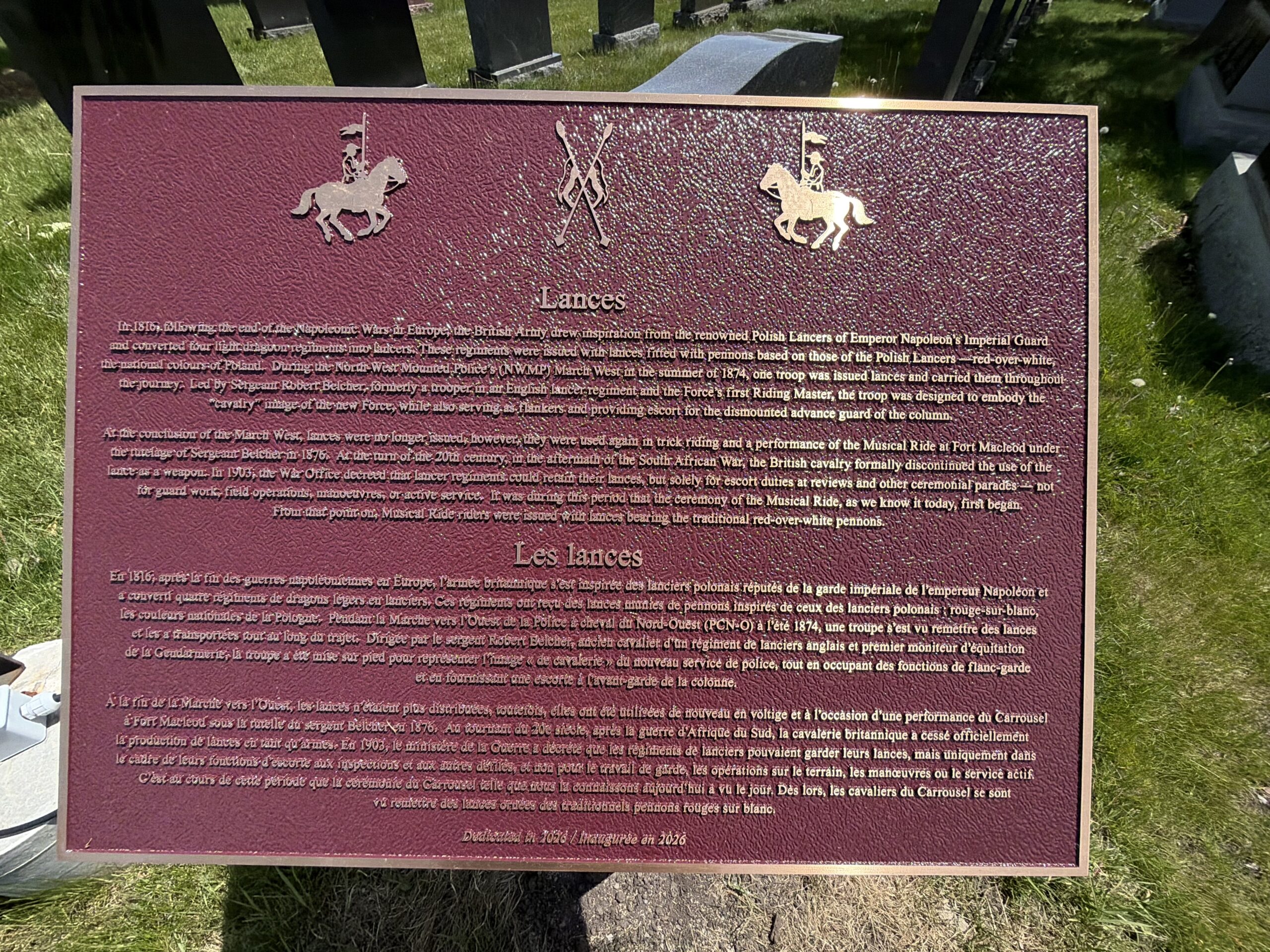
The Riders’ Lances: A Tradition Carried Through History
Among the many symbols associated with the Royal Canadian Mounted Police, few are as striking as the red-and-white pennoned lances carried by riders of the Musical Ride. While often viewed…
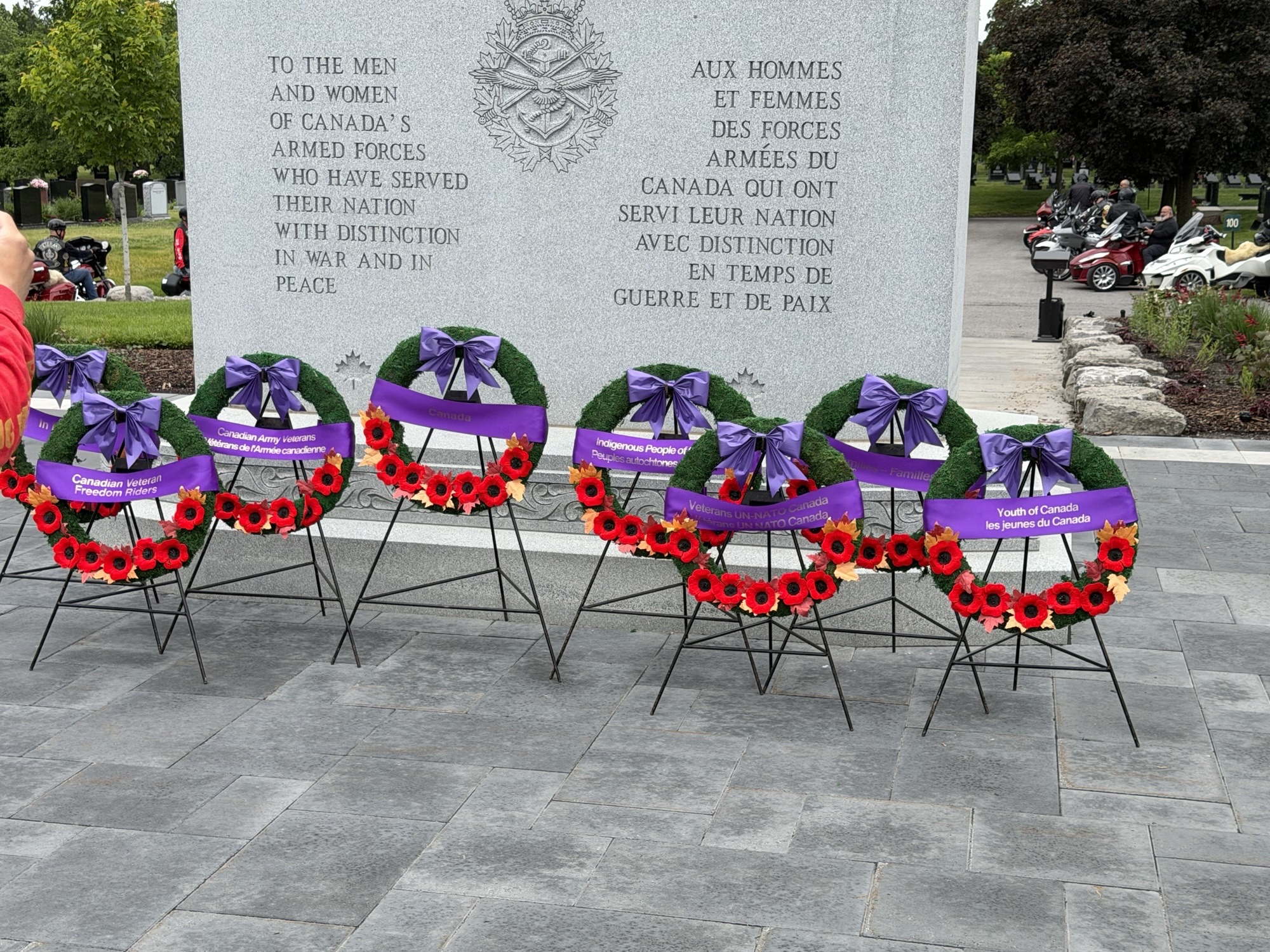
Veterans on Two Wheels: A Living Act of Remembrance
Every year, the Veterans National Memorial Remembrance Ceremony brings together a unique community united by a common purpose: to remember and honour Canada’s Veterans. For many participants, that journey begins…
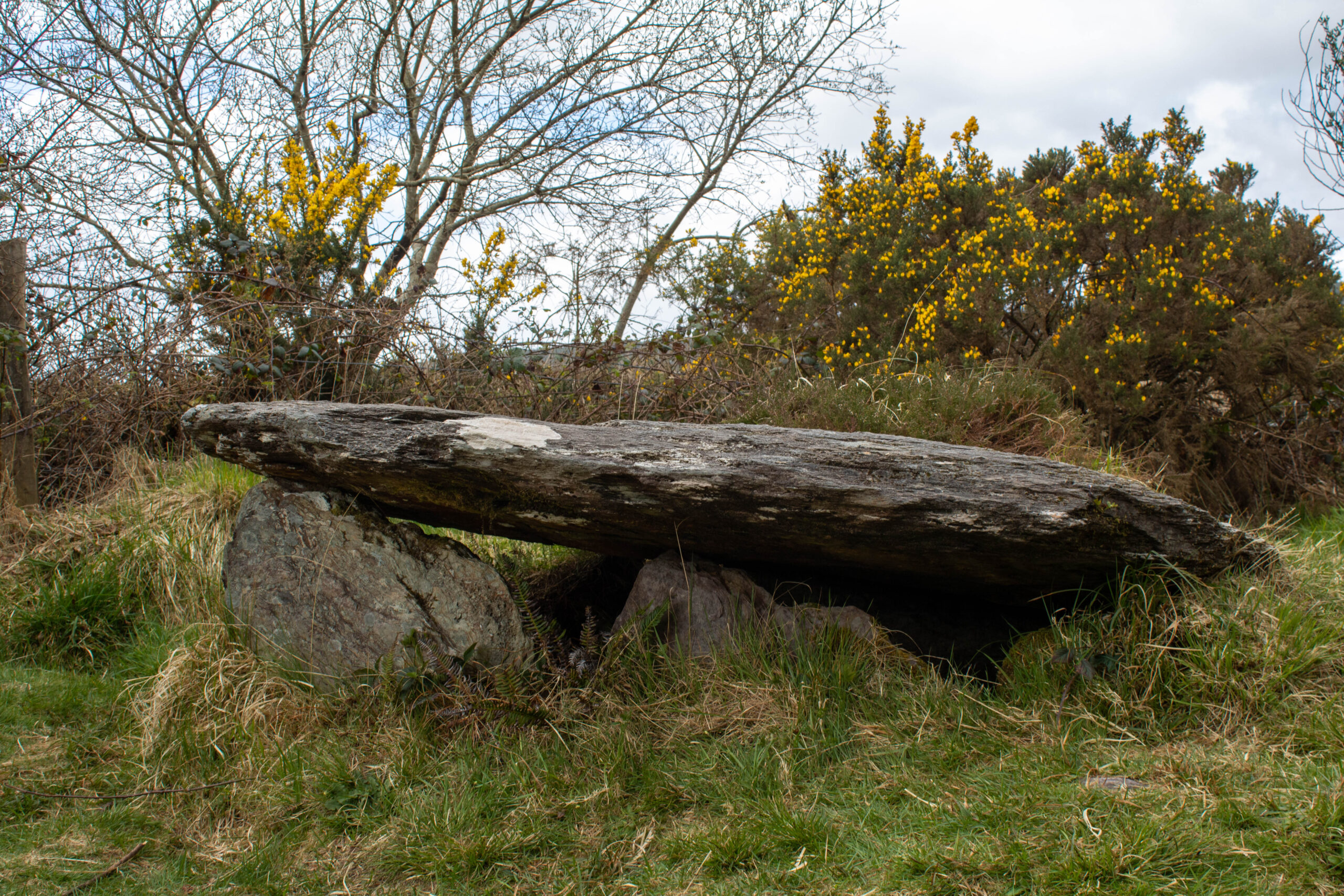
A Box for the Journey: Understanding the Difference Between a Coffin and a Casket
For as long as humans have lived, they have sought meaningful ways to care for their dead. Archaeological evidence suggests that burial practices date back more than 600,000 years to…
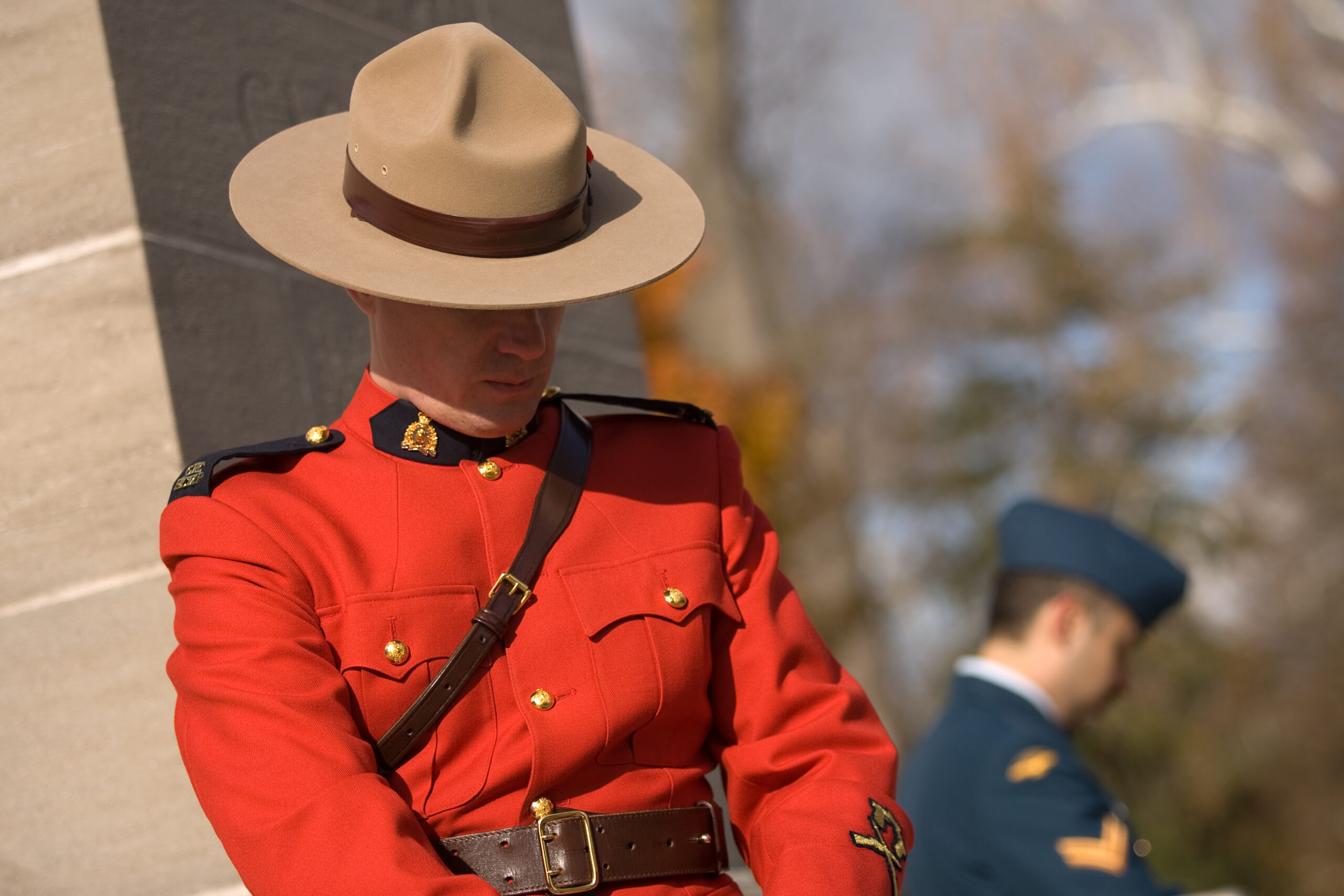
The Stetson: An Icon of the RCMP Legacy
Few symbols are as instantly recognizable in Canada as the broad-brimmed brown Stetson worn by members of the Royal Canadian Mounted Police. Around the world, it has become synonymous with…
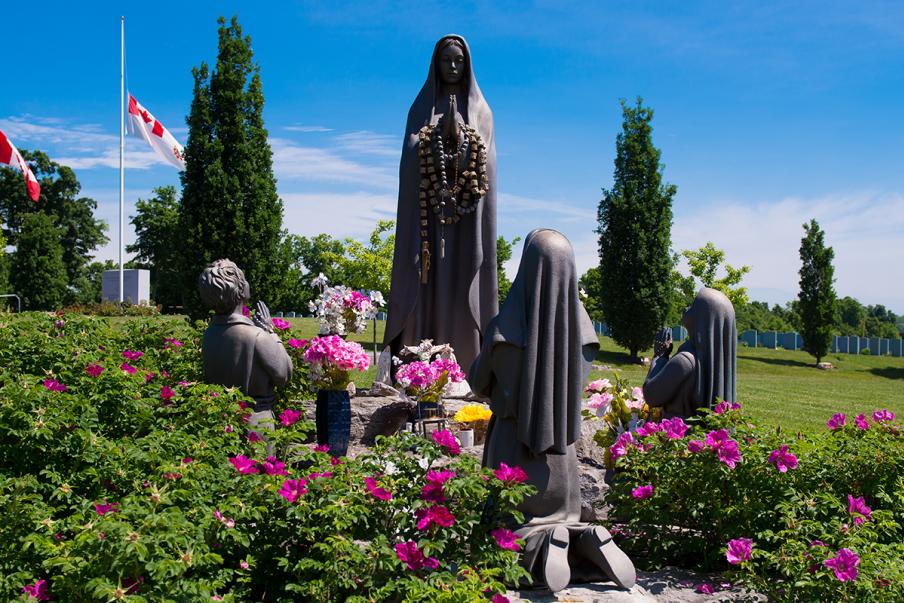
Celebrating Portuguese Heritage Month: Honouring Faith, Family, and Community at Beechwood Cemetery
Each June, Canadians celebrate Portuguese Heritage Month, recognizing the rich history, culture, traditions, and contributions of Portuguese Canadians who have helped shape communities across the country. Portuguese Heritage Month provides…
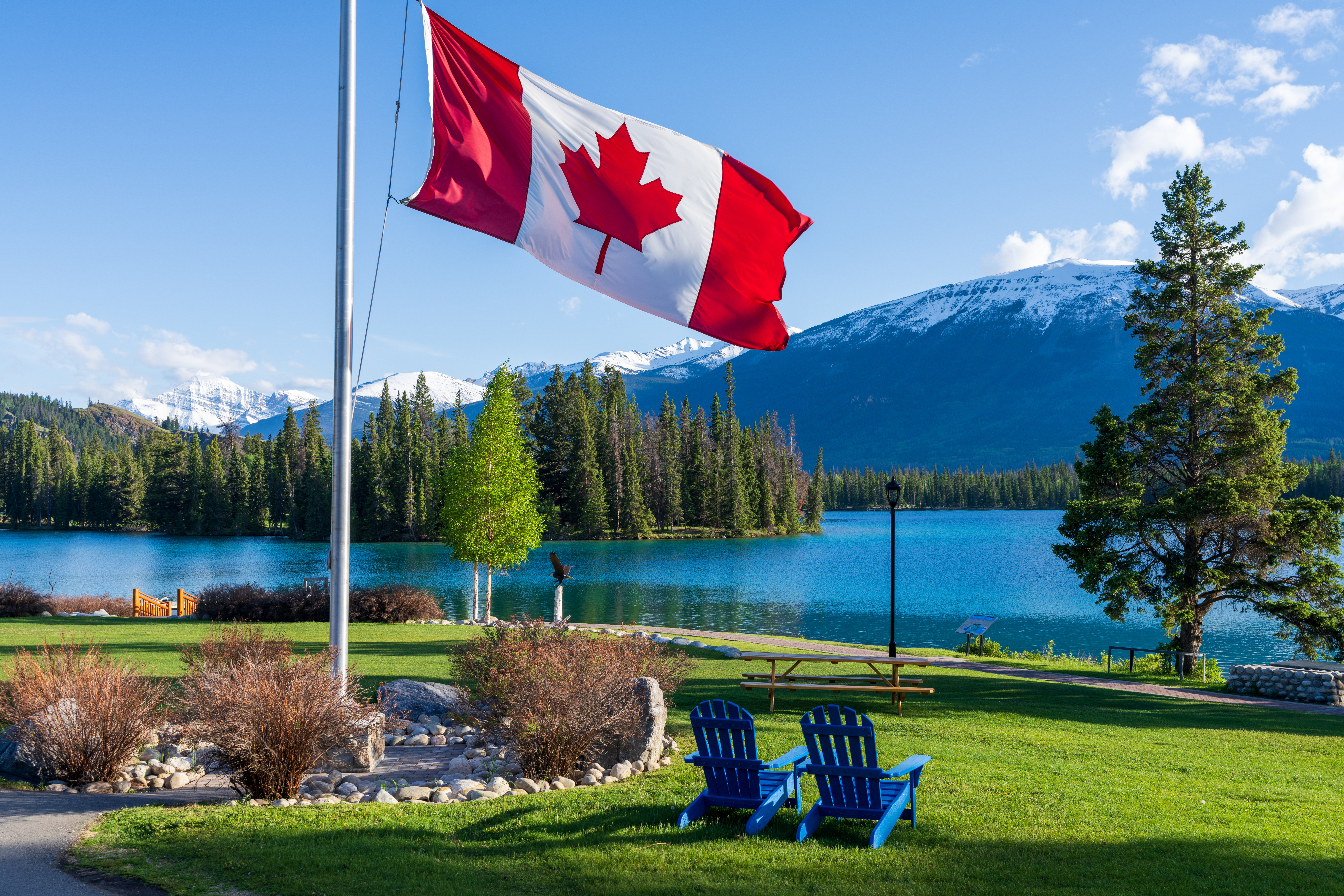
FOR IMMEDIATE RELEASE: Canadians Invited to Continue Growing National Tradition by Sending Retired Flags to the National Cemetery of Canada
Second Annual Under the Maple Leaf Ceremony Honours the Stories Behind Canada’s Flags OTTAWA, ON – June 2026 — After an inspiring first year that saw Canadians from across the…

The Myth of Closure
Few concepts have shaped modern expectations of grief as powerfully, and as inaccurately, as the idea of closure. It is offered as reassurance, embedded in popular psychology, and reinforced through…
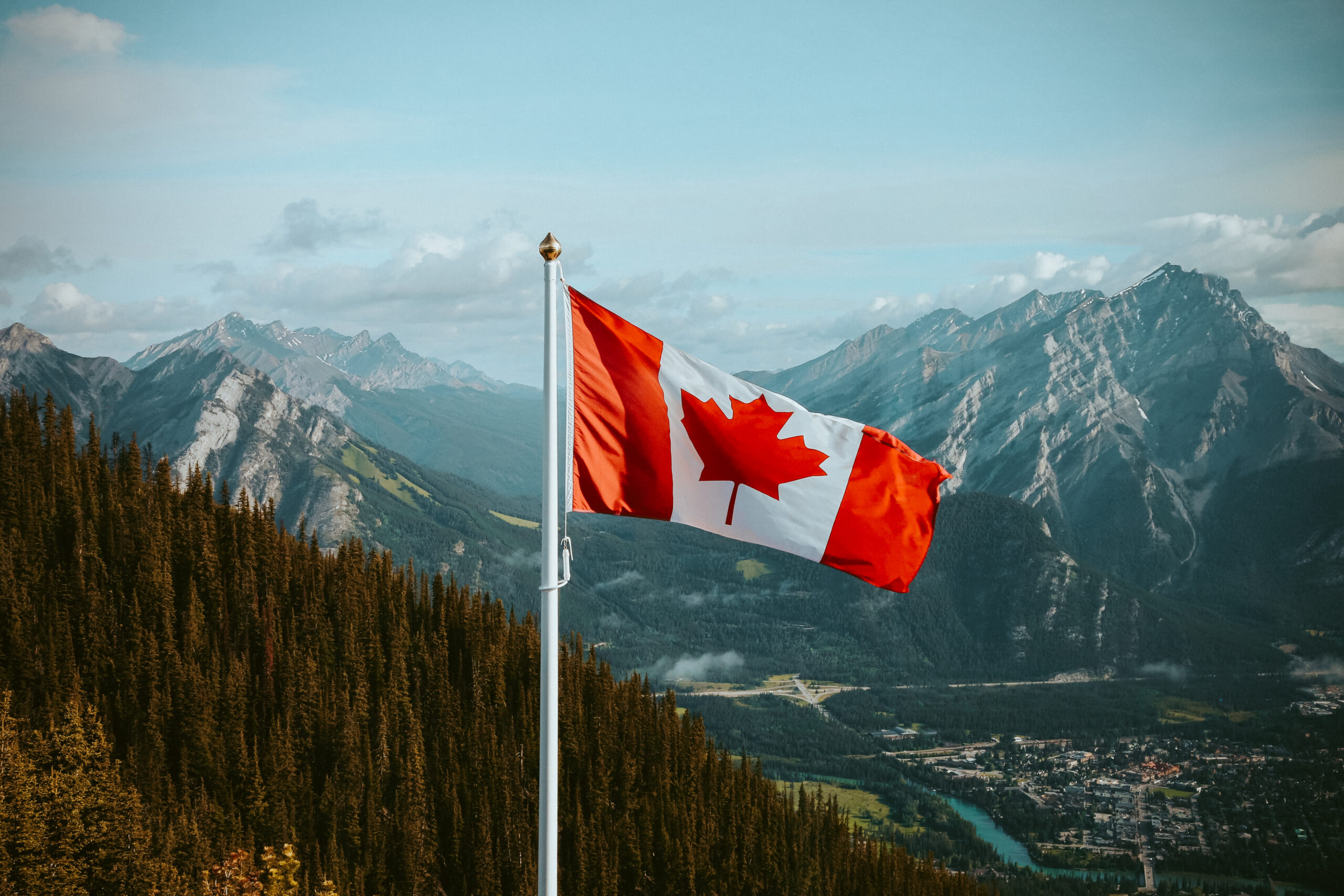
Canadians Are Invited to Send Their Retired Flags to Beechwood Cemetery for Dignified Retirement
Across Canada, countless Canadian flags proudly fly outside homes, schools, businesses, cottages, embassies, community centres, and military institutions. Over time, wind, snow, rain, and sun leave their mark. Eventually, every…
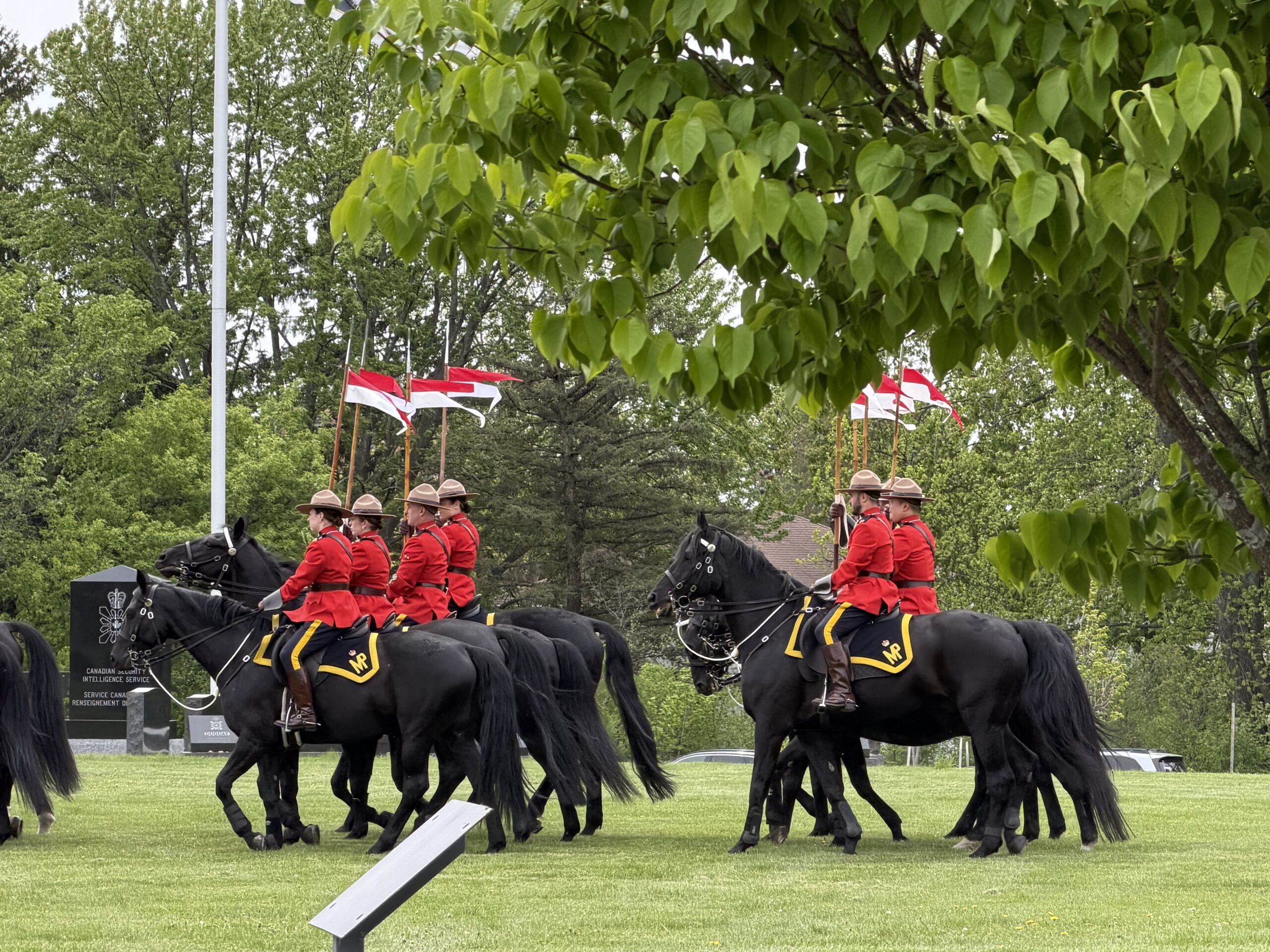
Honouring Legacy, Tradition, and Service at the RCMP National Memorial Cemetery
On May 23, 2026, the Royal Canadian Mounted Police National Memorial Cemetery at Beechwood Cemetery welcomed veterans, serving members, families, dignitaries, and members of the public for a special commemorative…

The Death Dialogues: Navigating Loss Through Conversation, Compassion, and Community
On May 19, 2026, the Beechwood National Memorial Centre welcomed members of the community for another meaningful evening in Beechwood Cemetery’s ongoing Death Dialogues series. The session, Thanatology 101 –…
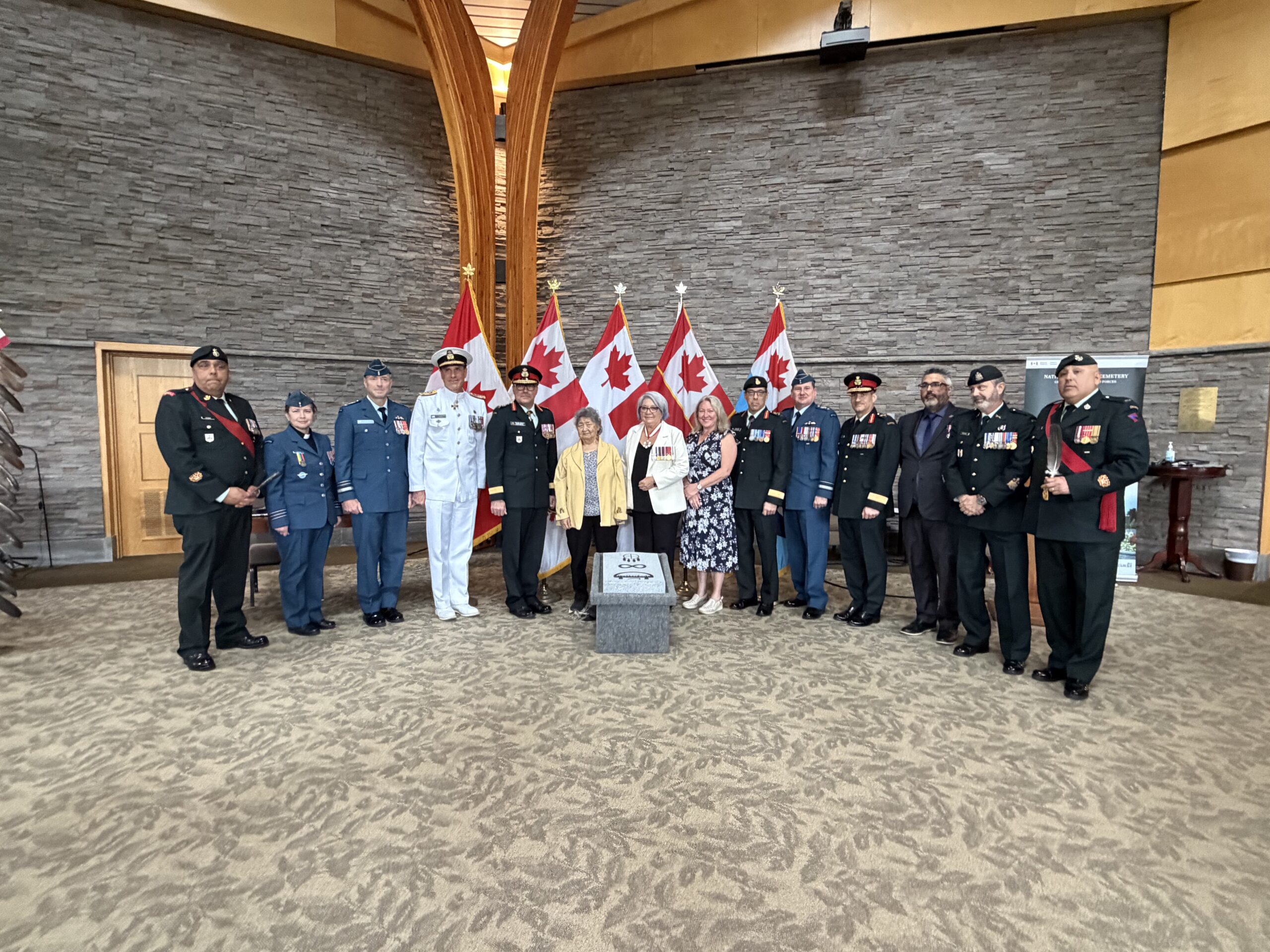
Honouring Service Through Culture, Identity, and Remembrance: The Historic Recognition of the Inuit at the National Military Cemetery of Canada
On May 19, 2026, the National Military Cemetery of the Canadian Forces at Beechwood Cemetery marked an important and historic moment in Canada’s evolving landscape of military remembrance through the…
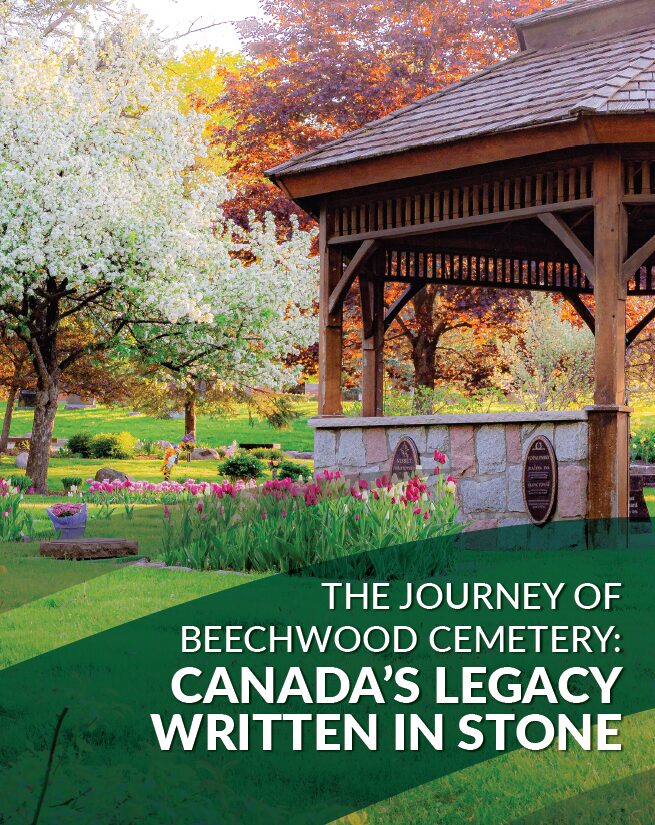
The Journey of Beechwood Cemetery: Canada’s Legacy Written in Stone
On May 14, 2026, Beechwood officially launched its long-awaited historical publication, The Journey of Beechwood Cemetery: Canada’s Legacy Written in Stone, a landmark project exploring the remarkable evolution of Beechwood…

FOR IMMEDIATE RELEASE- National Military Cemetery to Unveil Inuit Sacred Spiritual Symbol in Historic Ceremony
Ottawa, ON – May 19, 2026 The Beechwood Cemetery Foundation, in partnership with the Canadian Armed Forces and Indigenous community leaders, will host a national ceremony marking the unveiling of…
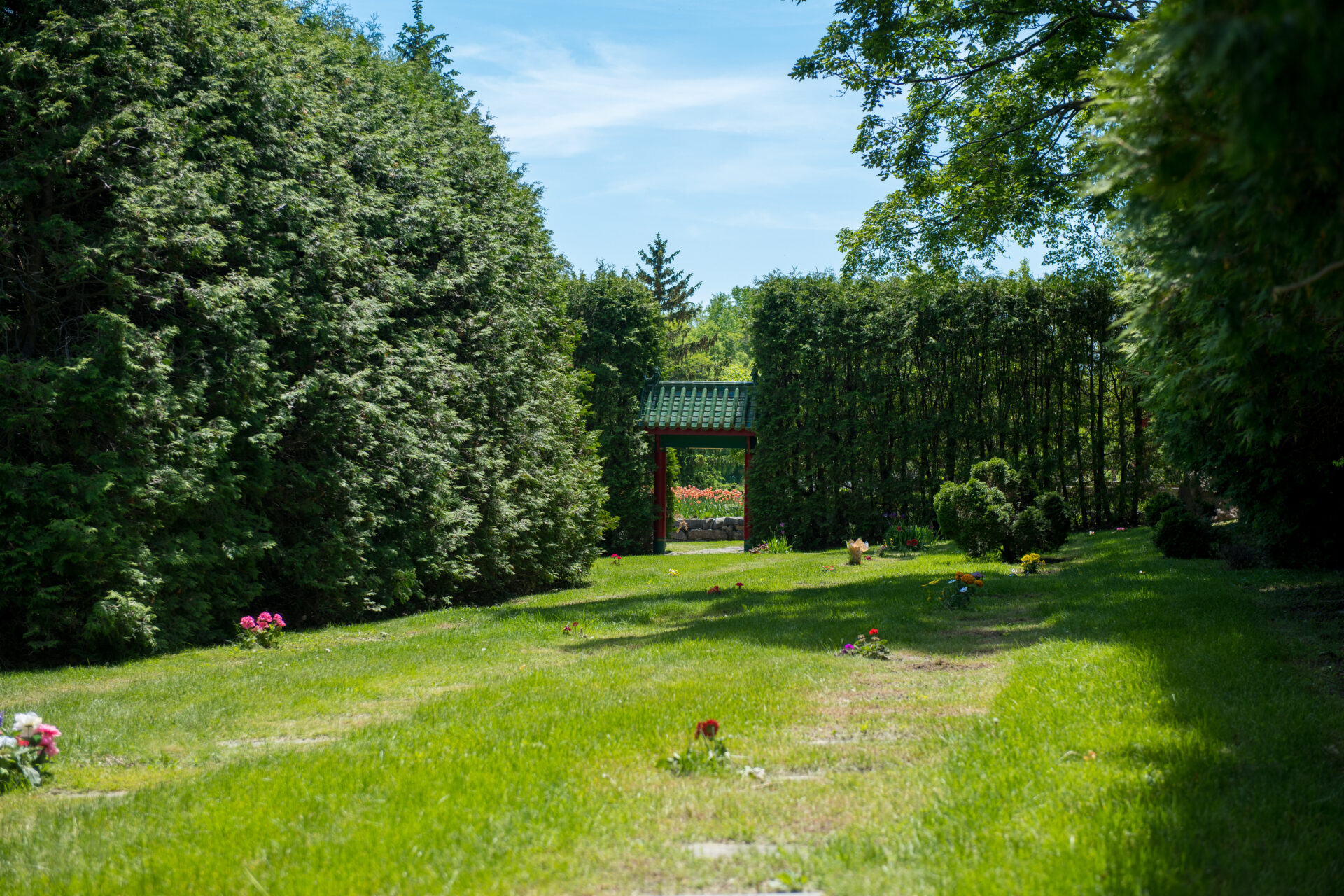
History of the Original Chinese Community Section at Beechwood Cemetery
The Chinese community in Ottawa has long demonstrated a strong sense of unity and collective responsibility. This spirit of solidarity was evident in the establishment of the United Chinese Association…
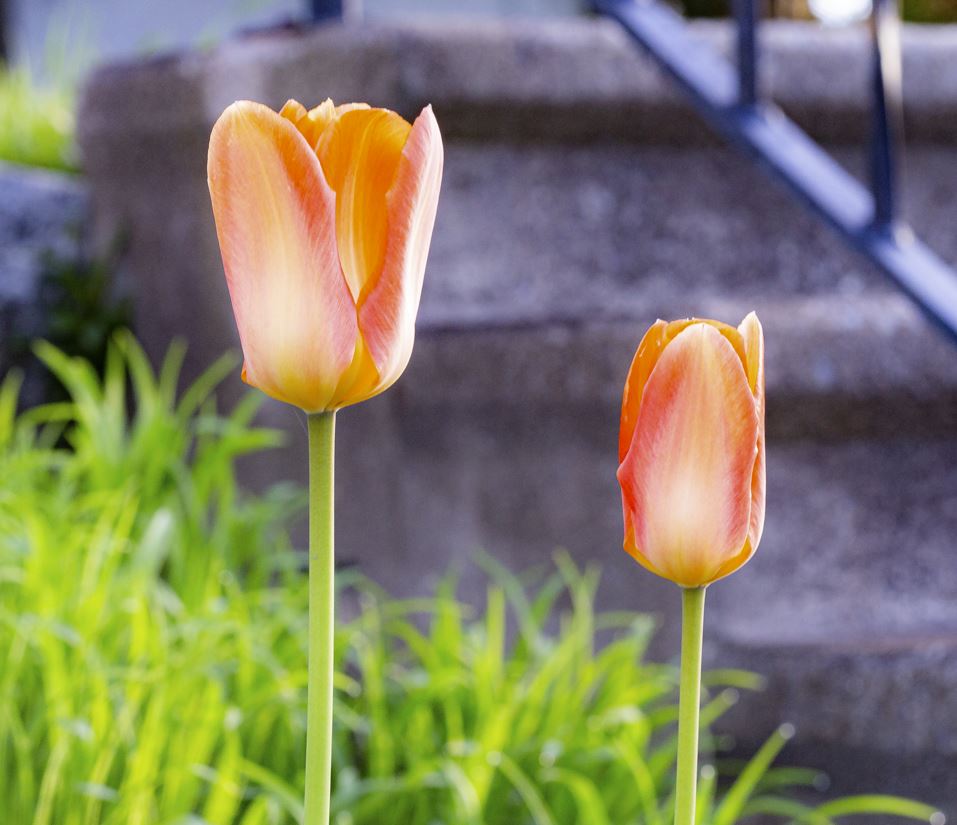
Where Remembrance Blooms: The Story Behind Beechwood’s Spring Tulips
Each spring, Beechwood Cemetery is transformed by the return of colour as more than 35,000 tulips begin to bloom across the National Cemetery of Canada. After the silence and stillness…
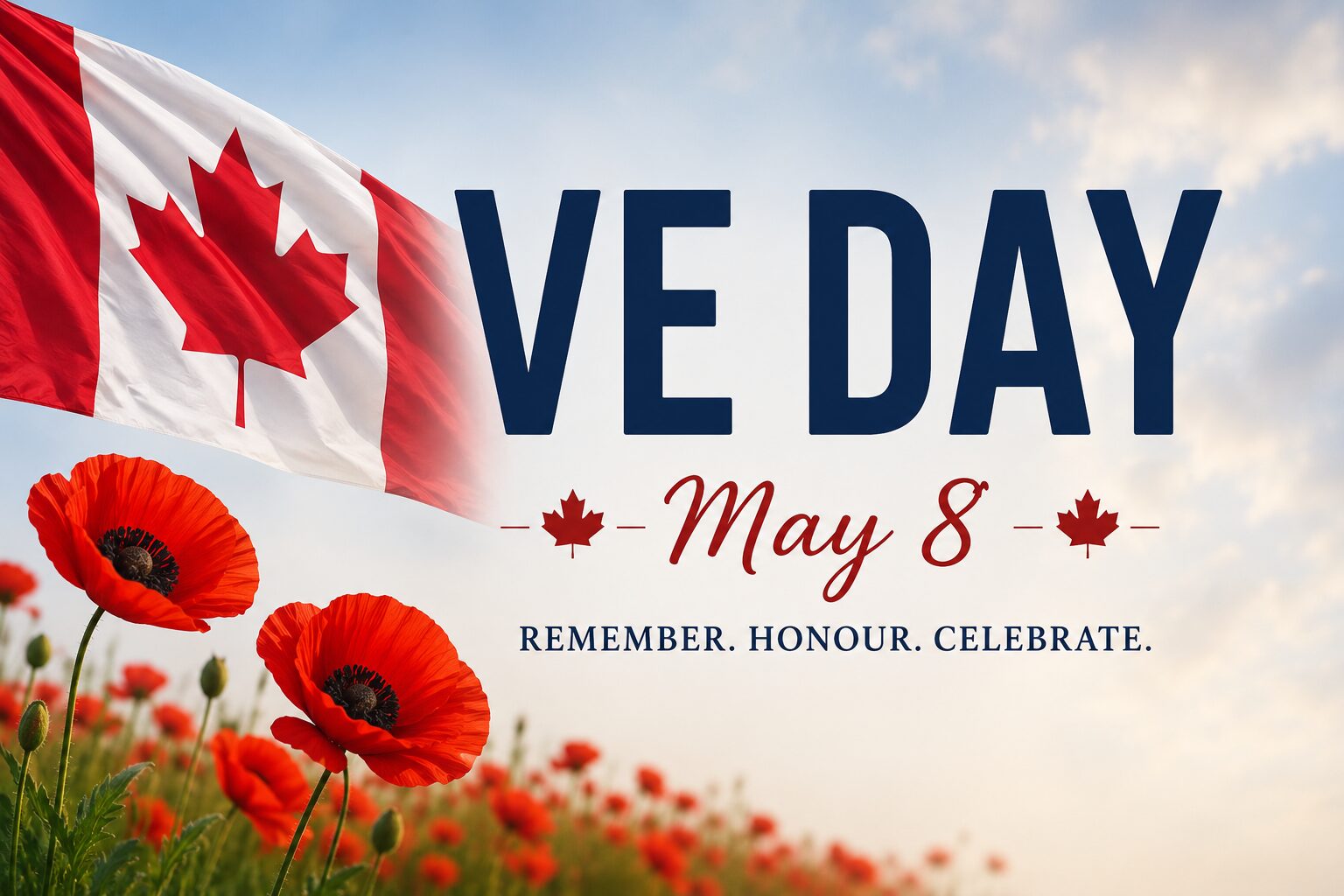
Why VE Day on May 8 Matters to Canadians
Every year on May 8, Canadians pause to mark Victory in Europe Day, better known as VE Day. It was on May 8, 1945, that Nazi Germany officially surrendered to…
National Ceremony at Beechwood Marks Day of Remembrance and Victory in Europe
FOR IMMEDIATE RELEASE National Ceremony at Beechwood Marks Day of Remembrance and Victory in Europe Ottawa, Ontario – May 8, 2026 – Beechwood Cemetery, the National Cemetery of Canada, in…
A New Season, A Renewed Commitment: Honouring Canada’s Flag with Dignity
As spring returns across Canada, so too does a familiar and meaningful ritual, the raising of the Canadian flag. From homes and cottages to schools, businesses, and public spaces, the…
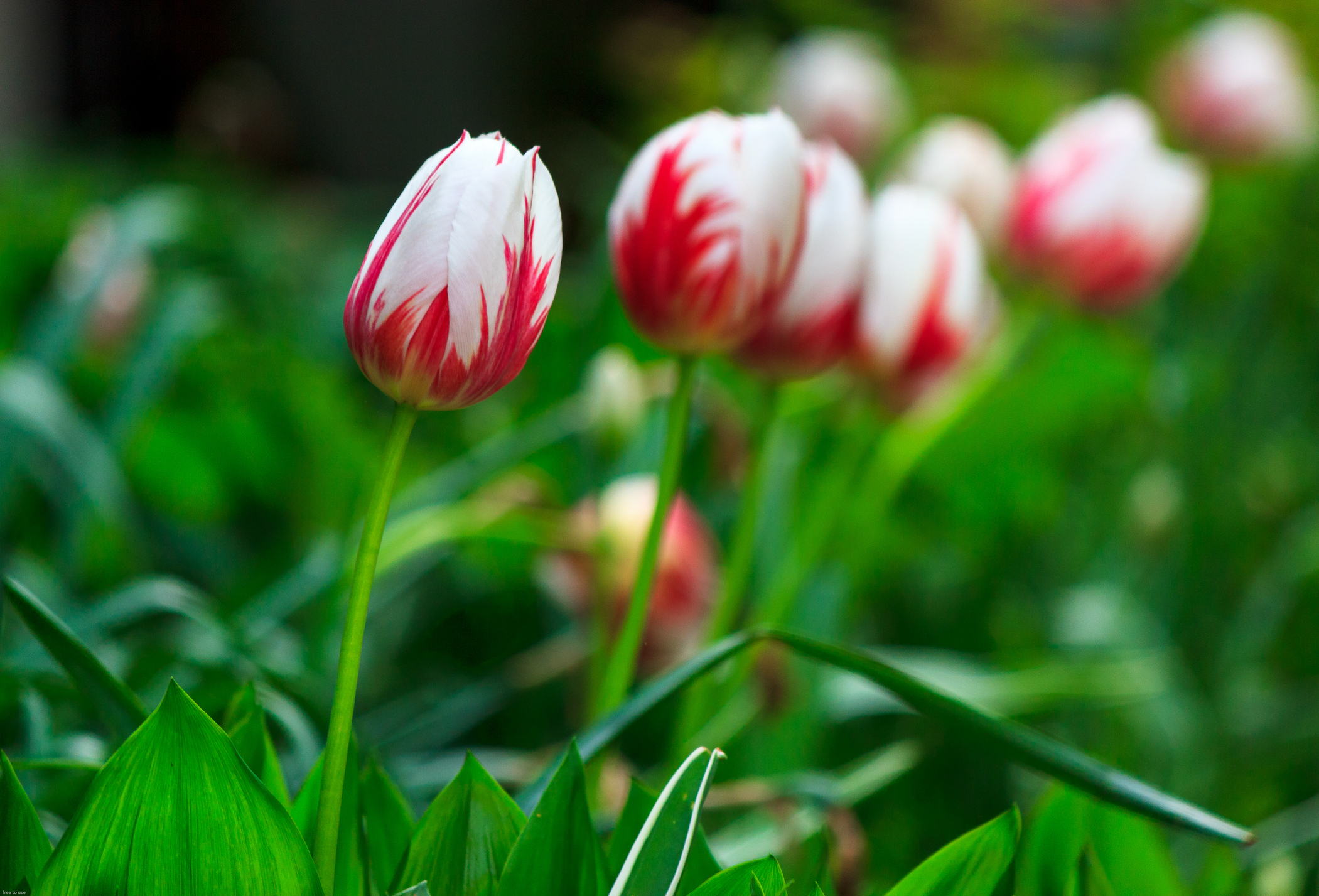
Remembering Sacrifice: Marking Dutch Remembrance Day
Each year on May 4, the Netherlands pauses in a moment of national reflection for Dutch Remembrance Day, known as Dodenherdenking. At 8:00 p.m., the country falls silent for two…

Why Grief Looks Different for Everyone
One of the most persistent misunderstandings about grief is the belief that it follows a predictable pattern. Despite decades of research and lived experience showing otherwise, many people still expect…
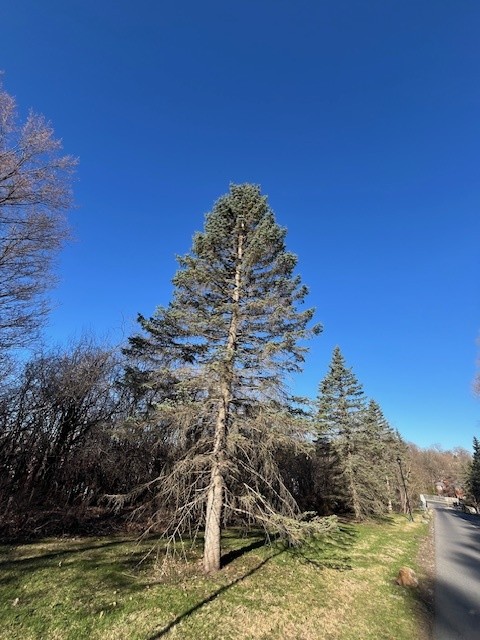
Sprucing Up the Beechwood Entrance
There are moments in the life of a historic landscape when thoughtful change is not only necessary, it is responsible. This spring, visitors arriving along Beechwood Avenue will notice a…
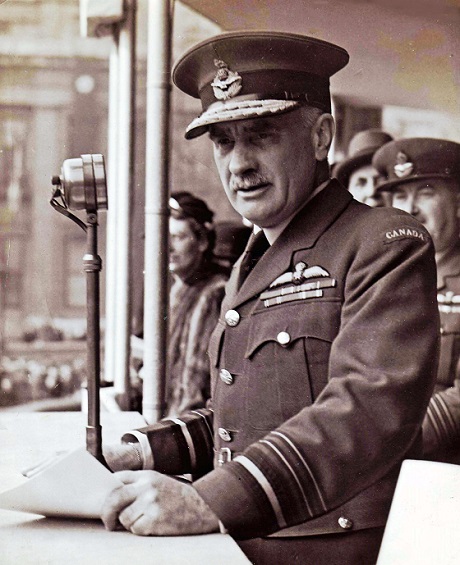
The Legacy of Air Marshal Harold “Gus” Edwards: A Pioneer in Canadian Aviation
In the hallowed grounds of the National Military Cemetery at Beechwood rests a man whose contributions to Canadian aviation are nothing short of legendary—Air Marshal Harold “Gus” Edwards. Born on…
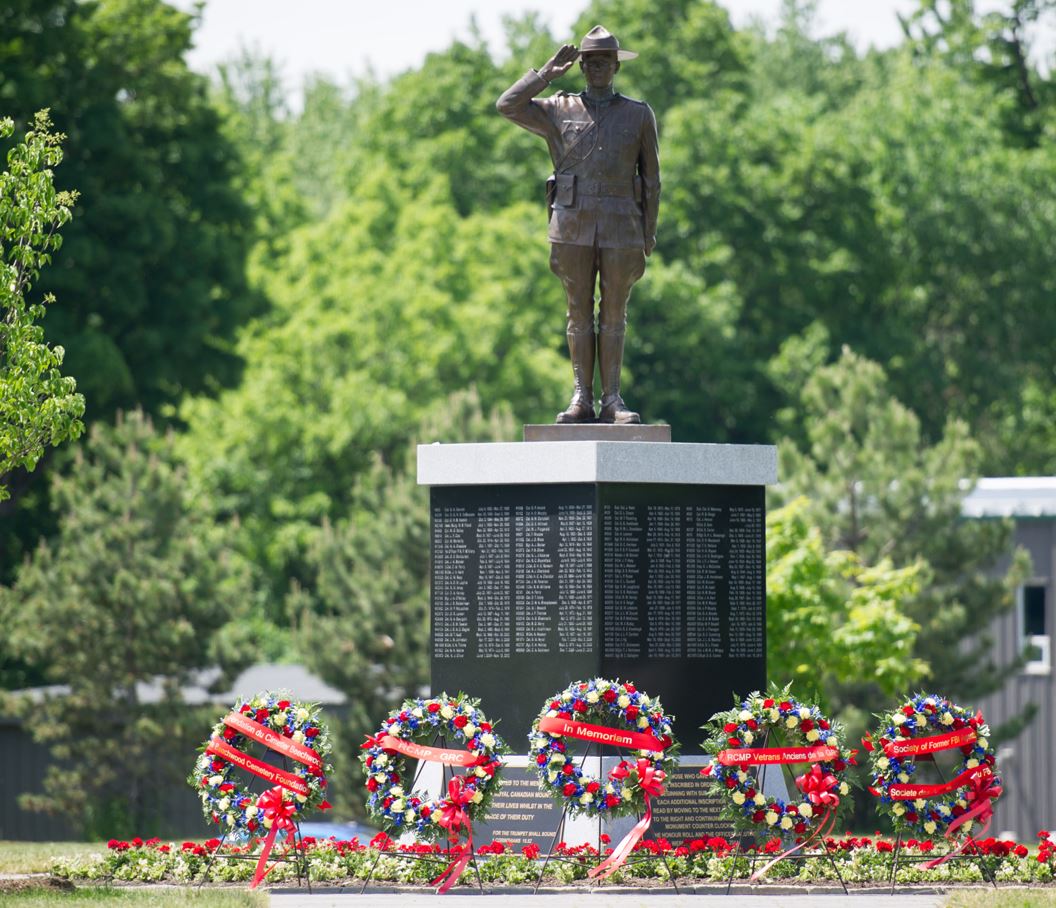
Honouring the sacrifice of service on the RCMP National Memorial Cemetery Cenotaph
At the centre of the RCMP National Memorial Cemetery stands the cenotaph with an RCMP member saluting those who have died in the line of duty and who are memorialized…
Support the Beechwood Cemetery Foundation on the road to 150 years – Cloned
As Beechwood looks ahead to 150 years of serving our families, the Ottawa community and Canada, we look forward to celebrating this milestone together. Founded in 1873, the Beechwood Cemetery…
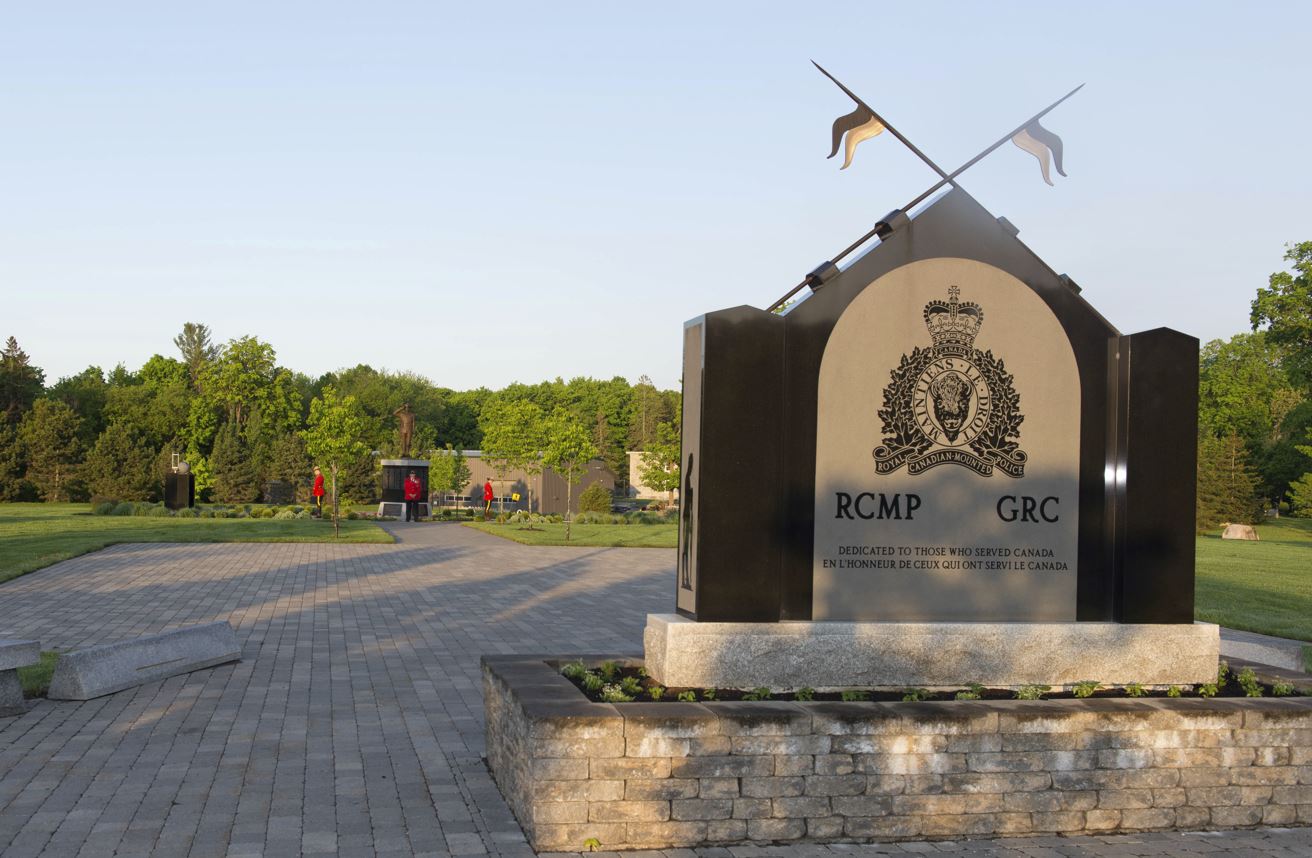
New Plaque for the RCMP NMC – Public Service Employees of the RCMP
Throughout its long history the Mounted Police has depended upon strong, diverse and committed civilian and volunteer sectors to support policing operations and administration in communities across Canada and even…
Step by step guide to planning when you’ve lost someone you love
Losing someone is one of life’s most difficult experiences. It can bring heavy emotions, difficult feelings that at times cannot be properly expressed. On top of the grief and pain,…
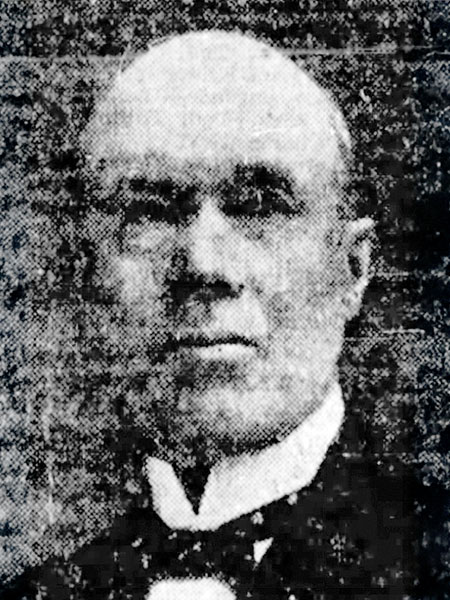
From the Prairies to Parliament Hill: Lieutenant Colonel George Henry Bradbury
Lieutenant Colonel George Henry Bradbury June 23, 1859 – September 6, 1925 Section 41, Lot 61 SE Lieutenant Colonel George Henry Bradbury was a distinguished Canadian parliamentarian, senior militia officer,…
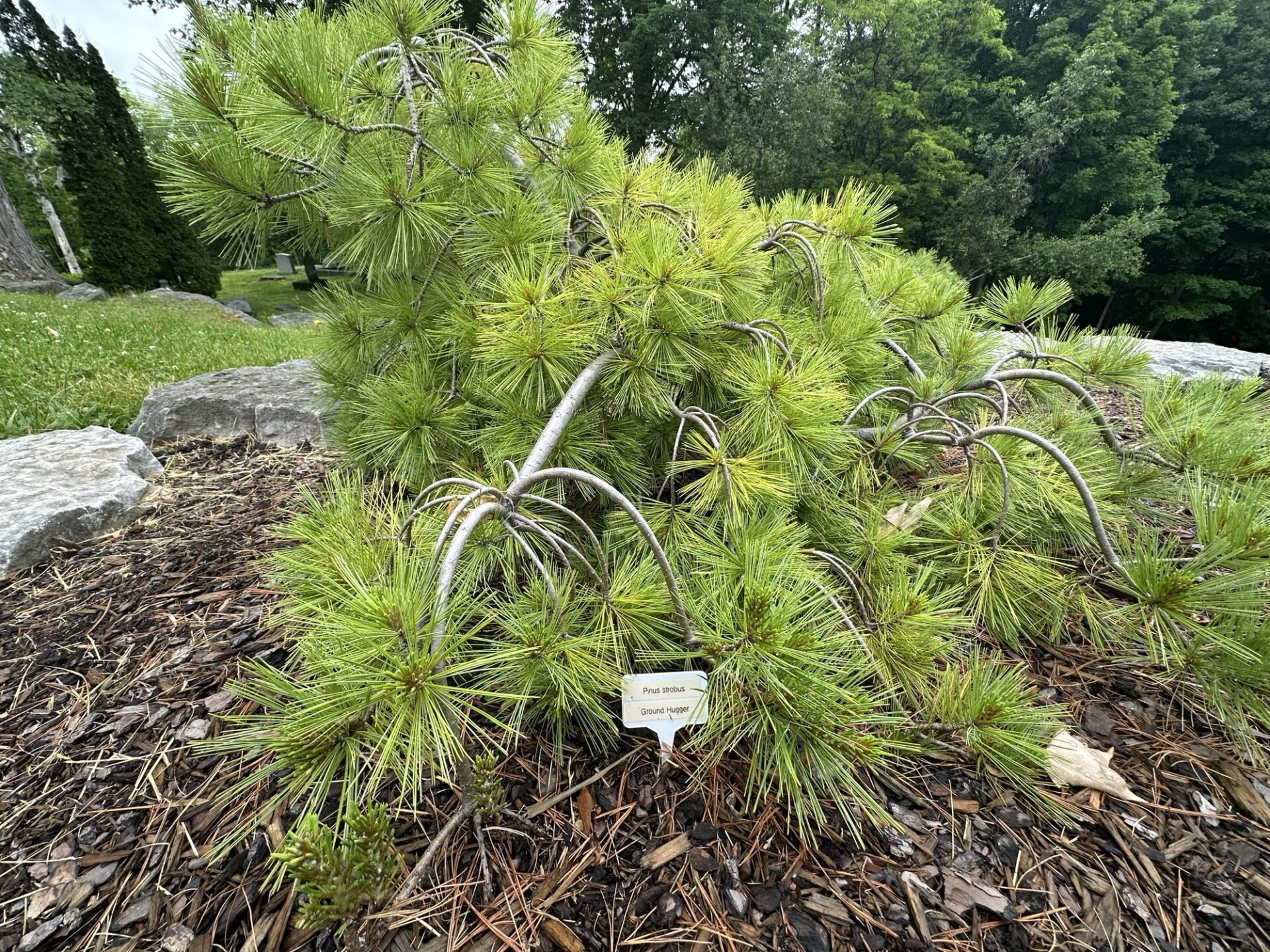
In the Gardens – Ground Hugger White Pine: A Low-Growing Legacy of Resilience
Among the many unique trees at Beechwood Cemetery, the Ground Hugger White Pine (Pinus strobus ‘Ground Hugger’) offers a quiet but enduring presence. This special variety of Eastern White Pine…
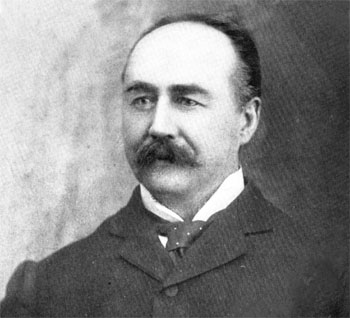
James Fletcher: Pioneer of Canadian Horticulture and Agricultural Science
Section 21, Lot 12 S A Visionary Who Transformed Canadian Farming and Gardening Born on March 28, 1852, in Ashe, England, James Fletcher’s early life and education in Rochester, near…
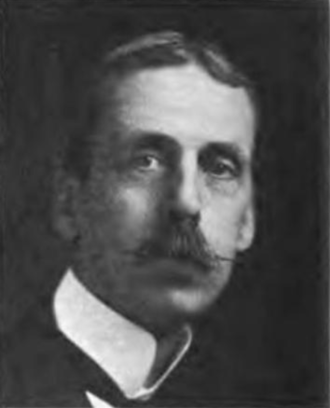
James White: Canadian Geographer and Conservationist
James White Section 24, Lot 7 NW Born in Ingersoll, Canada West on February 3, 1863, White attended the Royal Military College in Kingston and joined the Geological Survey of…
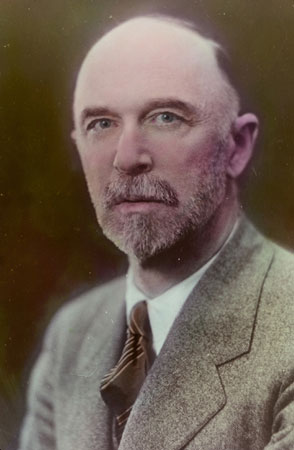
Harlan Ingersoll Smith – Dedicated to preserving the echoes of history
Harlan Ingersoll Smith Section 30, Lot TG 122 Born in East Saginaw, Michigan on February 17, 1872. He attended the University of Michigan before pursuing a career in archaeology. Primarily…
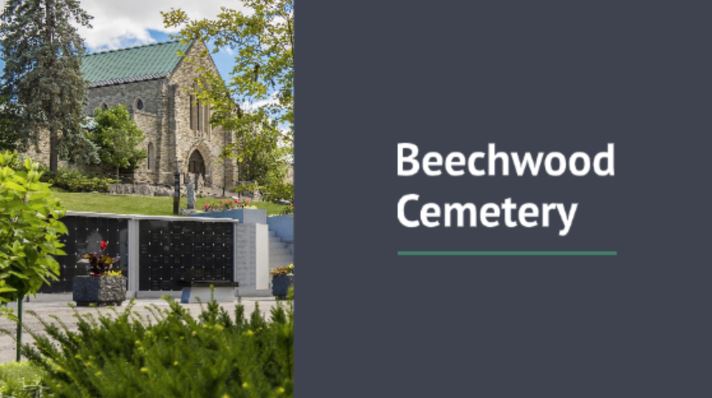
Beechwood Cemetery
Beechwood’s unrivalled park-like landscape accommodates many types of traditional or specialized burial locations. Our 160 acres ensure we will service the community for generations to come. Beechwood offers a broad…
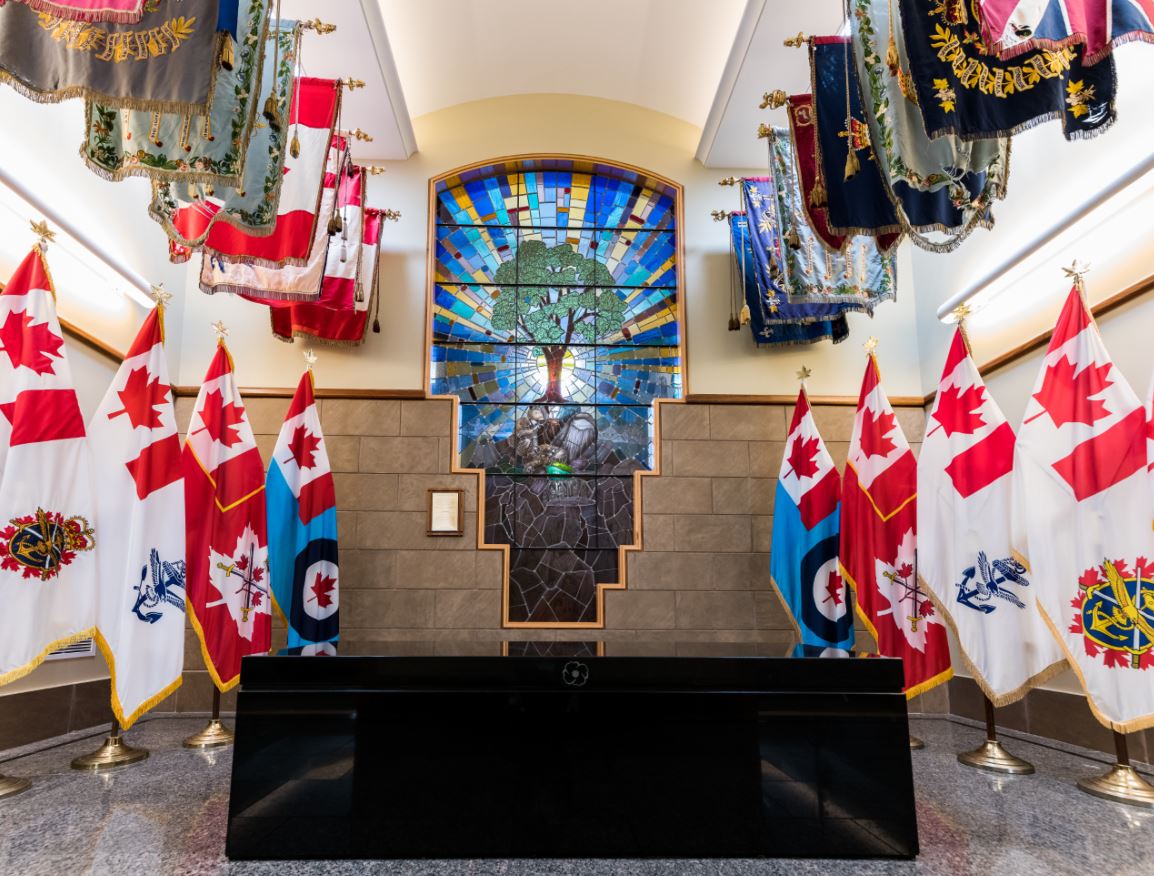
Hope in a Broken World
This window stands as a grateful tribute to the faithful ministry of Canadian Military Chaplains, past and present. From the eternal ruggedness of the rock, and the brokenness, which derives…
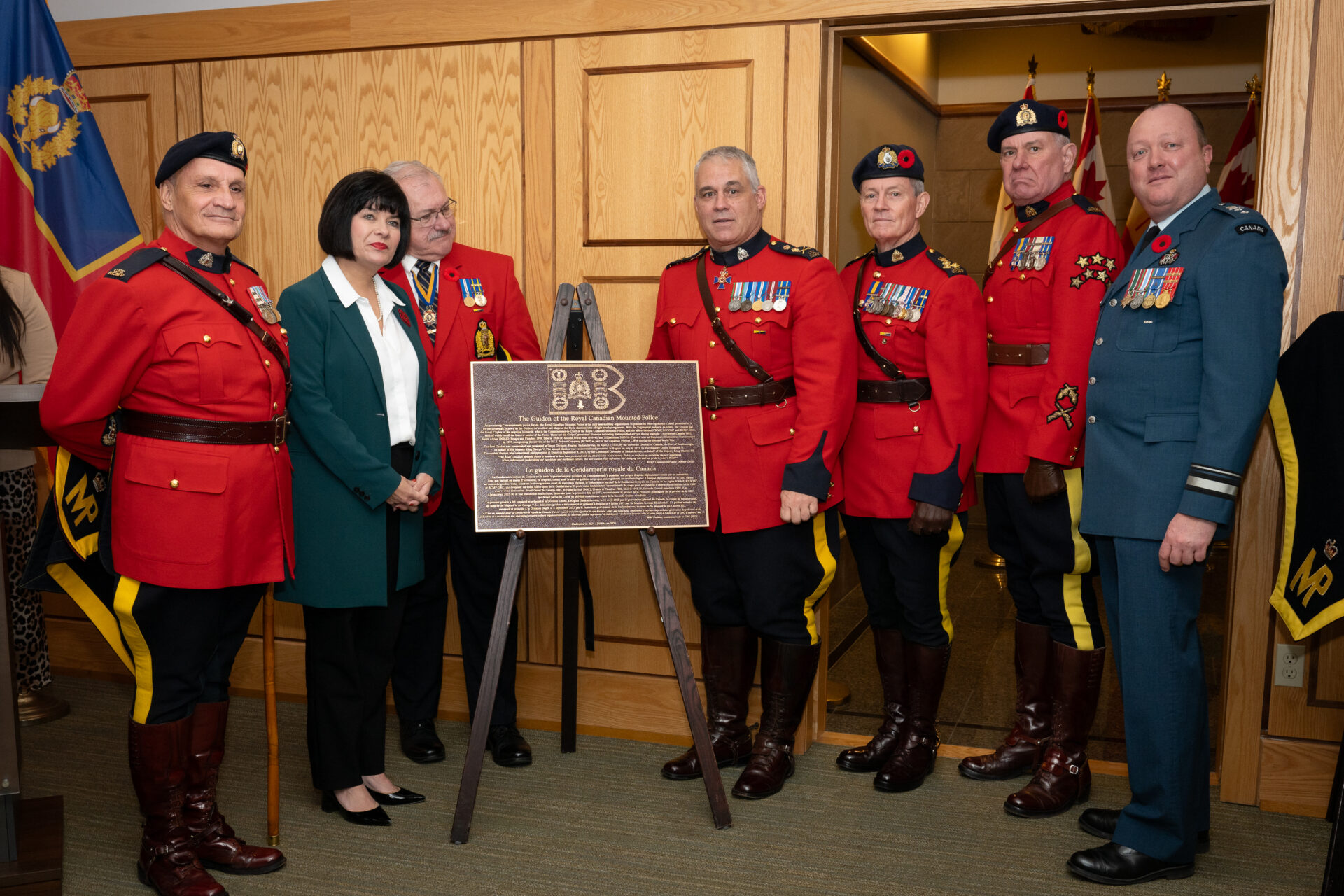
Honouring the Guidon: A Ceremony at the RCMP National Memorial Cemetery at Beechwood
On November 9, 2024, the RCMP National Memorial Cemetery at Beechwood hosted a profound ceremony to honour the Guidon of the Royal Canadian Mounted Police (RCMP). Unique among Commonwealth police…
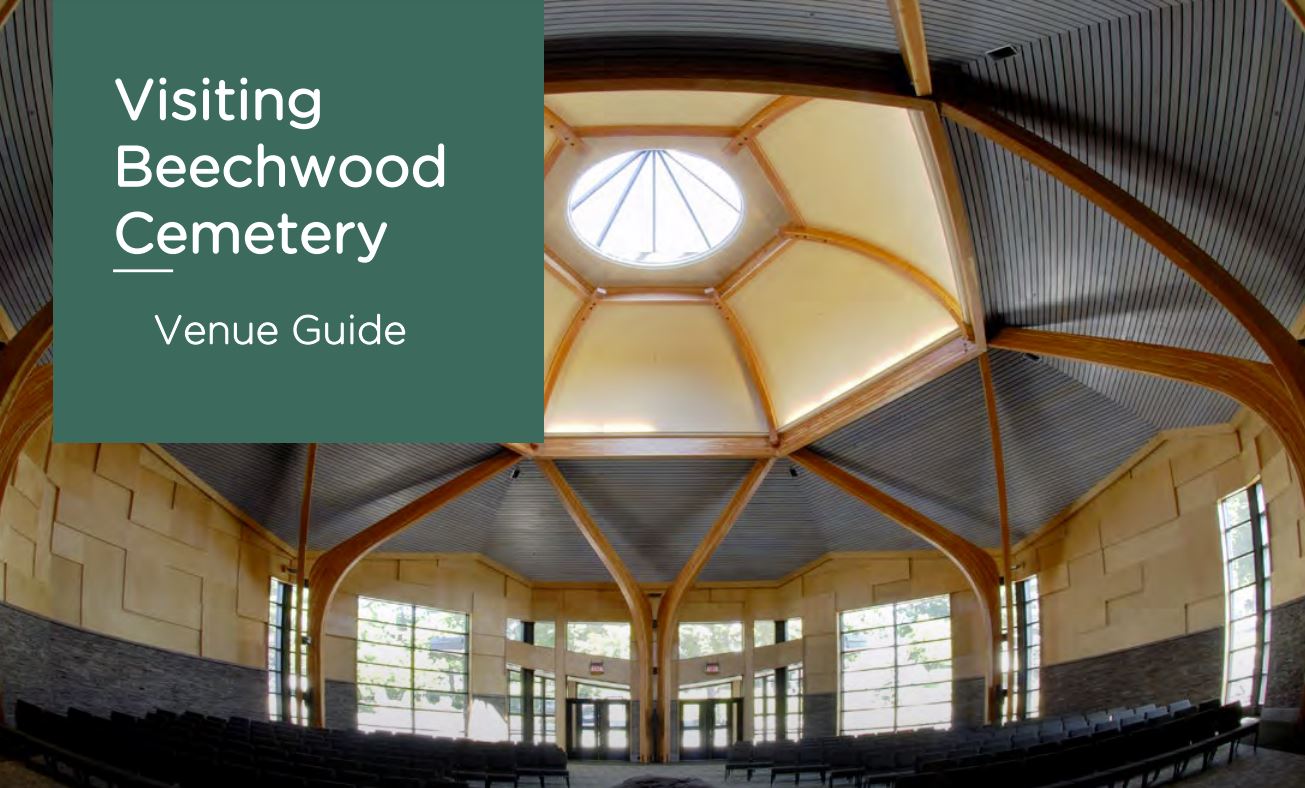
Beechwood Cemetery Social Story
Social stories are valuable tools in supporting the development of social and emotional skills in neurodiverse people. They are brief stories that describe social situations or interactions, breaking down complex…
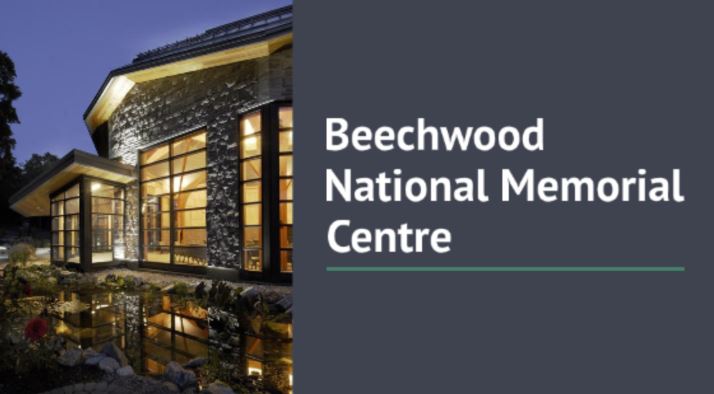
Beechwood National Memorial Centre
Whatever your wishes, Beechwood has comfortable and beautiful facilities to accommodate them. Attached to its 19th-century stone office building is the Beechwood National Memorial Centre – a 7,000-square-foot state-of-the-art reception…
A Personalized Funeral Service – Let’s make it meaningful together.
A Personalized Funeral Service – Let’s make it meaningful together. Funerals play a significant role in our families and our community. They allow people to come together and celebrate the…
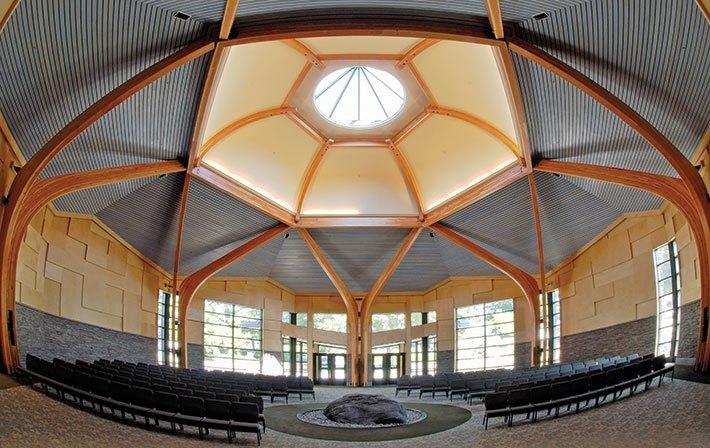
Celebration of life
Although very different in nature, a Celebration of Life and a Funeral have much in common. Both gather people who have shared a common loss. A Funeral is rooted in…

Beechwood Funeral Services
It can be difficult trying to decide how to properly honour a loved one or friend. Beechwood is always available to help, make suggestions and provide guidance and advice for…

Honouring Life: Exploring Different Types of Funerals and Memorials
Memorial and funeral services hold profound importance in the grieving process, offering solace and support to those left behind while honoring the life of the departed. These ceremonies provide a…
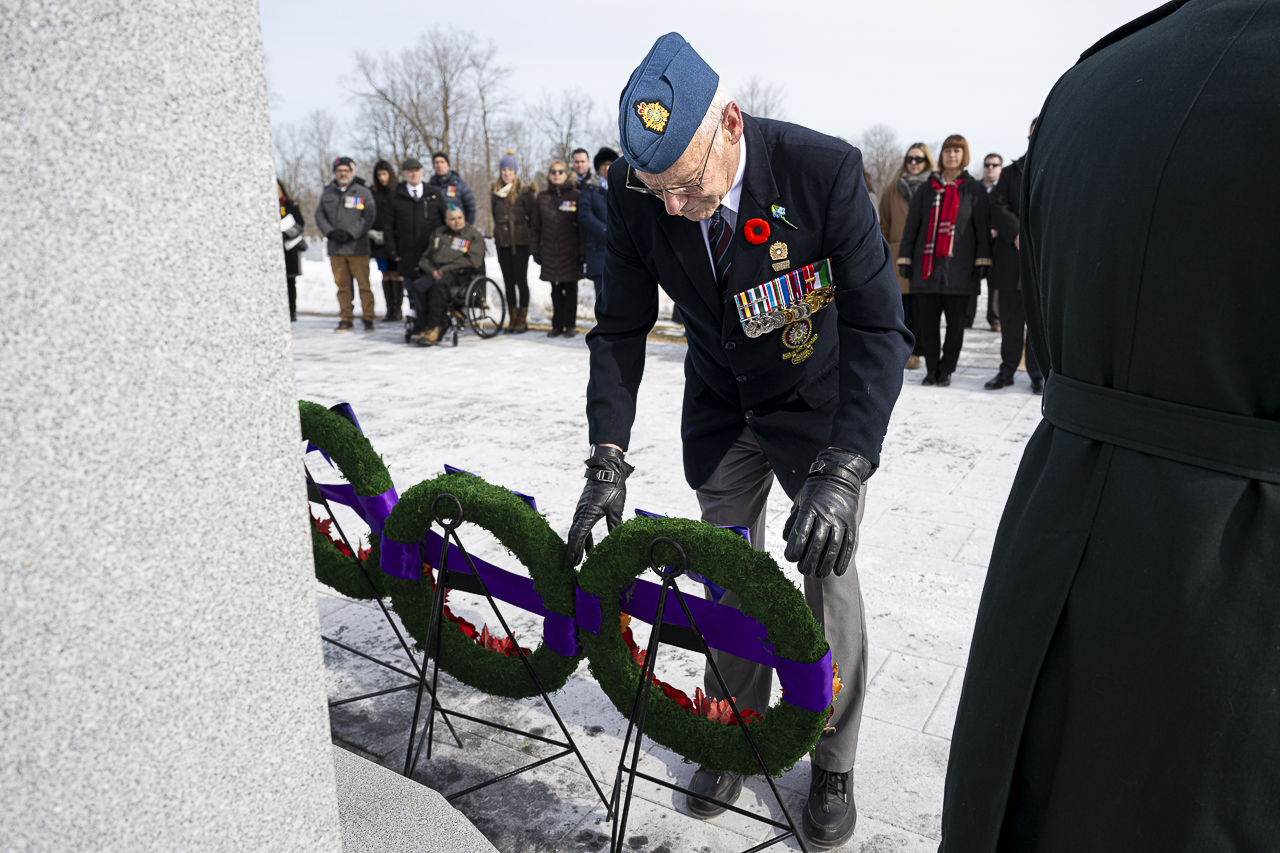
Marking 35 Years Since the End of the Gulf War
On March 3, 2026, the National Military Cemetery of Canada at Beechwood Cemetery served as the national gathering place to commemorate the 35th anniversary of the end of the Gulf…

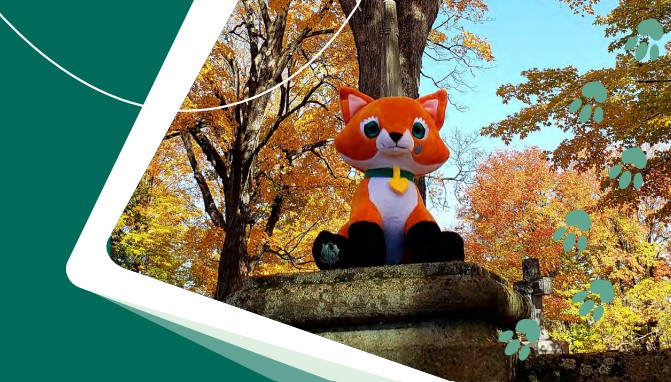
A companion for children: Echo the Fox
Beechwood’s Echo the Fox is a companion for children during funeral services, a companion to hold and cuddle when things get too confusing or difficult. Given at the time of…
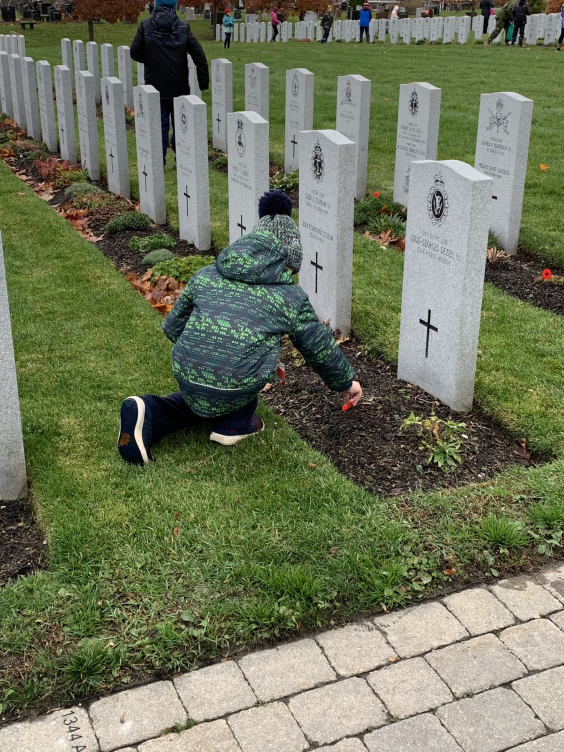
No Stone Left Alone: Beechwood’s act of remembrance aimed at our nation’s youth – Cloned
In ones and twos, with envelopes of poppies in hand, the schoolchildren from l’École élémentaire catholique Saint-François-d’Assise in Hintonburg fan out across the grounds of the National Military Cemetery at…

Beechwood Cemetery joins the Canada’s Forest Trust Corporation (CFTC) and the Let’s get growing! campaign
Beechwood Cemetery is partnering with Ottawa-based Canada’s Forest Trust Corporation (CFTC) and the City of Ottawa to help plant and protect trees in Ottawa as part of the Let’s get…

Planned Power Outage Notice – Avis d’interruption de courant planifiée
Please be advised that Hydro Ottawa has scheduled an electrical equipment replacement that will require a temporary power outage affecting Beechwood Cemetery. Date: Sunday, February 22, 2026 Time: 8:00 a.m.…
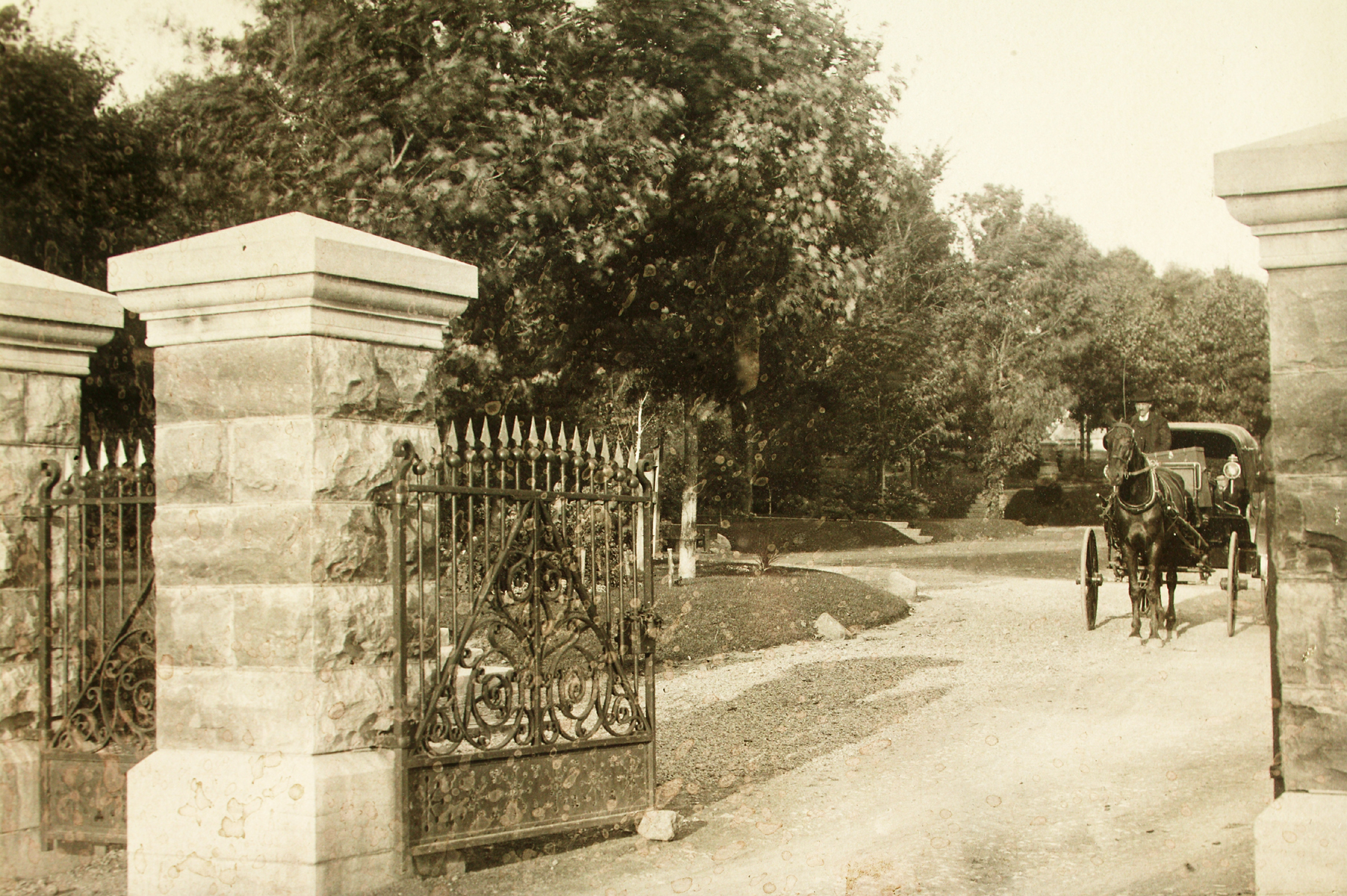
Beechwood and Bytown: Where Ottawa’s Story Took Root
Ottawa did not begin as a capital. It began as Bytown, a hard-working settlement shaped by the Rideau Canal, the timber trade, military presence, and the arrival of families seeking…

Eulogy – Quick tips for writing and delivering
If you have been asked to write and give a loved one’s eulogy—a speech honouring their life—at a funeral or memorial service, you probably have mixed emotions about it. While…
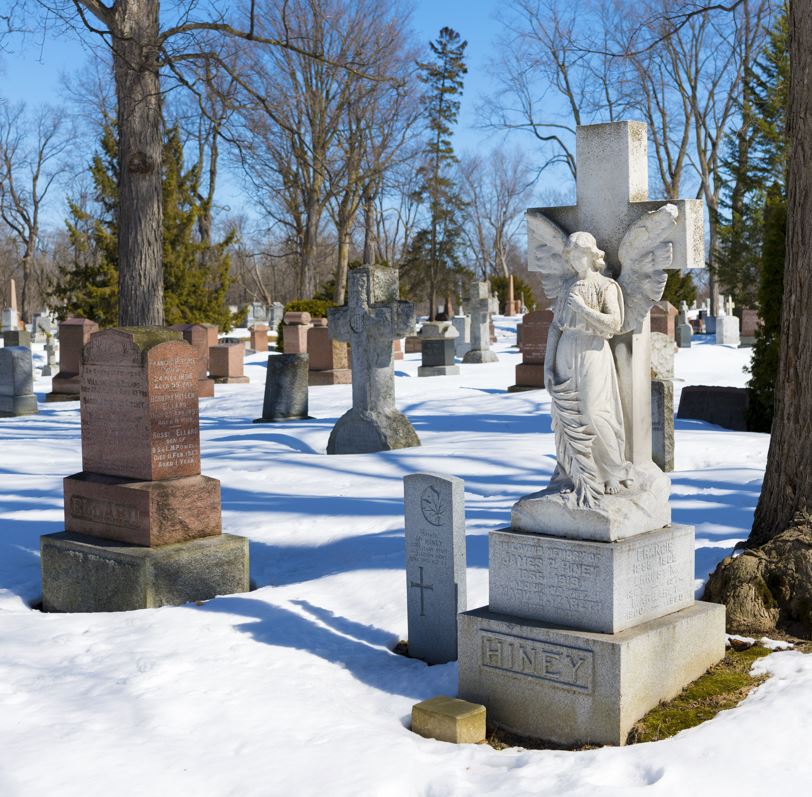
In the Quiet of Winter: Stewardship, Memory, and Continuity at Beechwood
Winter settles differently at Beechwood. The pace slows. Sound softens. Pathways become places of reflection rather than passage. It is in this quieter season that the purpose of the cemetery…
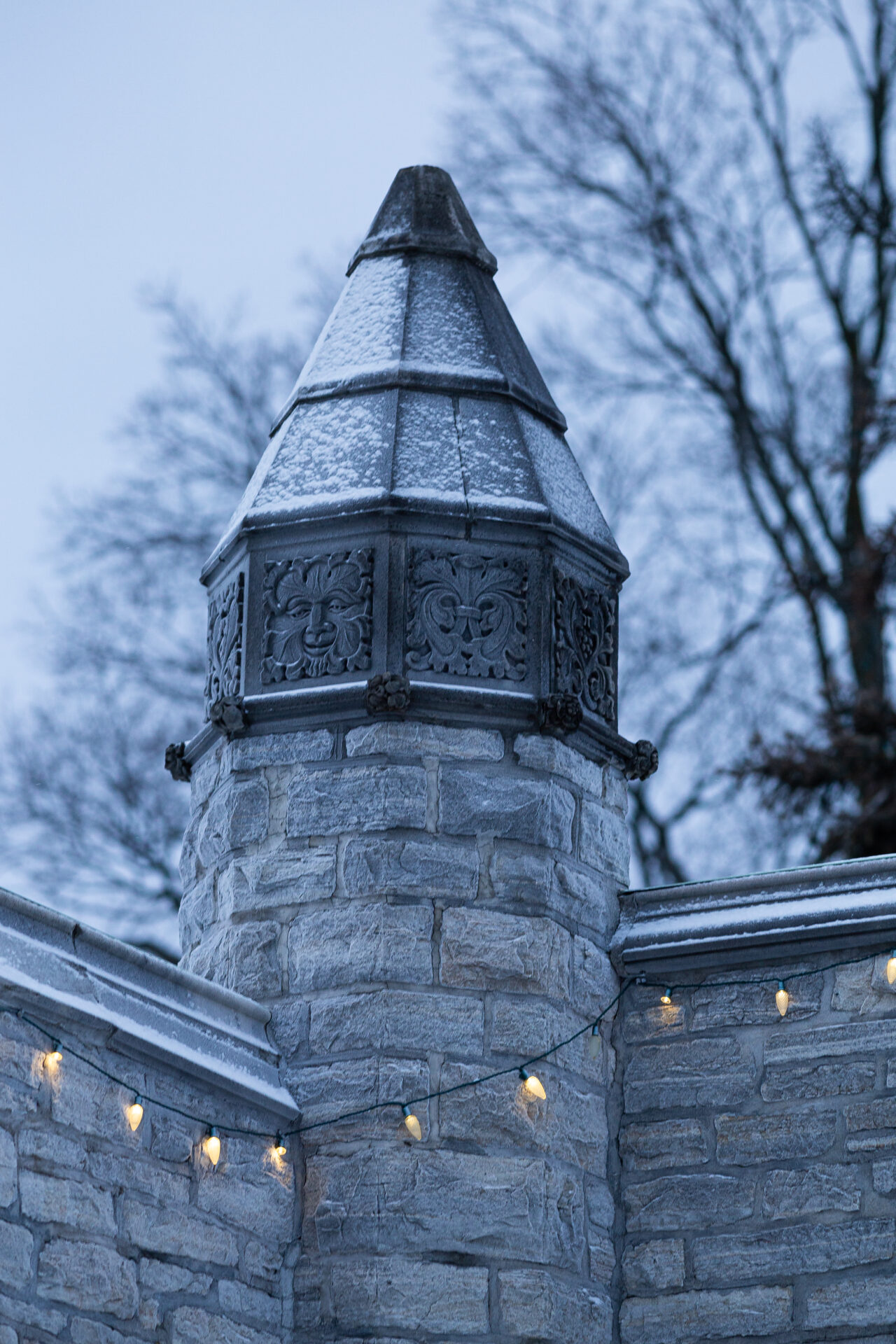
New Edition: Beechwood Way: Winter 2026 Volume 34
Dear Beechwood Community, As we step into a new year, we do so with optimism, purpose, and a clear line of sight on the transformational work ahead. Beechwood’s mandate has…
Helping Children Talk About Grief – My Grief Companion Workbook (Ages 11 and Under)
Helping Children Talk About Grief – Gently When a child loses someone they love, many parents worry about saying the wrong thing. The truth is simple: children don’t need perfect…

Grief Is Not a Problem to Solve
Grief is often treated as an interruption, an emotional malfunction that needs to be corrected so life can return to normal. In professional settings, social circles, and even families, grief…
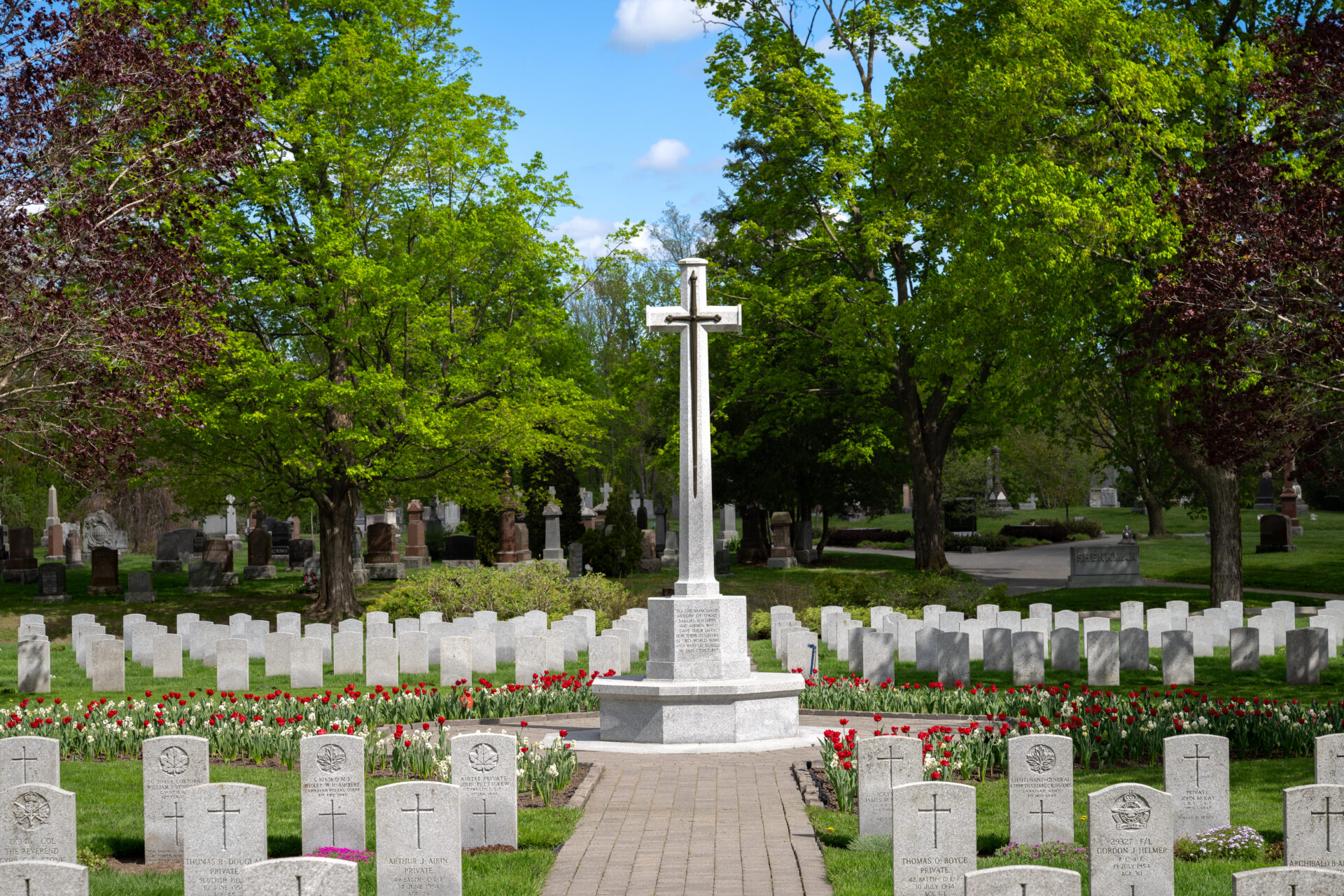
Section 27 – The Field of Honour at Beechwood Cemetery
Section 27, known as the Field of Honour, is one of the most profound expressions of military remembrance at Beechwood Cemetery. Reserved for Canadian Forces veterans and war dead from…
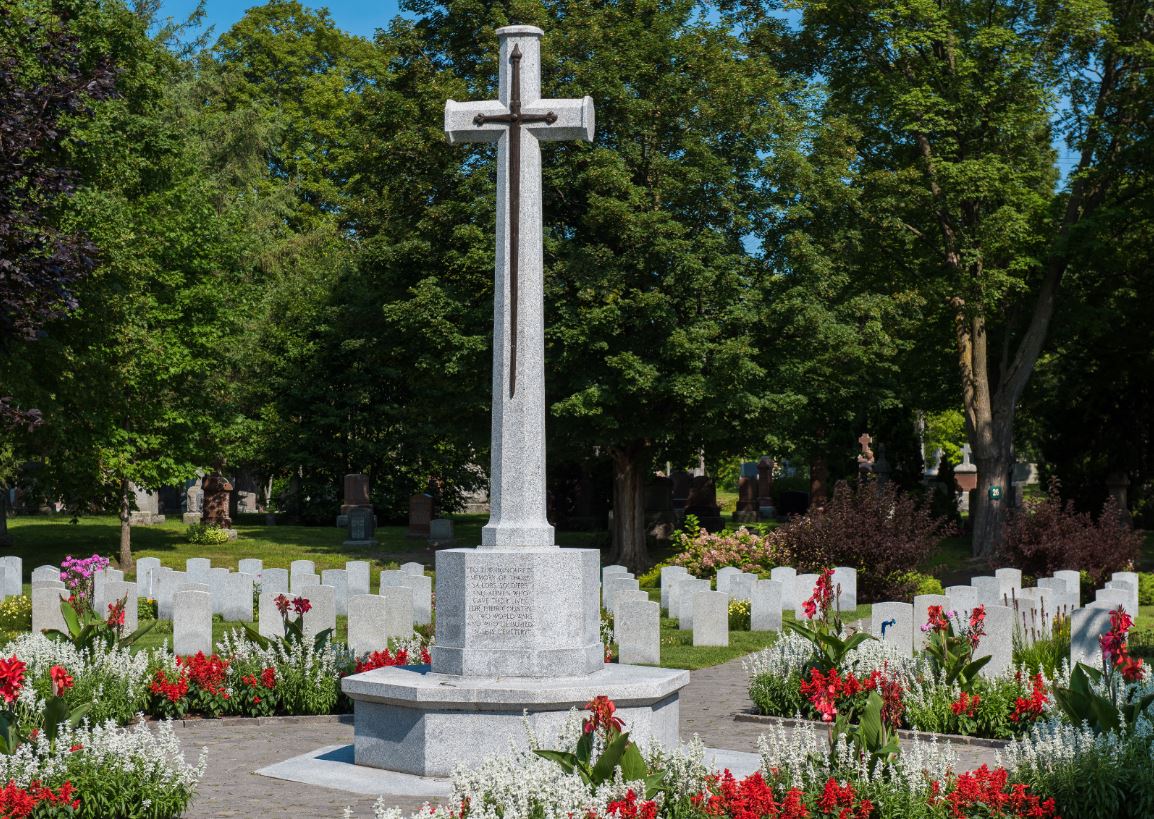
The Cross of Sacrifice: Architecture, Meaning, and Memory at Beechwood
Few memorial forms are as instantly recognizable, or as enduring, as the Cross of Sacrifice. Designed during the First World War, it has become the defining symbol of Commonwealth military…

Understanding Feelings of Sadness During the Holidays – A guide for children under 10
A Message for Parents and Caregivers The holiday season can amplify emotions for children who are grieving or missing someone special. While the world around them focuses on celebration, many…
Holding Space for Grief Amid the Holidays
The holiday season is marketed as a time of joy, connection, and celebration. Yet for many, it is one of the most emotionally complex periods of the year. When someone…
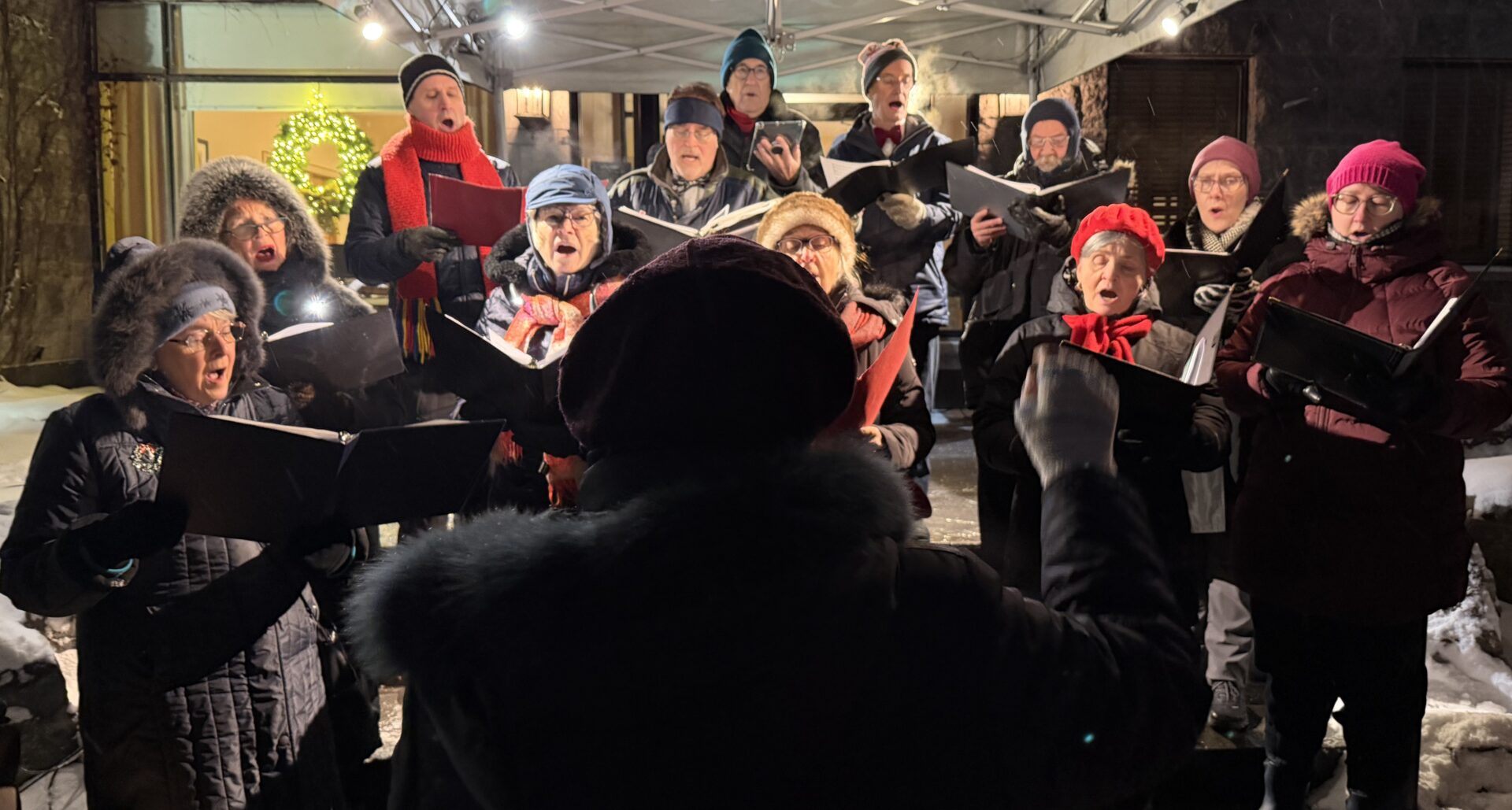
A Heartfelt Evening of Light and Reflection: Beechwood’s 31st Annual Christmas Candlelight Service
Beechwood’s 31st Annual Christmas Candlelight Service welcomed families, friends, and community members for an evening of quiet reflection, shared remembrance, and seasonal hope. As the soft glow of candlelight filled…
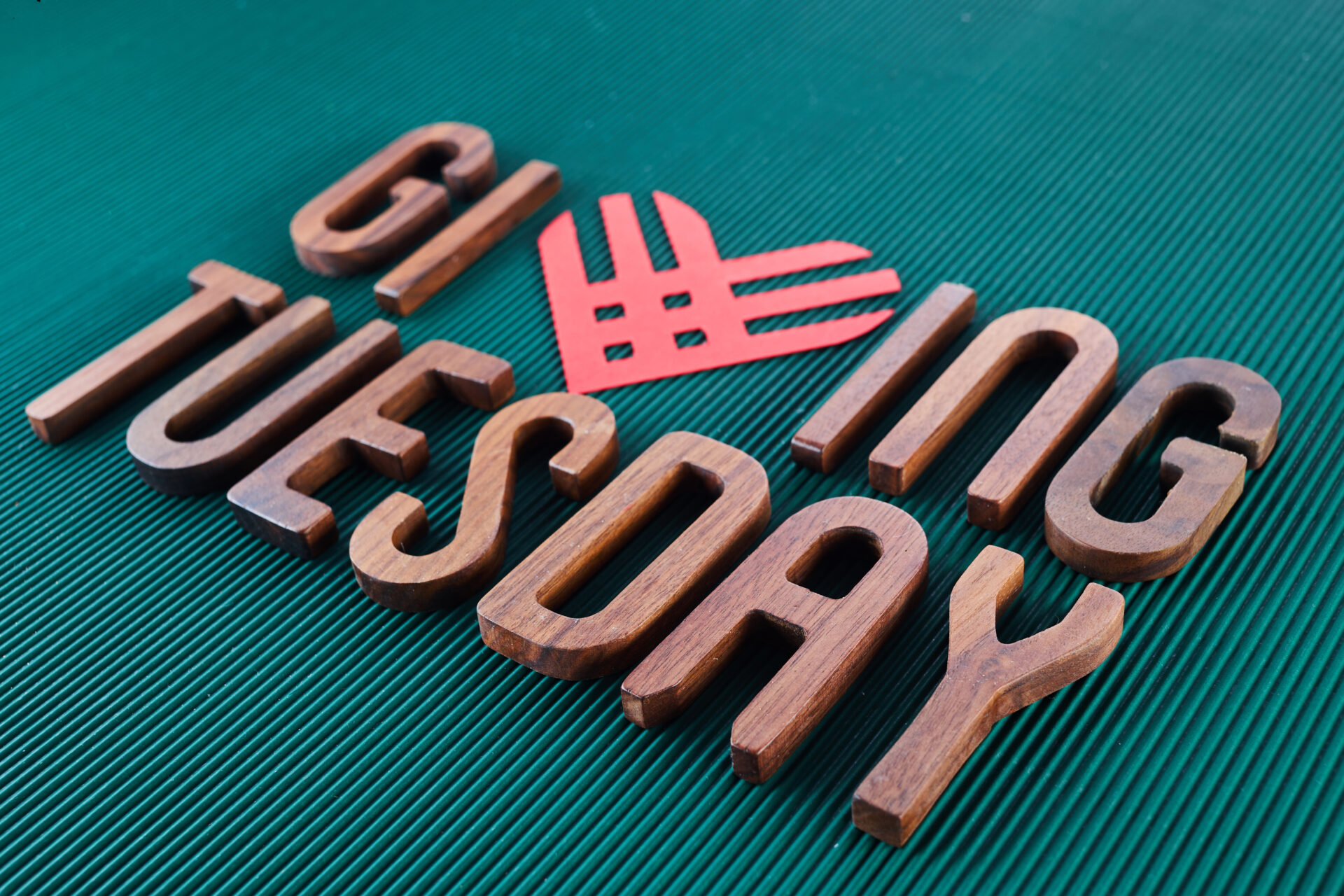
Preserving Canada’s Stories: Why Beechwood Needs You This Giving Tuesday
As Canadians come together for Giving Tuesday, we are reminded of the responsibility we share to honour our past, support our present, and safeguard our future. At Beechwood Cemetery, Canada’s…
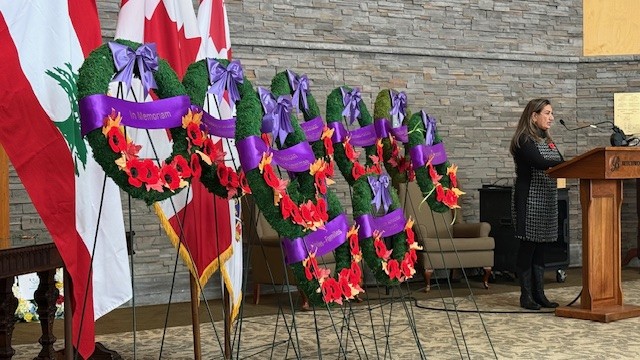
Honouring Service and Heritage: The Second Annual Lebanese-Canadian Military Remembrance Ceremony
Beechwood Cemetery’s National Military Cemetery of Canada hosted the Second Annual Lebanese-Canadian Military Remembrance Ceremony on November 23, 2025, an observance that reaffirmed the enduring contributions of Canadians of Lebanese…
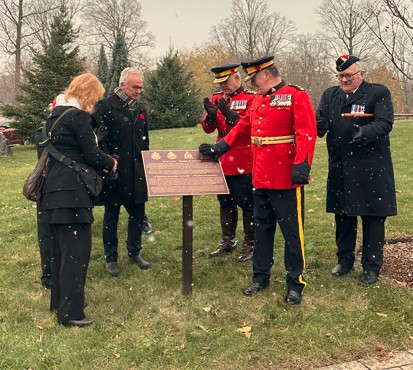
Honouring the Past: The Unveiling of “Maintain Our Memories”
On November 9, 2025, following the RCMP Veterans’ Week Commemorative Service at the RCMP National Memorial Cemetery at Beechwood, a new and meaningful project was unveiled – RCMP Graves: “Maintain…
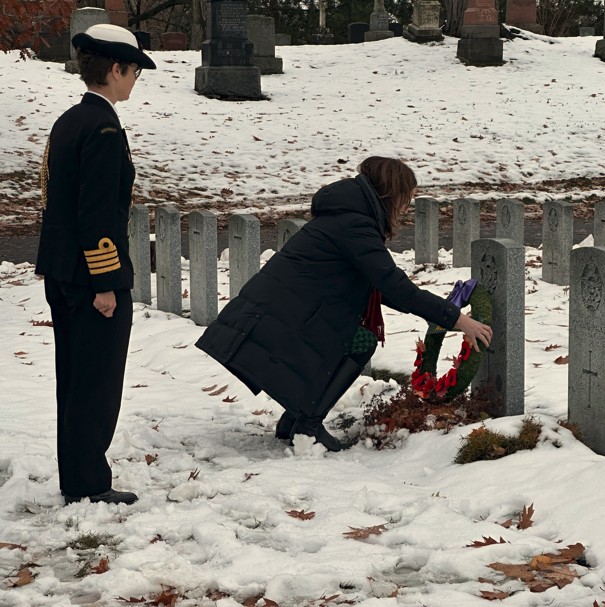
Honouring Australia’s Fallen at the National Military Cemetery
Wreath Laying and Remembrance Service Earlier today, representatives of the Australian High Commission gathered at the National Military Cemetery of Canada for a solemn act of remembrance, honouring two young…
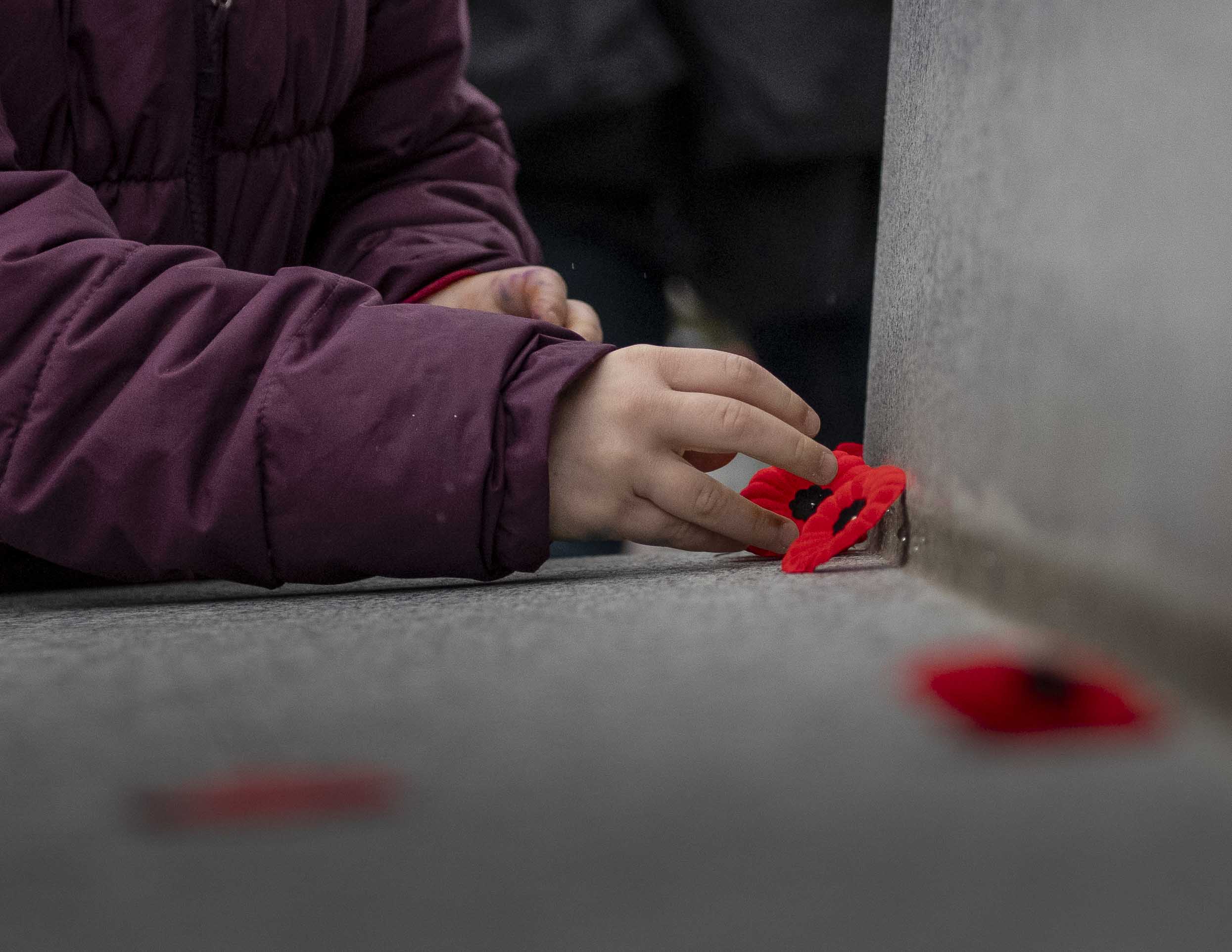
What Remembrance Day Means at the National Military Cemetery
Every year on November 11, the National Military Cemetery becomes a place where silence carries a depth of meaning no words can reach. The stillness that settles over the rows…
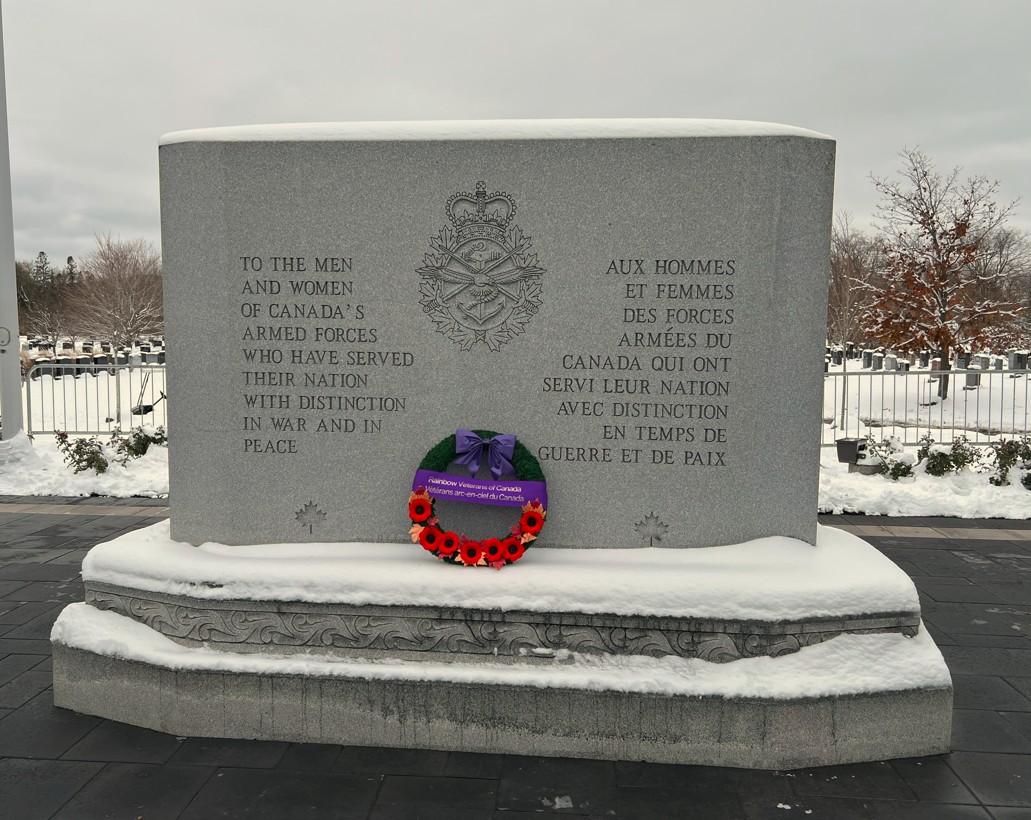
Echoes in Valour and Pride – Remembering the LGBT Purge at Beechwood
On November 10, 2025, Beechwood Cemetery, in partnership with the Rainbow Veterans of Canada, hosted Echoes in Valour and Pride – The LGBT Purge: Stories of Betrayal, Courage, and Memory…
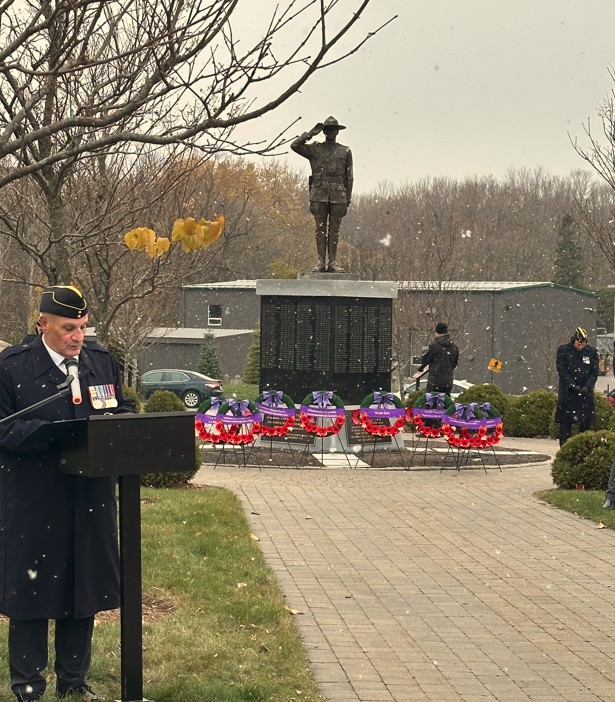
RCMP Veterans’ Week Commemorative Service 2025
Honouring Service, Sacrifice, and the RCMP Legacy On November 9, 2025, the RCMP National Memorial Cemetery at Beechwood stood as a place of solemn remembrance and pride during the annual…
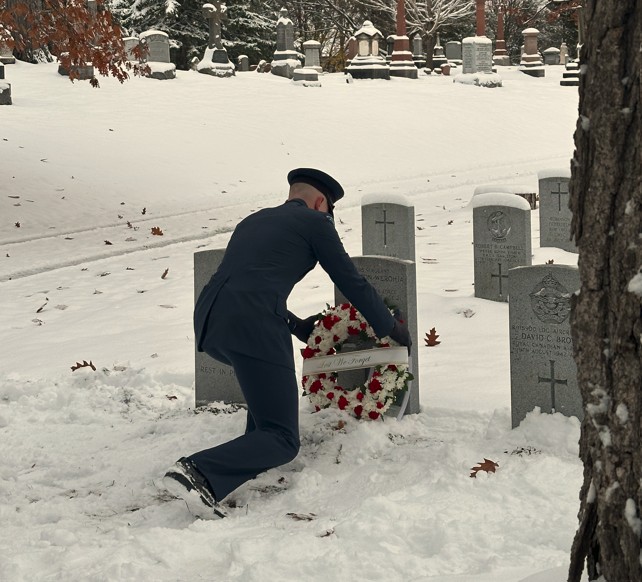
A New Zealand Dawn Act of Remembrance at the National Military Cemetery
At 7:00 a.m. on November 10, under a calm and misted sky, members of the New Zealand Defence Force (NZDF) and the New Zealand High Commission in Canada gathered at…
The Pillar Society Remembrance Week Ceremony at the CSIS National Memorial Cemetery
Each year during Remembrance Week, a quiet but deeply meaningful ceremony takes place within the CSIS National Memorial Cemetery at Beechwood, a place dedicated to those who have served Canada…
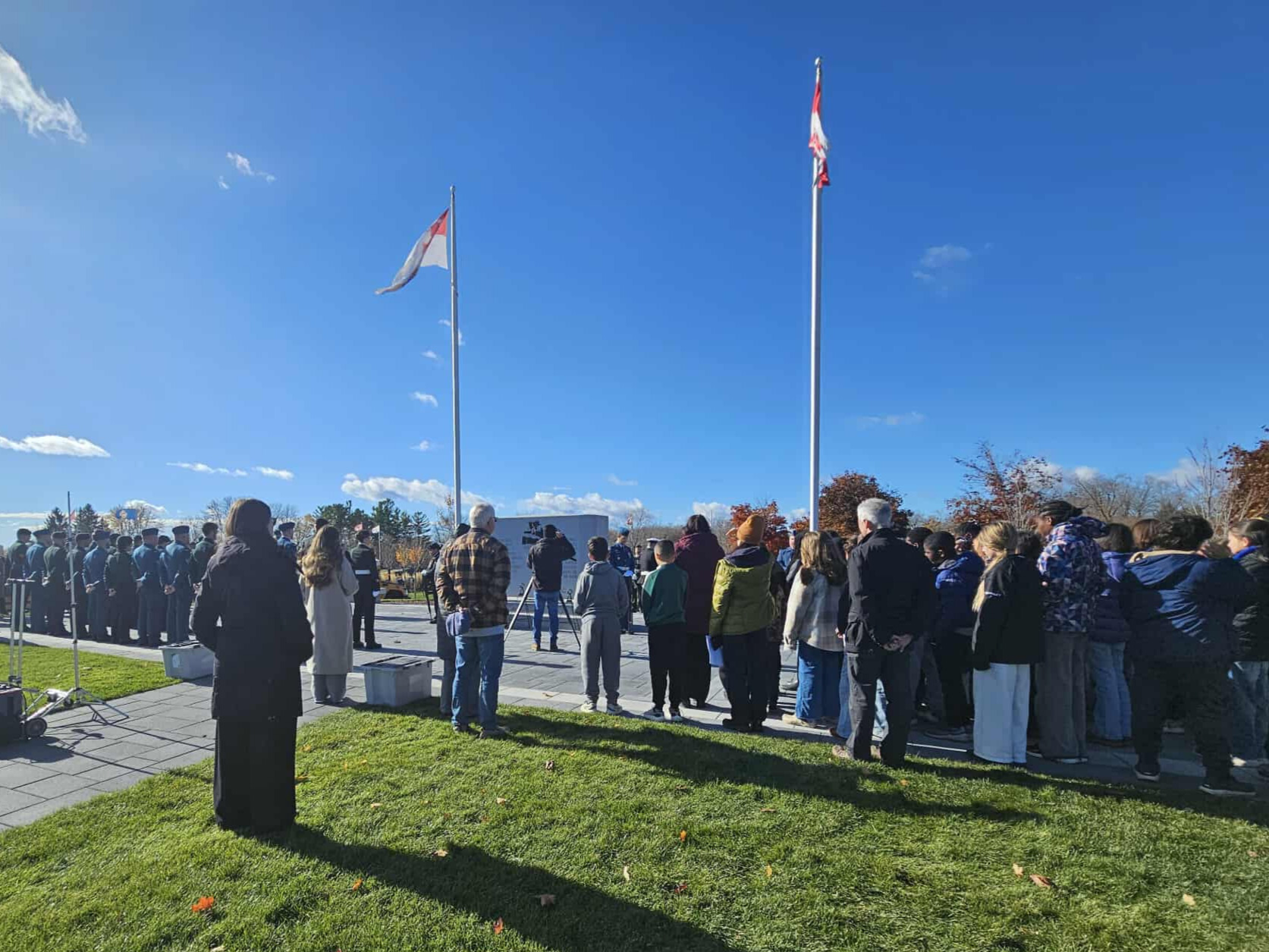
No Stone Left Alone: Youth in Action at the National Military Cemetery
On November 4, 2025, the National Military Cemetery of Canada once again became a place of reflection, remembrance, and education. The No Stone Left Alone – National Capital Region Girl…
The Act of Remembrance: Why These Words Endure
Each November, as Canadians gather in silence at cenotaphs, schools, and cemeteries across the country, a familiar verse rises above the stillness: “They shall grow not old, as we that…
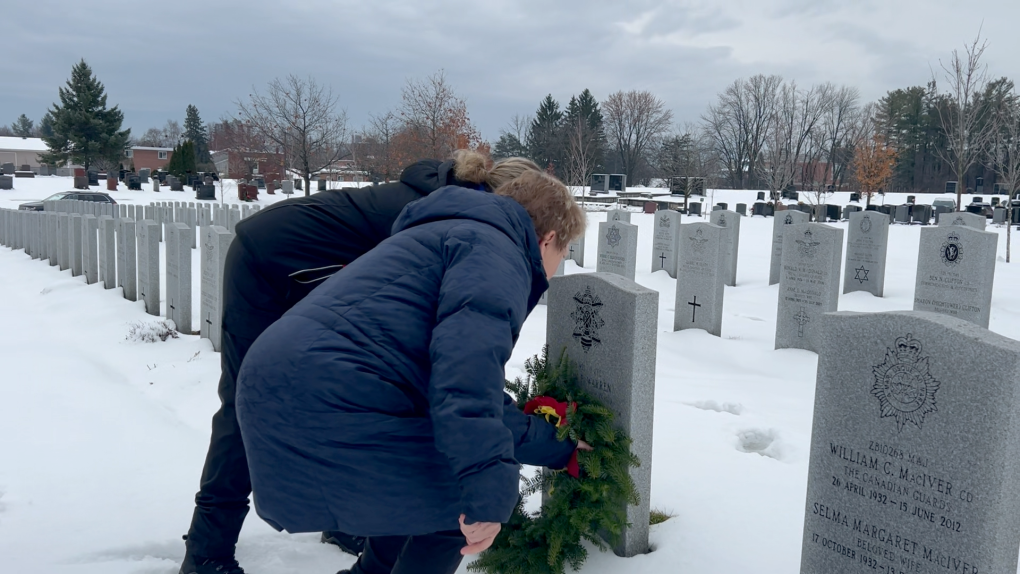
Wreaths Across Canada 2025 is cancelled
The Wreaths Across Canada Board is sad to share that, due to some unexpected life events, we will not be able to host the 2025 wreath event. Serving our Veteran…
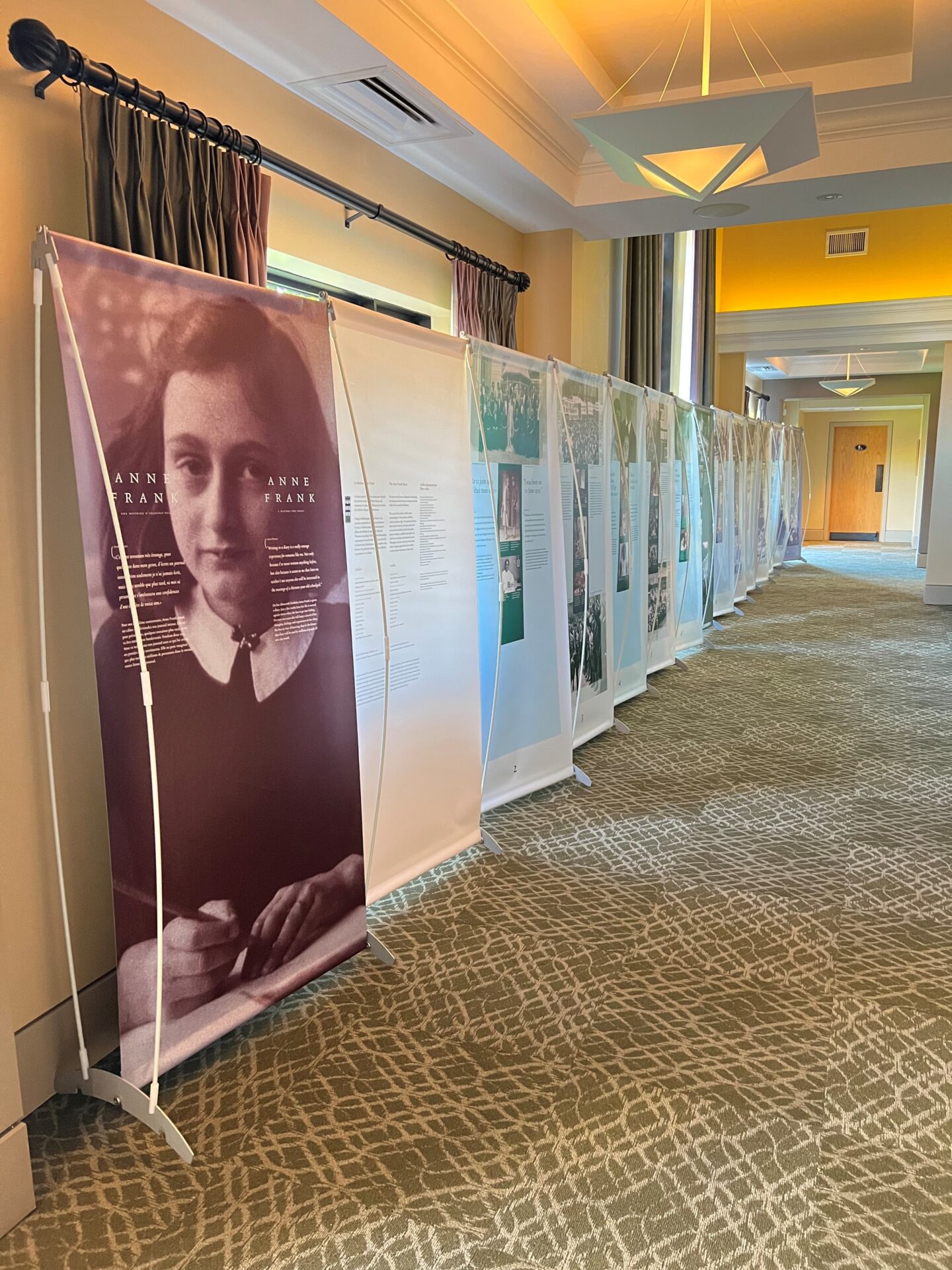
Anne Frank – A History for Today – Installed inside the Beechwood National Memorial Centre until November 30st
Beechwood Cemetery is honoured to host the powerful and internationally acclaimed exhibition “Anne Frank – A History for Today” at the Beechwood National Memorial Centre. This initiative is presented in…
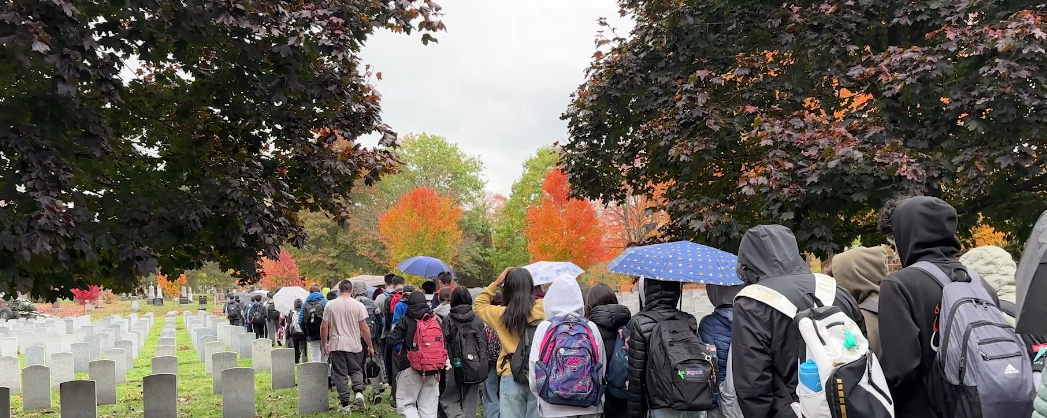
Remembrance in Action: Merivale High School’s Annual Visit to the National Military Cemetery
Each year, students from Merivale High School take part in a profound act of remembrance at the National Military Cemetery at Beechwood. Guided by their history teacher, Christine Sabourin, the…
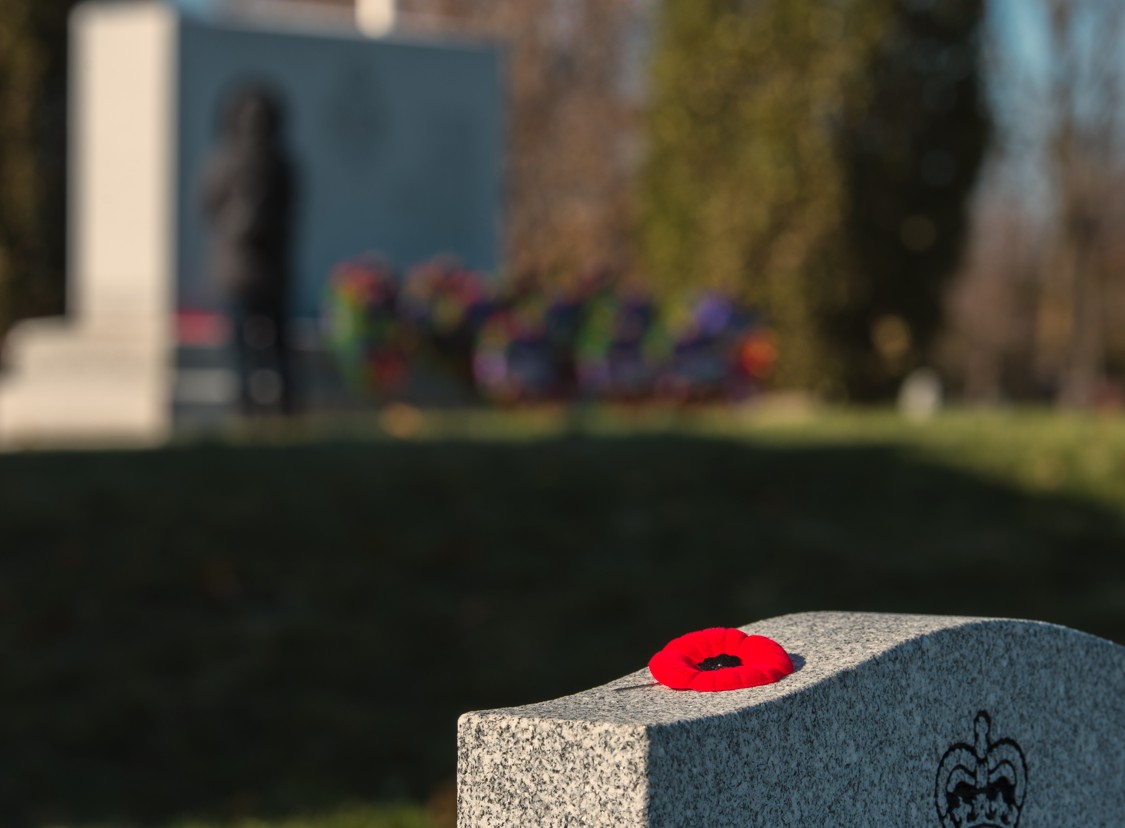
Grief and Remembrance: Carrying Their Memory Forward
Each November, as Canada observes Remembrance Week, we pause as a nation to honour the courage, sacrifice, and service of our Canadian Armed Forces members and Veterans. But beyond the…

Preserving Canada’s National Cemetery: Building the Future Together
A Living Legacy of Remembrance Beechwood Cemetery stands as more than a final resting place, it is Canada’s national site of memory, honour, and reflection. Each tree-lined path, each monument,…
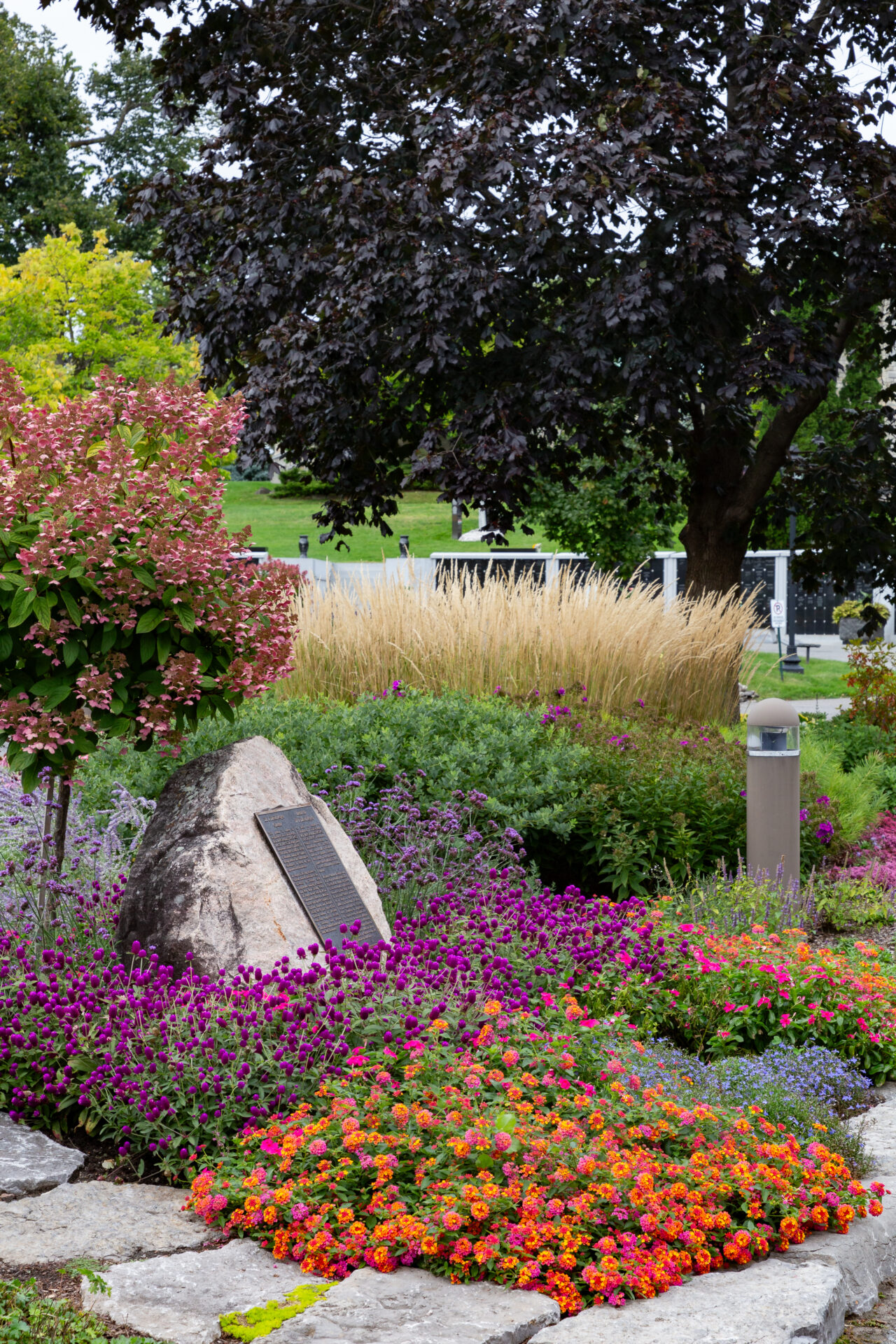
No Fall addition of the Beechwood Way Magazine
Notice to Our Readers Due to the ongoing Canada Post strike and the resulting mail delivery disruptions, we have decided not to release the current issue of the Beechwood Way…
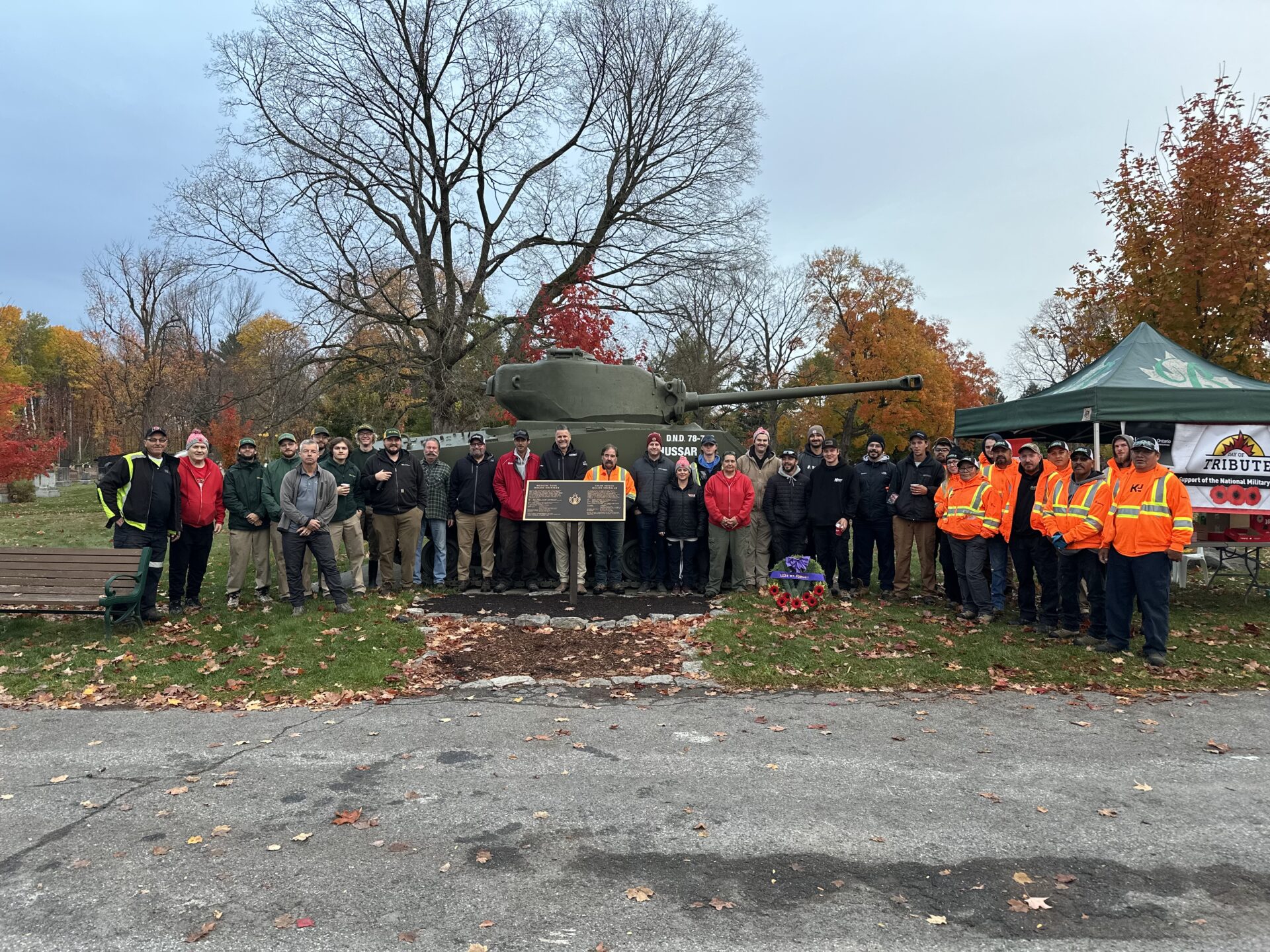
Honouring Service Through Stewardship: The 21st Annual National Day of Tribute at Beechwood
This morning, Beechwood Cemetery, home of the National Military Cemetery of Canada, once again became a place of community action and quiet gratitude. The 21st Annual National Day of Tribute…
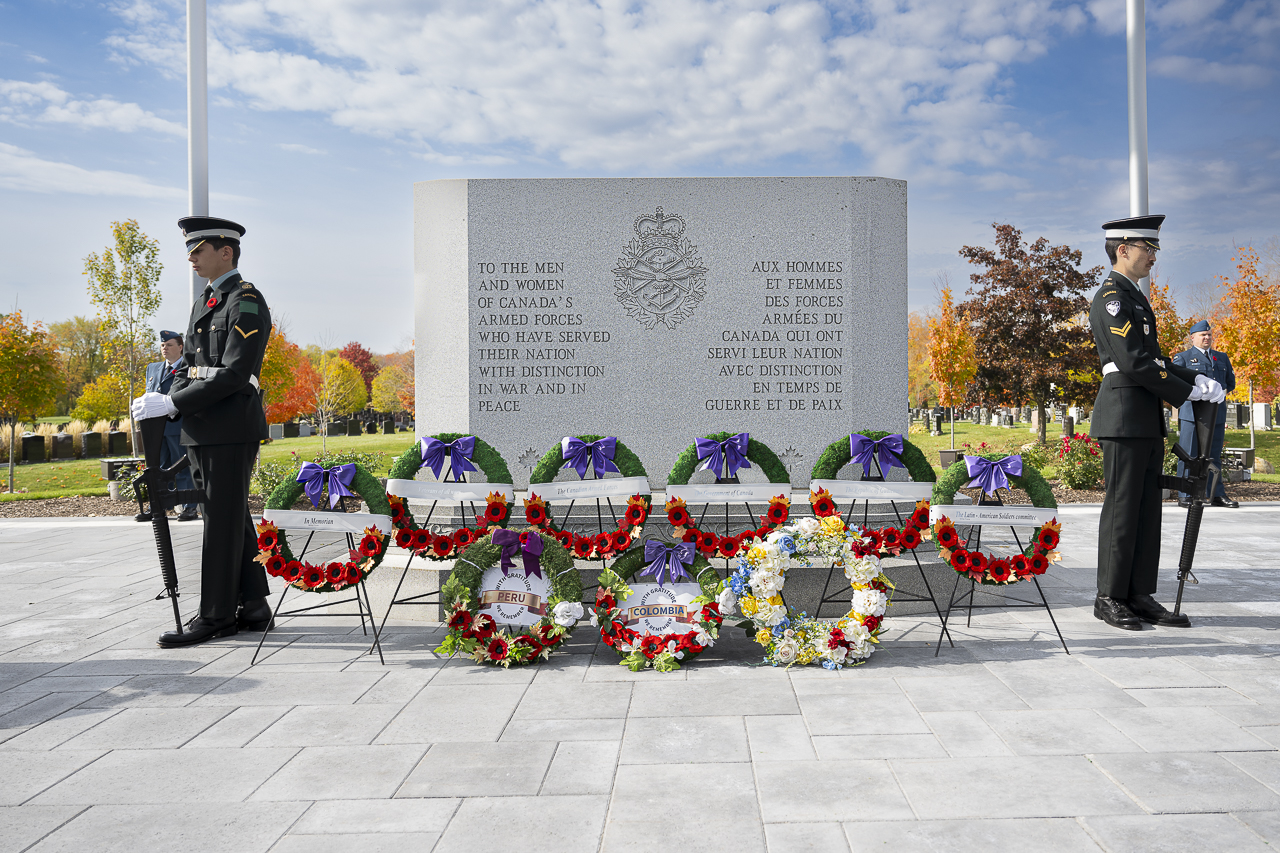
Honouring the Latin-American Community’s Service and Sacrifice
Featuring Guatemala as the 2025 Host Nation On Sunday, October 19, 2025, the National Military Cemetery of Canada at Beechwood Cemetery hosted the 4th Annual Latin-American Remembrance Ceremony, marking a…
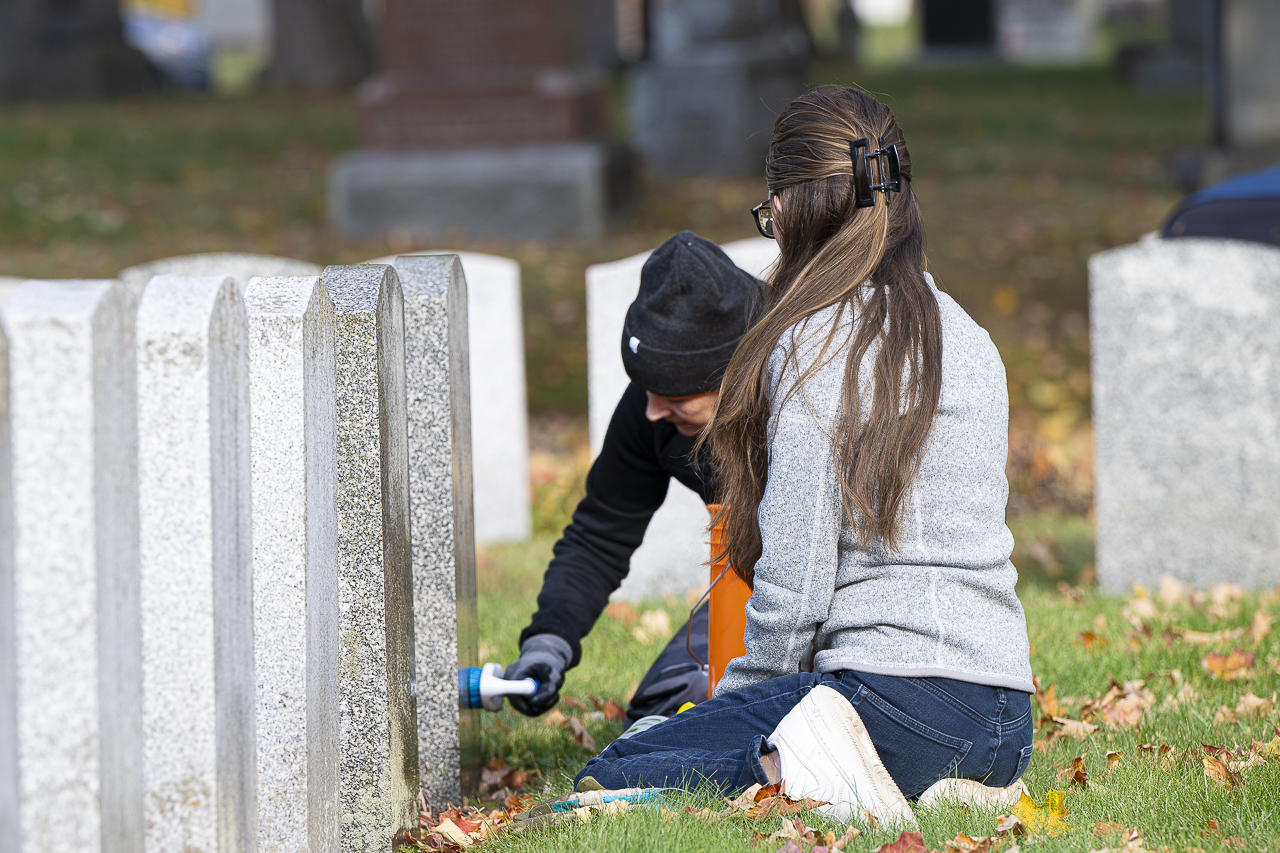
A Community United in Remembrance: Volunteers Restore Headstones at the National Military Cemetery
This fall, Beechwood Cemetery and the National Military Cemetery were deeply moved by the outpouring of community support during the Headstone Cleaning Events held in September and October 2025. Over…
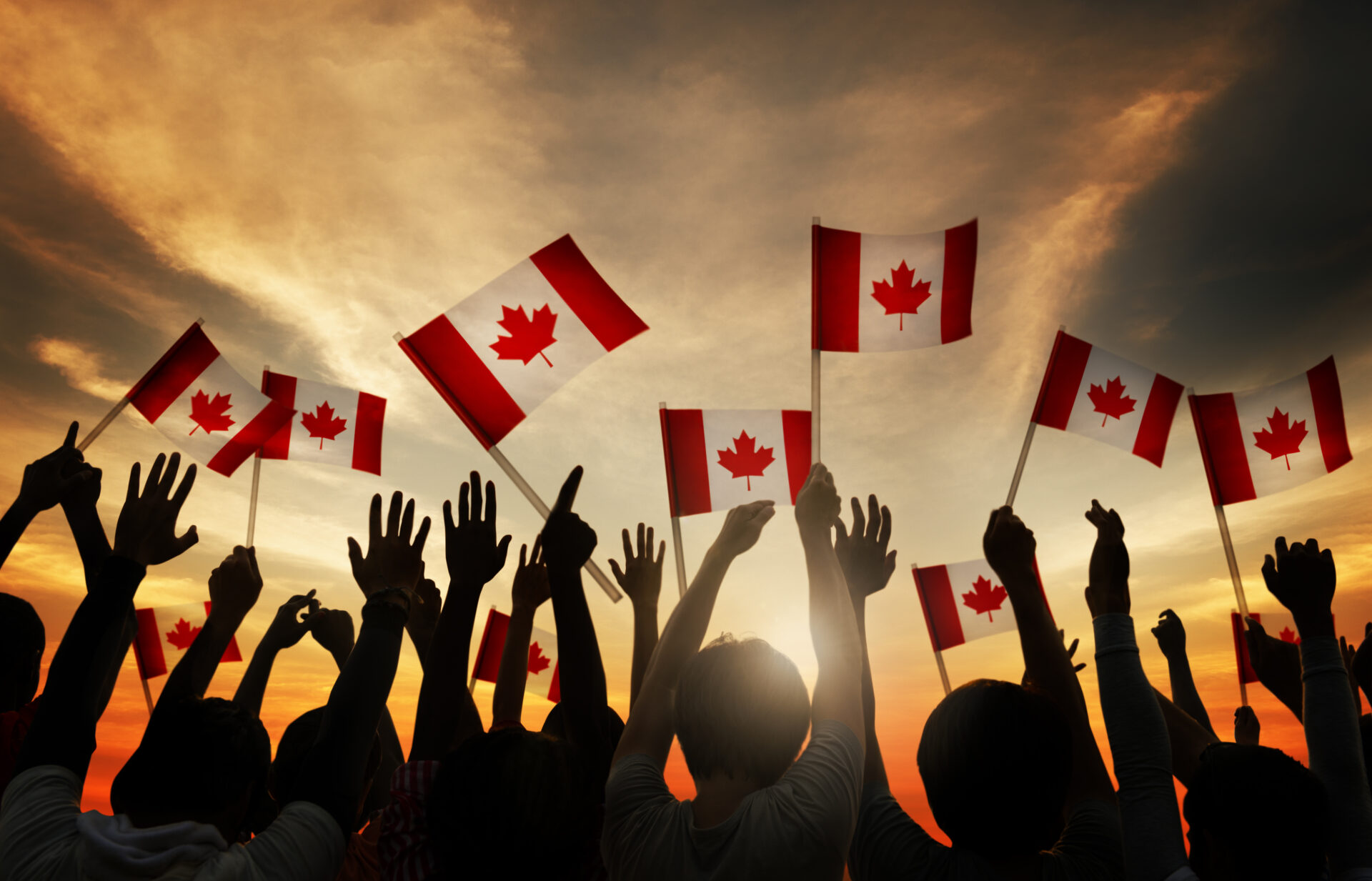
From Coast to Coast to Coast: Honouring the Maple Leaf This Fall
As the air turns crisp and the last leaves fall, Canadians across the country begin their annual rituals of closing cottages, storing patio furniture, and preparing for winter. It’s a…
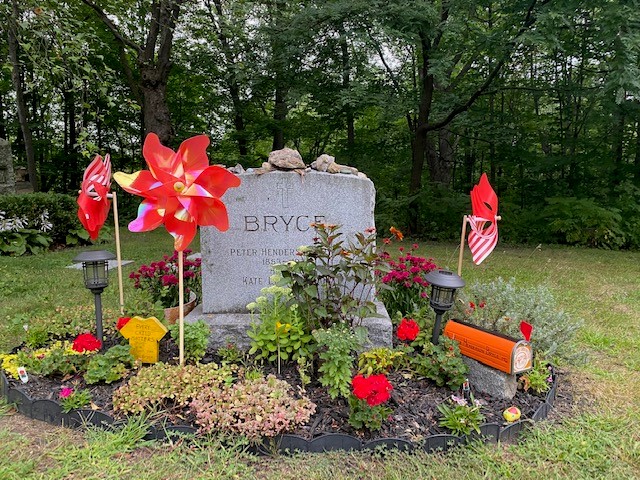
On Orange Shirt Day, a graveyard tour helps allies see parts of history that were never carved in stone
It seemed to be one of those autumn days that Ottawa saves for September 30. At the Beechwood Cemetery in Ottawa’s east end, about 100 people gathered to remember and…
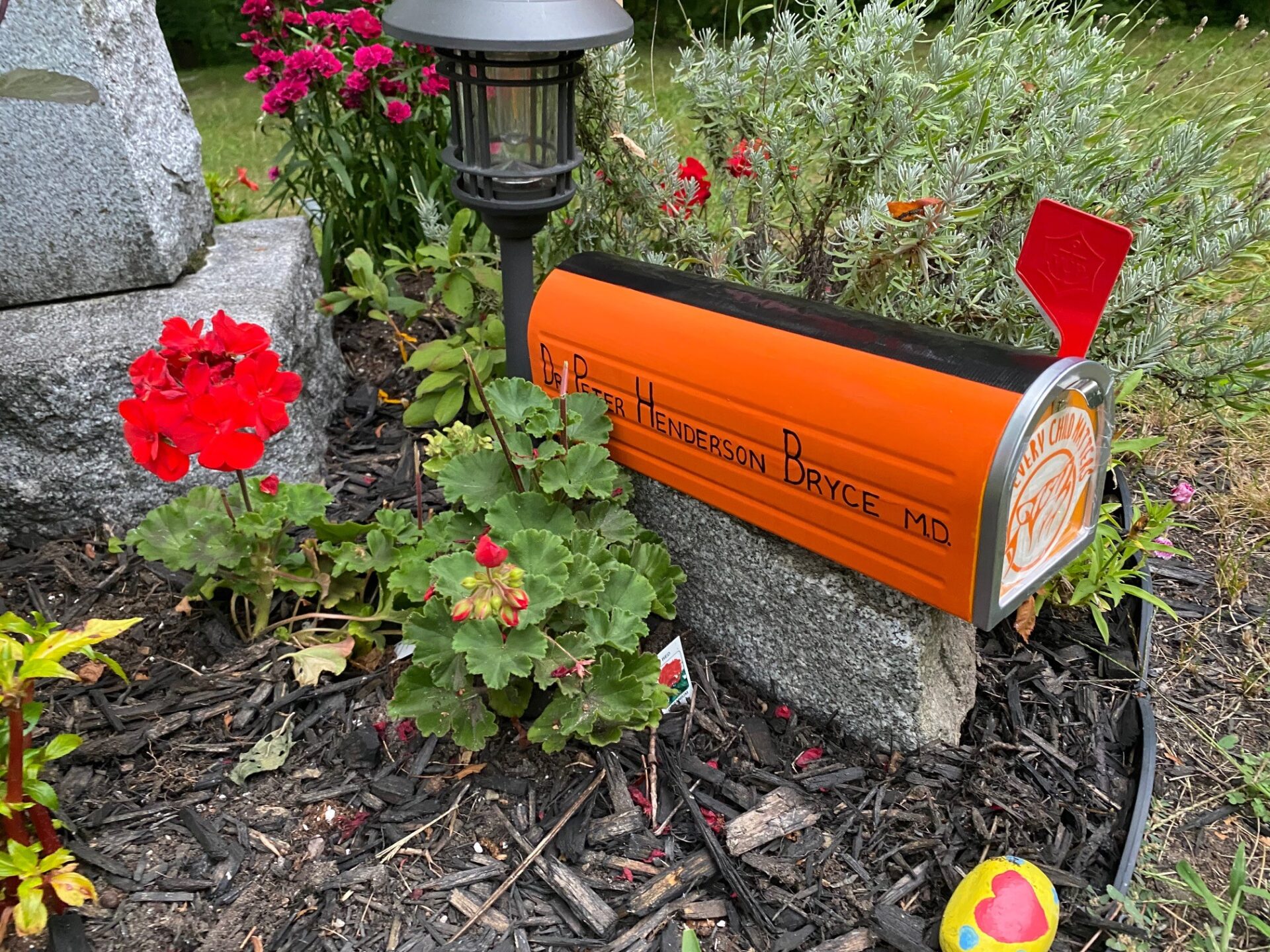
Why Reconciliation Matters at Beechwood
Every September 30, Beechwood Cemetery opens its gates not just as a place of rest, but as a place of learning. On the National Day for Truth and Reconciliation, we…
The Grief Companion Workbook
A Practical and Emotional Support Tool for Navigating Life After Loss A NOTE TO YOU Grief is love with nowhere to go. This workbook is here to give it a…
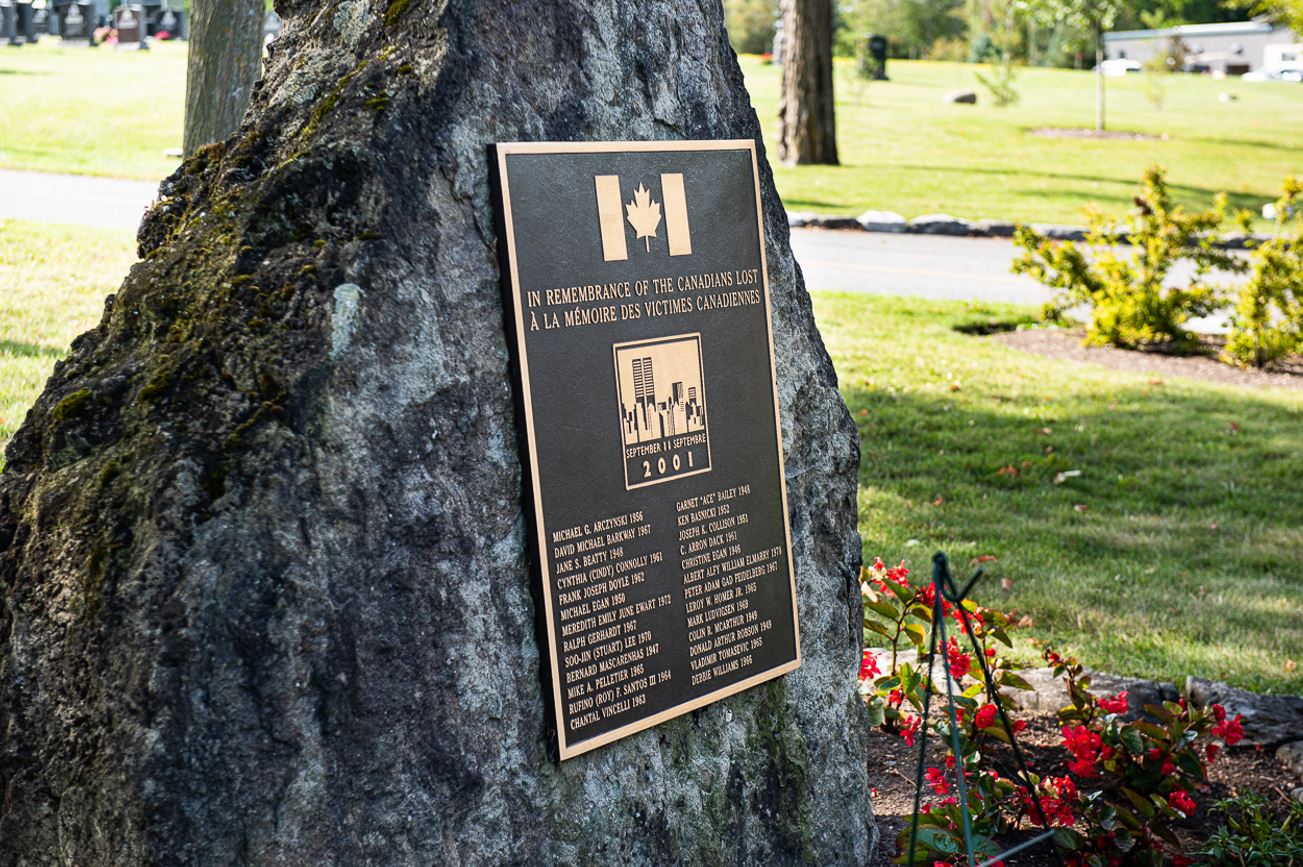
Marking 24 Years Since 9/11
This September 11 marks the 24th anniversary of the terrorist attacks of 2001, a day that changed the world forever. Nearly 3,000 lives were lost in New York, Washington, and…
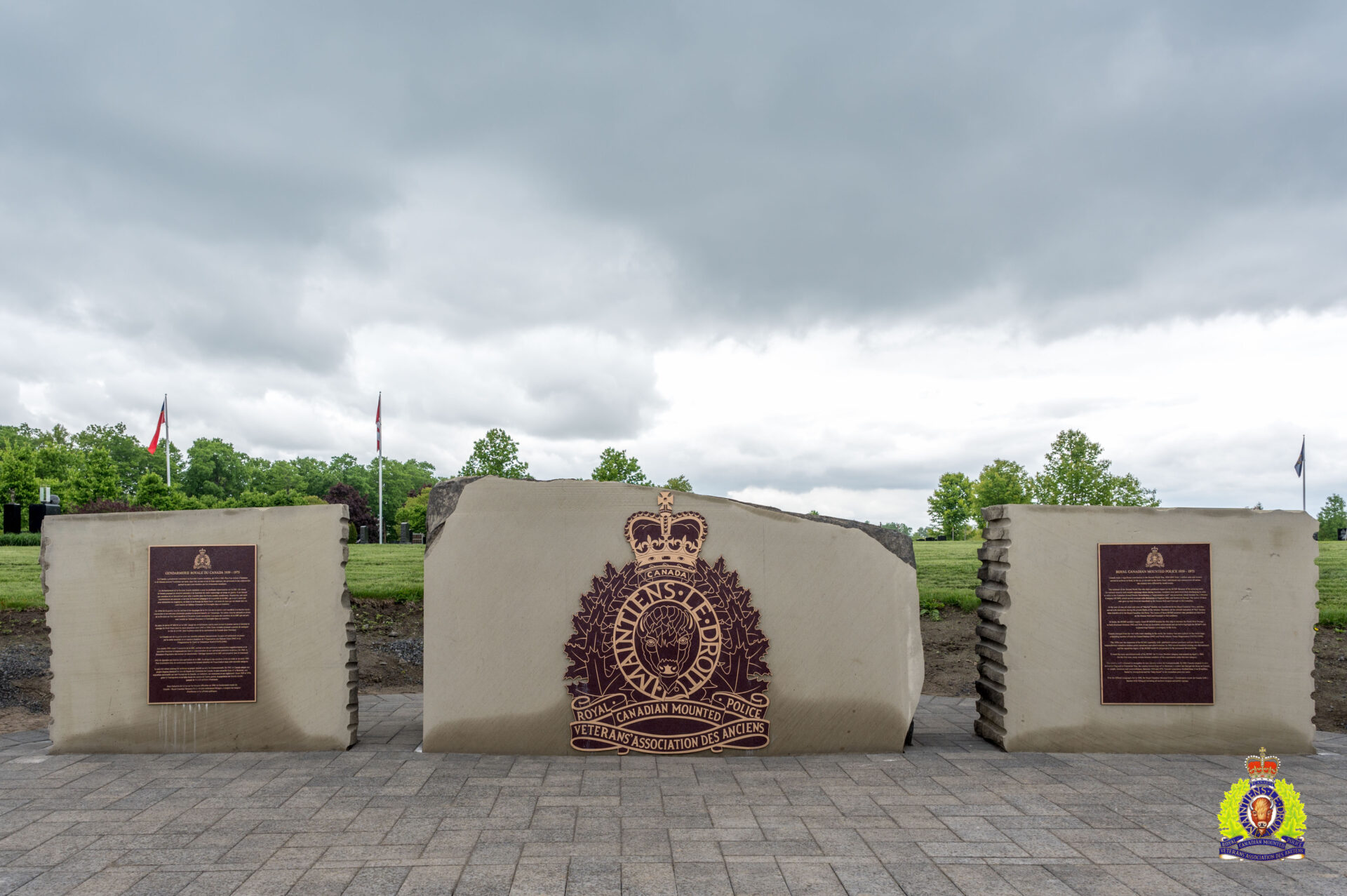
In the Garden: The RCMP Veterans Legacy Pathway – A Living Symbol of Service
The RCMP Veterans’ Legacy Pathway is more than a landscaped path, it’s a symbolic journey through Canada’s history, values, and the enduring service of the Royal Canadian Mounted Police. Each…
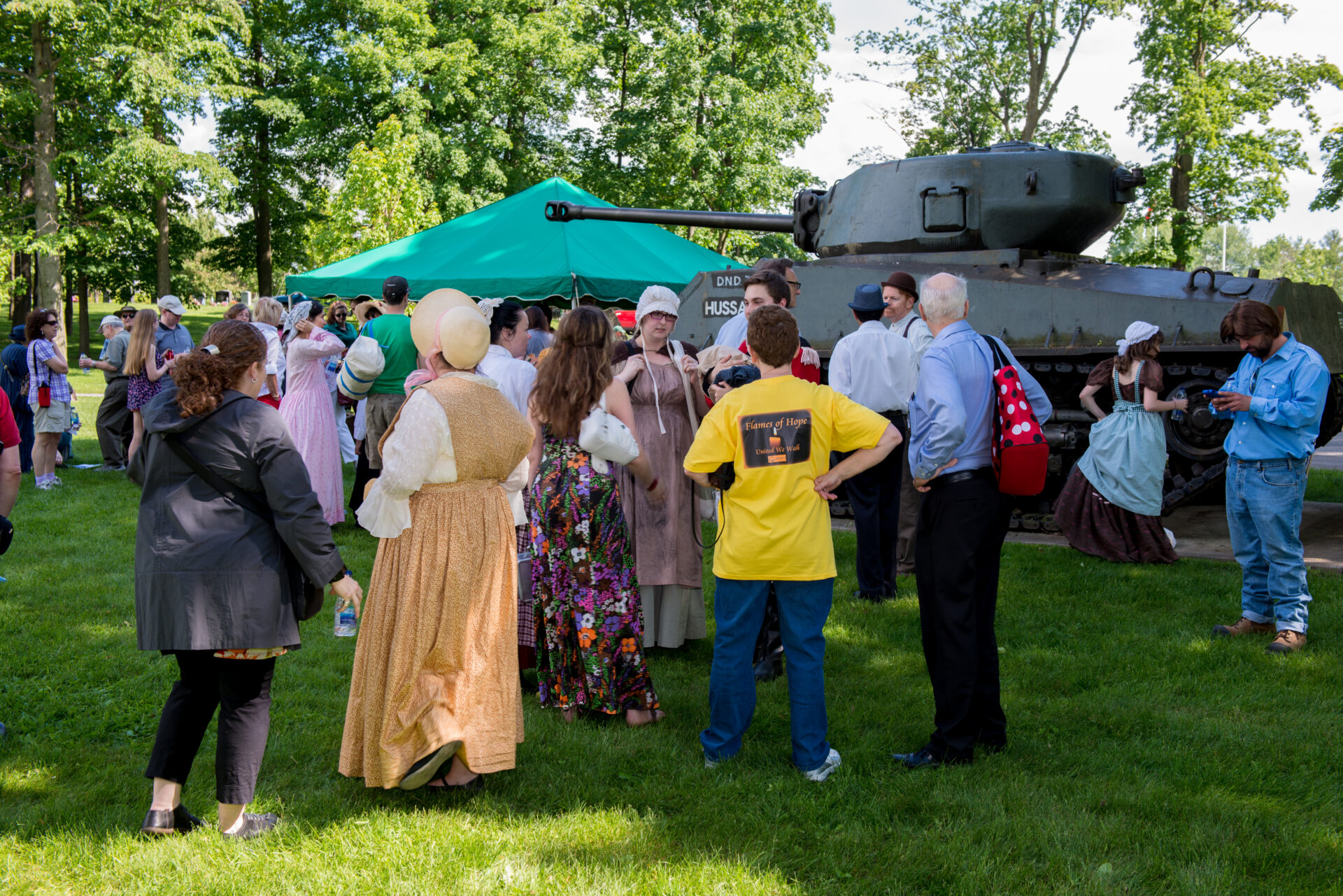
Beechwood’s Living Library – Trailblazers 2025
Beechwood’s Living Library – Trailblazers 2025 Walk Among the Stories That Shaped Canada Date: Sunday, September 7, 2025 Time: 2:00 PM to 3:30 PM Starting Location: Section 27, at the…
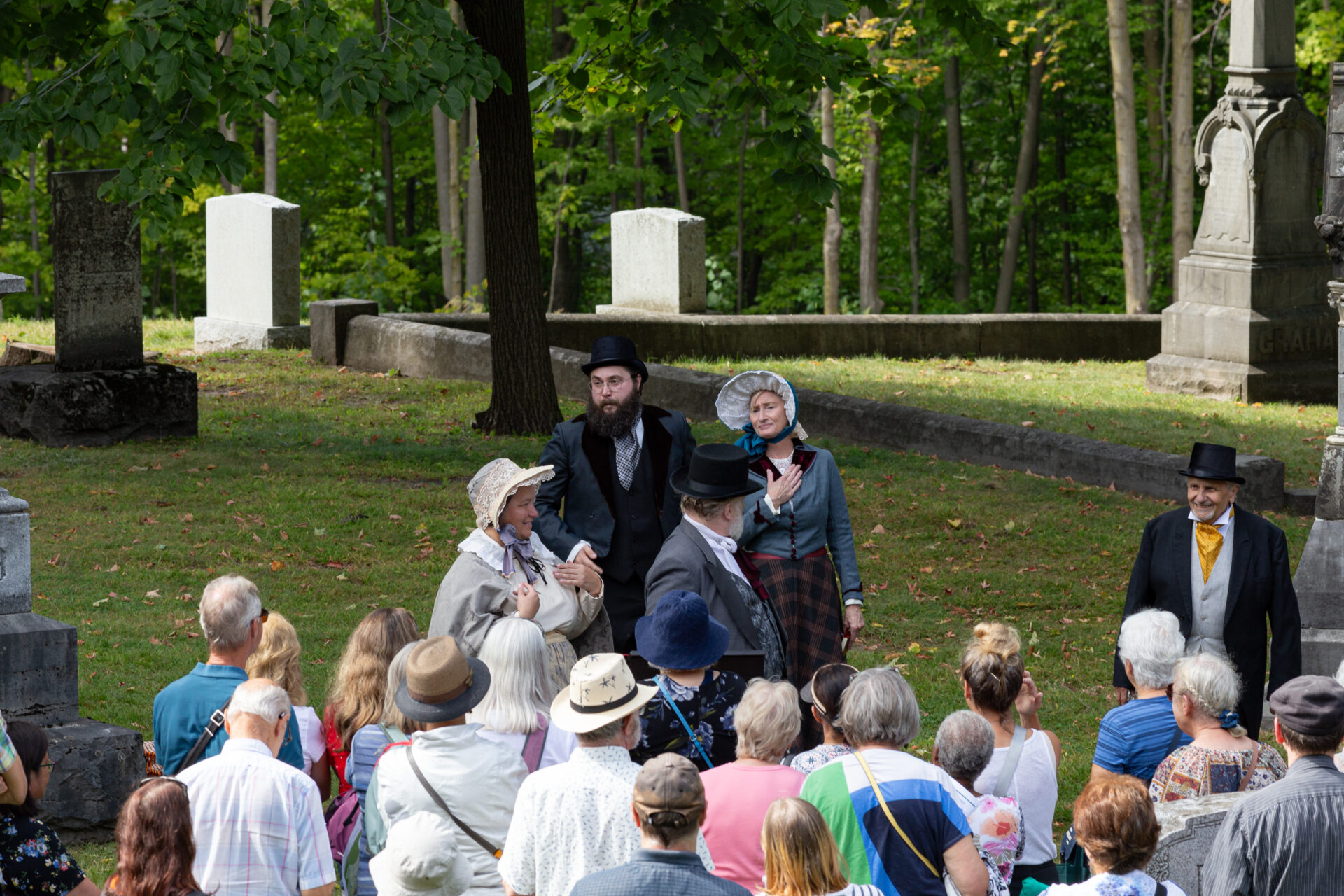
Beechwood’s Living Library: Celebrating Canada’s trailblazers
From a pioneering athlete who broke barriers in women’s sports during the 1920s to the country’s leading paleontologist, this year’s Living Library at Beechwood Cemetery will honour trailblazers. On Sept.…
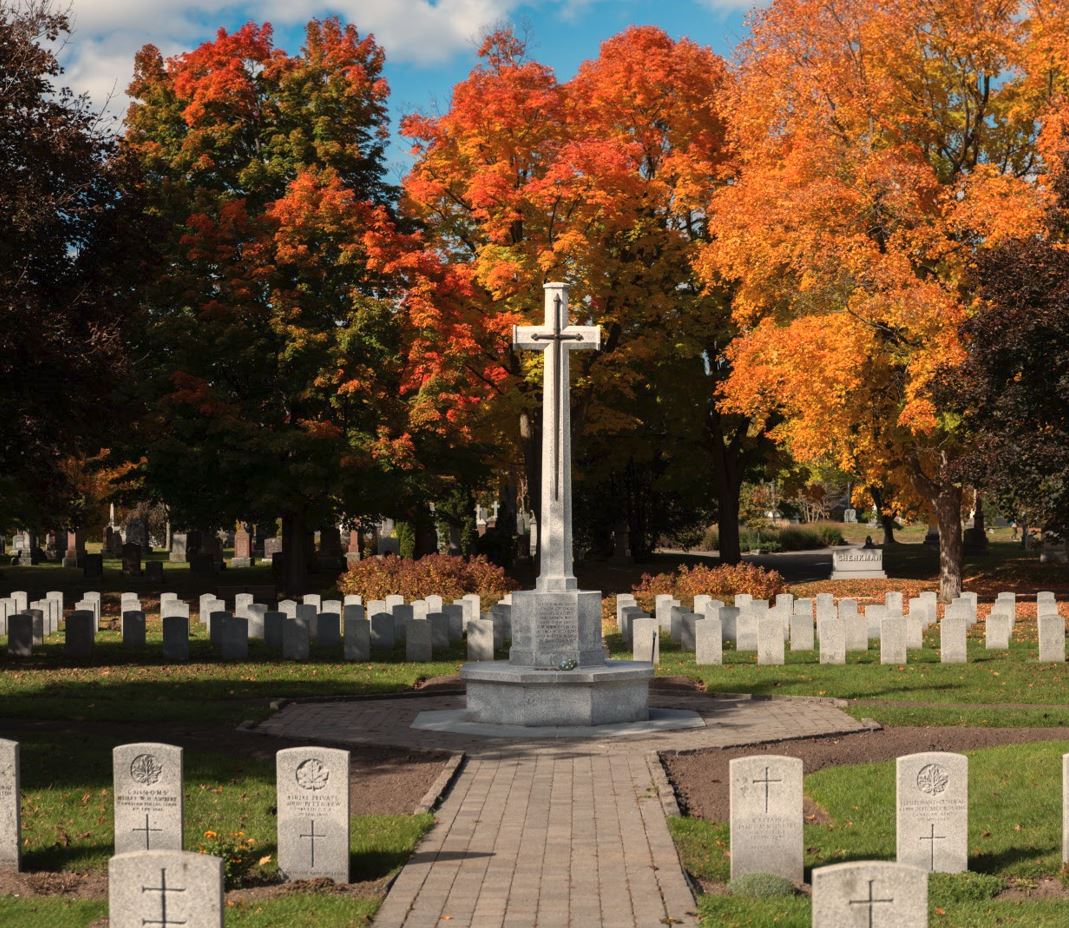
80 Years Later: Honouring the End of the Second World War at the National Military Cemetery
In 2025, Canada joins the world in marking the 80th anniversary of the end of the Second World War, a conflict that forever shaped our nation and the global order.…
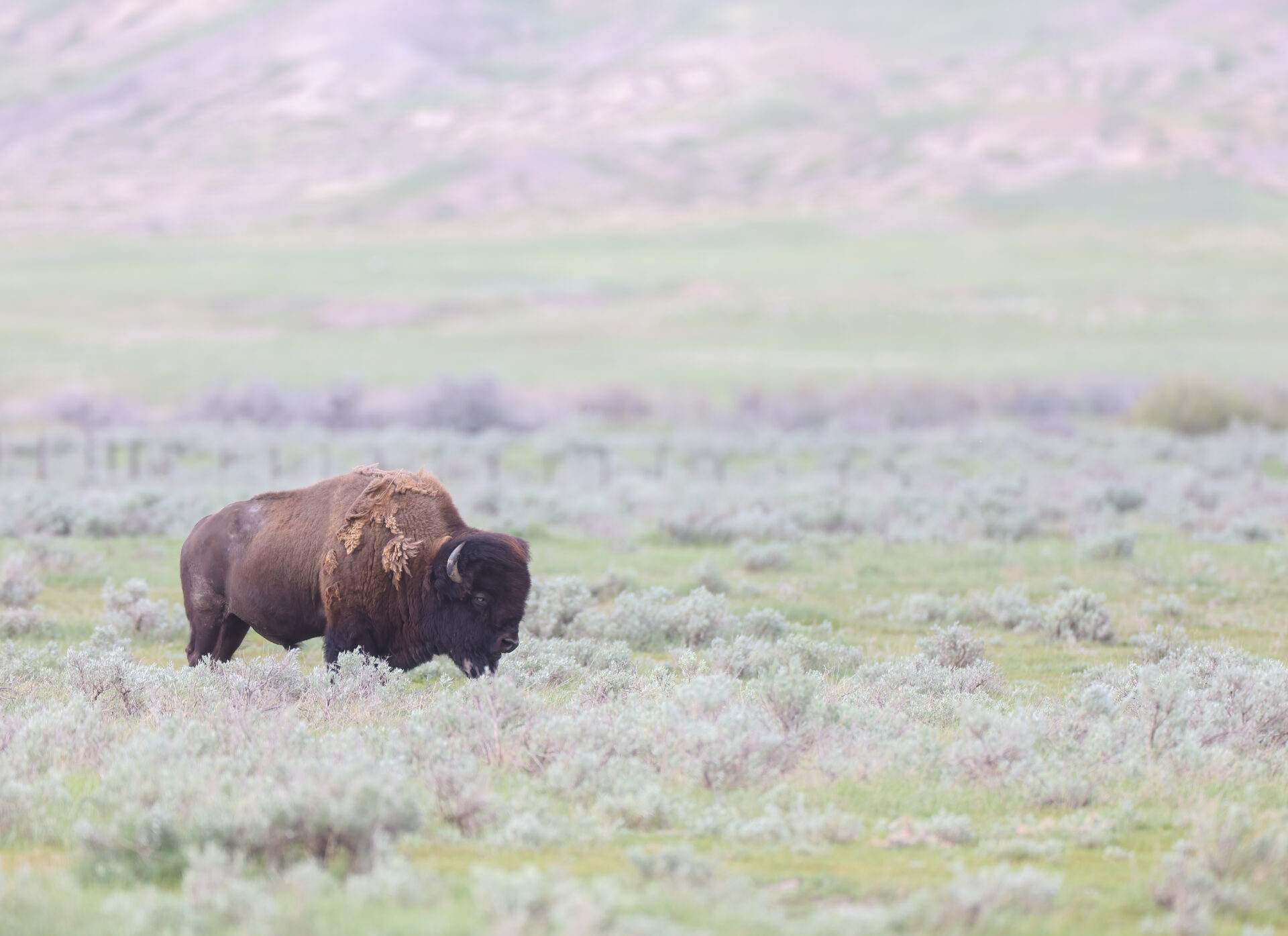
New: Remembering the North-West Resistance Through Beechwood’s History
The year 1885 marked a defining moment in Canada’s development—a confrontation on the Prairies that tested the limits of Confederation, challenged government authority, and reshaped relations with Métis and First…
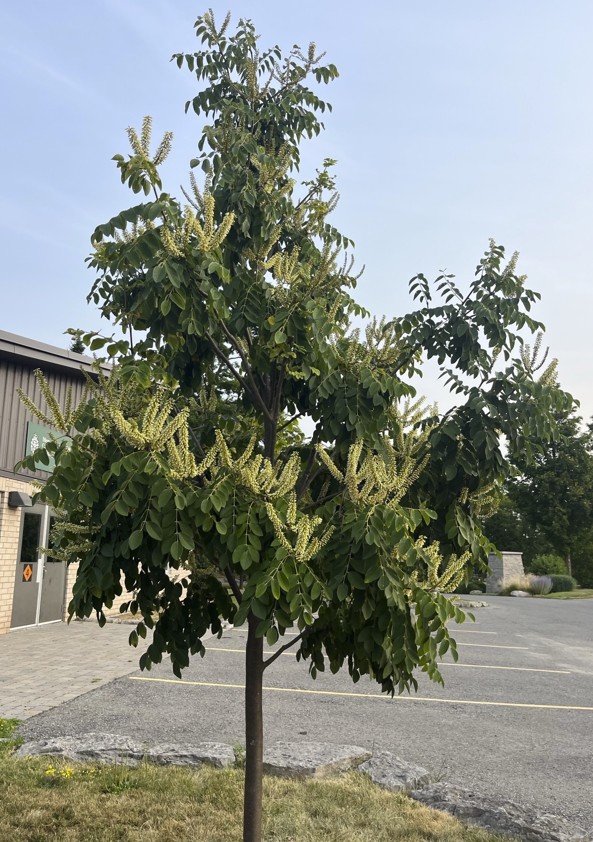
In the Gardens: Maackia amurensis: A Subtle Jewel
Next to the Memorial Cross Building at Beechwood Cemetery stands an understated yet captivating presence: the Maackia amurensis, or Amur Maackia. Though less ostentatious than some of its flowering counterparts,…
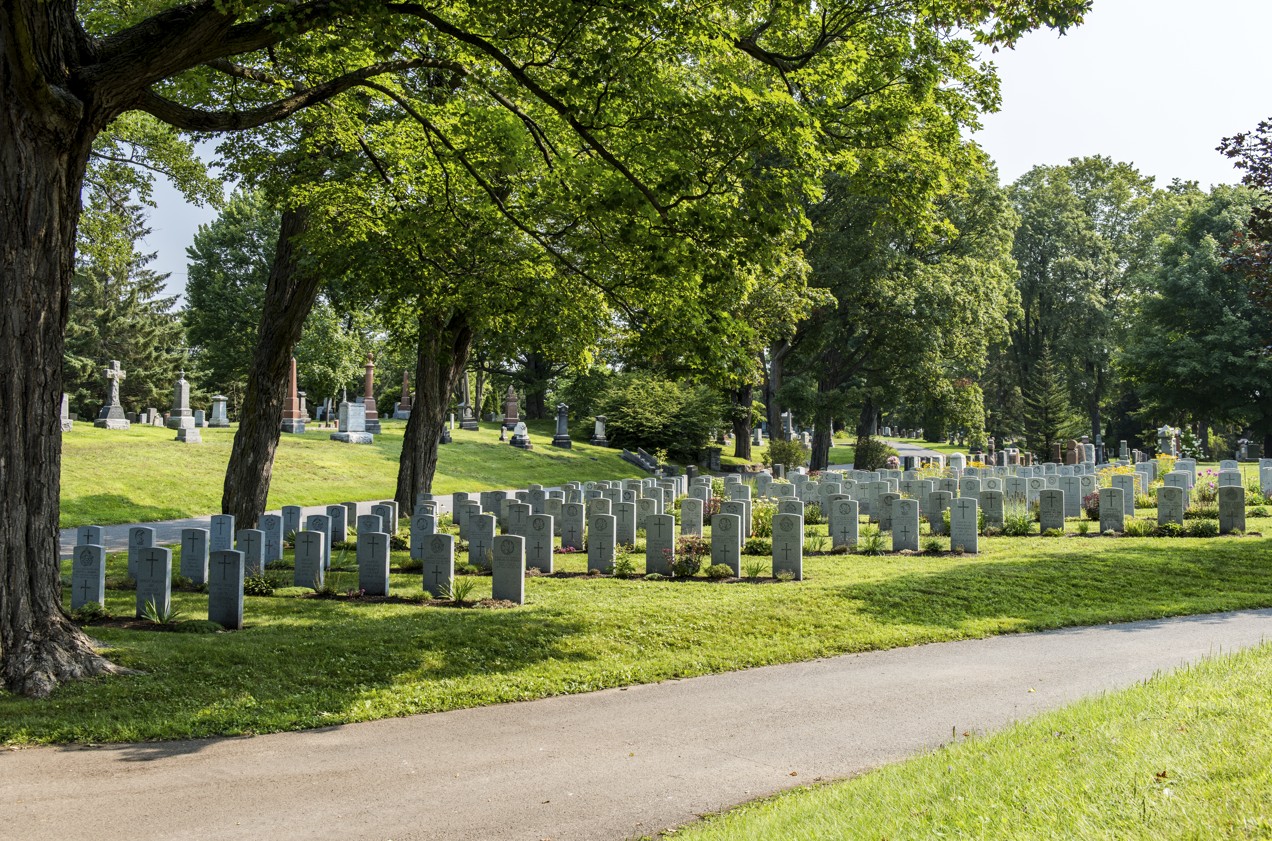
Section 29 of the National Military Cemetery: A Place of Honour and Remembrance
Section 29 stands as one of the oldest and most significant military burial grounds in Canada’s capital. It tells the story of two world wars, the sacrifices made by Canada…
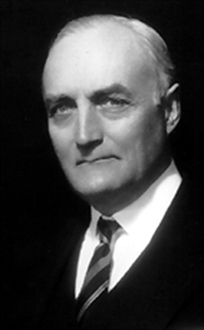
Canadian Business Leader, Senator, Philanthropist, and Education Advocate: The Honourable Norman McLeod Paterson
The Honourable Norman McLeod Paterson, KGStJ, DCL, LLD August 3, 1883 – August 10, 1983 – Section 51 S Lot R Norman McLeod Paterson was one of Canada’s most influential…
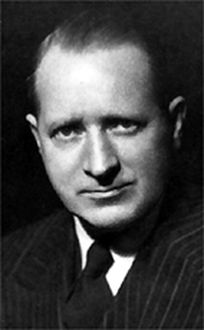
From Battlefield to Senate Chamber: The Journey of J. Gordon Fogo Q.C., Senator
J. Gordon Fogo Q.C., Senator A Life of Quiet Influence and National Purpose Section 52 James Gordon Fogo was born on July 9, 1896, in Halifax, Nova Scotia, into a…
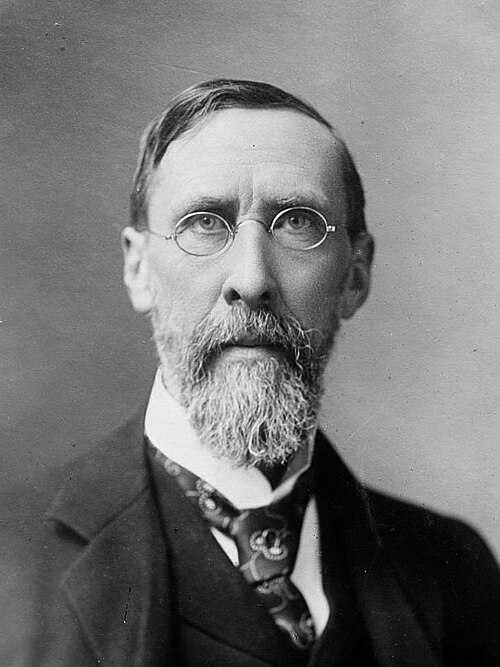
Sir George Eulas Foster: Architect of Canadian Policy and Empire Visionary
Sir George Eulas Foster Section 22, Lot 15 NW – Beechwood Cemetery Born on September 3, 1847, in Carleton County, New Brunswick, George Eulas Foster rose from modest beginnings to…
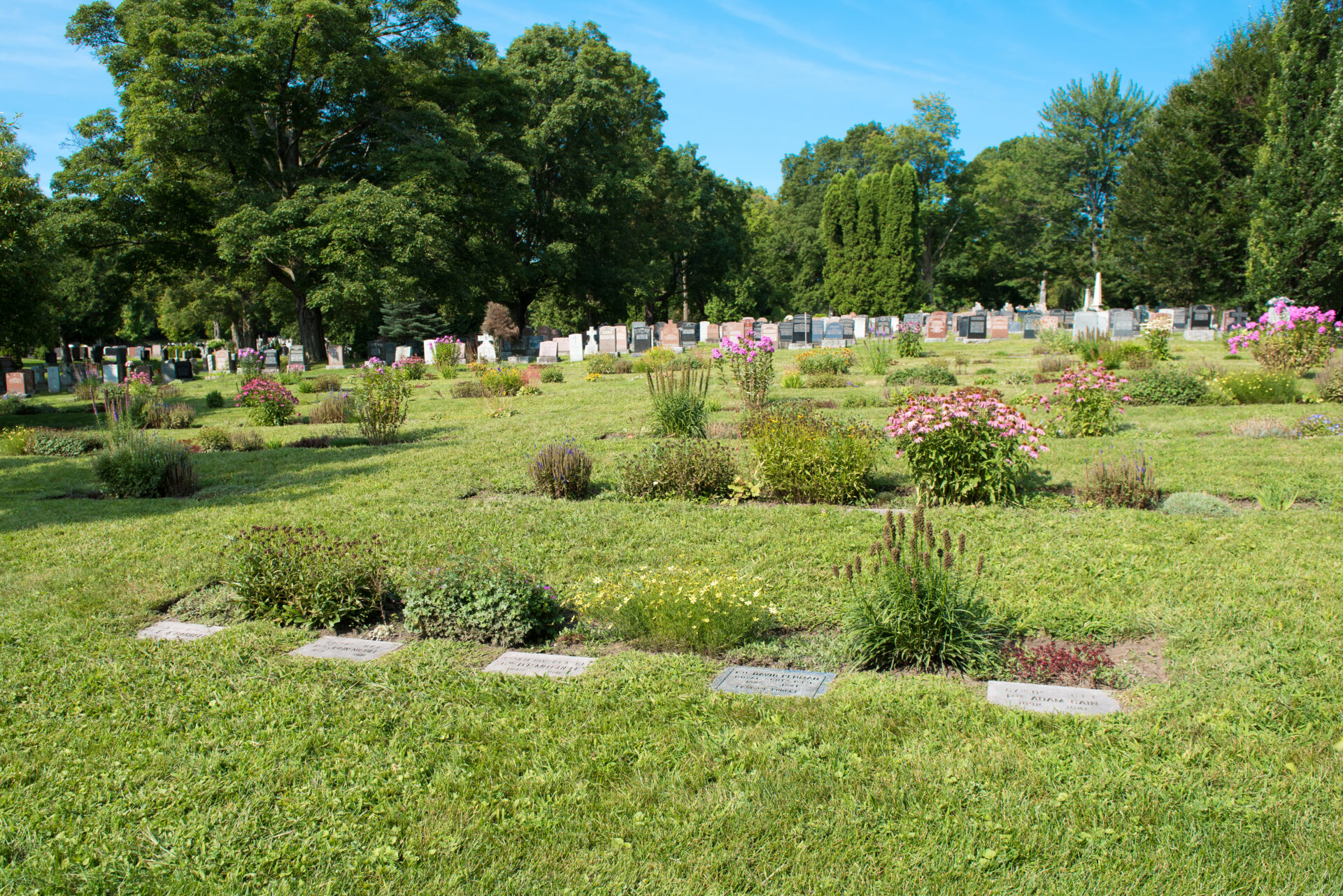
A Final Honour: The Last Post Fund Field of Honour at Beechwood Cemetery
Tucked within the quiet grounds of Beechwood Cemetery, Canada’s National Cemetery, lies a section of solemn dignity and enduring gratitude – The Last Post Fund Field of Honour, Section 19.…

A Candle in the Night: Honouring the Legacy of Cpl Francisco Gomez
On the evening of July 17, 2025, under the solemn stillness of twilight, a historic vigil was held in memory of Corporal Francisco (Frank) Gomez, a proud Canadian soldier of…
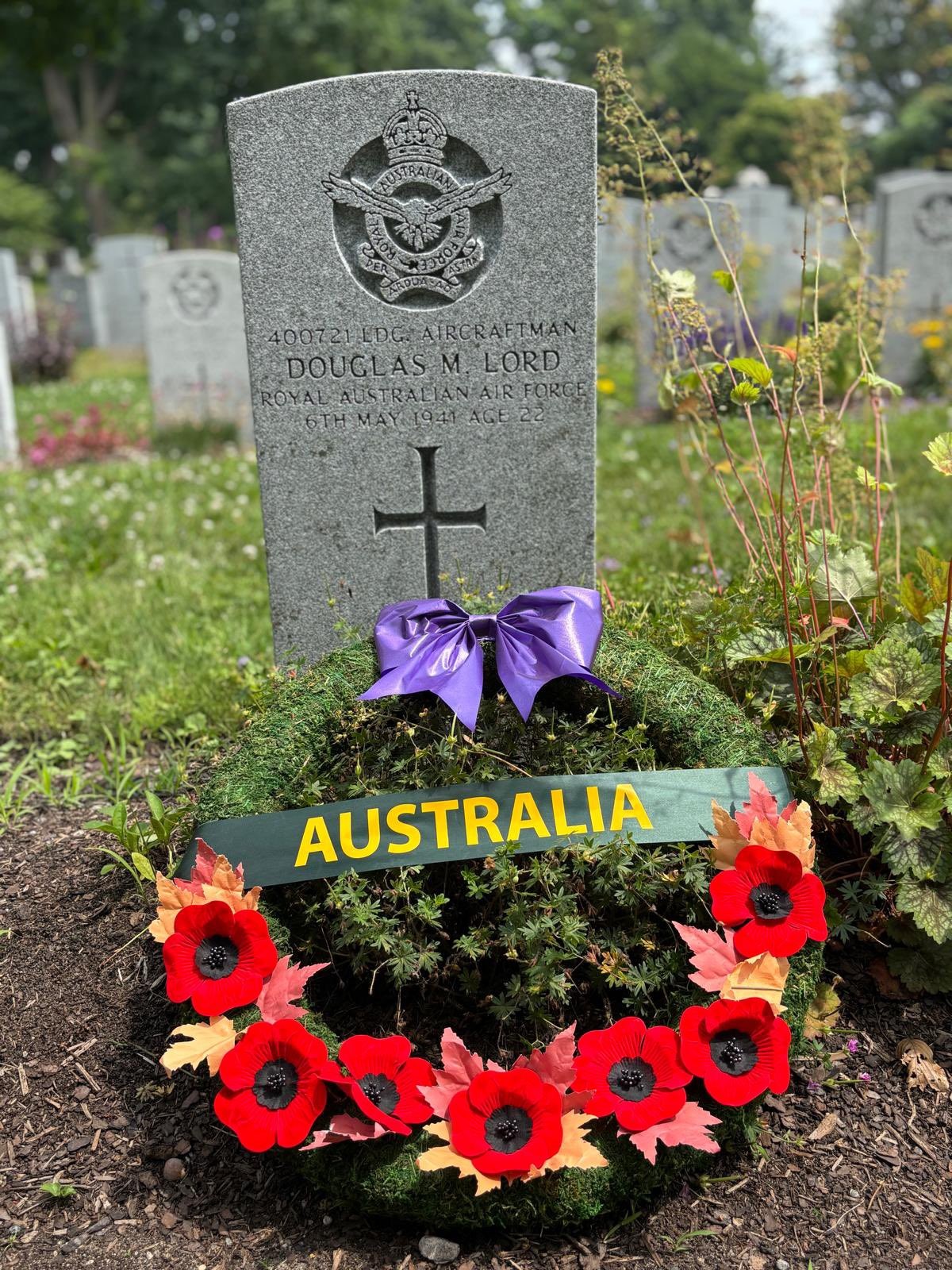
Honouring Shared Sacrifice: Australia’s High Commissioner Visits Beechwood
On the afternoon of July 14 2025 at the National Military Cemetery, we were honoured to welcome Her Excellency Ms. Kate Logan, High Commissioner of Australia to Canada accompanied by…
New Tours added during summer season
If you’ve been eager to explore Ottawa’s own National Cemetery, now’s the perfect time. The Beechwood Stroll, a free volunteer‑led historical walking tour, has unveiled new dates and a redesigned…
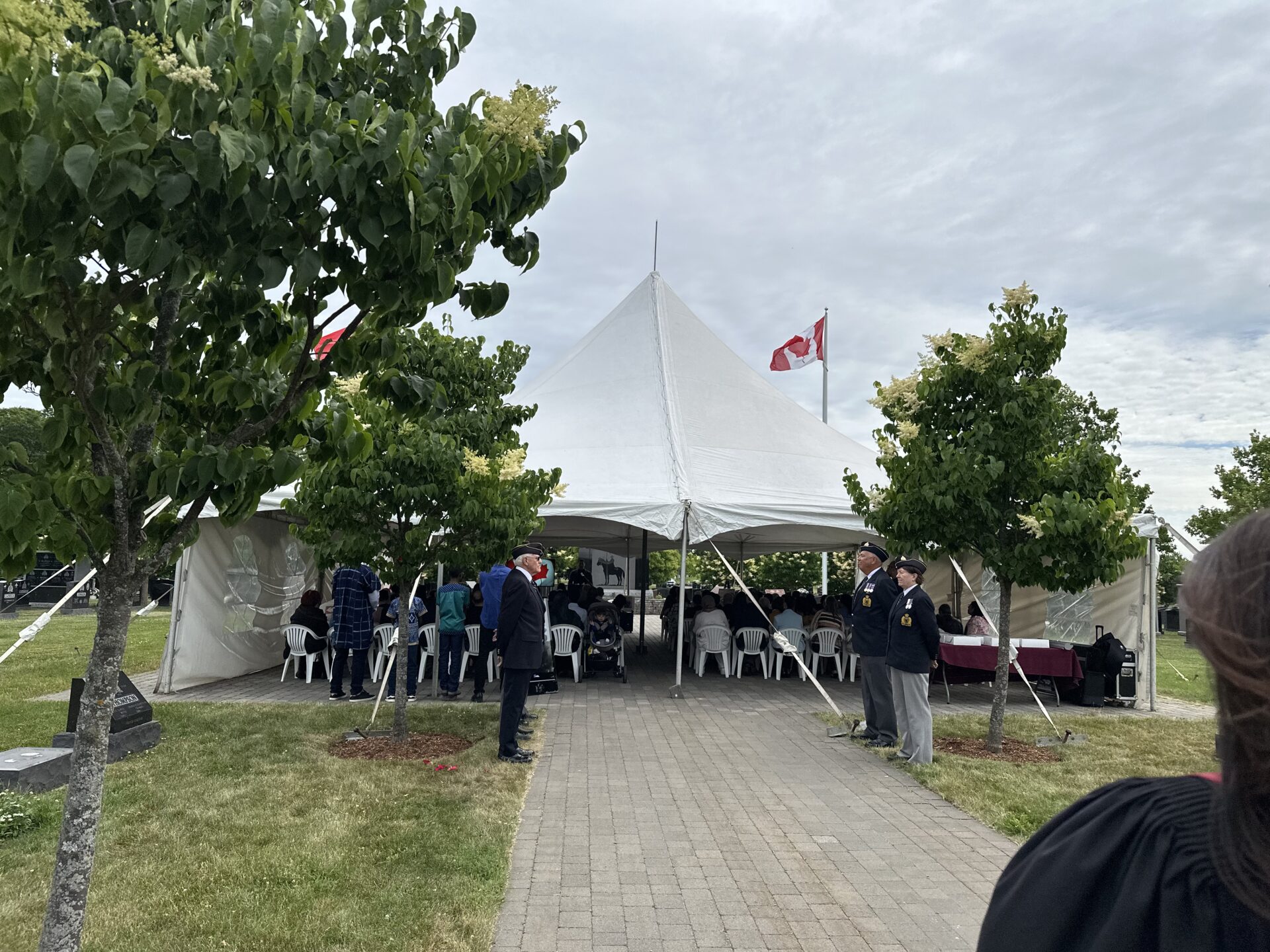
Welcoming New Canadians and Honouring a Lasting Legacy at Beechwood
On June 27, 2025, Beechwood Cemetery, National Cemetery of Canada and home to the RCMP National Memorial Cemetery, hosted a deeply meaningful and emotional event: the in-person citizenship ceremony for…
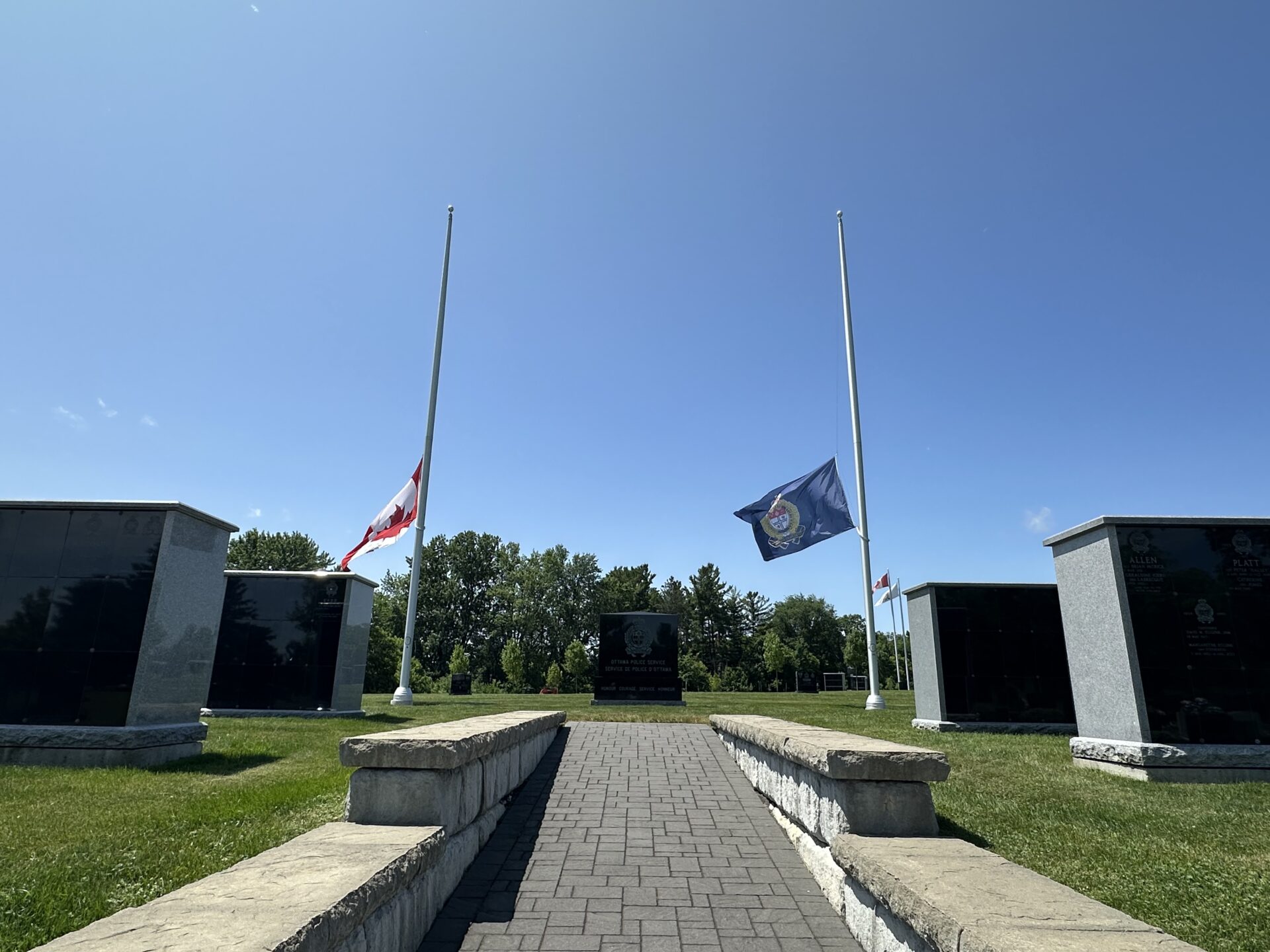
Ottawa Police Service Hosts Inaugural Flag Raising Ceremony at Beechwood
On the afternoon of June 202 2025, the Ottawa Police Service (OPS) held its inaugural Flag Raising Ceremony at the OPS Memorial Cemetery at Beechwood. This event was a powerful…

What Happens to the Urn at Home? Planning for the Future of a Loved One’s Ashes
In the quiet corners of many homes across Canada, urns rest on mantels, bookshelves, or in private home memorials, carefully placed by grieving family members as a tribute to someone…
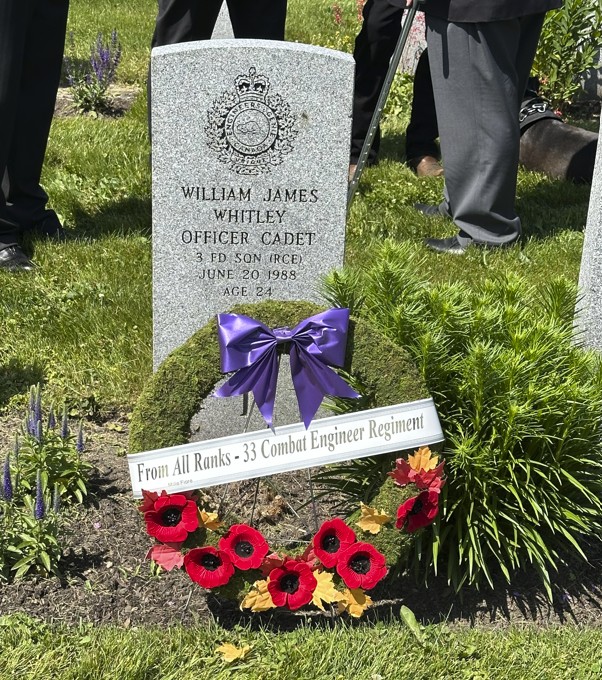
33 Combat Engineer Regiment and Regimental Association at Beechwood
On the morning of June 20, members of the 33 Combat Engineer Regiment (33 CER) and the 33 CER Regimental Association gathered at the National Military Cemetery at Beechwood to…
Canada Day at Beechwood: A Living Tribute to Our Shared History
As Canadians from coast to coast to coast raise the Maple Leaf and reflect on what it means to call this nation home, Beechwood Cemetery stands as a living monument…
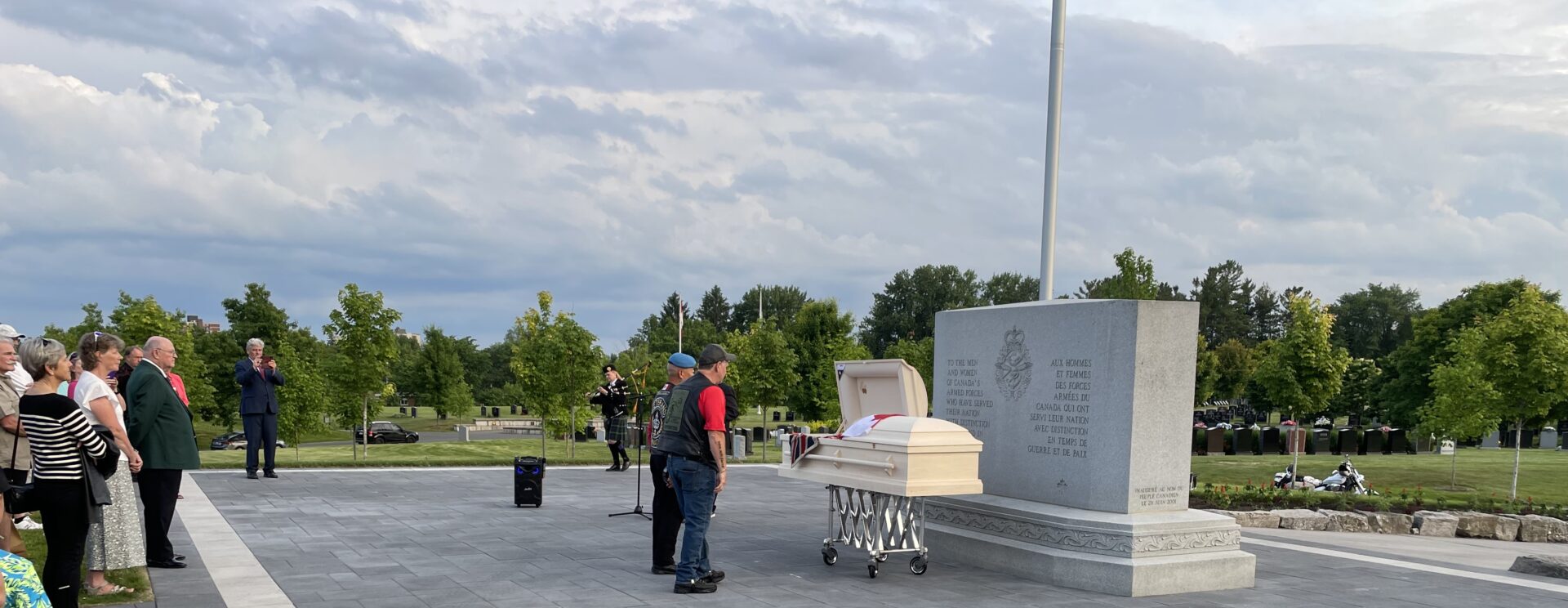
Inaugural Under the Maple Leaf Flag Retirement Ceremony at Beechwood Cemetery
On the evening of June 18 2025, at the National Cemetery of Canada, history was made. Beechwood Cemetery proudly hosted the inaugural “Under the Maple Leaf – Respecting the Canadian…
Beechwood Cemetery: Where Canada’s Stories Live On
Canada’s identity isn’t written in a single language, culture, or faith. It’s written in stories, millions of them, woven together across generations. At Beechwood Cemetery, these stories aren’t forgotten. They…
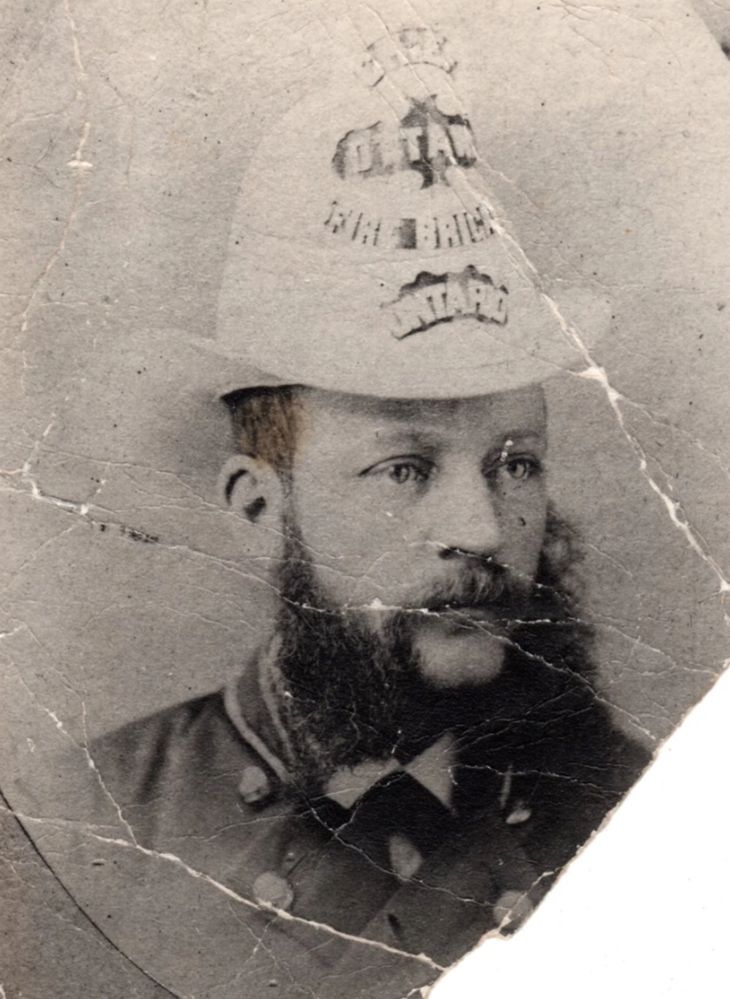
Ottawa’s First Fire Chief – William Young
Section 37, Lot 75 E Ctr Ottawa’s First Fire Chief (1837–1913) William Young was born on July 9, 1837, in Quebec, during a time when Bytown, soon to become Ottawa,…
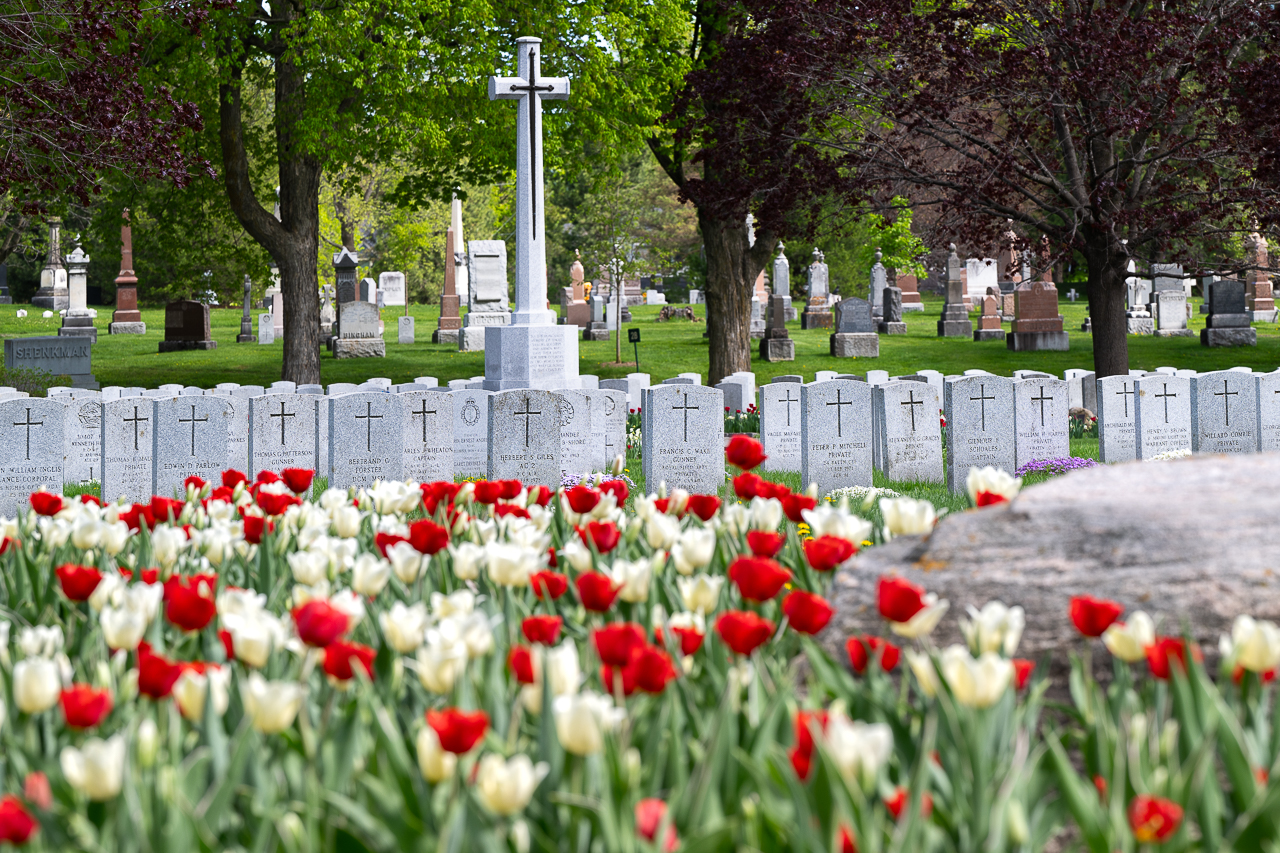
Remembering the 80th Anniversary of the End of the Second World War
Eighty years ago, the world emerged from one of the darkest chapters in human history. The Second World War, a conflict that spanned continents and claimed tens of millions of…
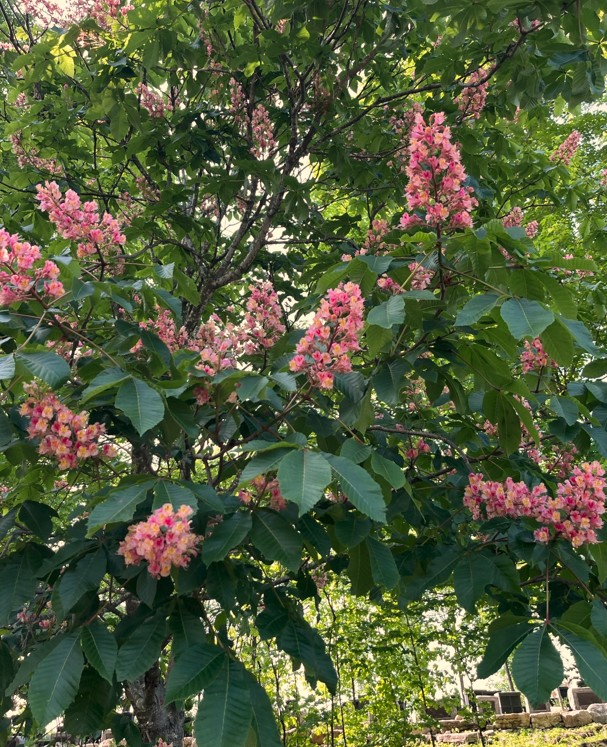
In the Gardens – Ruby Red Horsechestnut
Nestled within the serene Hosta Garden at Beechwood Cemetery stands a remarkable specimen: the Ruby Red Horsechestnut (Aesculus × carnea ‘Briotii’). Planted in the year 2000, this tree has matured…
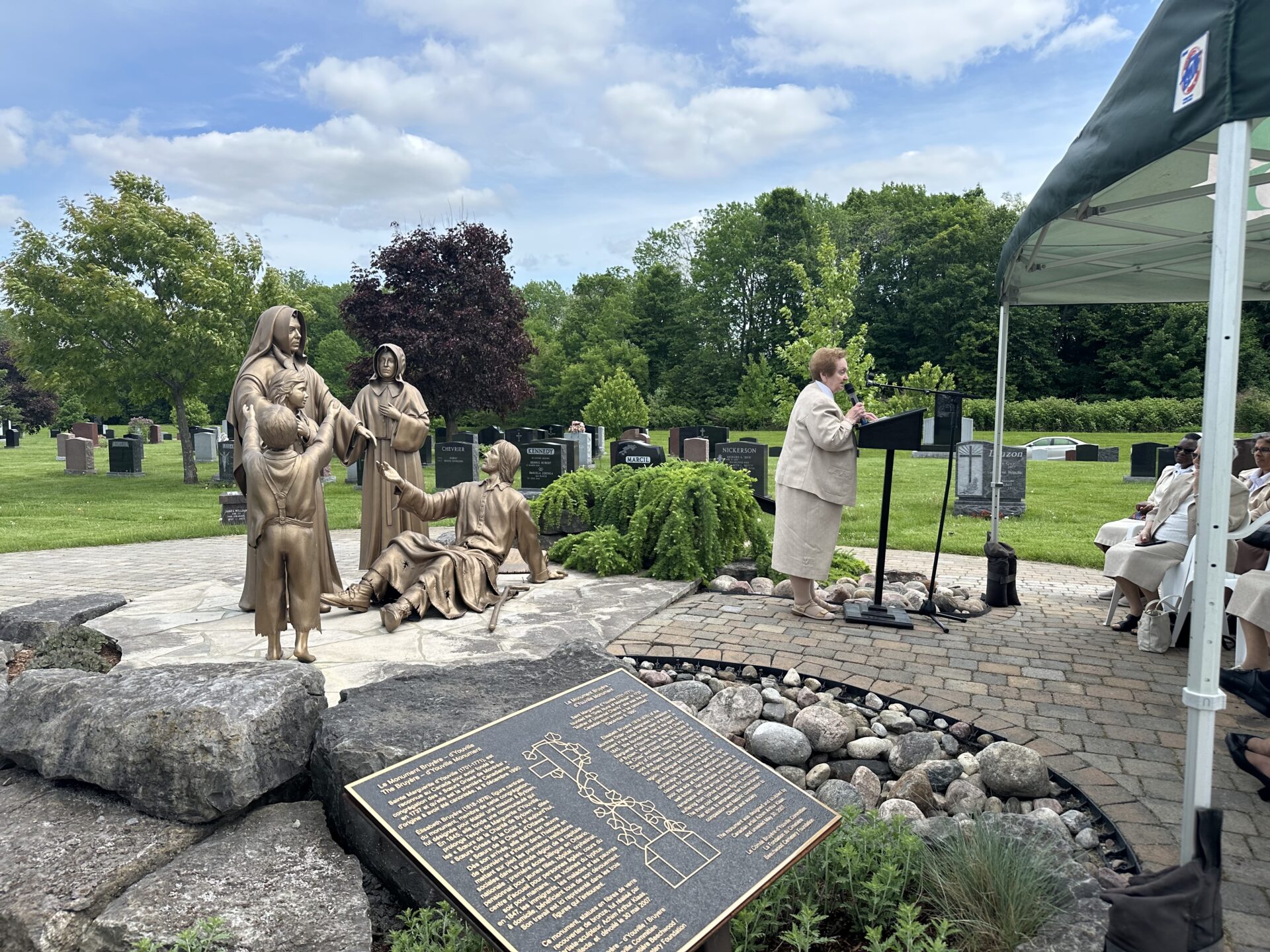
Honouring 180 Years of Service: The Lasting Legacy of the Sisters of Charity in Ottawa
On Friday, May 30, 2025, Beechwood Cemetery proudly welcomed community members, dignitaries, and Sisters from the Congregation of the Sisters of Charity of Ottawa (SCO) to mark a remarkable milestone—the…
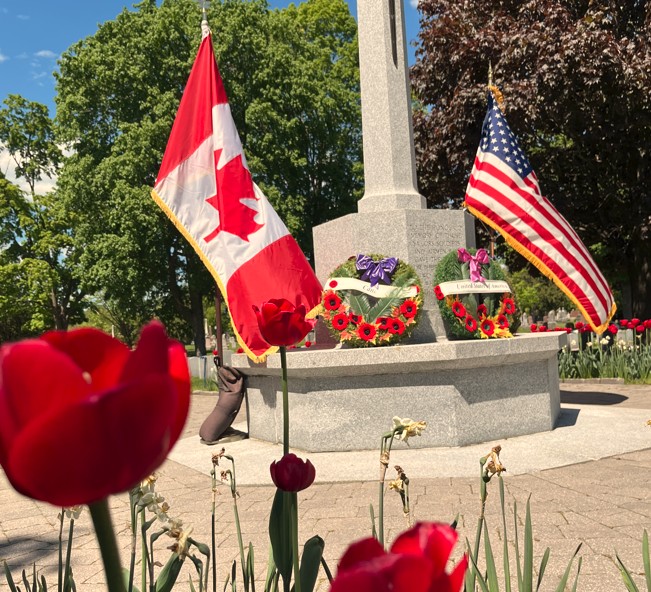
Honouring the Fallen, Beyond Borders – Memorial Day Ceremony at Beechwood Cemetery
On a bright May 27th afternoon, the Beechwood Cemetery Foundation and the National Military Cemetery of Canada came together with the U.S. Embassy and members of the diplomatic, defence, and…
Honouring a Proud Legacy: Official Opening of the RCMP Veterans’ Legacy Pathway
May 23, 2023 | RCMP National Memorial Cemetery at Beechwood On a historic spring morning, dignitaries, RCMP Veterans, families, and supporters gathered at the RCMP National Memorial Cemetery at Beechwood…
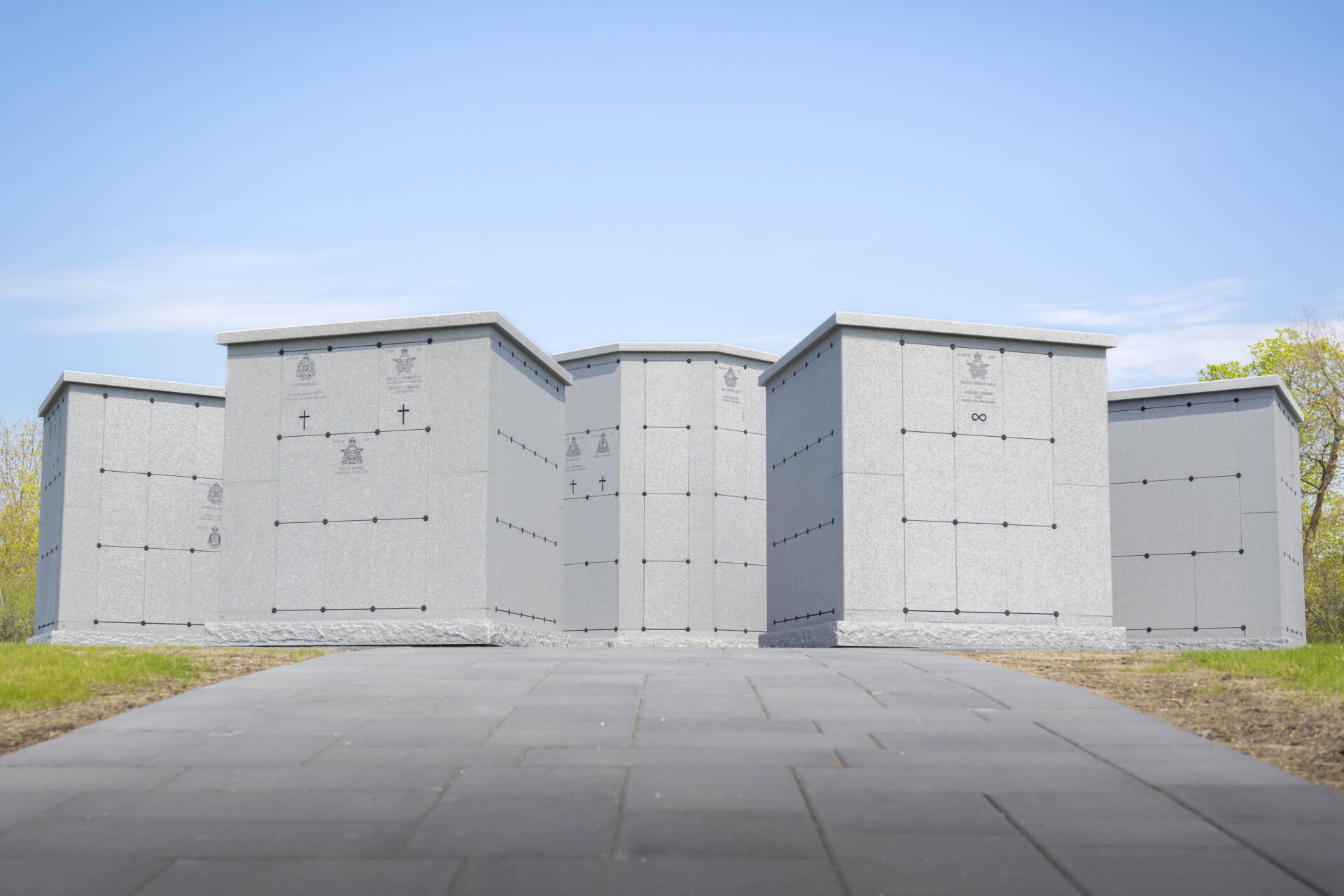
A New Chapter of Remembrance – Unveiling the National Military Cemetery Columbaria
On the morning of May 12, 2025, the National Military Cemetery of Canada at Beechwood marked a profound milestone with the official unveiling of its newest addition, a columbarium dedicated…
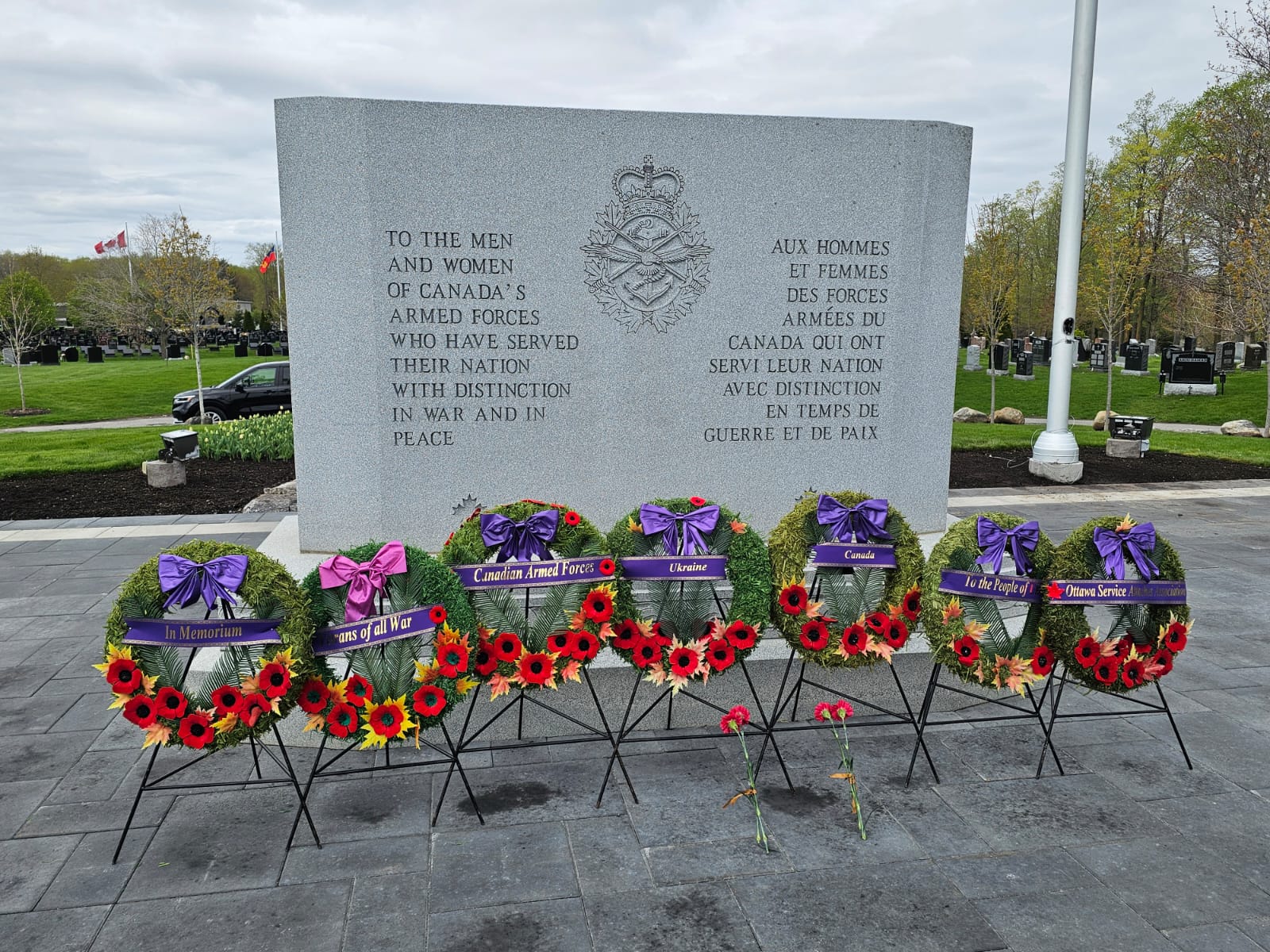
Ukrainian Remembrance Day Ceremony 2025: A Powerful Tribute to Courage and Resistance
On May 8, 2025, the National Military Cemetery of Canada at Beechwood stood in solemn reflection as we marked the Day of Remembrance and Victory over Nazism in World War…
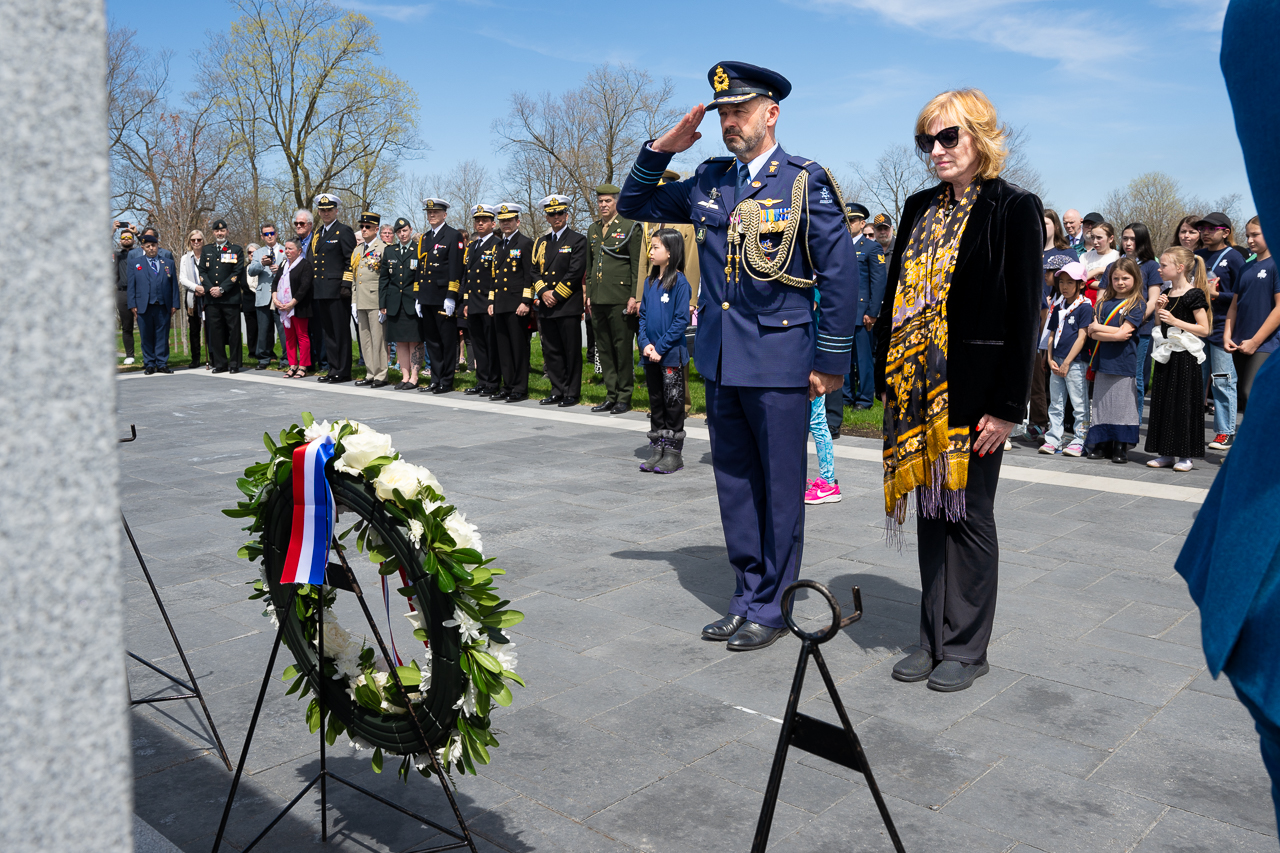
Honouring the Bonds of Freedom: 80th Anniversary of the Liberation of the Netherlands Commemorated at Beechwood
On Sunday, May 4, 2025, the National Military Cemetery at Beechwood was transformed into a place of profound remembrance, reflection, and unity as we marked the 80th anniversary of the…
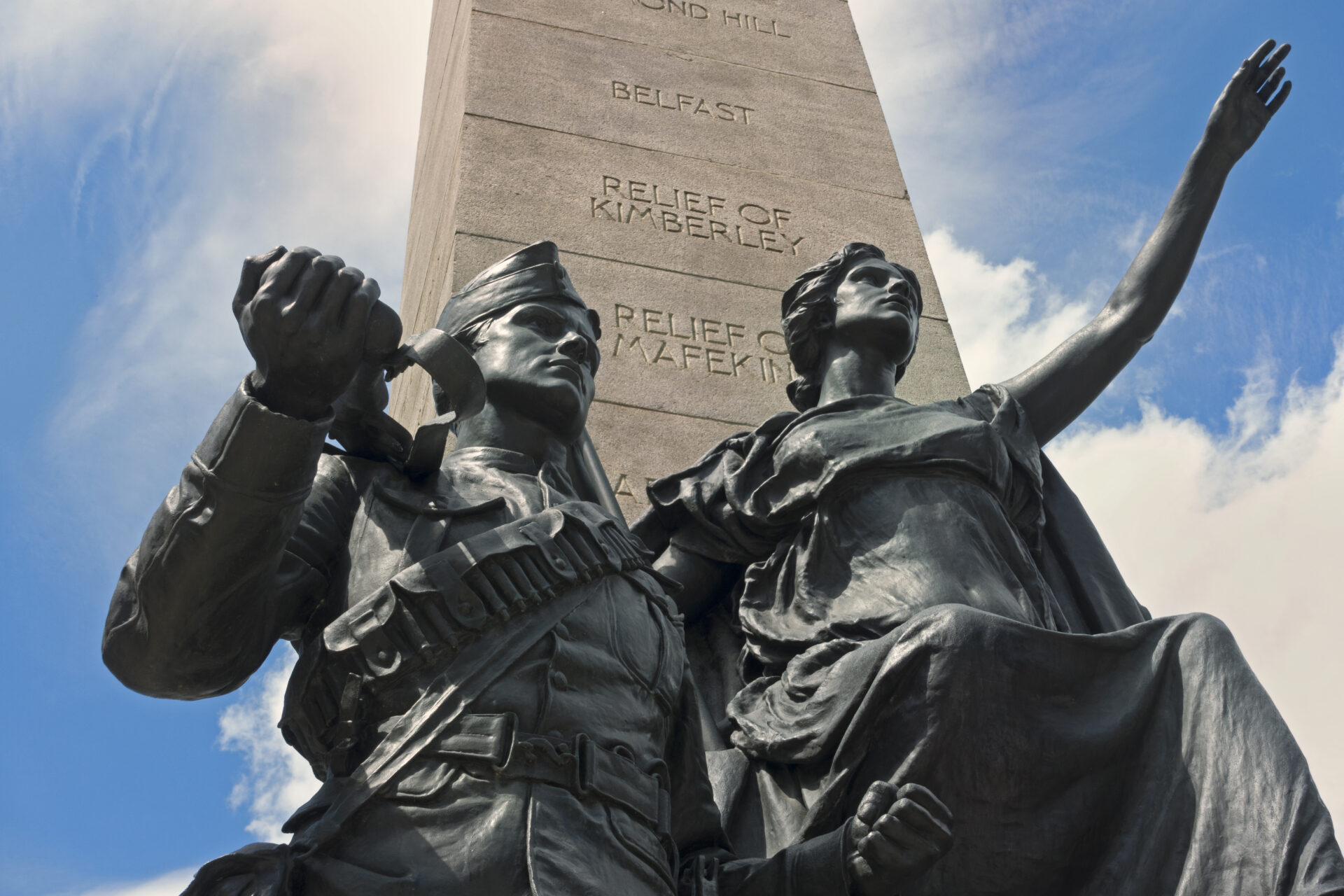
Remembering the South African War: Canada’s First Overseas Conflict
At the dawn of the 20th century, Canada stood at a crossroads—no longer a loose collection of colonies, yet not fully sovereign in world affairs. The South African War (1899–1902),…
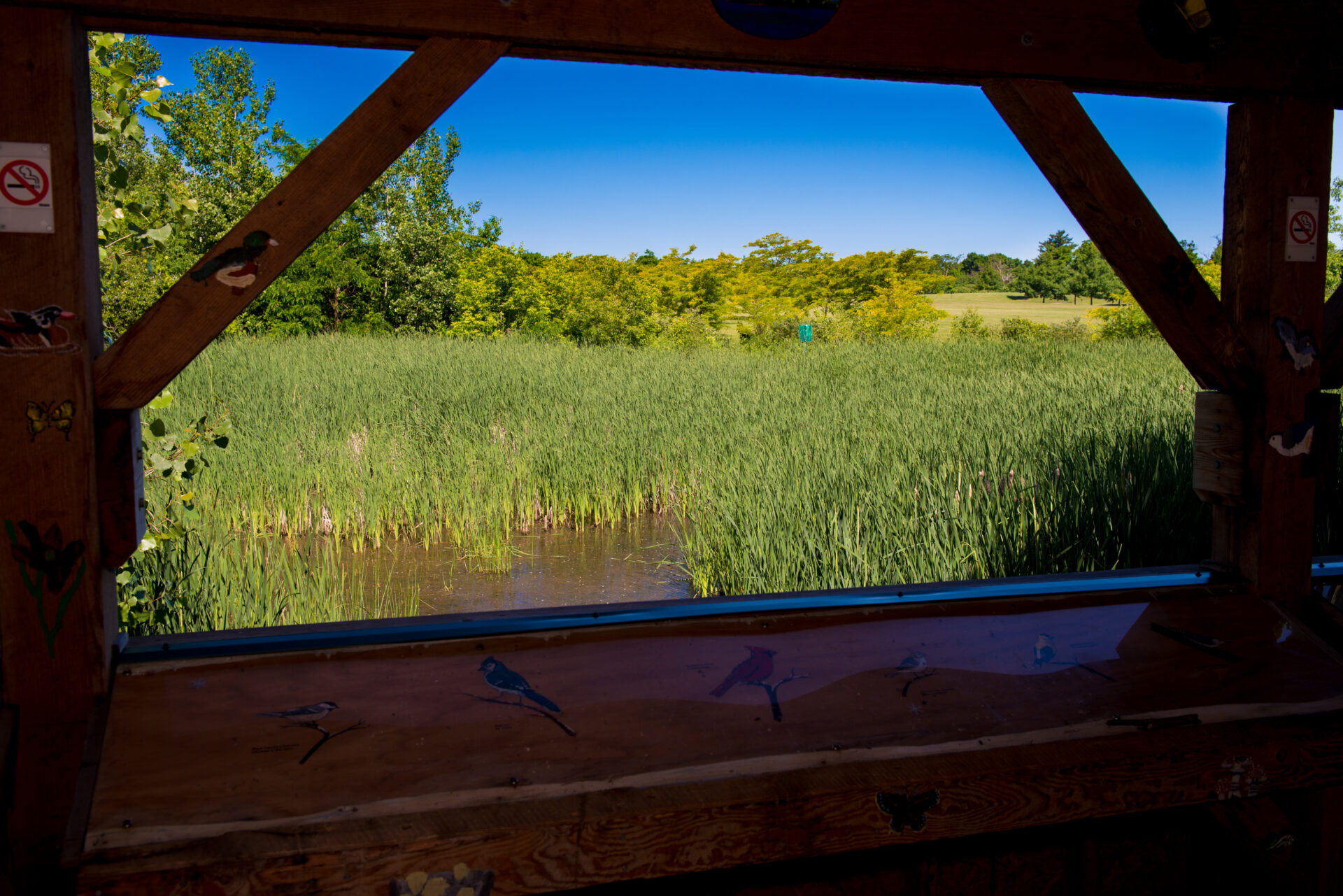
A Legacy of Action: Youth-Led Biodiversity and the Vision for an Ottawa-Gatineau Biosphere Reserve
On April 26, 2025, Michael Leveille, teacher at St-Laurent Academy, Ottawa, presented at the Environmental Conference held at the MacSkimming Outdoor Centre, offering an inspiring view of two decades of…
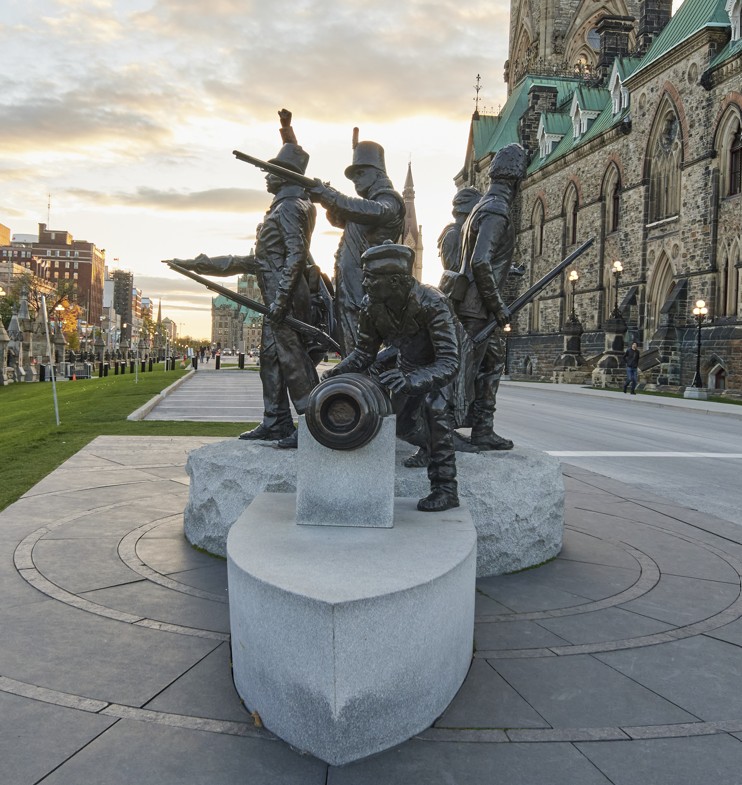
Remembering the War of 1812: A Legacy Carved in Stone
At Beechwood Cemetery, Canada’s National Cemetery, every headstone tells a story. Among them are the names of individuals who lived through one of the most formative conflicts in our country’s…
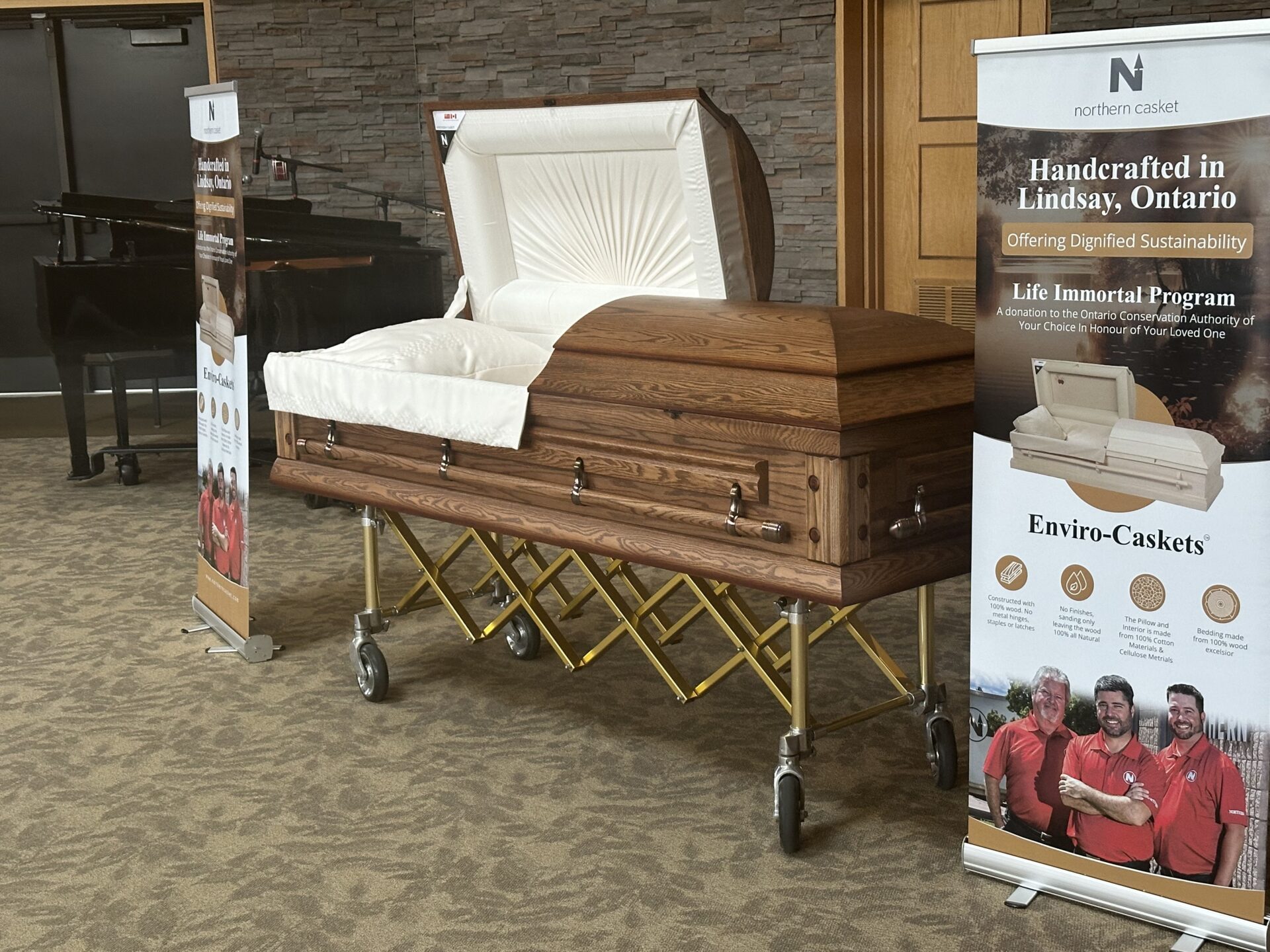
Death Dialogues: What to Consider When Choosing a Casket
At Beechwood, we understand that choosing a casket is one of the most personal and significant decisions a family can make. It’s not just a matter of appearance—it’s about values,…
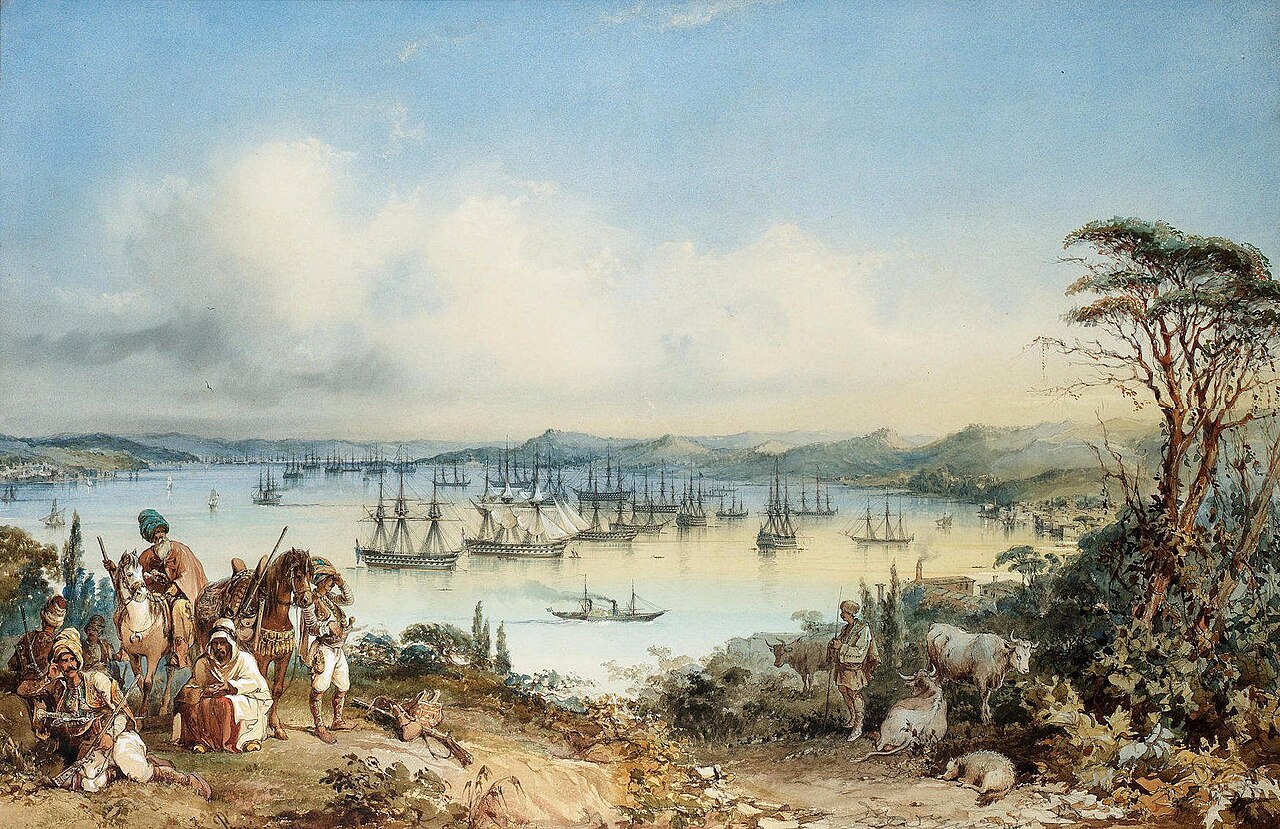
Frederick Harris D. Vieth: A Soldier’s Memory from Crimea to Canada
FREDERICK HARRIS D. VIETH Section A, Range 17, Grave 19 Born in 1840 in Halifax, Nova Scotia, Frederick Harris D. Vieth led a life that bridged the worlds of military…
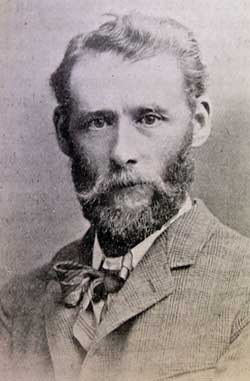
Hamilton P. MacCarthy: Sculptor of a Nation’s Memory
Hamilton Plantagenet MacCarthy (1846–1939) Section 29, Lot TG 78 Hamilton Plantagenet MacCarthy was one of Canada’s foremost sculptors of the late 19th and early 20th centuries, known for his prolific…
The Beechwood Way – Spring 2025 – Vol. 32
Dear Beechwood Community, As the Director of Marketing, Communications, and Community Outreach at Beechwood Cemetery, I am constantly reminded of the incredible community that stands behind us. In this season…
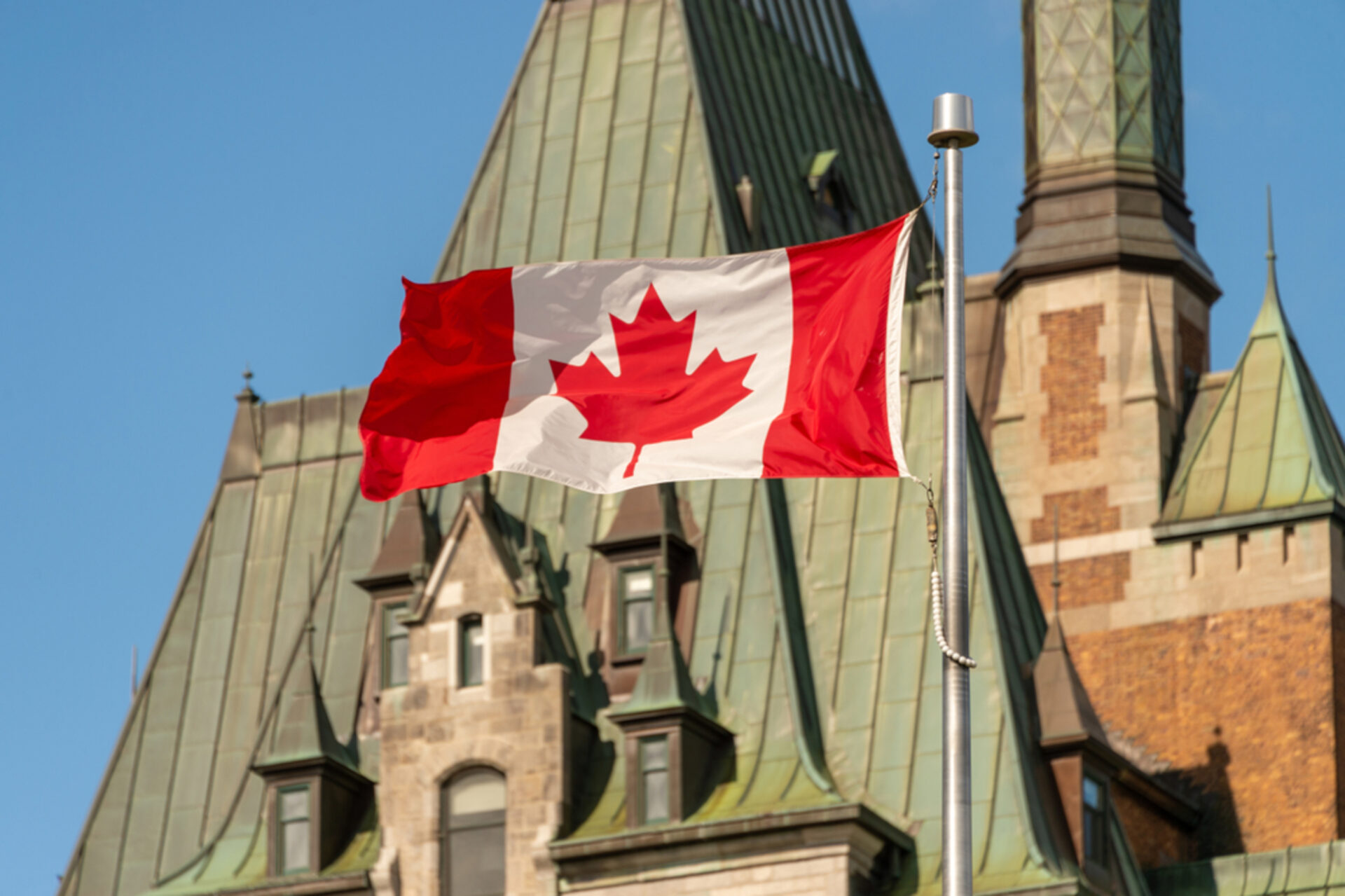
Honouring the Canadian flag
Hundreds of Canadian flags fly high in the capital, but when it’s been around for many years the flag gets worn, torn, or tattered and it deserves a dignified method…
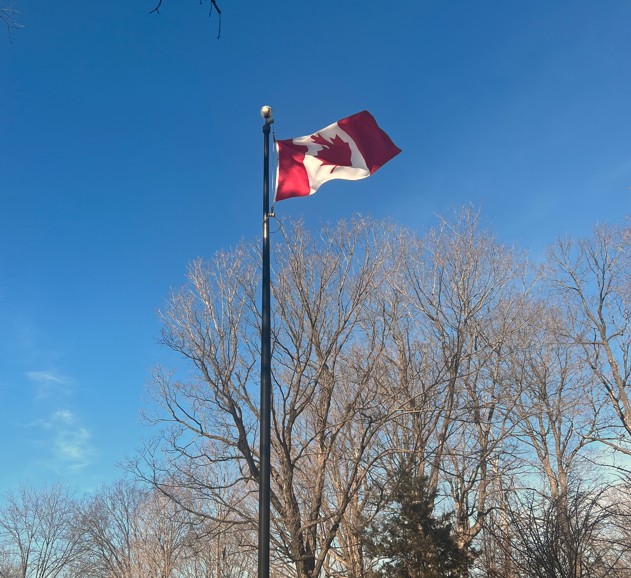
Under the Maple Leaf – Respecting the Canadian Flag: A New Tradition of Dignity and Pride
Under the Maple Leaf – Respecting the Canadian Flag: A New Tradition of Dignity and Pride Flags are more than fabric and stitching—they are the symbols of our shared history,…
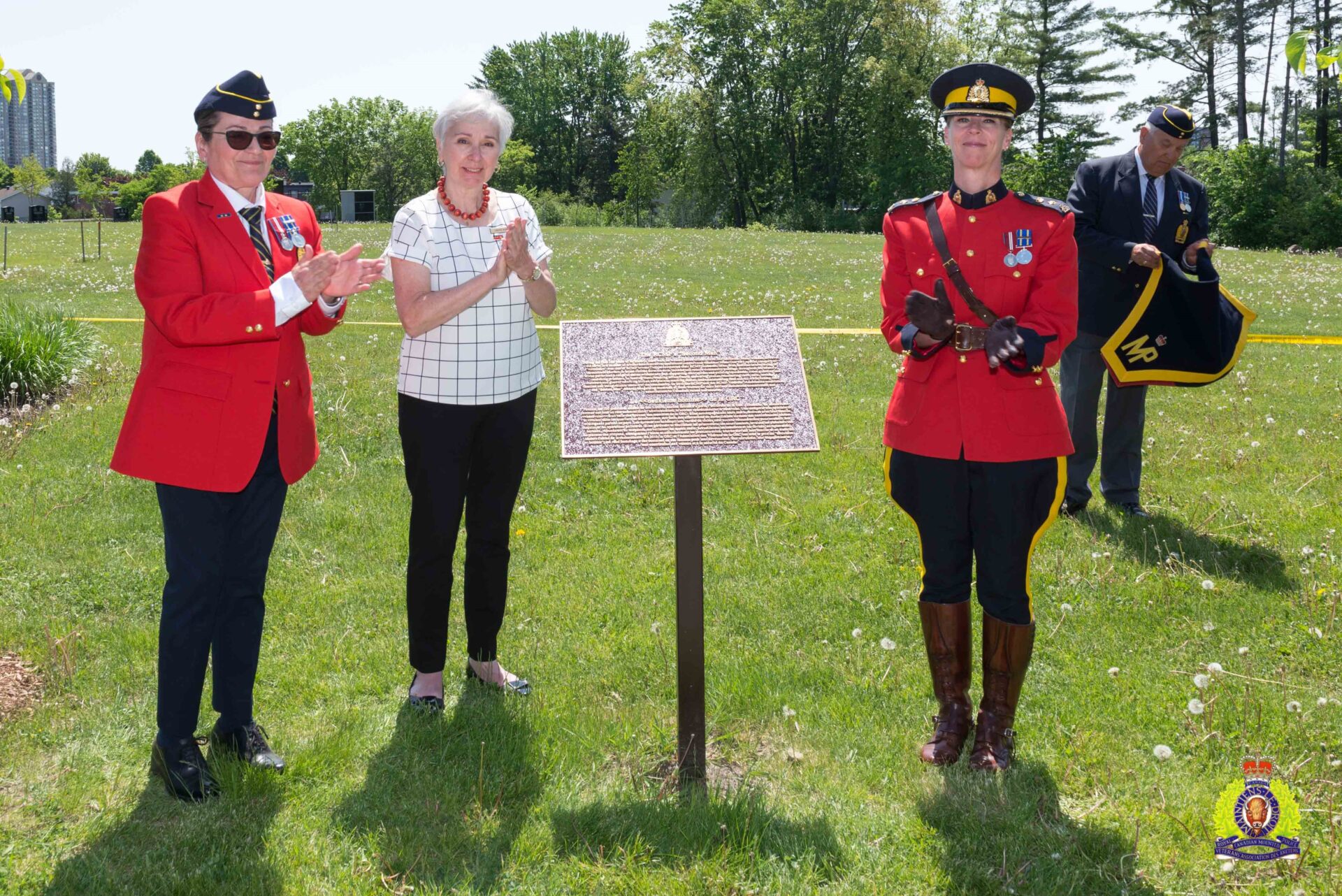
Honouring the Unsung Pillars: Unveiling the RCMP – Second Man – Plaque
On May 23, 2022, a significant chapter in the Royal Canadian Mounted Police’s history was officially recognized with the unveiling of the RCMP “Second Man” plaque. This important commemoration pays…
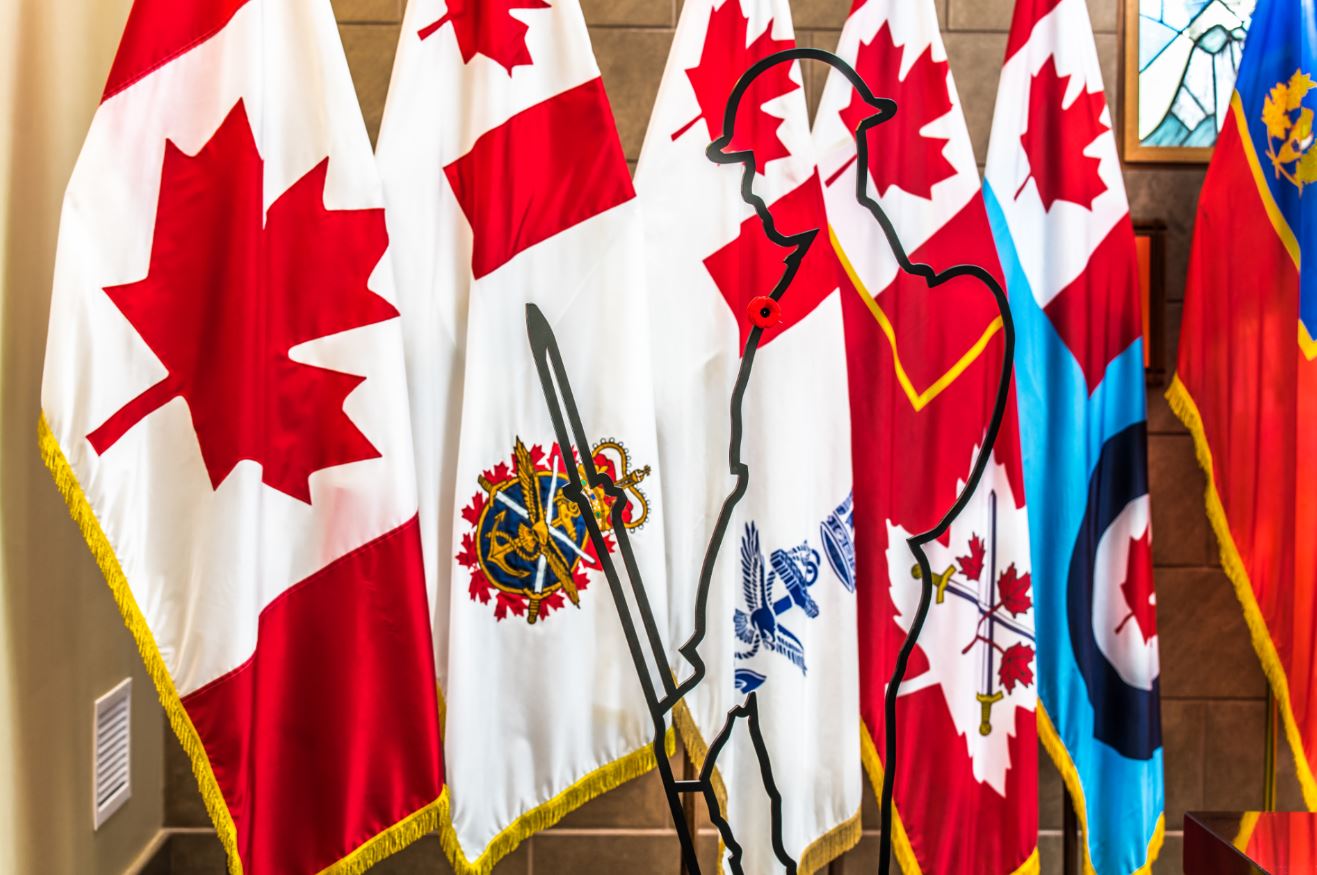
Beechwood: A Proud Canadian Legacy Since 1873
Beechwood Cemetery is more than just a final resting place—it is an enduring part of Canada’s identity. Founded in 1873, just six years after Confederation, Beechwood has been deeply woven…

Beechwood and the Supreme Court of Canada: A Legacy of Justice
The Supreme Court of Canada has long stood as the highest authority in the country’s legal system, shaping Canadian society through landmark rulings and upholding the principles of justice, fairness,…
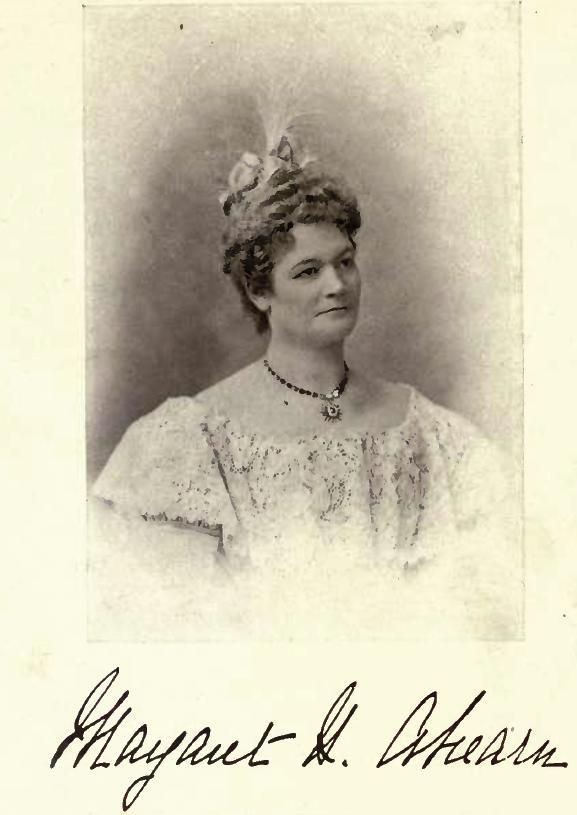
Margaret Howett Ahearn : A Trailblazer in Philanthropy, Rights, and the Arts
Margaret Howett Ahearn (née Fleck) (1849 – January 3, 1915) Section 50, Lot 123 Born in Montreal, Quebec, in 1849, Margaret Howett Ahearn (née Fleck) was a woman of remarkable…
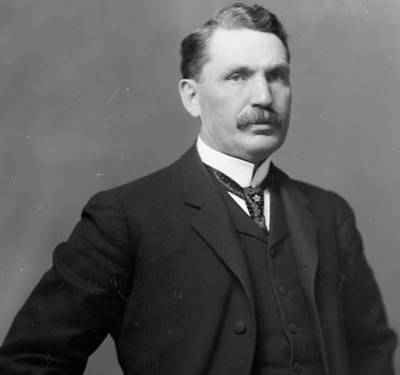
Thomas Ahearn: Ottawa’s Pioneer of Electricity, Transportation, and Innovation
Section 50, Lot 123 Born in LeBreton Flats in June 1855, Thomas Ahearn was the son of an Irish blacksmith who worked on the Rideau Canal maintenance crew. From an…
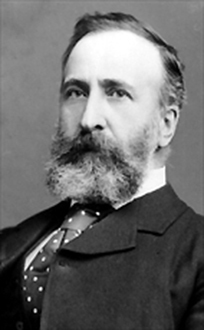
James Colebrooke Patterson: Nation-Builder, Legislator, and Military Reformer
(1839–1929) Section 22, Lot 37 NW James Colebrooke Patterson was a distinguished lawyer, politician, and statesman whose career spanned both provincial and federal politics, as well as a tenure as…

Changing the Experience of Death and Dying in Our Community: The Role and Services of a Death Doula
In Western culture, death is often shrouded in fear and silence, creating a societal narrative that distances us from one of life’s most natural processes. This fear of death, or…
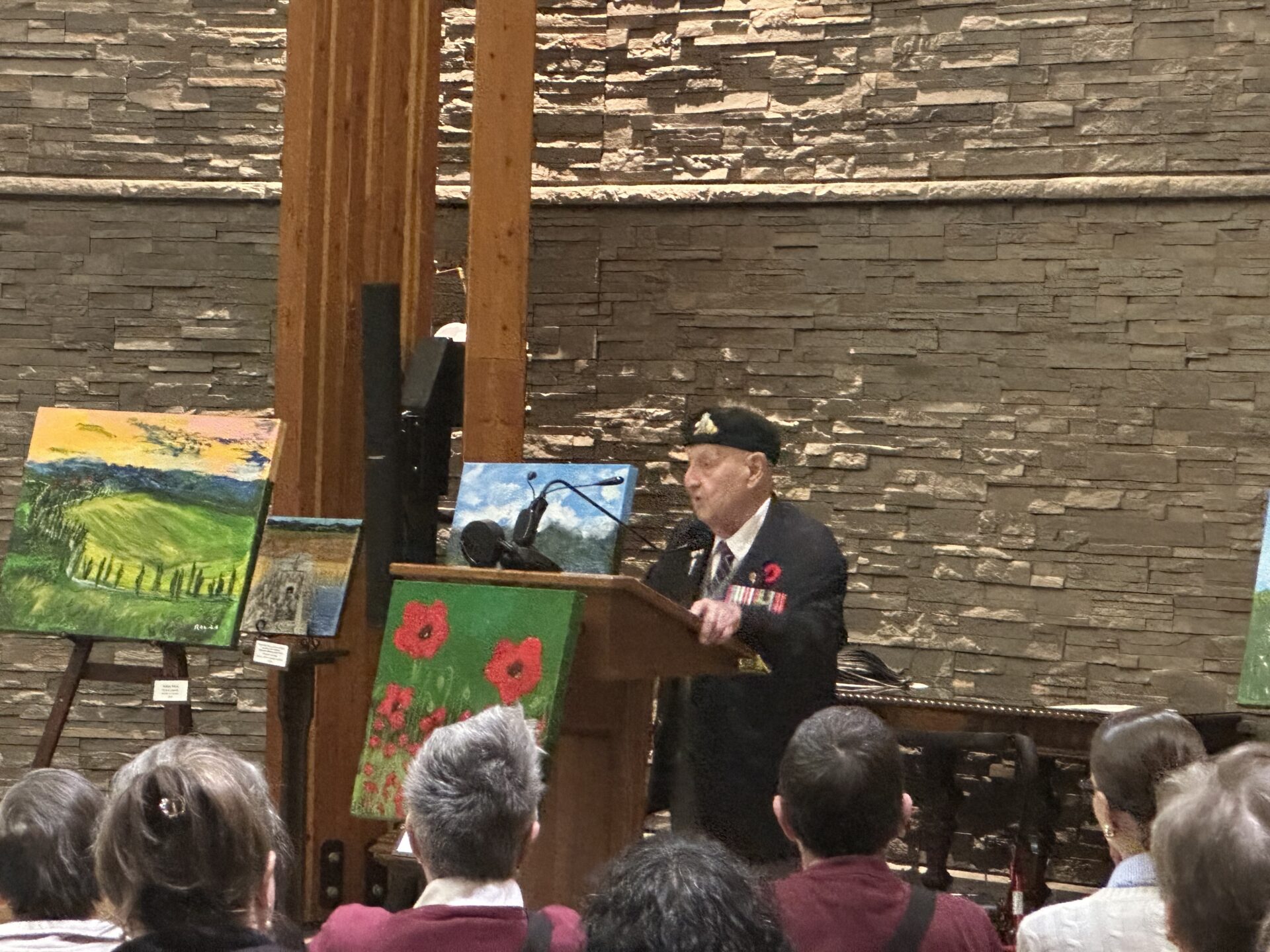
Launch of Celebrating Canadian Veterans and Their Passions Series – A Powerful Tribute to WWII Veteran Roland Lalonde
In Partnership with Perley Health Foundation On February 25, 2025, Beechwood Cemetery, in collaboration with the Perley Health Foundation, successfully launched its new series, Celebrating Canadian Veterans and Their Passions,…
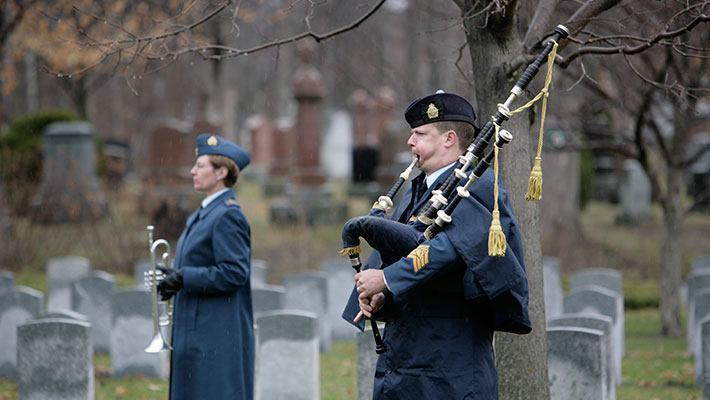
Beechwood Cemetery: A National Symbol of Remembrance and Unity
Beechwood Cemetery holds a special place in Canadian history as the National Cemetery of Canada. Established in 1873 in Ottawa, Beechwood was designed as a non-denominational cemetery, welcoming all cultural,…
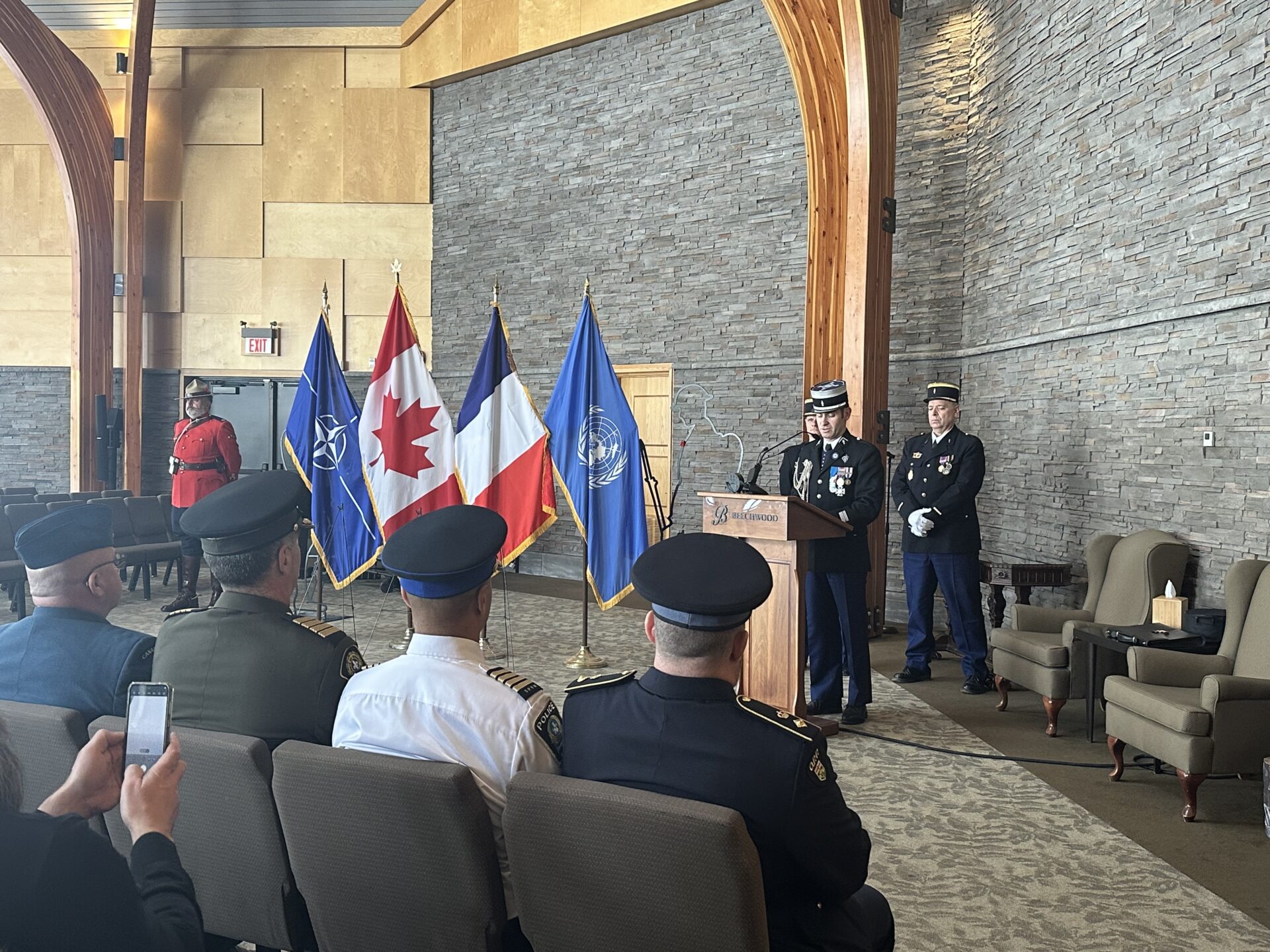
Honouring the Heroes of the French Gendarmerie at the Amicitia France-Canada Monument
On February 18, 2025, the Amicitia French-Canada Monument at Beechwood Cemetery was held in the Sacred Space due to record-breaking snowfall over the weekend. In spite of this, the solemn…
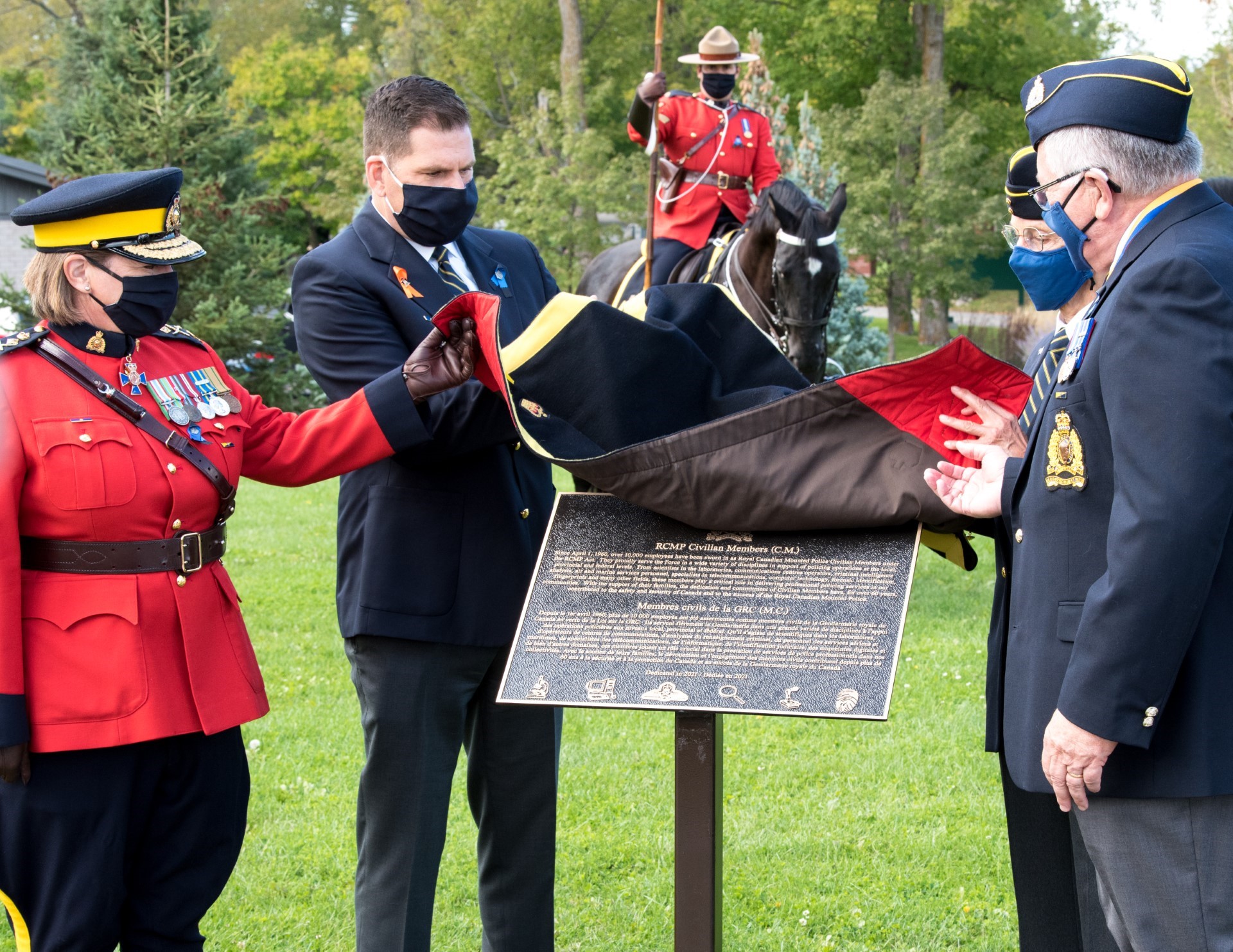
Honouring the Contributions of RCMP Civilian Members: The Unveiling of the Commemorative Plaque
On May 23, 2021, a significant moment in the history of the Royal Canadian Mounted Police (RCMP) took place at the RCMP National Memorial Cemetery at Beechwood Cemetery—the unveiling of…
Understanding MAID in the Context of Funeral Pre-Arrangements
The decision to proceed with Medical Assistance in Dying (MAID) is deeply personal and often accompanied by a range of emotions. Families and friends may experience a mixture of relief,…
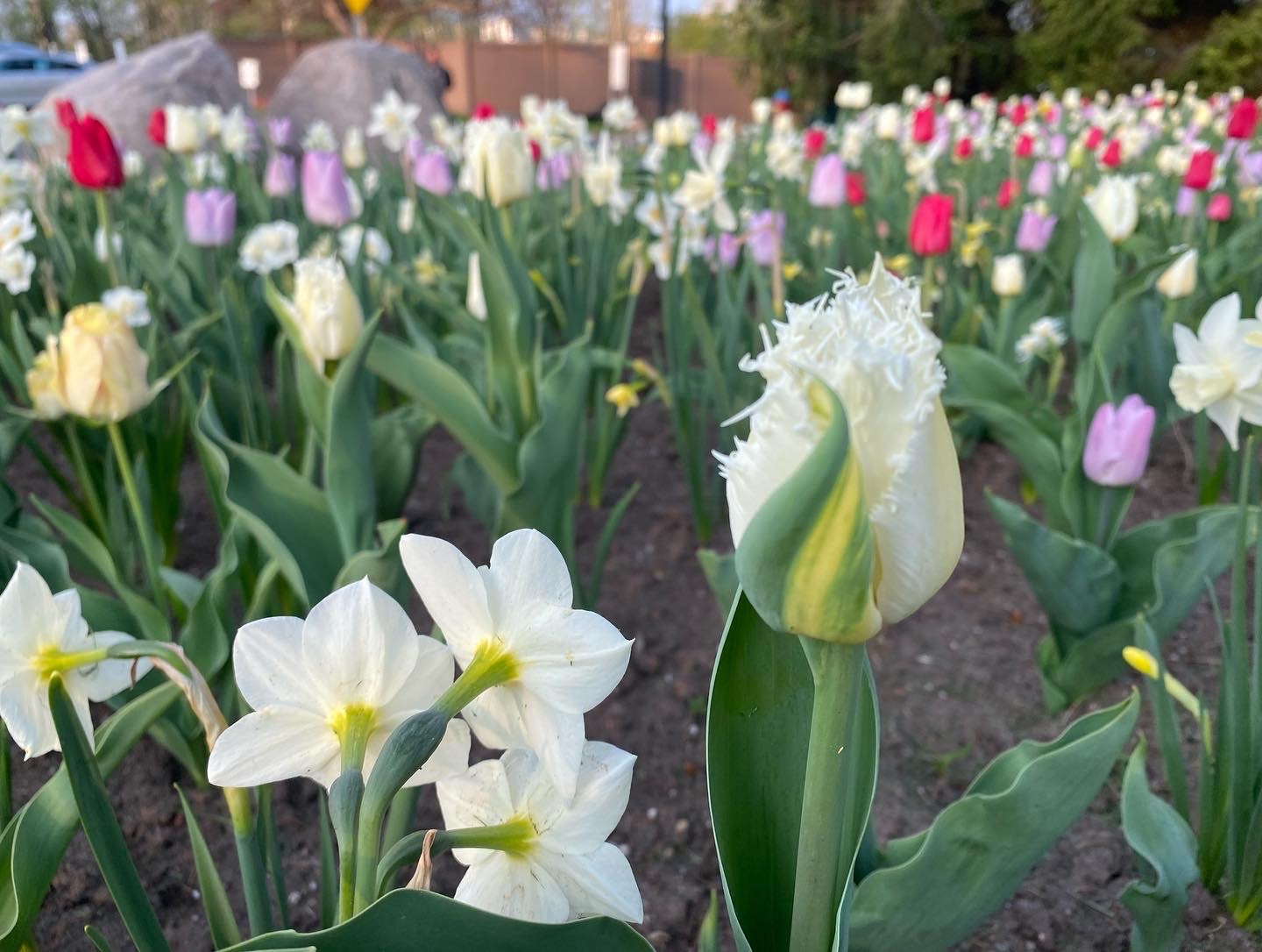
Spring Blooms at Beechwood Cemetery: A Stunning Tulip Display in 2025
We are delighted to invite you to experience the vibrant beauty of spring at Beechwood Cemetery in 2025. Established in 1873, Beechwood Cemetery is recognized as one of Canada’s most…

Navigating the Options: How to Personalize Your Final Arrangements
Planning final arrangements is a deeply personal process, reflecting individual values, traditions, and life stories. Whether you’re preplanning your own arrangements or arranging for a loved one, the choices you…
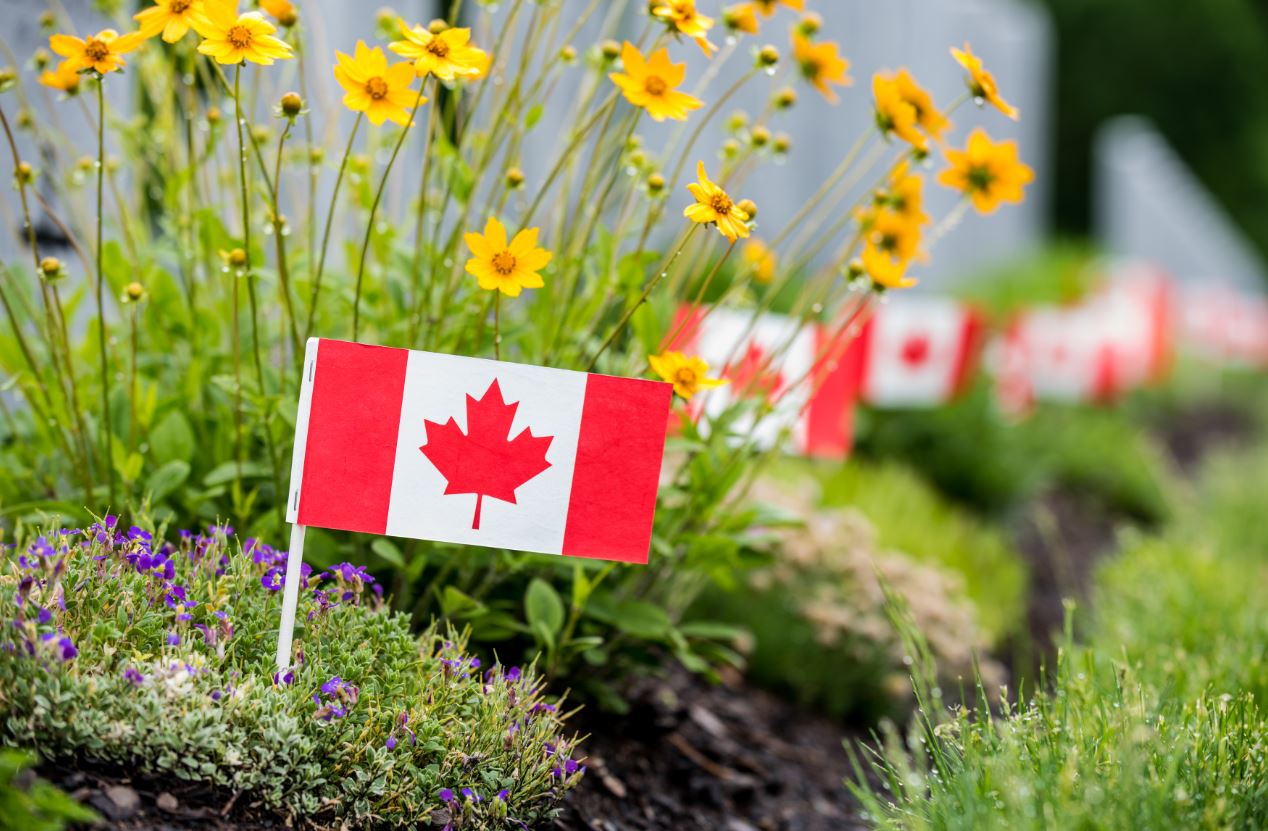
Beechwood Cemetery: A Reflection of Canadian Identity and Legacy
Nestled in the heart of Ottawa, Beechwood Cemetery stands as a symbol of Canada’s values, history, and unwavering commitment to honouring those who have shaped our nation. More than just…
Wreath Placed on Over 5,400 Military Graves
To mark the holiday season, over 250 volunteers came together to honour the sacrifices and celebrate the legacy of Canada’s military personnel and their families. This year, a wreath was…
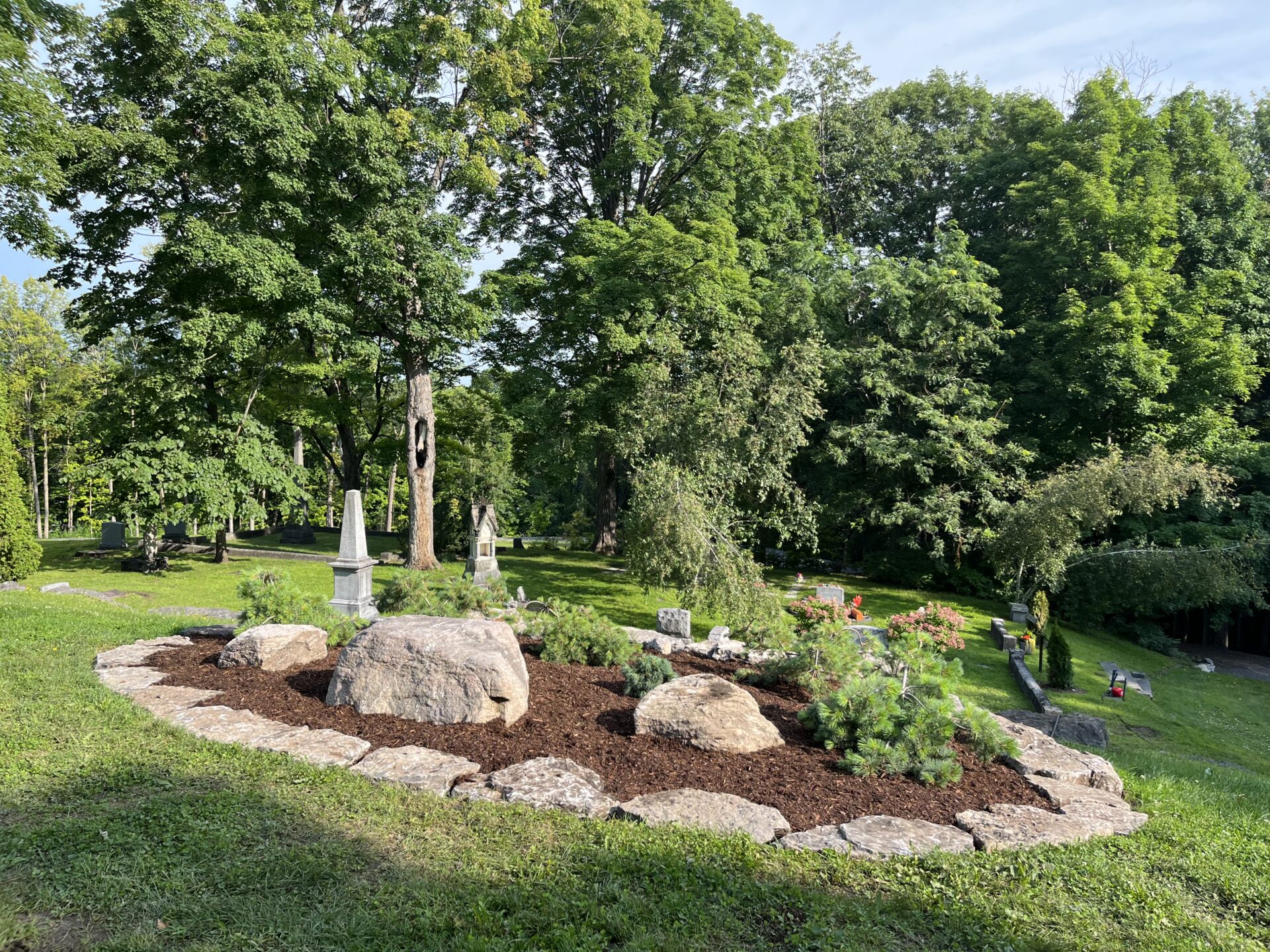
The Children’s Sacred Forest: A Monument to Memory, Healing, and Reconciliation
Beechwood Cemetery Foundation, in partnership with the First Nations Child & Family Caring Society and the Assembly of 7 Generations, unveiled the Children’s Sacred Forest. This solemn and meaningful monument…
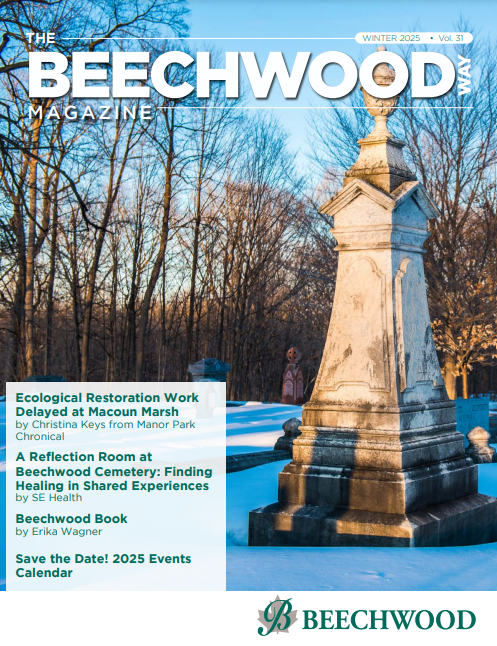
The Beechwood Way – Winter 2025 Vol.31
It’s an exciting time to look forward to what 2025 holds for Beechwood Cemetery as we continued our over 150 year dedication to serving our community in all forms that…
The Hall of Colours: A Tribute to Military Heritage
The Hall of Colours at the Beechwood National Memorial Centre in Ottawa is a sacred and inspiring space dedicated to honouring the traditions and legacy of Canada’s military. This space…
The Rock at Beechwood Cemetery: A Monument to Permanence
Amidst the serene landscape of Beechwood Cemetery in Ottawa lies a rock unlike any other. Positioned at the heart of the Sacred Space, this ancient boulder has become a powerful…
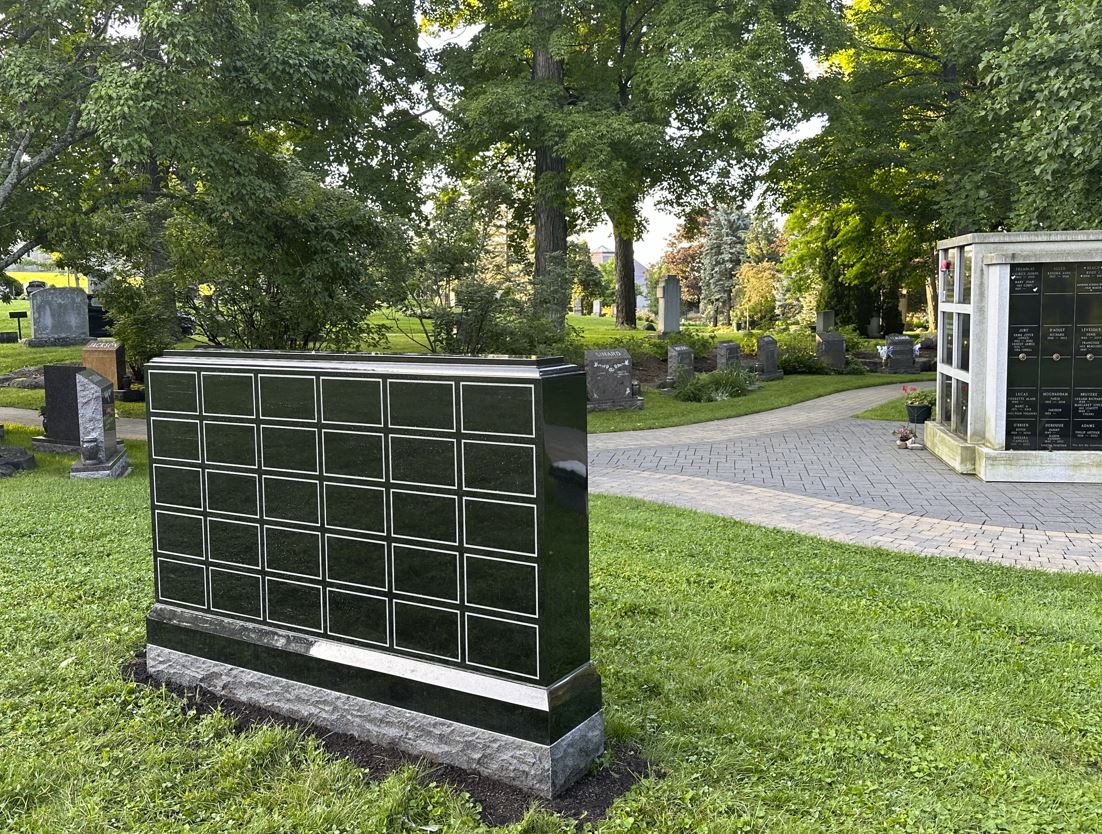
Preserving Cherished Legacies: The Shared Memories Lot at Beechwood Cemetery
A New Offering in the Heart of Beechwood At Beechwood Cemetery, we understand the importance of honouring lives with dignity. The Shared Memories Lot, our latest offering, provides a dedicated…
A Place for Singular Remembrance: Shared Memories Lot
Nestled within the lush beauty of Beechwood Cemetery’s Botanical Gardens, the Shared Memories Lot offers families a serene and respectful sanctuary to honour their loved ones. This innovative space provides…

The National Reflection Room® is Now Open at Beechwood Cemetery
We are thrilled to announce that the National Reflection Room® is now open to the public at Beechwood Cemetery, Canada’s National Cemetery. Located in the tranquil setting of Beechwood’s mausoleum,…
Honouring, Remembering, and Reflecting: Foundation Collaboration Brings the National Reflection Room to Beechwood Cemetery
In our nation’s capital, there are reminders of remembrance most places you look. Beechwood Cemetery, Canada’s National Cemetery, officially added another way for the public to reflect, heal, and connect…
2024 Fundraising – Ways to donate
The Beechwood Cemetery Foundation is a small but mighty non-profit. The donations given annually go towards the beautification of the gardens, the care that goes into designing the grounds and…
Grief Across Cultures: Uniting Traditions Through Love and Loss (Part 6)
Grief is a common thread that ties humanity together, yet each culture has its unique way of navigating loss and honouring those who have passed. From sacred rituals to vibrant…
Grief Across Cultures: Diverse Ways to Honour and Remember (Part 5)
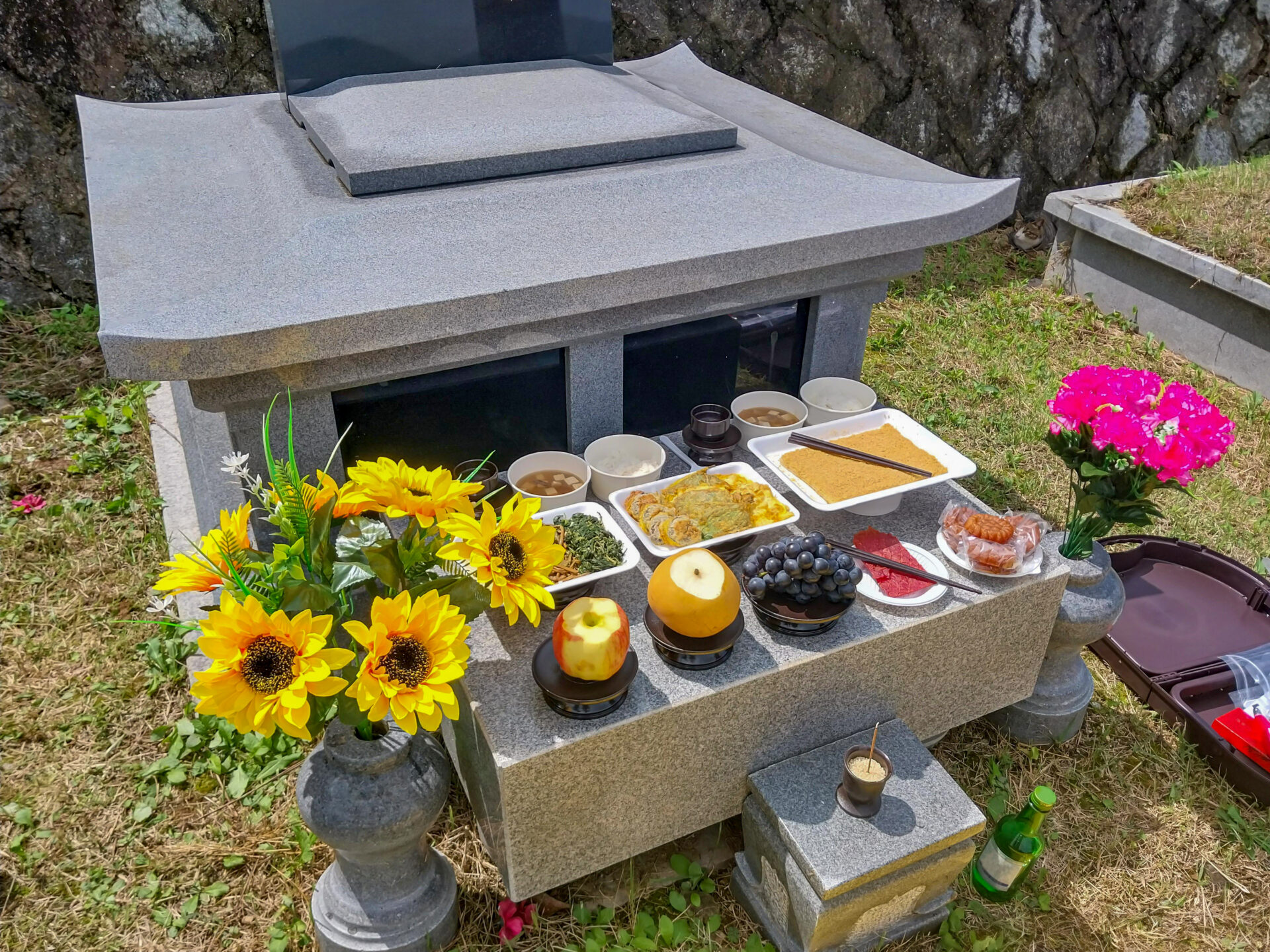
Grief, while deeply personal, is a universal experience that transcends borders and cultures. Around the world, communities have developed unique traditions and rituals to help individuals and families process loss,…

Grief Across Cultures: A World of Traditions for Healing (Part 4)
Grief touches every human life, yet the ways we express and cope with it are deeply influenced by culture. Around the globe, communities have created unique mourning rituals that offer…
Grief Across Cultures: Diverse Paths to Healing (Part 3)
Grief is a universal human experience, but the ways in which people respond to loss are shaped by culture, tradition, and belief systems. Around the world, communities have developed unique…
Grief Across Cultures: Finding Comfort in Global Traditions (Part 2)
Grief touches every corner of the world, yet its expression varies widely depending on cultural traditions, spiritual beliefs, and societal norms. Around the globe, people have developed diverse ways to…

Grief Across Cultures: Lessons from Global Perspectives on Loss (Part 1)
Grief is a universal experience, yet the way it is expressed and navigated varies widely across cultures. Each culture offers unique traditions, beliefs, and practices that shape how individuals and…
Coping with Anticipatory Grief: When Goodbye Comes Too Soon
Anticipatory grief is a unique form of mourning that begins before a loss occurs. It arises when we know that goodbye is inevitable, often due to a terminal illness or…

From Mourning to Meaning: Reframing Loss as a Journey of Love
Grief is a natural response to losing someone we hold dear. It often feels overwhelming, consuming, and painful. Yet, within the depths of mourning lies an opportunity to find meaning—a…

Grief and Growth: How Loss Can Teach Us About Living Fully
Grief is an inevitable part of life. At some point, we all experience the pain of losing someone we love. While grief can be deeply challenging, it also holds the…
Goodbye Doesn’t Have to Be Forever: Creating Meaningful Farewells
Saying goodbye to a loved one is one of life’s most profound and challenging moments. Yet, goodbyes don’t have to signify an end. They can be transformed into meaningful farewells—opportunities…

Mothers Day Without Mom: Coping with the Loss of a Mother or Mother Figure
Mother’s Day is a time of celebration for many, but for those who have lost their mother or a mother figure, it can be a day filled with longing, sadness,…
Navigating the Journey of Grief: Finding Your Path to Healing
Grief is a natural response to loss, but it is also deeply personal and often unpredictable. It can feel like navigating an uncharted path, filled with twists, turns, and obstacles.…

When Words Fail: The Healing Power of Silence in Grief
Grief often leaves us searching for the right words to offer comfort and support, but sometimes, no words can truly capture the depth of loss. In these moments, silence becomes…

Children and Grief: Guiding Young Hearts Through Loss
Grief is a universal experience, but for children, it can feel especially confusing and overwhelming. Unlike adults, children may not have the words or emotional tools to express their feelings,…

The Language of Loss: How to Support a Loved One Through Grief
Grief is a deeply personal experience that varies for everyone. For those supporting a grieving loved one, it can feel overwhelming to know what to say or do. The language…

The Art of Remembering: Honouring Lives Through Storytelling and Rituals
In the face of loss, the weight of grief can feel overwhelming, leaving many of us searching for ways to keep the memory of loved ones alive. The art of…
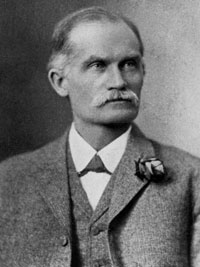
James Wilson Robertson: Pioneer of Canadian Agriculture and Global Food Security
Section 22, Lot 9 James Wilson Robertson, born on November 2, 1857, in Dunlop, Scotland, was a visionary educator and agricultural expert whose influence reshaped Canadian agriculture. After immigrating to…
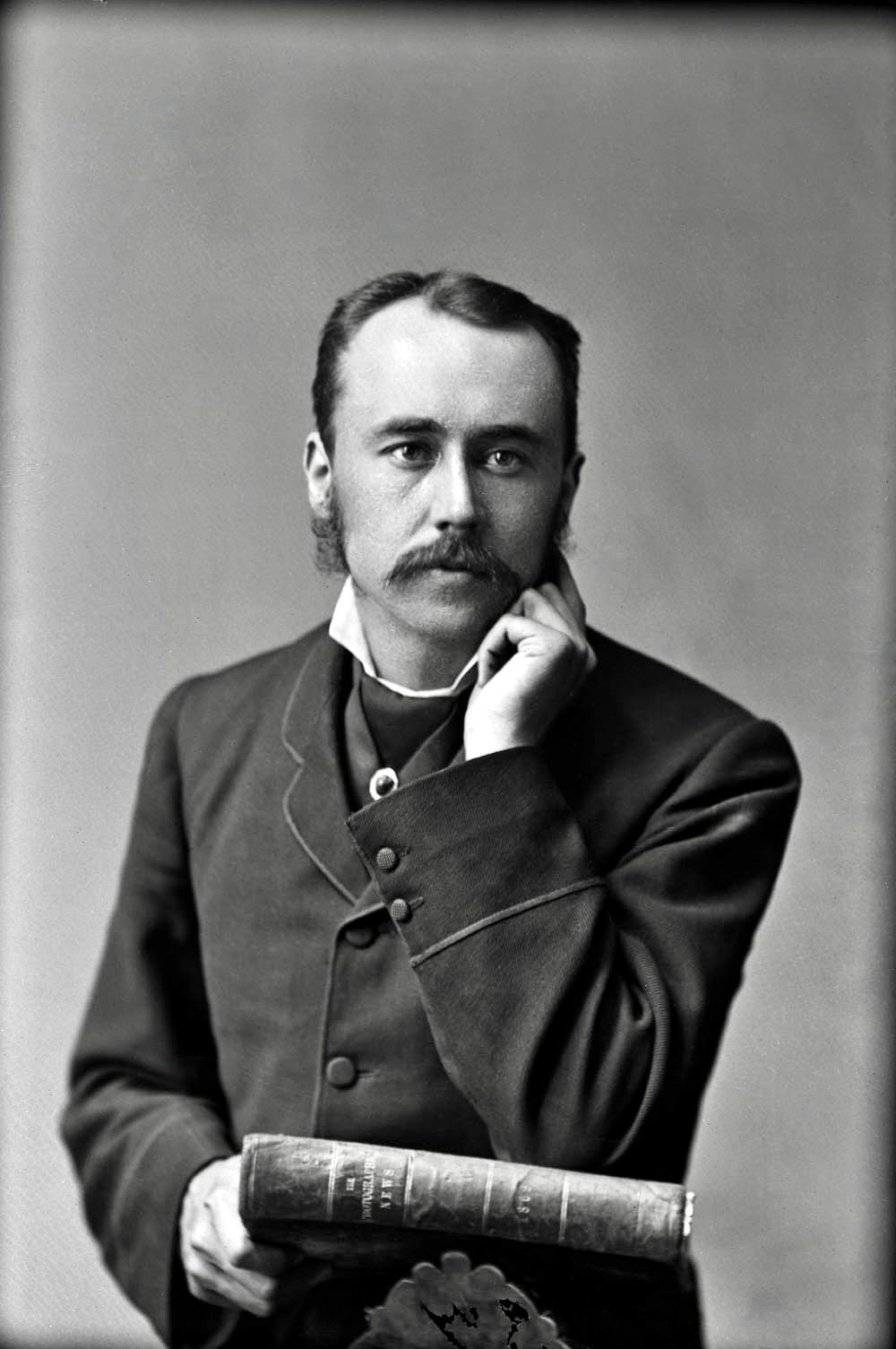
James Fletcher: A Pioneer of Canadian Botany and Entomology
Section 21, Lot 12 S Born on March 28, 1852, in Ashe, England, James Fletcher’s journey began with a solid education in Rochester, near London. At the young age of…

Start the New Year with Peace of Mind: Why Preplanning Your Funeral and Cemetery Arrangements Should Be Your Resolution
As the New Year approaches, many of us set resolutions to improve our health, finances, or lifestyle. But there’s one important resolution often overlooked: preplanning your funeral and cemetery arrangements.…

Remembering Loved Ones During the Holidays
The holidays are a time of joy, gathering, and heartfelt remembrance. While we revel in the festive cheer, it’s also a profound opportunity to remember and honor those who are…
Join Us in Preserving the Beechwood Legacy – This Giving Tuesday
As the seasons shift, so does our gratitude for your steadfast support of Beechwood Cemetery. With your generosity, Beechwood transcends its role as a cemetery to become a vibrant haven…
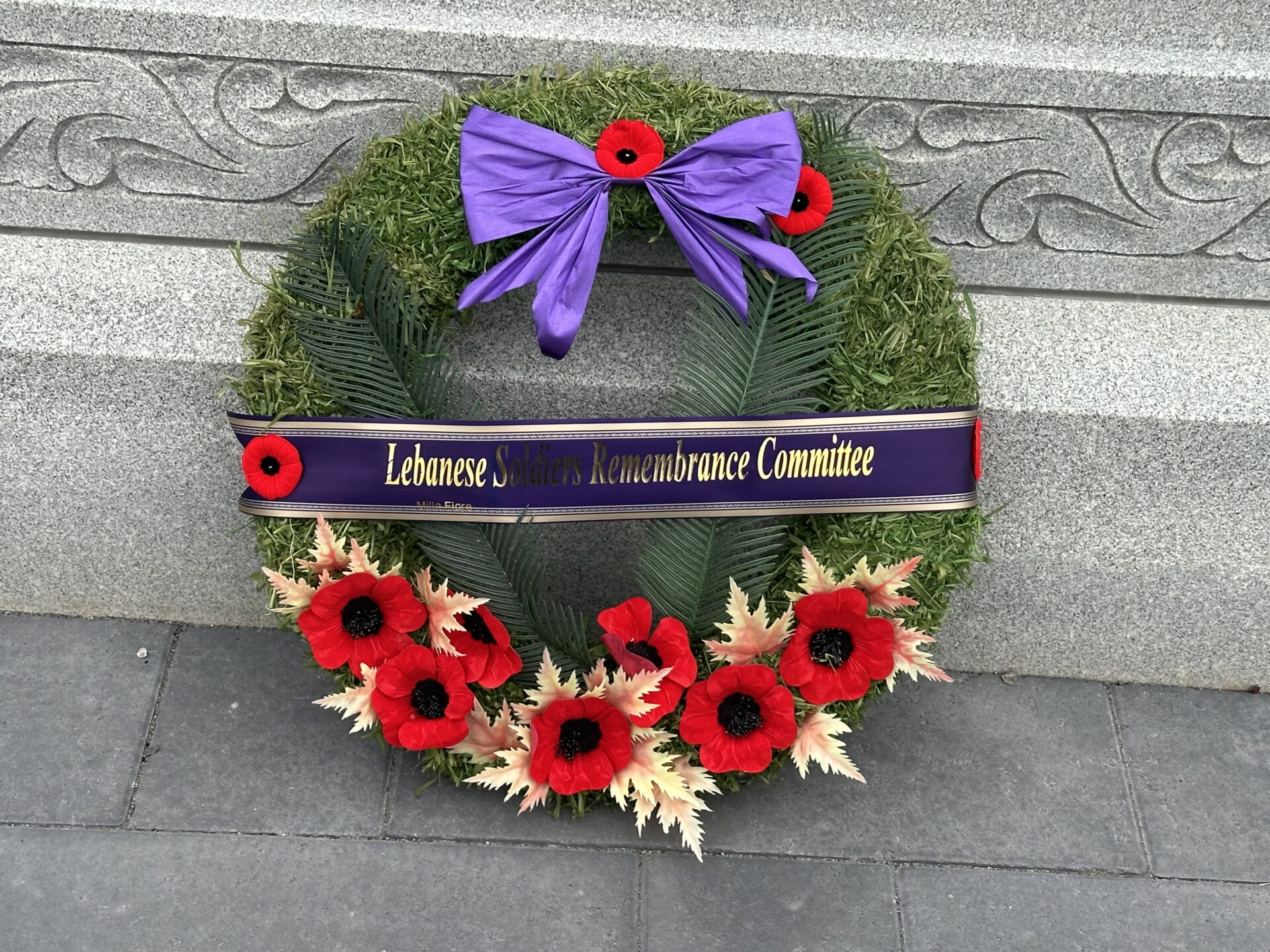
Honouring Service and Sacrifice: The Lebanese Soldiers Remembrance Committee’s First Wreath-Laying Ceremony
November marked Lebanese Heritage Month, a time to celebrate the rich culture, history, and contributions of the Lebanese community in Canada. This year, it also became the backdrop for a…
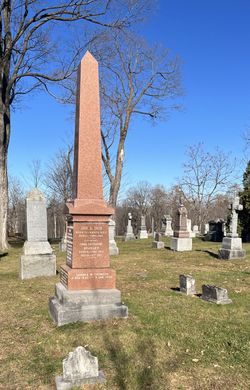
Charles Hammett Snow: Cultivating Canada’s Agricultural Legacy
Section 49, Lot 37 Charles Hammett Snow was a distinguished civil servant and horticulturist who made a lasting impact on Canadian agriculture during his lifetime. Born in 1862, Snow’s life…
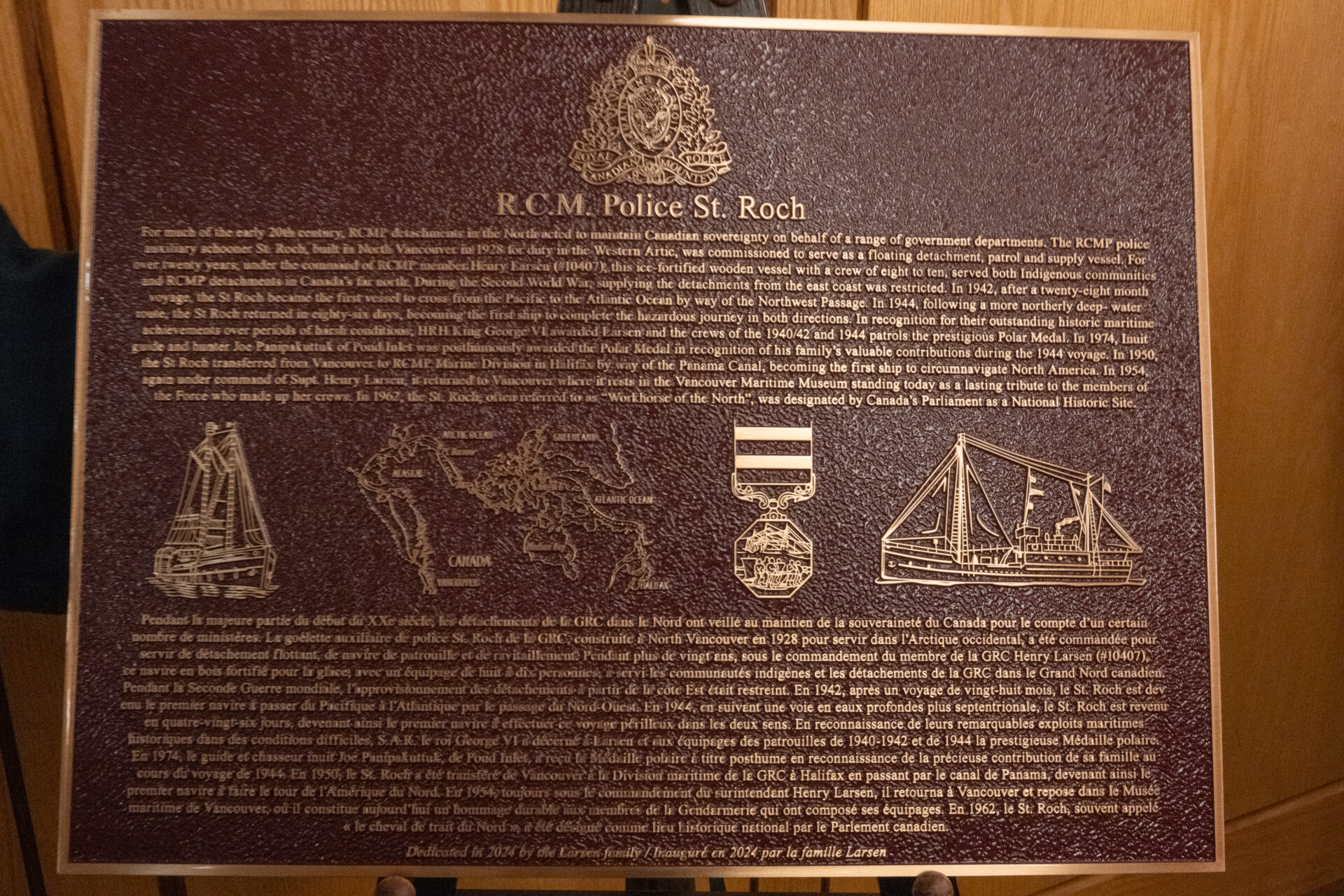
Honouring the Legacy of the RCMP Schooner St. Roch and Its Crew
On November 9, 2024, the RCMP National Memorial Cemetery at Beechwood hosted a ceremony to unveil a commemorative plaque honouring the iconic RCMP police auxiliary schooner St. Roch, its Captain,…
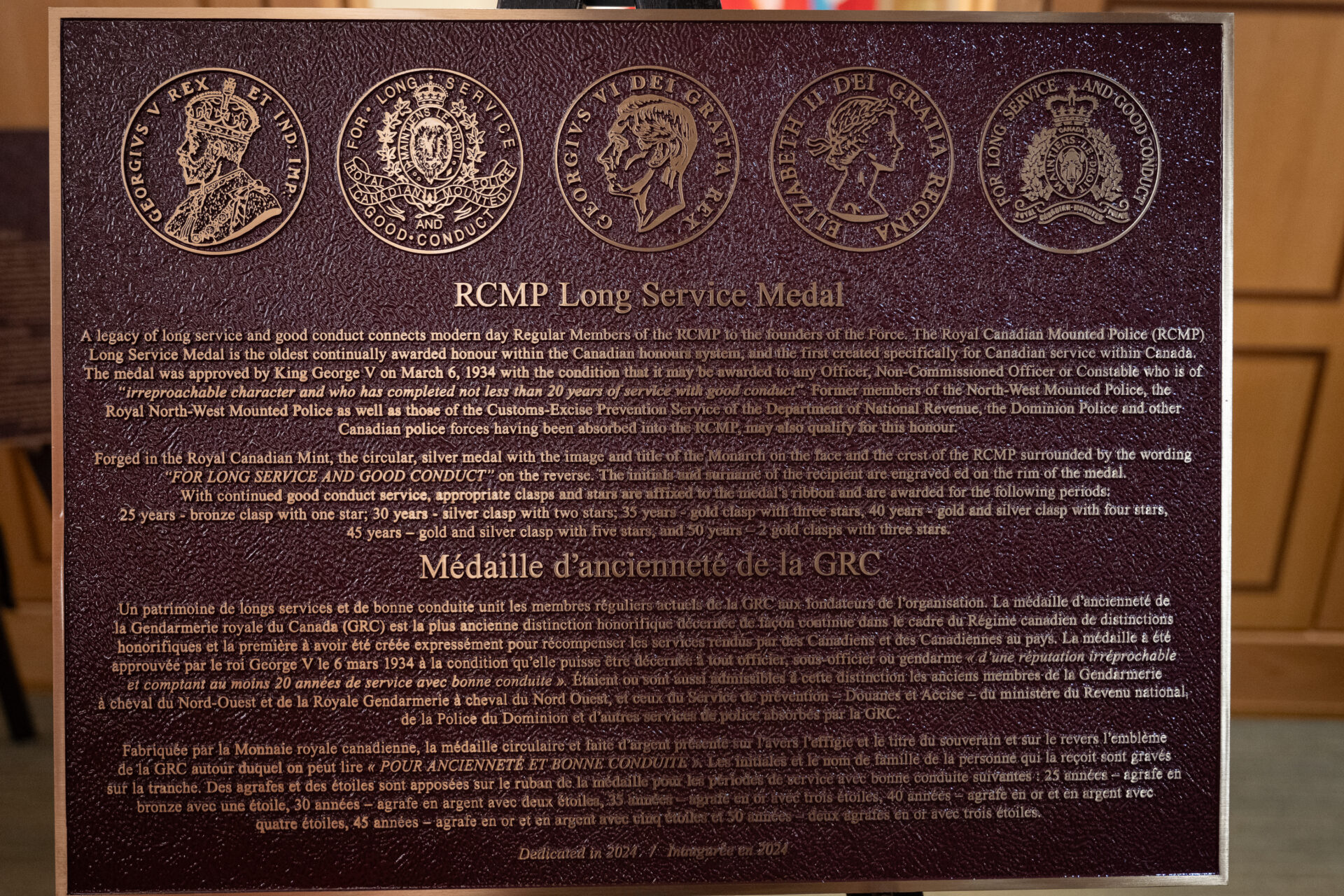
Honouring Dedication: The RCMP Long Service Medal
On November 9, 2024, the RCMP National Memorial Cemetery at Beechwood hosted a ceremony to honour the legacy of the Royal Canadian Mounted Police (RCMP) Long Service Medal, a distinction…
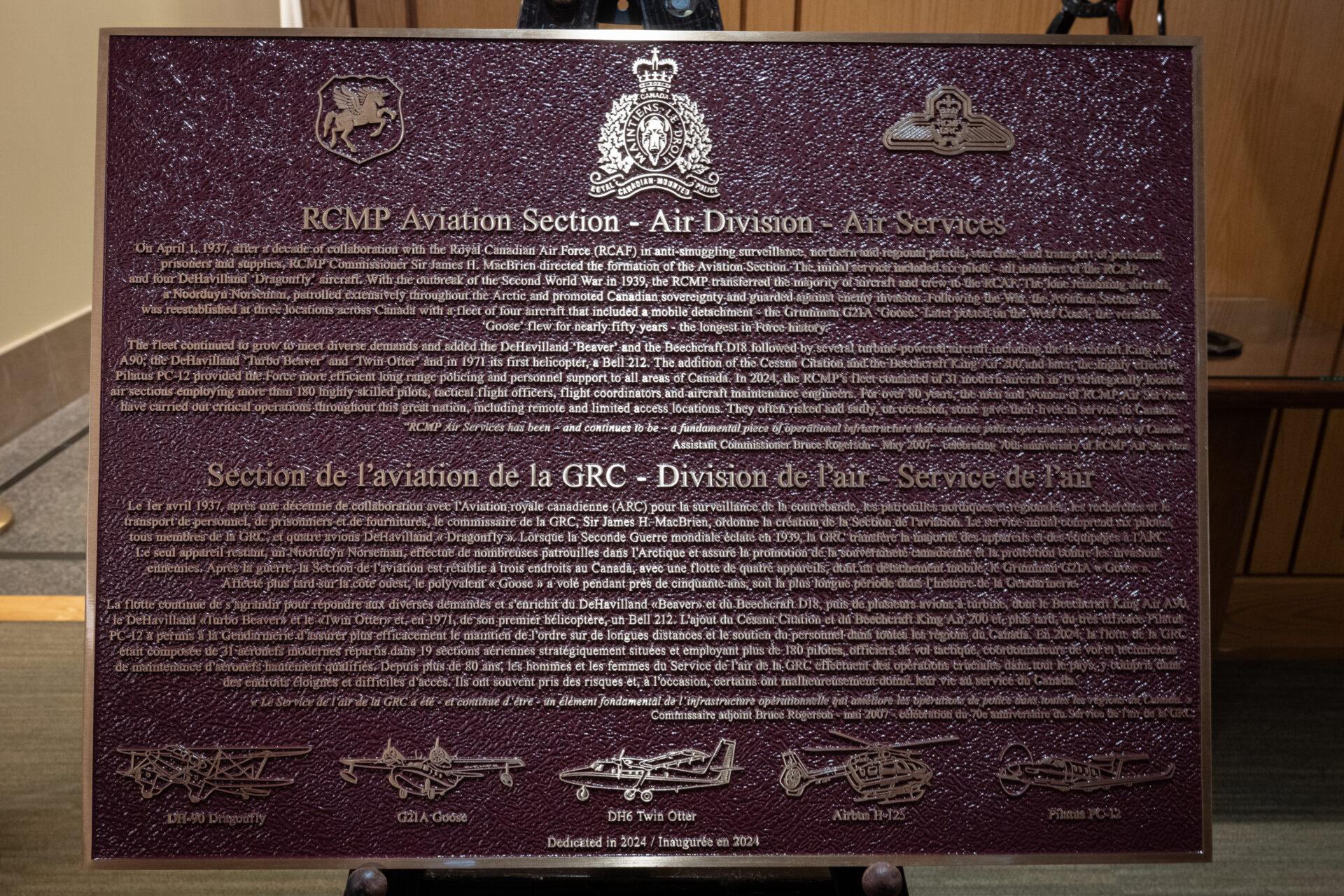
Honouring the Legacy of the RCMP Aviation Section: A Tribute to “Air” Division
On November 9, 2024, the RCMP National Memorial Cemetery at Beechwood welcomed dignitaries, veterans, and community members to a special ceremony celebrating the legacy of the RCMP Aviation Section, known…
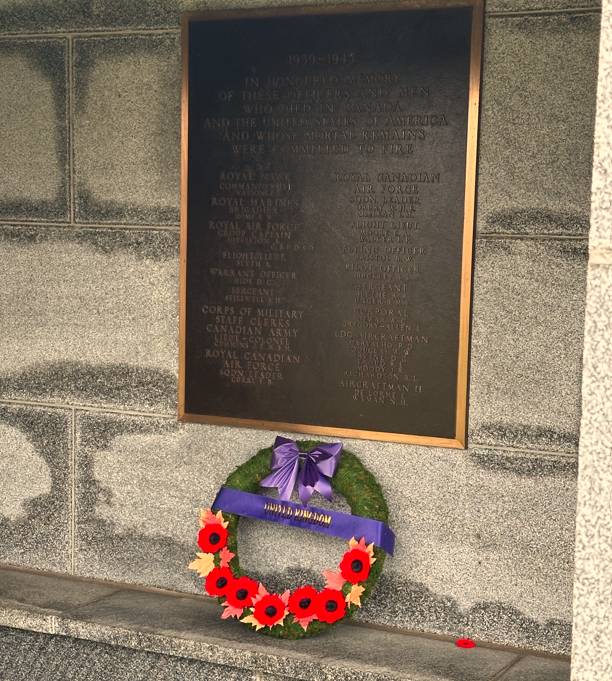
Wreath Laying at Ottawa Cremation Memorial on Behalf of the United Kingdom of Great Britain and Northern Ireland
Following the Remembrance Day ceremony at Beechwood Cemetery, Commander Sarah Birchett, Royal Navy and UK Air and Naval Adviser to Canada, honoured the fallen with a wreath-laying at the Ottawa…
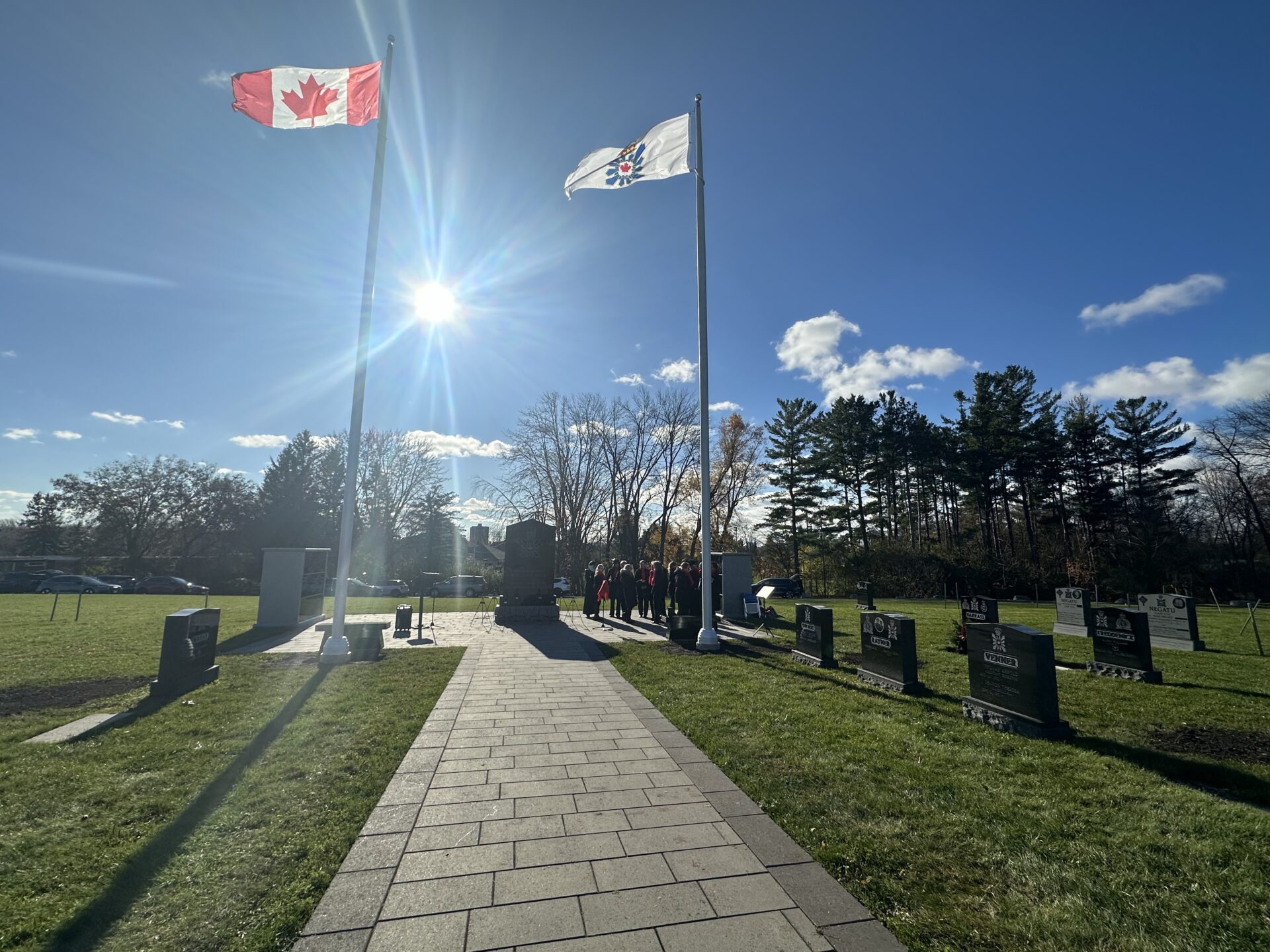
Raising the Flags: A Historic Moment at the CSIS National Memorial Cemetery
On November 7, 2024, the CSIS National Memorial Cemetery at Beechwood marked a profound milestone during the CSIS Annual Remembrance Ceremony. For the first time, the flags of the Canadian…
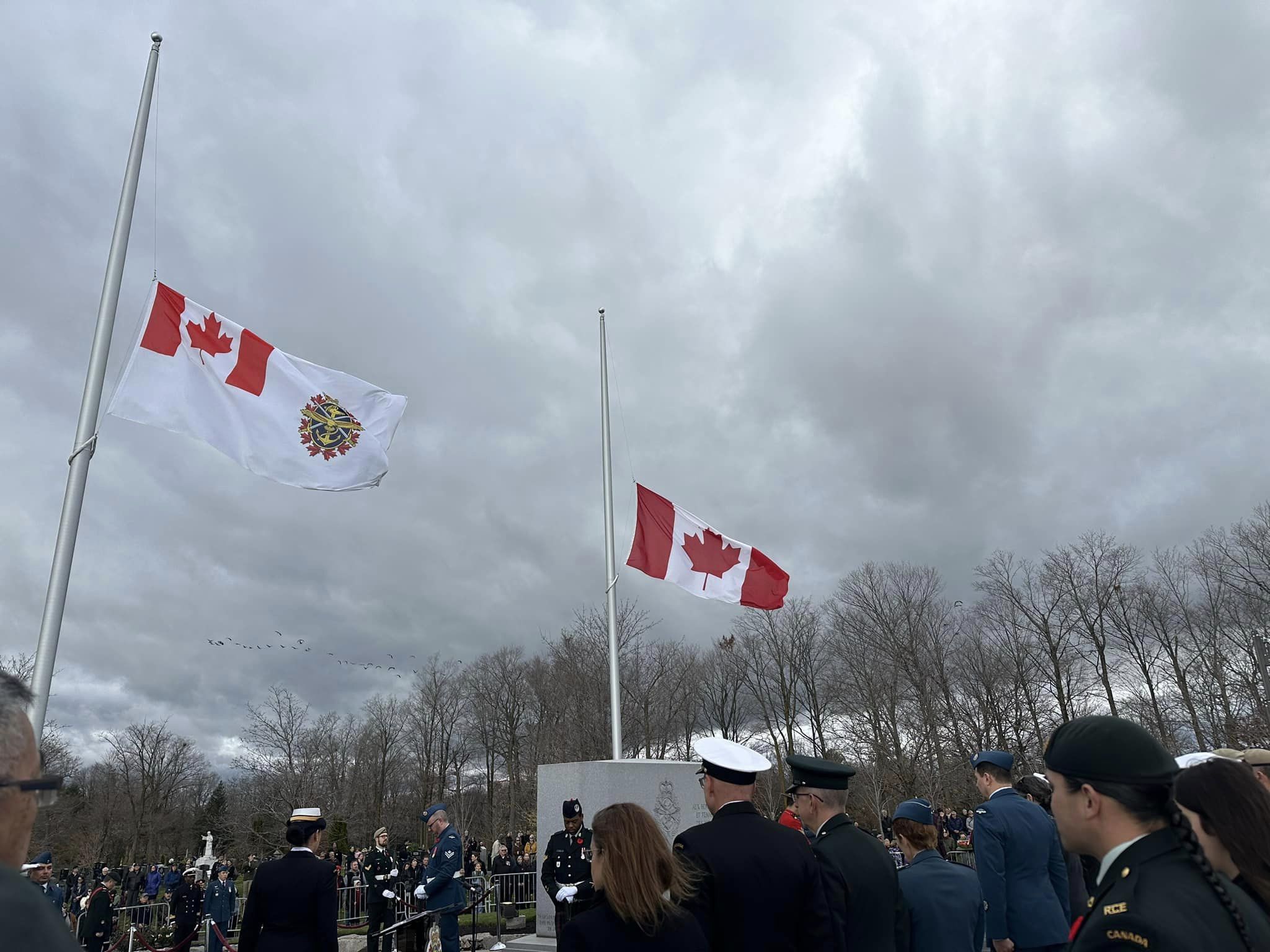
Photos: Remembrance Day 2024
A gallery of photos taken on Remembrance Day in Ottawa. Click here. Note that the cover photo is from the Beechwood Cemetery Foundation Collection, not in the gallery.
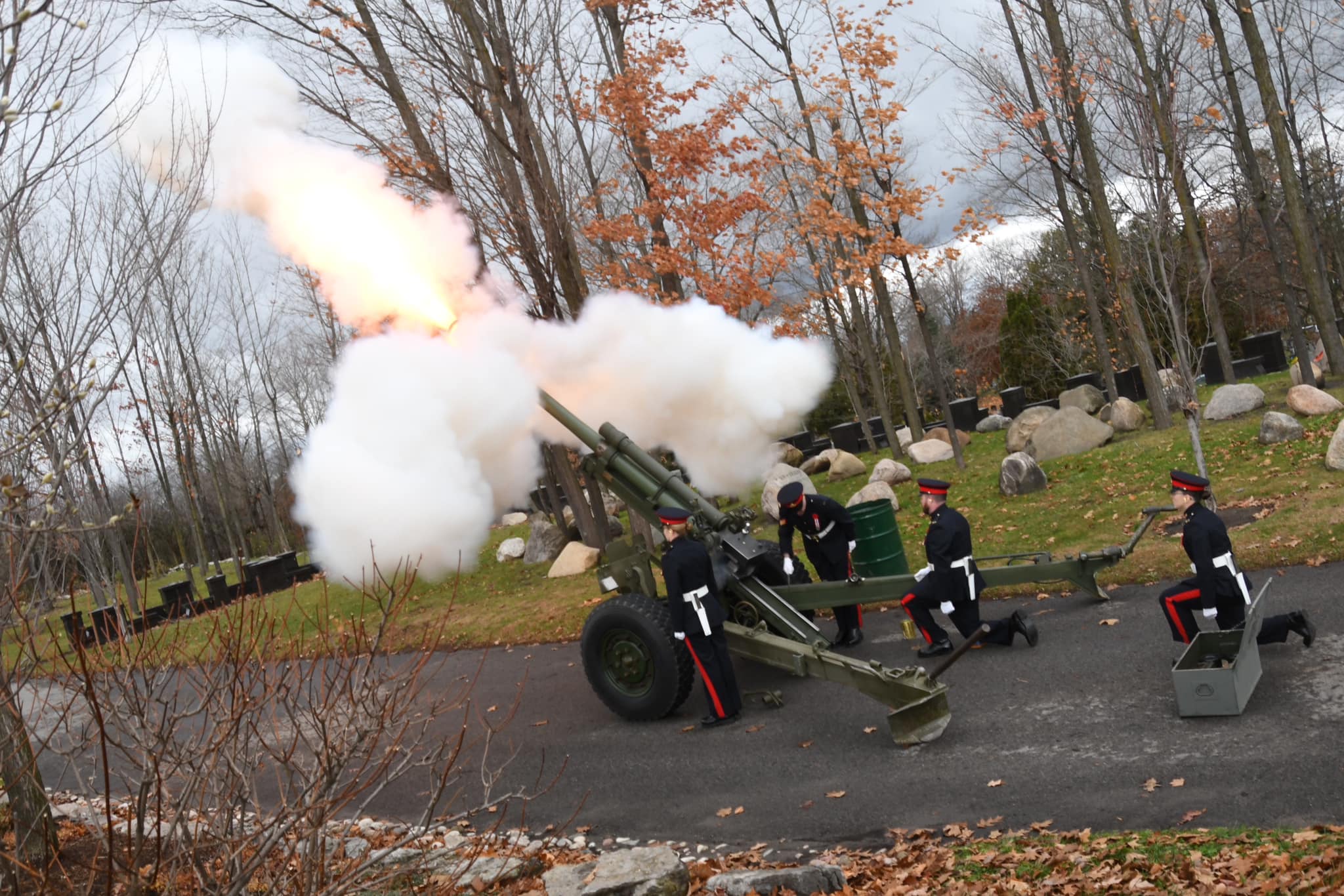
Remembrance Day at the National Military Cemetery
Joining us live from the National Military Cemetery is Nicolas McCarthy. He is the Director of Marketing for Beechwood Cemetery. Click here to watch the full click.
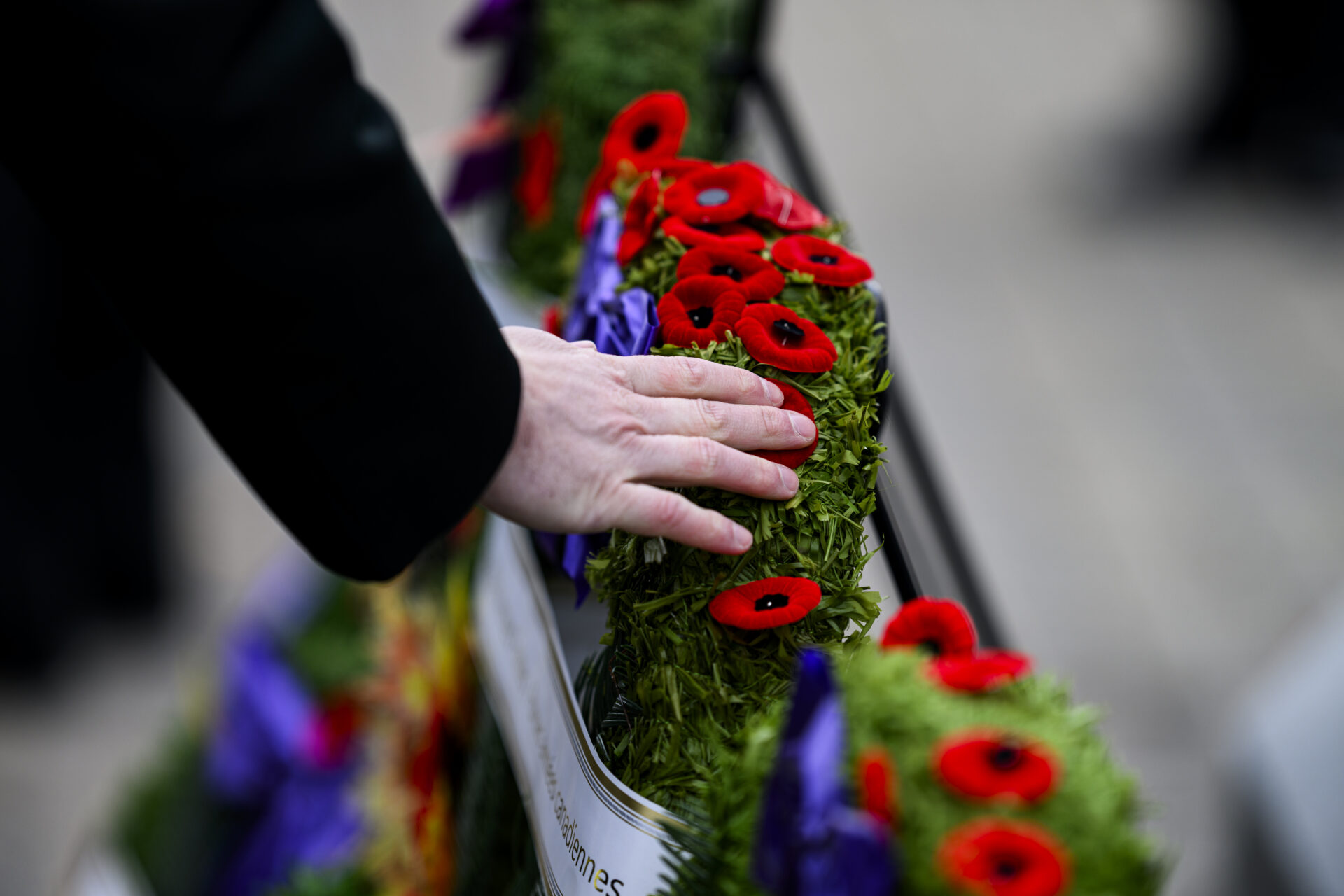
Crowds gather at cenotaphs in Ottawa and across eastern Ontario to mark Remembrance Day
…………At Beechwood Cemetery, the National Military Cemetery, military members and their families and friends marked Remembrance Day by paying tribute to those who died giving their lives to service. “There…
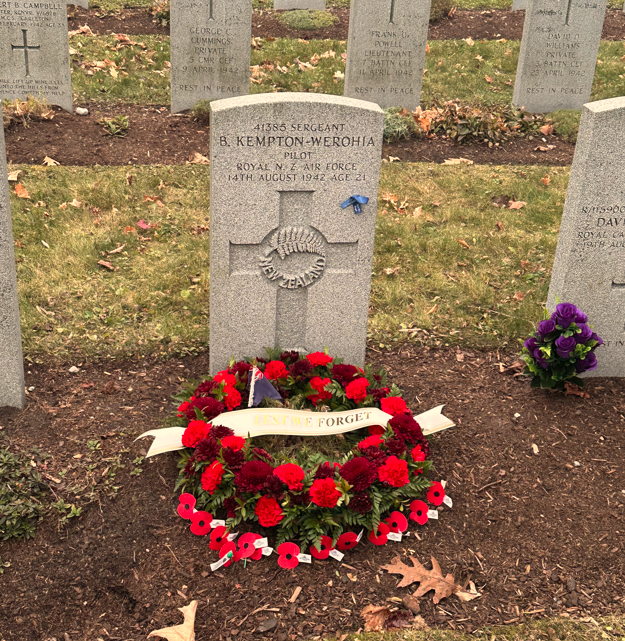
Honouring New Zealand’s Legacy: A Dawn Remembrance Ceremony
At dawn on November 8, 2024, Beechwood Cemetery hosted a solemn and moving ceremony to honour the service and sacrifices of New Zealanders who gave their lives in conflicts around…
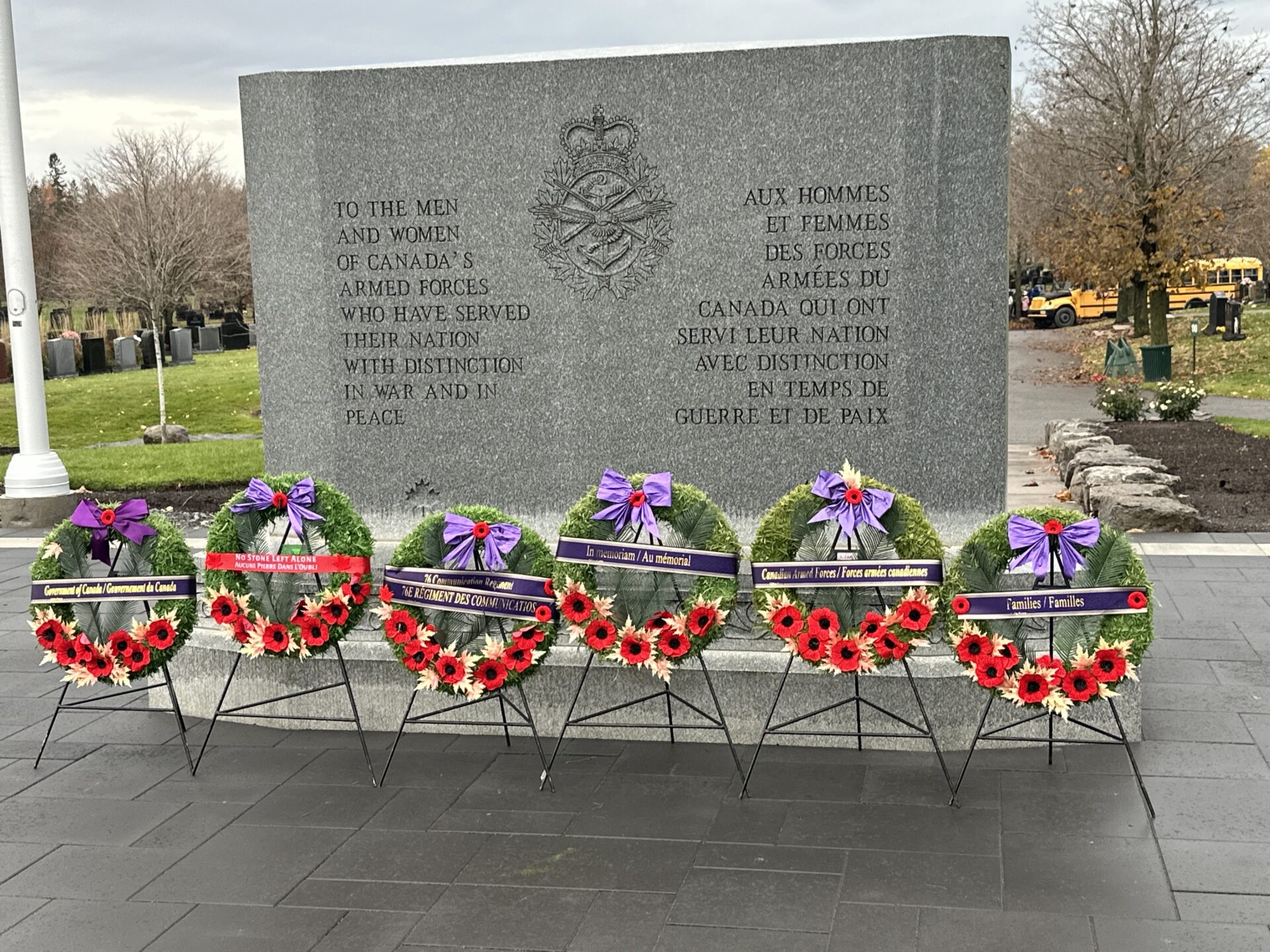
8th Annual No Stone Left Alone Ceremony at Beechwood Cemetery
On November 5, 2024, attendees gathered at Beechwood Cemetery, Canada’s National Cemetery, for the 8th Annual No Stone Left Alone ceremony. This event honoured the memory of Canada’s fallen, involving…
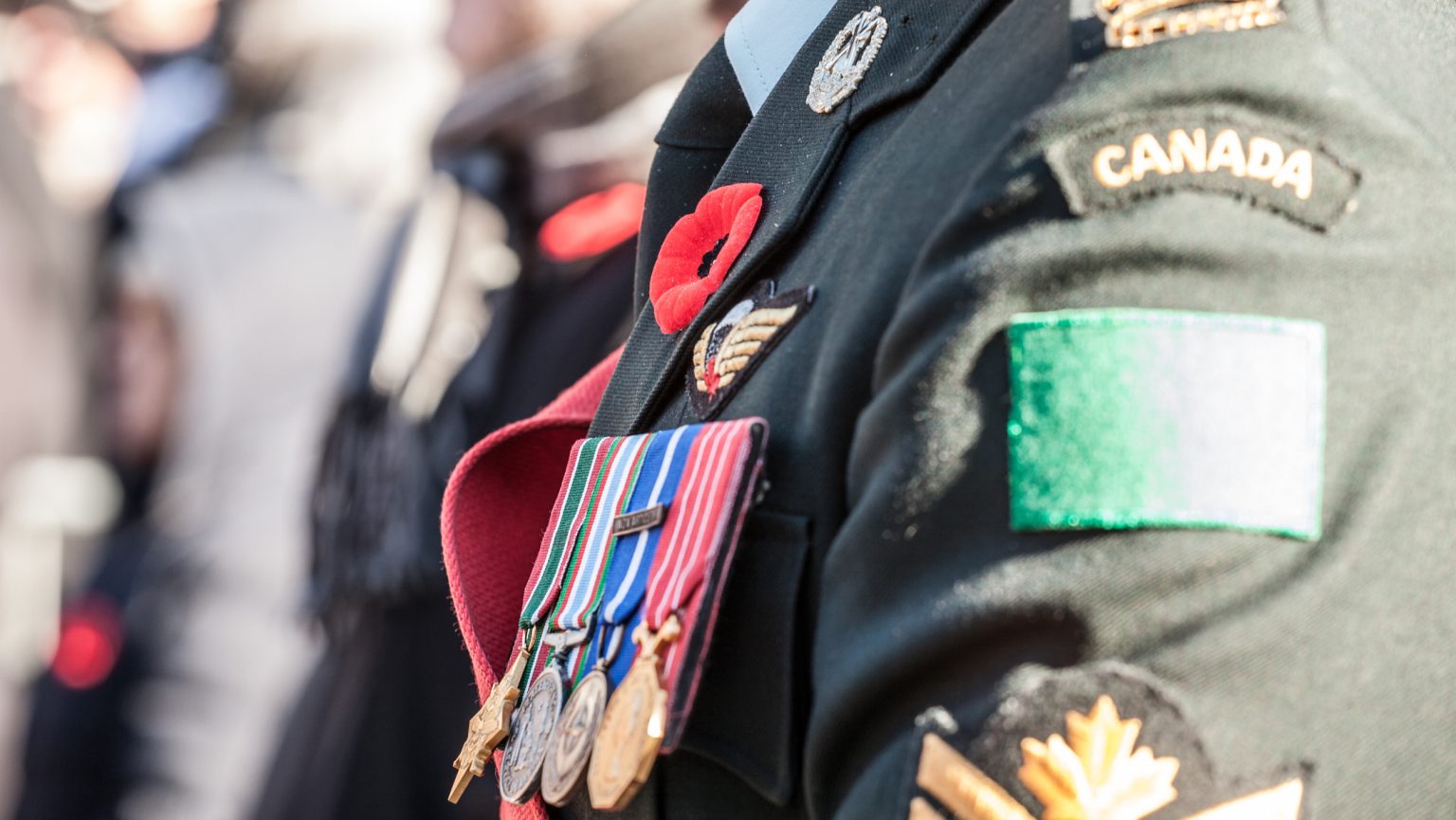
Beechwood Cemetery honours military members back to 1812
In the annals of Canadian history there are thousands of stories that chronicle the brave sacrifices made by members of the Canadian Armed Forces dating back long before Confederation. Many…
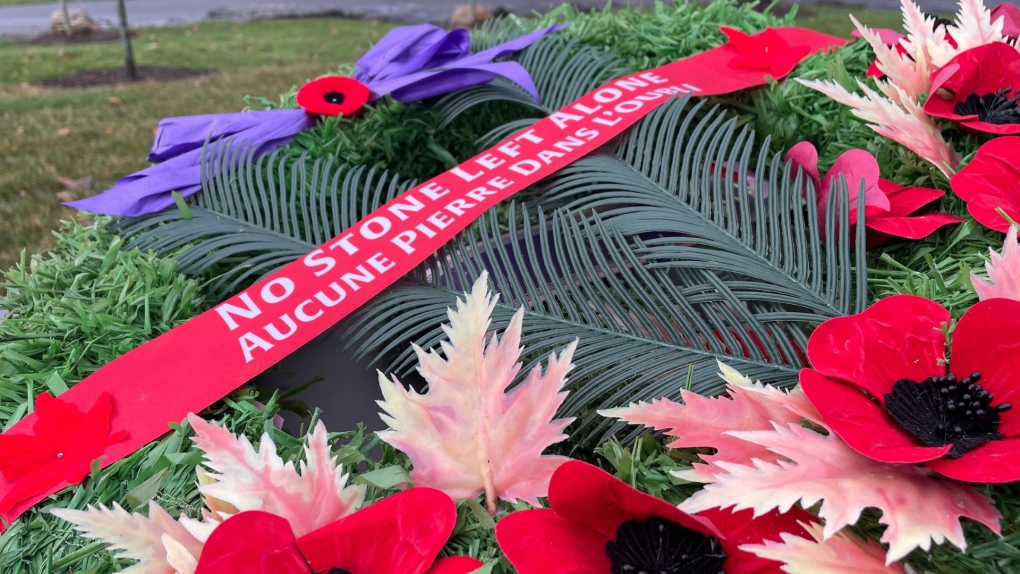
Beechwood Cemetery brings students, community together to honour fallen soldiers
Ottawa’s National Military Cemetery at Beechwood hosted the 8th annual No Stone Left Alone event, where elementary school students, Canadian Armed Forces members and community members gathered to remember Canada’s…
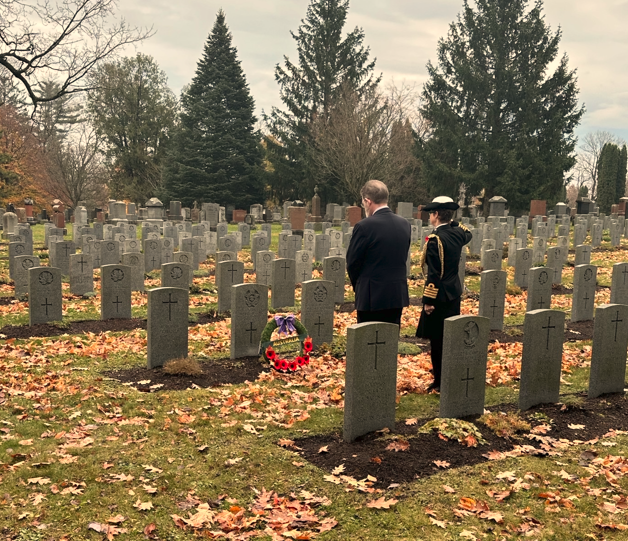
Honouring the Brave: A Tribute to Australia’s Fallen Airmen at Beechwood Cemetery
Today, under a soft November sky at Beechwood Cemetery, we gathered for the Australian Remembrance Ceremony, a solemn tribute to the bravery and sacrifice of two young Australian airmen who…
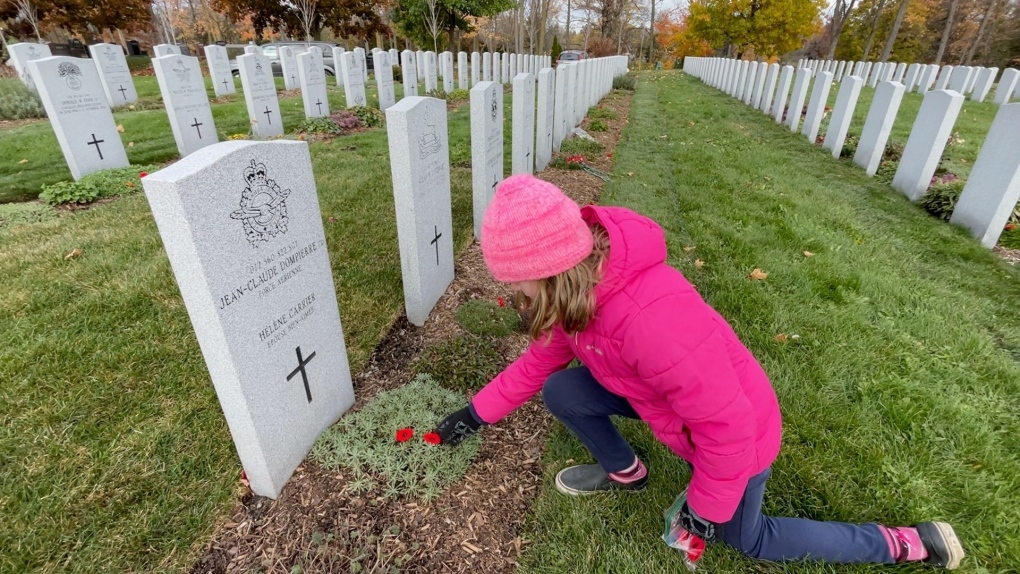
Deachman: Where have all the Remembrance poppies gone?
………..Schools aren’t the only venue where youths can learn about Remembrance Day and its significance. Beechwood Cemetery, for example, has since 2018 annually taken part in No Stone Left Alone,…
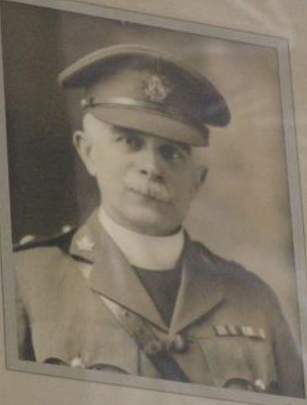
A Lifetime of Faith and Service: The Legacy of Major The Reverend Harold Irwin Horsey
Major The Reverend Harold Irwin Horsey Section 24, Lot 31 NW Born in Kingston, Ontario, in 1867, Major The Reverend Harold Irwin Horsey began his distinguished journey of faith and…

Death Dialogues: Preserving Family Heirlooms
Death Dialogues: Preserving Family Heirlooms with La Maison D’Or Jewellery as Family Heirlooms Powerful Emotional Connection: Jewellery is more than just an accessory; it serves as a tangible connection to…
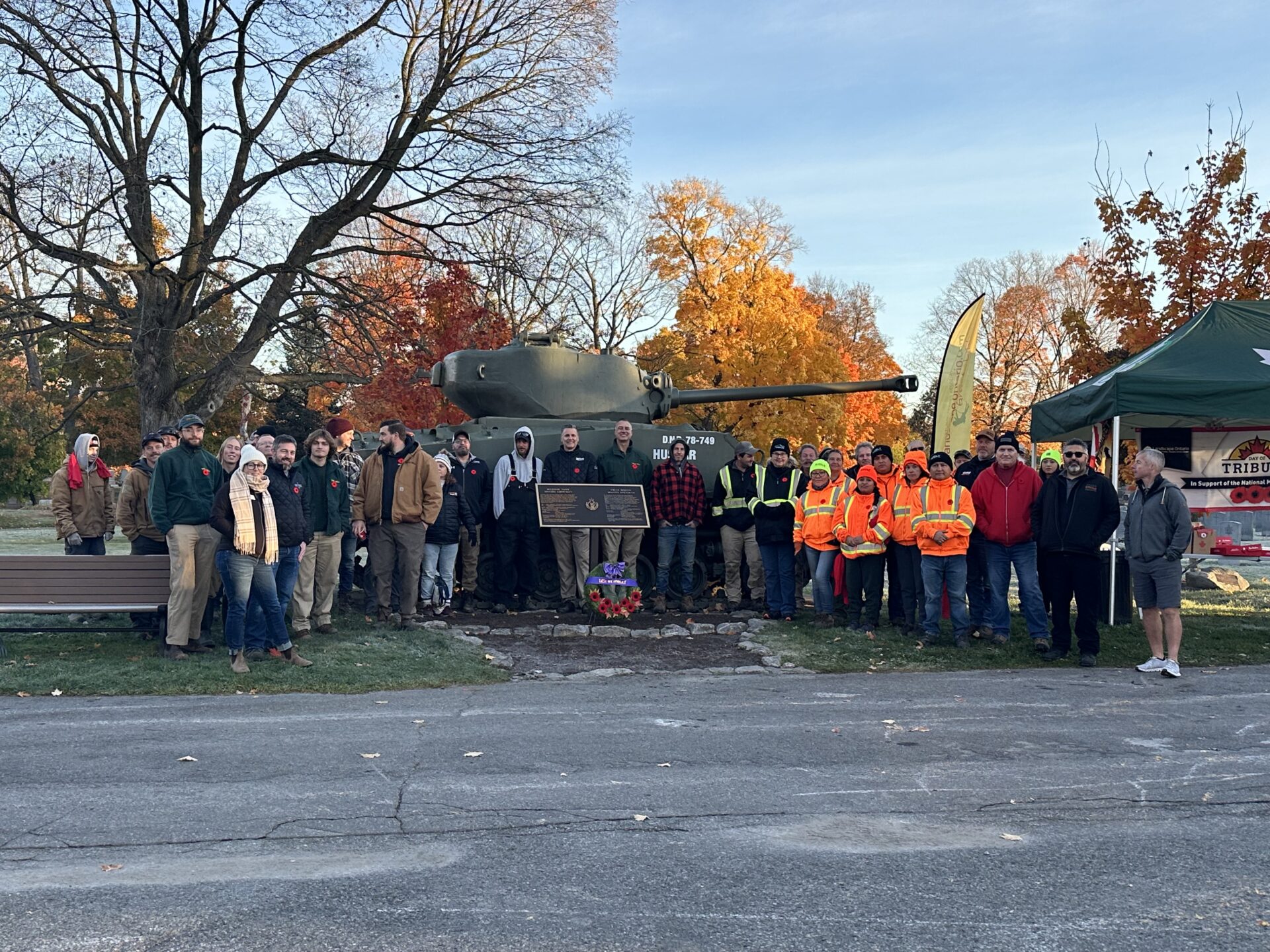
Thank You – 20th Annual National Day of Tribute
The Beechwood Cemetery extends its deepest gratitude to everyone who participated in the 20th Annual National Day of Tribute at the National Military Cemetery of Canada. Today, volunteers from across…

Navigating Grief: Finding Comfort Through Healing Activities
Grief is a deeply personal and complex journey that affects each person in different ways. It often comes in waves, sometimes when we least expect it, and can leave us…
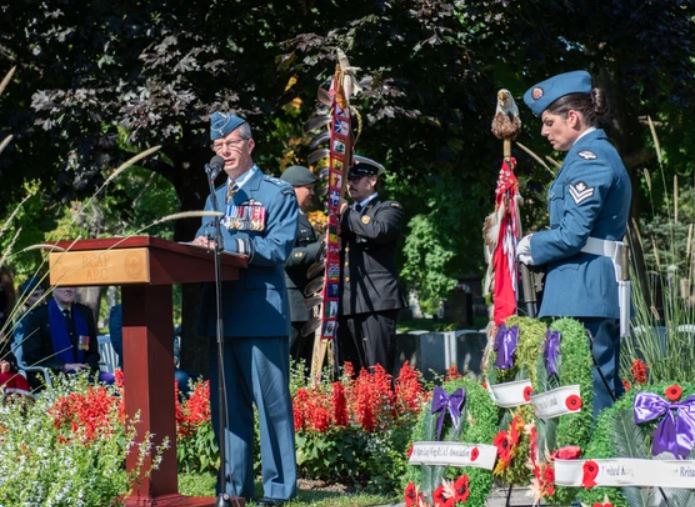
Beechwood Cemetery invites Canadians to actively participate in remembrance
As Remembrance Day approaches, Beechwood Cemetery is encouraging people to embrace remembrance as an action. It is also providing various opportunities to do so through events that will immerse the…
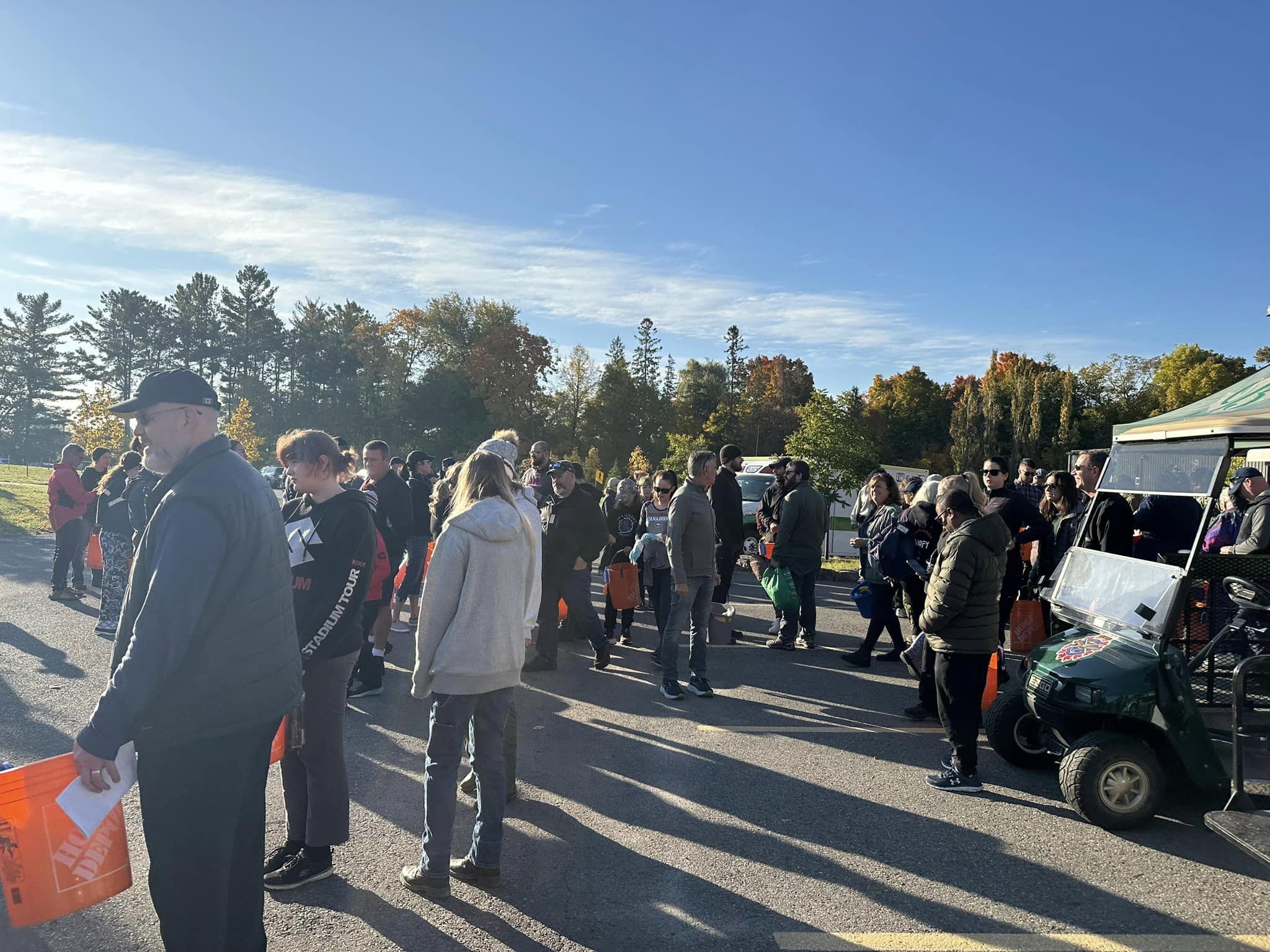
Thank You for Joining Us at the National Military Cemetery
On behalf of the Beechwood Cemetery and National Military Cemetery team, we would like to extend our heartfelt thanks to everyone who participated in our recent headstone cleaning events. Your…
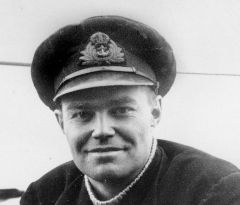
Frederick H. Sherwood: Trailblazing Submarine Commander and WWII Hero
Frederick H. Sherwood: Canada’s Trailblazing Submarine Commander and WWII Hero 27 April 1921 – 14 May 2013 Section 50 Lieutenant Commander Frederick Henry Sherwood was a pioneering figure in Canadian…
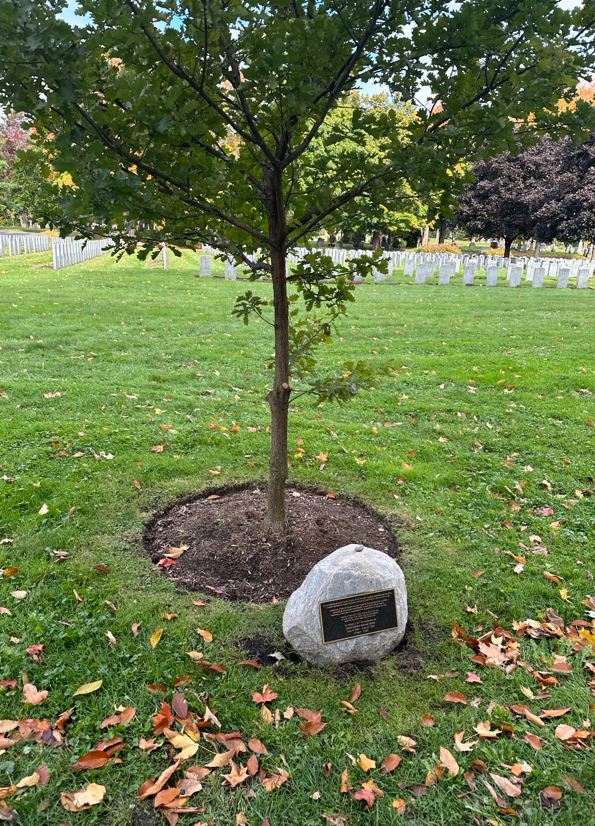
Honouring Legacy and Kindness: A Tribute at the National Military Cemetery
On a bright autumn morning, the National Military Cemetery at Beechwood stood as a solemn and powerful reminder of Canada’s unwavering respect for its military heroes. On this day, we…

An Hour To Give | Beechwood Cemetery
Veteran broadcaster and compassionate community champion Sam Laprade sheds light on Ottawa’s most impactful charities and non-profit organizations and their amazing work. Featured this week: Beechwood Cemetery. Learn more.
Students learn about National Truth and Reconciliation Day at Beechwood Cemetery
The National Day for Truth and Reconciliation is a day of learning and confronting hard truths, and some schools in Ottawa attended the Beechwood Cemetery on Monday to understand the…
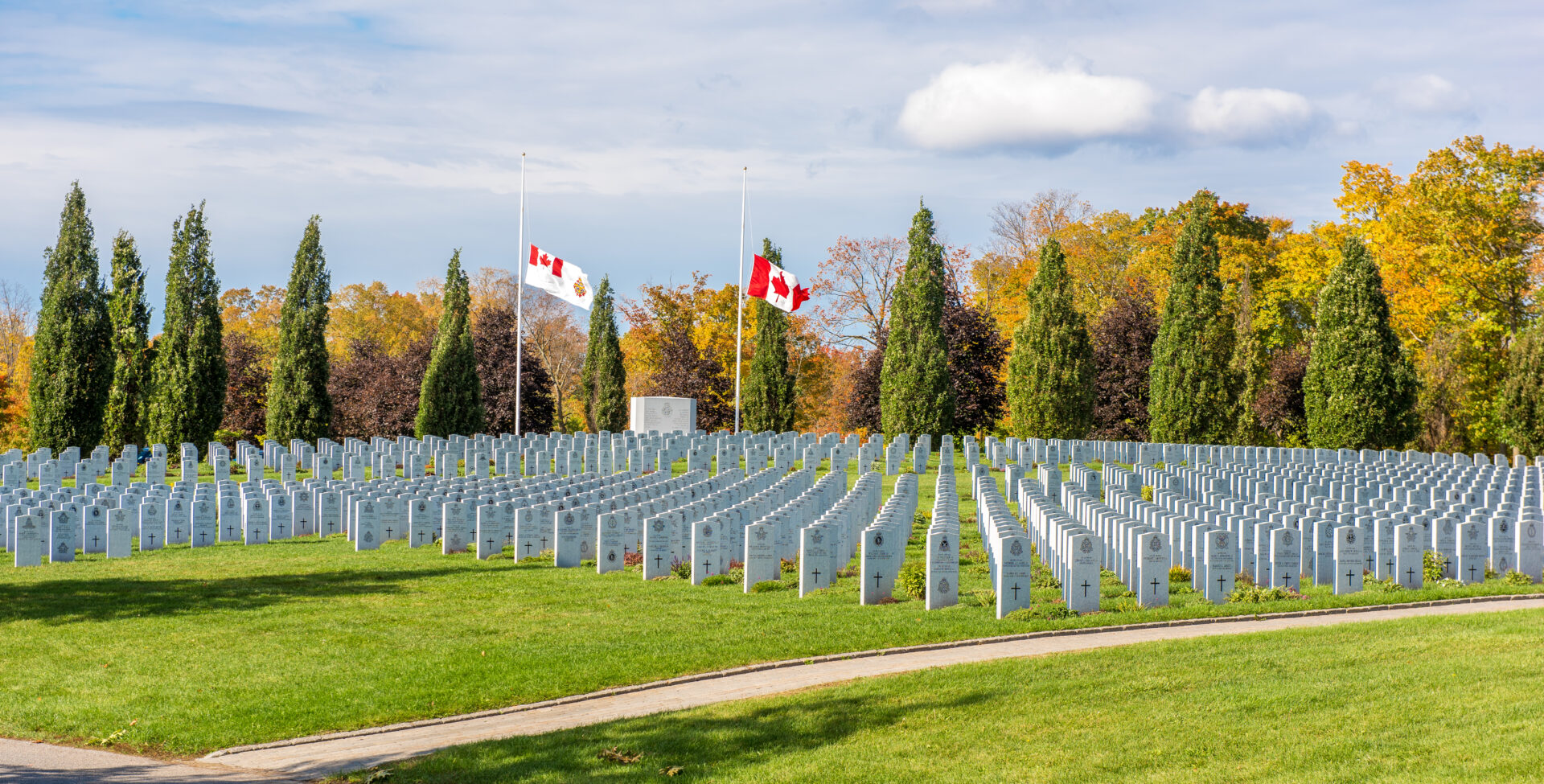
Clean up day launches Remembrance Day preparations at Beechwood Cemetery
Remembrance Day preparations are underway at Beechwood Cemetery and hundreds of people took the first step of showing their respect.The National Military Cemetery is a place where men and women…
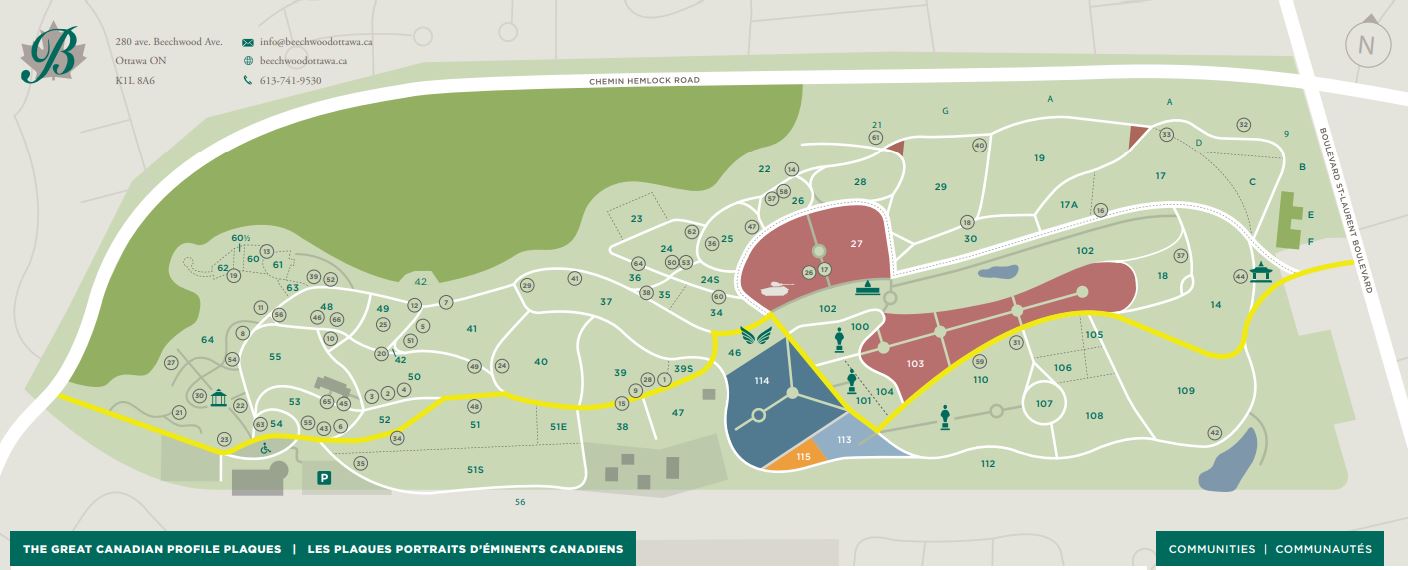
The Great Canadians Tour and Key Feature Map
Beechwood, the National Cemetery of Canada was established in 1873 on 160 acres of land. Since its founding, there have been over 89,000 peoples buried at Beechwood, including many prominent…
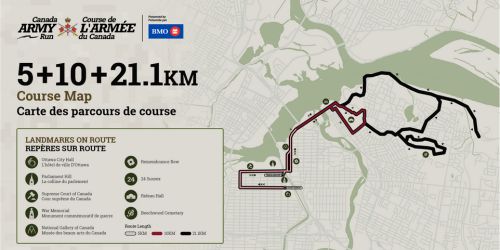
Canada Army Run takes Place in Ottawa Sunday
Thousands participated in the 17th annual Canada Army Run(opens in a new tab) Sunday in the capital’s downtown. For almost two decades, the Canada Army Run has been woven into…
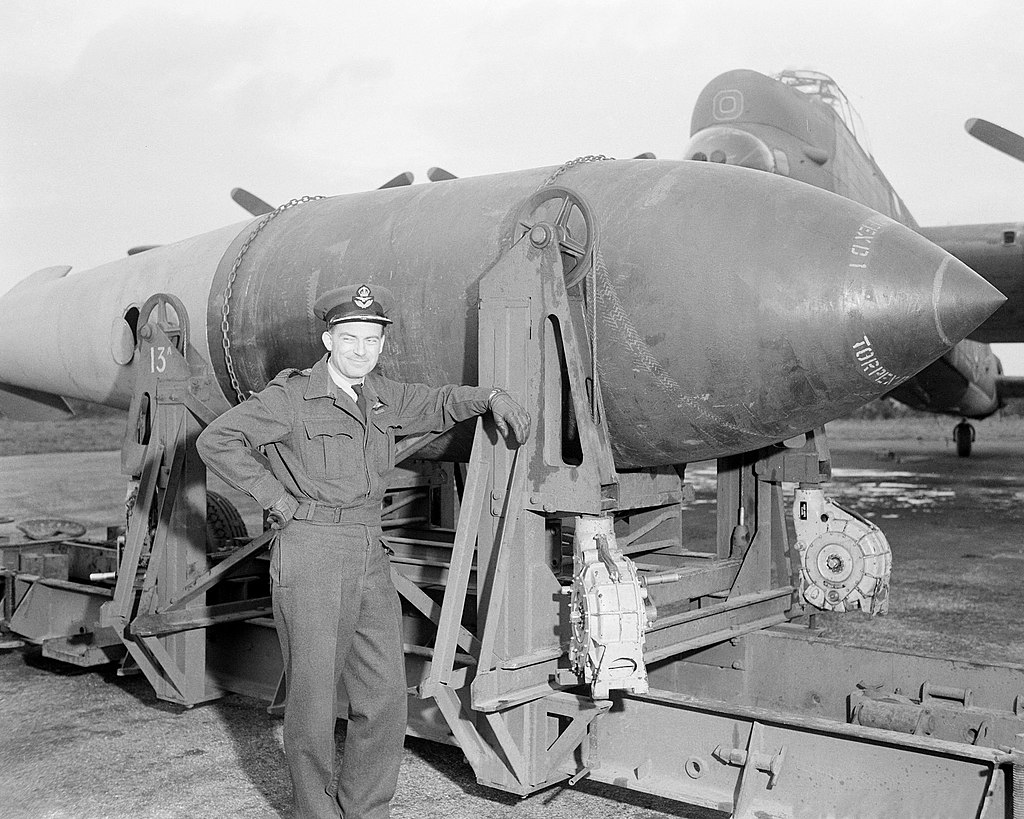
The Remarkable Life of John Emilius Fauquier: A True Canadian Aviation Legend
Nestled within Section 51N, Lot 15 of Beechwood Cemetery lies the final resting place of one of Canada’s most distinguished wartime aviators, John Emilius Fauquier. Born in 1901 to a…
Beechwood Cemetery ceremony remembers Canadian contributions to the Battle of Britain
The Royal Canadian Air Force (RCAF) marked 84 years since the Battle of Britain in a ceremony on Sunday at Beechwood National Military Cemetery. “It was a defining moment when…
Honouring Soldiers of Suicide
In a poignant and heartfelt ceremony, the National Military Cemetery of Canada became a sanctuary of remembrance and healing as families and friends gathered to honor soldiers, veterans, and law…
Remembering 9/11: Honouring the Canadians Among the Fallen
Each year, on September 11th, we pause to remember a day that forever changed the world. The attacks on the World Trade Center and the Pentagon resulted in nearly 3,000…
Once a year history comes alive at Beechwood Cemetery
Beechwood Cemetery held it’s annual historical tour Sunday, offering visitors a chance to connect with the past through a living library. During the event, actors from Ottawa School of Theatre…
Join Us for Beechwood’s Annual Living Library: One Earth
Join us this Sunday, September 8th, 2024, from 2 pm to 4 pm, as we gather for a unique journey through Beechwood Cemetery to celebrate those who made remarkable contributions…
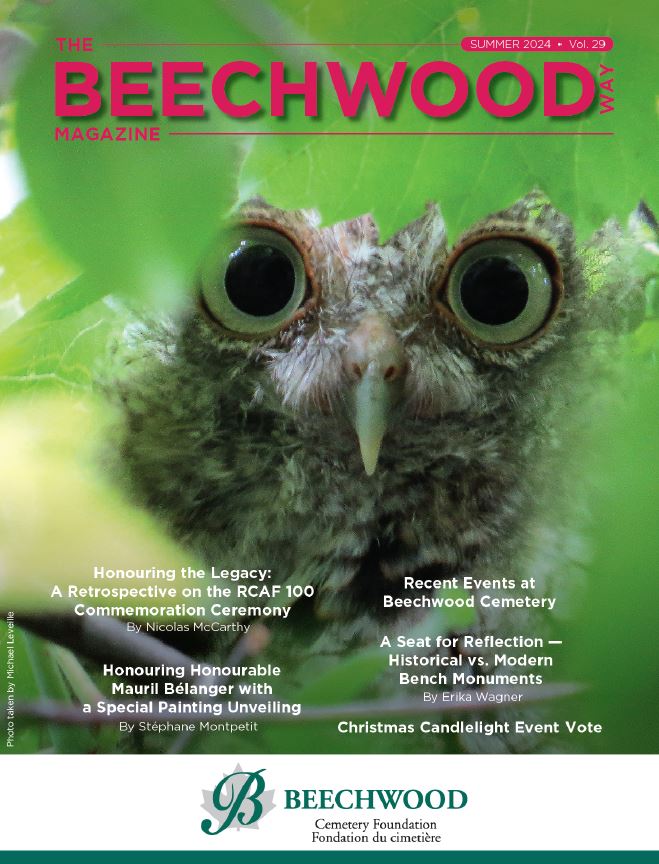
The Beechwood Way – Summer 2024 Vol.29
Could there be a more meaningful place to work in Ottawa than Beechwood? I do appreciate that I have a bias, however, with that bias I still think what we…
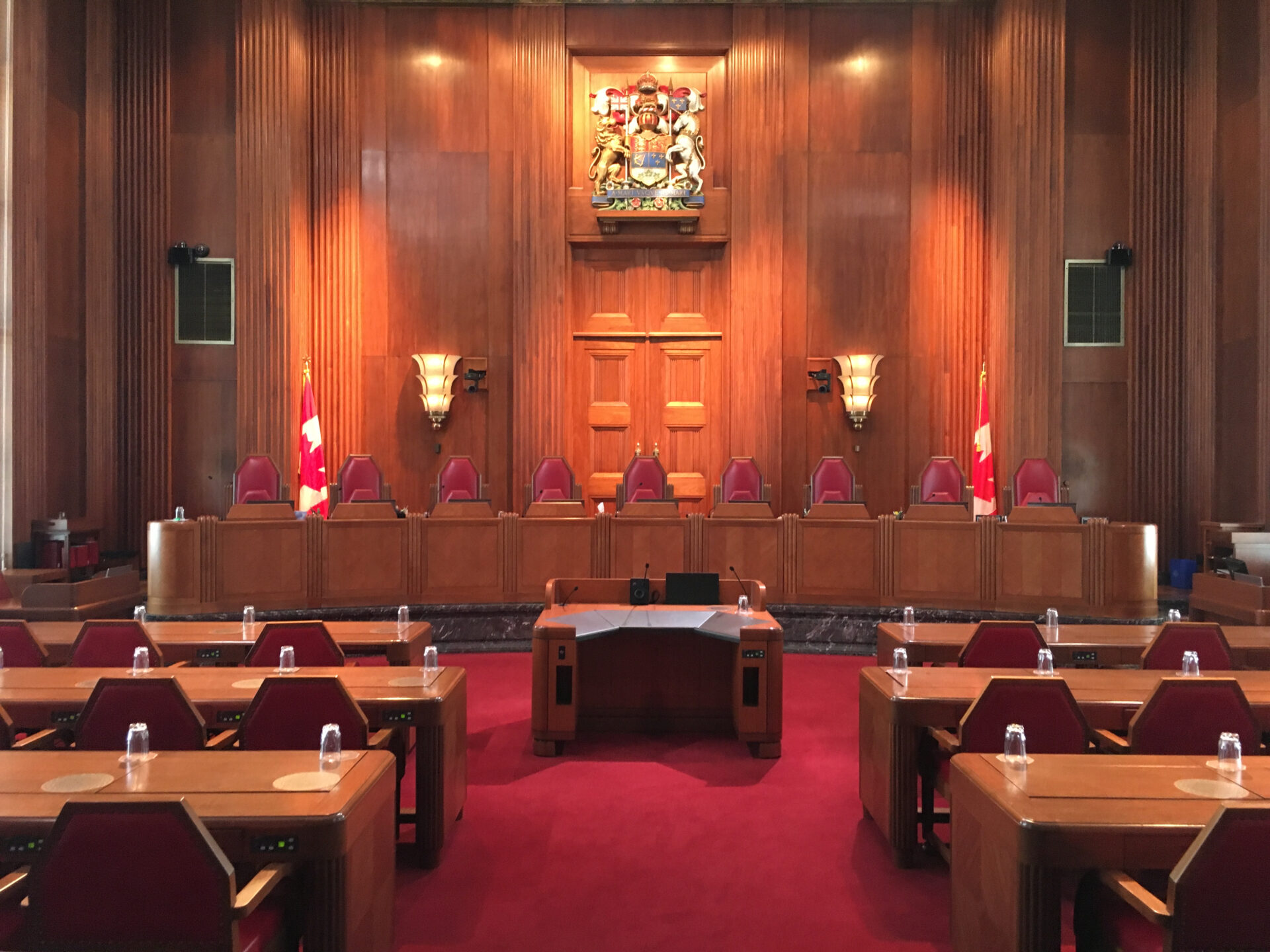
Charles H. Masters: A Distinguished Legal Scholar and Reporter
Section 39, Lot 83 NW (J & L) Early Life and Education – Charles H. Masters was born in Amherst, Nova Scotia, on March 26, 1852. He pursued his higher…
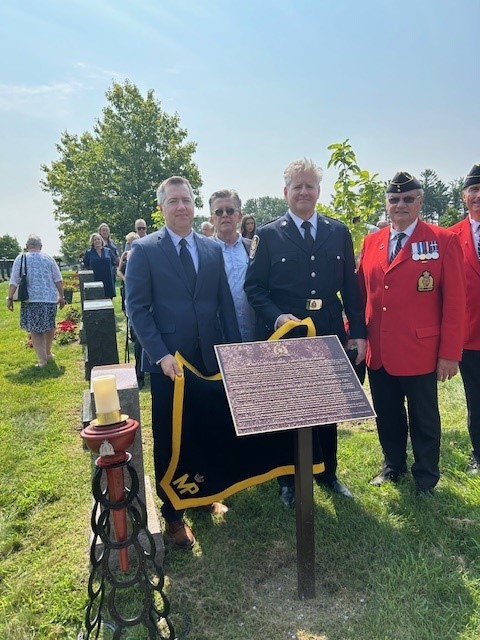
Unveiling of the RCMP Covert Specialists – Undercover Operations
On August 3, a plaque was unveiled to honour the legacy of Staff Sergeant Abe Snidanko, the visionary behind the RCMP Operational Undercover Training (OUT) Programme. This significant event took…
Upcoming Improvements at the National Military Cemetery
We would like to inform visitors and the community that we will be undertaking some important improvements at the National Military Cemetery in the coming weeks. The project will involve…
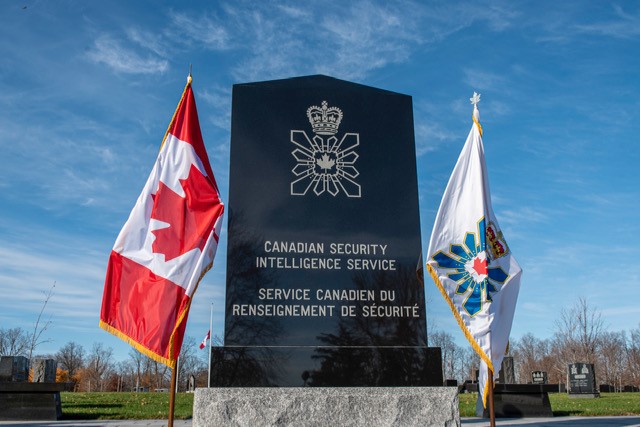
The CSIS National Memorial Cemetery Planning E-Book
A memorial to those who served courageously in the shadows. The CSIS NMC serves as an outward appreciation of the service of CSIS and its current and former employees. Eligibility …
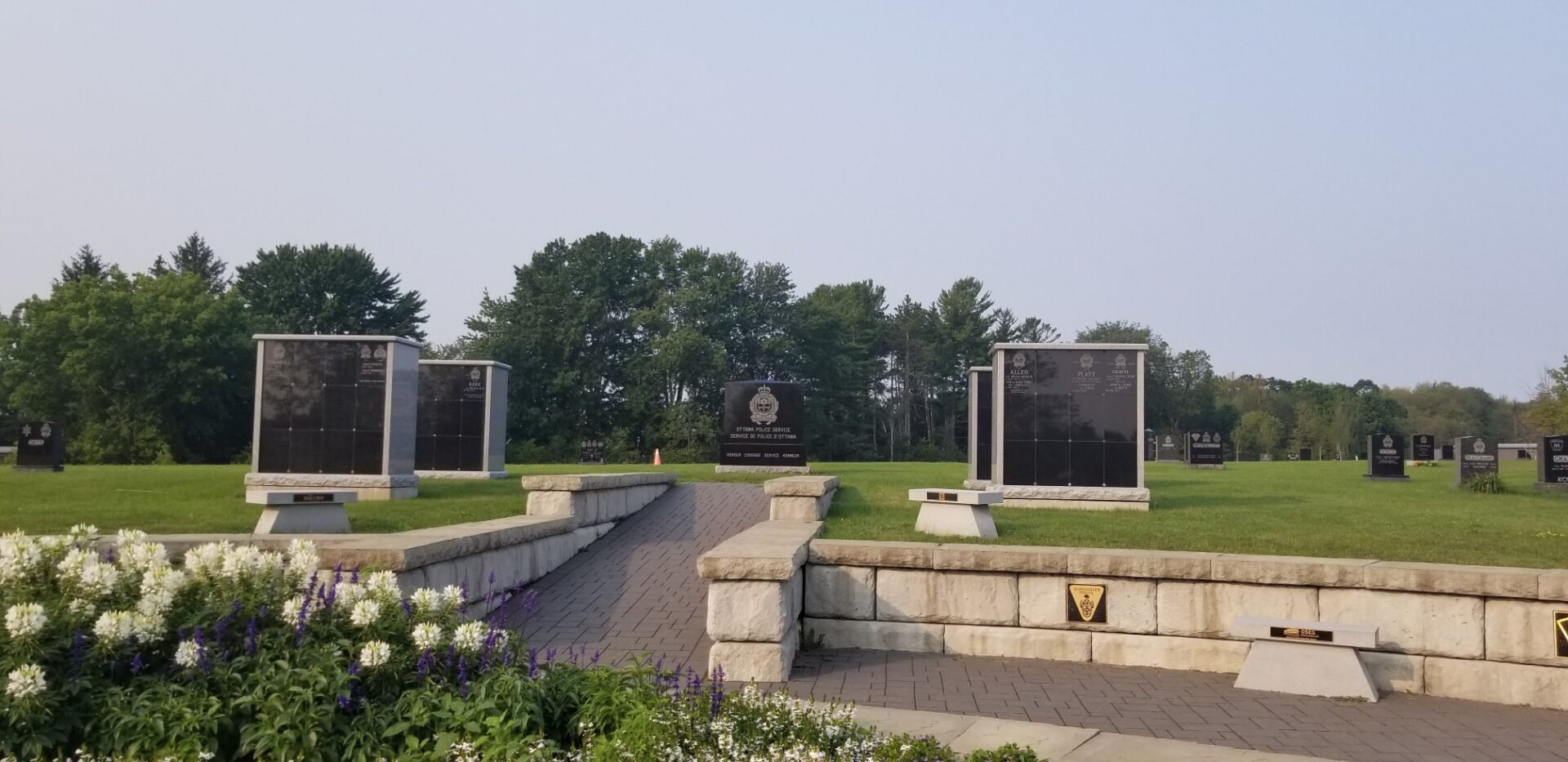
Join Us in Supporting the Ottawa Police Service Memorial Cemetery
Celebrating Service: Join Us in Supporting the Ottawa Police Service Memorial Cemetery Ottawa Police Service Memorial Cemetery brings our community together in honoring the brave men and women who have…
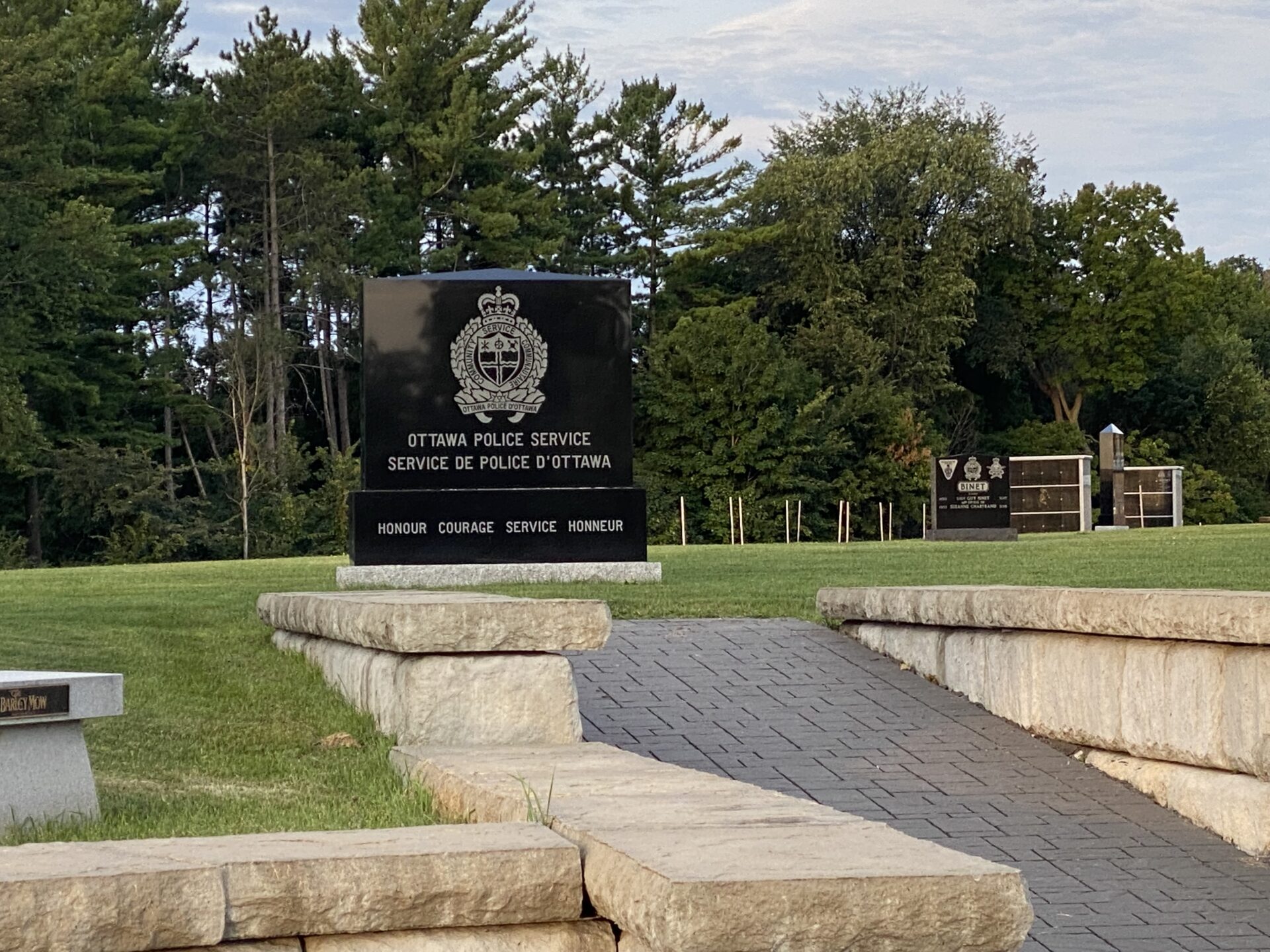
The Ottawa Police Service Memorial Cemetery Planning E-Book
Recognize Your Honour, Courage, and Service. In October 2011, the Ottawa Police Association and Senior Officers’ Association, with the support and collaboration of the Ottawa Police Service and The Beechwood…
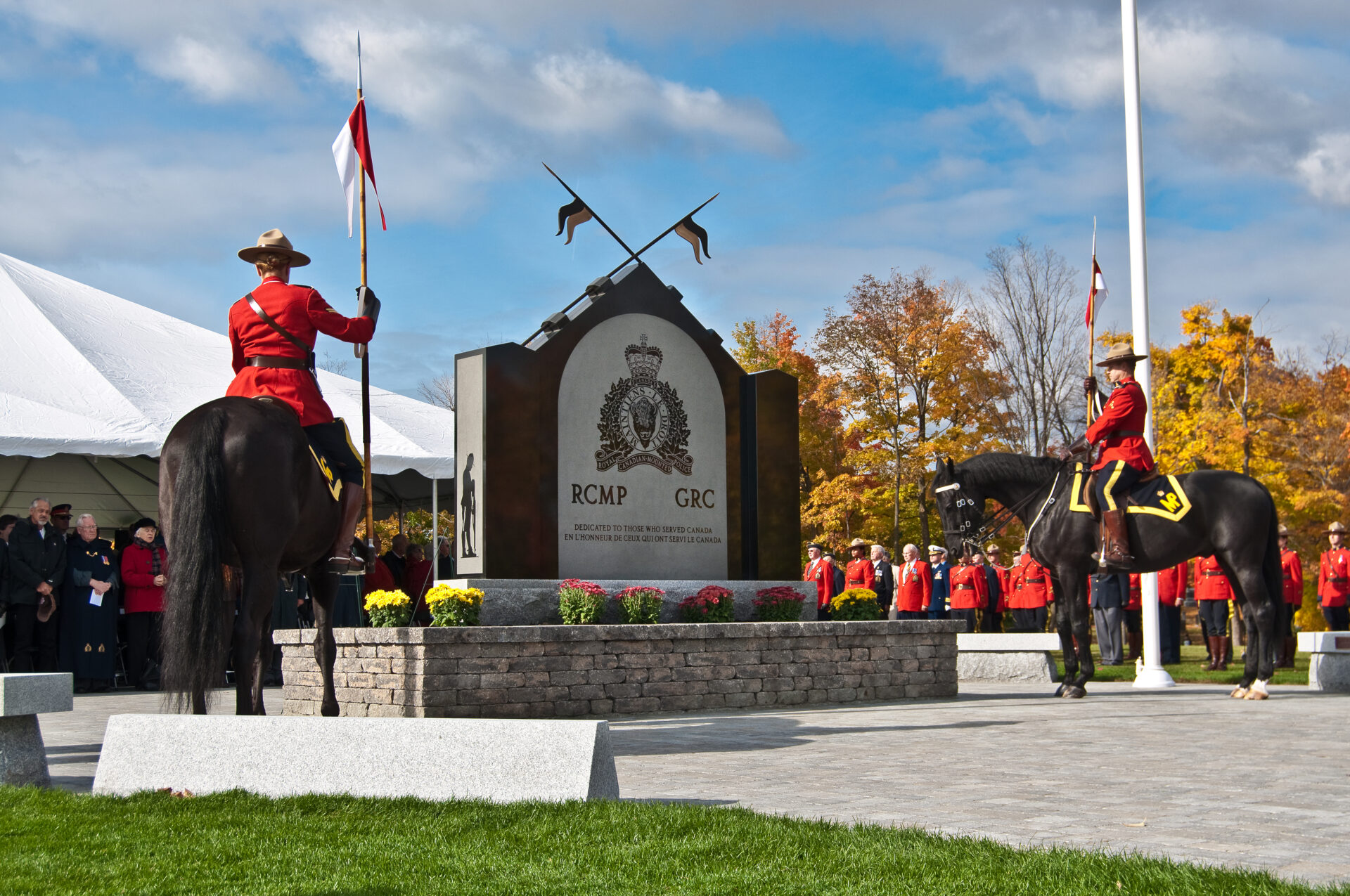
RCMP National Memorial Cemetery Fundraising Program
The RCMP National Memorial Cemetery fundraising program is supported by The Ottawa Division of the RCMP Veterans’ Association , in close partnership with Beechwood Cemetery Foundation and the RCMP. We…
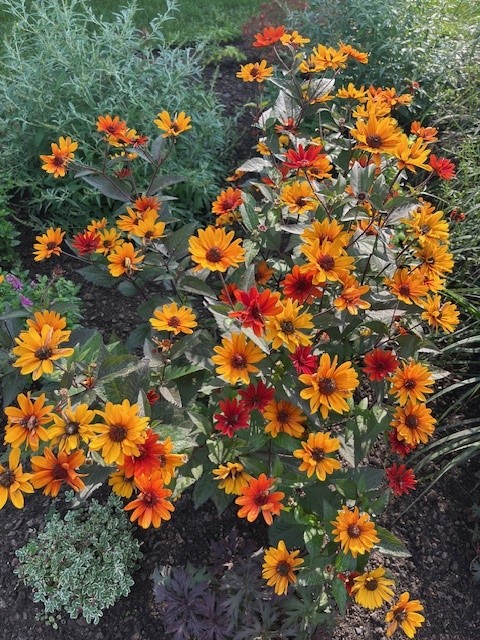
In the Gardens: The Radiance of the False Sunflower (Heliopsis helianthoides)
The False Sunflower, scientifically known as Heliopsis helianthoides, is a vibrant and hardy perennial that brightens gardens and landscapes with its cheerful yellow blooms. Often mistaken for true sunflowers, this…
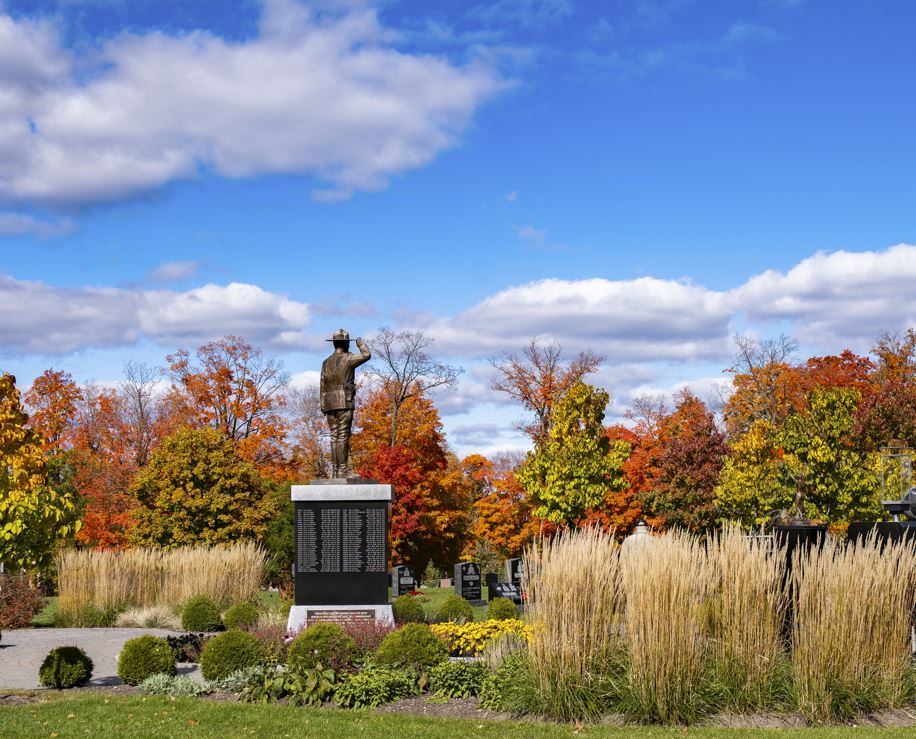
Honouring Our Legacy: The RCMP Commemorative Pathway Plaque Program
In a heartfelt tribute to the legacy of the Royal Canadian Mounted Police (RCMP), a dedicated group of volunteers representing RCMP Veterans and the RCMP have partnered with Beechwood Cemetery…
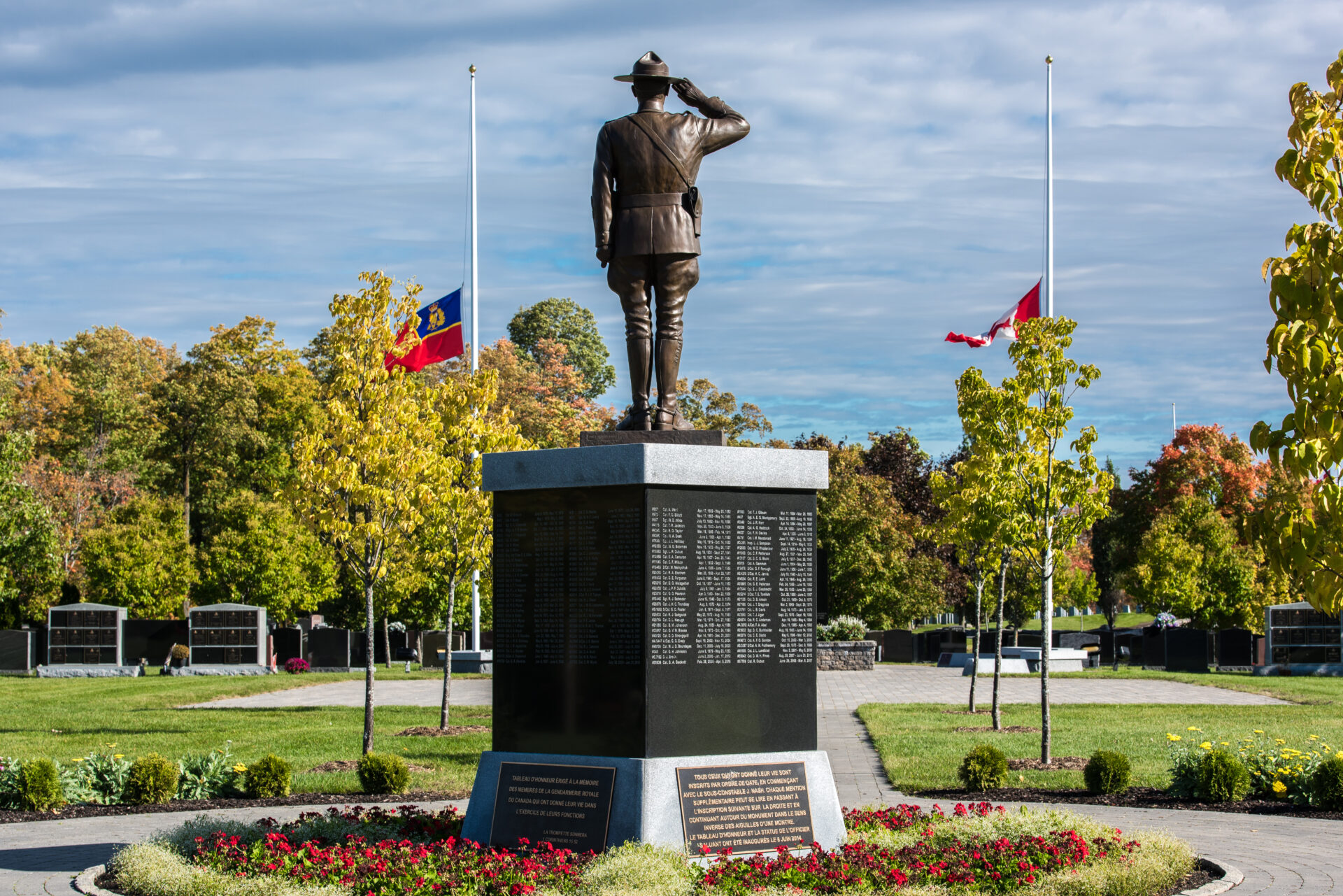
The RCMP National Memorial Cemetery at Beechwood Cemetery Planning E-Book
Recognizing the Courage of Your Service. Located in the heart of the National Cemetery of Canada, the RCMP National Memorial Cemetery at Beechwood is the ideal final post in the…
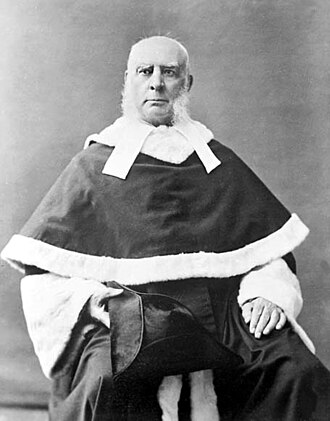
The Right Honourable Sir Samuel Henry Strong: A Legacy of Judicial Leadership
Section 61, Lot 9 Early Life and Education Born in Dorsetshire, England, on August 13, 1825, Sir Samuel Henry Strong immigrated to Canada in 1836. He pursued legal studies in…
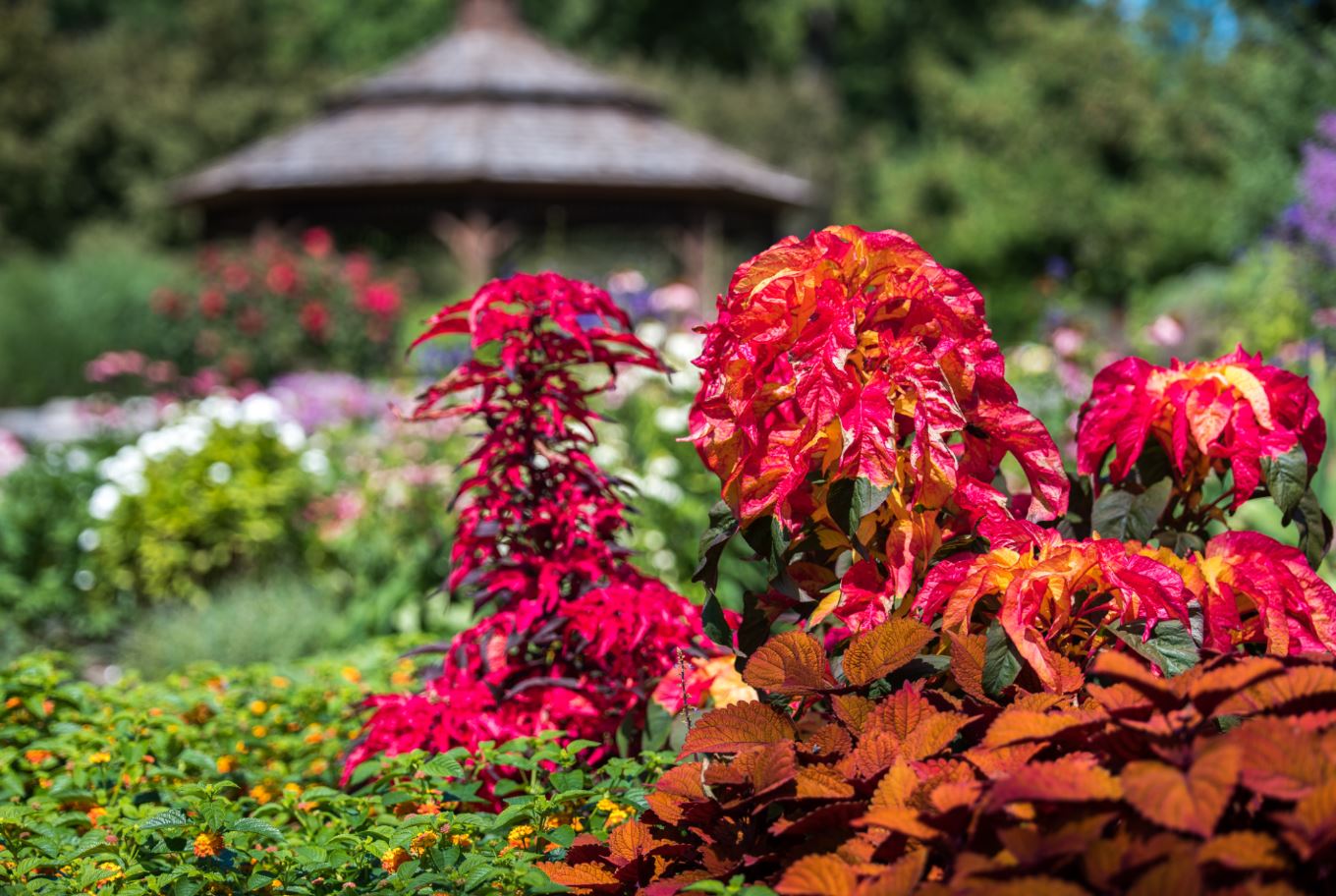
Honouring Loved Ones: Introducing the Beechwood Shared Memories Lot
In the serene embrace of Beechwood Cemetery, we are delighted to introduce a new haven for cherished memories: the Shared Memories Lot. This dedicated space within our tranquil grounds is…
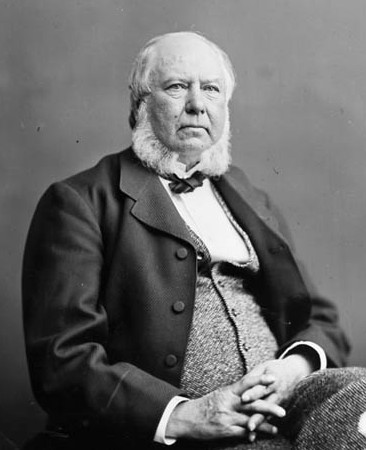
The Right Honourable Sir William Johnstone Ritchie: A Pioneer in Canadian Jurisprudence
Section 48, Lot 35 Early Life and Education William Johnstone Ritchie was born in Annapolis, Nova Scotia, on October 28, 1813. He graduated from the Pictou Academy and went on…
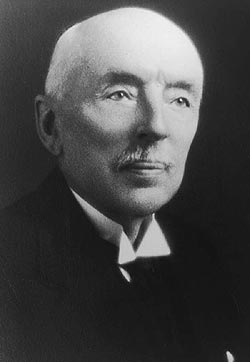
The Honourable Edmund Leslie Newcombe: A Distinguished Career in Canadian Justice
Section 50, Lot 126 S Early Life and Education Born in Cornwallis, Nova Scotia, in 1859, Edmund Leslie Newcombe exhibited academic excellence from a young age. He pursued higher education…
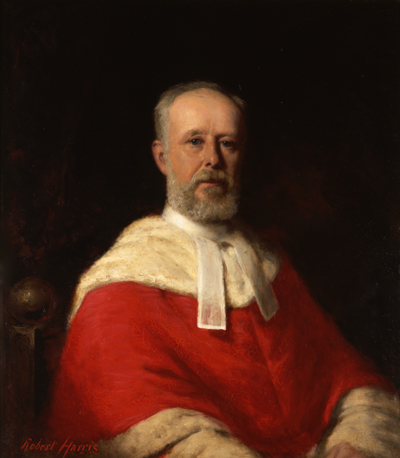
Rt. Honorable Sir Louis Henry Davies: A Pillar of Canadian Jurisprudence
Section 50, Lot 117 E (L, NHP & P) Early Life and Education Louis Henry Davies was born in Charlottetown, Prince Edward Island, on May 4, 1845, to Benjamin Davies…
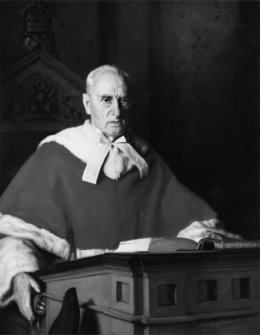
Rt. Honourable Sir Lyman Poore Duff: A Legacy of Legal Excellence and Judicial Innovation
Section 50, Lot 49 NW (L & NHP) Early Life and Education Born in Meaford, Ontario, in 1865, Sir Lyman Poore Duff demonstrated early academic promise, which led him to…

Pre-plan your funeral to eliminate stress on your family
Taking a pragmatic approach to life is a hallmark of organized people who like to have their fiscal and financial house in order. That’s simply a good way to eliminate…
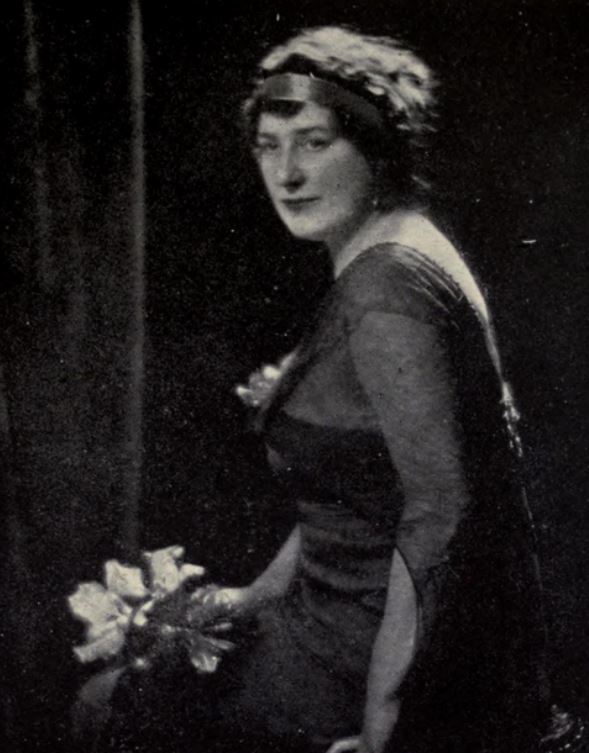
Marian Osborne: A Multifaceted Talent in Canadian Arts
Location: Section 50, Lot 37 SE (A & Lit), Beechwood Cemetery Marian Osborne, born on May 14, 1871, in Montreal, Quebec, is remembered as a poet, dramatist, and artist whose…
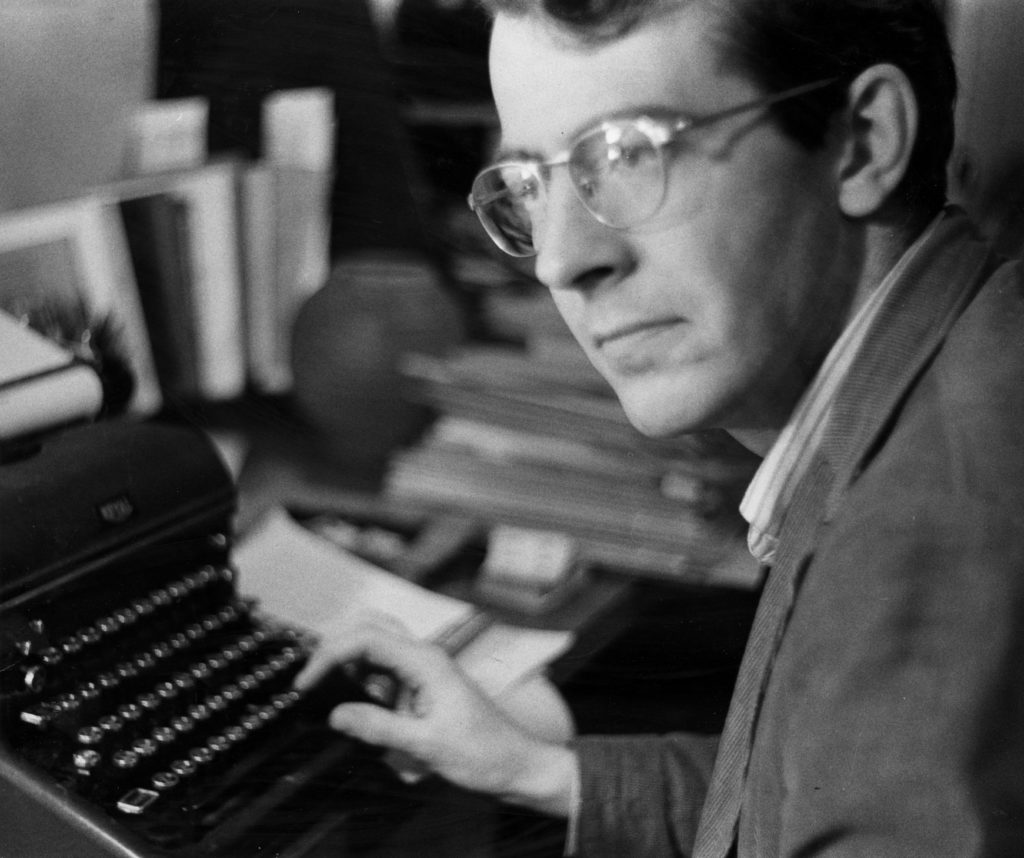
John Newlove: Voice of the Canadian Prairies
Location: Section 47, Grave 185 John Newlove, born on June 13, 1938, in Regina, holds a cherished place in Canadian literary history as a poet whose work vividly captures the…
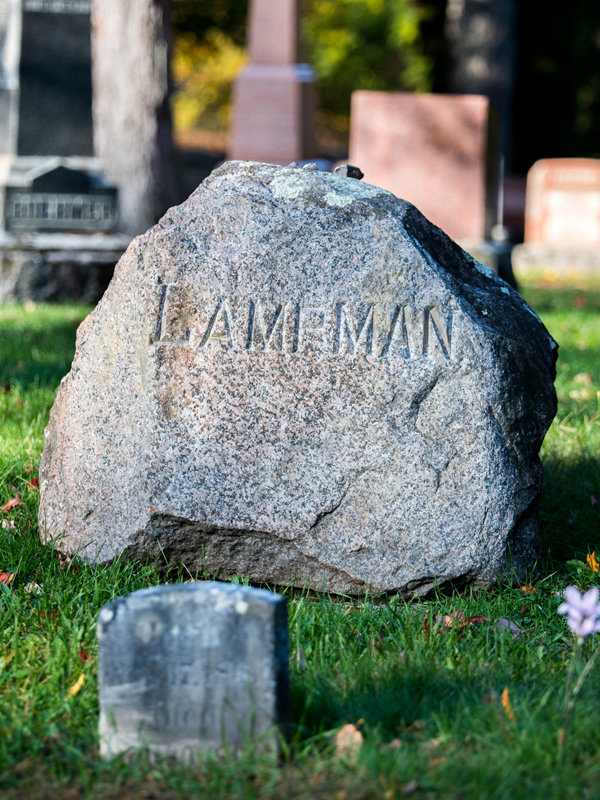
Archibald Lampman: Canada’s Celebrated Poet
Location: Section 25, Lot 17 N Ctr Archibald Lampman, born in 1861, holds a revered place in Canadian literary history as one of the country’s finest 19th-century English-language poets. His…
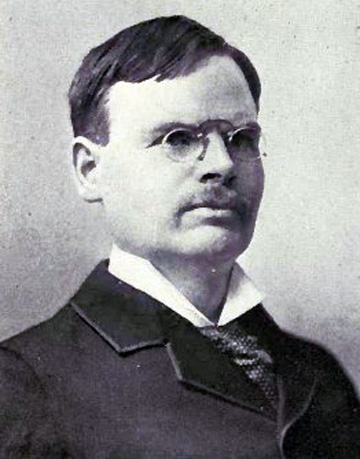
William Wilfred Campbell: A Life in Poetry
Location: Section 22, Lot 41 NE, Beechwood Cemetery Birth and Early Life – William Wilfred Campbell was born in Kitchener (then Berlin), Canada West, in 1858. The son of an Anglican…
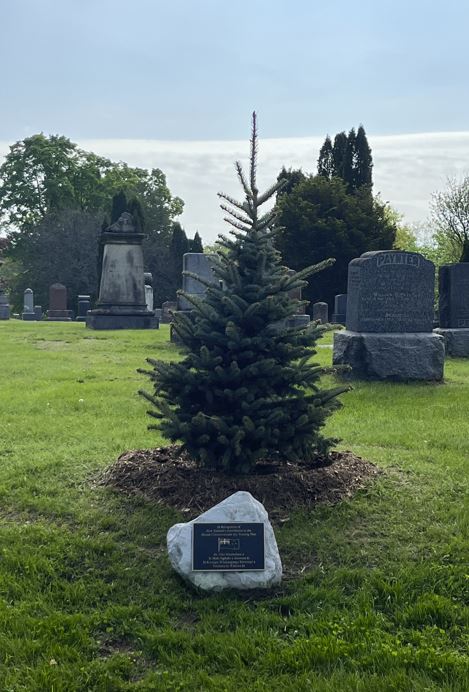
In the Gardens: the Charm of Picea pungens Semi-Dwarf Colorado Spruce
Picea pungens ‘Baby Blue Eyes’, a semi-dwarf variety of the Colorado Spruce, is a captivating conifer that brings year-round beauty and elegance to any landscape. Known for its striking blue…
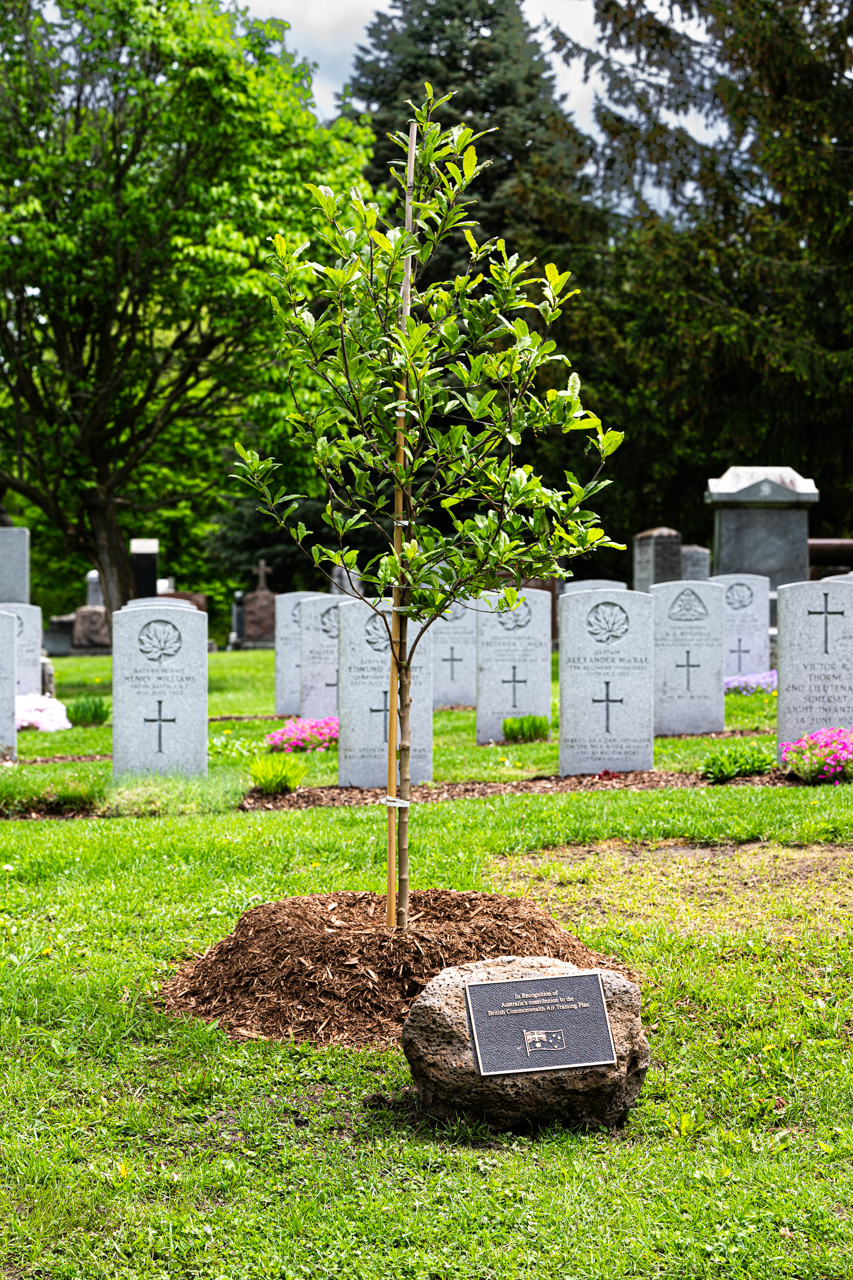
In the Gardens – Elegance of the Royal Star Magnolia
The Royal Star Magnolia, scientifically known as Magnolia stellata ‘Royal Star,’ is a captivating tree that brings a touch of grace and beauty to gardens and landscapes. Known for its…
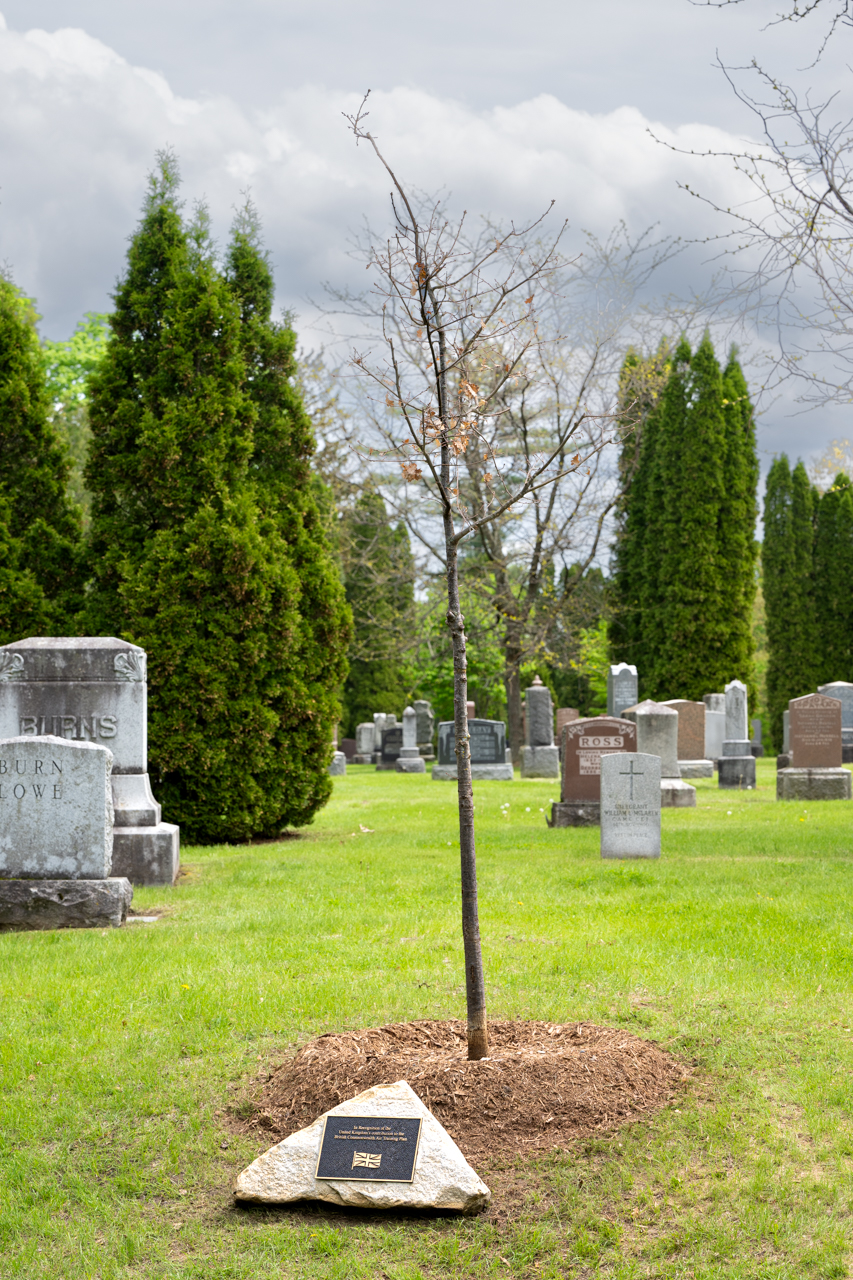
In the Gardens – the Majesty of the English Oak (Quercus robur)
The English Oak, known scientifically as Quercus robur, is a majestic and enduring tree species that has been revered for centuries across Europe and beyond. Known for its strength, longevity,…
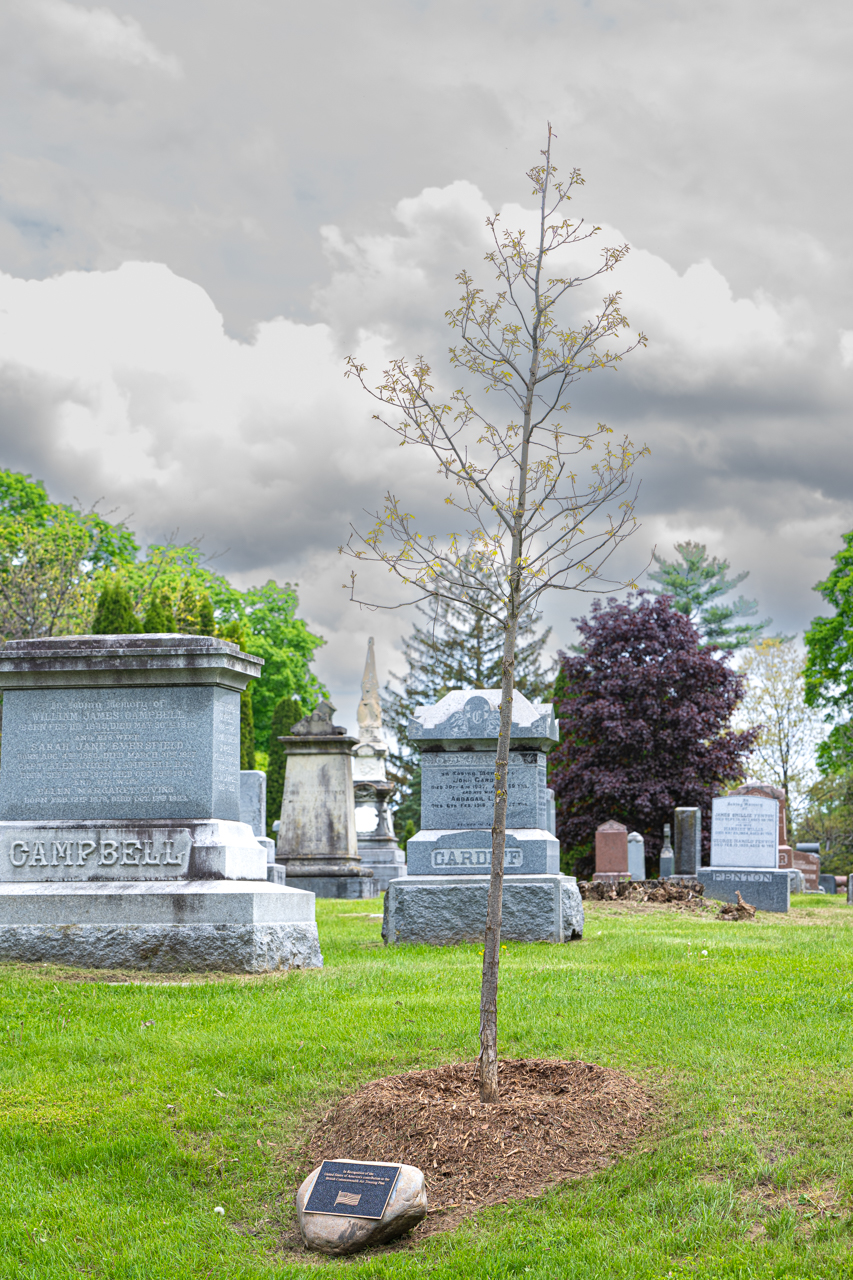
In the Gardens – Elegance of the Chinkapin Oak (Quercus muehlenbergii)
The Chinkapin Oak, scientifically known as Quercus muehlenbergii, is a remarkable tree species celebrated for its adaptability, ecological benefits, and historical significance. Found primarily in the central and eastern United…
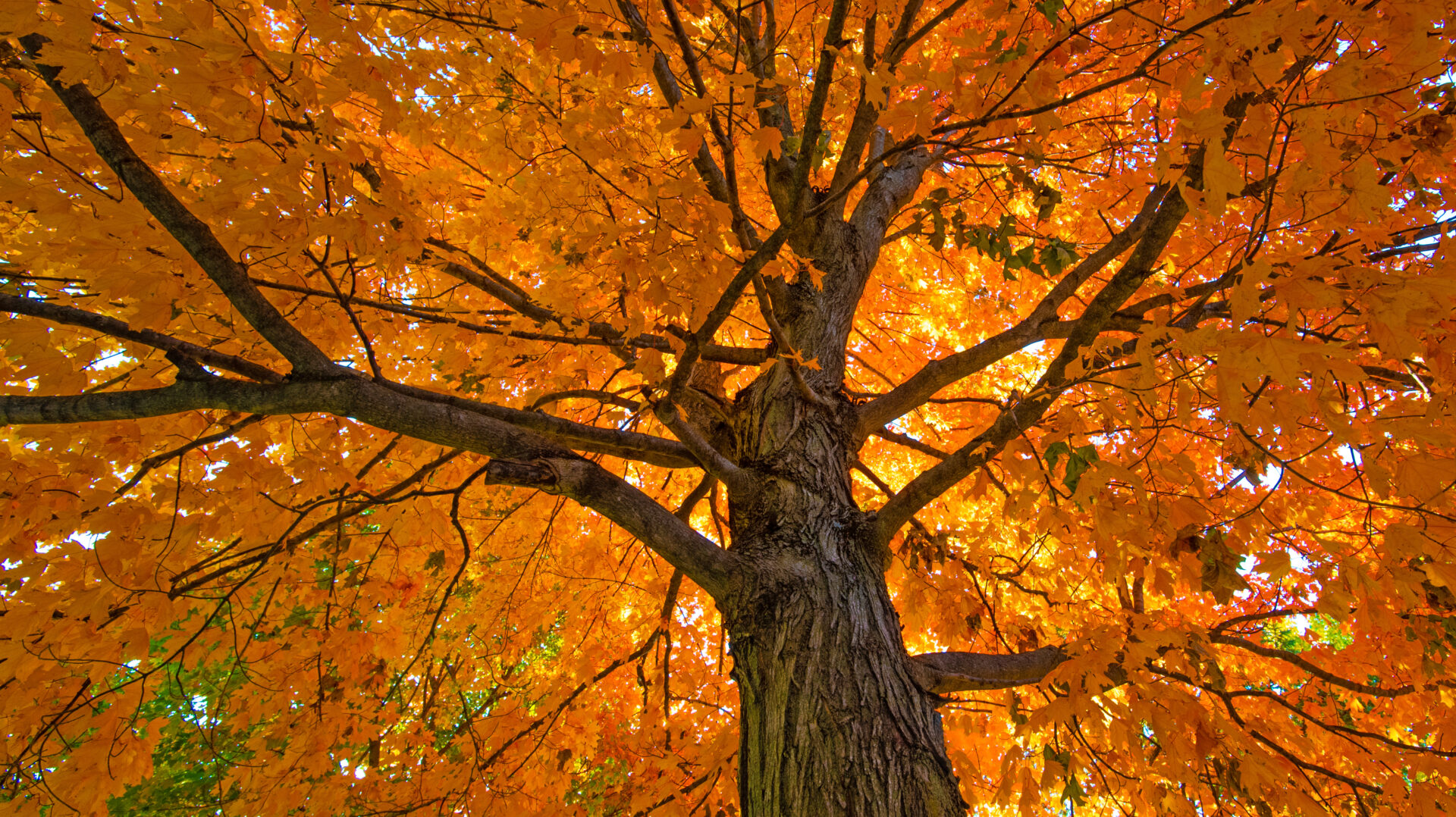
In the Gardens – The Majesty of the Sugar Maple (Acer saccharum)
The Sugar Maple, known scientifically as Acer saccharum, is an iconic tree that stands as a symbol of natural beauty and ecological importance in North America. Renowned for its stunning…
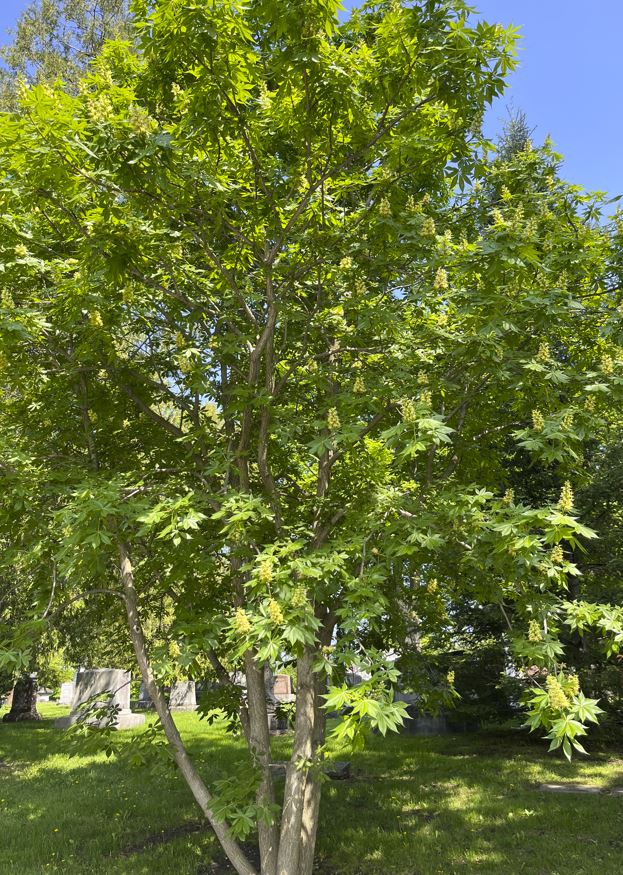
In the Gardens: The Aesculus glabra (Ohio Buckeye)
The Ohio Buckeye, scientifically known as Aesculus glabra, is a fascinating tree species that graces the landscapes of North America, particularly the rich soils of Texas and other central United…
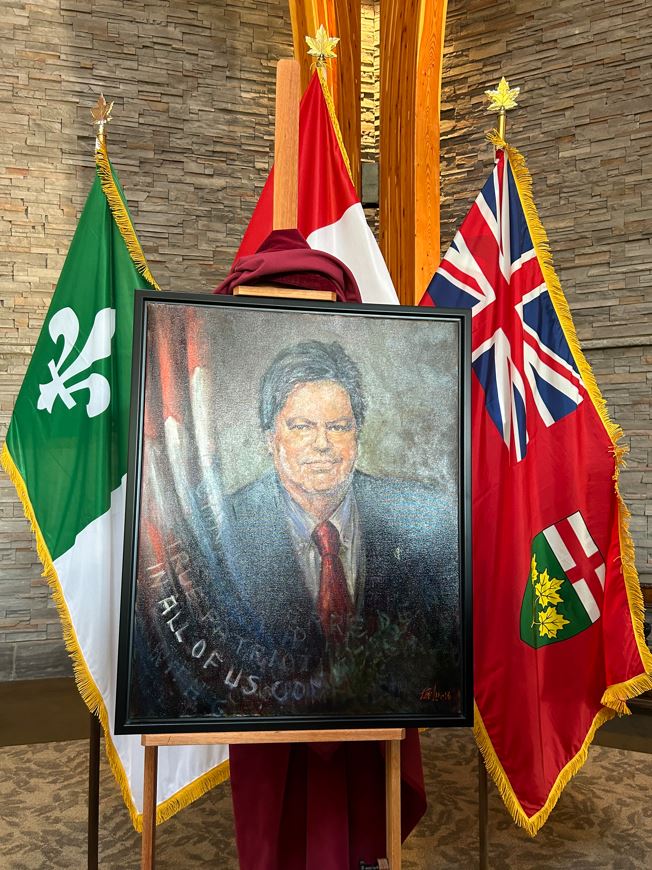
Honouring Honourable Mauril Bélanger with a Special Painting Unveiling
On the memorable evening of June 12 2023 at Beechwood Cemetery, a significant event took place to honour the legacy of Honourable Mauril Bélanger. The evening was filled with heartfelt…
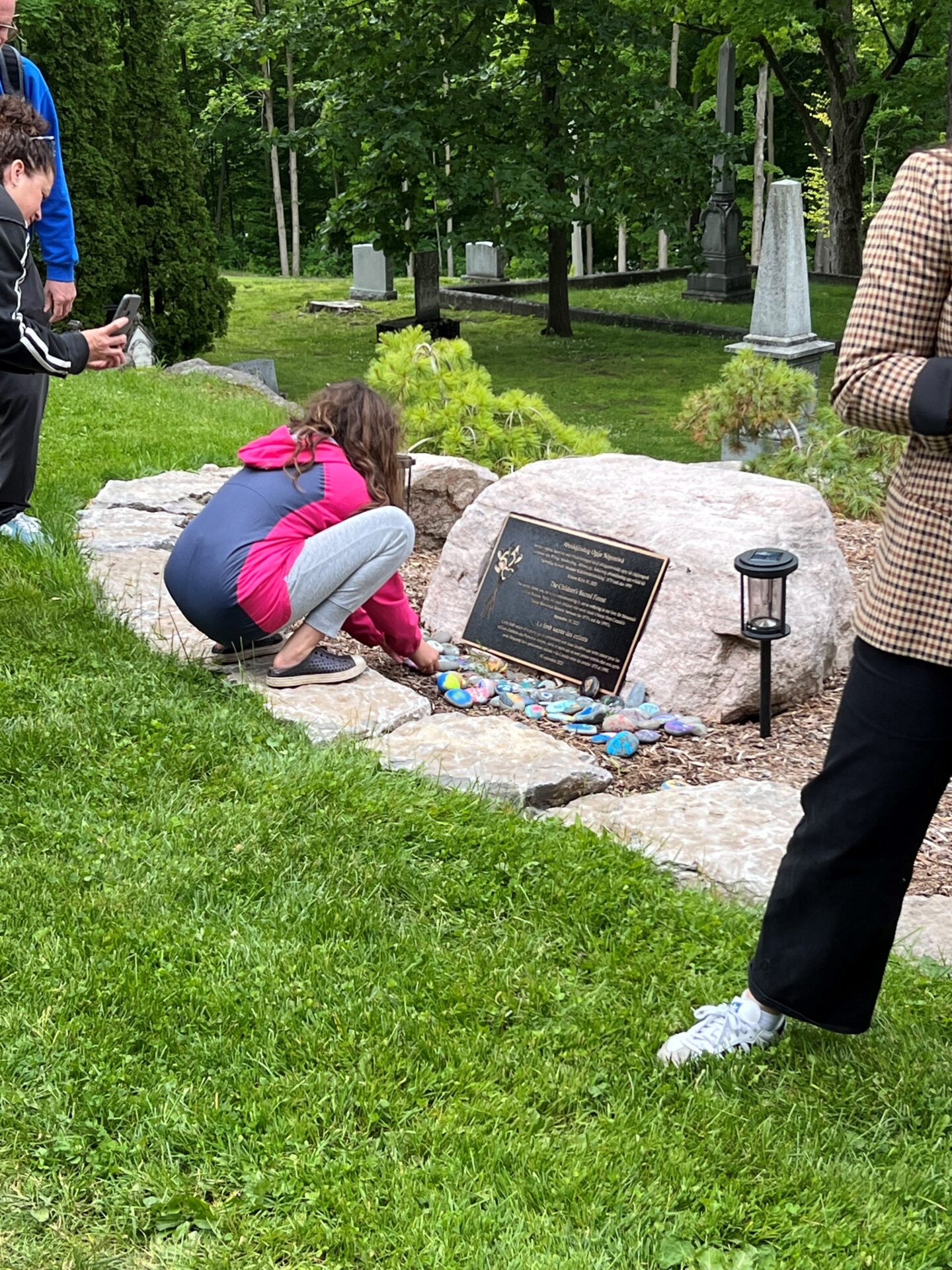
Spirit Bear Movie Premiere
On a bright and hopeful Monday, Beechwood Cemetery and the First Nations Child and Family Caring Society warmly welcomed 180 children to embark on a journey of learning and reconciliation.…
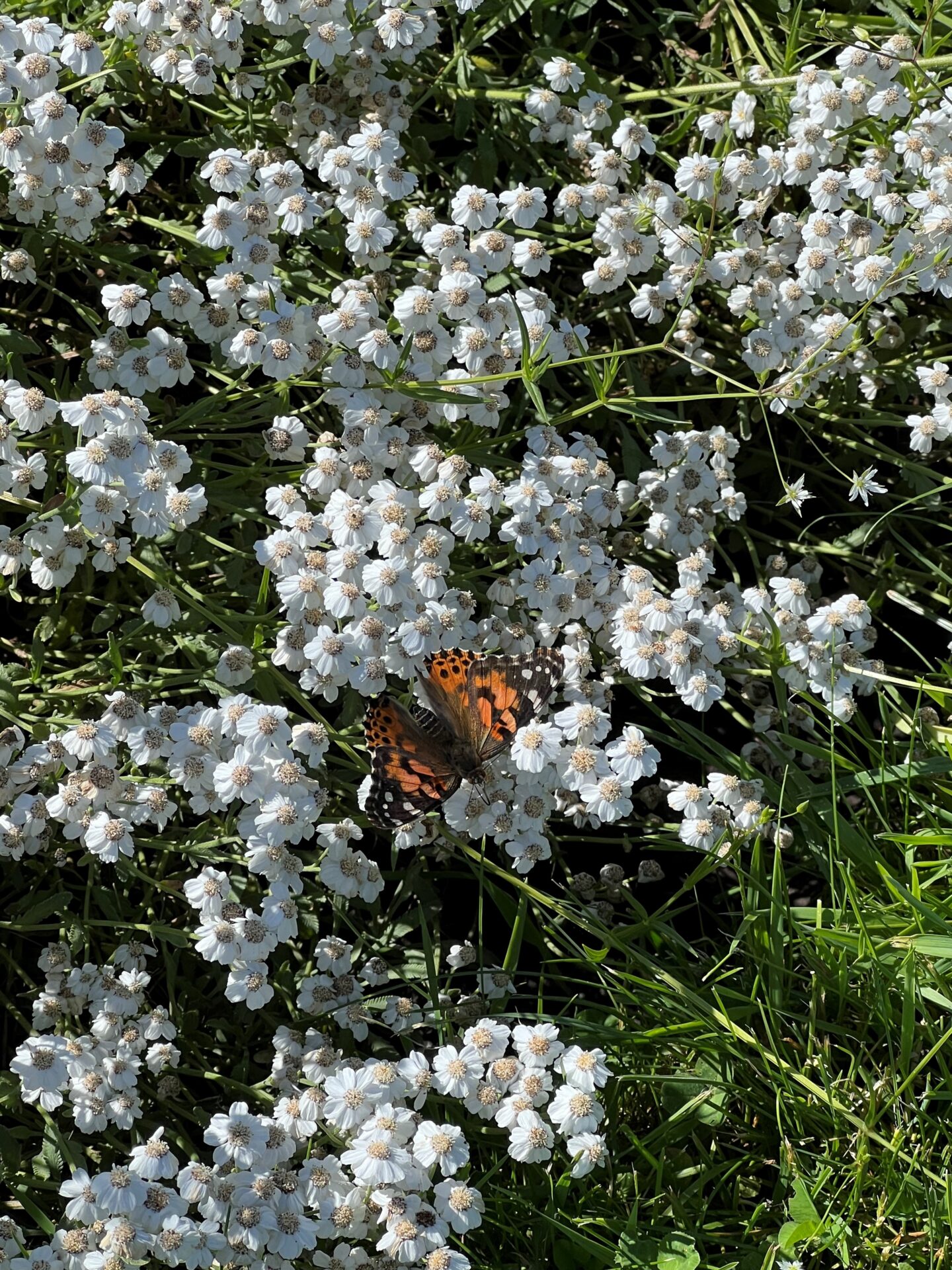
BFO Ottawa Butterfly Memorial Event Recap
On Sunday, June 9th, at 3 p.m., the serene grounds of Beechwood Cemetery served as the backdrop for a poignant gathering, the 2024 Butterfly Memorial Event organized by BFO Ottawa.…
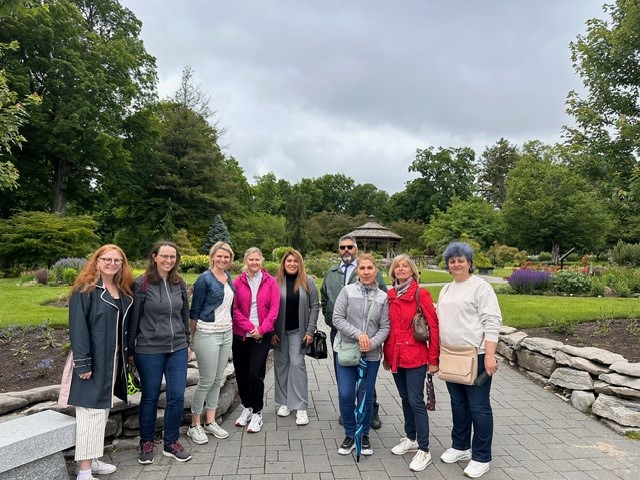
The Reconciling History Tour with the Diplomatic Community of Ottawa
In Ottawa, Beechwood Cemetery isn’t merely a resting place for the departed; it’s a living testament to Canada’s rich and nuanced history. Recently, the Reconciling History Tour welcomed esteemed guests…
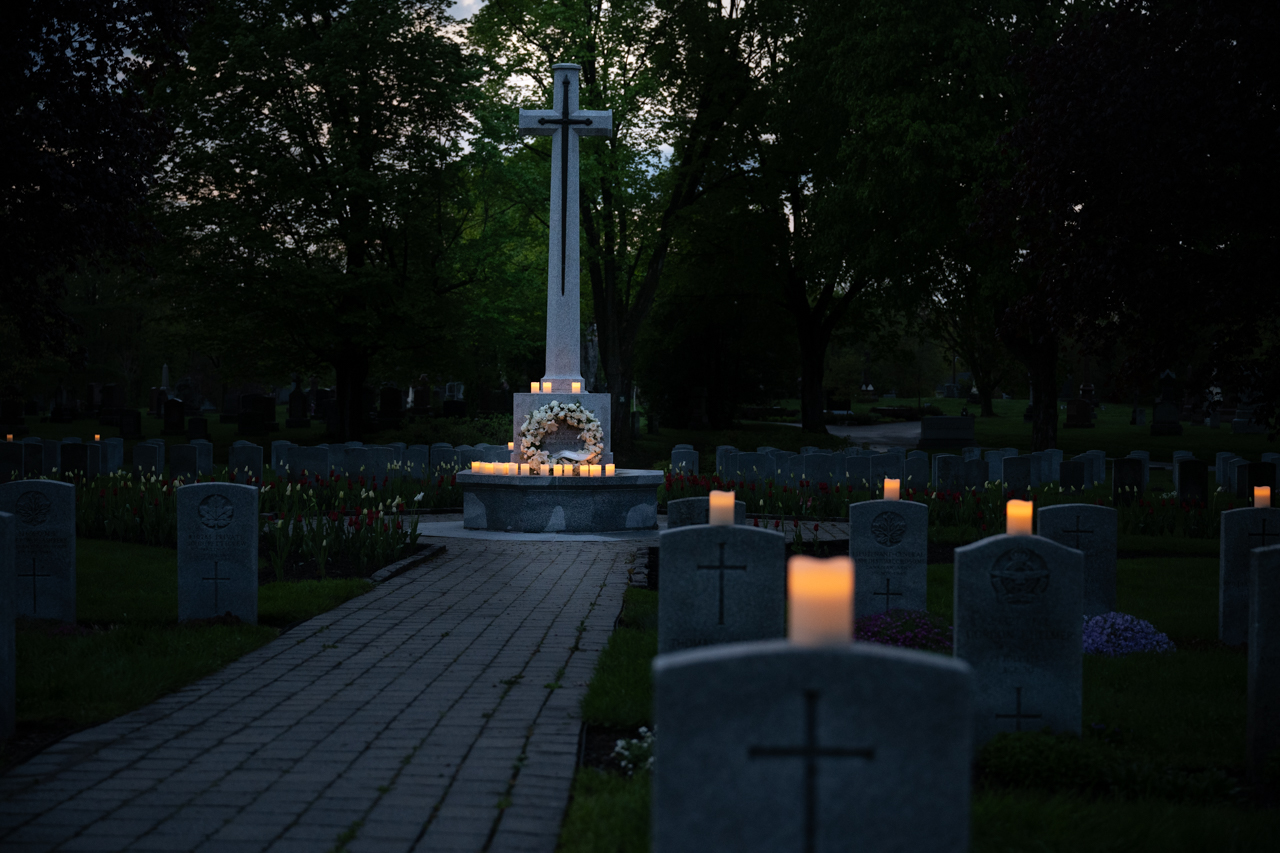
Evening Honouring D-Day Veterans on the 80th Anniversary of the D-Day Landing
On May 13, 2024, a memorable event was held to honour D-Day veterans. The evening began with a warm welcome from the Master of Ceremonies, Robert Loken of Veterans Affairs…
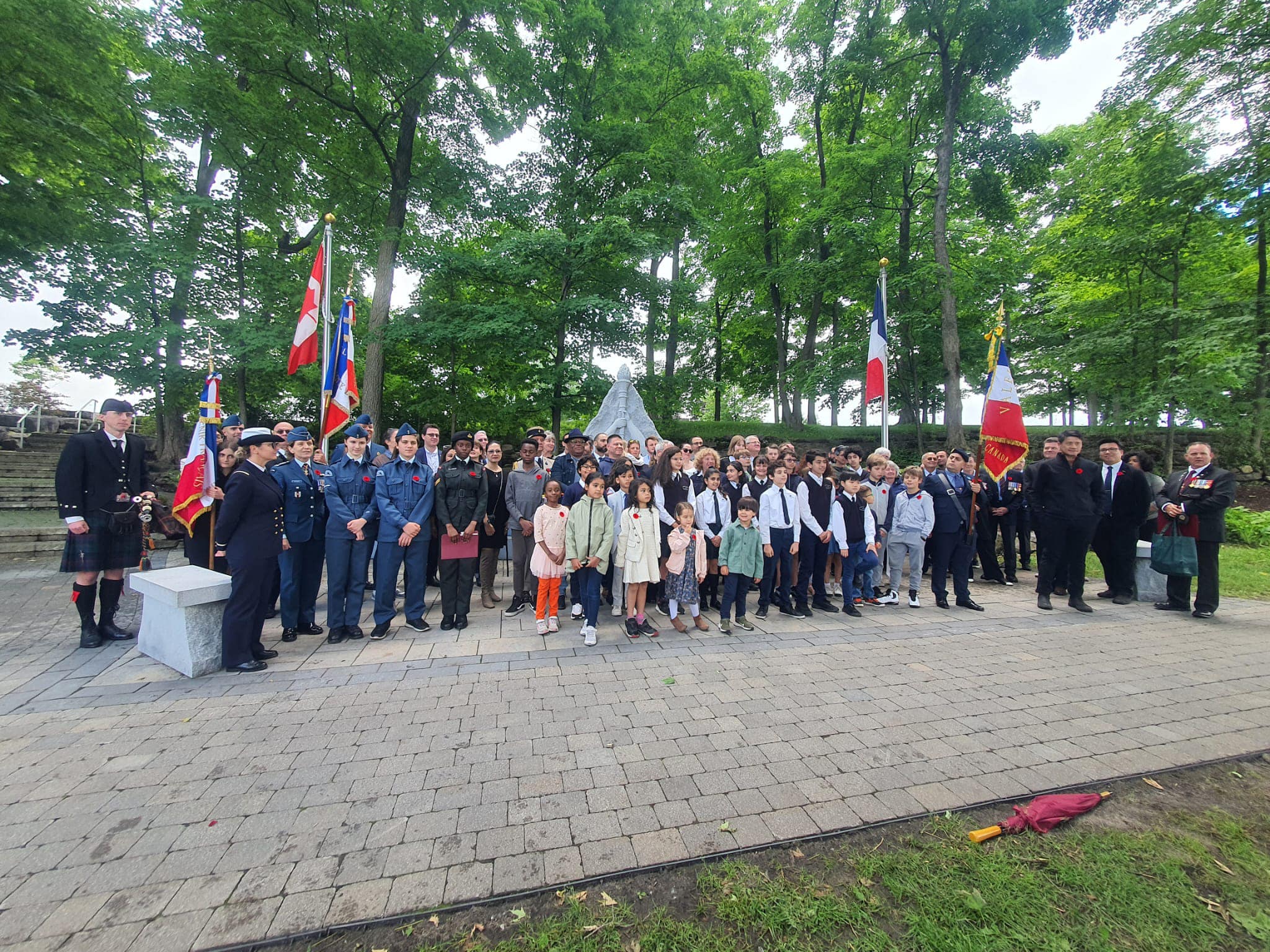
Honouring Heroes: A Day of Remembrance and Reflection
On a serene morning, the air filled with reverence and solemnity, the community gathered to honour the memories of those who sacrificed their lives for freedom. The procession was led…
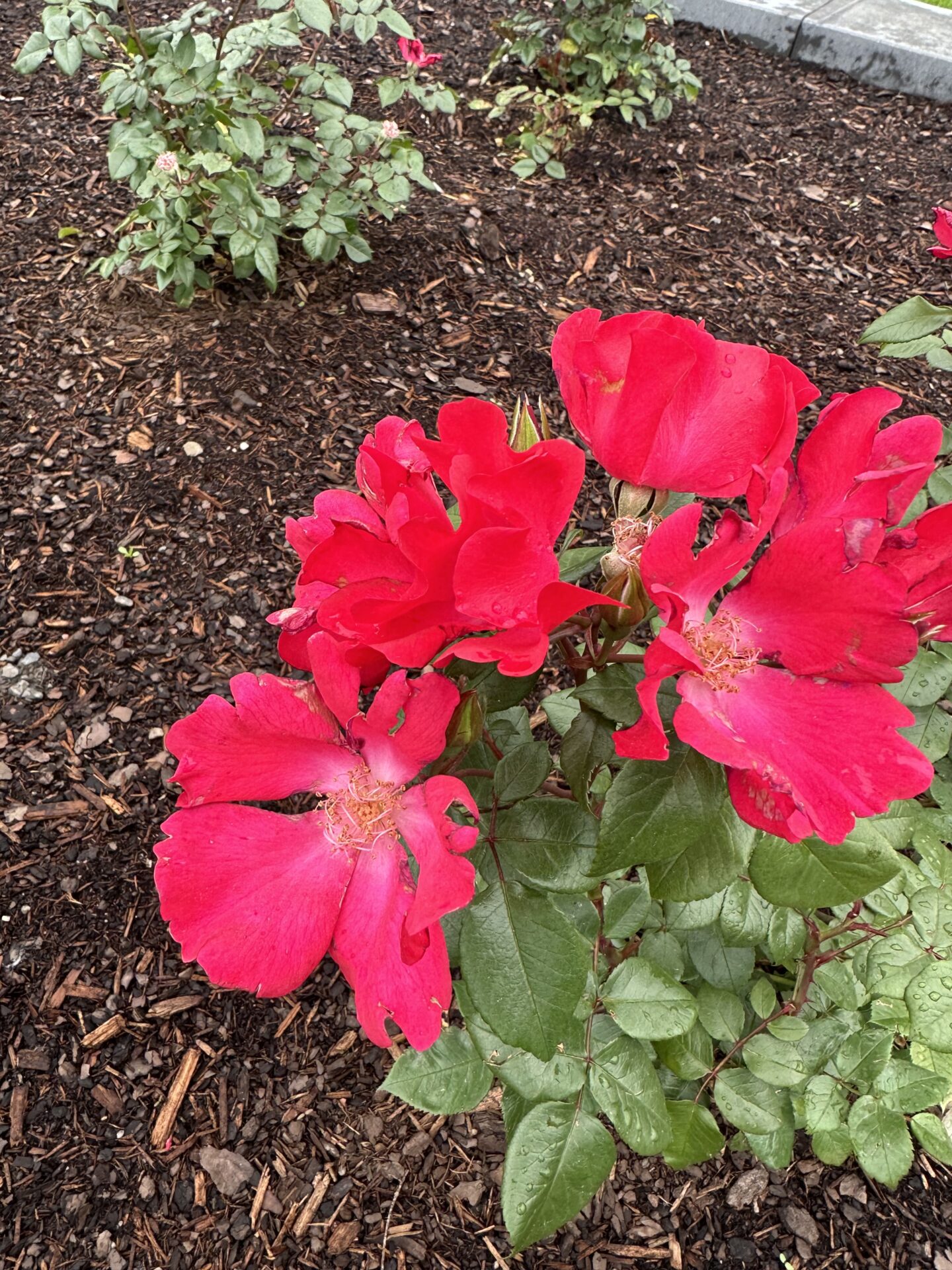
Introducing the Liberty Rose: A Tribute to Freedom and Sacrifice
We are thrilled to introduce a new edition to Beechwood Cemetery, – the Liberty Rose. This beautiful and symbolic rose hybridized by Brad Jalbert to honour those who have fought…
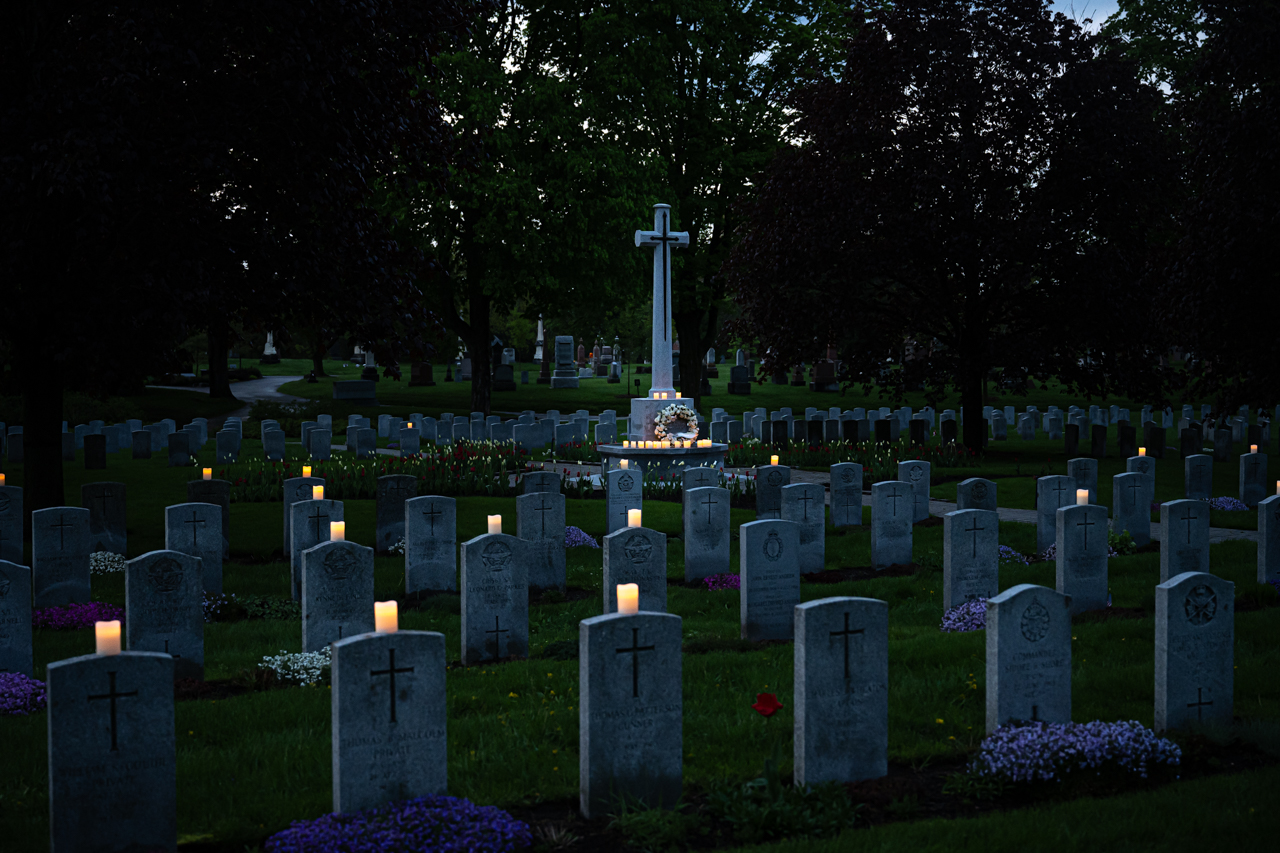
Message of Remembrance for the 80th Anniversary of D-Day
Today, we gather in solemn remembrance and profound gratitude as we mark the 80th anniversary of D-Day, a pivotal moment in our shared history. On this day, eighty years ago,…

Empowering Families: A Guide to Children Attending Funerals and Burial Services
Deciding whether to bring children to a funeral is a challenging and emotional choice. Parents often worry about their child’s understanding, behavior, and emotional well-being. However, involving children in the…
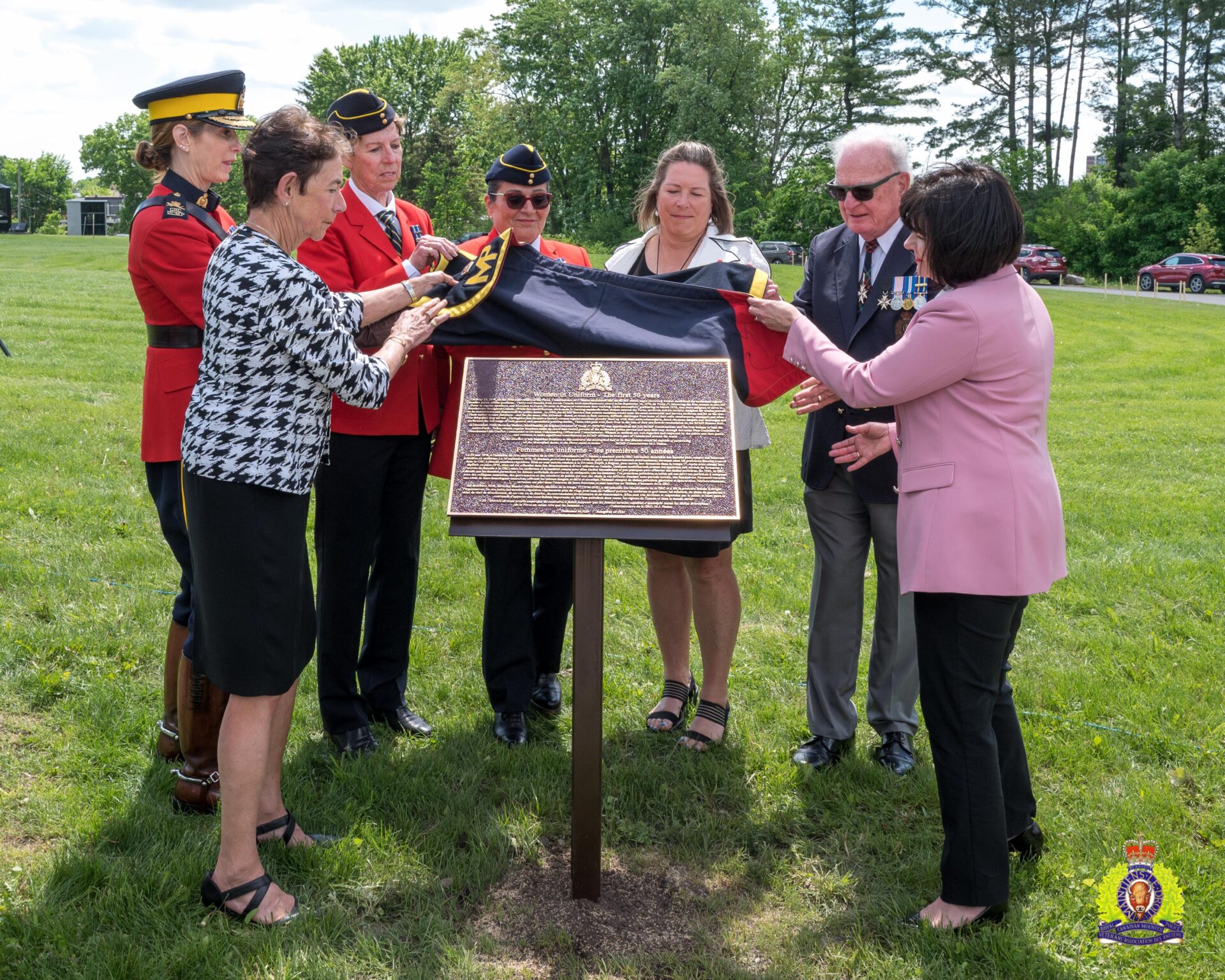
Honouring Women in Uniform: Commemorating 50 Years of Service
On May 23, 2024, a significant milestone in the history of the Royal Canadian Mounted Police (RCMP) was celebrated with the unveiling of a special plaque, marking 50 years since…
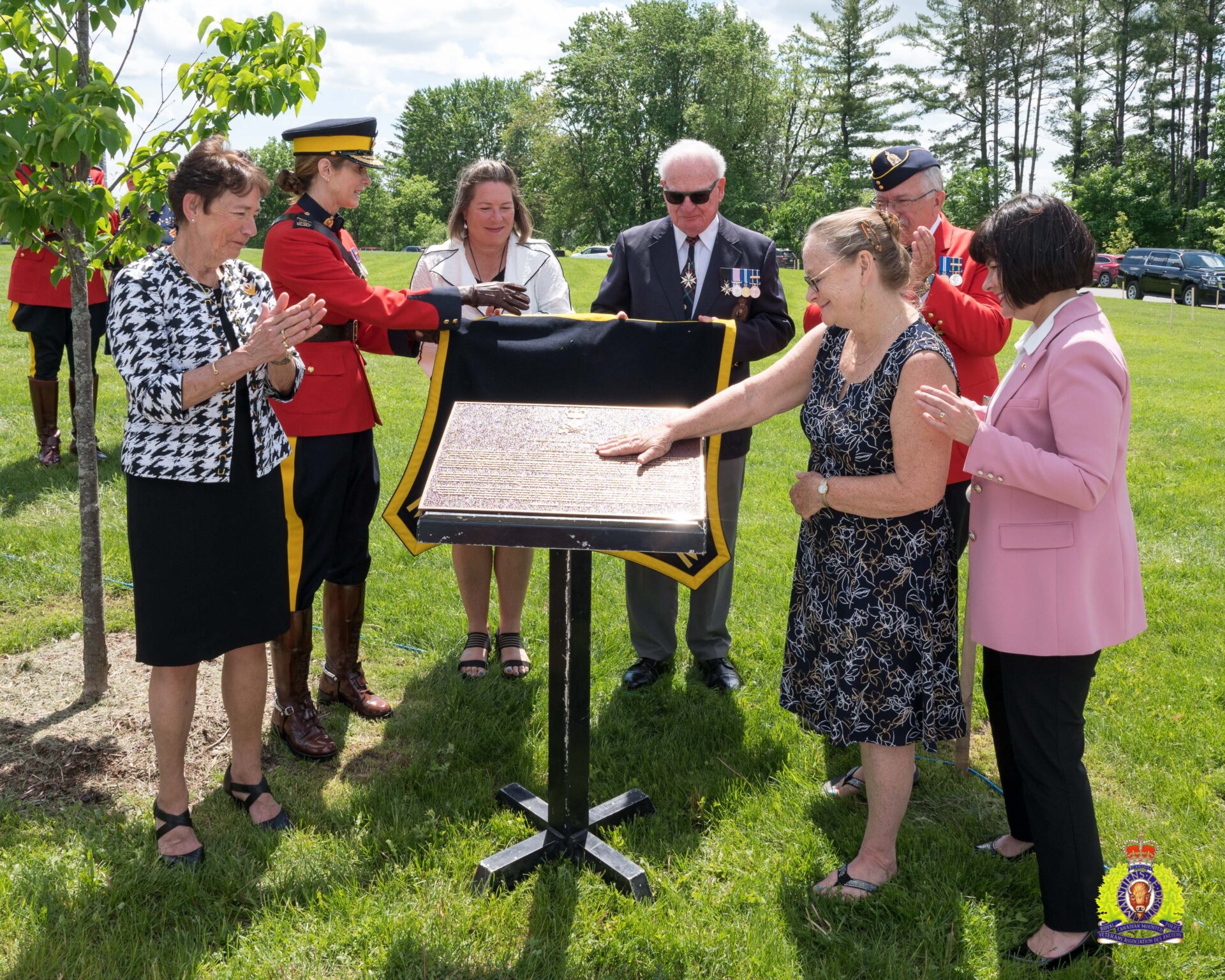
Honouring Commissioner Maurice Jean Nadon: Unveiling of a Commemorative Plaque
On May 23, 2024, a momentous occasion unfolded as a special plaque was unveiled near the Main Monument in a cemetery, dedicated to celebrating the exemplary leadership of some of…
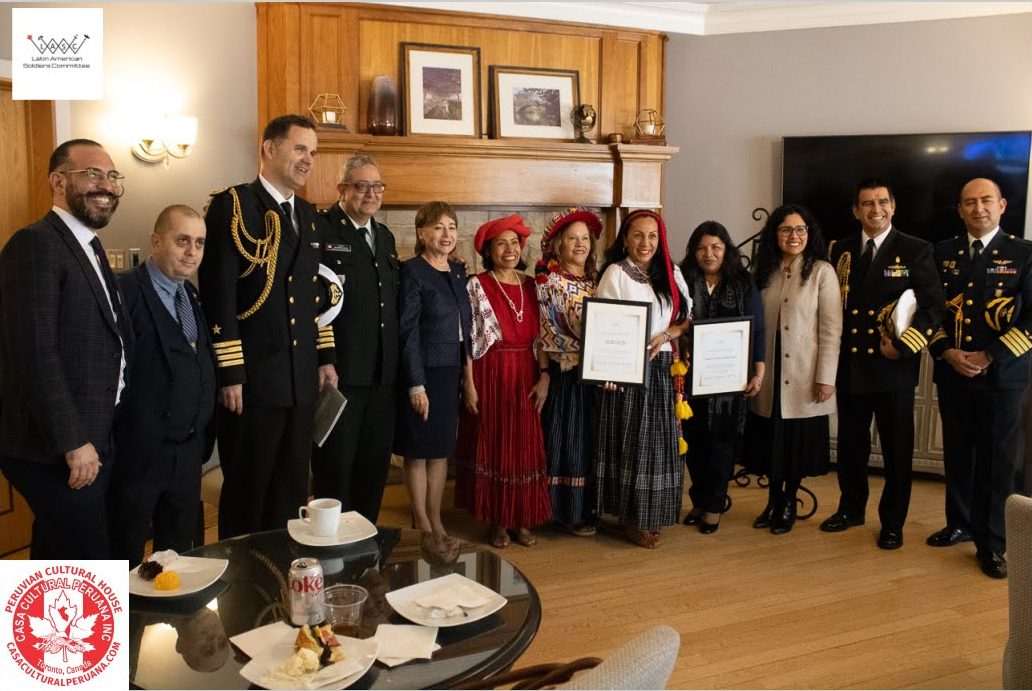
Honoring the Legacy: Celebrating Second Annual Pan American Day
In the heart of Beechwood Cemetery, amid the whispers of history and the echoes of valor, a momentous celebration unfolded on April 17, 2024. Pan American Day, a poignant occasion…
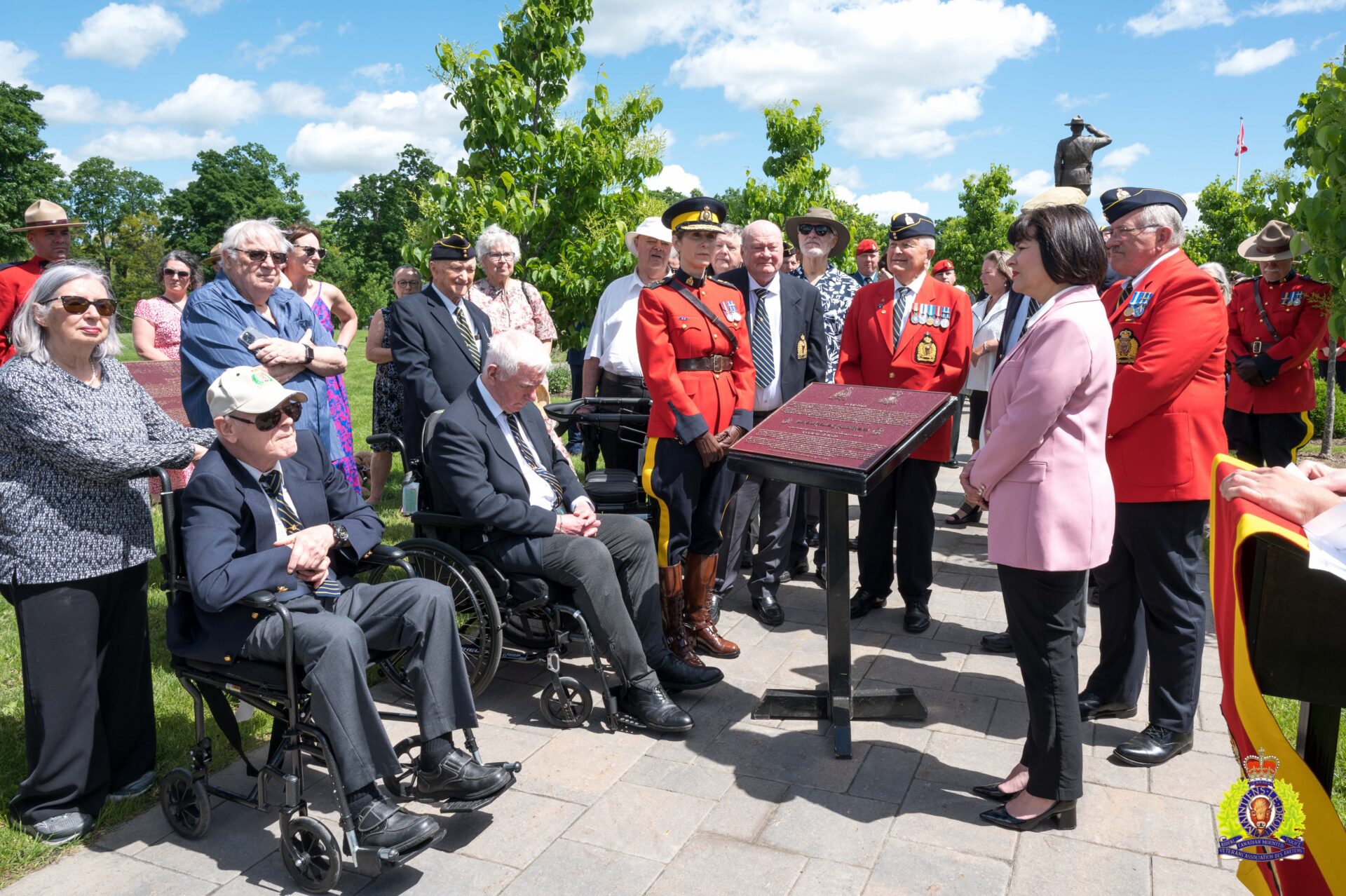
Unveiling of the RCMP Band Plaque
On May 23, 2024, a poignant moment of historical commemoration unfolded as a special plaque was unveiled, marking the indelible legacy of the Royal Canadian Mounted Police (RCMP) Band. Nestled…
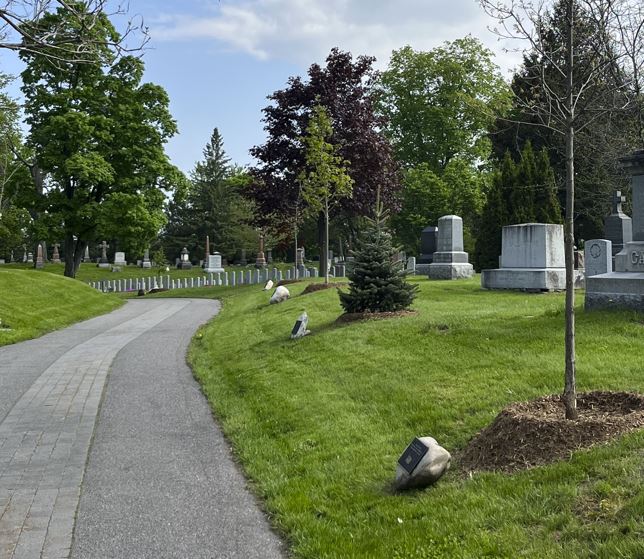
Honouring the Legacy: A Retrospective on the RCAF 100 Commemoration Ceremony
On a serene May 17 2024 in Ottawa, at the National Military Cemetery, a poignant ceremony unfolded to mark a century of the Royal Canadian Air Force (RCAF). This event,…
The Beechwood Way – Spring 2024 – Vol. 28
WHEN SOMEONE SAYS the word “Beechwood,” what immediately comes to mind? Is it the green grounds of the cemetery, with tall historic trees towering over the monuments? Is it the…
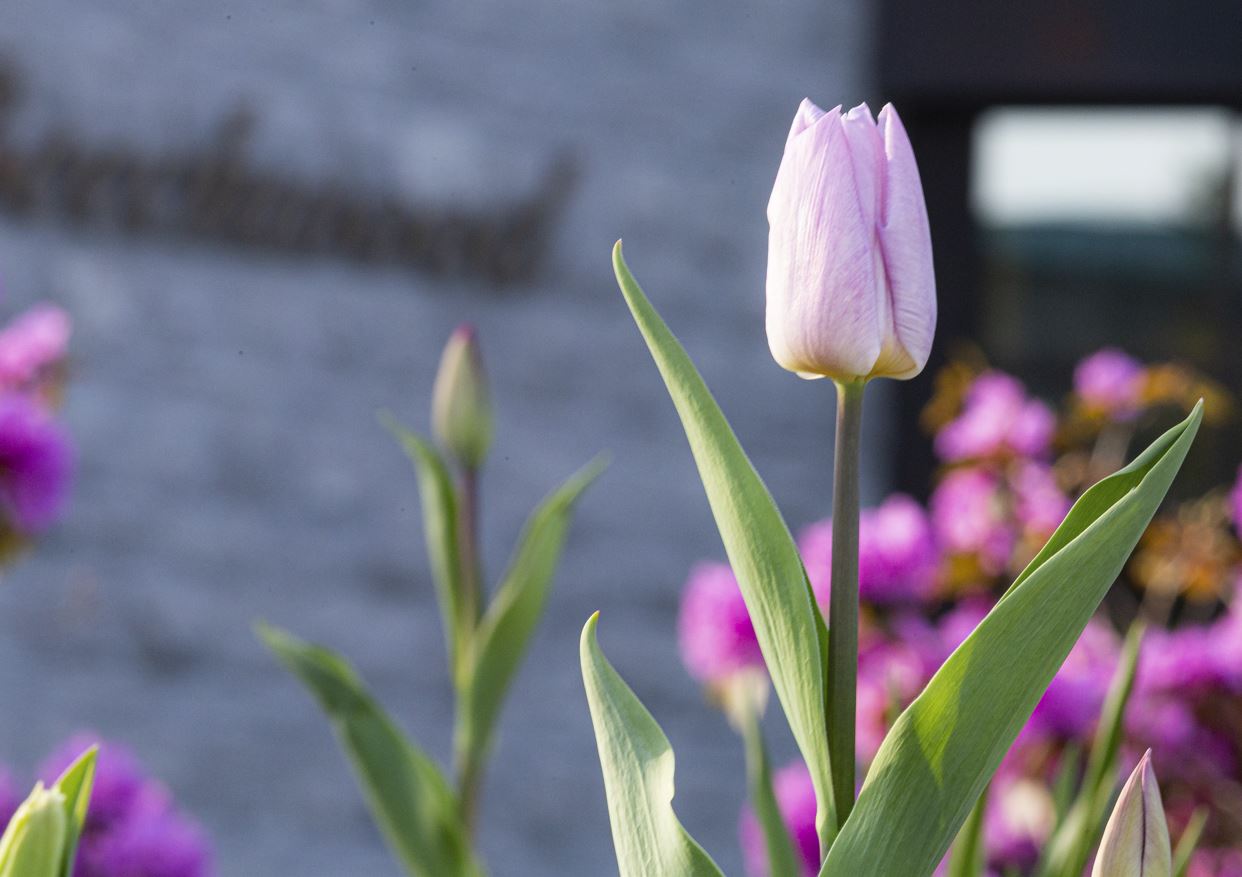
6 places to see the tulips in Ottawa-Gatineau this spring
Close to one million tulips are blooming across the national capital region. The National Capital Commission says over 100 varieties of tulips have been planted in 120 beds across 30…

Honouring Life: Exploring Different Types of Funerals and Memorials
Memorial and funeral services hold profound importance in the grieving process, offering solace and support to those left behind while honoring the life of the departed. These ceremonies provide a…
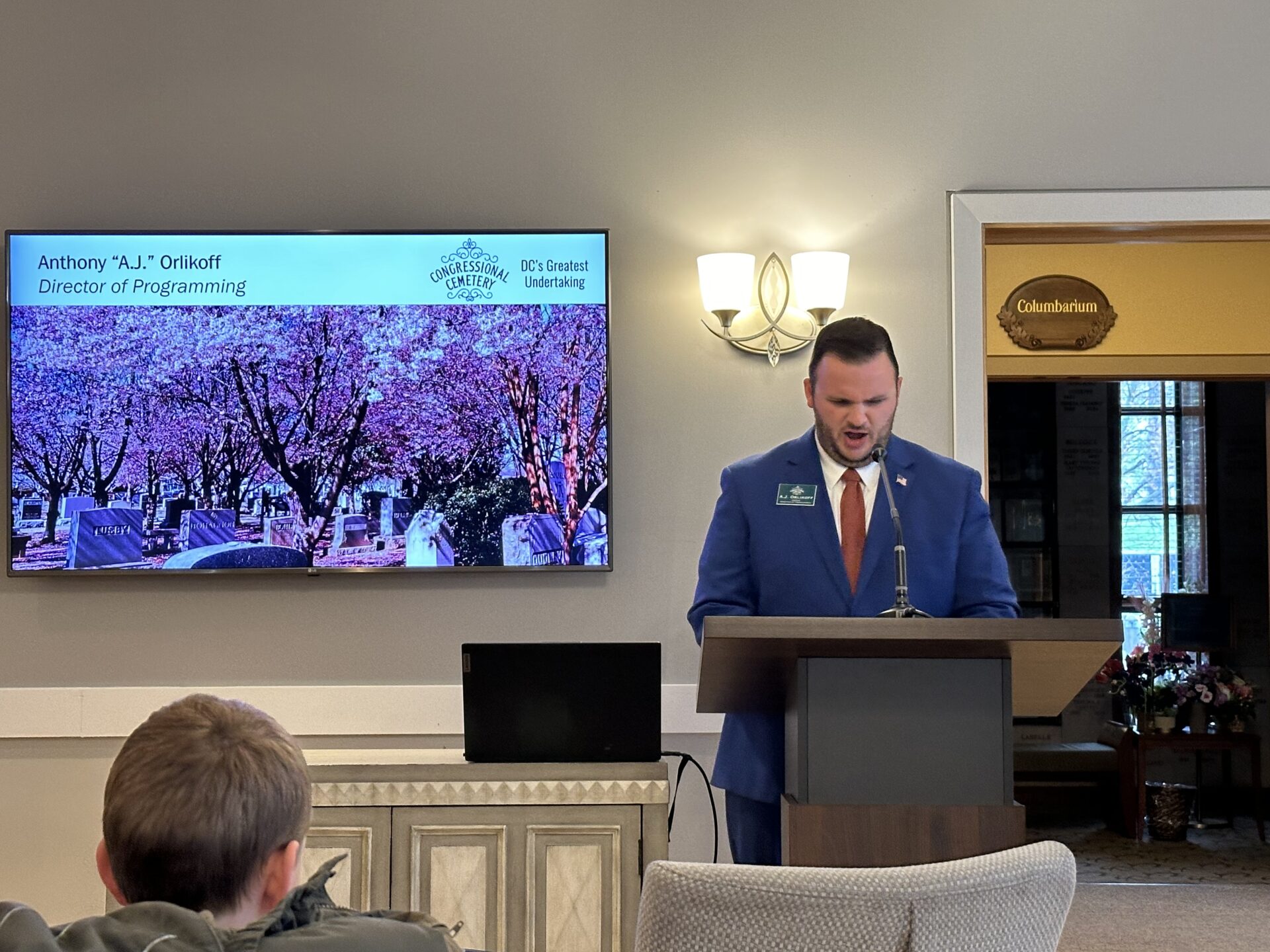
How Dogs Walkers Saved the Cemetery – a Congressional Cemetery Story.
On May 5th, 2024, Beechwood Cemetery, the National Cemetery of Canada welcomed attendees to an enlightening afternoon event showcasing the remarkable history and resurgence of the Historic Congressional Cemetery in…
Sustainability of the Urban Macoun Marsh and Environmental Restoration – SUMMER by Jennifer Lamoureux, Biologist
The Macoun Marsh is a rare wetland feature tucked away at the southwest corner of Beechwood Cemetery. Despite being in a highly urbanized part of the City of Ottawa, the…
Arboretum Fundraising Update
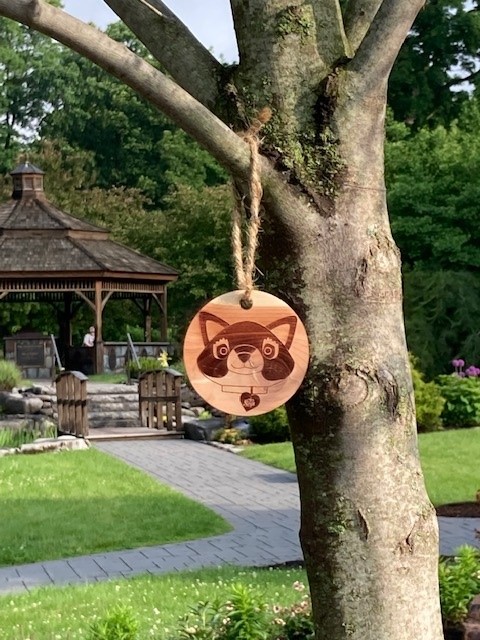
Those who are regular readers of the Beechwood Way know about the Echo tree tag program — a program where when someone donates $400 toward our Horticulture program, a tree…
The Beechwood Bite – Bite sized tours of the cemetery
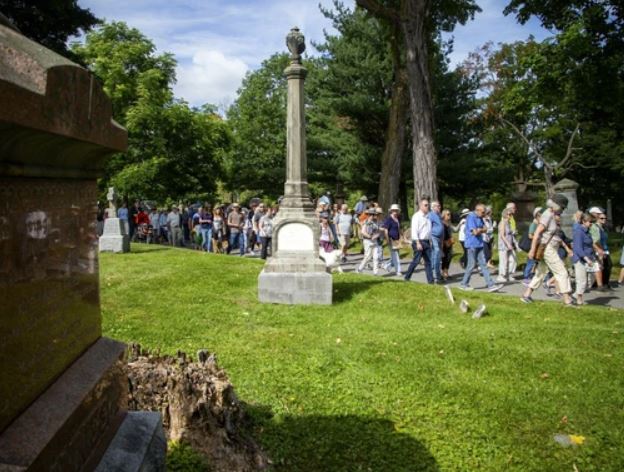
The Beechwood Cemetery Bite sized tours are themed guided tours through Beechwood, the National Cemetery of Canada. These short and specialized tours are for those who love a good theme…
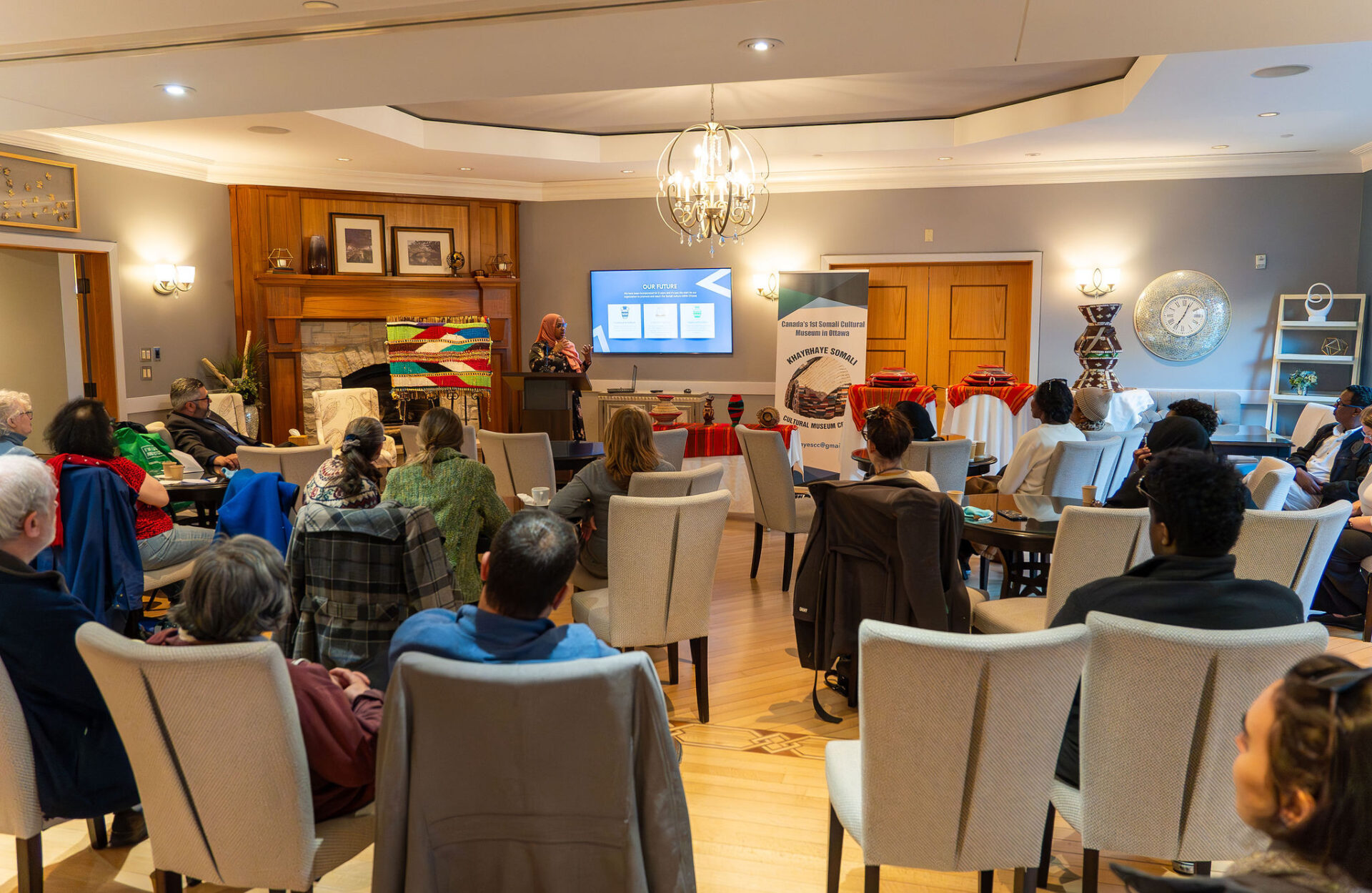
A Journey Through Ottawa Somali Heritage with the Khayrhaye Somali Cultural Museum Centre
On the evening of April 25th, 2024, the Beechwood National Memorial Centre came alive with the vibrant colors, rich traditions, and captivating stories of Ottawa’s Somali Community. Hosted by the…
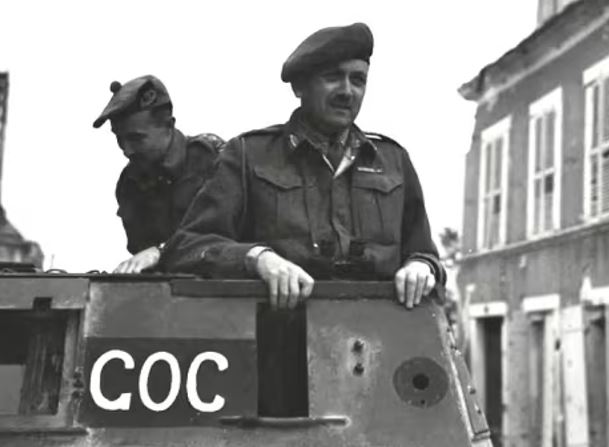
General Charles Foulkes: The Liberation Legacy
Section 27, Range G, Grave 224 General Charles Foulkes was a distinguished military leader whose career spanned pivotal moments in Canadian and world history. Born in Stockton-on-Tees, England, on January…
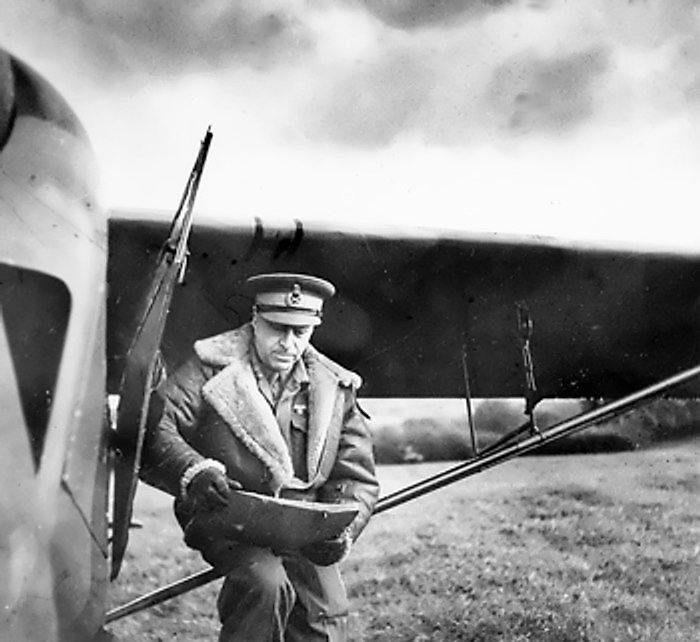
General Henry Duncan Graham Crerar: Canadian Military Leader and Diplomat
Section 27, Range G, Grave 226 Henry Duncan Graham Crerar, born in Hamilton, Ontario, on April 28th, 1888, and passing away in Ottawa on April 1st, 1965, was a distinguished…
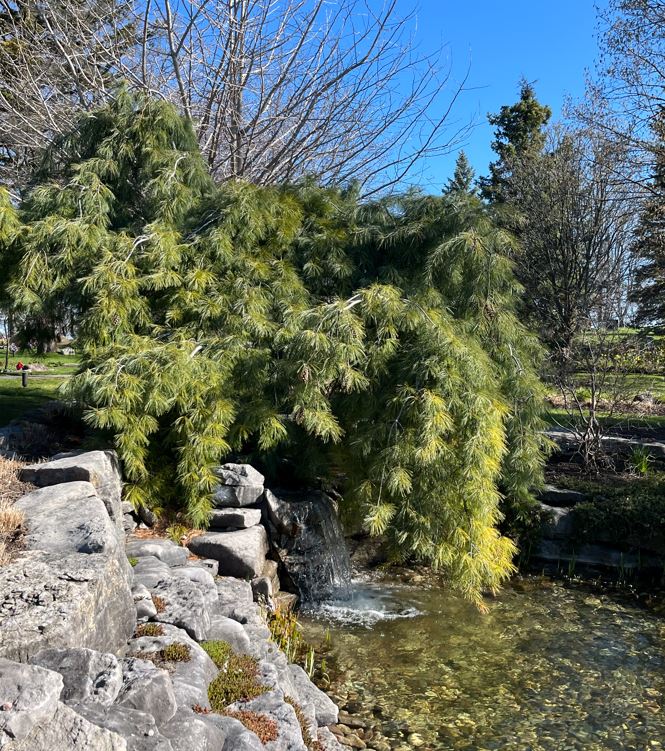
In the Gardens: Weeping Eastern White Pine
In the realm of garden landscapes, certain plants captivate us not just with their mere presence, but with their unique forms and ornamental charm. One such gem is the Weeping…
Beechwood Cemetery Tulip Map 2024
Established in 1873, Beechwood is recognized as one of the most beautiful and historic cemeteries in Canada. It has been designated as a National Historic Site. Its breathtaking park-like setting…
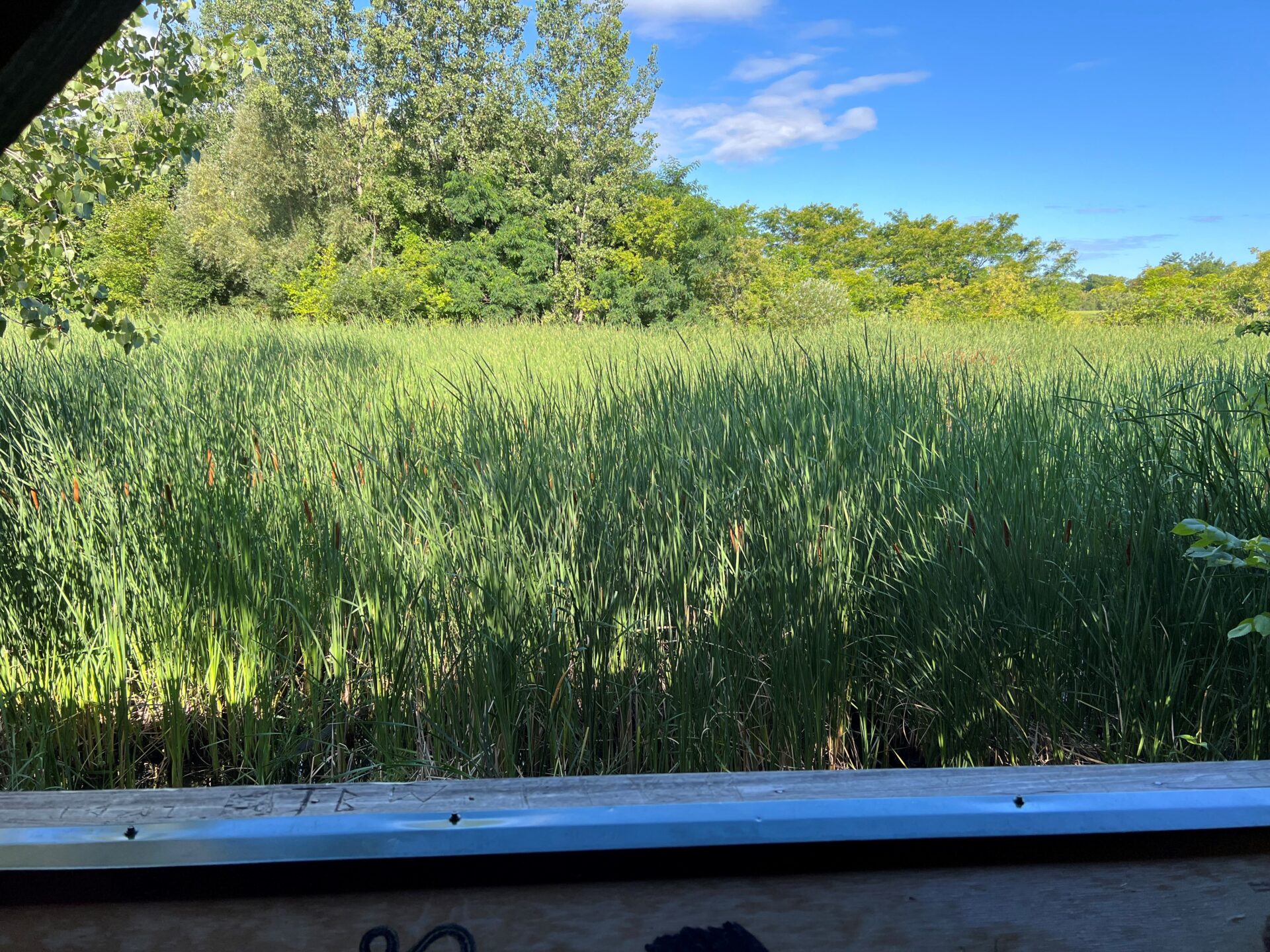
Revitalizing an urban oasis: The restoration of Beechwood’s Macoun Marsh
Beechwood Cemetery Foundation tackles invasive species and water challenges to preserve a vital habitat and educational resource in Ottawa. The Beechwood Cemetery Foundation has announced a significant environmental restoration initiative…

Celebrating Latin American Heritage with the Latin American Soldiers Committee
Beechwood Cemetery was proud to host a recent event organized by the Latin American Soldiers Committee (LASC), where attendees were treated to an immersive exploration of Latin American Soldiers contribution…
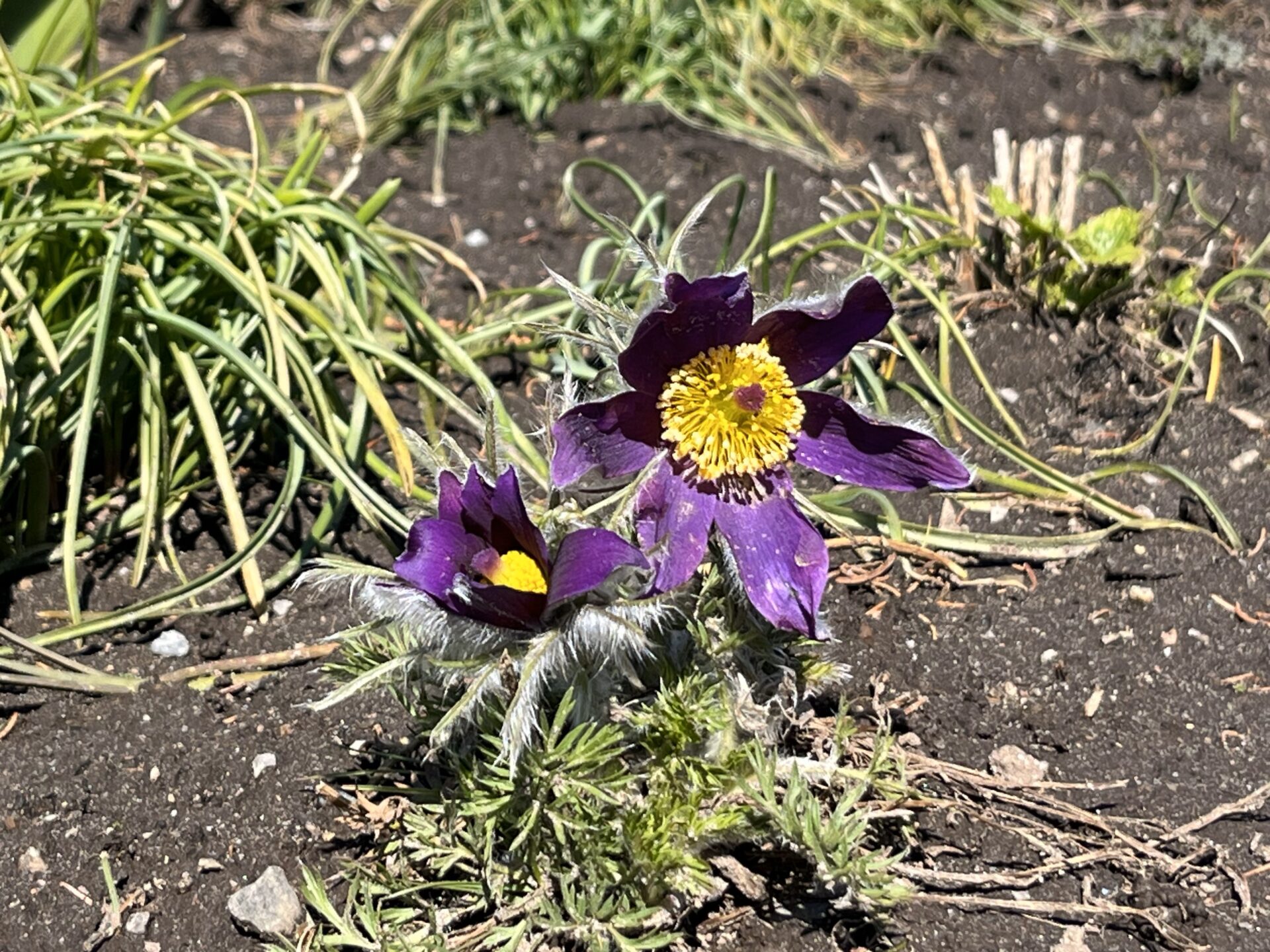
In the Gardens: Pulsatilla Vulgaris – the Pasqueflower
Nestled within the buttercup family (Ranunculaceae) lies a botanical jewel known as Pulsatilla vulgaris, colloquially recognized as the pasqueflower. Flourishing primarily in the calcareous grasslands of Europe, this species has…
SUMMER program aims to restore health of Beechwood’s Macoun Marsh
Foxes, salamanders, blue herons, frogs, turtles, woodpeckers and groundhogs. These and 1,500 other species find their home in Beechwood Cemetery’s Macoun Marsh. The ecosystem, tucked away in the cemetery’s southeast…
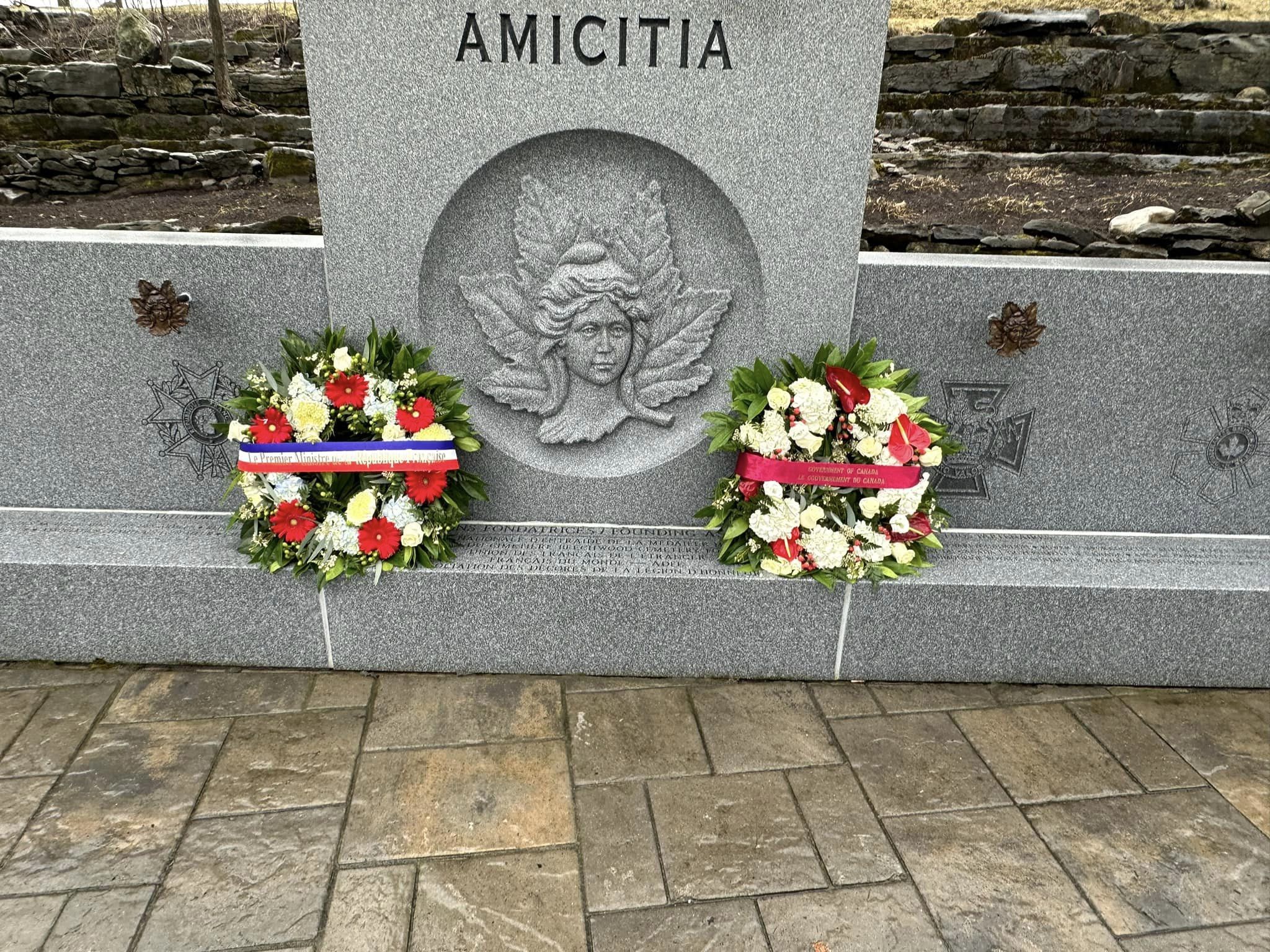
PM Trudeau and Gabriel Attal attend veterans ceremony at Beechwood
In Ottawa, Prime Minister Justin Trudeau and his French counterpart Gabriel Attal attend a ceremony honouring Canadian and French veterans.
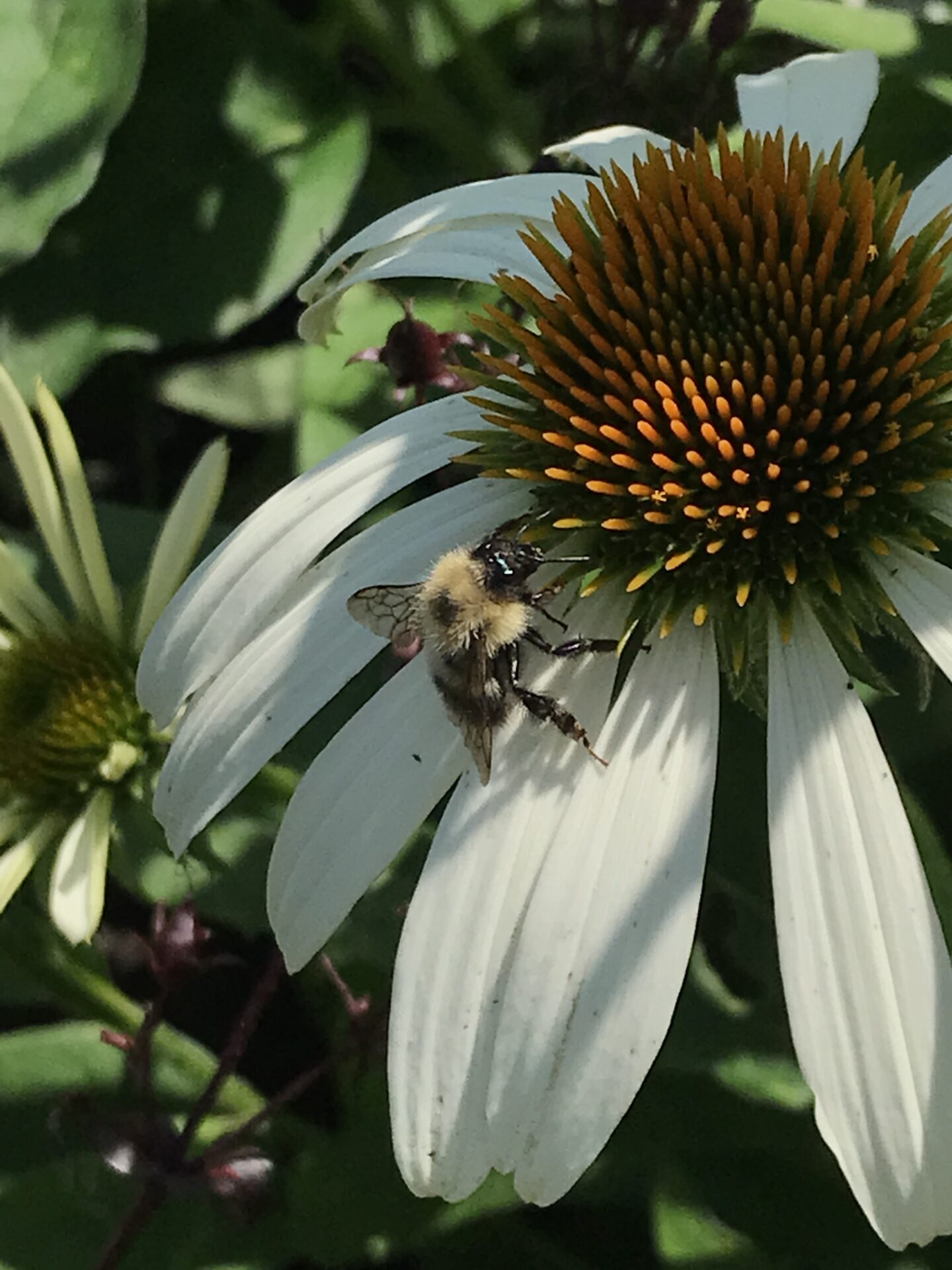
The Bee Friendly Garden – Suggested plants for your pollinator garden
With great zeal and pleasure we produce this guide containing basic information and suggestions on pollinator friendly plants; an array of bulbs, perennials, annuals and shrubs best suited for climate…
Celebrate Earth Day by Supporting the Restoration of the Macoun Marsh!
Today, as we celebrate the beauty and wonder of our planet, we are reaching out to you on behalf of the Beechwood Cemetery Foundation with an urgent appeal to protect…
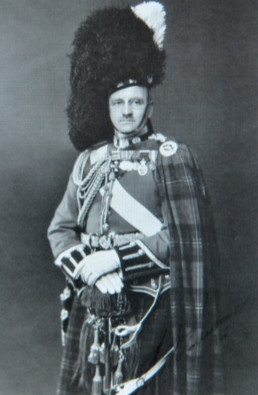
From Vimy Ridge to Harrington Lake – Col Cameron MacPherson Edwards
Col Cameron MacPherson Edwards – Section 50, Lots 121 S, 129 – Born at North Nation Mills, Quebec on September 28, 1881, Cameron MacPherson Edwards was educated at McGill University…
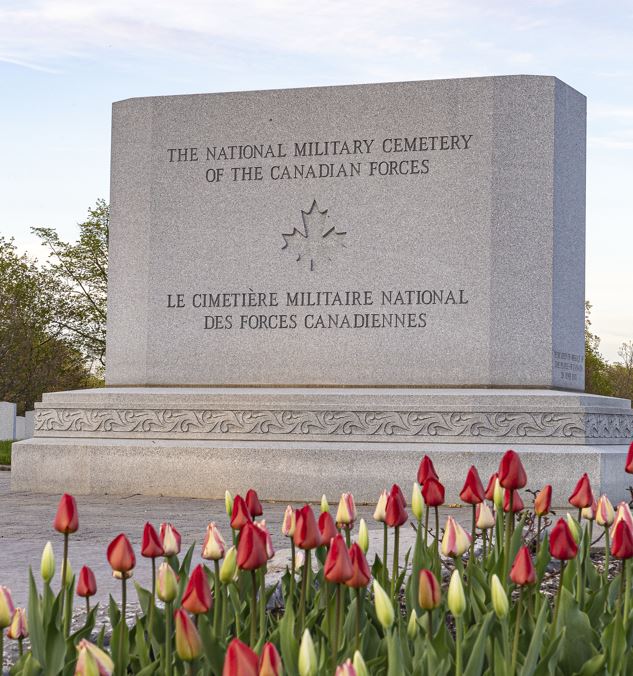
Brand-new columbarium niche options for the National Military Cemetery
Exciting News from The National Military Cemetery for all Canadian Armed Forces, Veterans, and families! We’re thrilled to announce the arrival of our brand-new columbarium niche options, now available for…
Each testimonial is a testament to a life cherished, a legacy honoured.
In the serene landscape of Beechwood Cemetery, where memories whisper through the trees, we cherish the profound connection with those we serve. Testimonials, heartfelt expressions of gratitude and remembrance from…
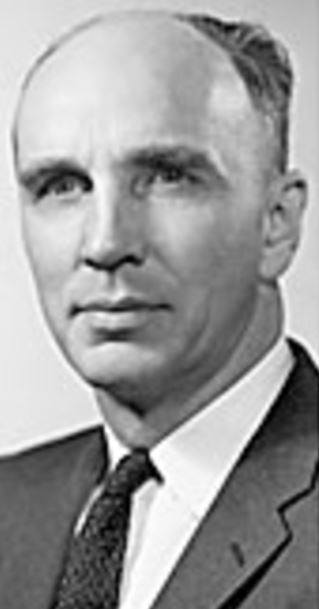
Ambassador and Naval officer – John Ryerson Maybee
John Ryerson Maybee Section 103, Grave 3116B “A” Born in Moose Jaw, SK, Maybee was educated in Alberta, British Columbia and at the University of Toronto. He went on to…

Beechwood Way – Winter 2024 – Vol 27
WITH THE START of a new year, the Beechwood Cemetery Foundation Team has been in full planning mode. We have been looking to work with different cultural groups and organizations…
Beechwood Cemetery Flower Bed Program 2024
Given how busy your lives can be, let Beechwood’s Horticultural Department take special care of your loved one’s plot. Beechwood is offering our annual flowerbed planting and maintenance service. New…
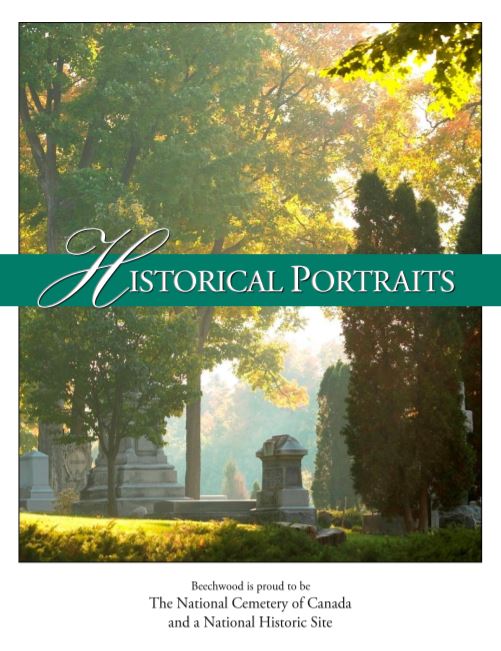
2024 Historical Portrait Book
Enjoy the 2024 version of the Historical Portrait Book! Included inside, are those buried at Beechwood who led interesting lives. This is a fantastic research tool for students, historians or…
JOB ALERT – Horticultural Worker
Horticultural Worker Beechwood Cemetery – Ottawa, ON $20.00 an hour – Full-time, Temporary, Contract Beechwood Cemetery is home of the National Military Cemetery, as well as many gardens throughout the…
JOB ALERT – Horticultural Team Lead
Horticultural Team Lead Beechwood Cemetery – Ottawa, ON $25.00 an hour – Full-time, Temporary, Contract Beechwood Cemetery is home of the National Military Cemetery, as well as many gardens throughout…
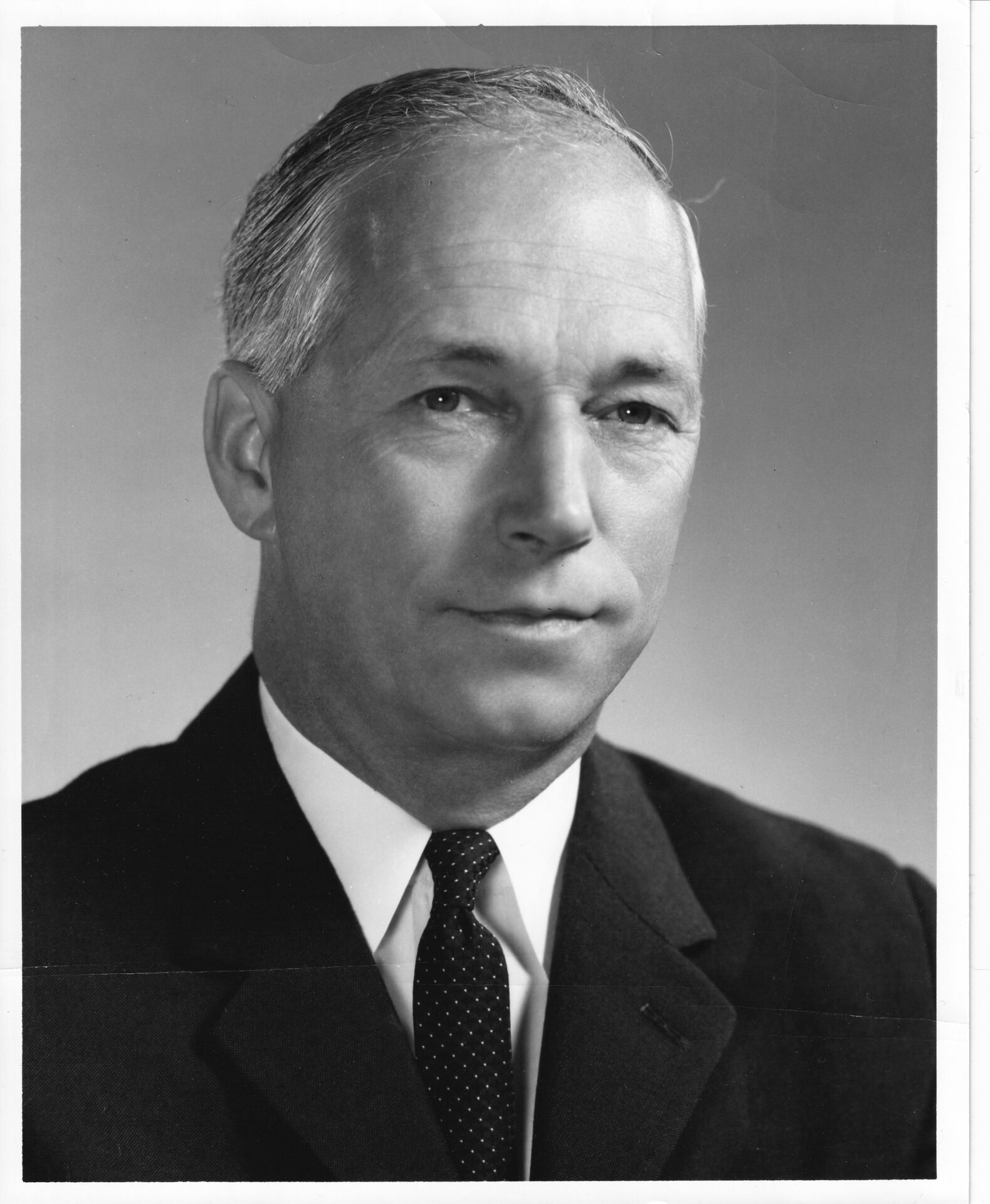
First Canadian ambassador to South Korea – John Stiles
John Stiles Section 37, Lot 10 ½ SE John Stiles was born in Fredericton, New Brunswick on January 26, 1918. As a child, Stiles was an active member of the…
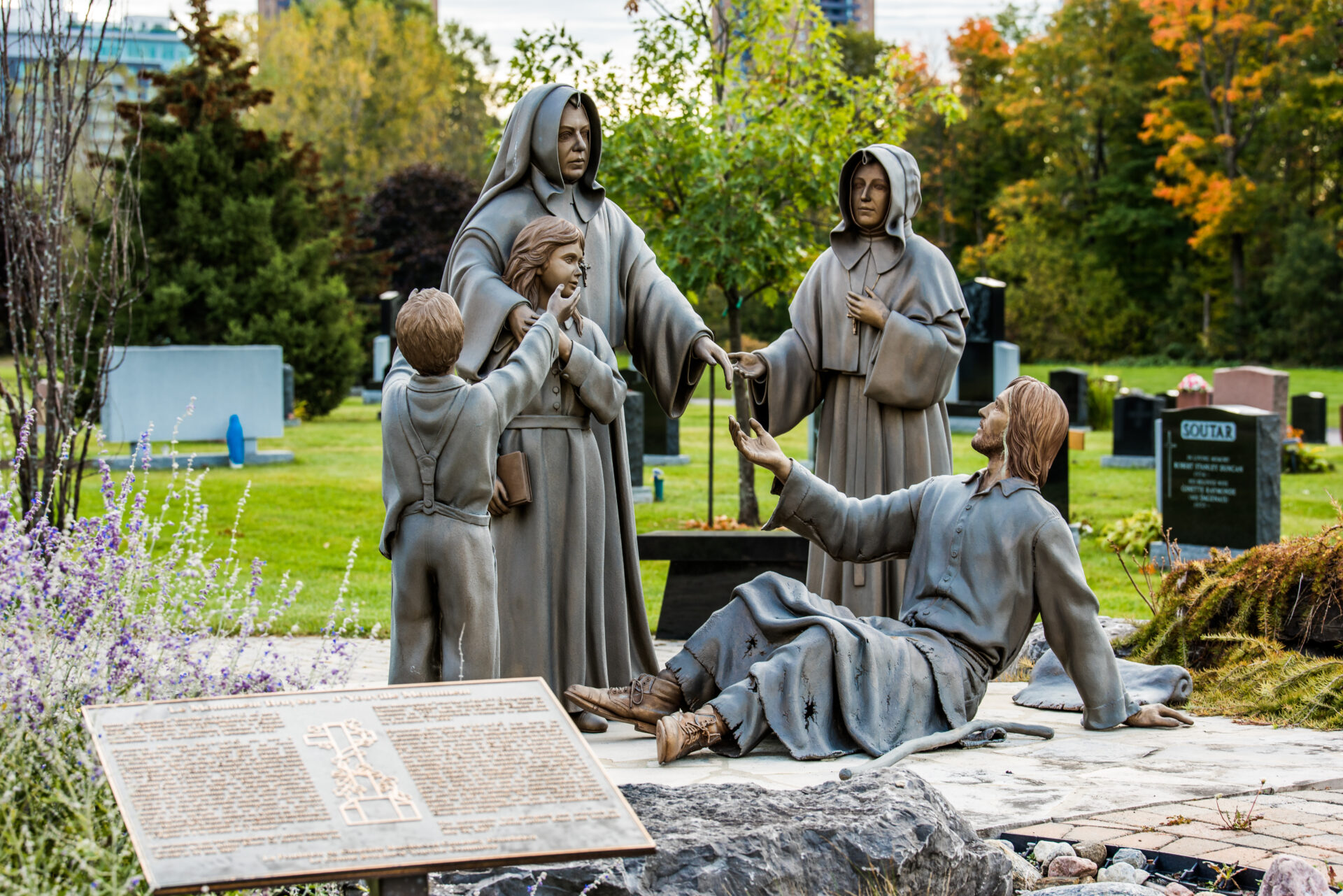
Sister Élisabeth Bruyère and St. Marguerite d’Youville Monument
The monument at Beechwood honours the memory Sister Élisabeth Bruyère (1818-1876) and St. Marguerite d’Youville (1701-1771). Sister Élisabeth Bruyère, a young member of the Grey Nuns of Montreal, had been…

Epitaph – More than a line on a monument
An epitaph is a phrase or form of words written in memory of a deceased person. Epitaphs are added to monuments and plaques and can vary in length from a…
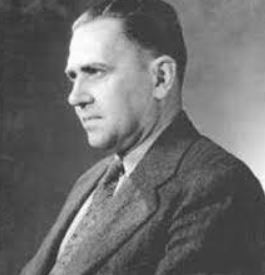
A Life in Journalism and Diplomacy – Fulgence Charpentier
Fulgence Charpentier Section 38, Grave 63 Fulgence Charpentier was born in Saint-Anne-de Prescott, Ontario on June 29, 1897. Over the course of his long and full life he had a…
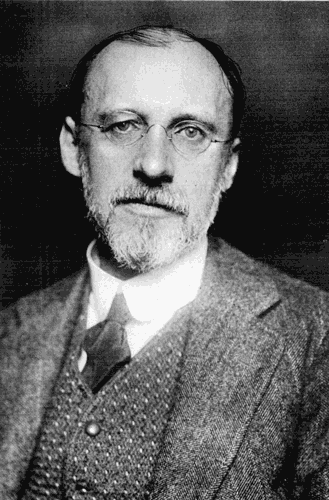
Diplomat and Poet – Sir Cecil Arthur Spring-Rice
Sir Cecil Arthur Spring-Rice Section 22, Lot 15 SW Spring Rice was born on February 27, 1859, into an aristocratic and influential Anglo-Irish family. He was the son of a…
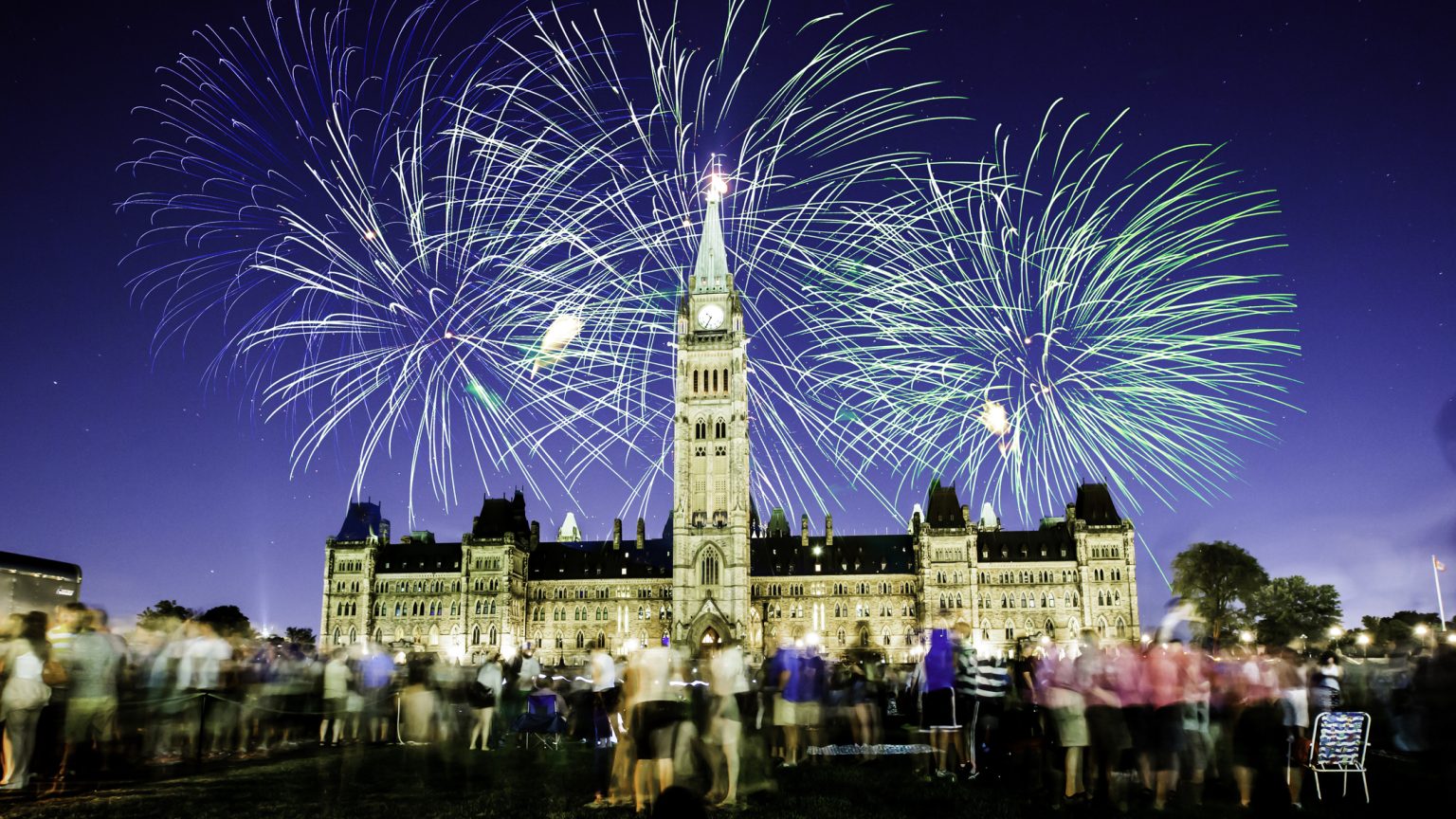
Ottawa The Great: Unveiling the heart and history of Canada’s capital
A night at Beechwood National Memorial Centre to explore Ottawa’s past through stories, music, and community engagement. On Feb. 22, 2024, the Beechwood National Memorial Centre will host “Ottawa The…
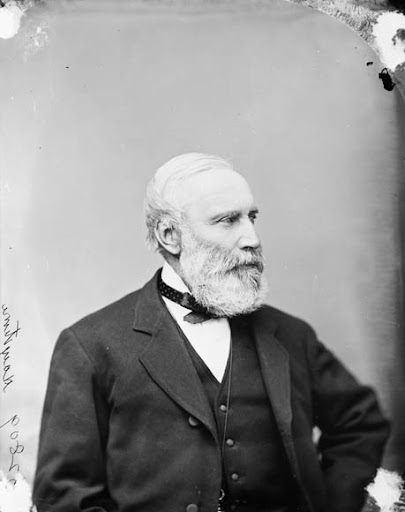
From Confederation Skeptic to Premier to Senator – Robert P. Haythorne
Robert P. Haythorne Section 48, Lot 5 NE Robert Poore Haythorne (2 December 1815 – 7 May 1891) was a Prince Edward Island politician and premier. He was born in England…
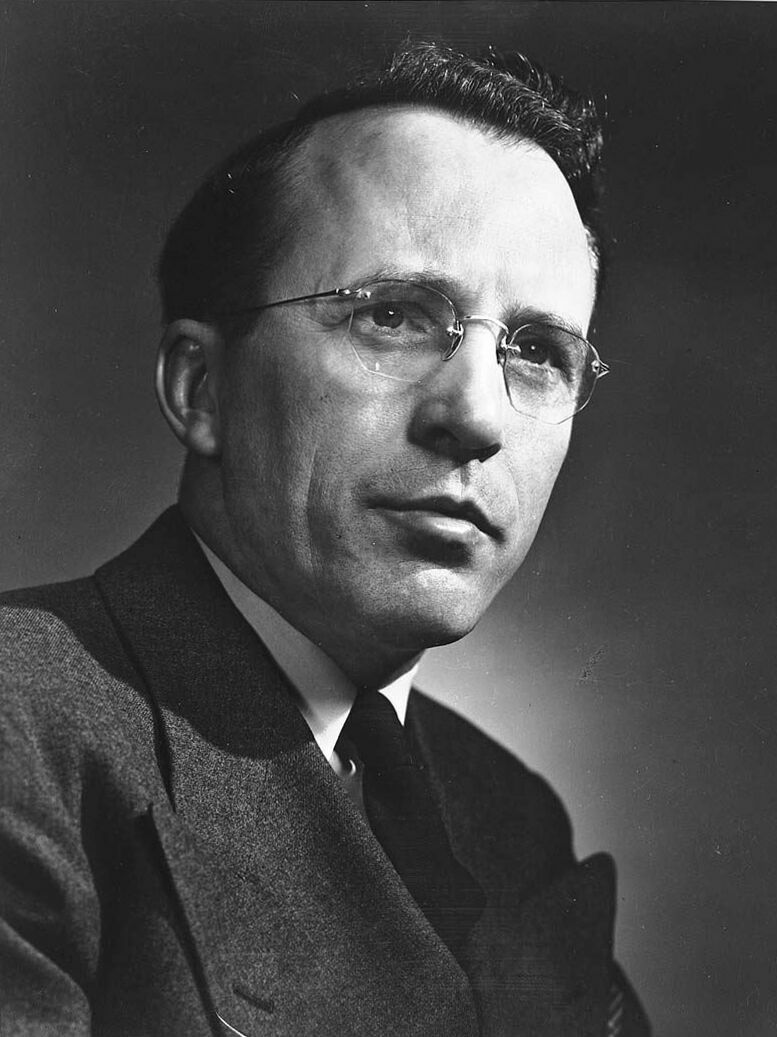
From Premier to Father of Universal Healthcare – Tommy Douglas
Tommy Douglas Section 64, Graves 285, 286 Born on October 20, 1904 in Falkirk, Scotland. In 1911, Tommy, his mother and his sister moved to Winnipeg to join his father…

What to Say to Someone who has lost their loved one?
It’s very normal not to know what to say to a friend or family member when they have lost a loved one. We have a feeling that we need to…
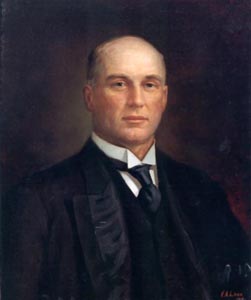
From Premier to Federal Minister to Canadian Representative at the League of Nations – Charles Stewart
Charles Stewart Section 24, Lot 29 NW (P) Charles Stewart was born on August 26, 1868, near Strabane, Wentworth County, Ontario, and was educated at Strabane and Hamilton, Ontario. In…
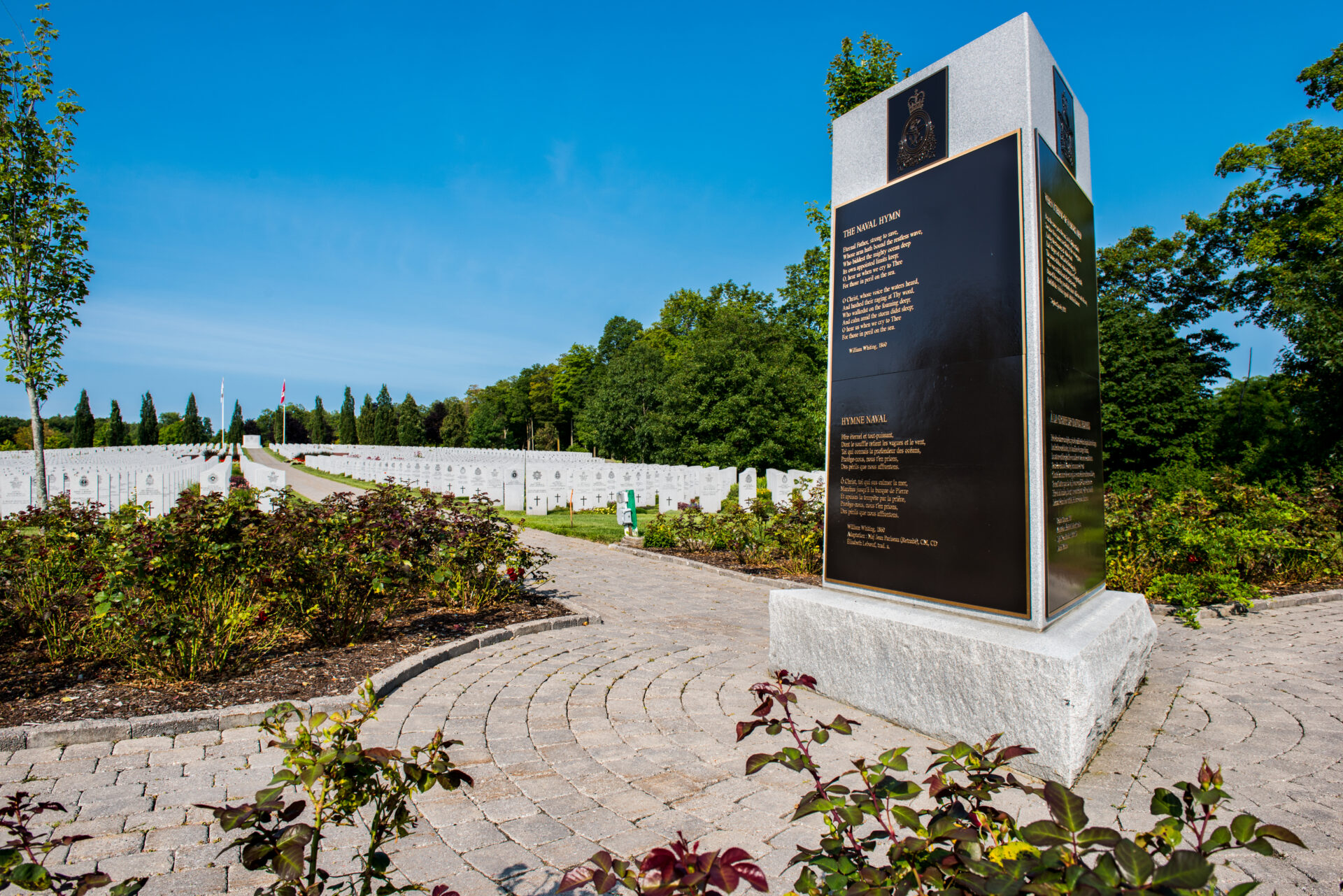
Tri-Service Monument at the National Military Cemetery
The National Military Cemetery is a national focal point of honour which recognises the men and women of Canada’s Armed Forces who have served their country with distinction in war…
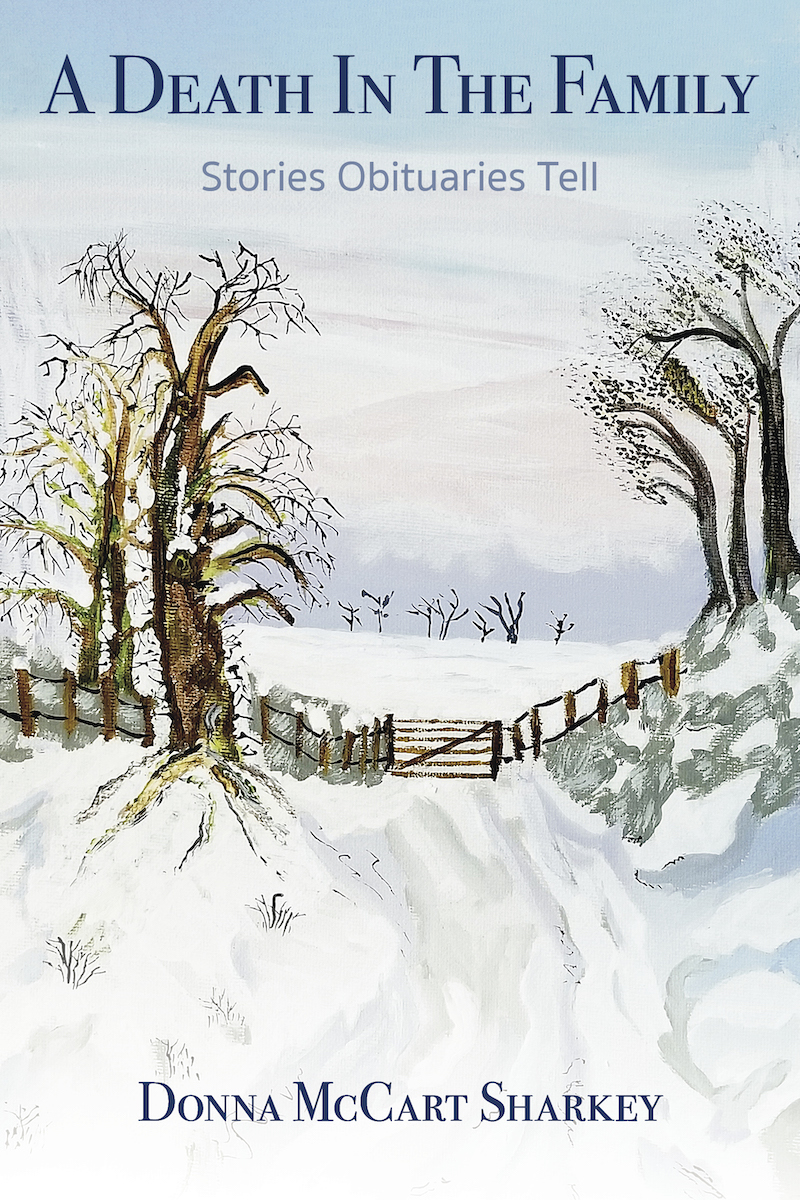
Deachman: A decade of death notices, an anthropological snapshot
Donna Sharkey, according to the obituary that closes her latest book, “loved people, stories and stories about people. She was an observant reader of obituaries, and at one point, she…
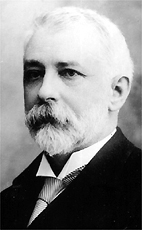
From Anti-Confederation Premier to Minister of Finance: The Right Honourable William Stevens Fielding
The Right Honourable William Stevens Fielding Section 50, Lots 65 S, 85 N He was born in Halifax, Nova Scotia on November 24, 1848. Fielding became leader of the Anti-Confederation…
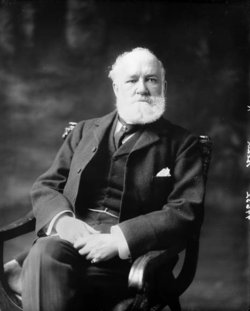
From Premier to Chairman of the Board of Railways – Andrew George Blair
Andrew George Blair Section 41, Lot 75 N Born in Fredericton, New Brunswick on March 7, 1844, Blair was called to the bar of New Brunswick in 1866. He was…
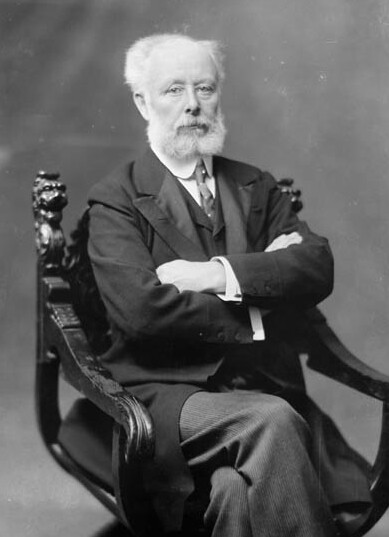
From Premier to Chief Justice – Right Honourable Sir Louis Henry Davies
Rt. Hon.Sir Louis Henry Davies Section 50, Lot 117 E Louis Henry Davies was born in Charlottetown, Prince Edward Island, on May 4, 1845, to Benjamin Davies and Kezia Attwood…
Casket or Urn? It is about choice and what is right for you.
One of the most personal decisions that an individual or their family can make is to choose between a cremation or casket burial. It’s a choice that can be hard…
Laying wreaths to remember the fallen
It was a sombre morning for Debbie Warren as she joined dozens at Beechwood Cemetery to remember Canada’s fallen soldiers and veterans. “This is my son, Jason,” said Warren pointing…
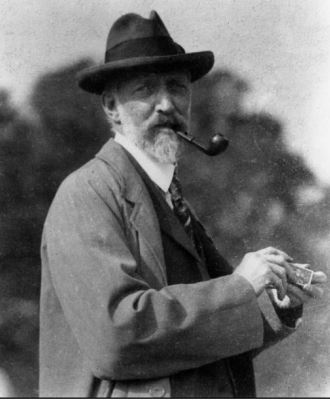
Percy Algernon Taverner – Bird Conservation Efforts
Percy Algernon Taverner Section 50, Lot 63 NE Born Percy Algernon Fowler in Guelph, Ontario in 1875 to Ida Van Cortland and her first husband, Taverner changed his name as…
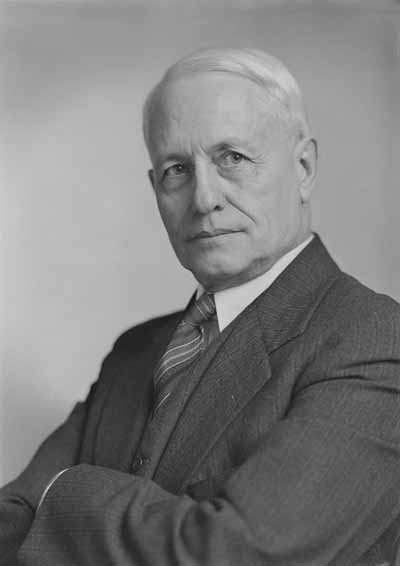
The father of National Parks – James Bernard Harkin
James Bernard Harkin Section 41, Lots 46 Ctr and 47 Ctr James Harkin was born in Vankleek Hill, On, January 30 1875. He worked as a newspaperman from 1893 until…

The Beechwood Personal Memory Book
Given how busy our lives can be, it is important to record and organize the relevant information, share memories and make your final wishes known to your loved ones. The…
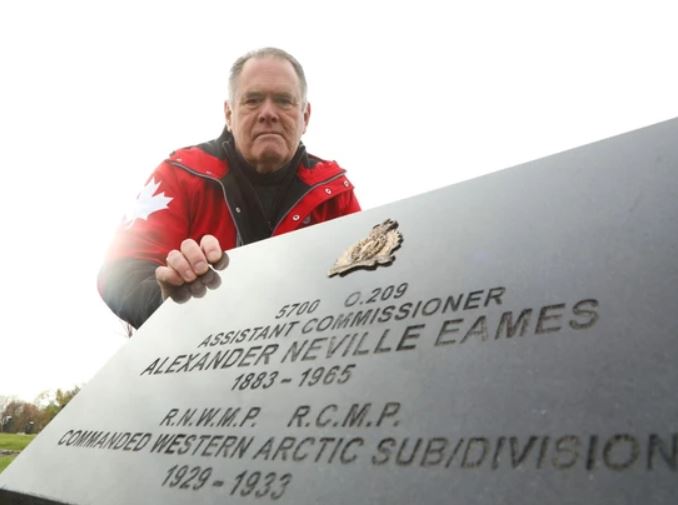
‘Buffalo Joe’ Healy’s tireless search for the RCMP buried and lost
In a section of Beechwood Cemetery devoted to the RCMP is the black granite headstone of Assistant Commissioner Alexander Neville Eames, who once commanded the force’s Western Arctic subdivision. A…
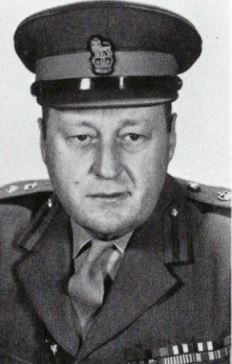
LGen Michael Reginald Dare – A Life of Military Service
LGen Michael Reginald Dare, DSO, CD Section 27, Range D, Grave 224 Michael Dare was born in Montreal August 7, 1917. He began his military career as a 2nd lieutenant…
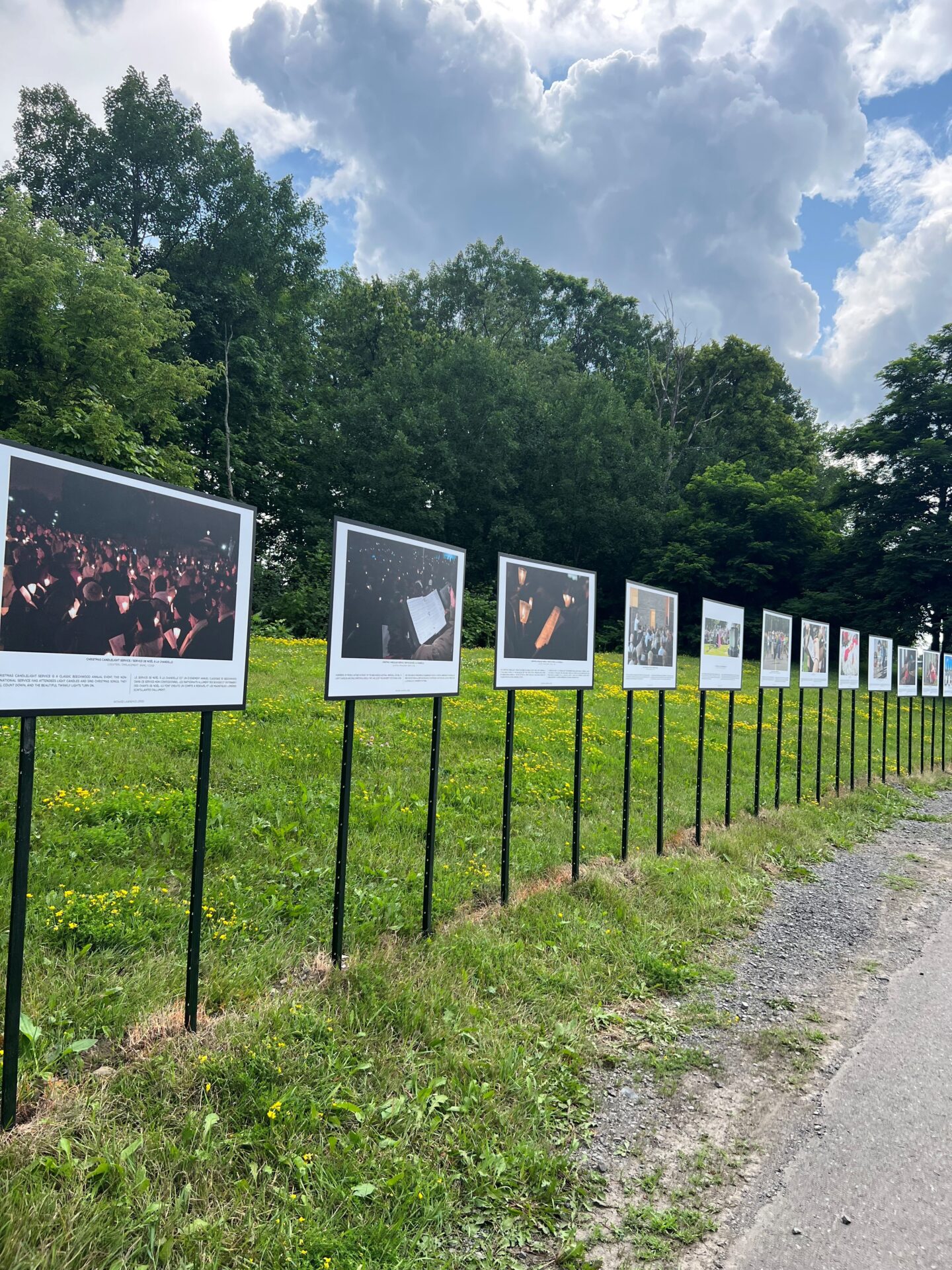
The Beechwood Way – Fall 2023 Vol.26
AS WE PREPARED for our 150th Anniversary, looking at what projects, programs and events we wanted to undertake, we didn’t factor in the tremendous support from each organization and community.…
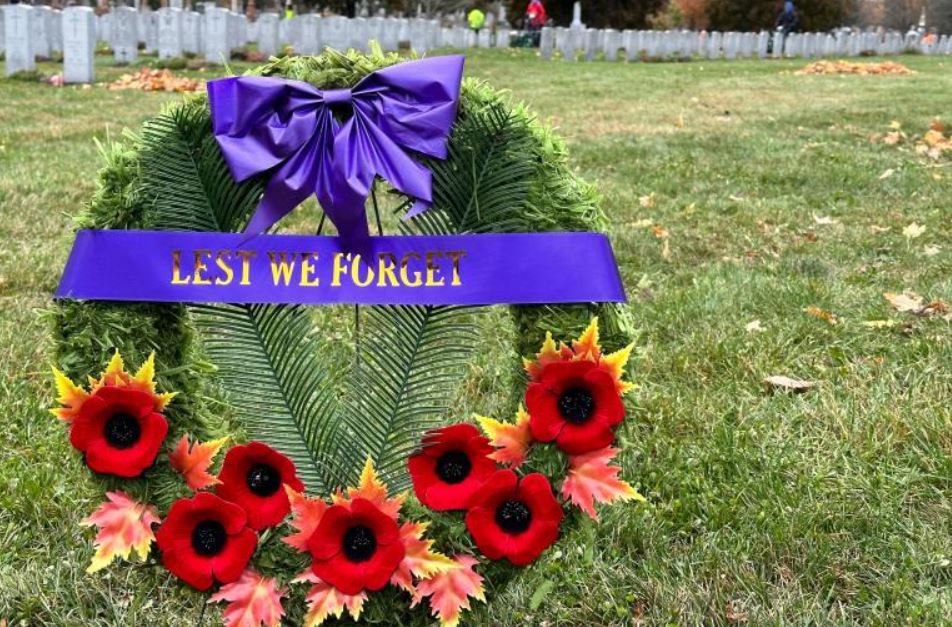
Ottawa Chapter gives back with Day of Tribute
Landscape Ontario members honoured and celebrated fallen Canadian soldiers veterans ahead of Remembrance Day at the Ottawa Chapter’s annual Day of Tribute event on Nov. 3, 2023. Each year, volunteers…
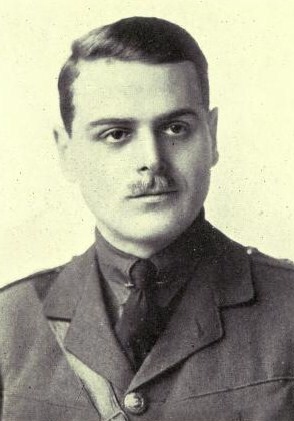
Warrior Poet – Arthur Stanley Bourinot
Arthur Stanley Bourinot Section 48, Lot 1 Born in Ottawa on October 3, 1893, Arthur Stanley Bourinot graduated from Ottawa Collegiate and went to Toronto to further his education at…
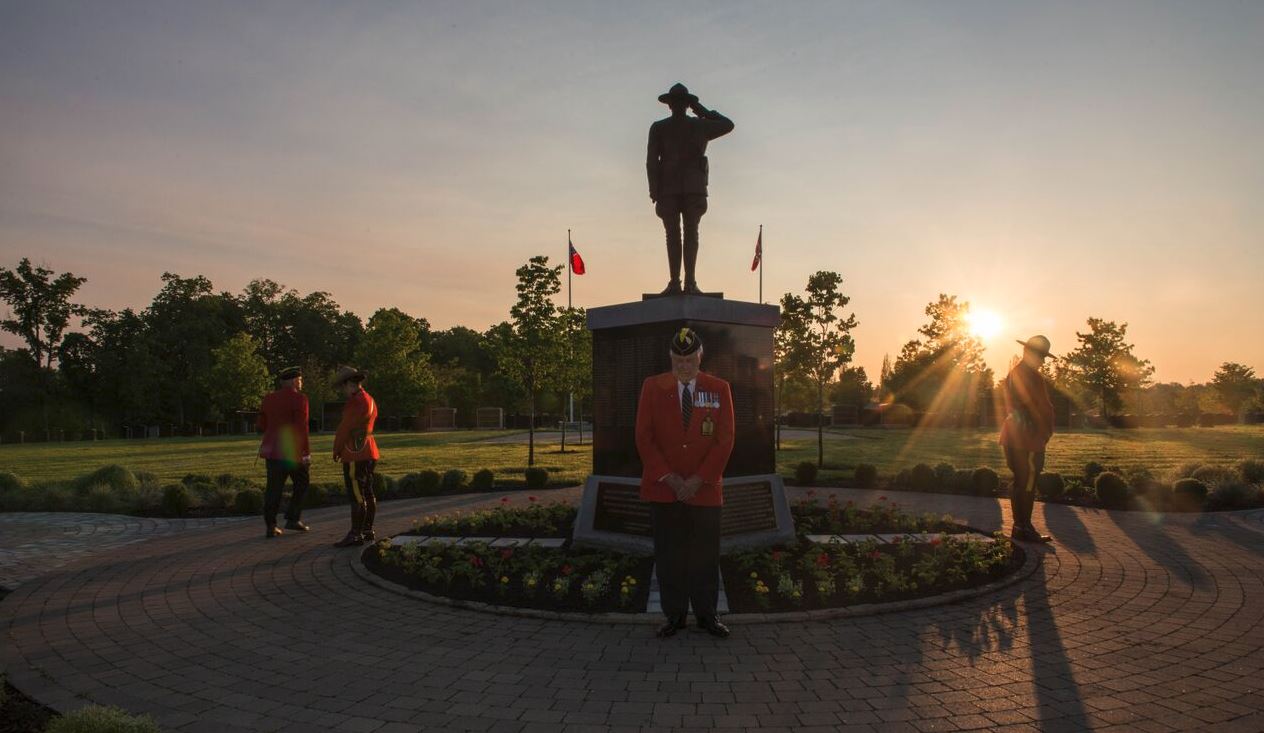
Beechwood celebrates 150 years of the RCMP, RCMP Veterans and their service to Canada.
2023 marks the 150-year anniversary of both Beechwood Cemetery and the Royal Canadian Mounted Police (RCMP). Each founded in 1873, Beechwood has been the final resting place for hundreds of…
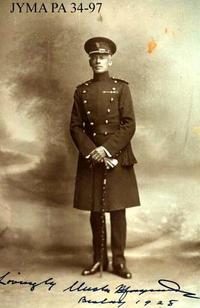
A life of military service: Samuel Maynard Rogers
Samuel Maynard Rogers was born in Plymouth, England on April 14, 1862, to Samuel Rogers and Elizabeth Maynard. He came to Canada with his parents in the late 1860s, and…
Remembrance Day at Beechwood Cemetery celebrates those who served
Join The Ceremonies on November 11th In the current heightened political climate brought on by the war in Ukraine and recent events in Israel it’s vital to remember just how…
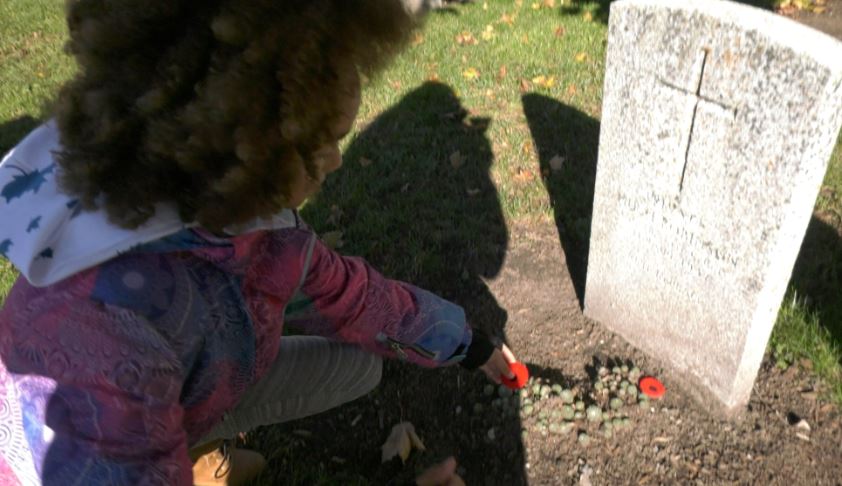
Ottawa Girl Guides honour fallen soldiers
On Saturday, Ottawa Girl Guides placed poppies on the headstones of fallen soldiers at the National Military Cemetery. It was part of a special ceremony marking the start of Veterans’…
Students honour fallen soldiers at Beechwood Cemetery
A solemn ceremony was held at Beechwood Cemetery in preparation for Remembrance Day. Grades 5 and 6 students from École élémentaire catholique Saint-François-d’Assise paid their respects by placing poppies on…
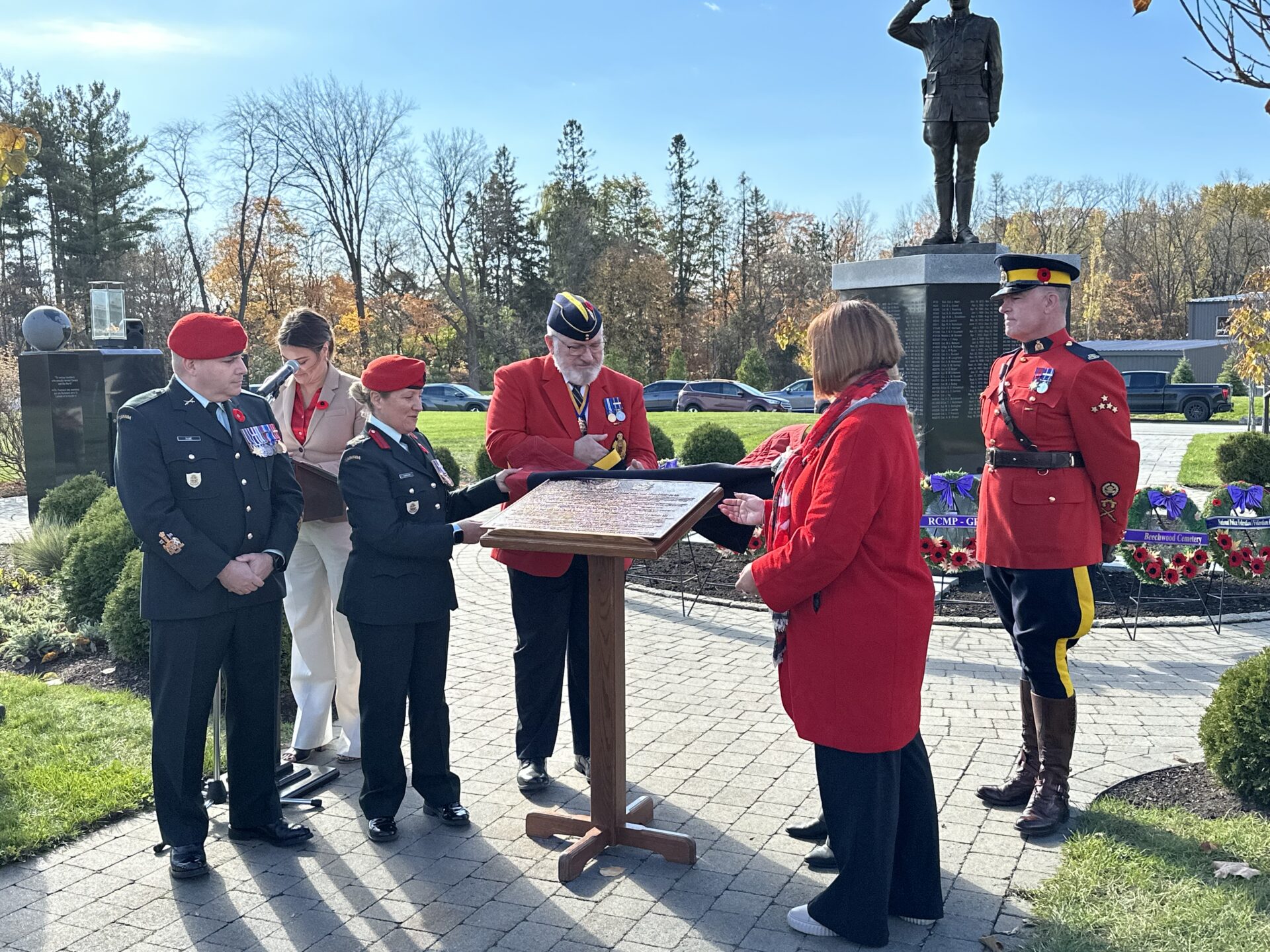
North-West Mounted Police – South African War 1899-1902 at RCMP NMC
On Sunday, November 5th 2023, the RCMP Veterans – Ottawa Division unveiled a new plaque to honour the service of the North-West Mounted Police – South African War 1899-1902. The plaque…
A remains significant name in Ottawa: Louis-Theodore Besserer
Louis-Théodore Besserer Section 41, Lot 95N The name of this soldier, politician and businessman remains significant in Ottawa, where his stately mansion still stands on 149 Daly Ave., and Besserer…
Support the CSIS National Memorial Cemetery at Beechwood
To honour that history and recognize the contribution to the Service, the CSIS National Memorial Cemetery Committee and CSIS have worked closely with Beechwood to develop a series of projects…
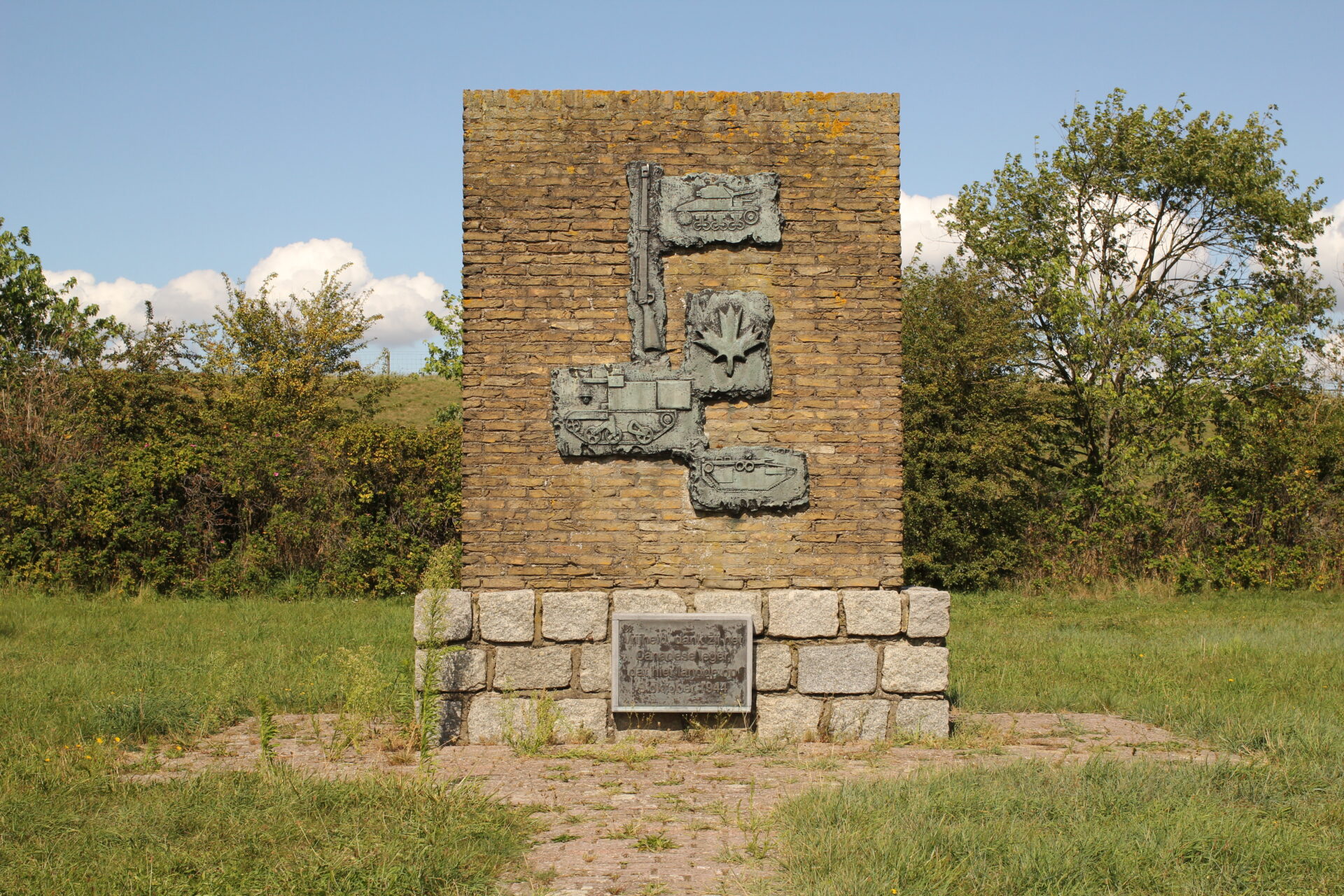
The Forgotten Battle Series-Ending November 18
The Forgotten Battle Series is a new educational program offered by Beechwood and a dedicated partner. The series looks to celebrate a moment in Canadian Military History and how that moment…
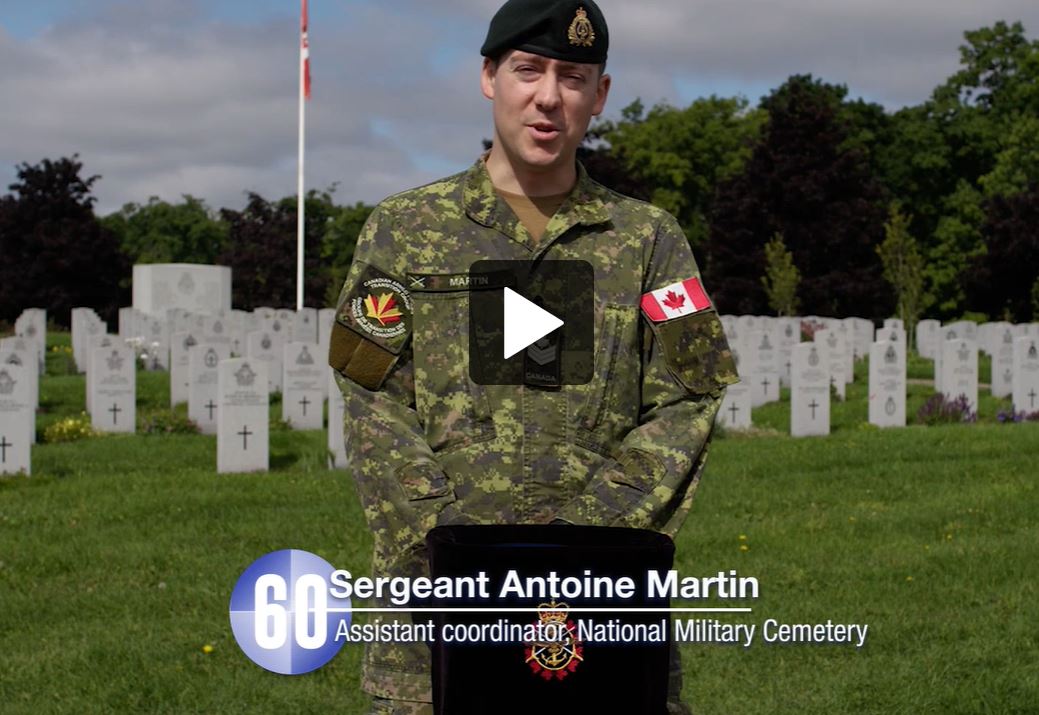
60 Seconds With Sgt Antoine Martin, National Military Cemetery Assistant Coordinator
Click here to watch the video. Good day everyone. I’m Sergeant Antoine Martin and I’m the Assistant Coordinator at the National Military Cemetery here in Ottawa and I’m ready to…
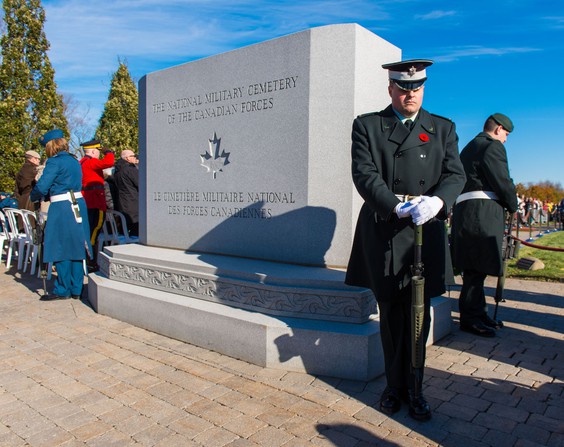
Commemorate Remembrance Day with Beechwood Cemetery
Veterans Week Activities Perfect Time to Explore History at Beechwood In the lead up to Veterans Week starting Nov. 5 that culminates with annual Remembrance Day celebrations, Canadians coast to…
Sustainability of the Urban Macoun Marsh and Environmental Restoration -SUMMER
In recent years, the Macoun Marsh has been overrun with cat tails – forcing turtles, frogs, and other marine life into a smaller and smaller area. The Beechwood Cemetery Foundation…
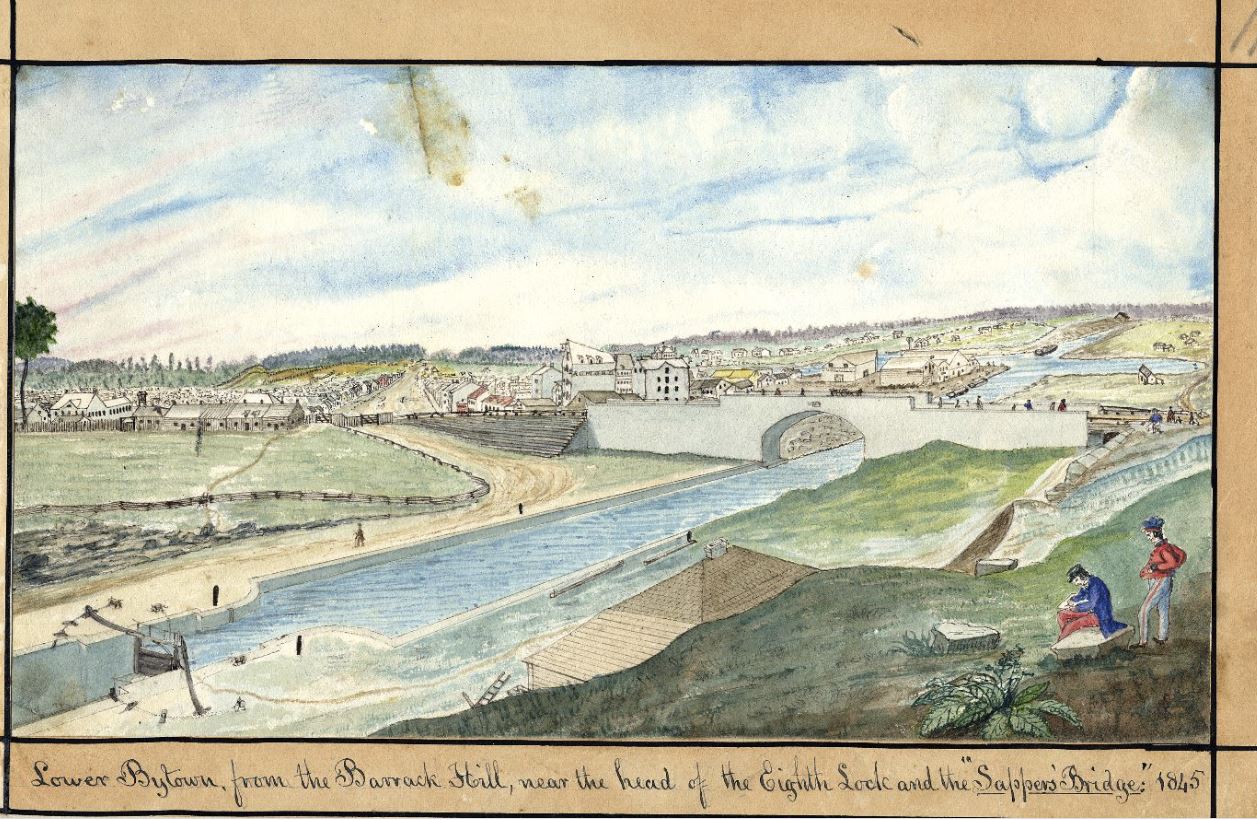
The long, strange journey of the bones of Barrack Hill
They were buried, then abandoned, then likely dug up and unceremoniously dumped under Queen Street, only to be rediscovered by perplexed construction workers nearly two centuries later. Thursday, the remains…
Latest reburial marks end of long, strange journey for Barrack Hill remains
They were buried, then abandoned, then likely dug up and unceremoniously dumped under Queen Street, only to be rediscovered by perplexed construction workers nearly two centuries later. Tomorrow, the remains…
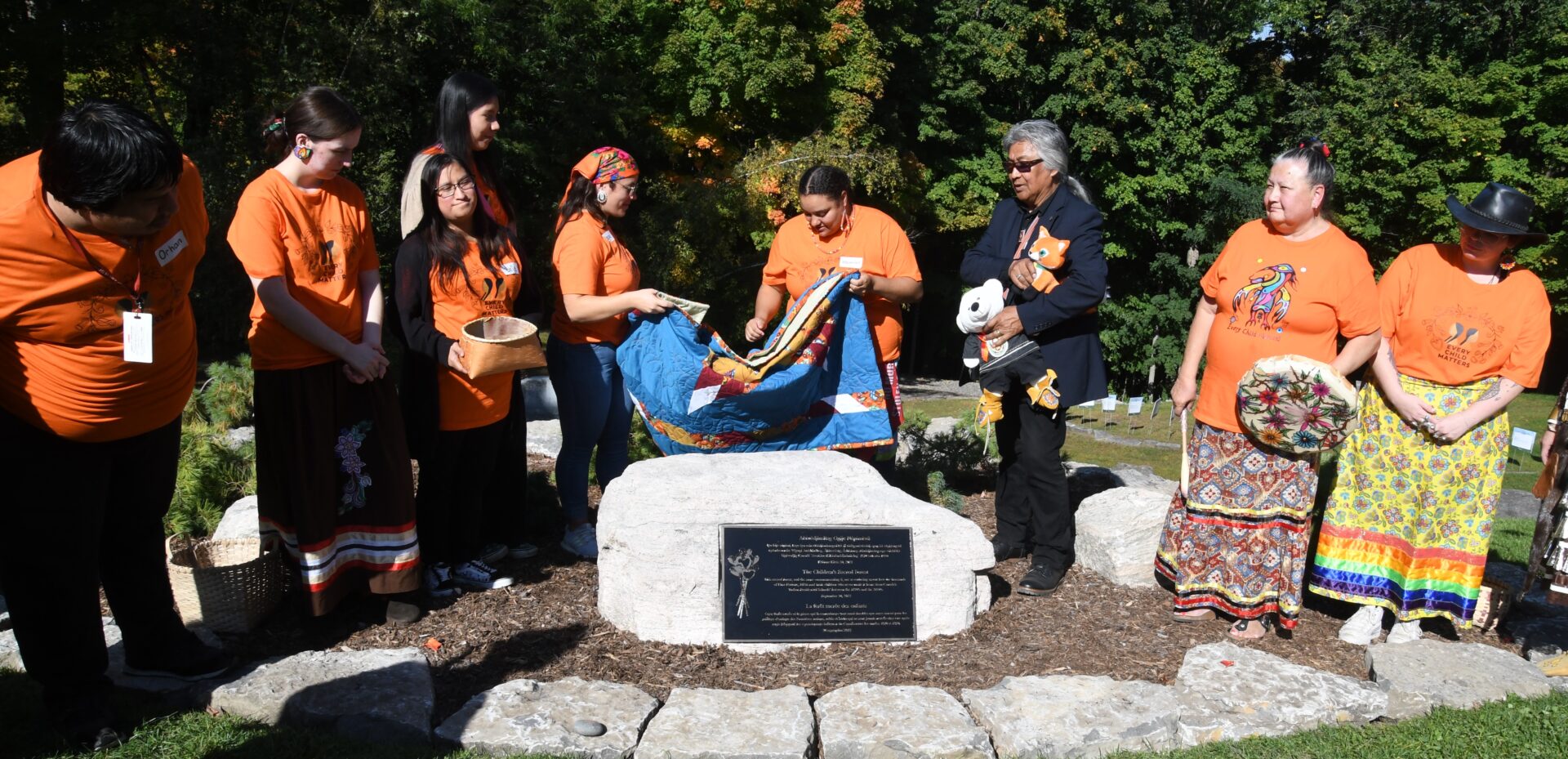
The Unveiling of the Children’s Sacred Forest
The trilingual plaque reads: This sacred forest, and the stone commemorating it, are as enduring as our love for thousands of First Nations, Métis and Inuit children who never made…
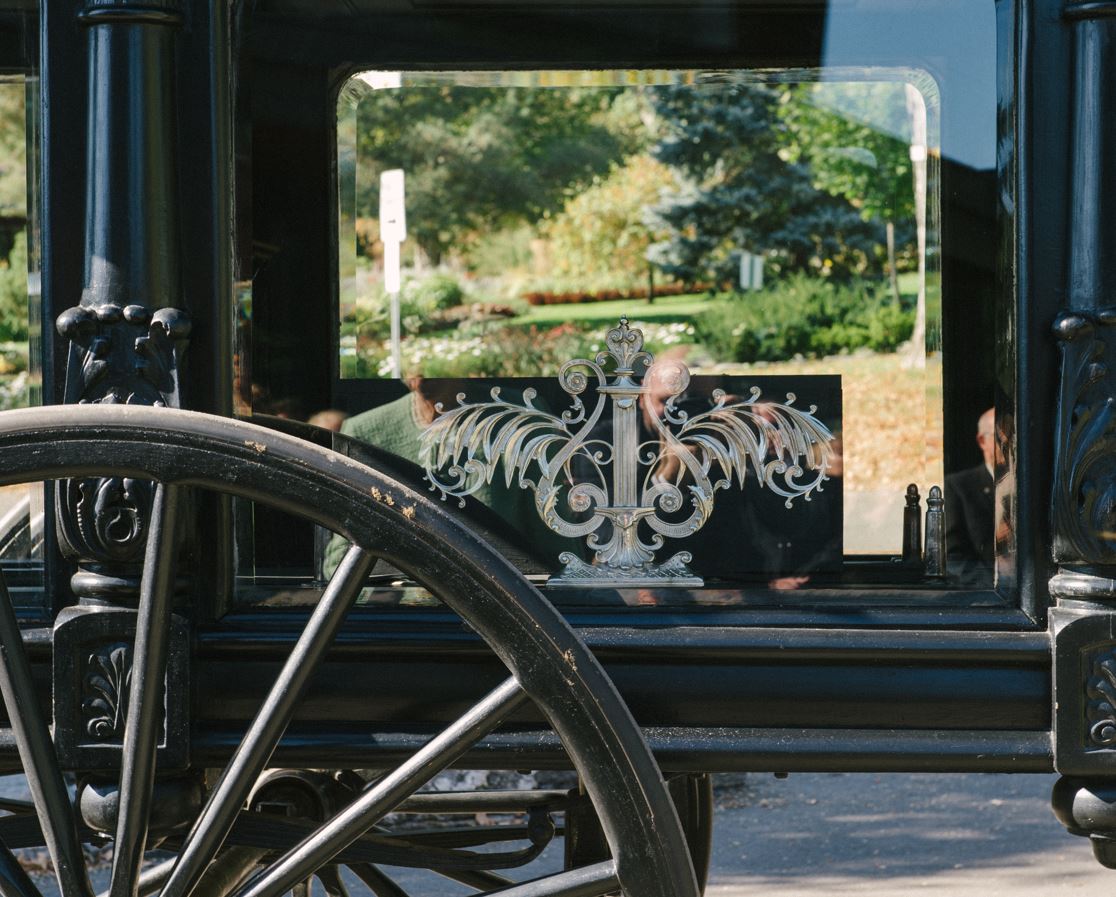
Third reinterment service for Barrack Hill Cemetery to be held at Beechwood Cemetery
October 5, 2023 – In September 2014, remains of the Barrack Hill Cemetery were uncovered in downtown Ottawa during construction excavation. This cemetery was a multi-faith place of burial used…
MPP Lucille Collard recognizes the 150th Anniversary of Beechwood Cemetery in the Ontario Legislator.
La députée provinciale Lucille Collard reconnaît le 150e anniversaire du cimetière Beechwood dans l’Assemblée législative de l’Ontario.
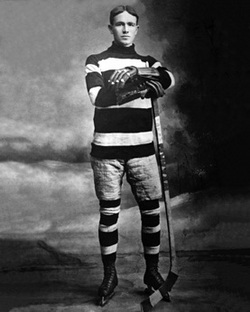
The Life and Legacy of Jack Darragh
John Proctor (Jack) DARRAGH Section 19, Lot 150 NW Born in Ottawa on December 4, 1890, Darragh began his hockey career playing for the city league’s Stewarton Hockey Club, where…
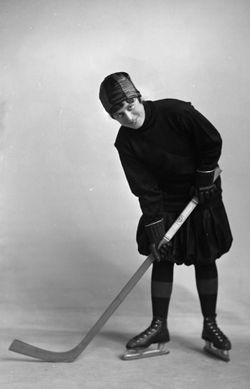
Queen of the Ice – Eva Catherine Buels
Eva Catherine Buels Section 29, Lot 43 E Born Eva Catherine Ault on October 11, 1891 in Aultsville, Ontario, she was raised in nearby Finch before the Aults moved their…
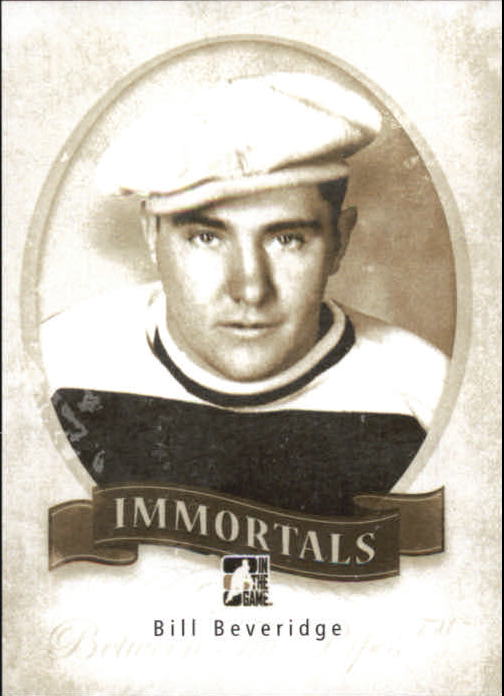
The Hockey Journey of Bill Beveridge
WILLIAM (BILL) BEVERIDGE Section 19, PC 427 Born in Ottawa on July 1, 1909, Bill Beveridge was an outstanding goaltender from an early age. He played with Shamrocks of the…
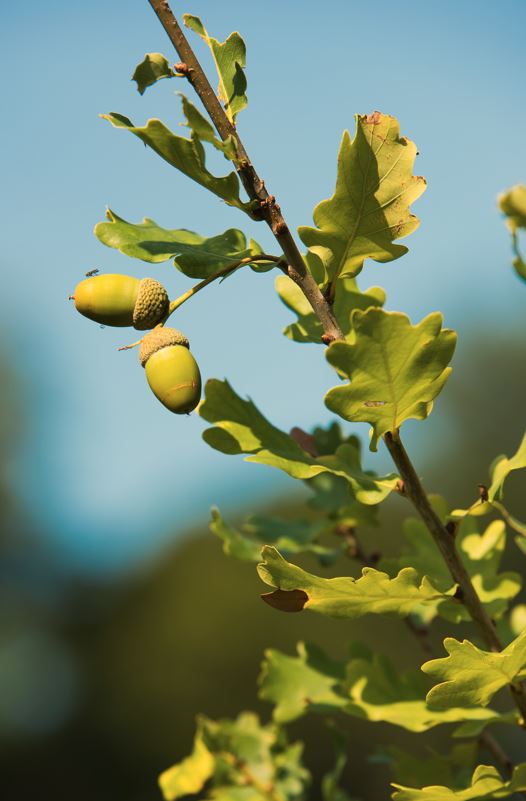
Vimy Oaks Trees at Beechwood
After the Battle of Vimy Ridge was won, many soldiers realized that they had been part of something truly great. Leslie Miller, born in 1889 in Milliken, ON, looked around…
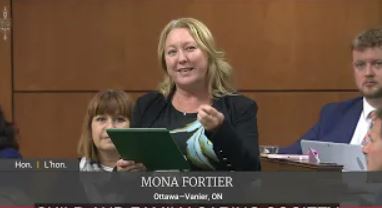
The Honourable Mona Fortier recognizes Beechwood Cemetery 150th Anniversary
On September 21 2023, the Honourable Mona Fortier, MP for Ottawa-Vanier recognized Beechwood Cemetery’s 150th Anniversary in the House of Commons. L’honorable Mona Fortier souligne le 150e anniversaire du Cimetière…
Support the Beechwood Cemetery Foundation!
Beechwood celebrates 150 years of serving families, the Ottawa community and Canada. Founded in 1873, the Beechwood Cemetery has served as place to commemorate historical figures, celebrate all cultures, and…
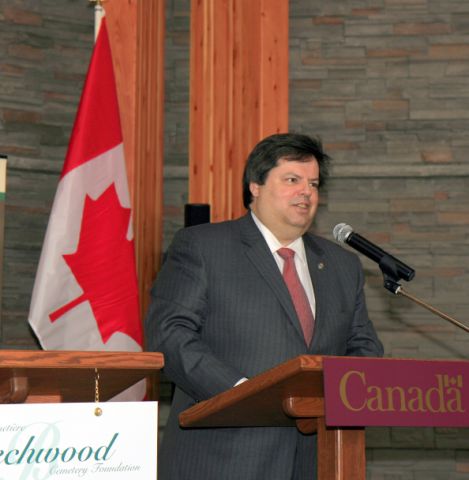
An politician, a champion for duelist rights, protection of equality and advocate for the National Cemetery of Canada. The Honorable Mauril Bélanger
The Honorable Mauril Bélanger Section 53, Lot 22E22W The Honorable Mauril Bélanger was born in Mattawa, Ontario, to Yolande (Dufour) Bélanger and Maurice Bélanger. He graduated from the University of…
Beechwood Cemetery honours Grete Hale, Joseph Currier with new plaques
More than 200 people were on hand Sunday for the unveiling of two plaques at Beechwood Cemetery to honour key builders of what is now the national cemetery of Canada.…
A pioneer business women, civil leader and philanthropist – Marguerite ‘Grete’ Ann (Morrison) Hale
Marguerite ‘Grete’ Ann (Morrison) Hale Section 39, Lot 17 Born May 11, 1929, in Ottawa, Marguerite Morrison was the second of three daughters born to Margaret Cotter and Cecil Morrison.…
The enthusiastic explorer of unknown Canada – John Macoun
John Macoun Section 39, Lot 73 S Born in Ireland in 1831, John Macoun was the son of a soldier who died when John was six years old. Educated in…
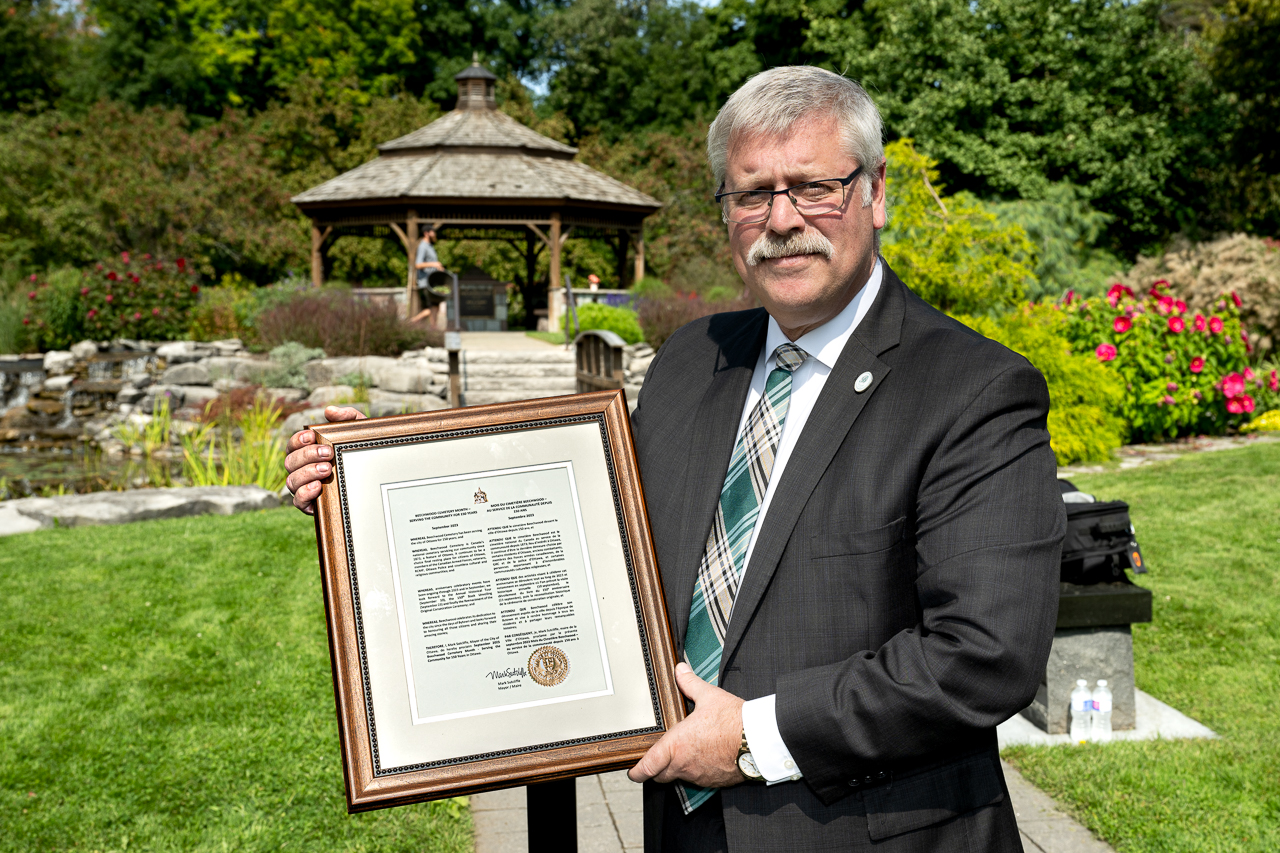
City of Ottawa proclaims September 2023 Beechwood Cemetery Month
BEECHWOOD CEMETERY MONTH – SERVING THE COMMUNITY FOR 150 YEARS September 2023 WHEREAS, Beechwood Cemetery has been serving the city of Ottawa for 150 years; and WHEREAS, Beechwood Cemetery is…
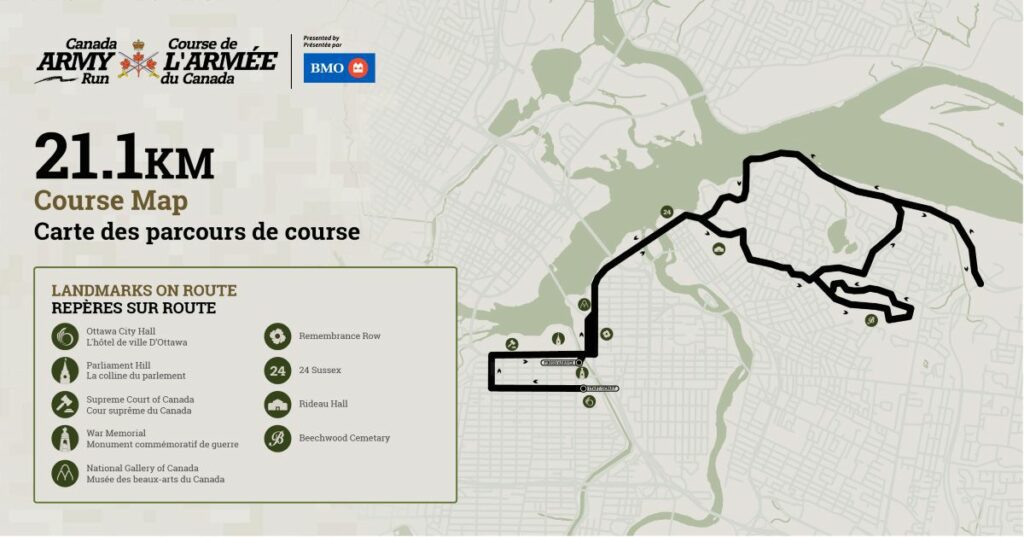
Canada Army Run unveils new half-marathon route
Organizers of next month’s Canada Army Run in Ottawa have unveiled the event’s half-marathon course, a route that will treat runners to great views of some of the capital’s most…
Beechwood’s Annual Historical Tour – A Walk through 150 Years
Join us, as we honour five people who have not only impacted the world around them but also the landscape of Beechwood Cemetery. Starting with Beechwood’s founder and moving through…
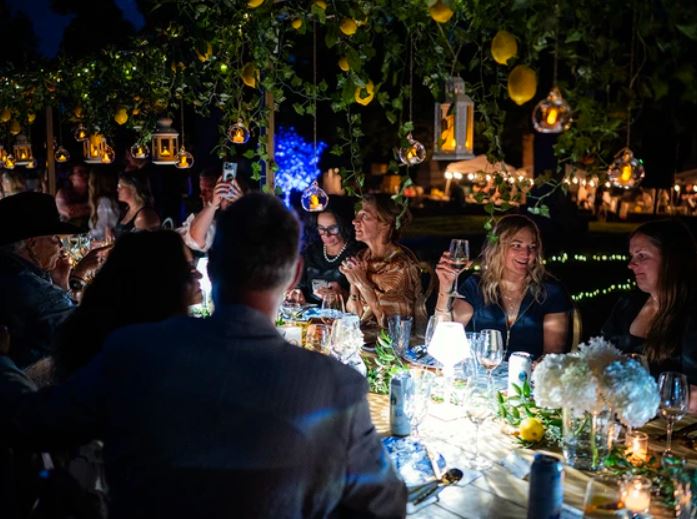
Social Scene – Community Builders: Partage at Beechwood
“Every cent donated goes to buying food,” Andrée-Anne Martel, executive director of the Vanier Community Services Centre, said as she addressed the crowd at the fundraising event Partage at Beechwood…
The Beechwood Way – Summer 2023 Vol.25
A 150TH ANNIVERSARY is a milestone moment, and Beechwood Cemetery has celebrated and honoured every one of the 150 years. We have had the opportunity to welcome new groups for…
Joseph Kun: Master Craftsman and Innovator
JOSEPH KUN Section 51S, Lot 578 Born on April 13, 1930 in Czechoslovakia, Joseph Kun was a renowned craftsman known for creating violins and violin bows for international classical musicians,…
The Life and Music of an Organist and Composer Dr. John William Bearder
Dr. John William Bearder Section 50, Lot 63 SW Born in Bradford, Yorkshire, England on December 26, 1873, John William Bearder was an organist and composer. His musical talents became…
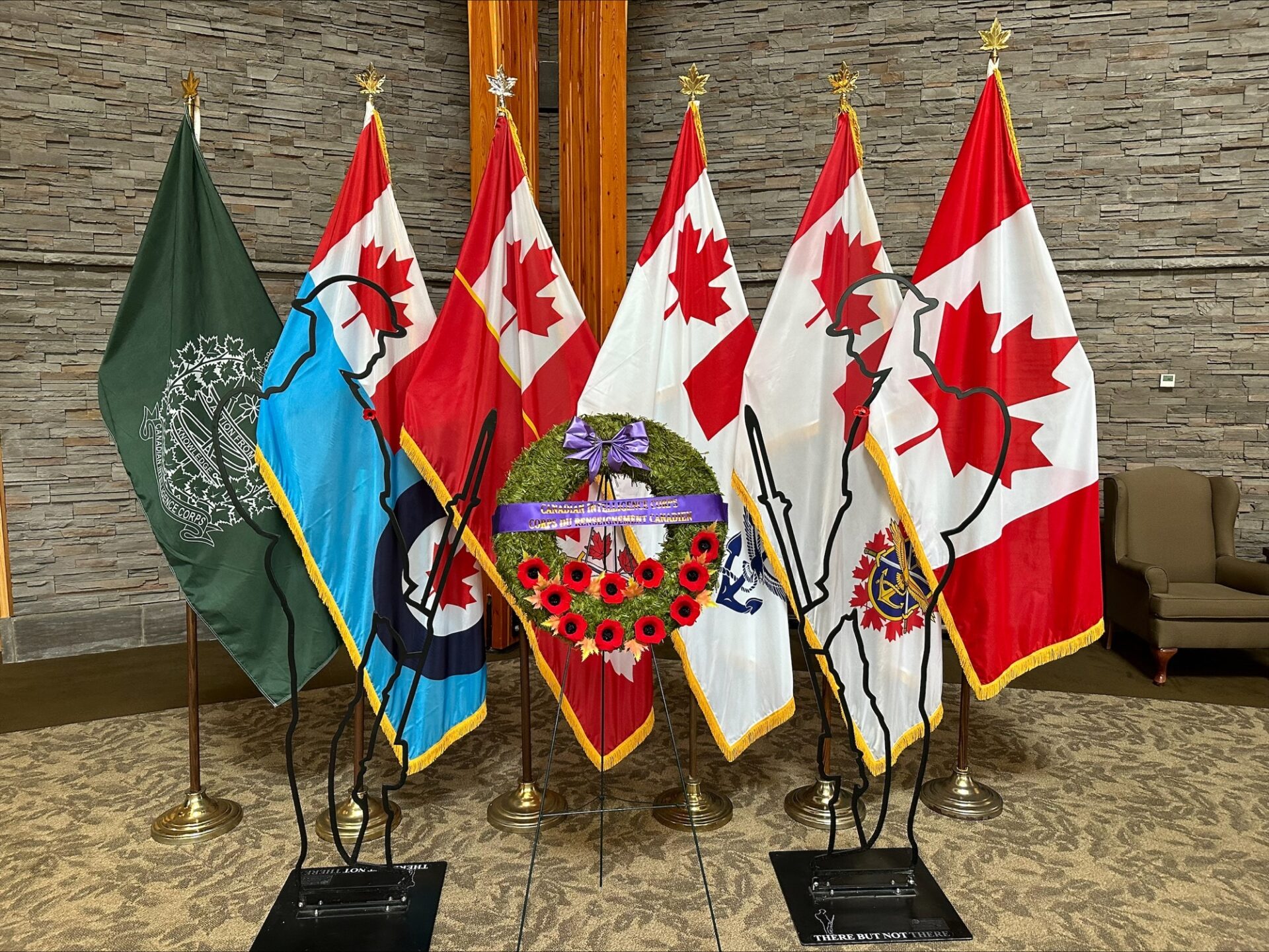
Amiens Day
Amiens Day holds a special place in both the heart of the Canadian Intelligence Corps (C Int C) and with the nation. As you may recall, it is a uniquely…
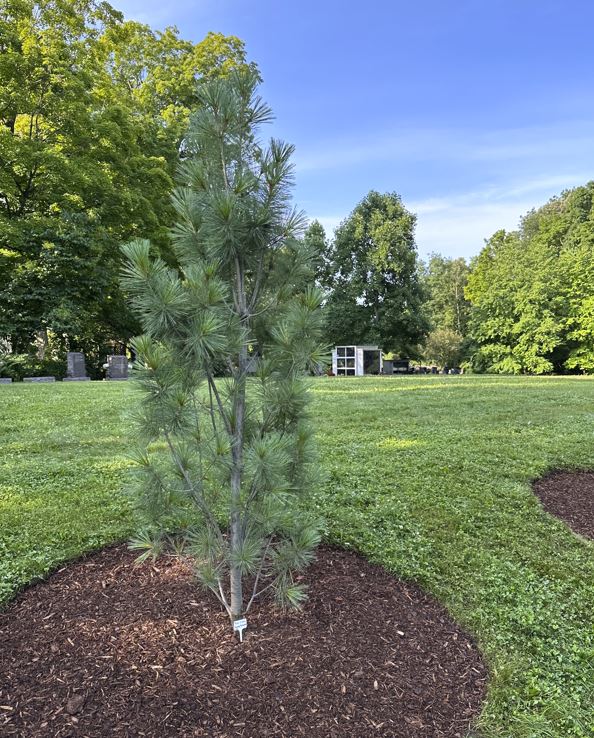
In The Gardens: Bennett’s Fastigiate White Pine
Bennett’s Fastigiate White Pine is a dwarf variety with many appealing attributes. Branches aim skyward, so trees stay narrow and make a valuable contribution to tight spots that need a…
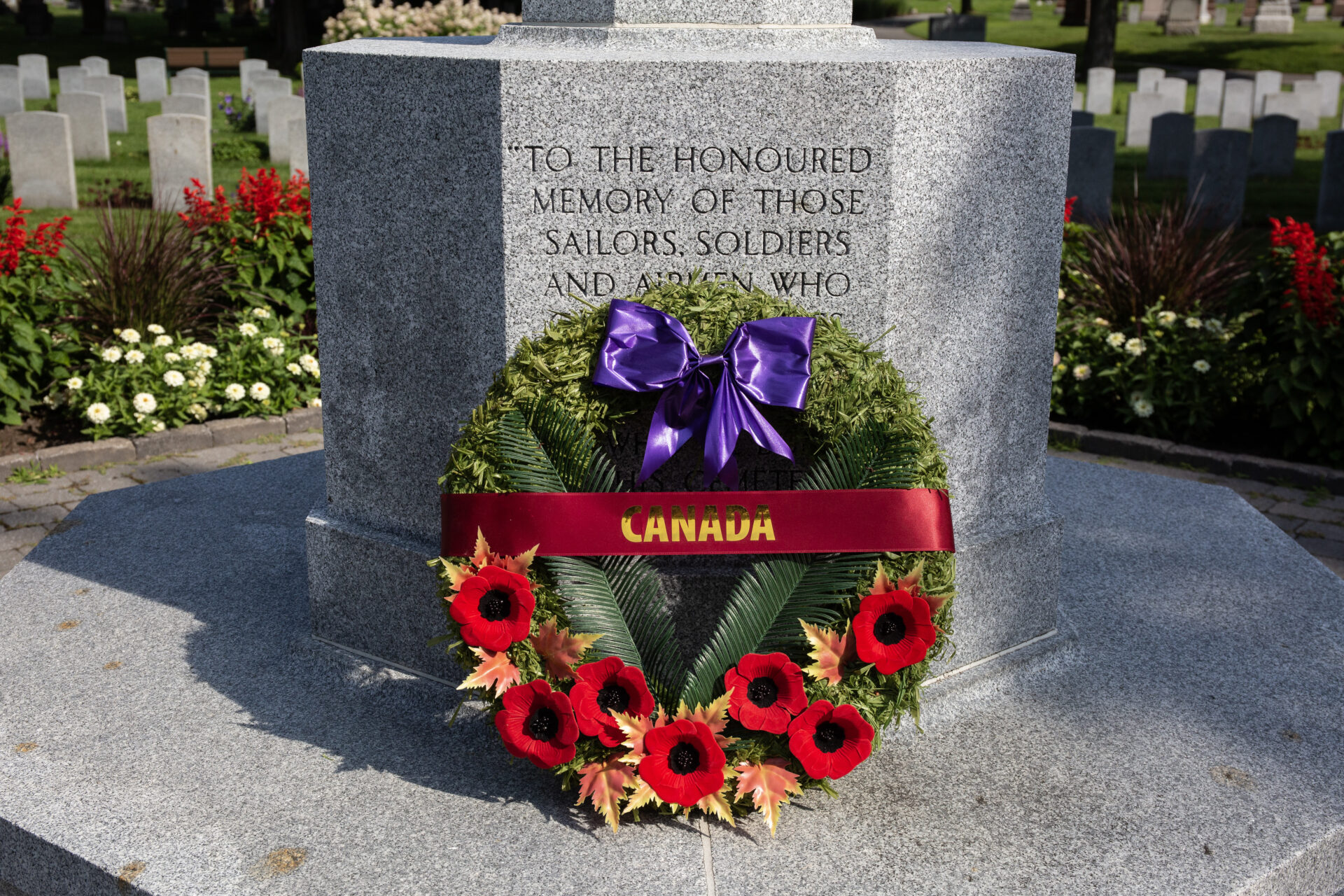
The Honourable Ginette Petitpas Taylor, Minister of Veterans Affairs and Associate Minister of National Defence honours the sacrifice of all Canadian Armed Forces, Veterans, and their families.
August 2 2023 – The National Military Cemetery, Beechwood Cemetery was honoured to welcome The Honourable Ginette Petitpas Taylor, Minister of Veterans Affairs and Associate Minister of National Defence for…
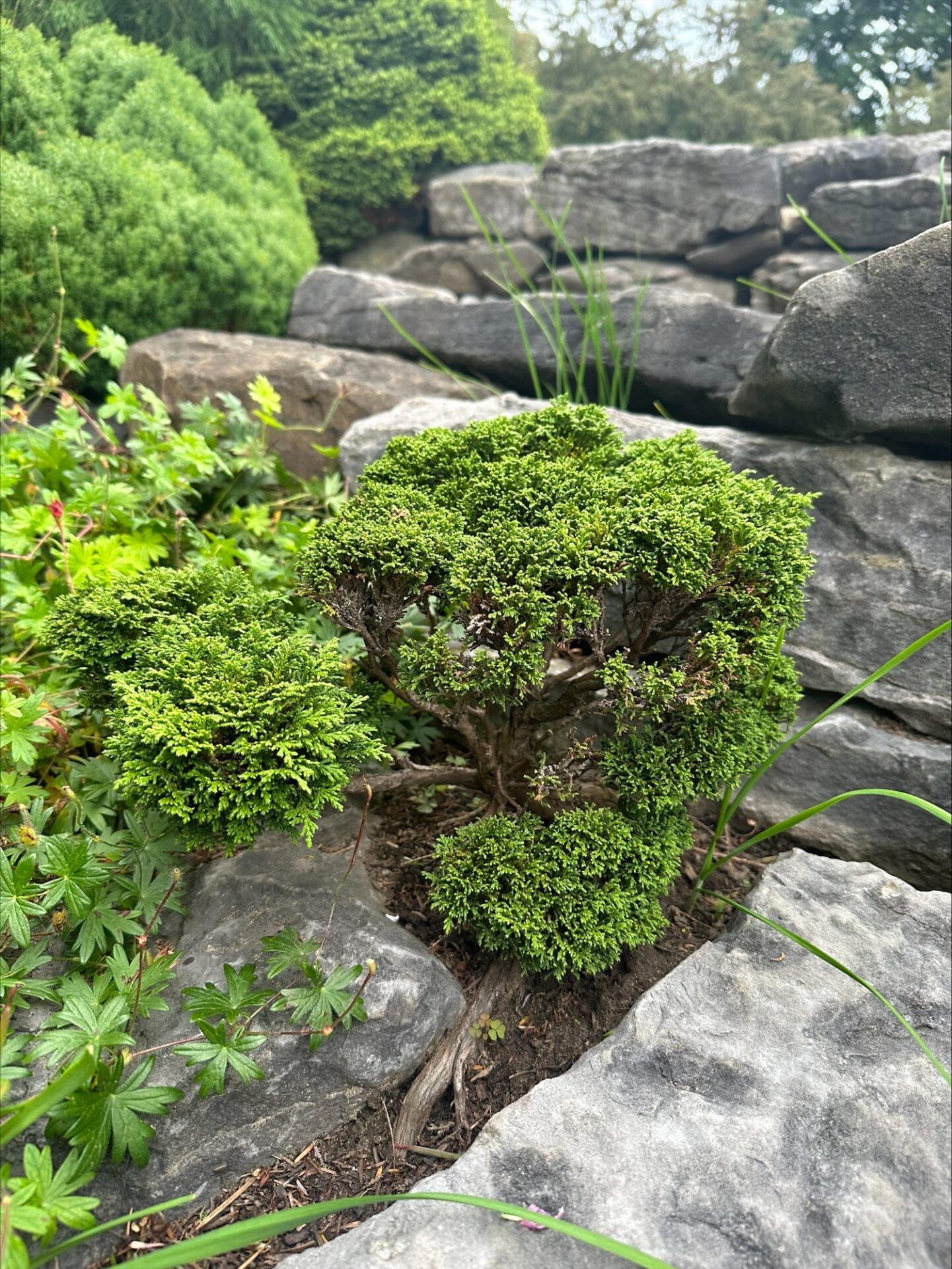
In the Gardens: Tsukumo False-cypress – Chamaecyparis pisifera Tsukumo
‘Tsukumo’ is a dwarf evergreen shrub that is very slow-growing and will reach only 10 inches in 10 years. Its form is rounded and flat-topped and grows wider than tall.…
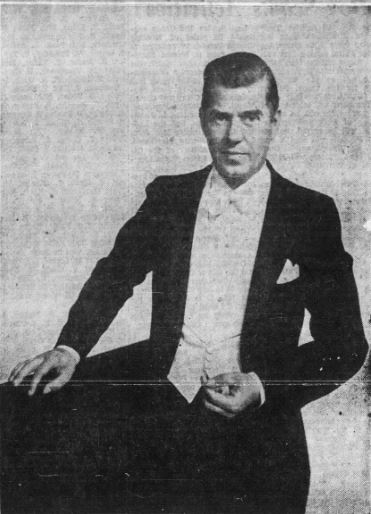
Rex Lelacheur, a composer, singer, and choir conductor
Rex Lelacheur Corridor AA, Niche 41D (Mus) Born in Guernsey in the Channel Islands on January 5, 1910, Lelacheur was a composer, singer and choir conductor. He studied first in…
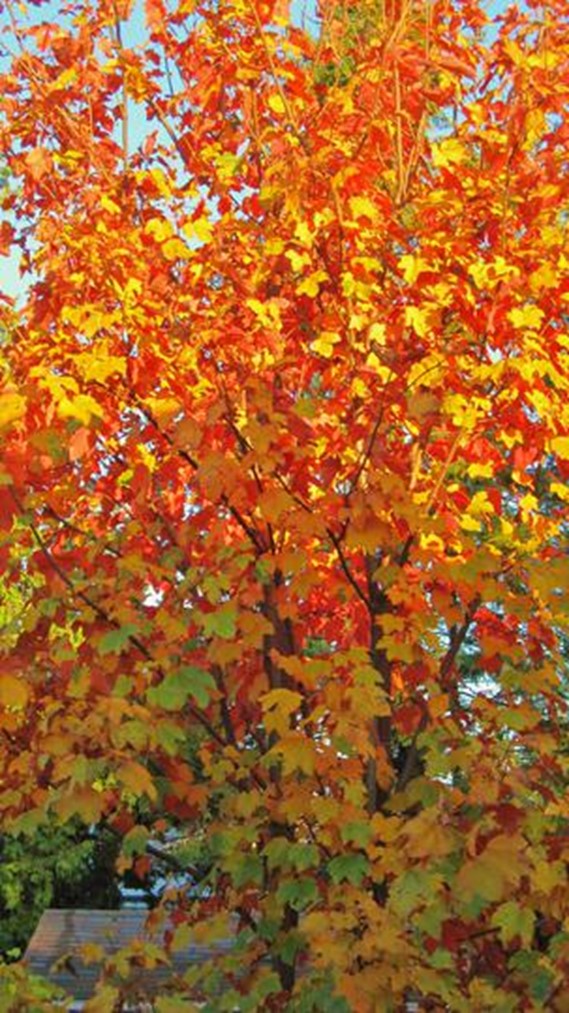
In the Gardens – A Vimy Maple – Tunpetti Sycamore Maple
Regal Petticoat Maple was selected as part of The Vimy Centennial Commemorative Canadian Maple Tree Collection. Regal Petticoat Sycamore Maple has dark green foliage with deep purple undersides which starts…

Explorer, Surveyor and Legend – Albert Peter Low
Albert Peter Low Section 48, Lot 14 NW Albert Peter Low, born in Montreal on May 24, 1861 and educated at McGill University, led a life that legends are made…
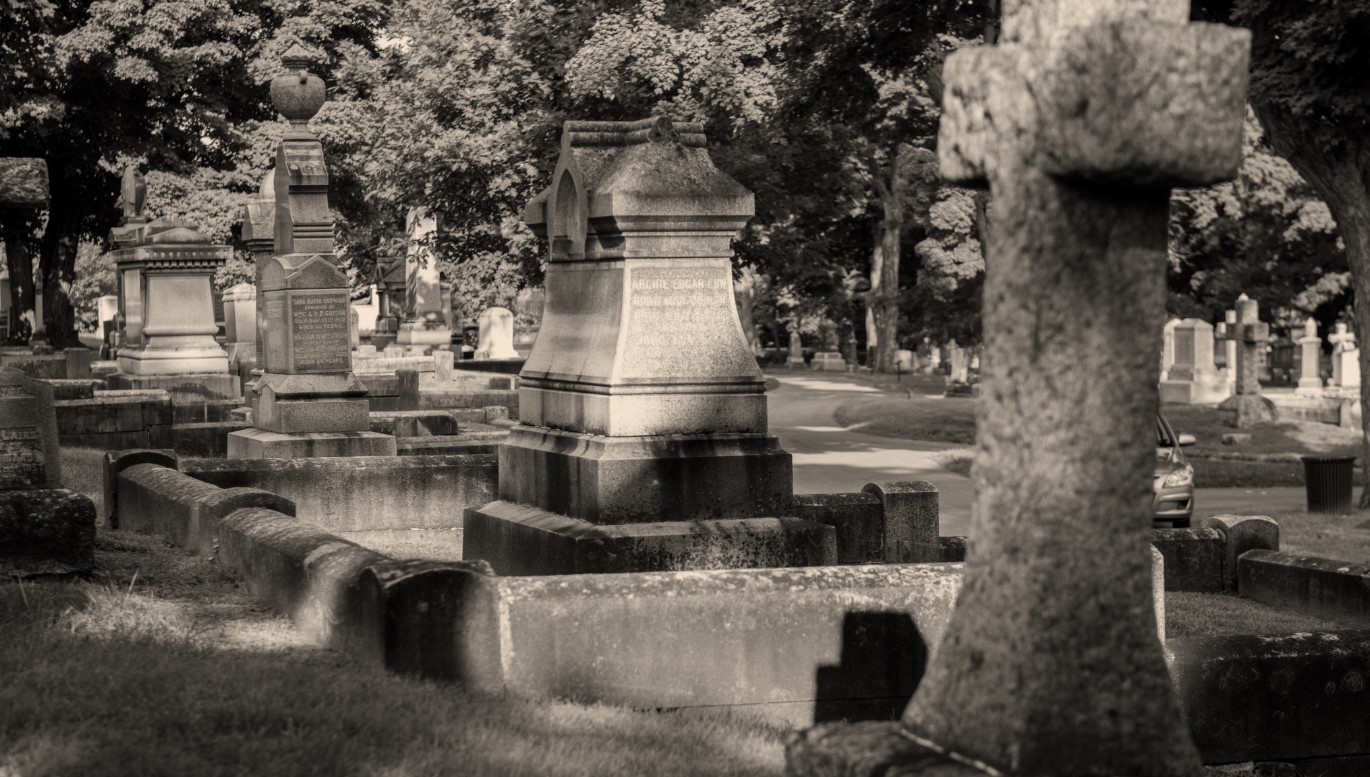
Celebrating 150 years of history at Beechwood Cemetery
In 1873 — just 18 years after Bytown officially became Ottawa — Beechwood Cemetery was established with a groundbreaking commitment. It was determined that this final resting place would not…
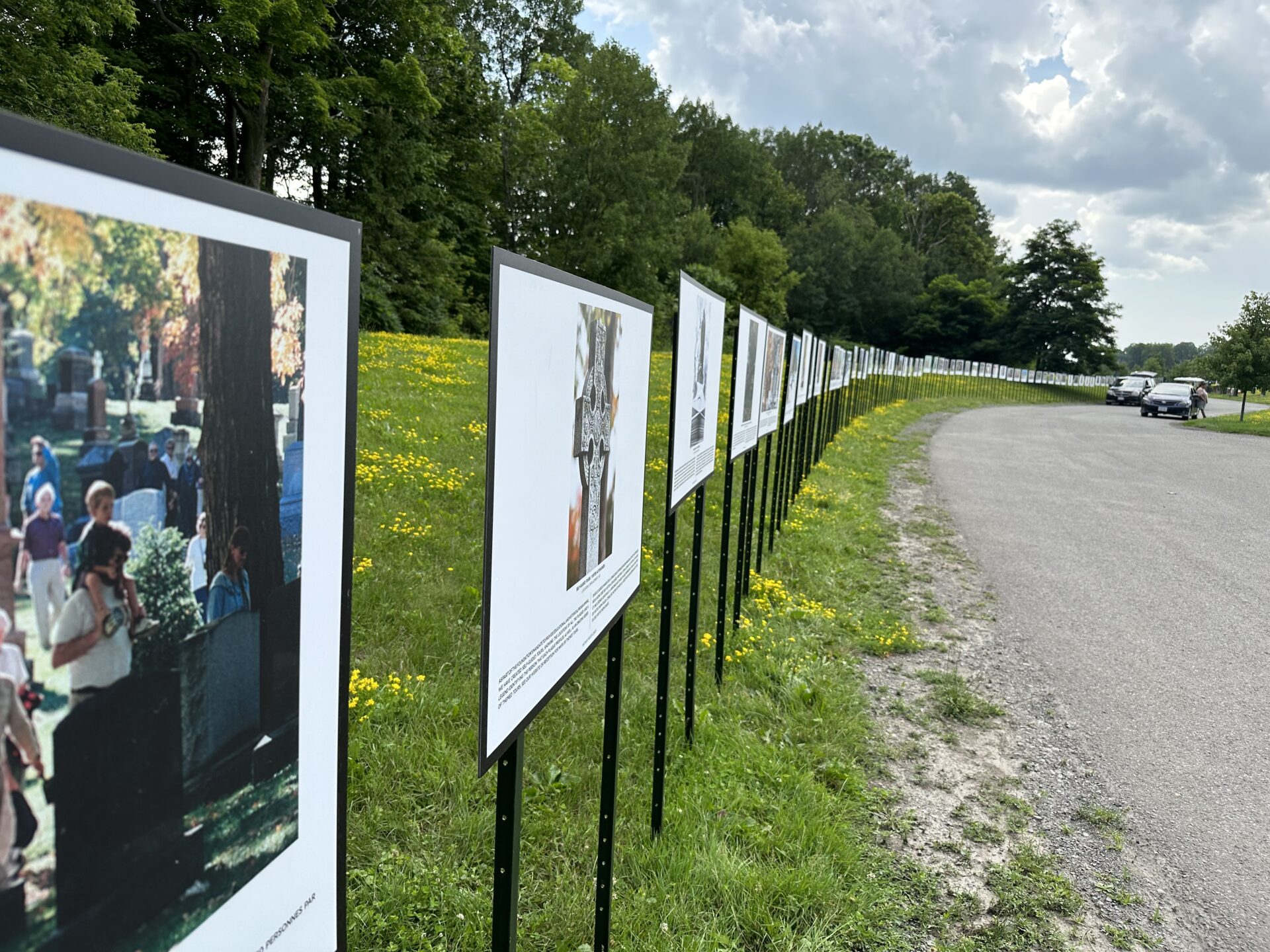
150 Pictures – A Visual Walkthrough 150 Years of Beechwood Cemetery
Beechwood Cemetery has launched the 150 anniversary Picture Gallery. This Picture Gallery celebrates the history of Beechwood from the very beginning in 1873 to the present day. Our 150 curated…
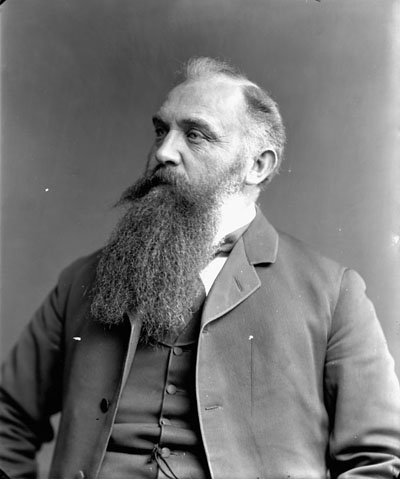
Surveyor, Astronomer and Explorer: Otto Julius Klotz
Otto Julius Klotz – Section 41, Lot 55 NE Born in Preston, Canada West on March 31, 1852, Otto Klotz received his early education at Galt Grammar School, and in…
Artic Explorer and Scientist: Dr. Rudolph M. Anderson
Dr. Rudolph M. Anderson Section 23, Grave 10 (Mil & Sci) Born in Decorah, Iowa in 1876, not much is known about Rudolph Martin Anderson early life. In 1898 he…
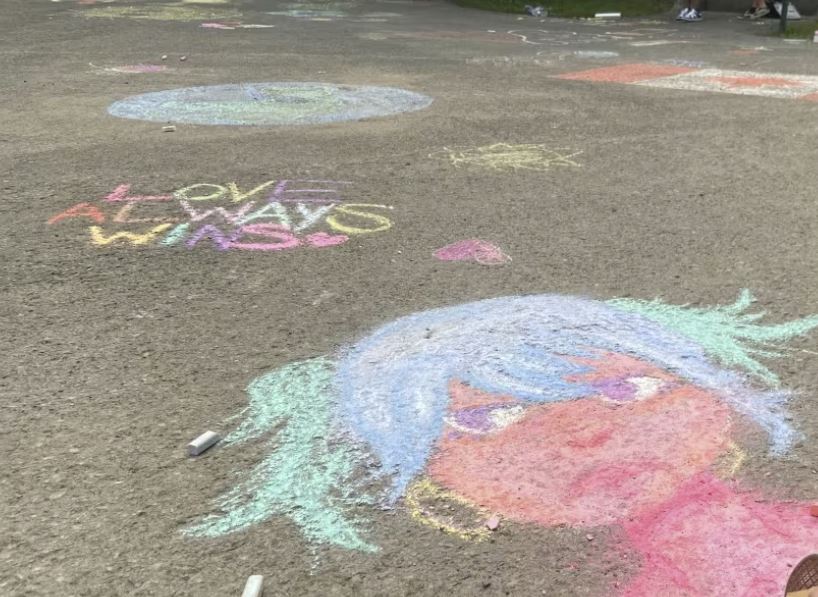
Chalk art fundraiser, world record attempt brightens Beechwood Cemetery
Over 100 people — including nearby residents, artists and volunteers — put chalk to asphalt at Beechwood Cemetery over the weekend in an effort to beat a Guinness World Record…

Interments at Beechwood Cemetery
We are honored you have chosen Beechwood Cemetery as the final resting place for your loved one. Here is what to expect at the time of the interment/inurnment. We ask…
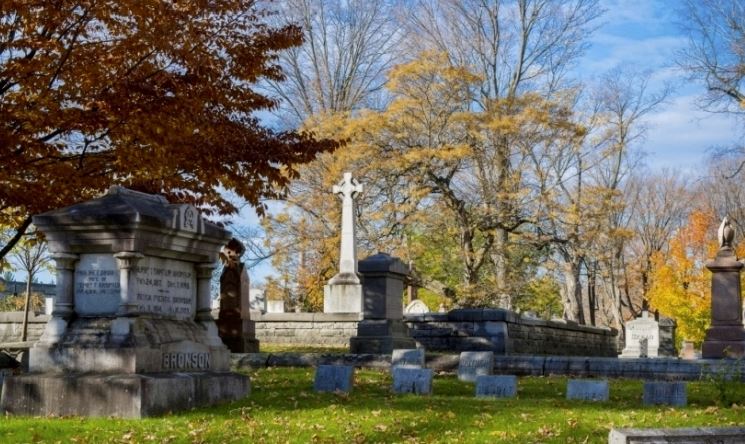
Sanford Fleming Family Burial Plot
The most notable occupant of the plot is Sir Sanford Fleming (1827-1915), the originator of standard time, implemented on 1 January 1885, alluded to above. The thought of an era…
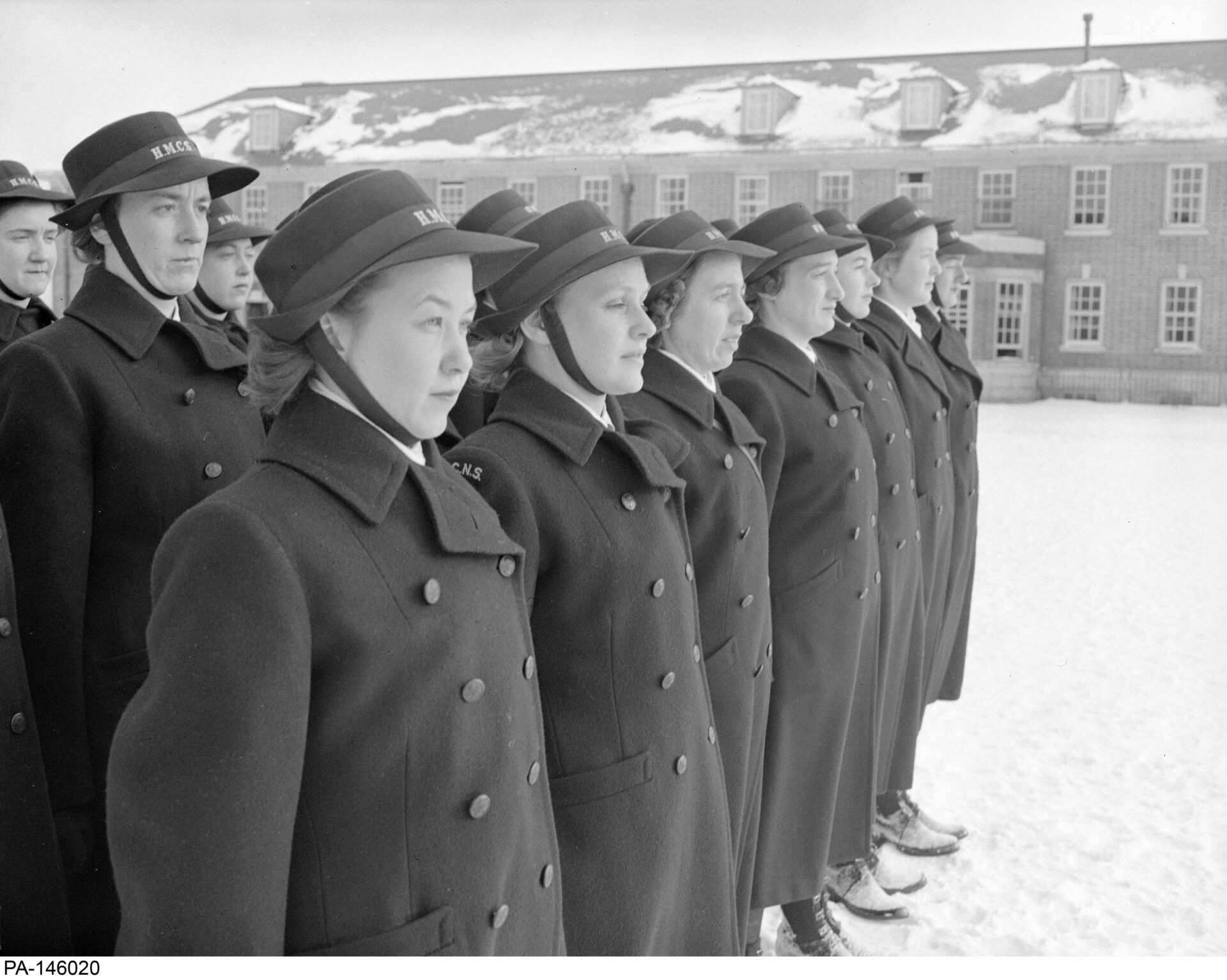
Chief Librarian and Protector of Information: Ruth Margaret Spencer
Ruth Margaret Spencer – Section 27, F, grave 274 Ruth Margaret (Church) Spencer was born in Montreal on March 3rd 1919. She attended McGill University and graduated in 1940 with…
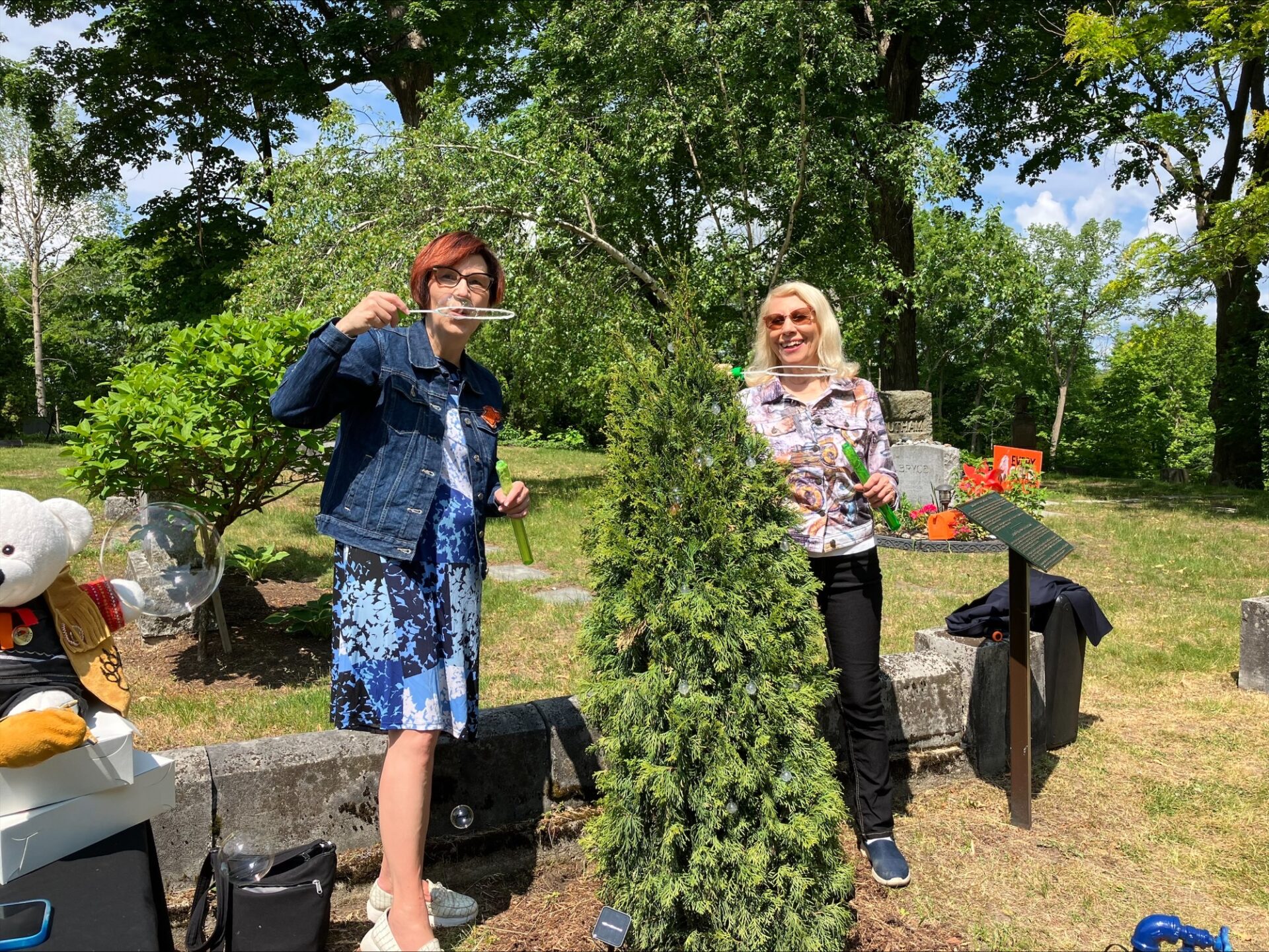
The Cedars for Bryce and 94 Calls to Action Lights
The First Nations Child & Family Caring Society, alongside Beechwood Cemetery Foundation, will gather at Beechwood Cemetery to honour Dr. P.H. Bryce and shed light on the work that’s yet…
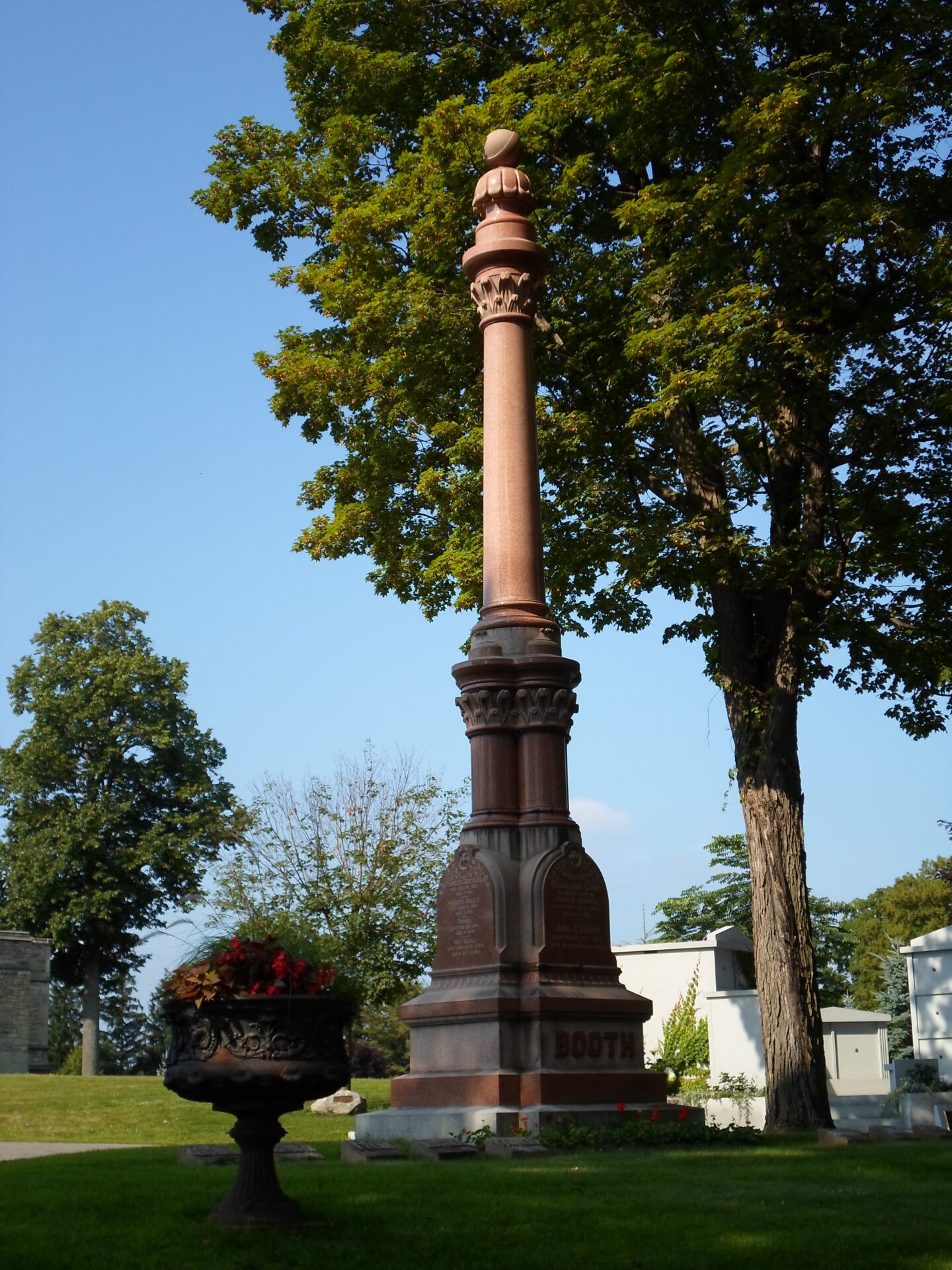
The tallest Monument: The Booth Family plot
At the highest point in Beechwood stands the Cemetery’s tallest monument. This monument marks the Booth Family plot, which is in a section of its own just north of the…
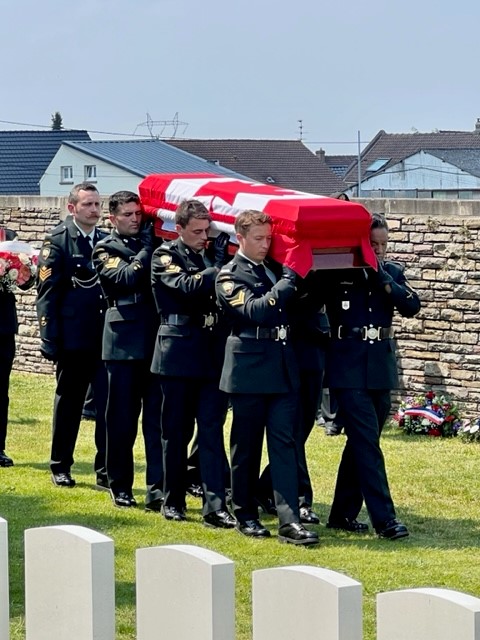
Three Canadian soldiers of the First World War laid to rest in France – National Defence Casualty Identification Program
Three Canadian soldiers of the First World War, Private Harry Atherton, Corporal Percy Howarth, and Sergeant Richard Musgrave, were laid to rest with military honours at Loos British Cemetery, Loos-en-Gohelle,…
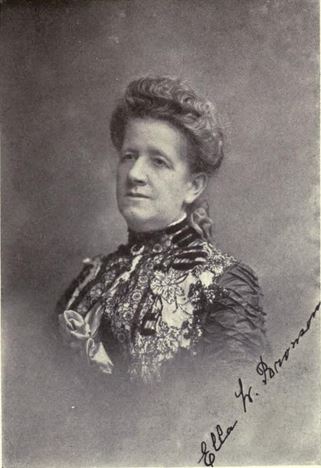
Civic Leader and Women’s Health Pioneer: Ella Hobday Webster Bronson
Section 50, Lots 119, 120, 128 Ella Hobday Webster was born on September 1, 1846 in Portsmouth, Virginia to Nathan Burnham Webster a prominent Southern American educator. The family moved…

Spies in the Cemetery – The Bridge in the Parks
Beechwood Cemetery Foundation and the Pillar Society are proud to present an evening talking about The Five Eyes intelligence alliance. Join us as Dennis G. Molinaro (Editor of The Bridge…
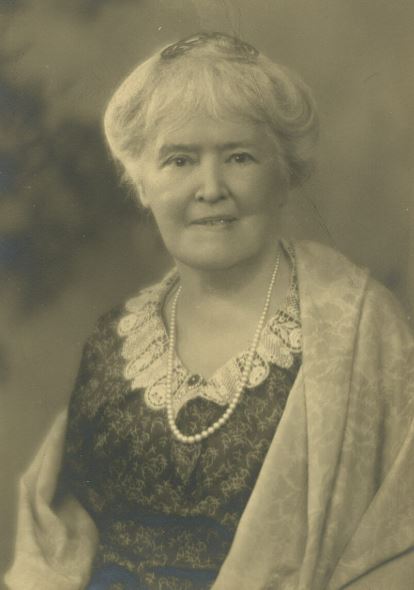
An Artist, Curator and Historical Pioneer – Jenny Russell Simpson
Jenny Russell Simpson – Section 41, Lot 120 NW Jenny (Jeanette) Russell Simpson was born in Montreal in 1847 to Andrew Russell, commissioner of Crown Lands. She was an artist,…
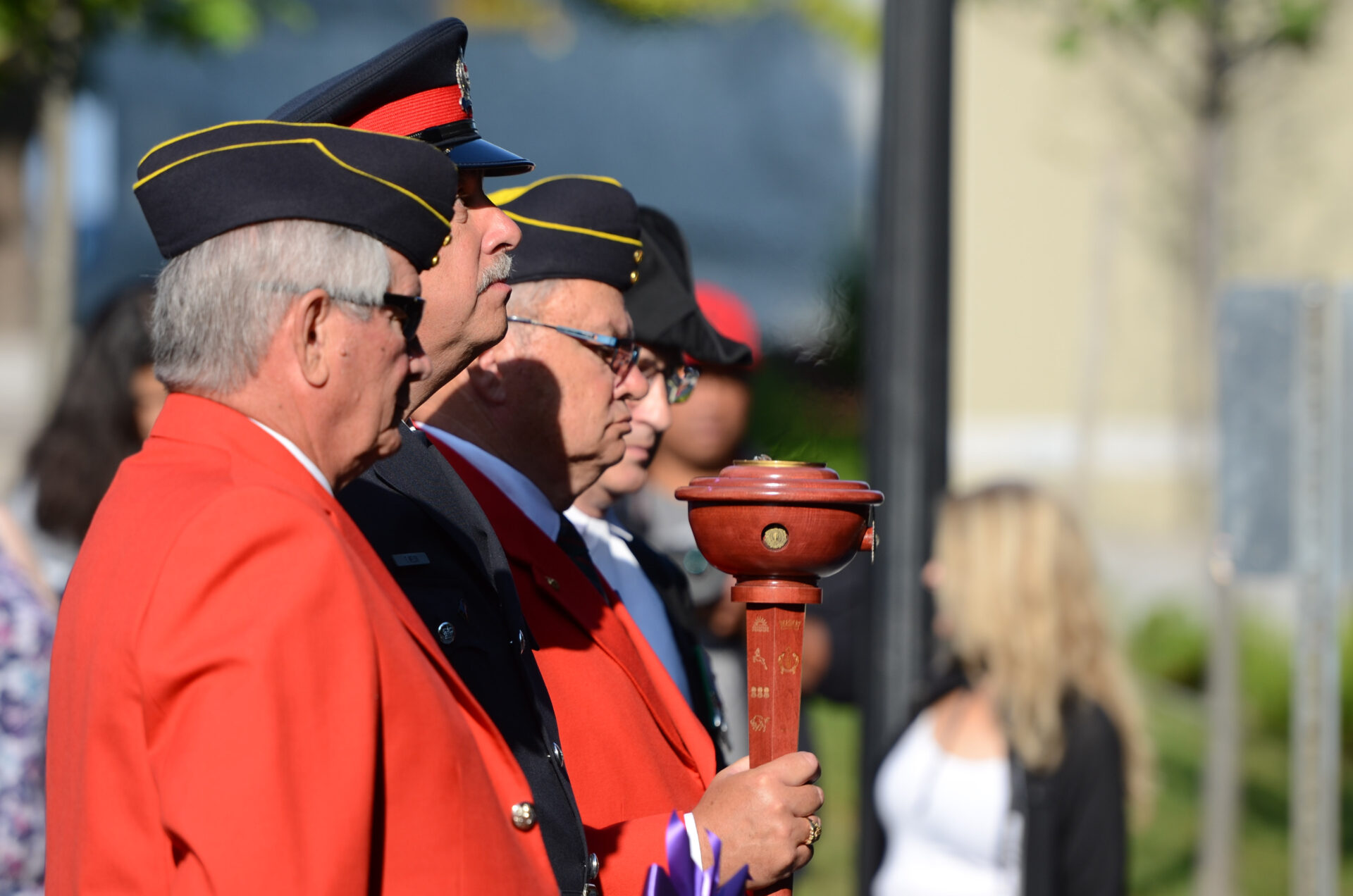
The RCMP Commemorative Torch
Given life from Centennial Flame this commemorative torch was transported across Ottawa via a walk, run relay and march to the RCMP National Memorial Cemetery at Beechwood to light the…
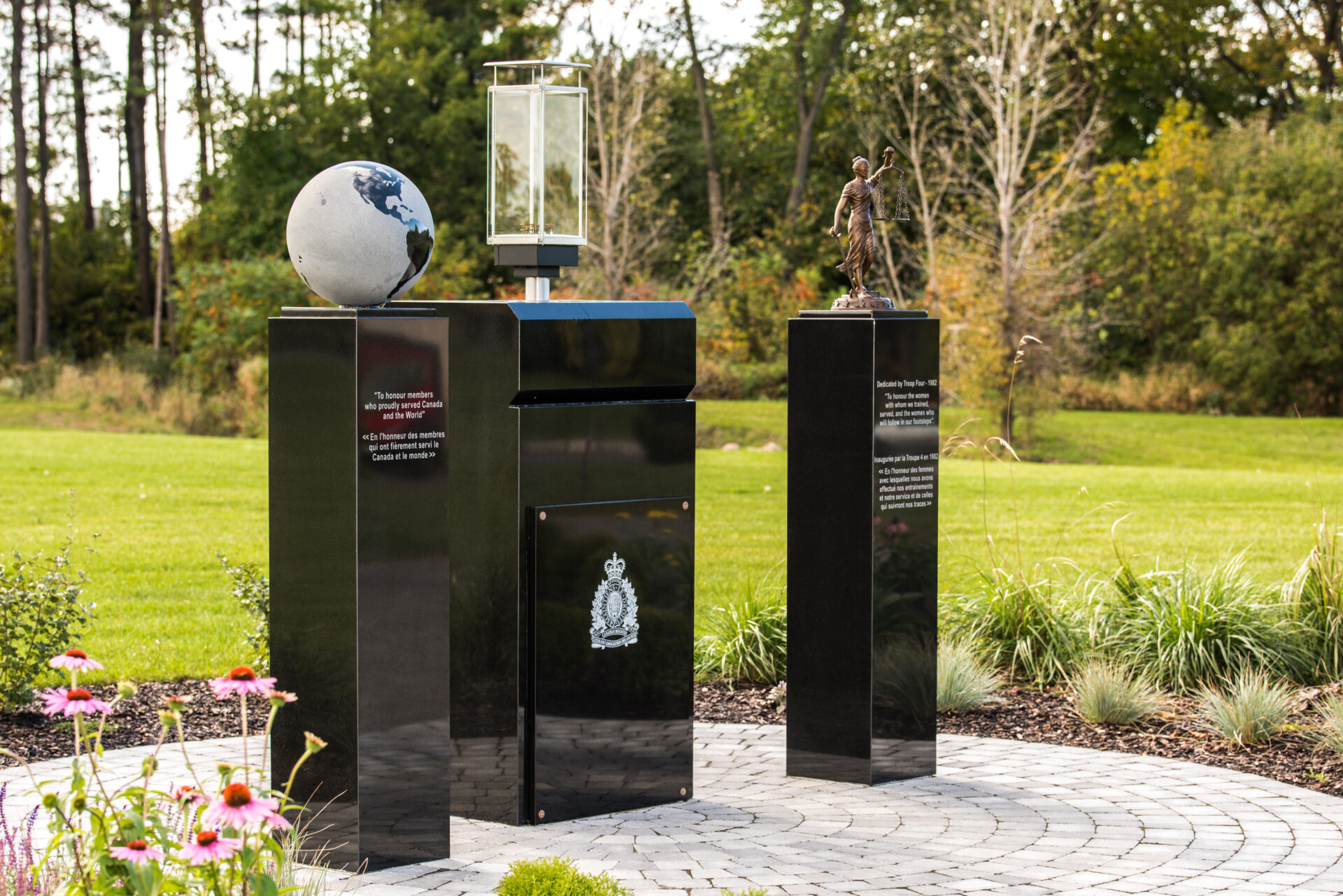
The RCMP National Memorial Cemetery Memorial Flame
The RCMP National Memorial Cemetery Pillars are special and unique addition to mark the sacred ground that holds fallen RCMP officers. On September 23rd, 2017, in celebration of Canada’s 150th…
The RCMP National Memorial Cemetery Memorial Flame
The RCMP National Memorial Cemetery Pillars are special and unique addition to mark the sacred ground that holds fallen RCMP officers. On September 23rd, 2017, in celebration of Canada’s 150th…
RCMP National Memorial Cemetery Cenotaph
At the centre of the RCMP National Memorial Cemetery stands the cenotaph with an RCMP member saluting those who have died in the line of duty and who are memorialized…
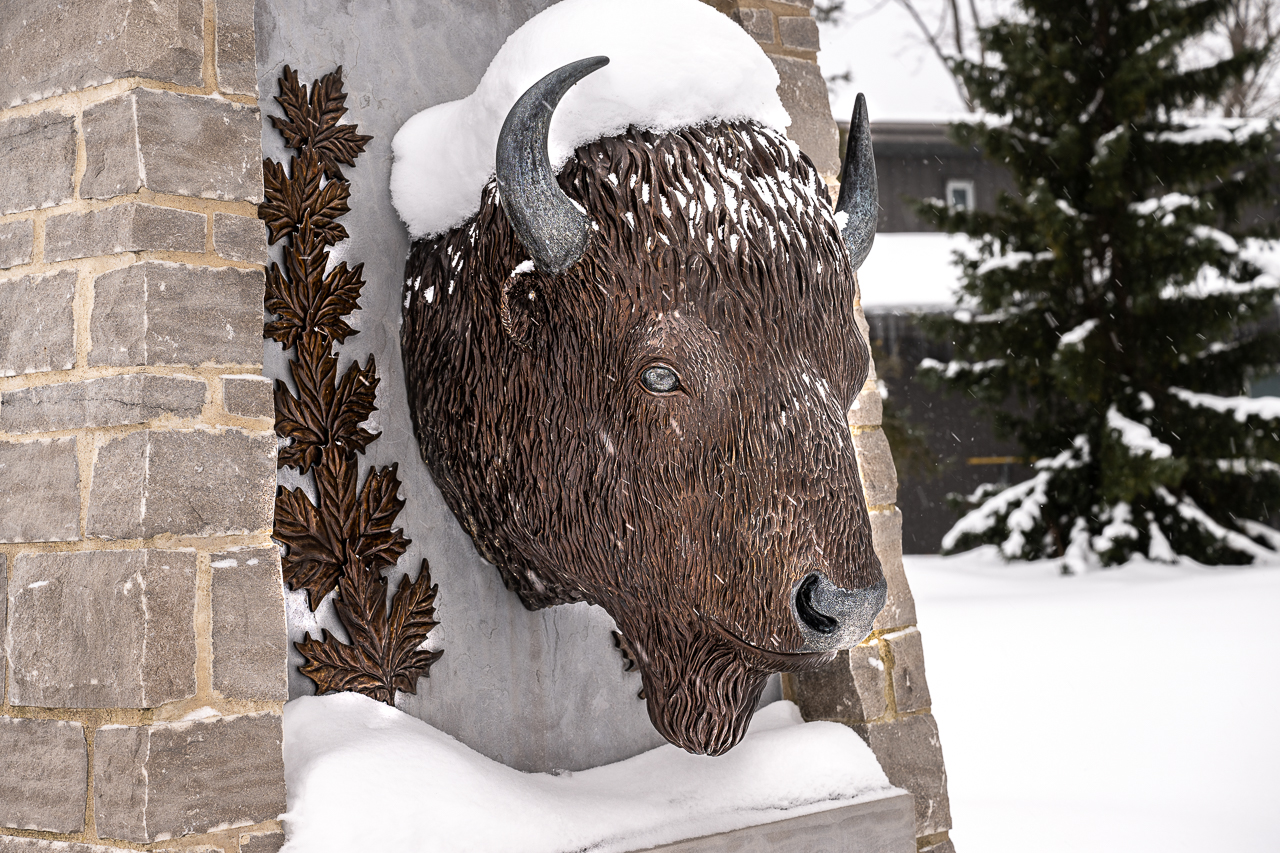
RCMP National Memorial Cemetery Bison Pillars
At the entrance of the RCMP National Memorial Cemetery sits two Bison Head Pillars. The origin of the North American bison as the symbol of the NWMP is unknown. One…
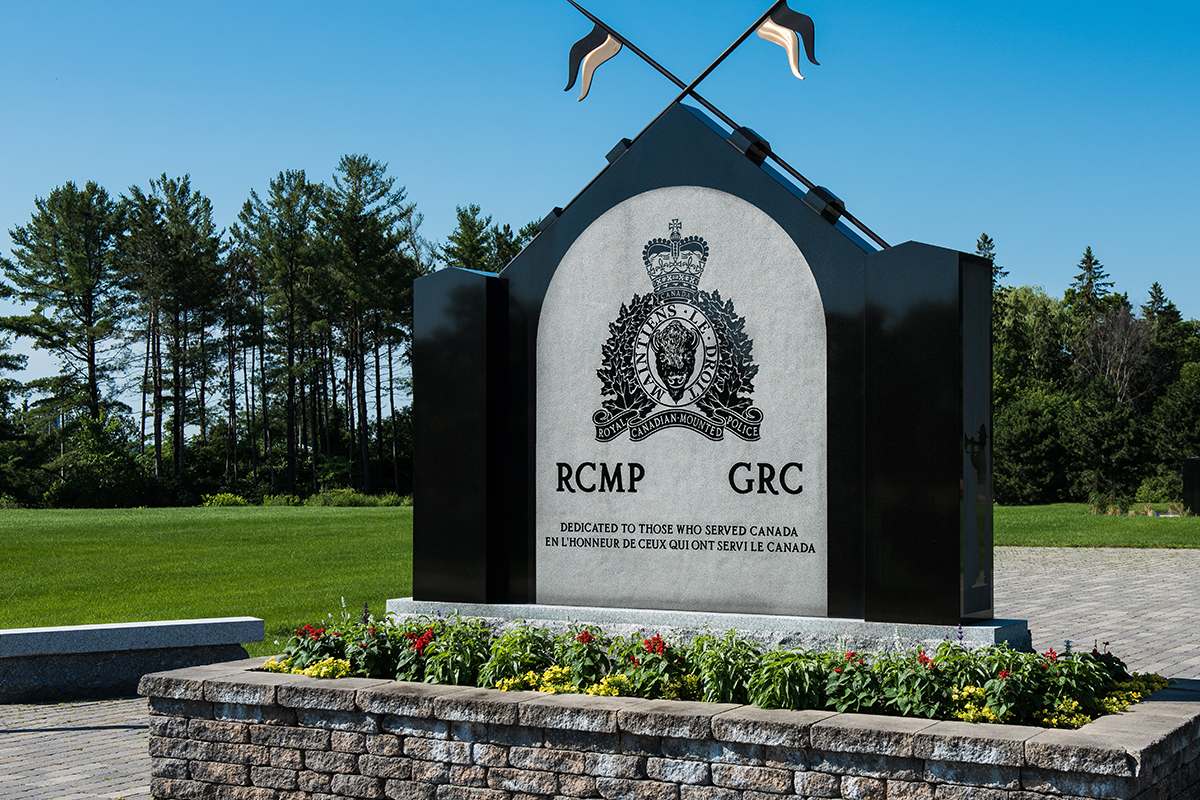
RCMP National Memorial Cemetery Main Monument
Originally installed and unveiling in 2004, the RCMP National Memorial Cemetery Main Monument is the central feature of the RCMP National Memorial Cemetery at Beechwood. The main monument has a…
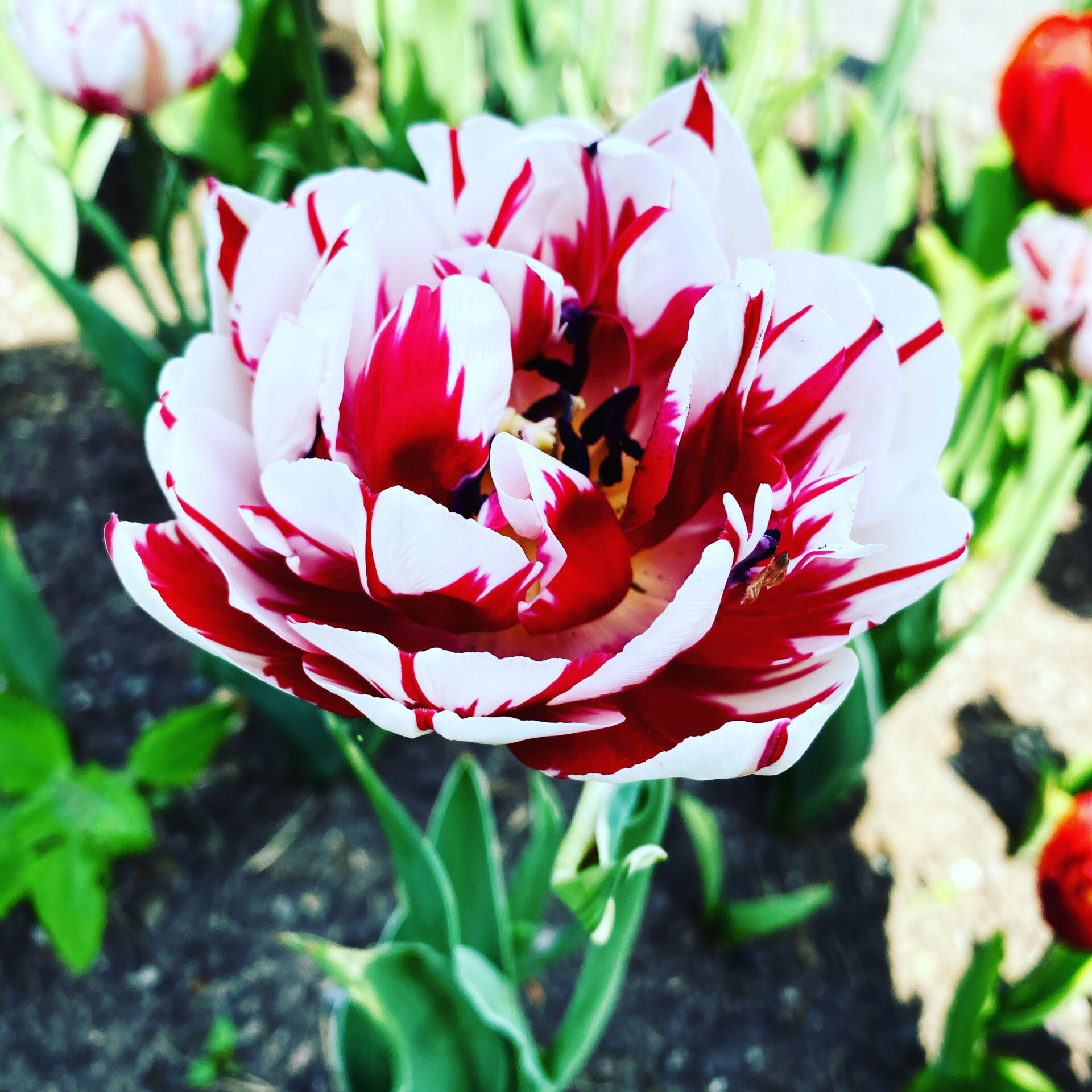
Five places to see the tulips in Ottawa-Gatineau this spring
Beechwood Cemetery More than 35,000 tulips are in bloom at Beechwood Cemetery. The park-like setting boasts 160 acres of colourful gardens, century-old trees and tulips this spring. Here is a…
Beechwood Way – Spring 2023 – Vol 24
SPRING IS FINALLY HERE and it’s when Beechwood truly comes to life. Our flowers are growing, our gardens are becoming colourful and bright. We will be welcoming back walkers, families,…
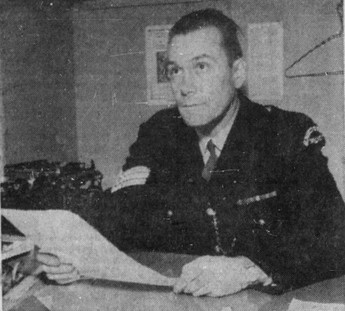
An undercover agent : Corporal Thomas Richard – Dick – Bell
Corporal Thomas Richard ‘Dick’ Bell was born on March 30th, 1912, in Ottawa, ON. Bell joined the RCMP on January 7th, 1933, and that year joined the Musical Ride. Staring…
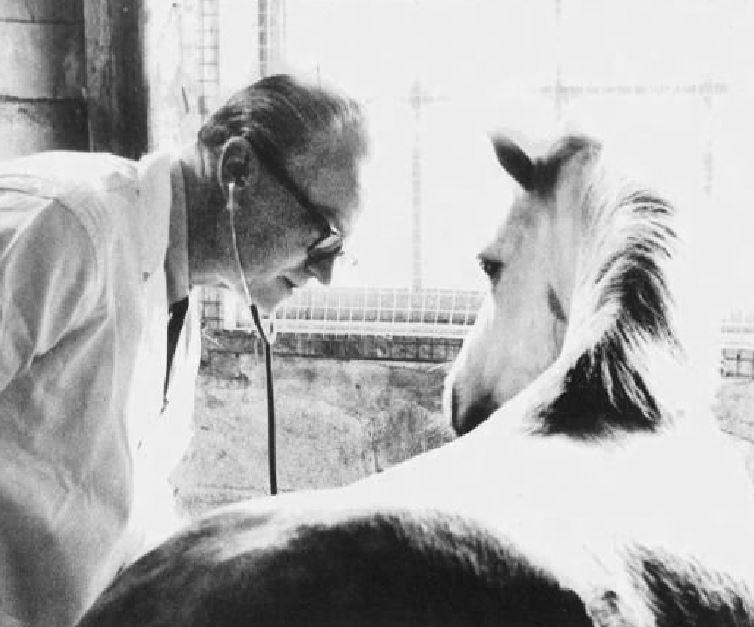
The Official Veterinarian of RCMP Musical Ride: DR. Donald Russell Cherry
DR. Donald Russell Cherry – Section 50, Lot 56 NE Born in Ottawa on May 10, 1921, Cherry was educated at the Ontario Veterinary College in Guelph, Ontario, and the…
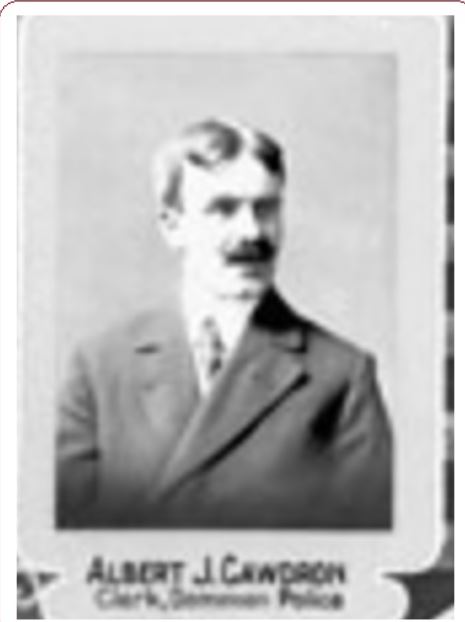
From Dominion Police to RCMP: Albert John Cawdron
ALBERT JOHN CAWDRON – Section 24, Lot 72 SW Albert John Cawdron was born in 1873 in Ottawa. As a young man, he joined the Dominion Police in 1897, and…
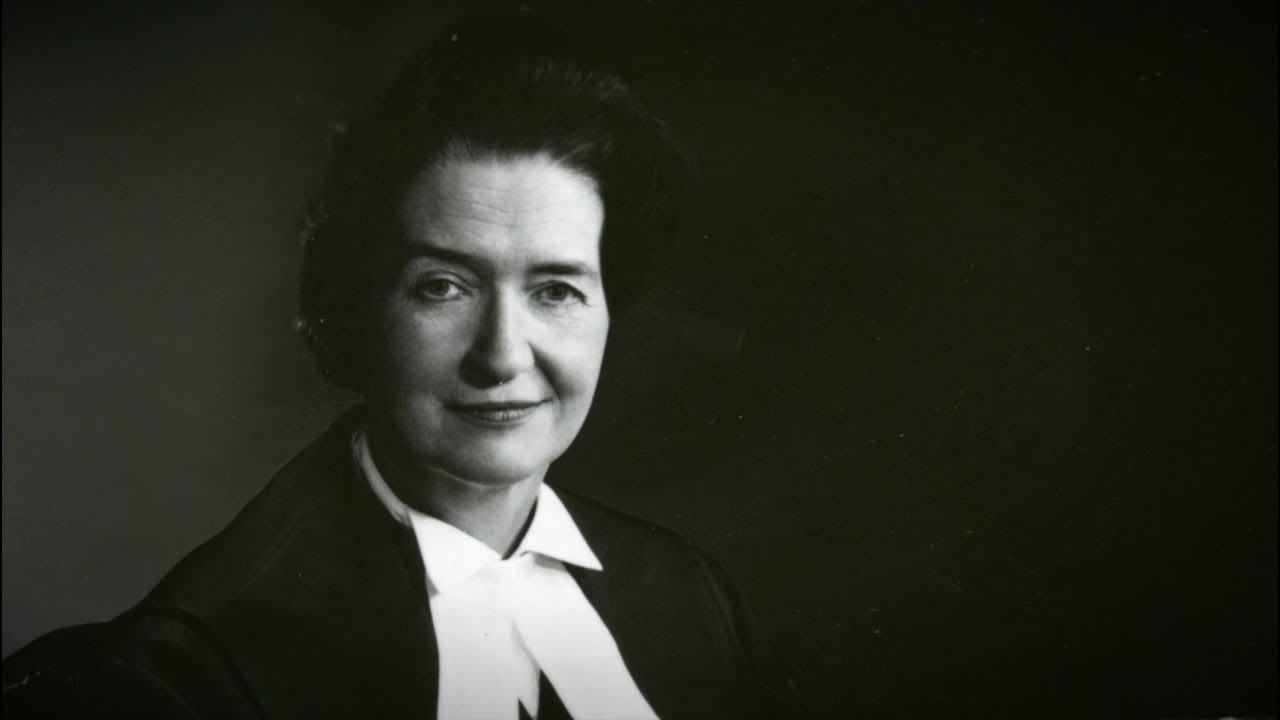
The first woman appointed to the Supreme Court of Canada – Honourable Bertha Wilson
Bertha Wilson was born in Kirkcaldy, Scotland, on September 18, 1923. She is the daughter of Archibald Wernham and Christina Noble. She attended the University of Aberdeen, Scotland, and graduated…
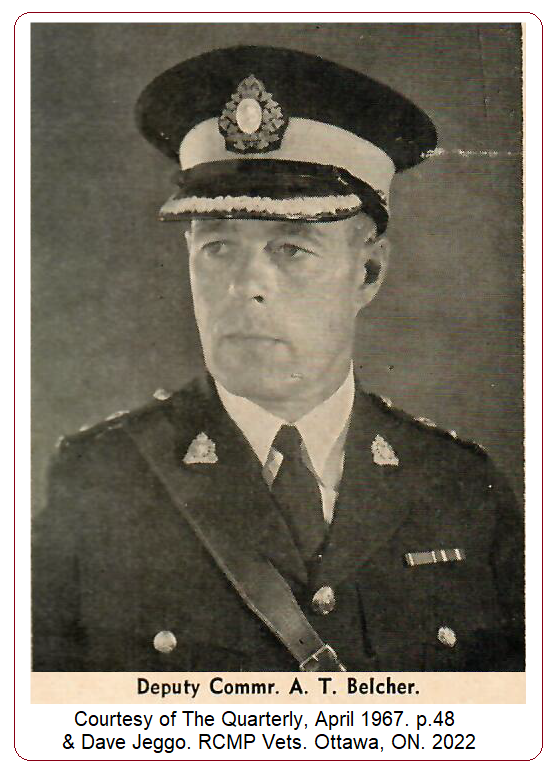
Born Into The Service – Alan Thomas Belcher
Alan Thomas Belcher Section 21, PC 109 Alan Belcher was ‘born into the service’ on 8 March I 903 at the Calgary Division H.Q. of the R.C.M.P. where his father,…
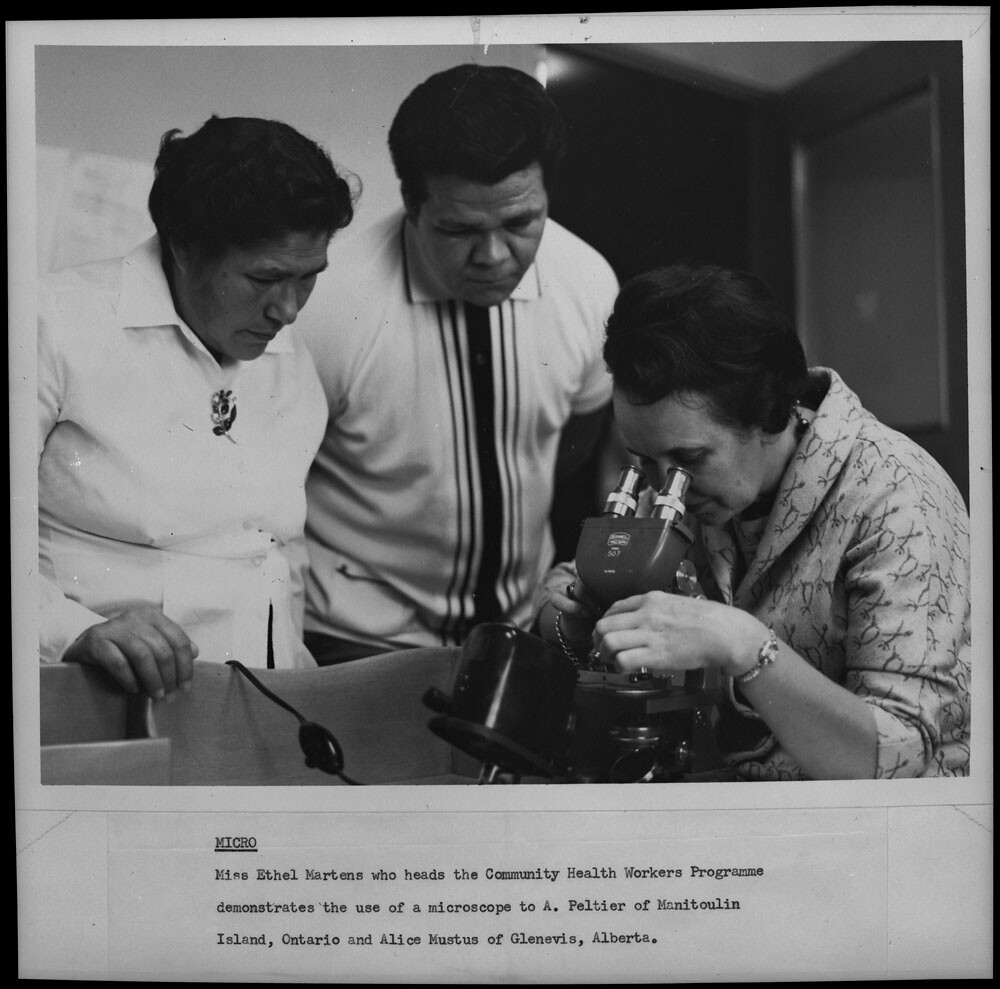
One of the first health educators in Indigenous communities in Northern Canada – Dr. Ethel G. Martens
Dr. Ethel G. Martens Section 47, Lot 216, Grave 2 Born July 19, 1916 in La Pas, MB, Ethel Martens began her career as a school teacher in Manitoba. She…
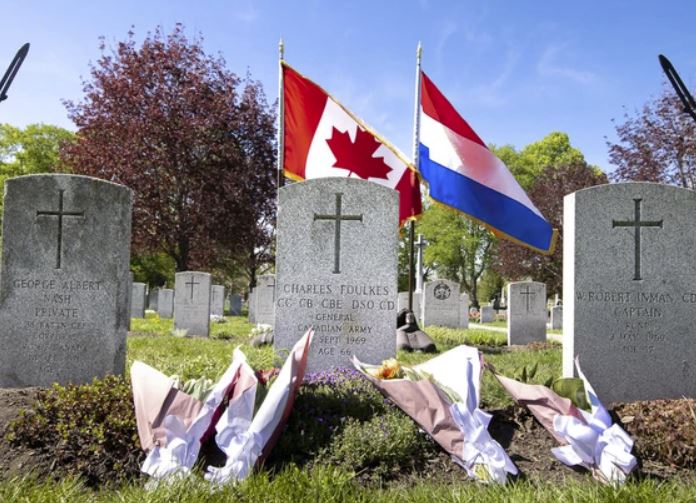
Beechwood’s commemorations focus on moments in history and the people who looked to contribute something bigger
While the dictionary typically defines a “commemoration” as a ceremony or celebration in which a person or event is remembered, at Beechwood Cemetery the occasion takes on a much deeper…
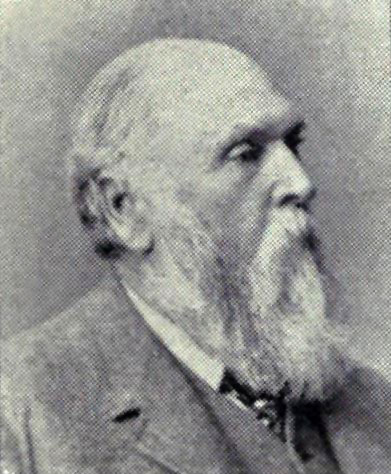
A regimental surgeon: Dr. William Ralph Bell
Dr. William Ralph Bell The Bell Vault Section 21, Lot 27 Born in Thirsk, England on December 14, 1832, Bell was educated at Kirklington Academy and Brainham College. Once he…
Beechwood Cemetery Tulip Map 2023
Established in 1873, Beechwood is recognized as one of the most beautiful and historic cemeteries in Canada. It has been designated as a National Historic Site. Its breathtaking park-like setting…
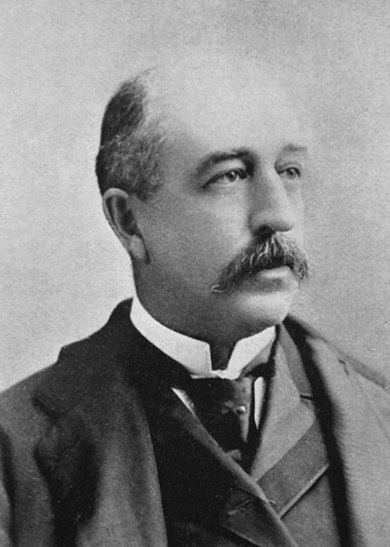
Infectious Disease Specialist And First Federal Director General Of Public Health In Canada : Frederick Montizambert
Frederick Montizambert Section 41, Lot 40 Born in Quebec on February 3, 1843 into a family belonging to the administrative and judicial elite of Quebec City, Montizambert graduated from the…
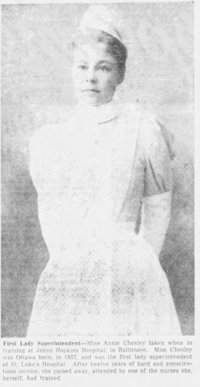
A pioneer in nursing and medicine: Annie Amelia Chesley
Annie Amelia Chesley Section 26, Lot 9 SW Annie Amelia Chesley was born in 1857 or 1858 near Toronto. Annie Amelia Chesley was born into a family that had a…
Legendary spy carries secrets to his grave: Frank Pratt
Frank Baird PRATT (Born June 13, 1938 – November 24, 2001) Frank Pratt would be embarrassed to be referred to as a ‘legend’. A modest obituary records his death by…
The National Military Cemetery – Main Monument
Located at the west entrance to Section 103 is the main monument was dedicated in 2001. The inscription on the front of the light barre granite monument reads, “The National…
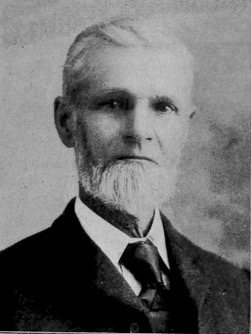
An enduring dynasty : The Hurdman Brothers
The Hurdman Brothers Section 50, Lot 33 N One of Ottawa’s enduring dynasties, the Hurdman brothers were pioneers in industrial and agricultural development along the Rideau River. The patriarch of…
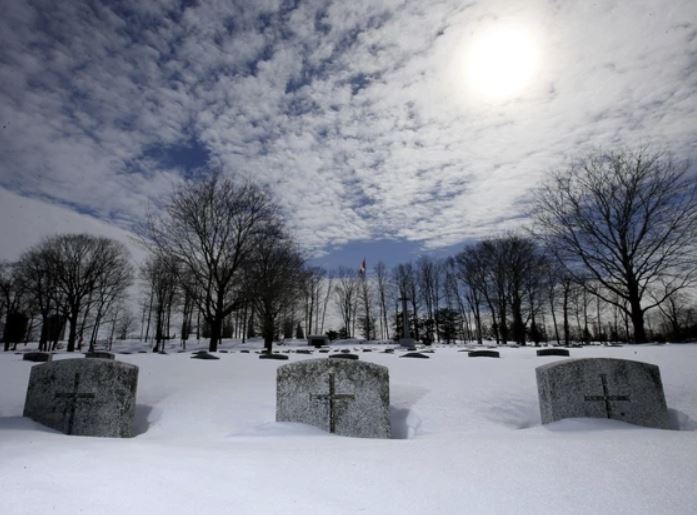
Deachman: Why I keep coming back to wander around Beechwood Cemetery
Some of the headstones at Beechwood Cemetery, particularly in the older military section, are almost completely covered in snow these days, the names of those interred below them temporarily hidden…
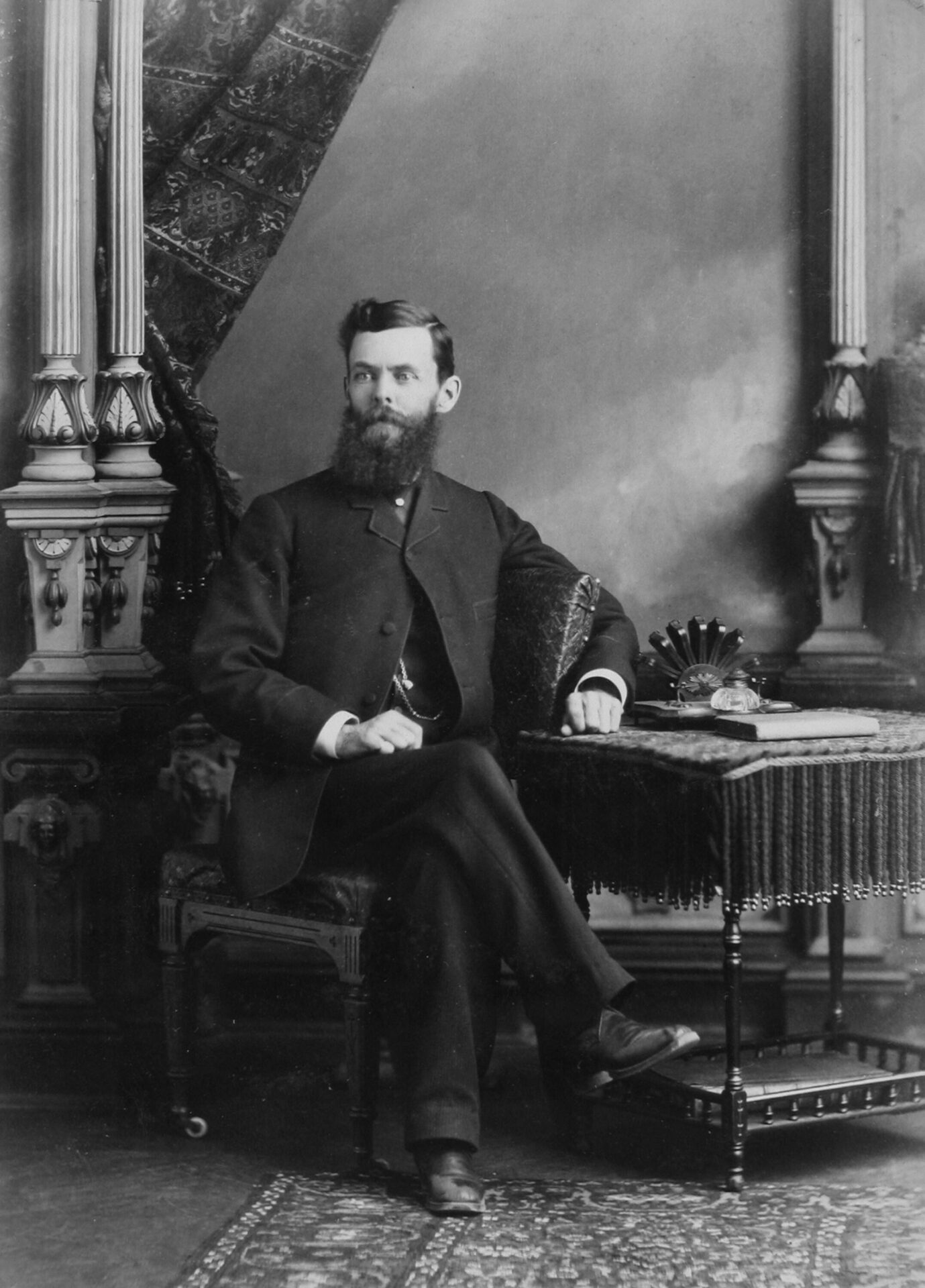
A Photographer Long Forgotten : James Ashfield
James Ashfield Section 28, Lot 27 NW- East Half James Ashfield was born in Bytown on October 10, 1847, son of Irish immigrants John and Elizabeth Ashfield. He continued the…
Beechwood Cemetery Flower Bed Program 2023
Given how busy your lives can be, let Beechwood’s Horticultural Department take special care of your loved one’s plot. Beechwood is offering our annual flowerbed planting and maintenance service. New…
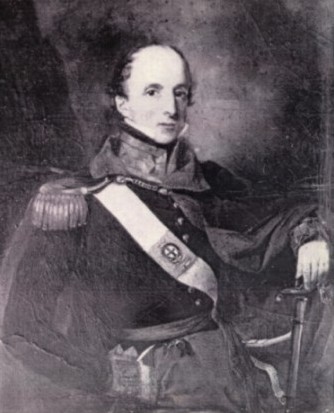
A man of varied attainments, ripe scholarship and vigorous intellect: George William Baker
George William Baker Section 50, Lot 44 {“preview_thumbnail”:”/sites/default/files/styles/video_embed_wysiwyg_preview/public/video_thumbnails/wk5wqpeGZhY.jpg?itok=CDa6HTjX”,”video_url”:”https://youtu.be/wk5wqpeGZhY”,”settings”:{“responsive”:1,”width”:”854″,”height”:”480″,”autoplay”:1},”settings_summary”:[“Embedded Video (Responsive, autoplaying).”]} George William Baker was “a man of varied attainments, ripe scholarship and vigorous intellect,” as his 1862 obituary attested.…
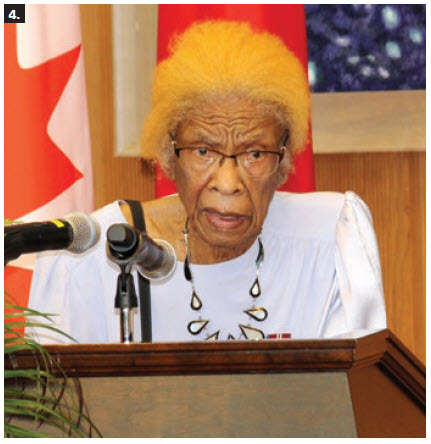
Mentor, Academic and Community Champion: Professor Cynthia Bled
Professor Cynthia Bled March 31, 1933 – August 6, 2022 – Sec. 23 – Lot TG70 – Gr. 1 ‘C’ Cynthia Bled was born in Kingston, Jamaica on March 31,…
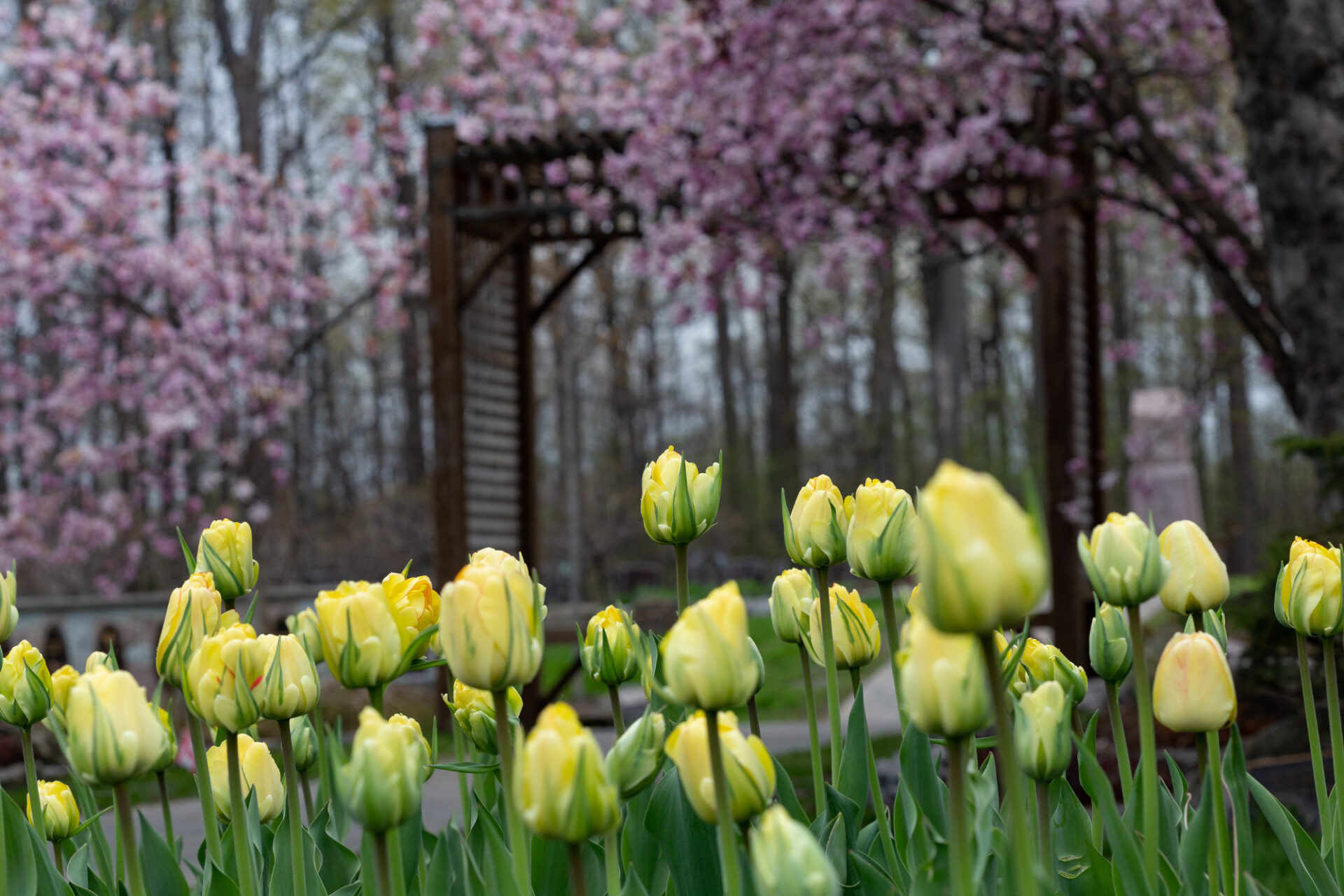
Black History Month at Beechwood is a time for celebration and reflection
This month, as Canadians celebrate the achievements and contributions of Black Canadians, the country’s national cemetery is looking back to move forward. Throughout February, Beechwood Cemetery is honouring Black Canadians…
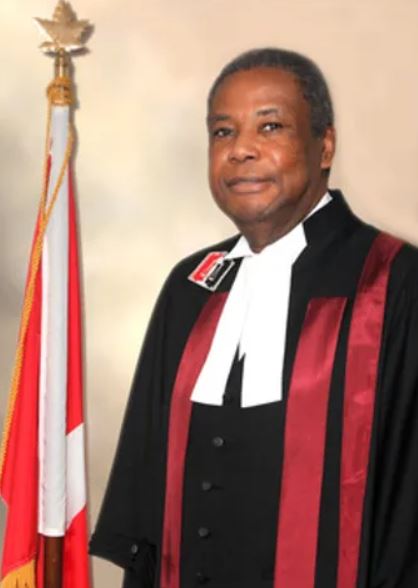
Founder of Cathedral Arts Citizenship Judge: John Gordon Dennison
Judge John Gordon Dennison Sec 110, Range 14, Grave 8 ‘A’ John Gordon Dennison was born in Guyana on June 22, 1947. He attended Queen’s College of Guyana and then…
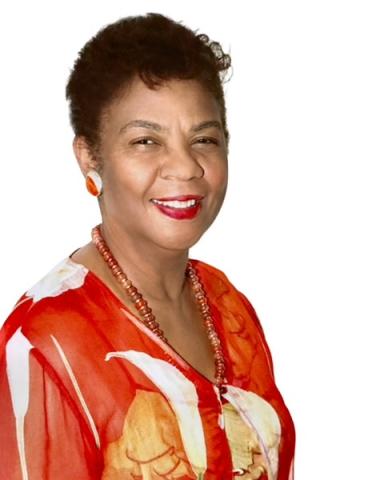
Author and Community Leader: Nessa Bedward Sherwood (née Brown)
Nessa Bedward Sherwood née Brown Mausoleum – Corridor BB – Niche 75G Nessa Bedward (Brown) Sherwood was born in Kingston, Jamaica to Herbert (Pops) and Estelle Brown. Herbert moved to…
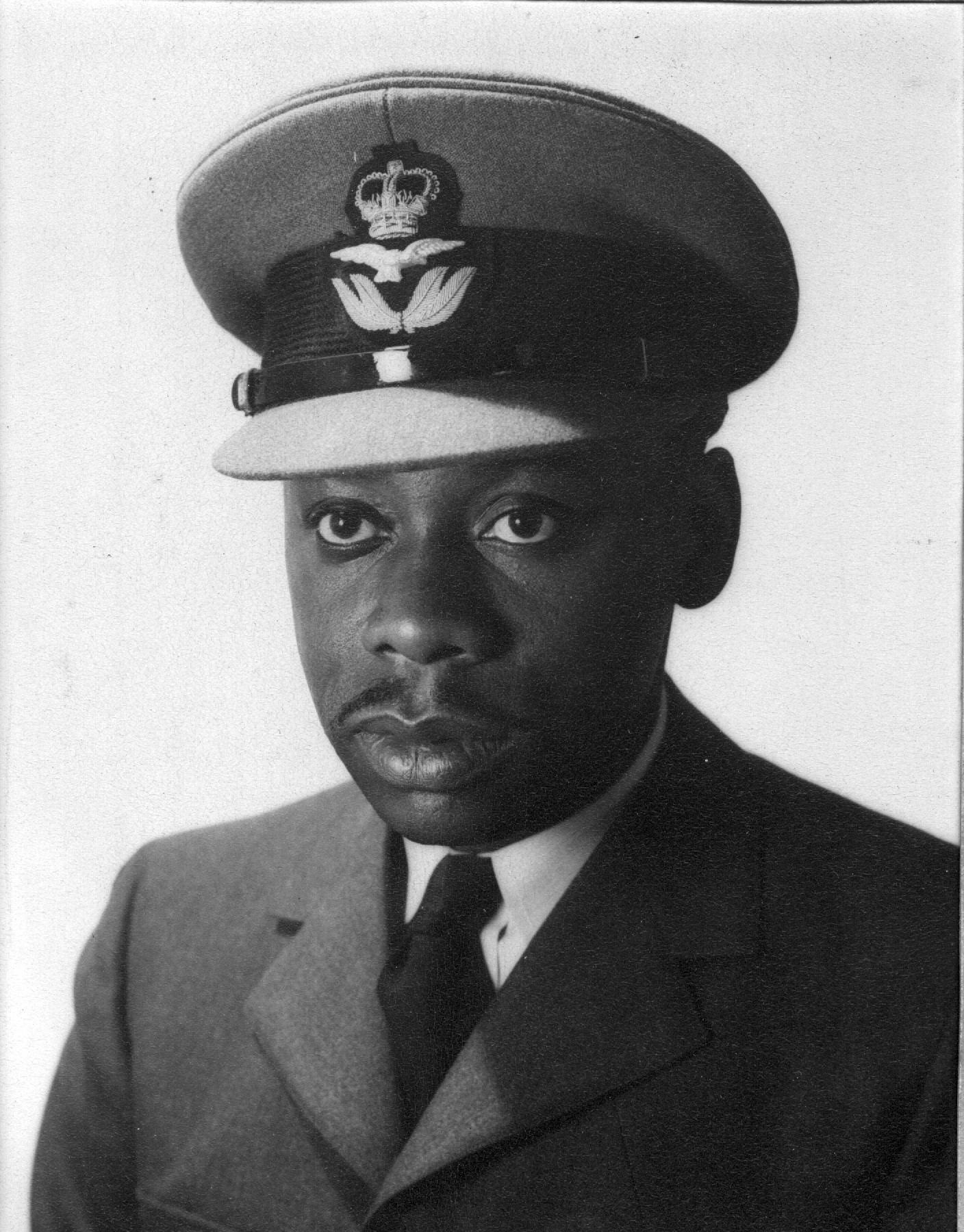
First African-Canadian career flying officer Lieutenant Colonel Kenneth Jacobs
Lieutenant Colonel Kenneth Jacobs National Military Cemetery – Section 103, Grave 1262B Kenneth Barnell Jacobs was born on September 16, 1923 in Windsor, Ontario, to Anna Walker and James, a…
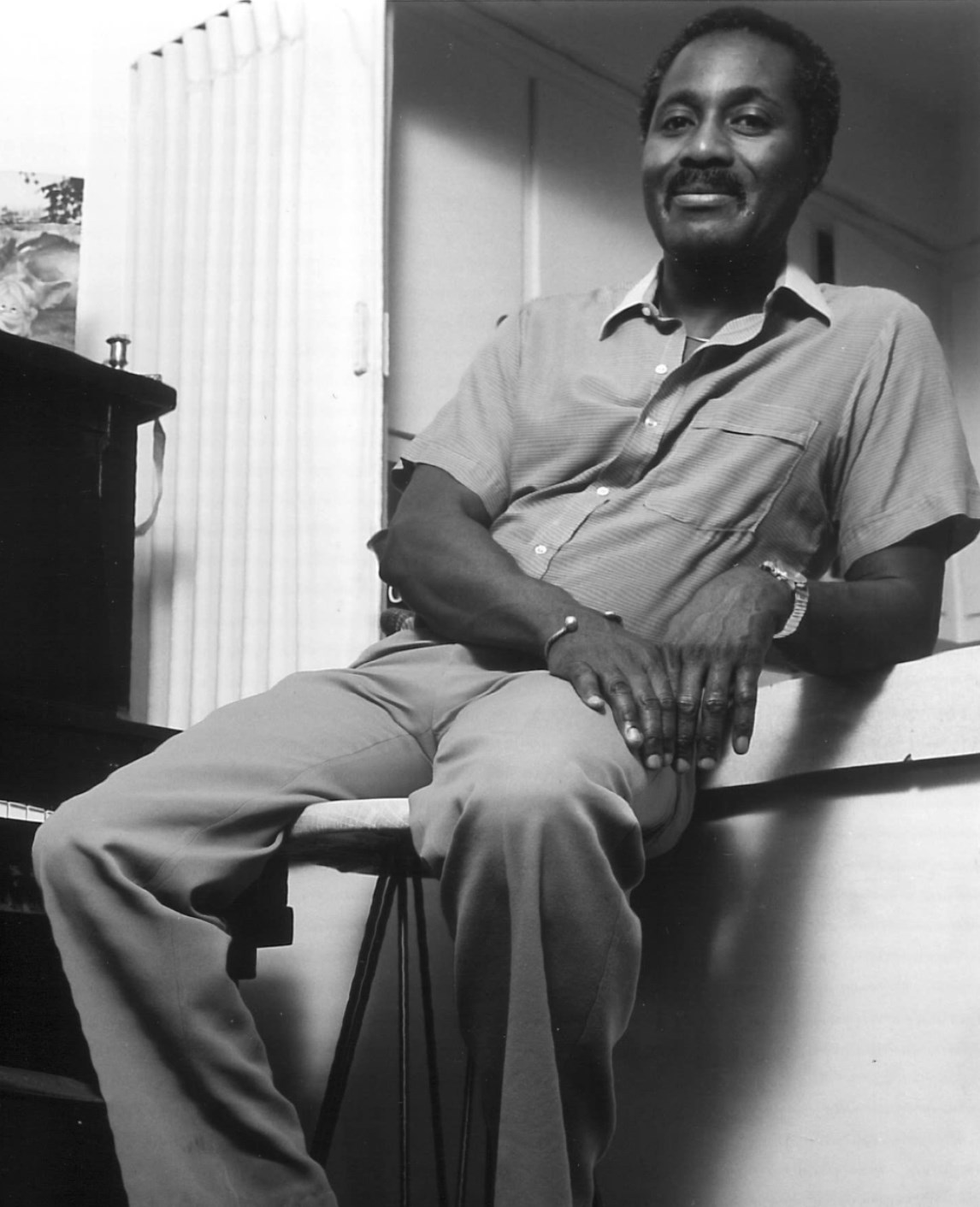
Author, Playwright and Literary Scholar: Dr. Lorris Elliott
Dr. Lorris Elliott Section 51S, Grave 336 Lorris Elliott was born on December 20, 1931 in Scarborough, Republic of Trinidad and Tobago in the West Indies. He grew up on…
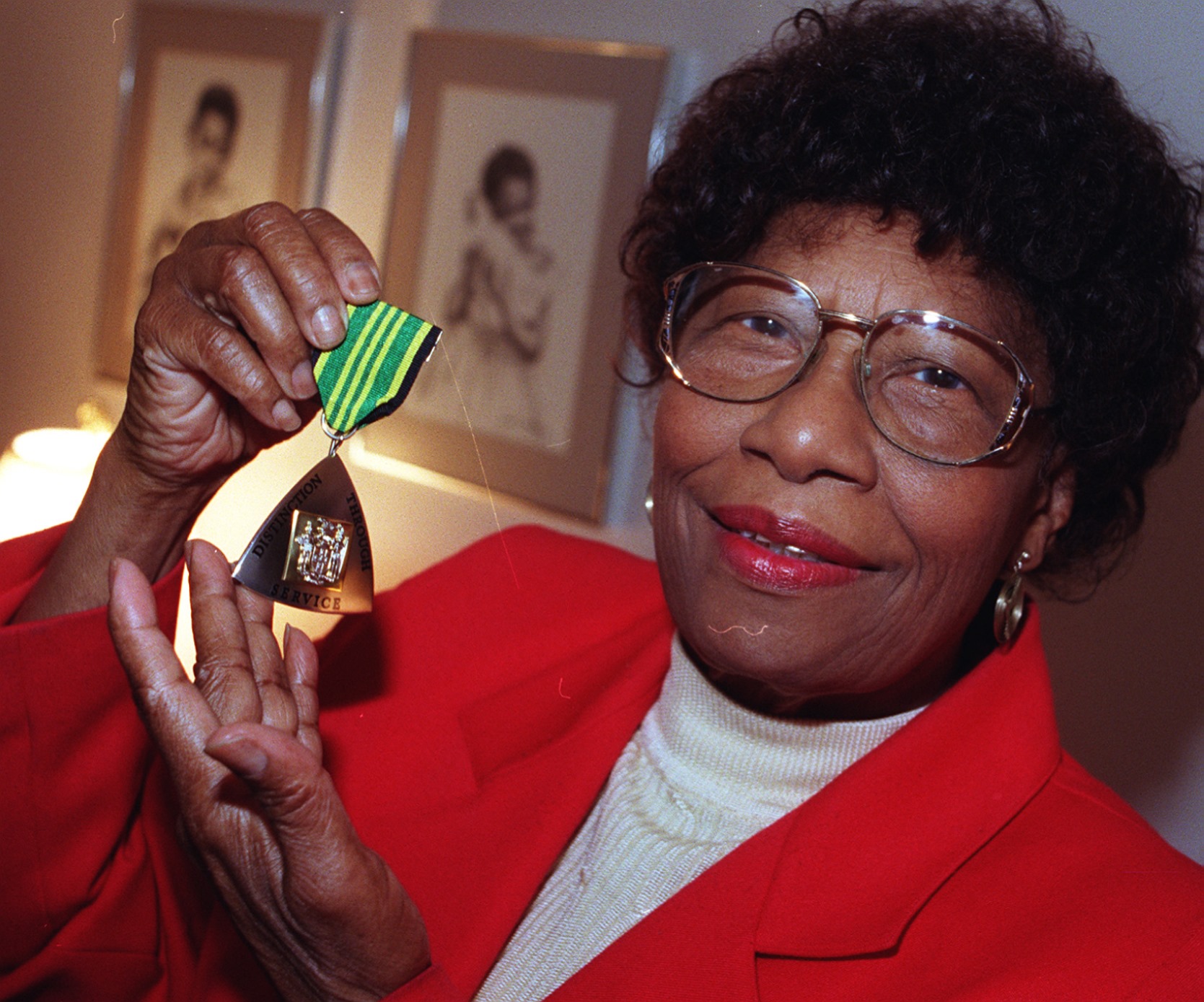
Ethnocultural equity leader: Isis Minerva Officer
Isis Minerva Officer Section 51- SG56A (C, CS, & Misc) Born in Jamaica, Officer came to Canada in 1965 to work as a nurse at the Ottawa Civic Hospital. Her…
An International Economist and Agricultural Development Leader: Desmond Doran
Desmond Doran Sec 34, Lot TG168, Grave 2 Desmond Doran was born in Lacovia, Jamaica, on January 3, 1936 to Daisy Marcella Doran and Basil Edward Doran. When Doran was…
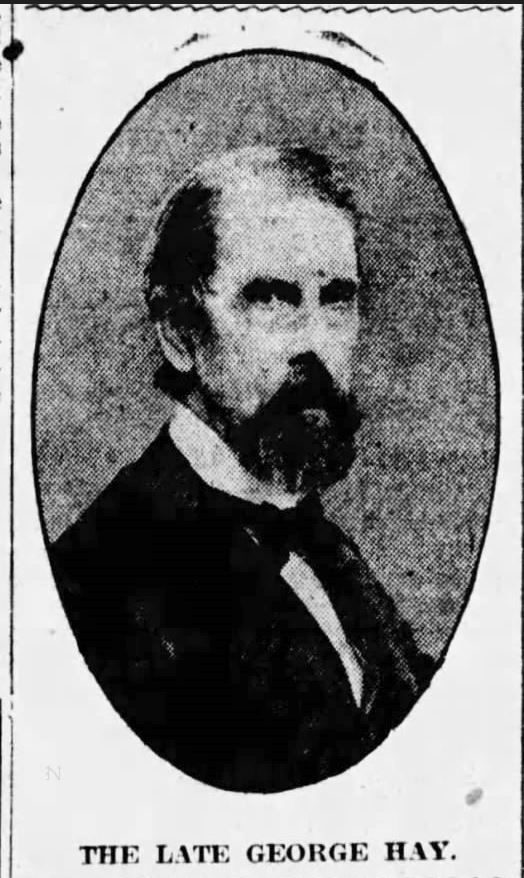
Original Shareholder and community leader: George Hay
George Hay Section 37, Lot 117 N (B) Born June 18, 1821 in Scotland. George Hay was educated at Keith Grammar School and at Croy Parish School in Nairnshire. He…
Beechwood Cemetery turns 150th!
Beechwood is proud to unveil ice sculptures of our 150th logo and Echo the Fox, our companion teddy for children during funeral services. The ice sculptures are a fitting tribute…
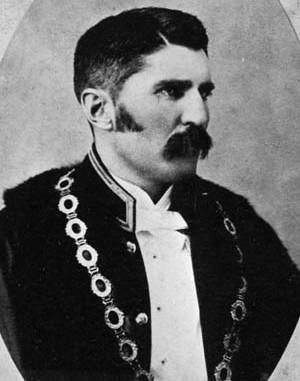
A Mayor and Original Shareholder: McLeod Stewart
McLeod Stewart Section 37, Lot 42 Born in Bytown on February 6, 1847, Stewart was educated at University College in Toronto. He was called to the Ontario bar in 1870…
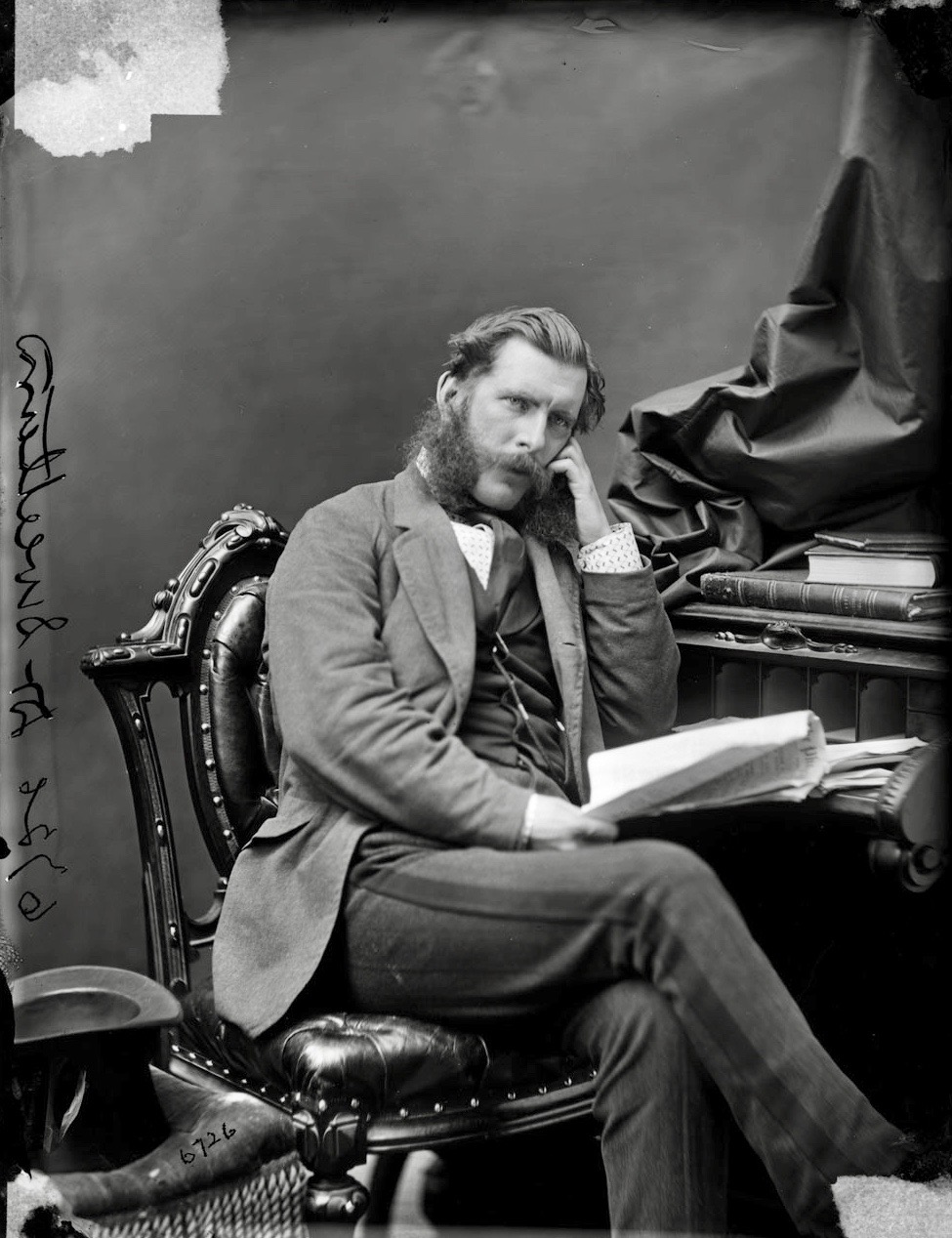
A Beechwood Shareholder and Healthcare Innovator: DR. JOHN SWEETLAND
DR. JOHN SWEETLAND Section 61, Lot 2 Sweetland was born in Kingston, Ontario on August 15, 1835. He graduated from Queen’s University in 1858 and practised medicine in Pakenham, Ontario,…

Beechwood’s Defence and Security Services Communities
Beechwood is proud to have been chosen to be the home of the National Military Cemetery, the RCMP National Memorial Cemetery, CSIS National Memorial Cemetery and the Ottawa Police Service…

Beechwood’s cultural communities
A place for all — Everyone is welcome and we have a range of sections for faith and cultural communities. The multicultural presence at Beechwood is unparalleled — everyone is…
Beechwood Cemetery
Beechwood’s unrivalled park-like landscape accommodates many types of traditional or specialized burial locations. Our 160 acres ensure we will service the community for generations to come. Beechwood offers a broad…
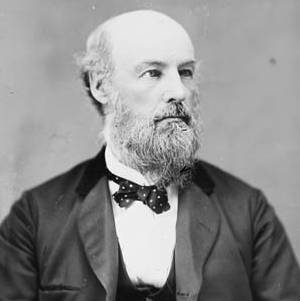
Founder and First President – Joseph Merrill Currier
Joseph Merrill Currier Section 60, Lot 33 Currier was born in North Troy, Vermont in 1820 and came to Canada in 1837 as a young man. He joined the lumber…
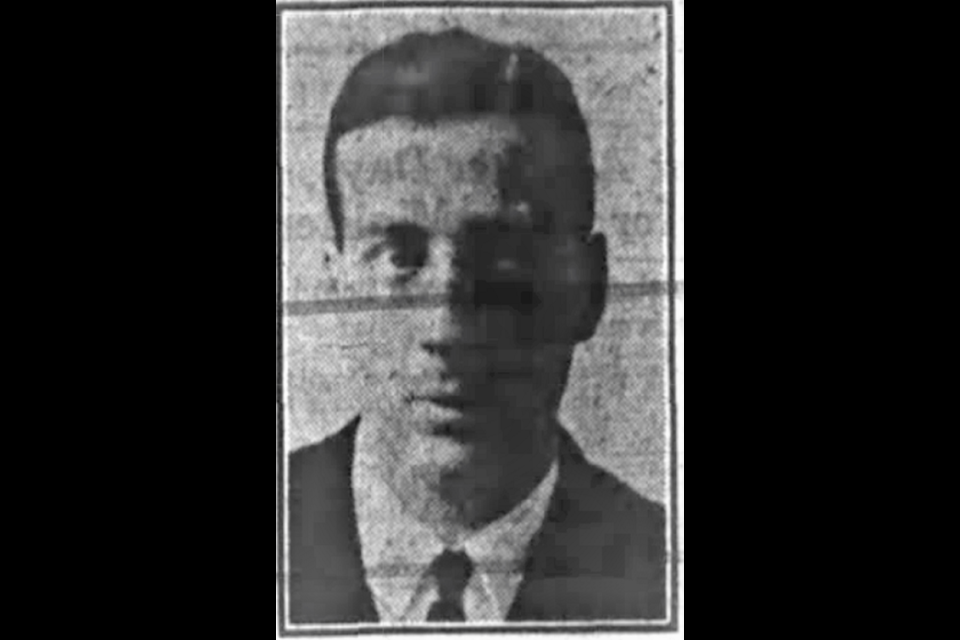
The sad story of Punch Lavigne and Billy Seabrooke
This sorry tale began on Dec. 12, 1931. Paul Émile “Punch” Lavigne, age 24 years, was working the evening shift at the Domestic Service Station on Sussex Street, close to…
Beechwood Cemetery’s 150th Anniversary
Join us for Beechwood Cemetery’s 150th Anniversary. This is a celebration of the people and communities that we have been able to serve. We are so fortunate to be the…
Standing the test of time – A memorial guide
When thinking about cemeteries, the monument is always the first visual that comes to mind. A monument is that final tribute to the life and times of your deceased loved…
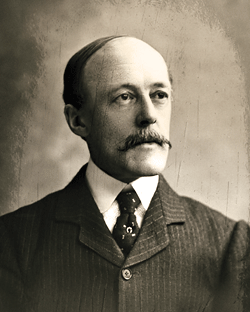
The Father of Ice Hockey – James George Aylwin Creighton
James George Aylwin Creighton Section 17, PC 280 Creighton was born in Halifax, Nova Scotia, the eldest son of William Hudson Creighton and Anna Fairbanks, grandson of James G. A.…

Holiday Hours
As the holidays are fast approaching, Beechwood Funeral, Cemetery and Cremation Services would like to notify you of the upcoming changes to our hours. Beechwood will be observing the following…
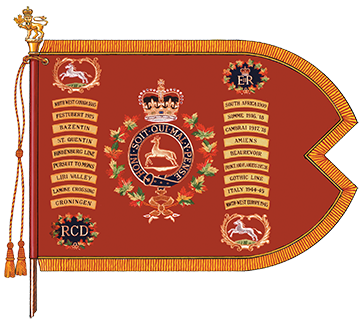
Governor General in Petawawa to present Royal Canadian Dragoons with new guidon
Forsyth says past Guidons have been laid up in the Church on Garrison Petawawa, at Beechwood Cemetery in Ottawa and the Commanding Officer of the Dragoons has a plan for…
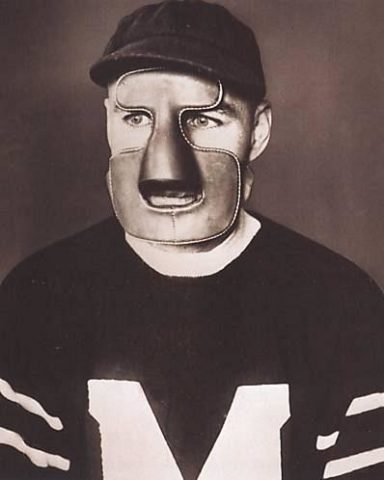
Praying Benny – Clinton Stevenson Benedict
Clinton Stevenson Benedict Section 19, Lot 80 SW Born in Ottawa on September 26, 1894, Clinton Stevenson Benedict was a member of four Stanley Cup–winning teams. His career as a…
Dealing with grief during the Holidays
The Holidays and New Year can be a happy time of year, most can spend time with their families, friends and loved ones. However, if you have recently lost a…
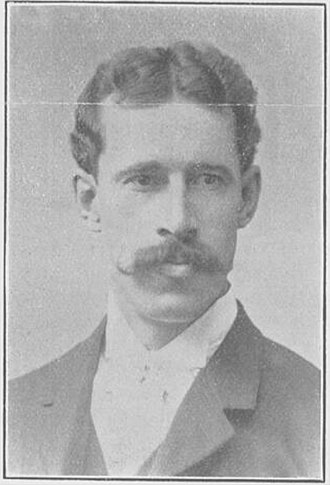
56 years of the Stanley Cup – Philip Dansken Ross
PHILIP DANSKEN ROSS Section 64, Lot 1 Born in Montreal, Quebec on January 1, 1858, Ross was educated at McGill University and became a journalist, starting his career with the…
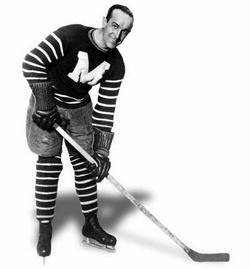
Hockey Hall of Fame – JOHN GEORGES (BUCK) BOUCHER
JOHN GEORGES (BUCK) BOUCHER Section 40, Lots 52 NW, 53 SW (S) Born August 17, 1896, Boucher played professional hockey for 20 years, including 17 seasons in the NHL and…
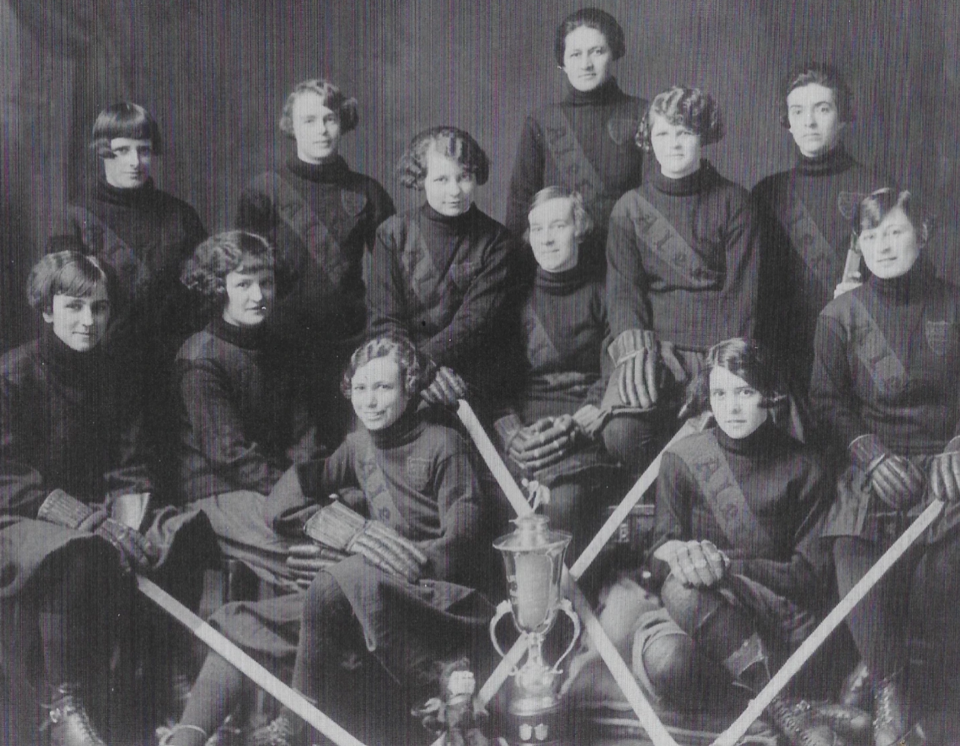
A city champion – SHIRLEY MOULDS
SHIRLEY MOULDS – Section 41, Lot 39 E Ctr Born in Ottawa in 1904, Shirley Moulds lived in the same house in the Glebe her entire life. What set her…
Book of Condolence for Marguerite ‘Grete’ Ann Hale
Book of Condolence is available to the public the week of Monday, November 21st to Friday November 25th at Beechwood National Memorial Centre (during office hours 9 a.m. to 4…
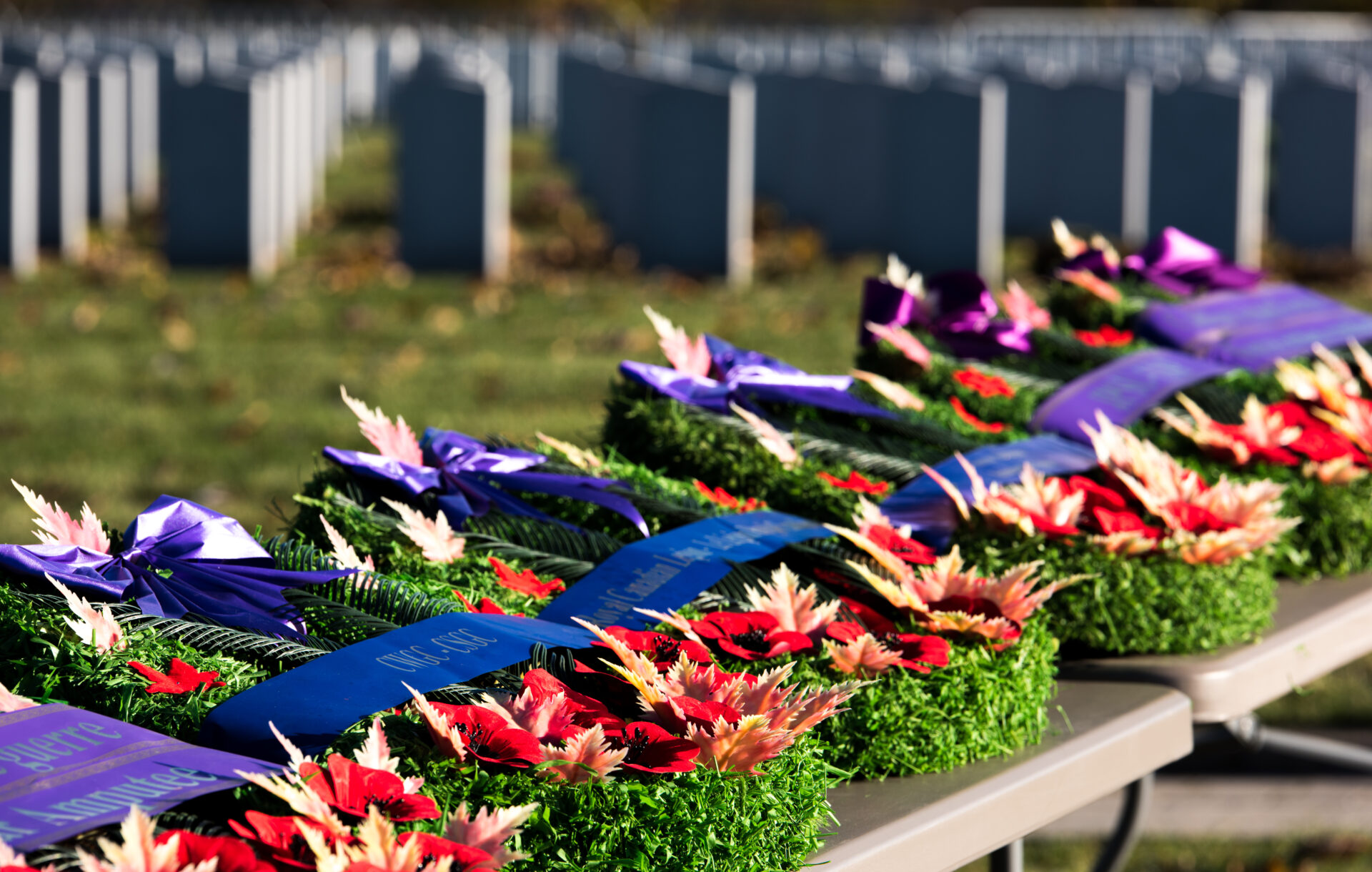
Deachman: Personal remembrances dot Beechwood’s fields of honour
Before the dignitaries arrived for the official ceremony, before the warmup drone of the piper filled the air and before the official moment of silence commemorated those who served Canada,…
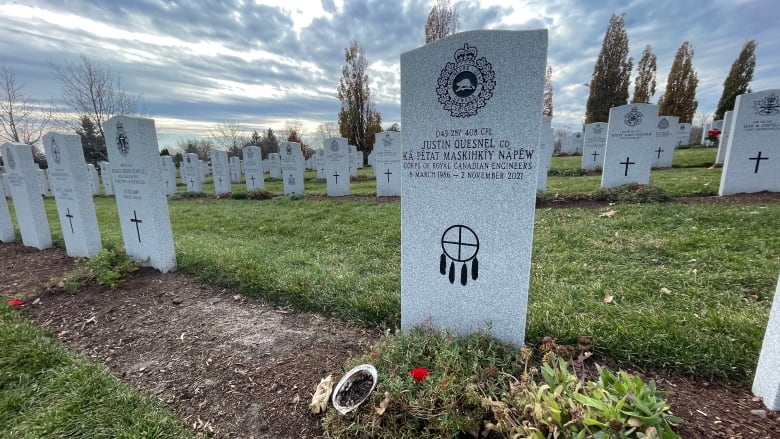
Indigenous legacy etched in stone at National Military Cemetery this Remembrance Day
Tina Quesnel’s son Justin was just 35 years old when he died unexpectedly last year, but she remembers him — a Canadian soldier — as full of joy and love…
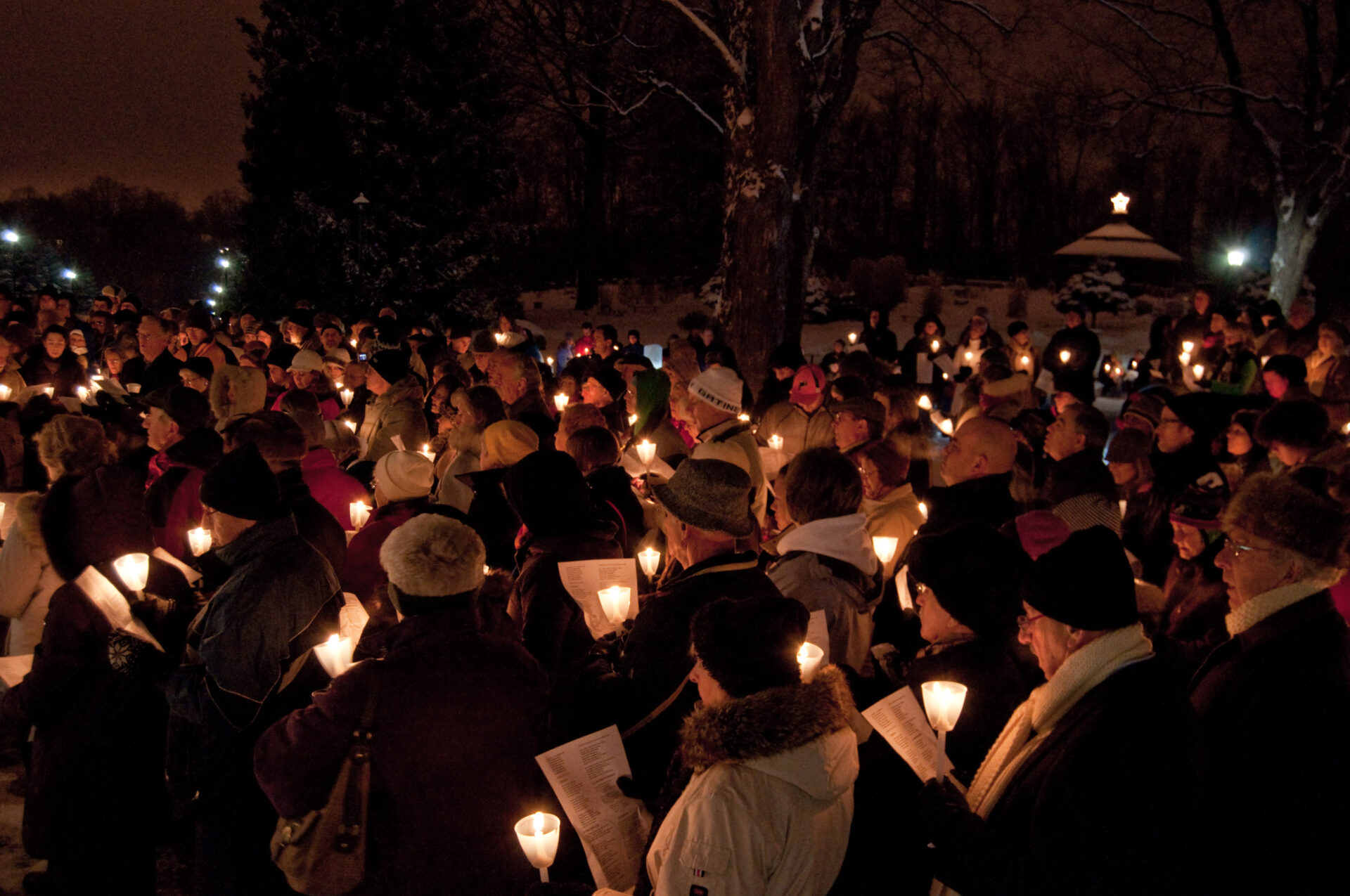
Food Drive at the Christmas Candlelight Service
Each year, the Beechwood Cemetery Foundation host the Christmas Candlelight Service -this year’s event is on December 11th at 6:00pm.This annual service offers families and community members a peaceful way…
Beechwood Way – Fall 2022
AS WE APPROACH a milestone in Beechwood’s history, we tend to reflect on the years behind us. For over 150 years, Beechwood has had the honour of serving the community,…
Grete Hale (1929-2022)
Grete Hale (1929-2022): ‘Baker’s daughter’ was Ottawa’s legendary business leader and a philanthropist Grete Hale, who died Oct. 28 at age 93, was the second of Ottawa’s legendary “Three Sisters”.…
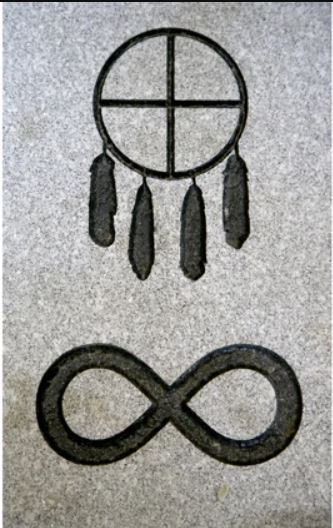
Ottawa’s military cemetery introduces Indigenized headstones for veterans
At Beechwood National Military Cemetery in Ottawa, nestled amidst the solemn rows of grey, granite headstones bearing Christian crosses and Stars of David, is a marker featuring a simple etching…
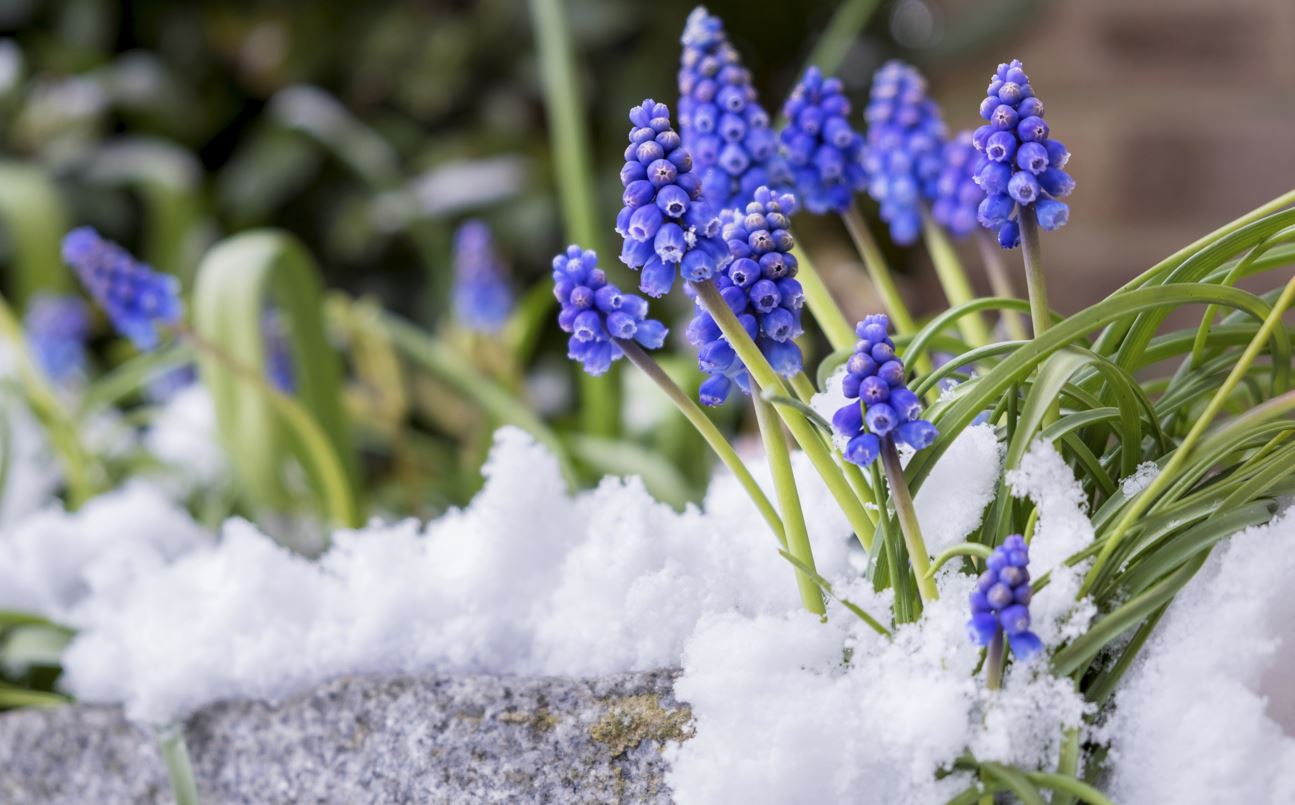
Grief Support Workshop – November 27th 2022
Life is difficult – suffering – losses. Know that the pain will pass. Trust that nature will do the healing. And as grieving passes, You will be stronger. Healing, more…
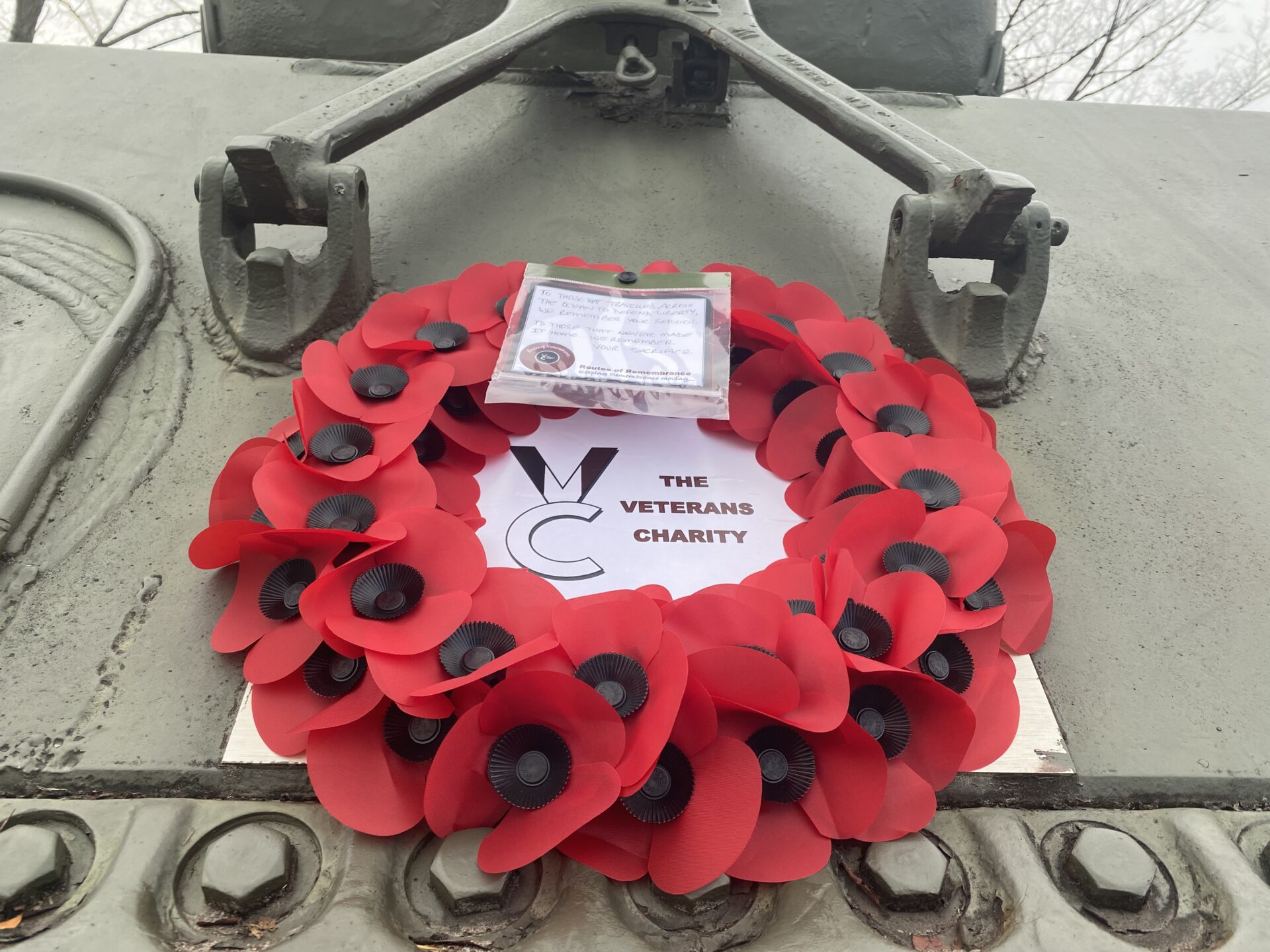
Routes of Remembrance
À ceux qui ont traversé l’océan pour défendre la liberté, nous nous souvenons de votre service. À ceux qui ne sont jamais rentrés chez eux, nous nous souvenons de votre…

A Journalist and Soldier – Sir Edward Whipple Bancroft Morrison
SIR EDWARD WHIPPLE BANCROFT MORRISON – KCMG DSO Section 29, Lot 16 N Edward Whipple Bancroft Morrison was born to Scottish immigrants in London, Ontario on July 6, 1867. He…
National Day of Truth and Reconciliation at Beechwood 2022 – Recap Video
On September 30 2022, at the Beechwood National Memorial Center’s Sacred Space, there was a screening of the Spirit Bear and Children Make History short film. This stop-motion animation film…
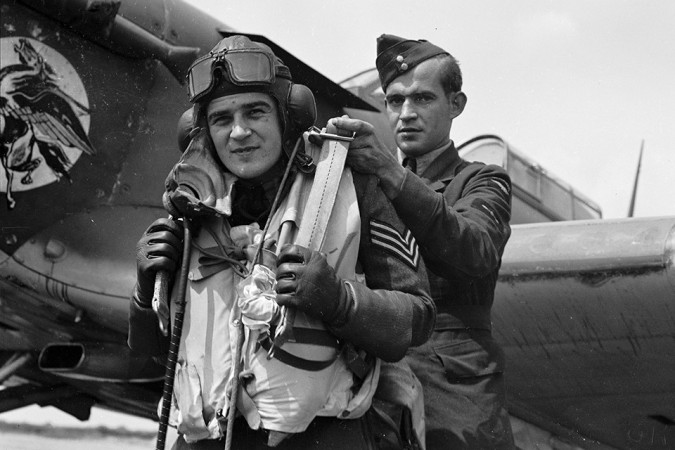
An ace fighter pilot – Flight Sergeant Joseph Auguste Omer Levesque
Flight Sergeant Joseph Auguste Omer Levesque Section 27, Range F, Grave 263 Joseph Auguste Omer Levesque was born on May 23, 1920 in Mont-Joli, Quebec. In 1940, he left his…

An open casket vs. a closed casket service – it’s a personal choice
When planning a Funeral, there are many different decisions to be made. One of those decisions is whether or not to have an open or closed casket for the visitation…
Heritage Sleuthing scientist set to restore identity of Bytown brother, sister ‘lost in time’
Researchers from the Canadian Museum of History are close to confirming the identities of two children who were buried nearly 200 years ago — but lost over time — in…
Remembrance Day at Beechwood lets visitors show their support for the Canadian Armed Forces
This Remembrance Day, those who gather at Beechwood Cemetery’s National Military Cemetery (NMC) will have the opportunity to honour the acts of service and sacrifice of those who died in…
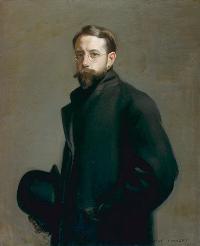
A soldier and an artist – Ernest George Fosbery
ERNEST GEORGE FOSBERY Section 37, Lot 44 E Ctr Born in Ottawa on December 29, 1874, Ernest Fosbery was the son of civil servant Henry Fosbery and Charlotte Hall. He…
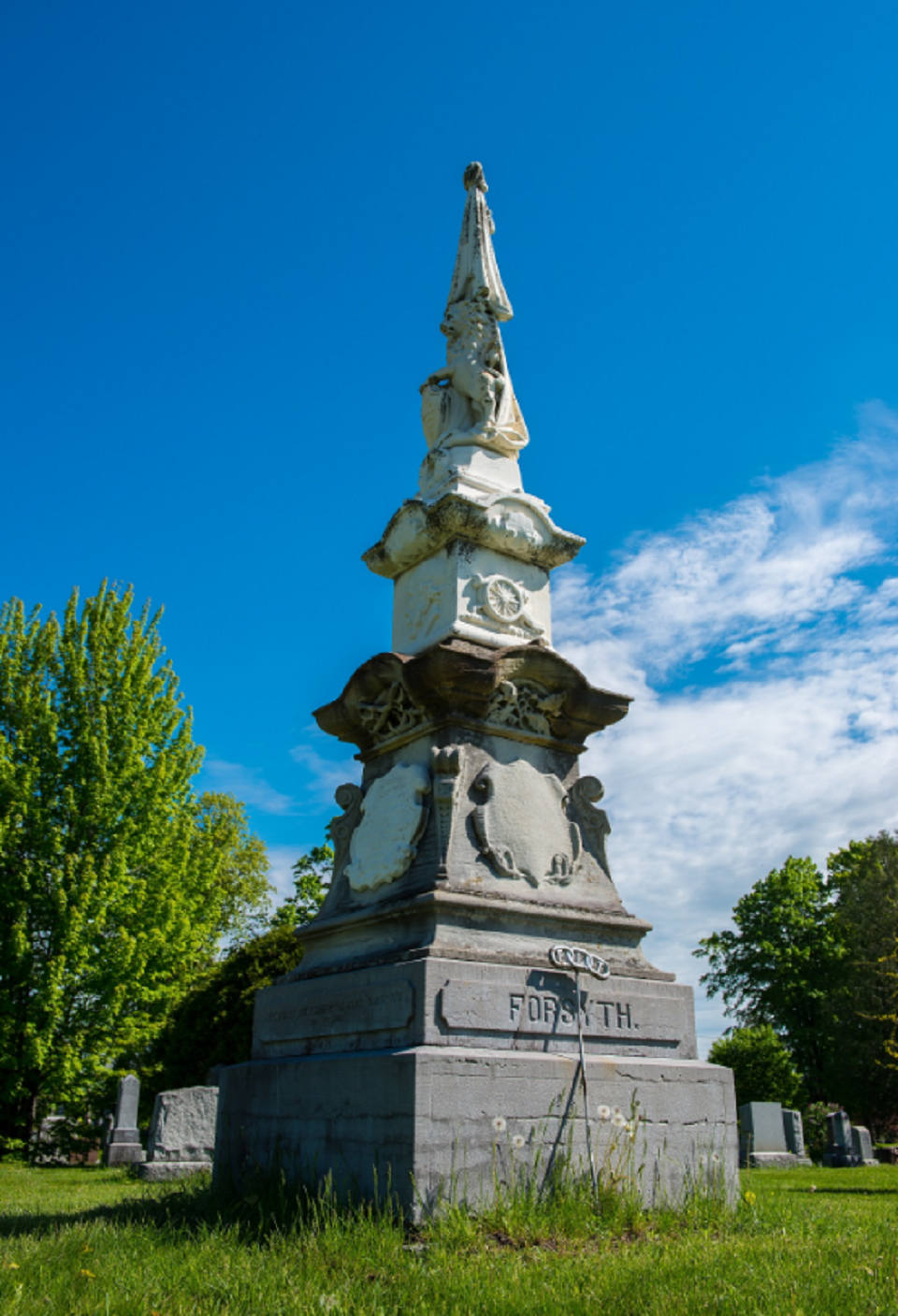
Remember This? The Emperor’s poet comes to Ottawa
The Beechwood Cemetery, located on Beechwood Avenue and Hemlock Road in Vanier, is the largest cemetery in Ottawa encompassing roughly 160 acres of wooded land. It is the resting place…
Remember This? The Emperor poet comes to Ottawa
The Beechwood Cemetery, located on Beechwood Avenue and Hemlock Road in Vanier, is the largest cemetery in Ottawa encompassing roughly 160 acres of wooded land. It is the resting place…
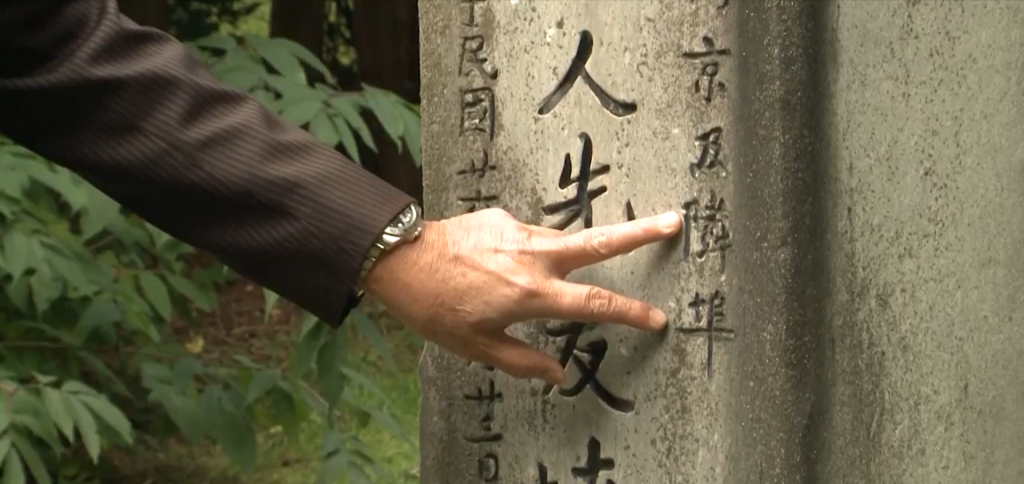
Beechwood Cemetery honours Chinese Canadian history
Click here to watch the video clip. In Ottawa, the graves of over 4,000 Chinese Canadians rest at Beechwood Cemetery. This is the final resting place for many individuals who…
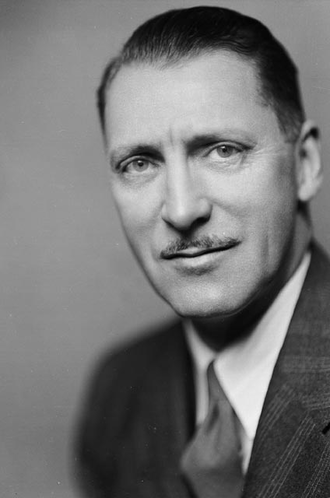
A Canadian Artist and Expert in Heraldry – Alan Brookman Beddoe
LCDR ALAN BROOKMAN BEDDOE Section 41, Lot 119 SW, Grave B Alan Brookman Beddoe was born on June 1, 1893 in Ottawa. He was educated at the Model school and…
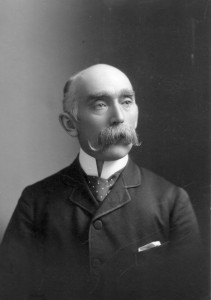
New film examines writings of 2 residential school era figures
A new short film aims to set the record straight on two important historical figures from the residential school era. Duncan Campbell Scott was the top civil servant in what…
Several events planned at Beechwood Cemetery for National Day of Truth and Reconciliation
In honour of the National Day for Truth and Reconciliation on Sept. 30, the First Nations Child and Family Caring Society of Canada (Caring Society) and Beechwood Cemetery Foundation have…
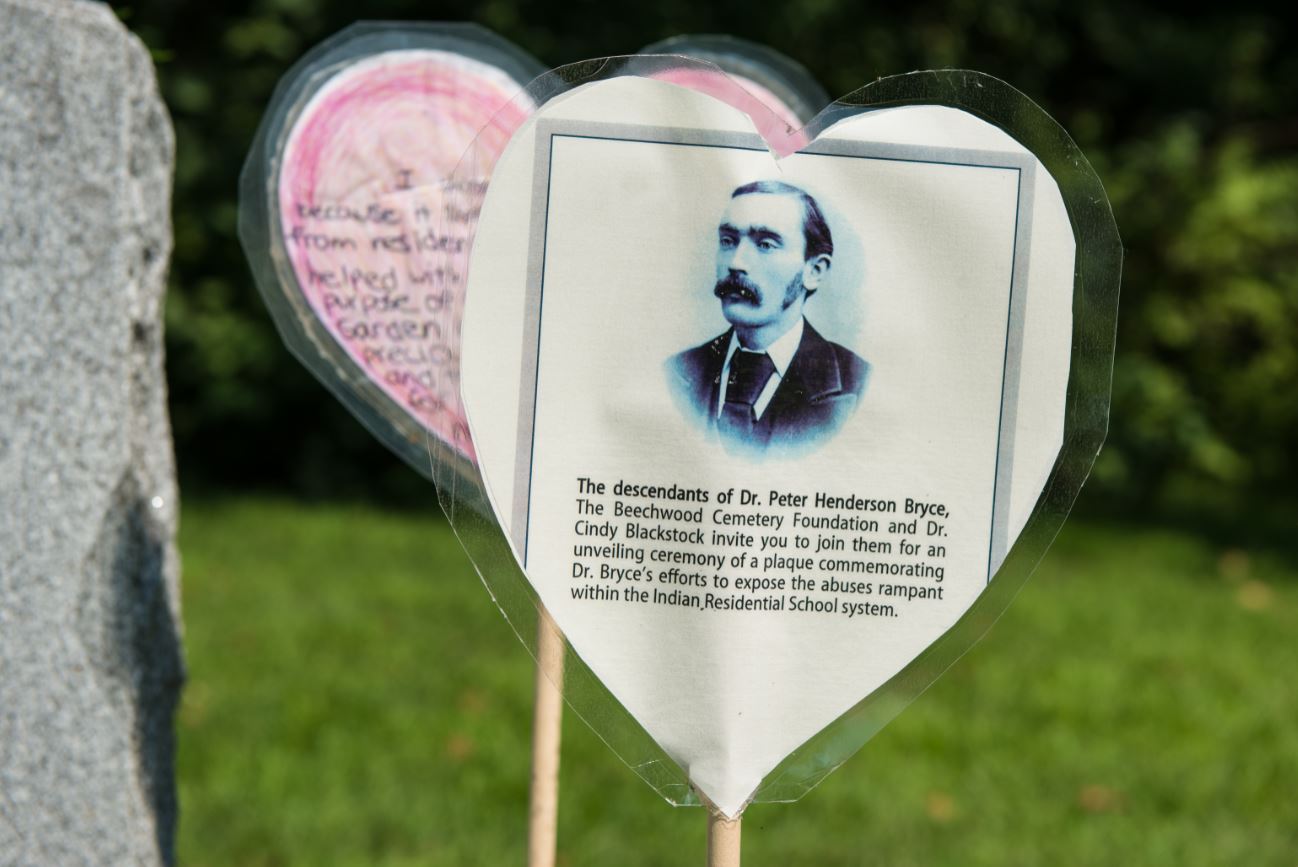
You are invited to participate in Orange Shirt Day and National Day for Truth and Reconciliation events on September 30, 2022!
In honour of Orange Shirt Day and the National Day for Truth and Reconciliation, join us for a day of education, reflection, truth telling, and action. The Caring Society is…
Support the Beechwood Cemetery Foundation on the road to 150 years
As Beechwood looks ahead to 150 years of serving our families, the Ottawa community and Canada, we look forward to celebrating this milestone together. Founded in 1873, the Beechwood Cemetery…
Truth and Reconciliation activities get underway at Beechwood Cemetery
Ceremonies at Beechwood Cemetery to mark Friday’s National Day of Truth and Reconciliation were set to begin on Tuesday with an evening airing of a 1978 CBC radio drama, titled…

The Beechwood Way – A Beechwood History of the Foreign Service
Canadian diplomats and the foreign service have played a vital role in the promotion and protection of Canada’s national interests around the globe. They have furthered international peace and security,…
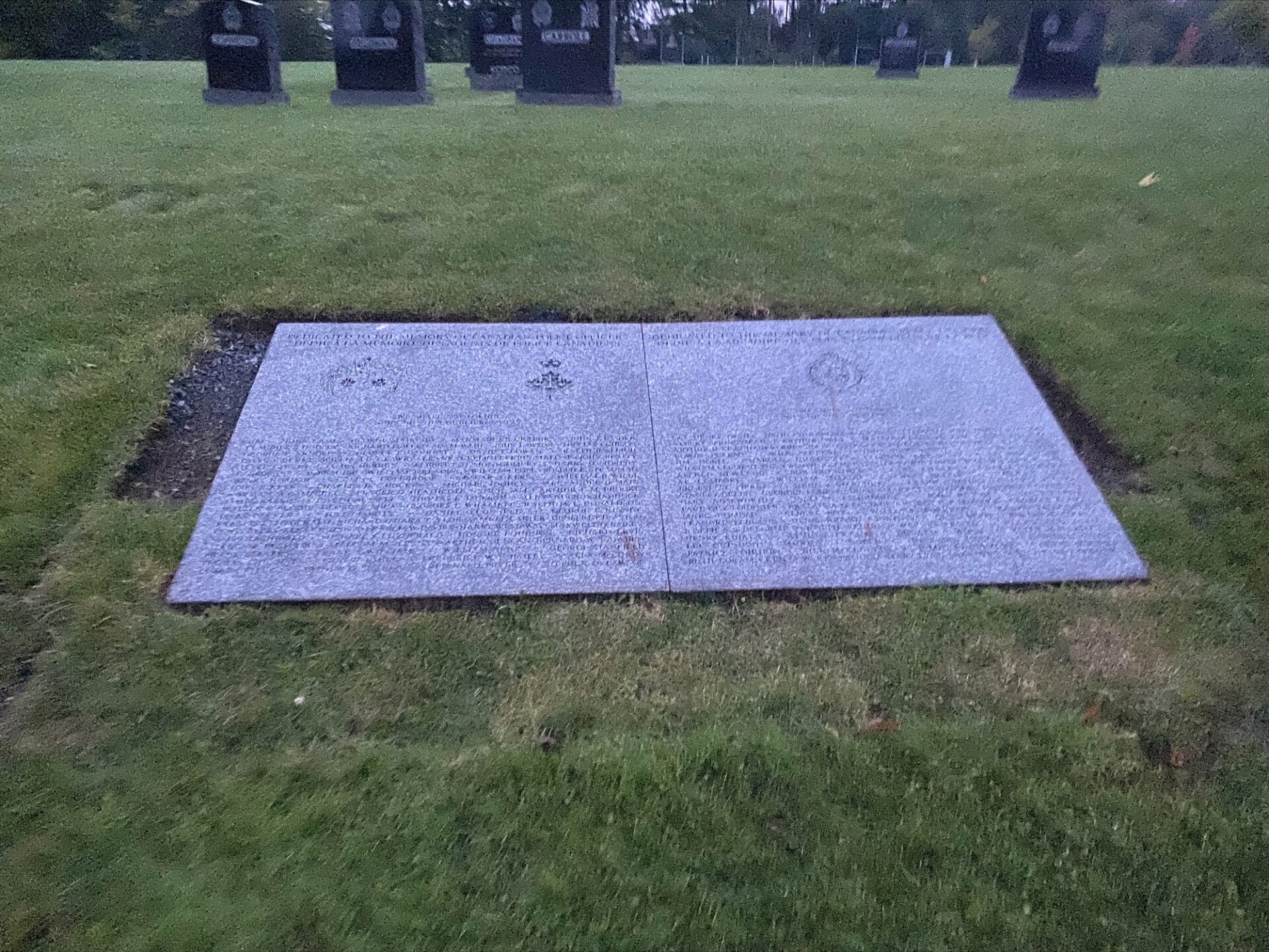
Historic Canadian Police and Peace Officers’ Memorial tablets
The Canadian Police and Peace Officers’ Memorial (CPPOM) is proud to partner with Beechwood Cemetery to display these historical, decommissioned granite tablets etched with the names of police officers who…
A diplomatic pioneer – Marion Adams Macpherson
Marion Adams Macpherson Section 100, Grave 291 Marion Macpherson was born on May 16, 1924 in Moose Jaw, Saskatchewan, but grew up in the much smaller town of Moosomin, where…
What are Burial Rights?
1. When I buy a cemetery property, do I own the land? No. As an Interment “Rights Holder” what you own is an “interment right”. This gives you the right…
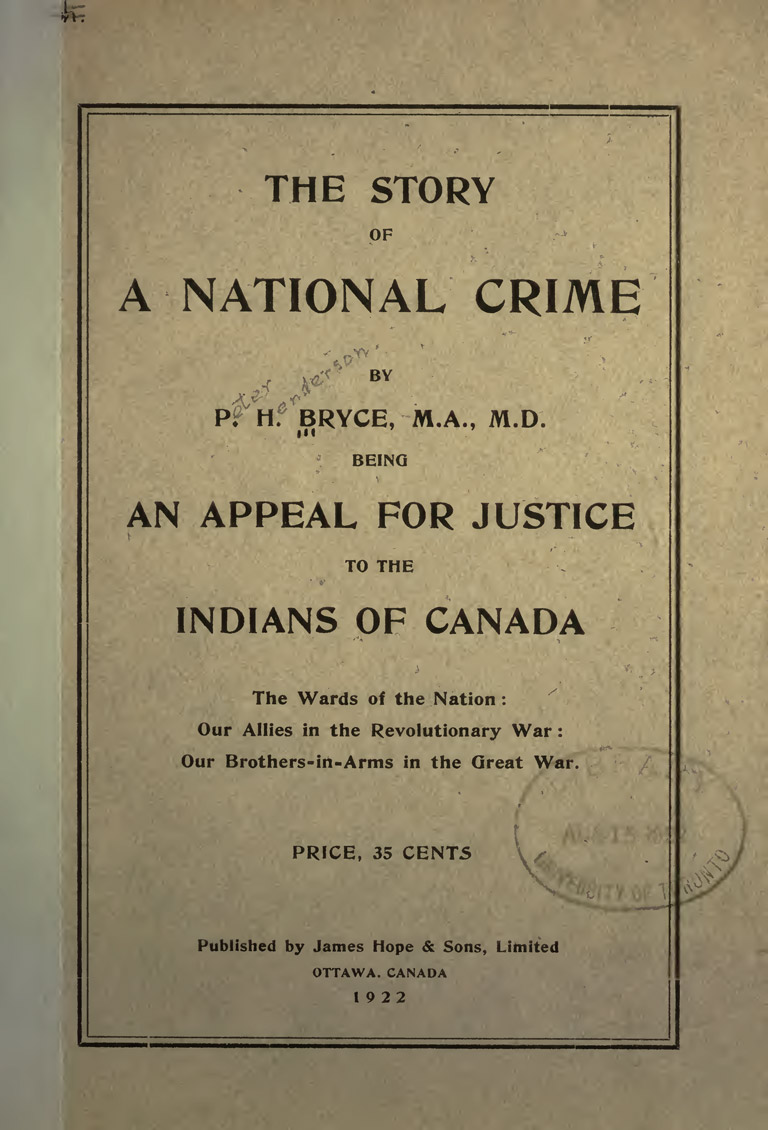
A National Crime
A National Crime One hundred years ago, Dr. Peter Henderson Bryce exposed the horrifying death toll among children in residential schools. No one wanted to listen to Dr. Peter Henderson…
The Indomitable Electrician – FREDERIC NEWTON GISBORNE
FREDERIC NEWTON GISBORNE Section 41, Lot 107 E Born in England in 1824. He left England in 1842 for a trip around the world, finally settling in Canada in 1845.…
Buried Stories
Two men built the residential school system that harmed so many Indigenous people. One man spoke up and was ignored. Their reputations have reversed over the past century. All three lie in Ottawa’s Beechwood Cemetery.
The Cross of Sacrifice
The Cross of Sacrifice is a Commonwealth war memorial designed in 1918 by Sir Reginald Blomfield for the Imperial War Graves Commission (now the Commonwealth War Graves Commission). It is…
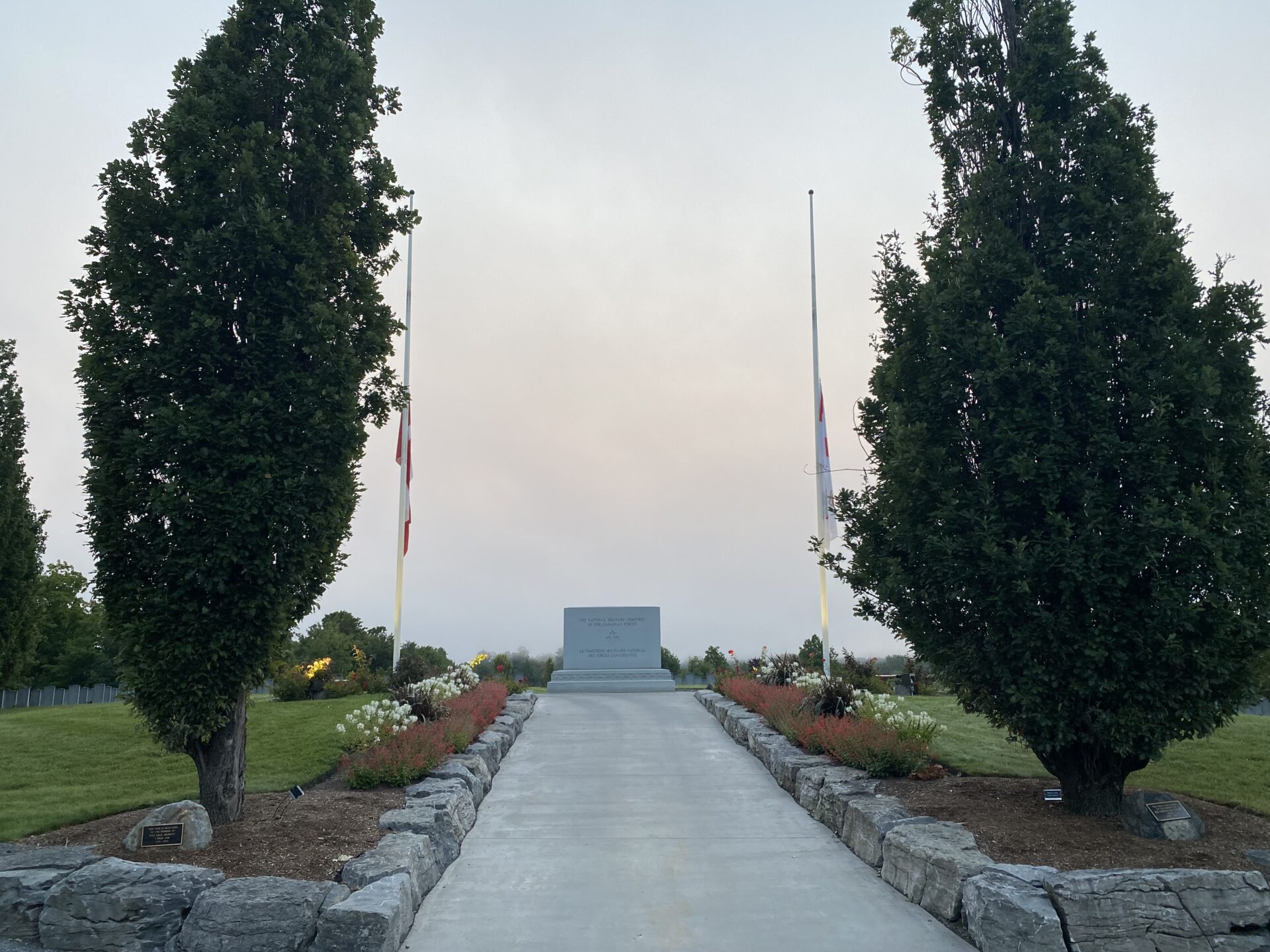
Flags have been lowered to half-mast at Beechwood Cemetery, the National Cemetery of Canada to honour the passing of Her Majesty Queen Elizabeth II, Queen of Canada
Flags have been lowered to half-mast at Beechwood Cemetery, the National Cemetery of Canada to honour the passing of Her Majesty Queen Elizabeth II, Queen of Canada The flags have…
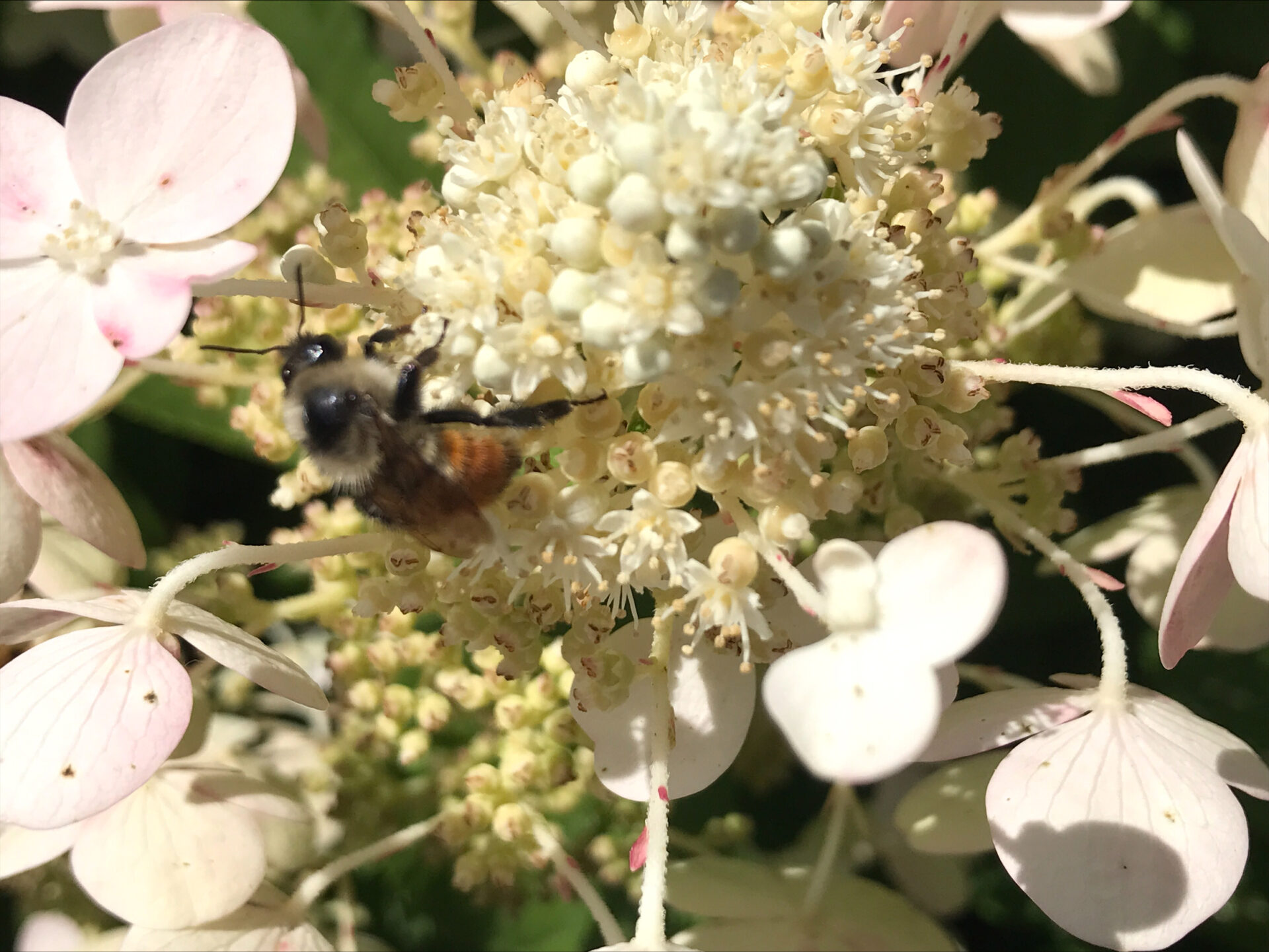
Beechwood Bee Program 2022
Our Apiary Program grew from 3 hives to 5, this was achieved by recovering one of our swarms and ordering and purchasing a nucleus colony (nuc) last February, as a…
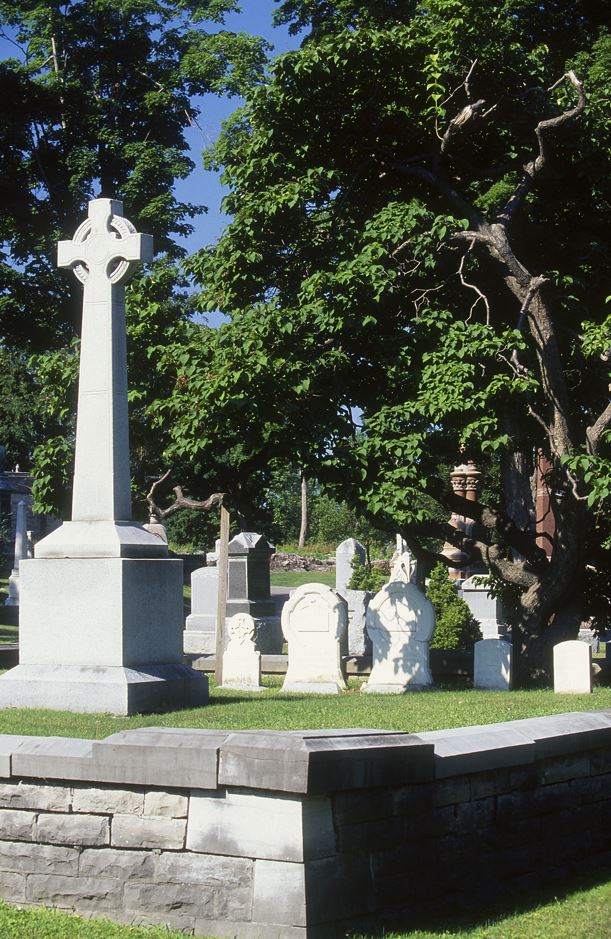
In the Gardens: A Japanese Lilac
The Japanese lilac tree is a fragrant flowering tree native to northern China that is perfect for the garden or street. The Japanese lilac tree was discovered in the mountains…
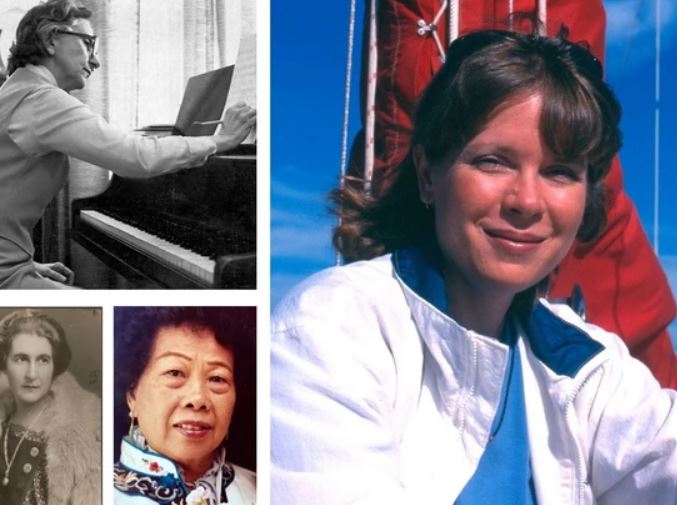
Discover four influential women on a Beechwood historical tour
A journalist, writer and playwright from the early 19th century who contributed greatly to Canada’s literary activities. A 1913-born composer and creator of more than 120 pieces of work, including…
National Day for Truth and Reconciliation at Beechwood Cemetery
In honour of the National Day for Truth and Reconciliation, First Nations Child and Family Caring Society of Canada (Caring Society) and Beechwood Cemetery Foundation have continued to partner to…
Tree Planting Program
On top of the usual busyness, this year is going to be an exciting year for tree planting. The Beechwood Cemetery Foundation has launched a new program to help replant…
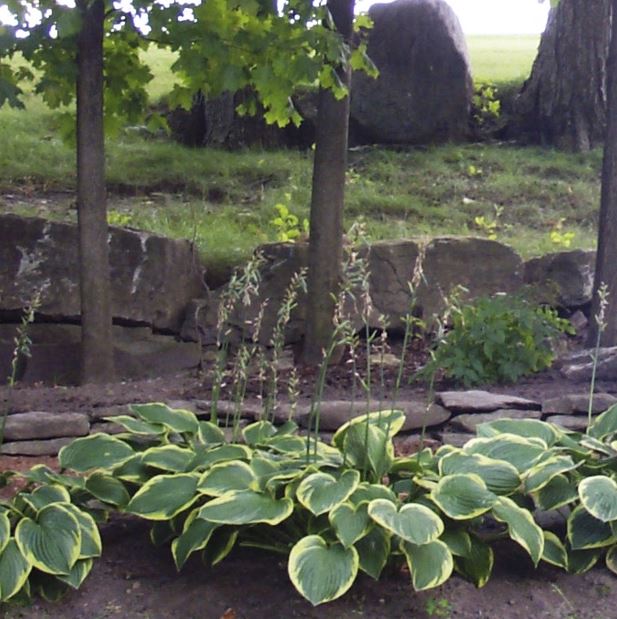
In the Gardens – Hostas: a plant with such variety
Hostas are widely cultivated as shade-tolerant foliage plants. The genus is currently placed in the family Asparagaceae, subfamily Agavoideae, and is native to northeast Asia (China, Japan, Korea, and the…
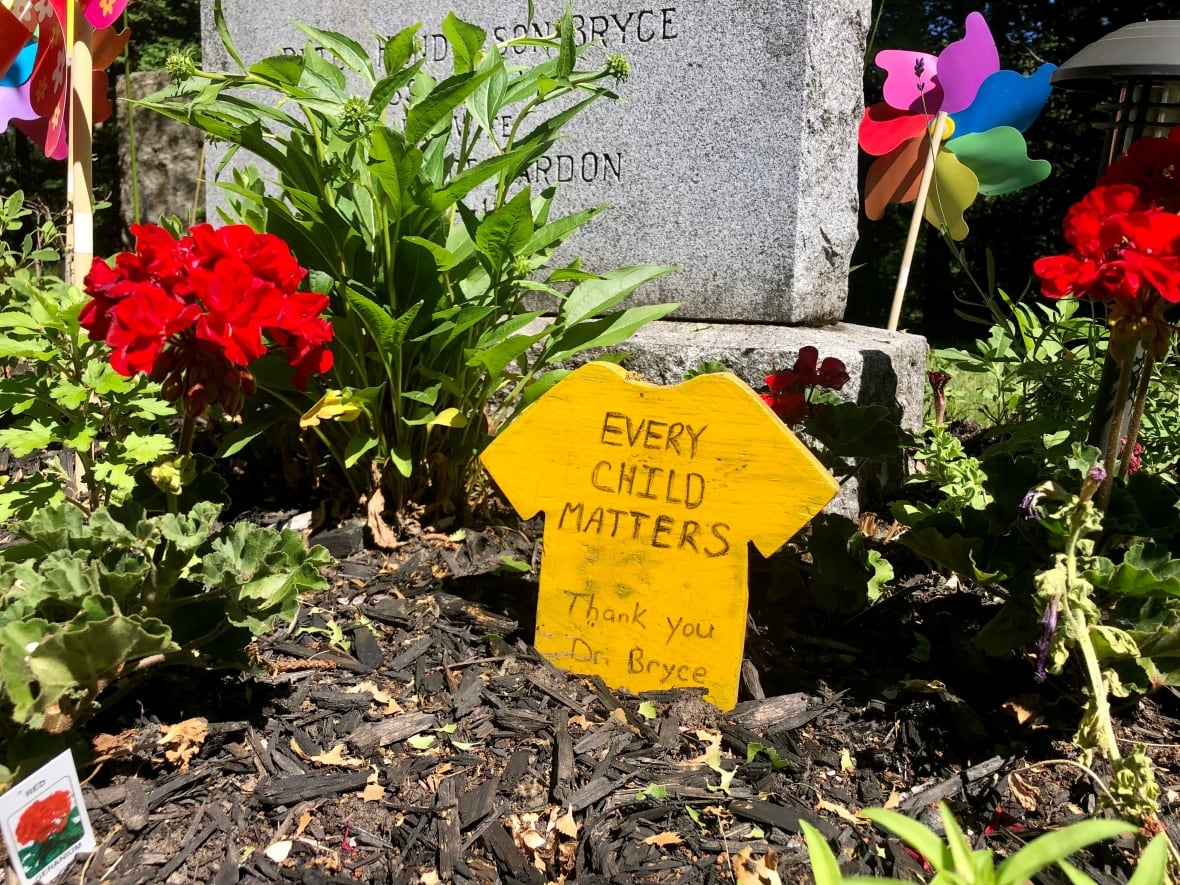
Beechwood unveils plans for National Day of Truth and Reconciliation
A reconciliation tour of Beechwood Cemetery, screenings of two short films, and a reconciling walking tour of downtown Ottawa are among the events planned for this year’s National Day of…
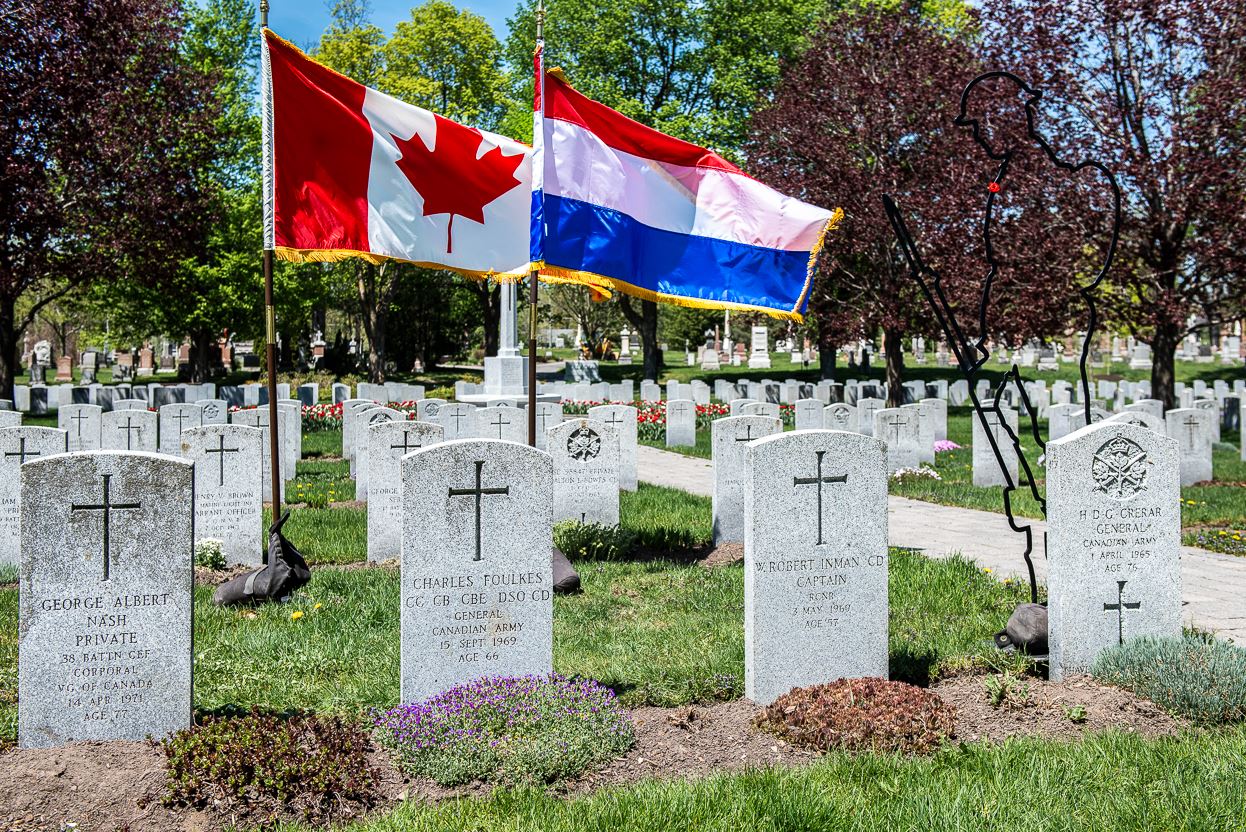
The Beechwood Way – Summer 2022 Vol.21
WHEN IT RAINS, IT POURS. Although this expression is typically associated with difficult times, here at Beechwood it has taken on a different meaning lately. As you can imagine, we…
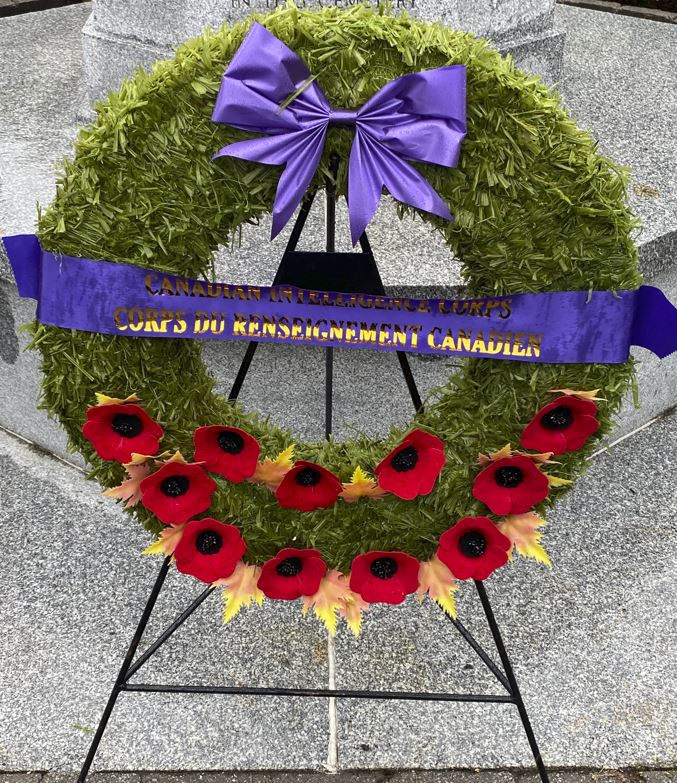
The Battle of Amiens and the Canadian Intelligence Corps
On August 8th 2022, a wreath was laid to honour the predecessors of the Canadian Intelligence Corps. Commemorative ceremonies were held across Canada to honour the members of the Canadian…
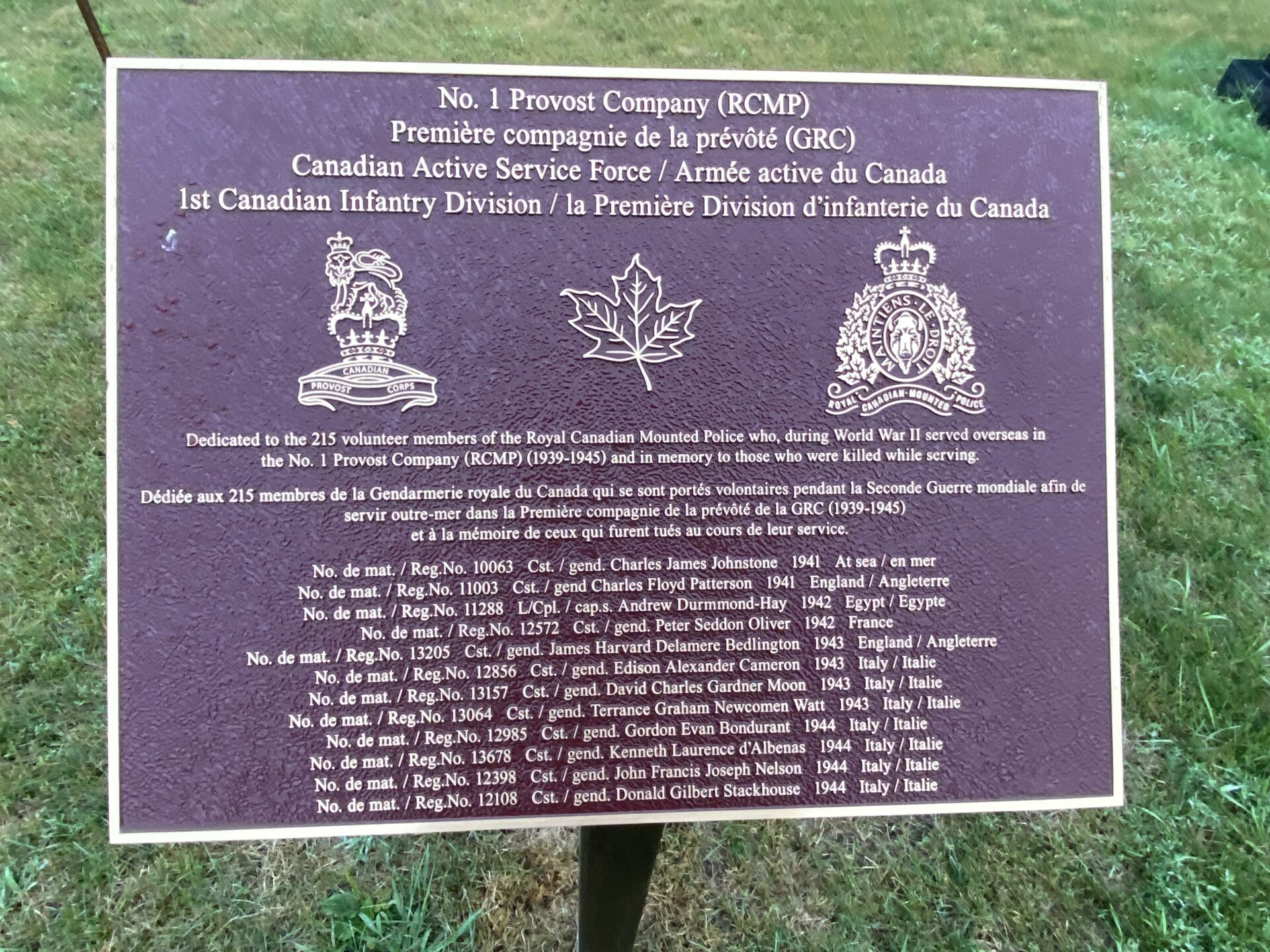
No. 1 Provost Company and the RCMP
No. 1 Provost Company and the RCMP At the outbreak of World War II, the Canadian Army was without any form of military police. On September 13, 1939, the Royal…
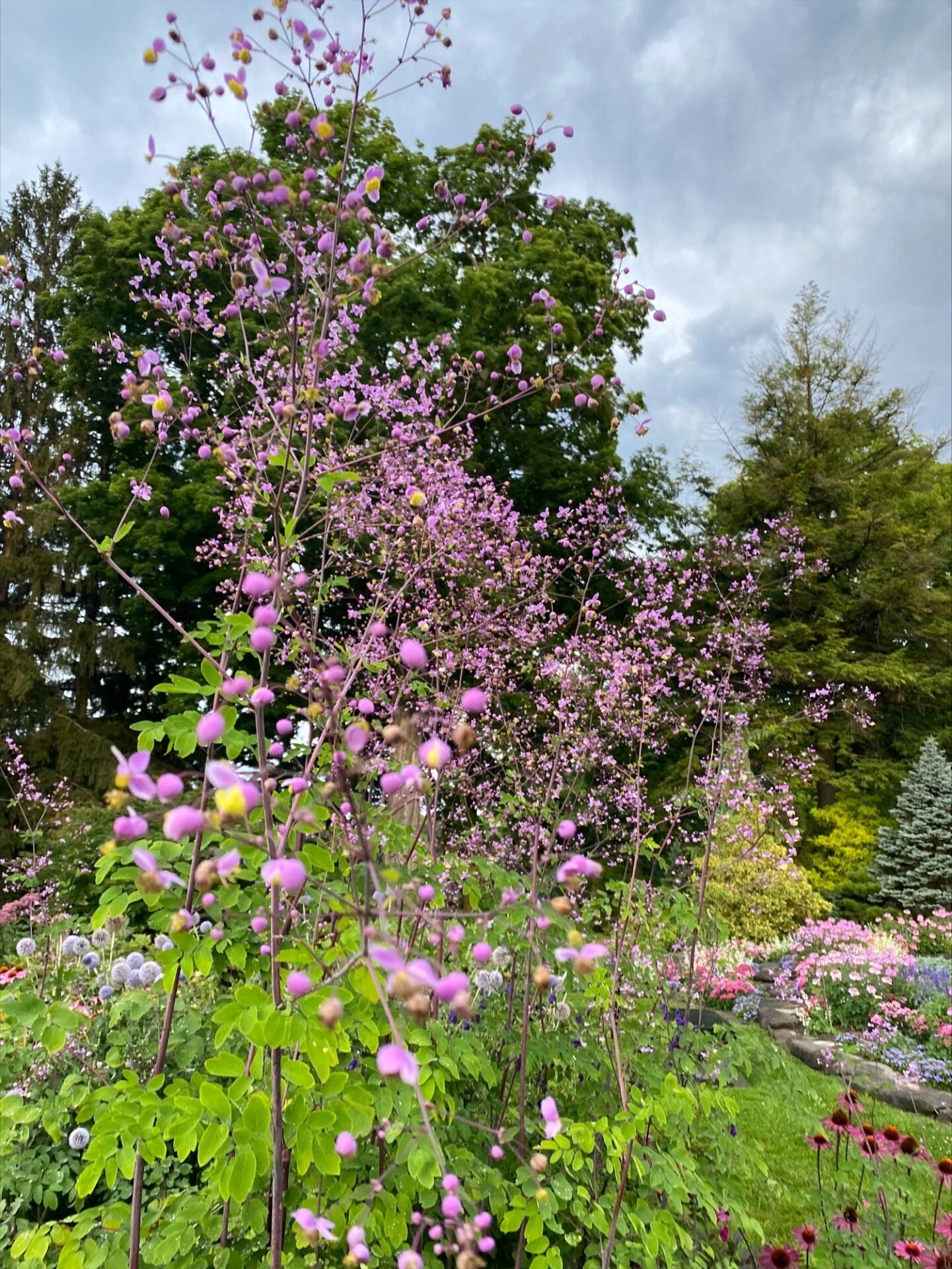
In the Gardens: Thalictrum delavayi, Chinese meadow-rue
Thalictrum delavayi is a species of flowering plant in the family Ranunculaceae native to Native to western China, where it occurs from Yunnan to Xizang, Sichuan and western Guizhou Provinces.…
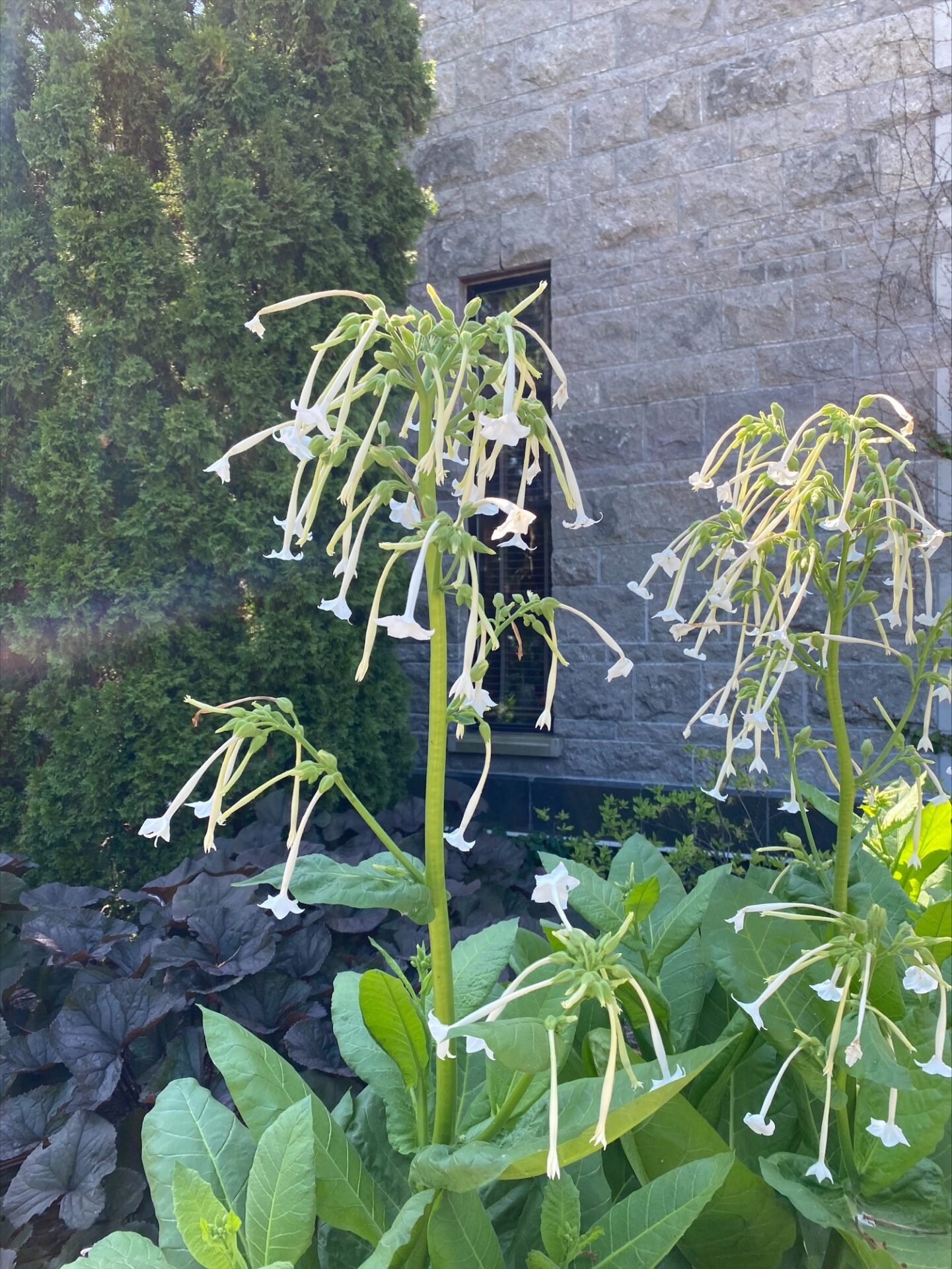
In the Gardens – White Shooting Stars – Ornamental Flowering Tobacco
Nicotiana sylvestris is a species of flowering plant in the nightshade family Solanaceae, known by the common names woodland tobacco, flowering tobacco, and South American tobacco. It is a biennial…
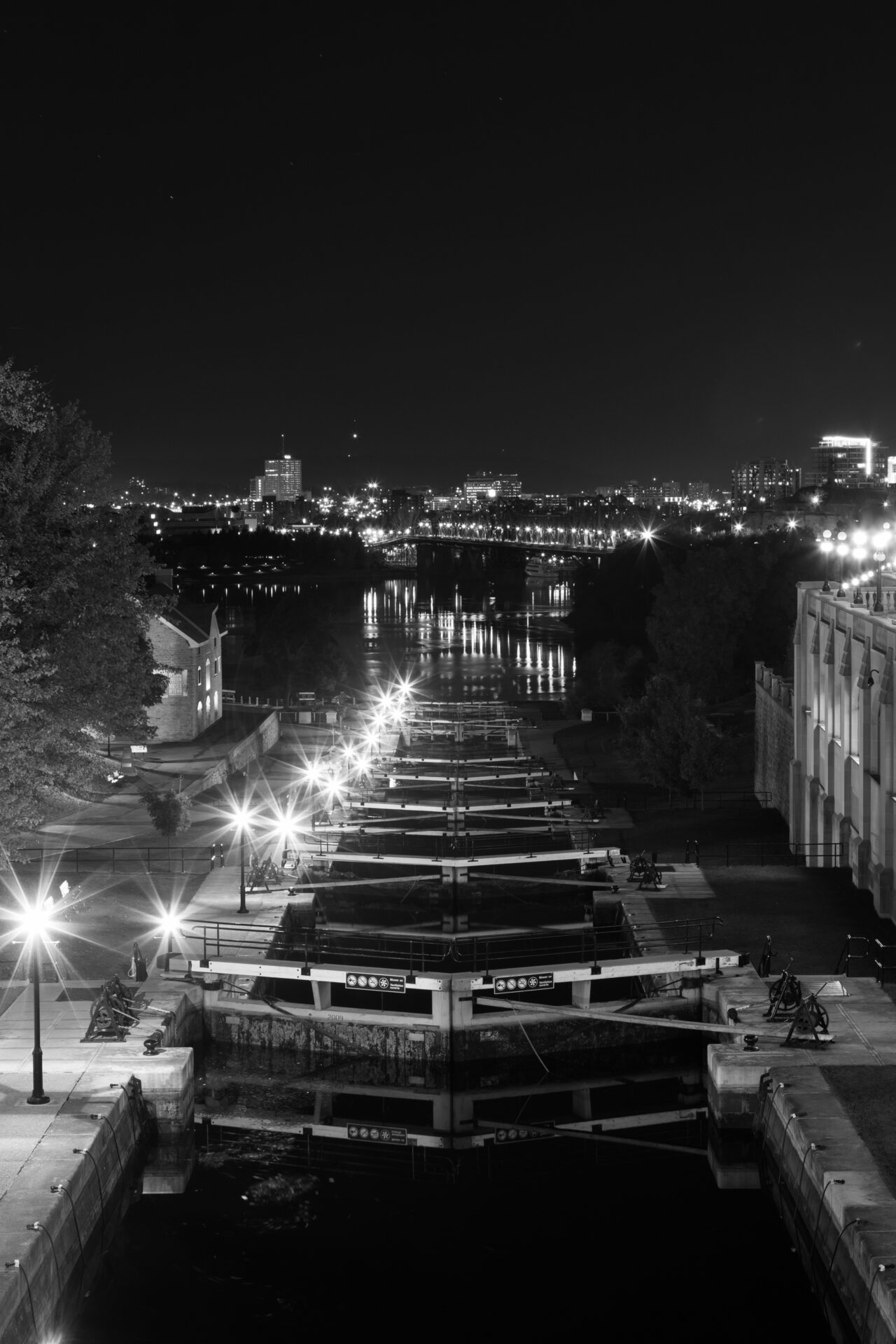
A Beechwood History of Canals
The first Canadian canal was built at Lachine, toward the western end of the island of Montreal. It opened in 1825, bypassing the Lachine rapids, long a barrier to navigation…
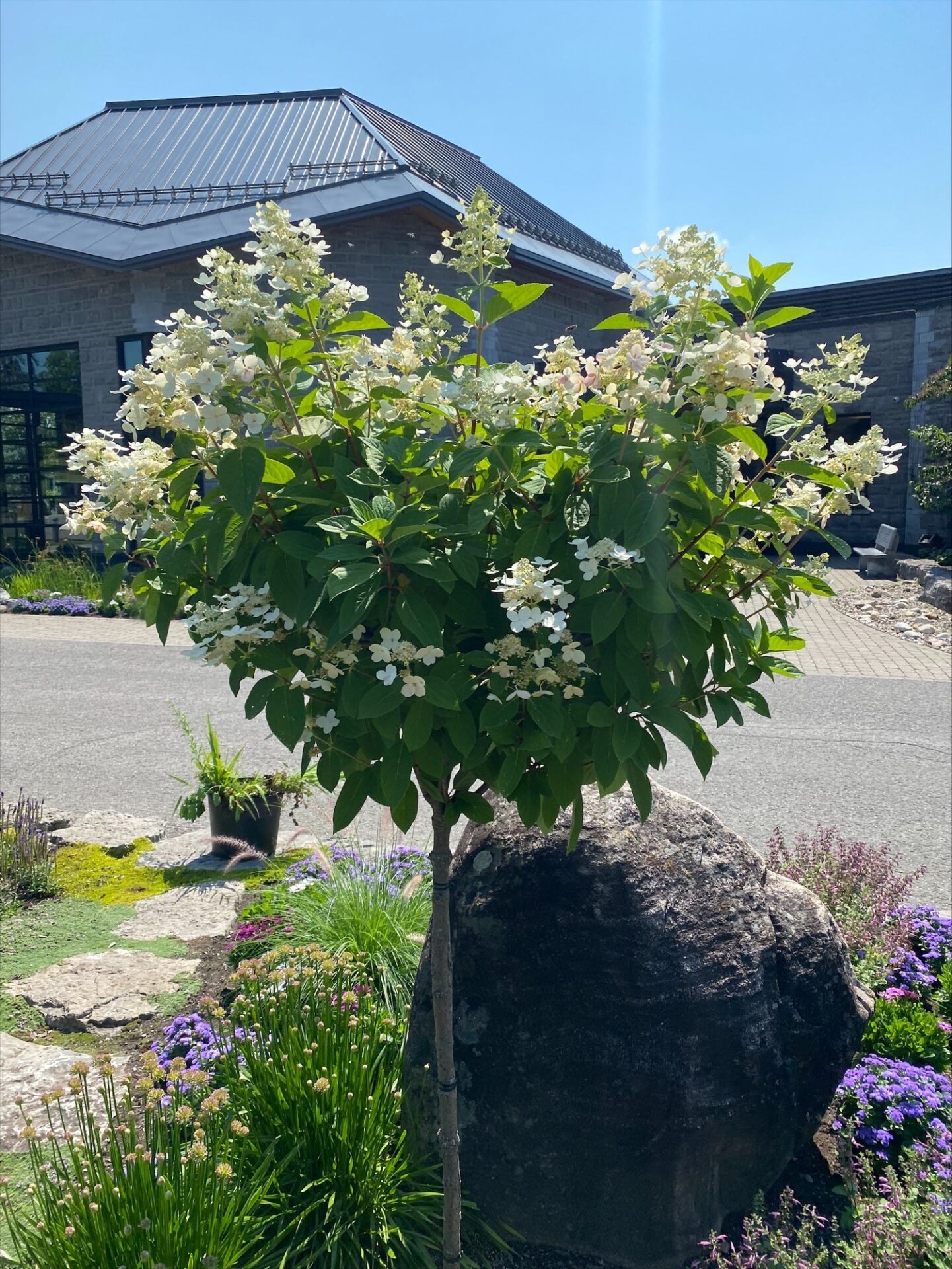
In the Gardens – Quick Fire Hydrangea (Standard Tree Form)
Full Name: Hydrangea paniculata Bulk Standard Quick Fire is one of the first of the hydrangea to bloom in the summer. It has large clusters of flowers that bloom a…

Chamberfest is set to illuminate with more than 70 concerts
From the radiance of Mendelsohn’s octet to the romance of Schoenberg’s Transfigured Night, Chamberfest will celebrate the return of light during this year’s edition of the classical-music festival, which starts…
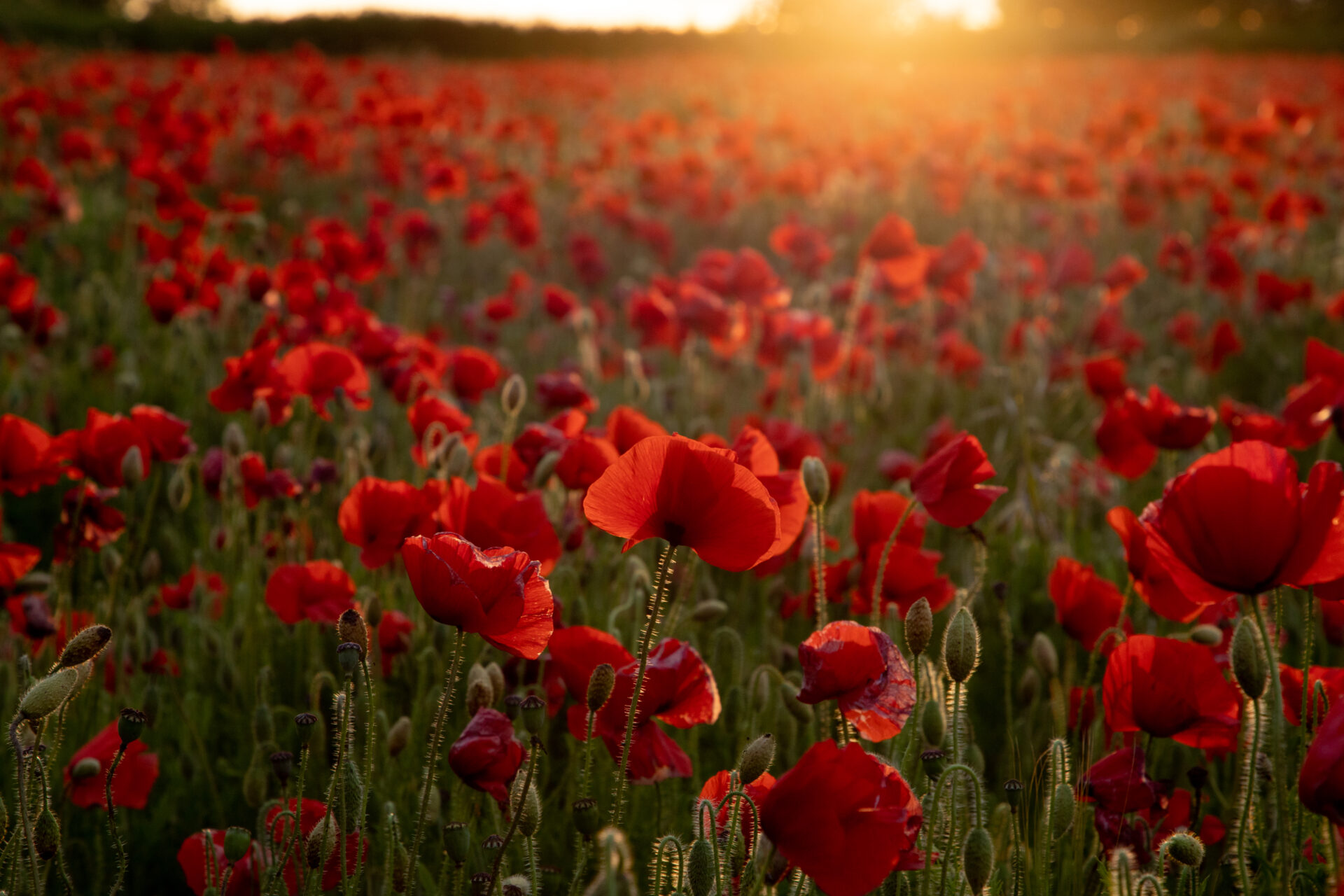
The Casualty Identification Program
On June 27 2022, three unknown soldiers associated with the Battle of Hill 70 were laid to rest with military honours at Loos British Cemetery, Loos-en-Gohelle, France. We cannot put…
LESSONS FROM THE GRAVE
OMNI NEWS takes a look at calls for greater transparency of all Vatican records of this country’s residential school system.
Spiritual Indigenous symbols to adorn Canadian military headstones, joining other sacred emblems
The First Nations medicine wheel and the Métis infinity symbol are the 10th and 11th icons that the Canadian Armed Forces will permit on military markers. A pair of spiritual…
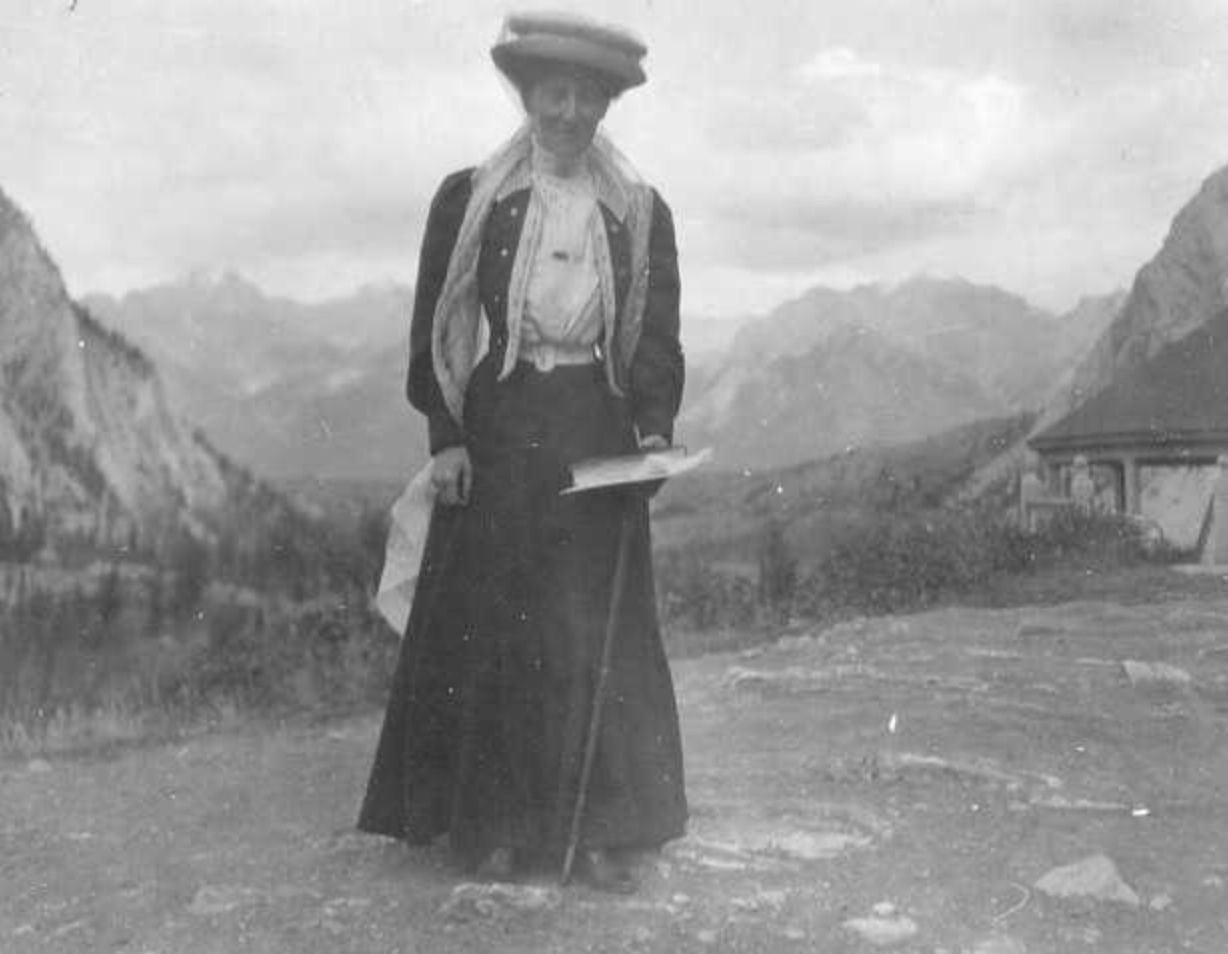
The first Canadian-born woman mountaineer – HENRIETTA LOETITIA TUZO WILSON
Henrietta Tuzo was born in Victoria in 1873 and was educated there and in England. She was a pioneering woman, but not in the traditional sense. Wilson was known for…
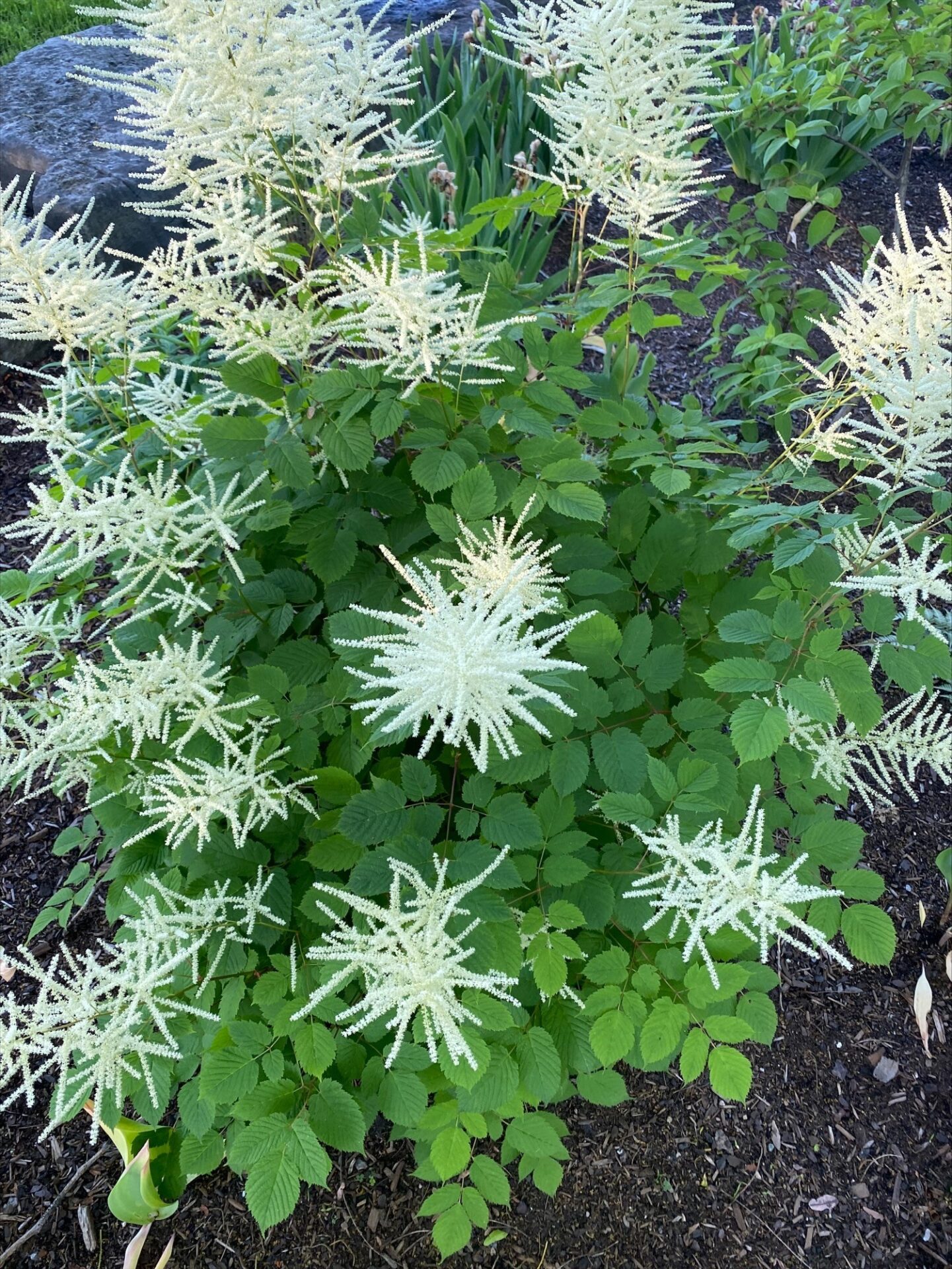
In the Gardens – Dwarf Goat’s Beard
Dwarf Goat’s Beard (Aruncus aethusifolius) is a small and compact perennial with attractive feathery plumes of tiny, starry, cream-coloured flowers that rise above the green foliage. The Dwarf Goat’s…
The History of the Beechwood Mausoleum
This stately structure opposite Beechwood’s reception centre was constructed in 1930 to serve as a mausoleum but has had the added functions of crematorium (no longer) and columbarium. Praised as…
Beechwood Cemetery: A place to remember and pay tribute to heroic Canadians
The generation of Canadians, Americans and Brits that defended the Allied west in World War II is known as “the greatest generation” for good reason. More than 45,000 Canadians of…
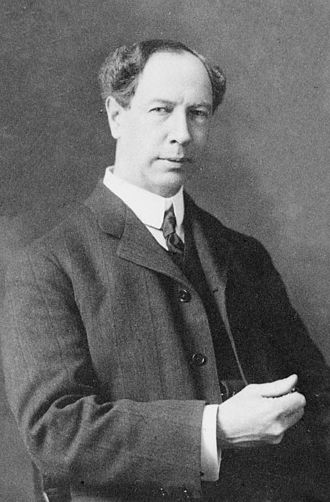
Prolific Inventor and Father of Carbide: Thomas Leopold (Carbide) Willson
Thomas Leopold (Carbide) Willson – Section 53, Lot 17 NW Born in Princeton, Ontario on March 14, 1860, Thomas Leopold Willson was an inventor, electrical engineer and entrepreneur. While in…
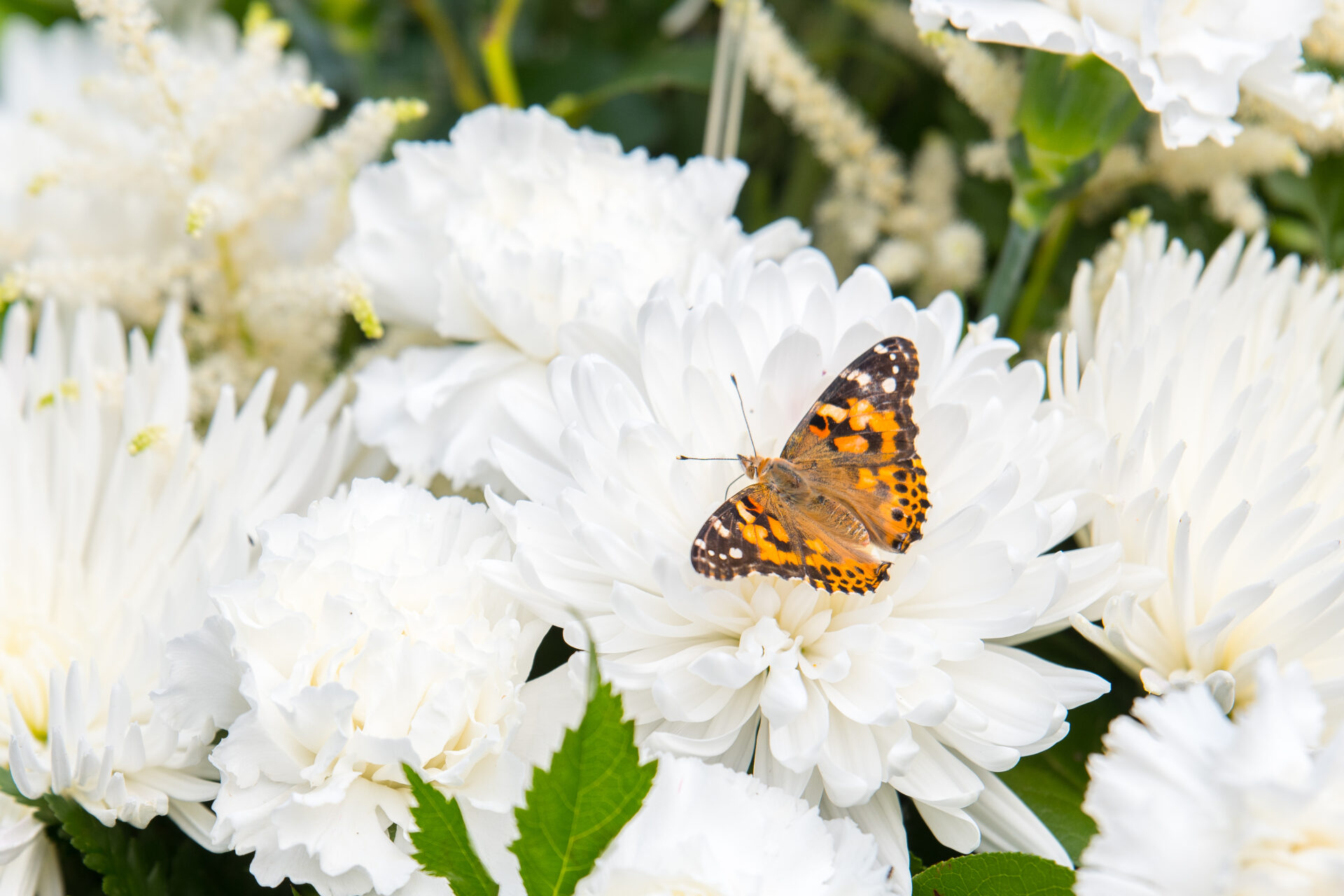
Bereaved families in Ottawa honour their loves ones by releasing butterflies
It was a symbol of rejuvenation and remembrance as butterflies were released at the Beechwood Cemetery for the annual Butterfly Memorial hosted by Bereaved Families of Ontario-Ottawa Region. “Uncle Kevin,…
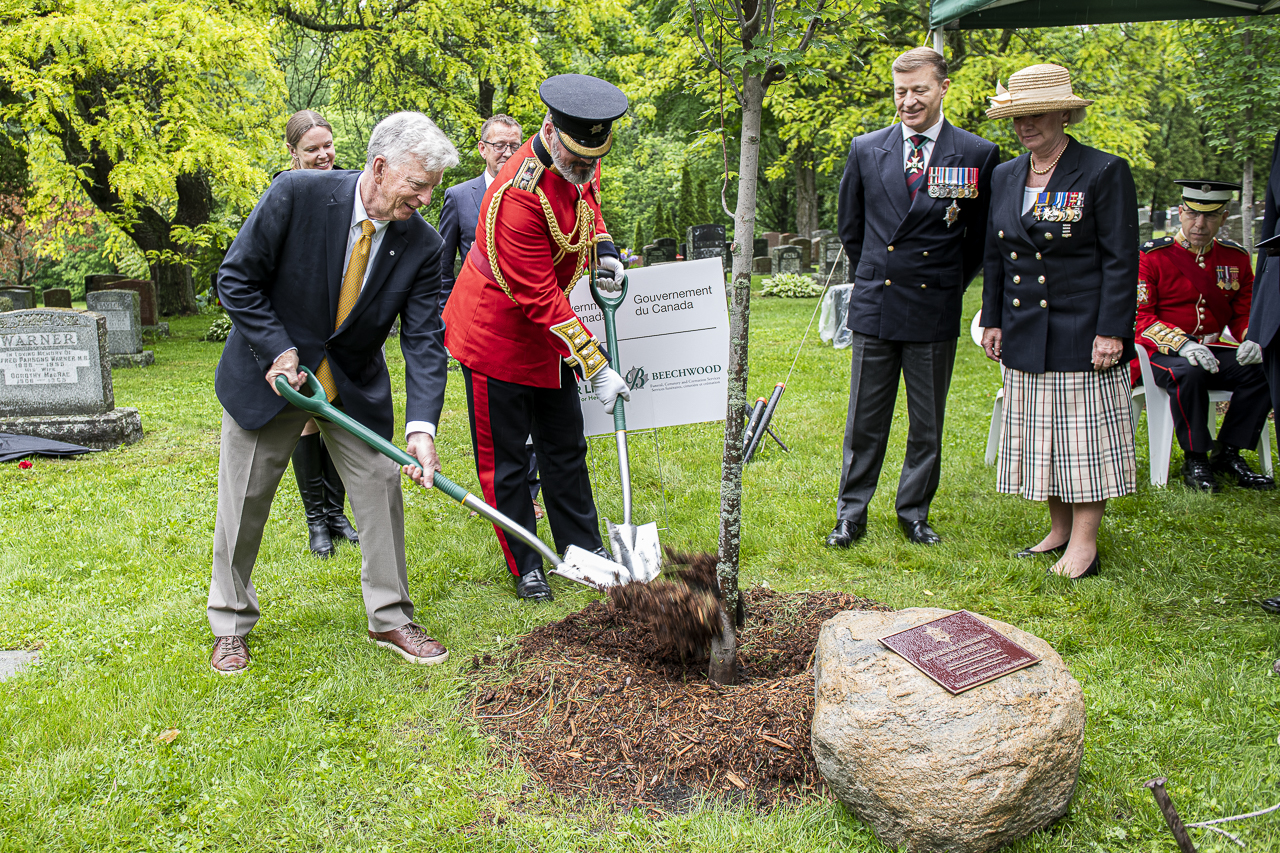
Community heroes to be honoured by the planting of 500 trees at Beechwood Cemetery
To mark the 150th anniversary of the Governor General’s Foot Guards, Ottawa’s Beechwood Cemetery is partnering with Trees For Life to plant 500 trees dedicated to community heroes. The list…
New Edition of the Beechwood Way – May 2022
ONE OF THE JOYS of working at Beechwood is the constant learning and discovering new history and heritage pieces. As you all can imagine, we are constantly undertaking research on…
Tribute Tree Program
Planting Life to Honour a Loved One’s Passing Trees for Life and Beechwood Cemetery, the national cemetery of Canada, have partnered to green up the Ottawa area. Trees renew the…
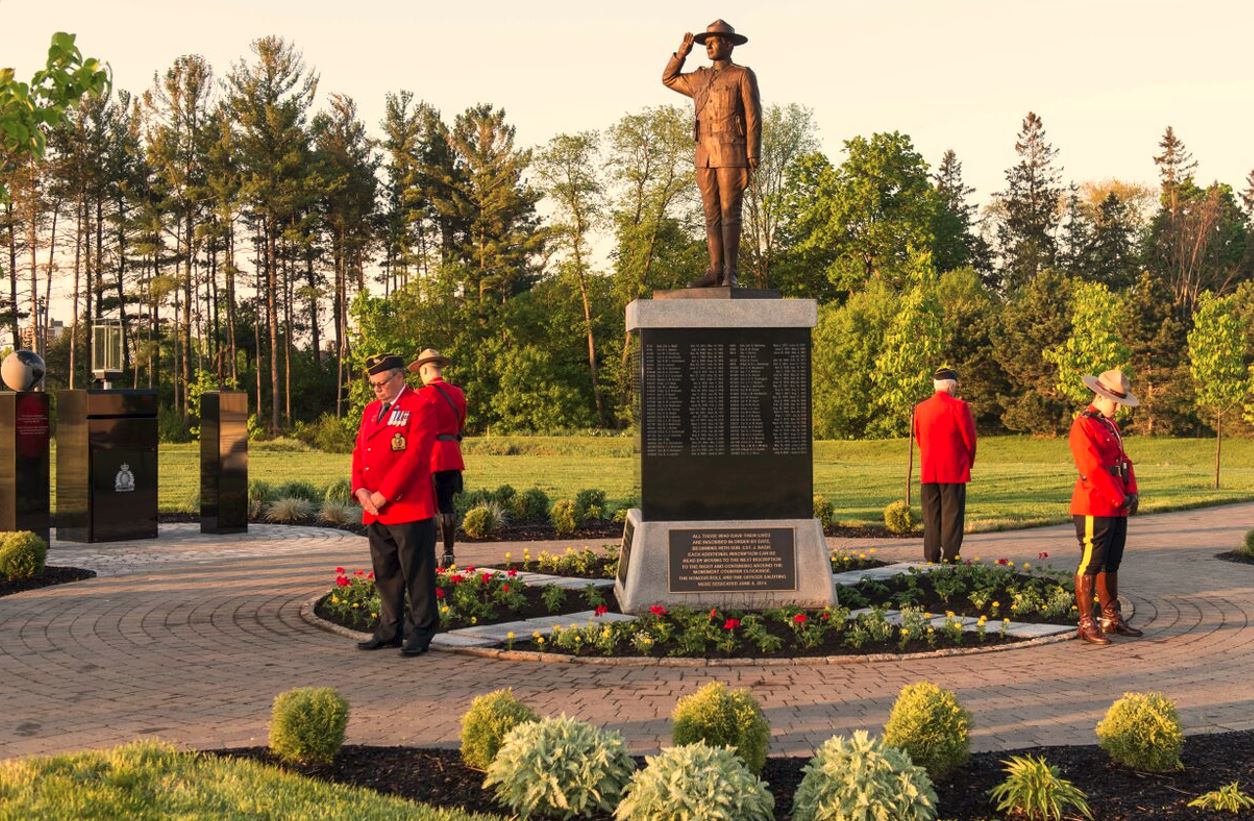
Beechwood Cemetery: Fields of sacrifice in our own backyard
From Polish, Egyptian and Vietnamese to Catholic, Muslim and simply spiritual, Beechwood Cemetery is the resting place of a multitude of cultures and beliefs. Welcoming of everyone, Beechwood also has…
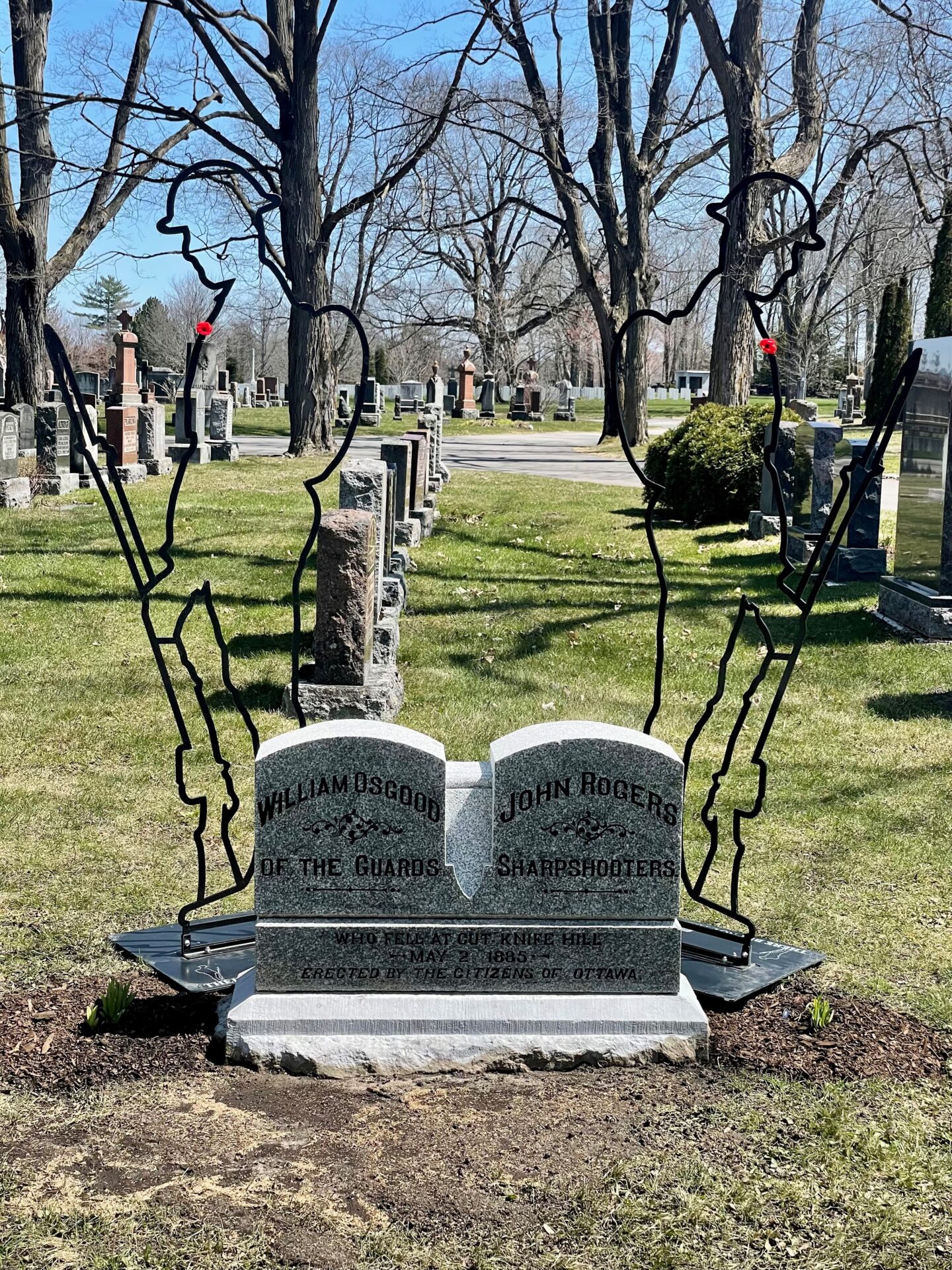
Osgood and Rogers – the first casualties
The Governor General’s Foot Guards (GGFG) is the senior reserve infantry regiment in the Canadian Army located in Ottawa, our National Capital. The GGFG are infantry reserve soldiers whose domestic…
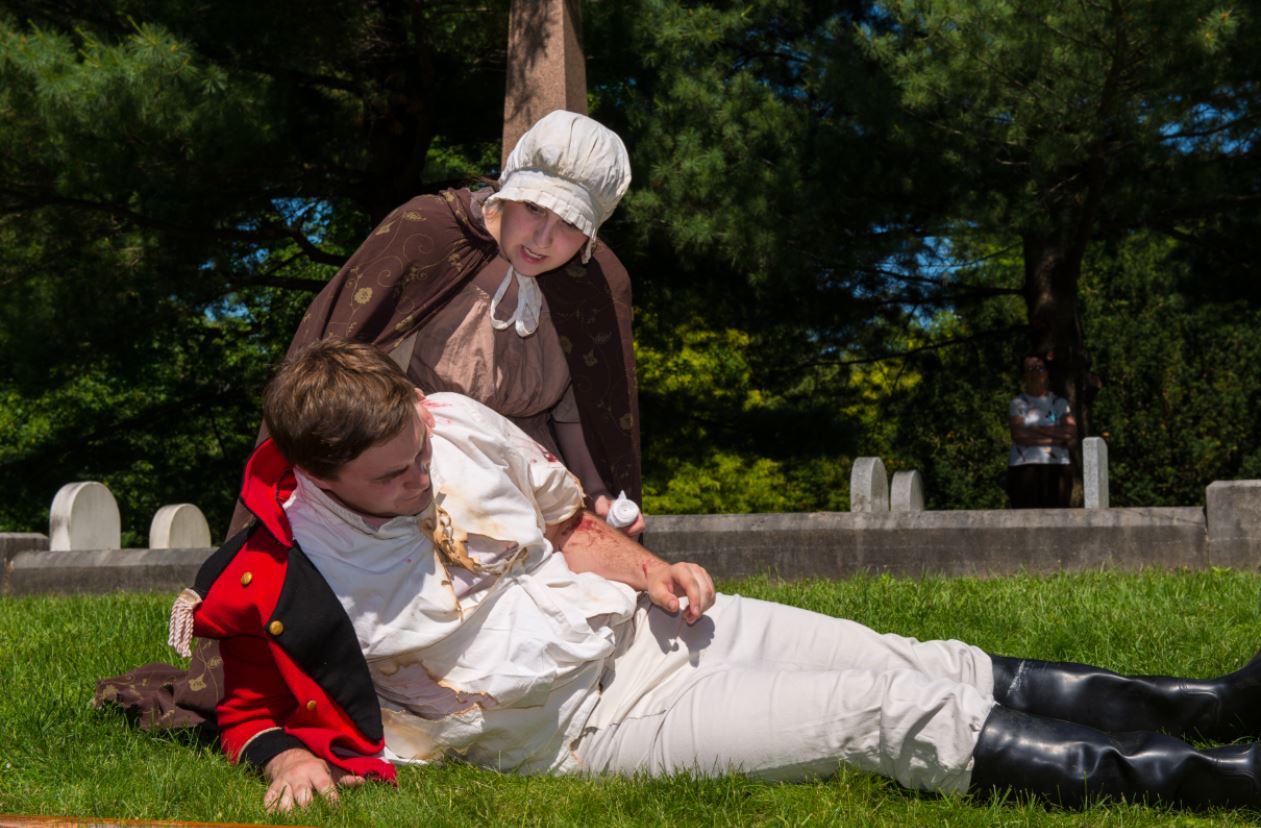
A soldier all through – MARIA HILL
MARIA HILL Section 37, Plot 59 & 60 Throughout her long life of service to king and country, Maria Hill always thought of herself as “a soldier all through.” Even…
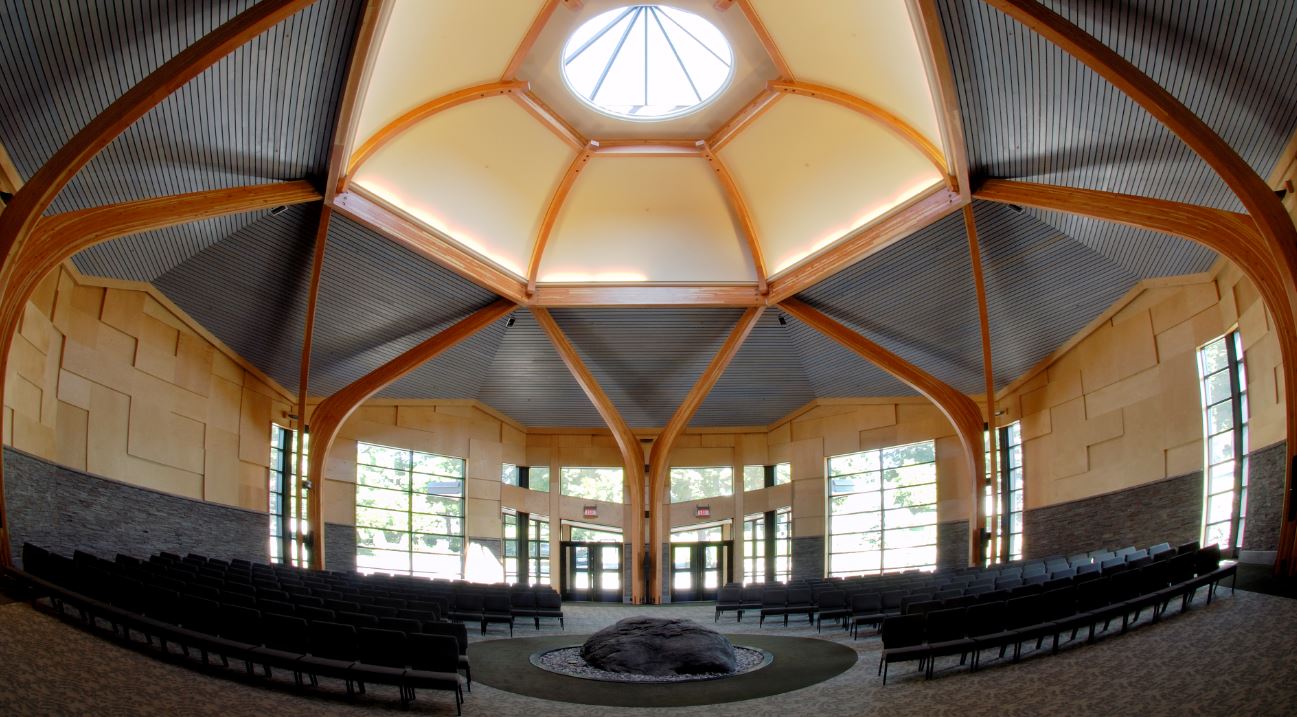
Choices when planning a Remembrance
It can be difficult trying to decide how to properly honour a loved one or friend. Below are the most common choices of remembrance, which can be chosen individually or…
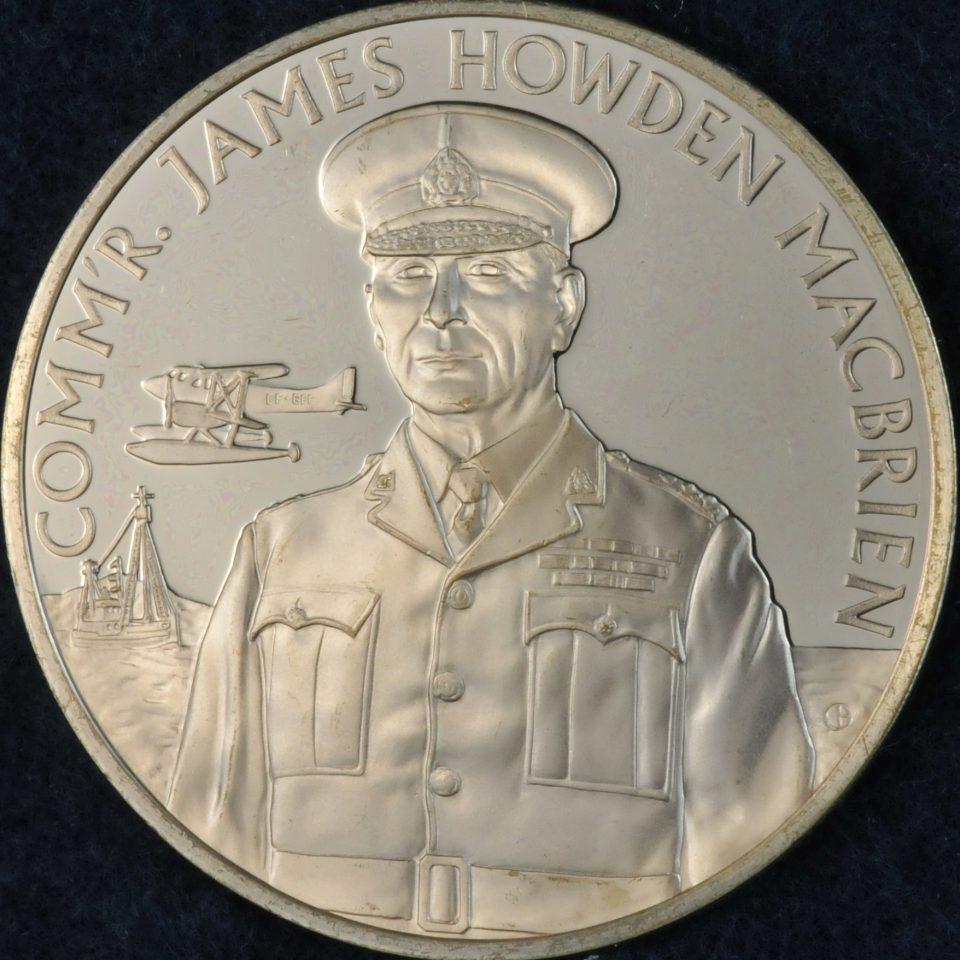
An extensive and outstanding career as an exemplary officer and policeman – SIR JAMES HOWDEN MacBRIEN
SIR JAMES HOWDEN MacBRIEN Section 63, Lot 1 James Howden MacBrien was born in Port Perry on June 30, 1878. In 1896 he joined the 34th Ontario Regiment, then went…
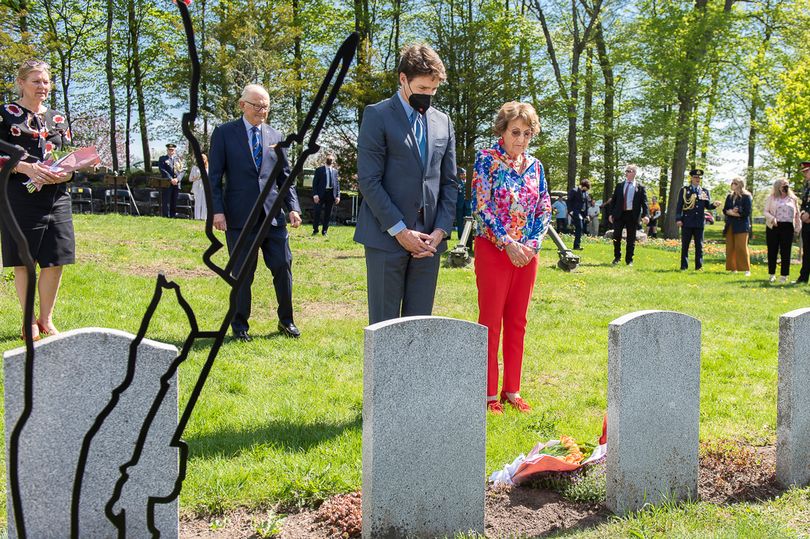
Royal tribute for Teesside born Canadian general who received the Nazi surrender in Holland
A royal tribute has been unveiled in honour of a Teesside born World War 2 general who received the Nazi surrender in Holland. Lt Gen Charles Foulkes, who was born…
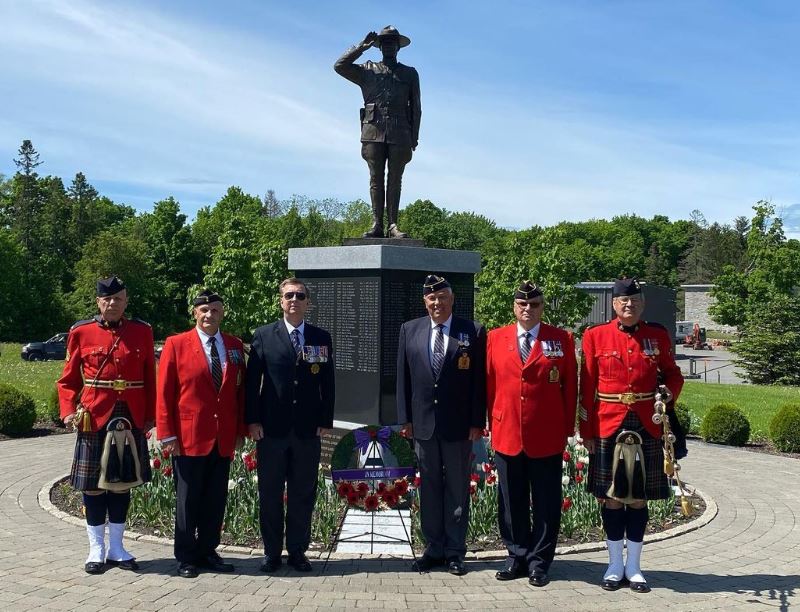
149th anniversary of the founding of the RCMP
On May 23 1873, the RCMP (then North West Mounted Police) was founded in Ottawa. The next summer, the NWMP set out on the Great March West and helped shape…
Father of Inuit Archaeology – DIAMOND JENNESS
DIAMOND JENNESS Section 17, Lot 69 TG 1 Born in Wellington, New Zealand in 1886, Diamond Jenness was the second youngest son in a middle-class family of ten children. His…
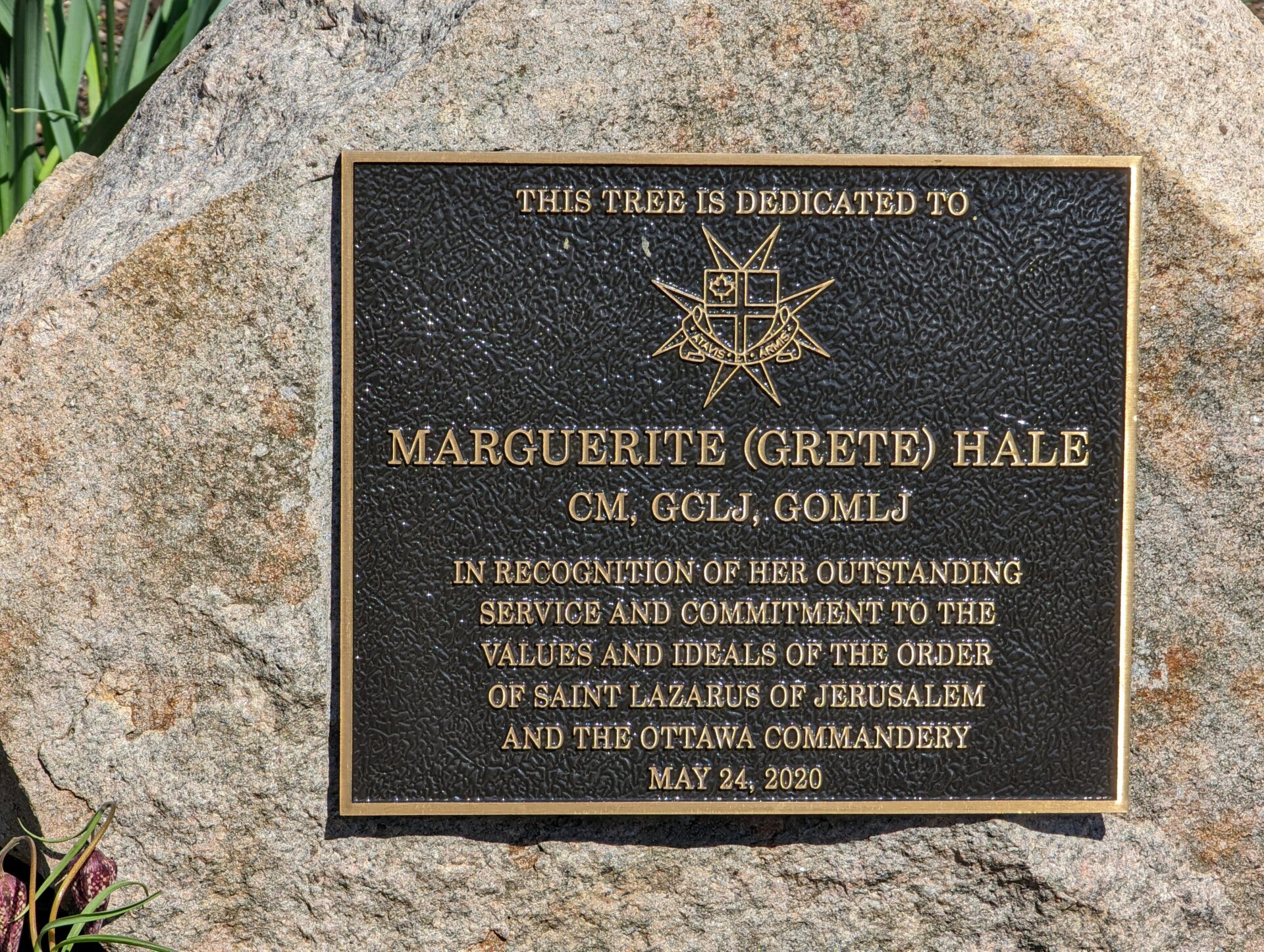
Celebrating and Honouring The Contribution of Dame Grete Hale to the Order of Saint Lazarus in Canada and Beechwood Cemetery
On May 7, 2022, The Order of Saint Lazarus in Canada – Ottawa Commandery and Beechwood Cemetery celebrated and honored Dame Grete Hale’ for her contribution to the Order of…
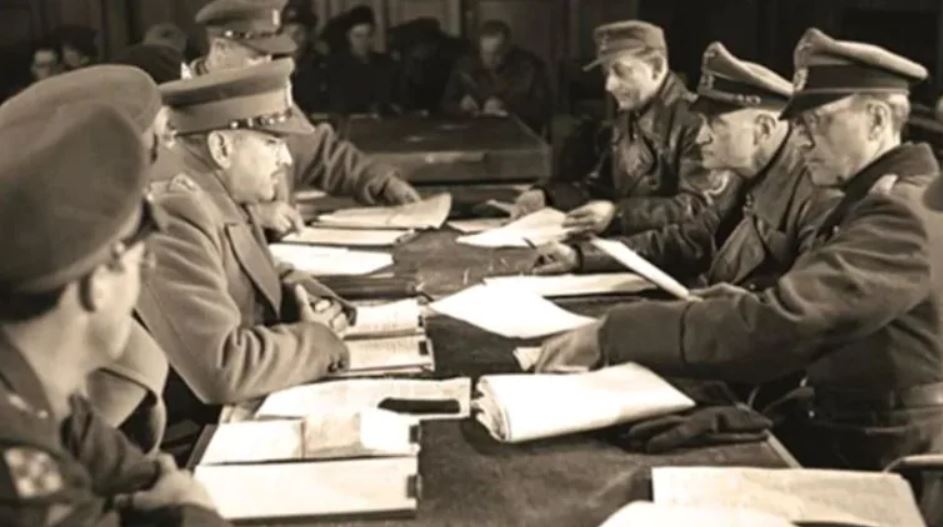
Canadian general who accepted Nazi surrender in Netherlands to receive royal tribute
When Princess Margriet of the Netherlands lifts the veil on a bronze plaque at Beechwood Cemetery on Friday, she will be honouring a Canadian military figure who’s arguably better remembered…
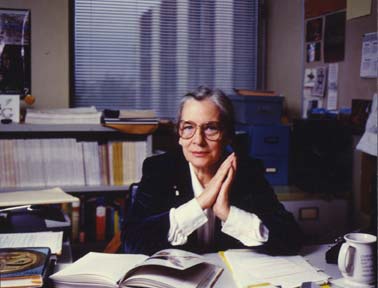
Fired across the bow of Canadian historiography – OLIVE PATRICIA DICKASON
OLIVE PATRICIA DICKASON Section 64, Range G, Grave 123 (Ed,Hist, J & Lit) Olive Patricia Dickason was born on March 16, 1920 in Winnipeg, Manitoba. After losing everything during the…
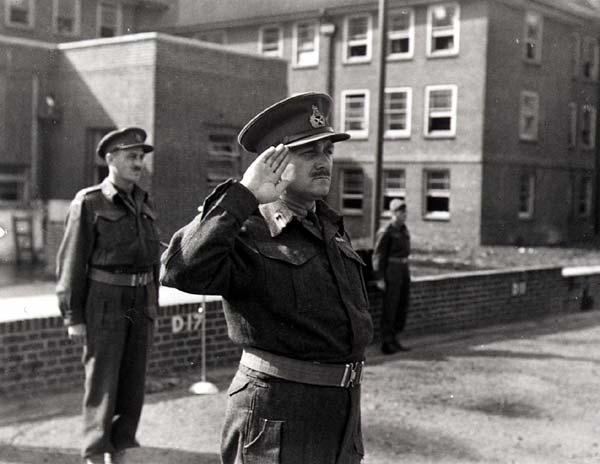
Possessed of drive and determination – General Charles Foulkes
GENERAL CHARLES FOULKES Section 27, Range G, Grave 224 One of eight children, Foulkes was born in Stockton-on-Tees, England, on 3 January 1903. His family moved to Canada, eventually settling…

Those connections stick Alberta organization part of national letter-writing project to commemorate Dieppe Raid
As Canada approaches the 80th anniversary of a Second World War raid that killed, injured or imprisoned thousands of its soldiers, an Alberta organization is part of an effort to…
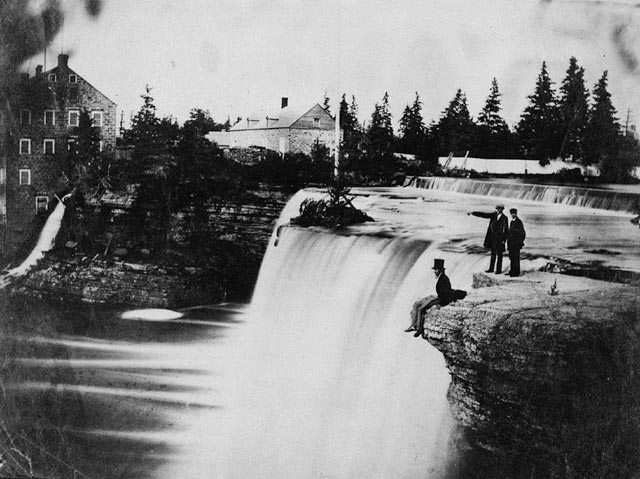
NEW EDINBURGH – A thousand, thousand stories
February 20, 1904. Everyone in New Edinburgh knew John Ferguson, a foreman at the Edwards mill. In fact, the mill closed early to allow workers to attend his funeral, the…

Pre-planning your funeral has numerous advantages
When a loved one passes on, it often falls on grieving family members to make last-minute funeral arrangements. Not knowing what the deceased wants, the best they can do is…
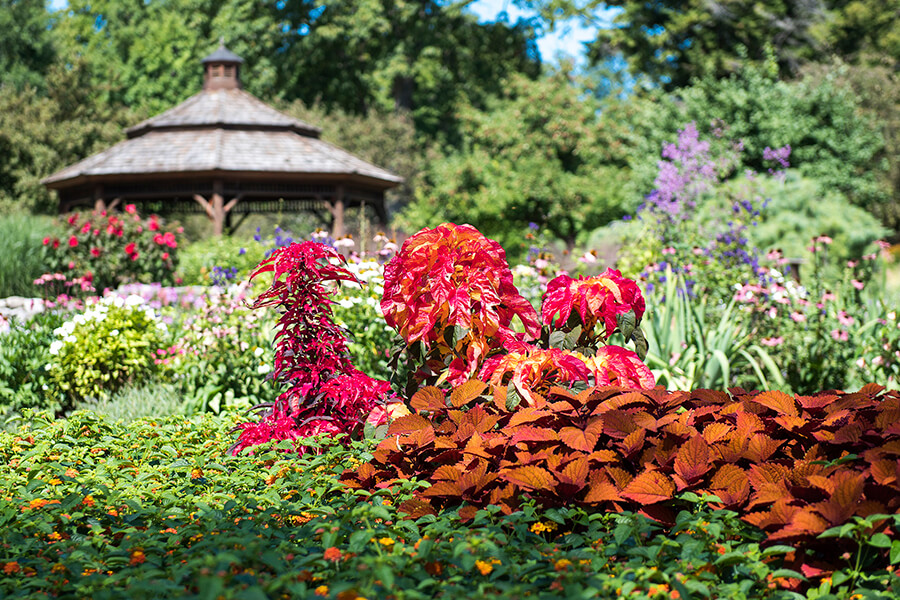
(English only) The importance of remembrance: It’s time to rethink how we keep loved ones’ memories alive
A chiropractor’s table, a canoe and a bicycle. At first, these items don’t appear to have much in common. But they are among the special objects Isabelle Gallen, Beechwood Cemetery’s…

80th Anniversary Letters to Dieppe soldiers; Rethinking Dieppe
Edmonton – Ottawa – Juno Beach – Beechwood – On the eve of the 80th anniversary of the Dieppe Raid, we remember the devastating consequences of this military operation. Mounted…
Obituary – Quick and Easy Guide
What is an Obituary? An obituary is often the first thing people read in the newspaper or online each day – and, for many, it will likely be the last…
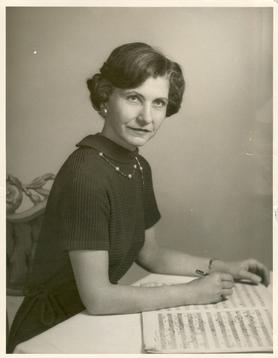
The most admired woman of the decade – Violet Archer
VIOLET ARCHER Section 19, SG 280 (Ed & Mus) Violet Archer was born Violetta Balestreri on April 24, 1913 in Montreal to a family of Italian immigrants. In response to…
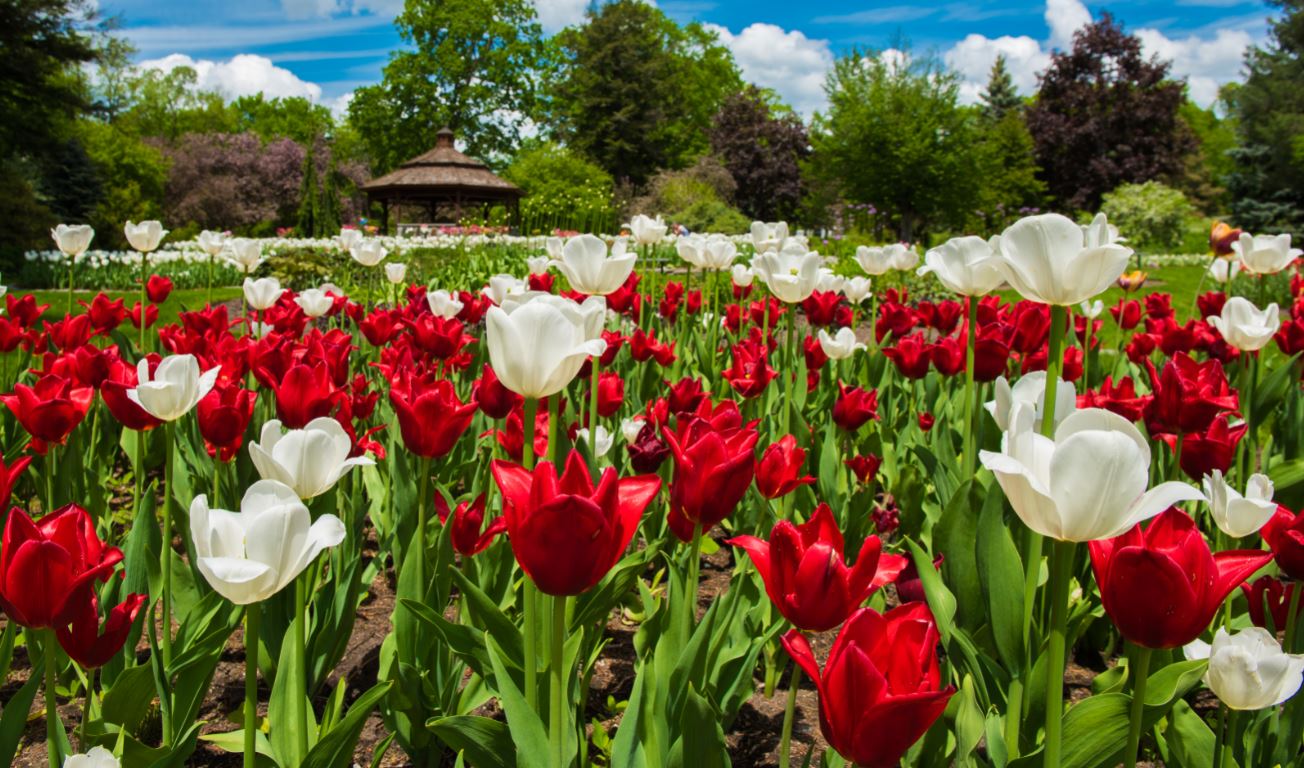
9 Beautiful Places In Ottawa Where You Can Walk Through A Sea Of Colourful Tulips
Beechwood Cemetery Price: Free Address: 280 Beechwood Ave., Vanier, ON Why You Need To Go: This historic and picturesque resting place is full of over 35,000 different coloured tulips each…
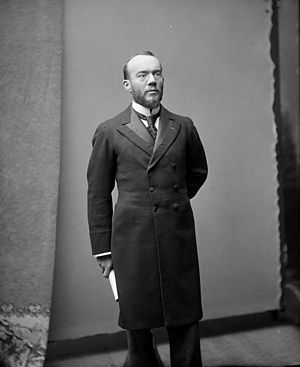
A heart in France – Dr. Henri Marc Ami
DR. HENRI MARC AMI – Section 41, Lot 125 (Sci) Born in Belle-Rivière, Quebec on November 23, 1858, Henri Marc Ami studied geology at McGill University under John William Dawson,…
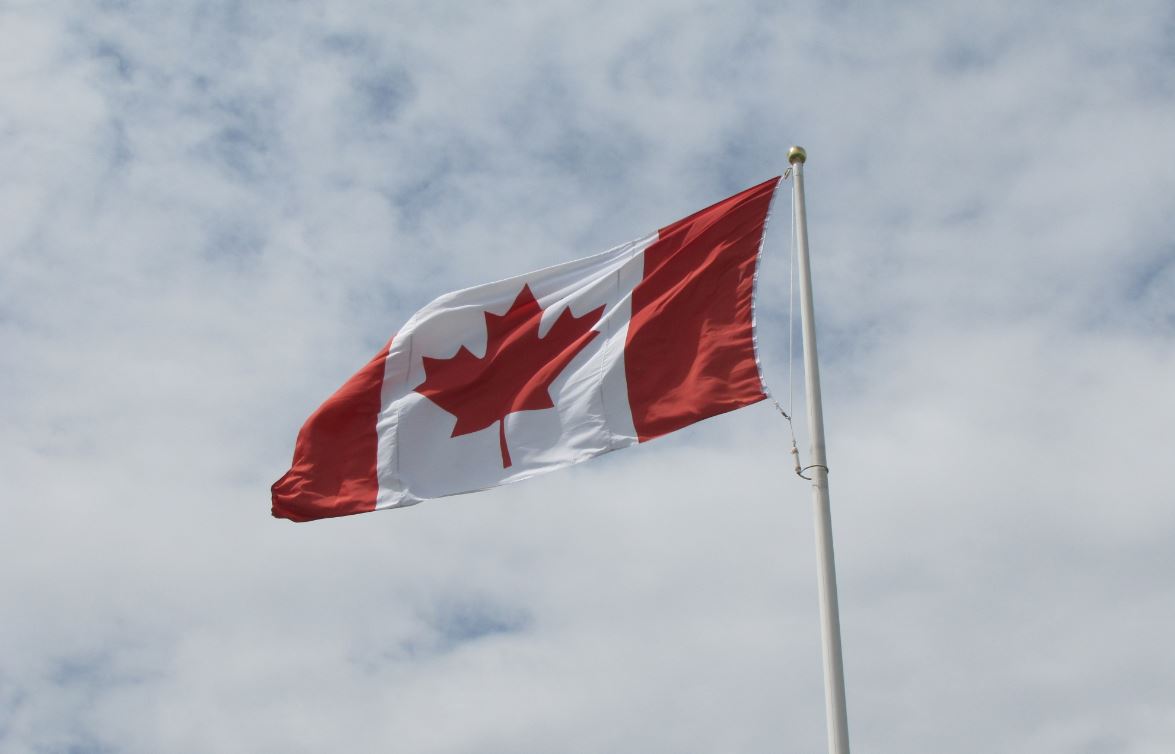
A coat of arms for Canadian Foreign Service
Canada’s Governor General Mary Simon recently signed a warrant authorizing the Canadian Heraldic Authority to design a coat of arms to honour Canada’s Foreign Service – a” first” – in…
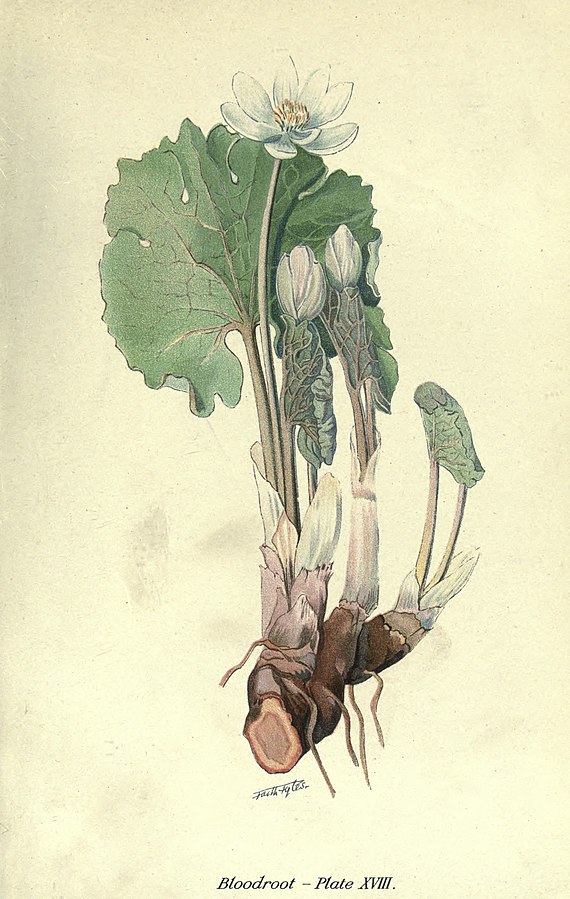
The first artist employed by the Horticulture division of the Central Experimental Farm – Faith Fyles
FAITH FYLES – Section 40, Lot 80 SE, Grave 1 Faith Fyles was born September 30, 1875 in Cowansville, Quebec. Her father was the Reverend Dr. Thomas Fyles, an Anglican…
Beechwood Cemetery By-Laws – Quick Reference Guide.
As Spring is approaching, please take a look at the Beechwood Cemetery By-Laws – Quick Reference Guide. It’s a clear and concise document with all the do’s and don’t of…
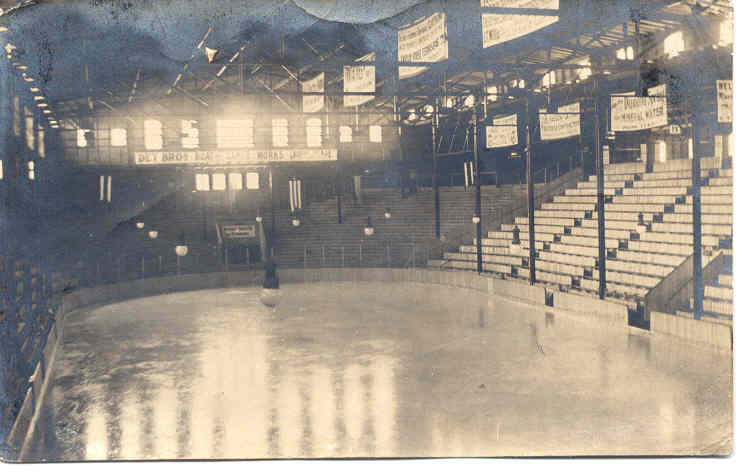
Father of Ottawa’s first indoor skating rink and the red goal light – Edwin “Ted” Peter Dey
EDWIN PETER DEY Section 25, Lot 6 SW Born in Hull, Quebec, Ted Dey was one of three brothers and two sisters born to Joseph Dey and Annie Buckley. His…
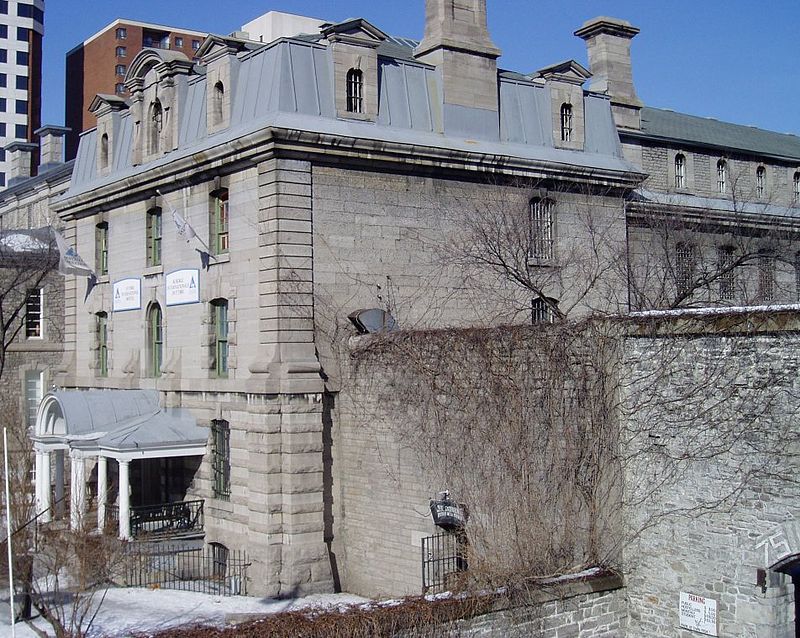
(Anglais seulement) Remember This? Eugène Lament – He was the last man hanged in Ottawa in 1946
Shortly after midnight on 27 March 1946, after playing checkers with his guards, a composed Eugène Larment, age 24, was led from the condemned cell in the Carleton County jail…
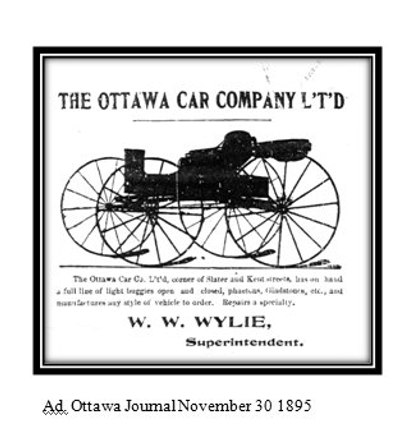
One of the most expert, successful and widely known car and carriage builders in Canada
WILLIAM WASHINGTON WYLIE Section 40, Lot 90 W Ctr (Bus) William Washington Wylie was born to Scottish parents on May 17, 1860 in Ovalle, Chile. As a young man, he…
Beechwood Flowerbed Program 2022
Given how busy your lives can be, let Beechwood’s Horticultural Department take special care of your loved one’s lot. Beechwood is offering our annual flowerbed planting and maintenance service. We…
One of Hollywood’s early film stars: Rockcliffe St. Patrick Fellowes
Rockcliffe St. Patrick Fellowes Section 22, Lot 11 SE Born in 1884 on St. Patrick’s Day, Rockcliffe St. Patrick Fellowes was one of Hollywood’s early film stars. In 1903, at…
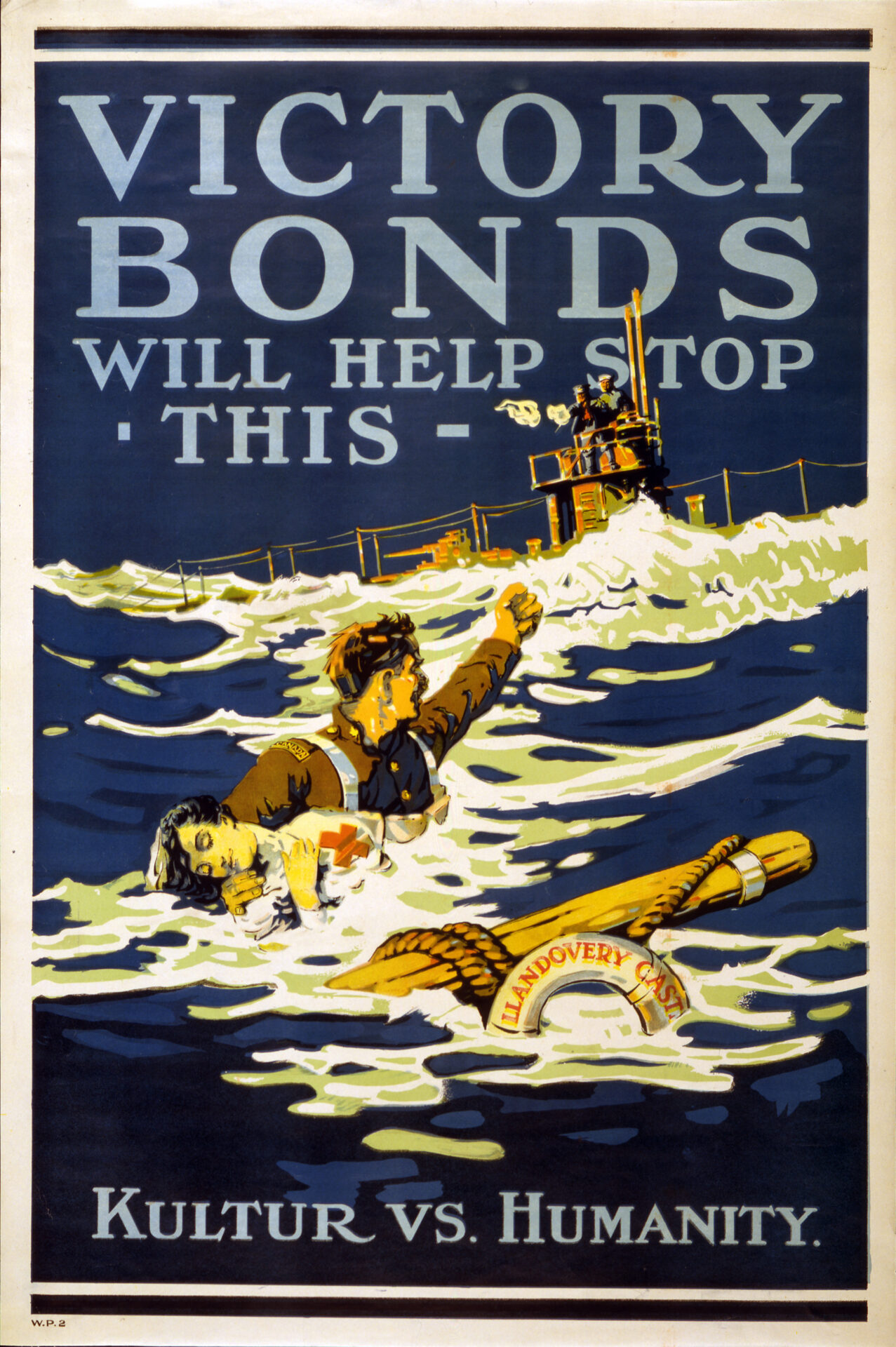
A rallying cry for the Canadian troops – MARY KATHERINE (MINNIE) GALLAHER
MARY KATHERINE (MINNIE) GALLAHER Section 39, Lot 85 Minnie Gallaher was born January 16, 1876 in what is now Kingston, Ontario, the third of 10 children. Her Irish parents, Rev.…

What happens at a funeral
What happens at a funeral? There are many different funeral traditions that can suit the needs of any family. Beechwood offers individuals and their family a variety of choices. It…
A History of the CSIS National Memorial Cemetery
Did you know: The CSIS National Memorial Cemetery is the only cemetery in the Western Hemisphere dedicated to those who worked in security intelligence. The Canadian Security Intelligence Service is…
The Beechwood Way – A History of Sports
With hockey being beloved by Canadians, we often forget it’s not our national sport. Lacrosse was invented by the Indigenous living in the St. Lawrence Valley back in the 1630s.…
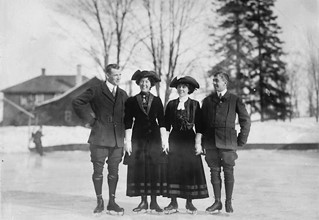
Champion Skater of Canada – ELEANOR KINGSFORD
ELEANOR AGNES LETITIA KINGSFORD was born in Toronto on May 31, 1886 and was the seventh of nine children of Rupert Etherege Kingsford (1849–1920) and Alice Laura Marion Kingston (1852–1934).…
Getting the message right: a guide for funeral flowers or sympathy cards
A heartfelt message after the passing of a loved one can be a comforting gesture. It can help with the grieving process for you as well as for the family.…
Common Songs and Hymns for Funeral Service
Choosing the right music and songs for your loved ones’ funeral will personalize the service and truly celebrate their life in a lasting way. Songs can easily bring memories of…
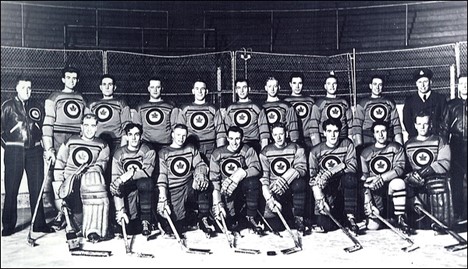
RCAF Flyers (an Ottawa-based RCAF hockey team)
SGT FRANCIS GEORGE BOUCHER – Section 40, Lots 52 NW, 53 SW Frank Boucher was born March 3, 1918 into a well-known hockey family. His father, John Georges “Buck” Boucher,…
The History of Beechwood Cemetery
Beechwood Cemetery opened in 1873, fourteen years after Queen Victoria chose Ottawa to be the capital of the Province of Canada, and six years after Ottawa became the capital of…
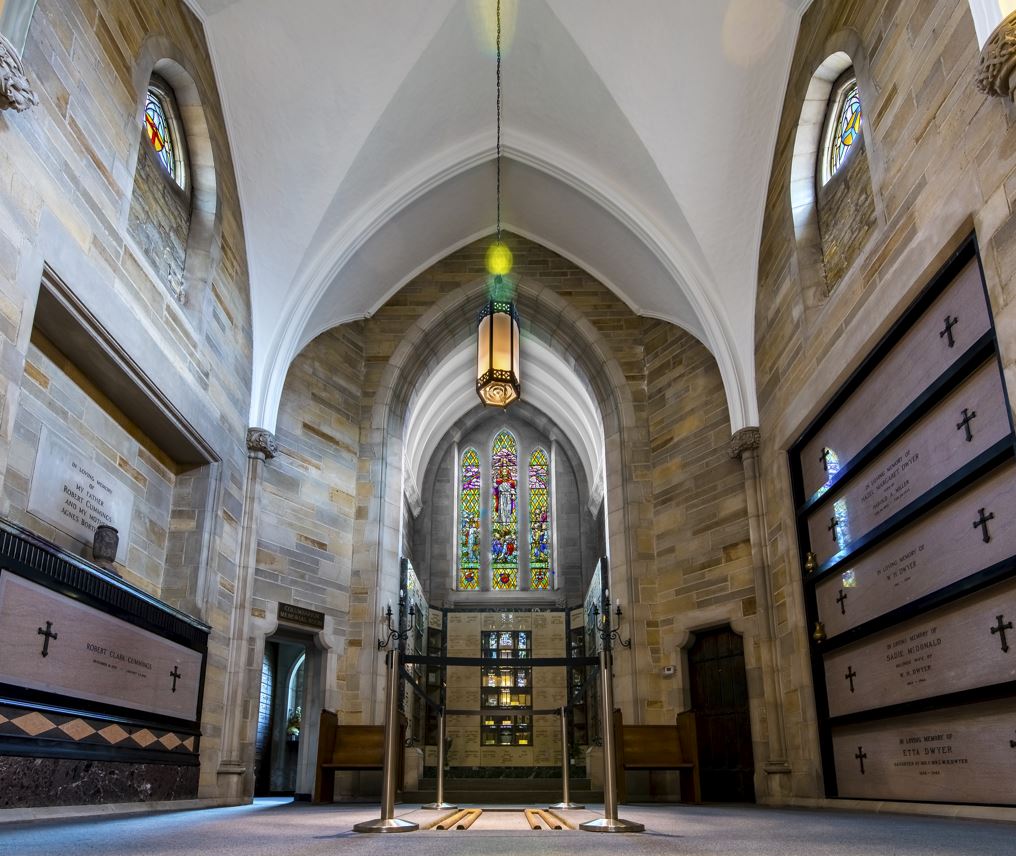
The Beechwood Way – Winter 2022
AS WE START 2022, we know that these are the first steps that will lead us into Beechwood’s 150th anniversary. Not many places, organizations or companies can claim to hit…
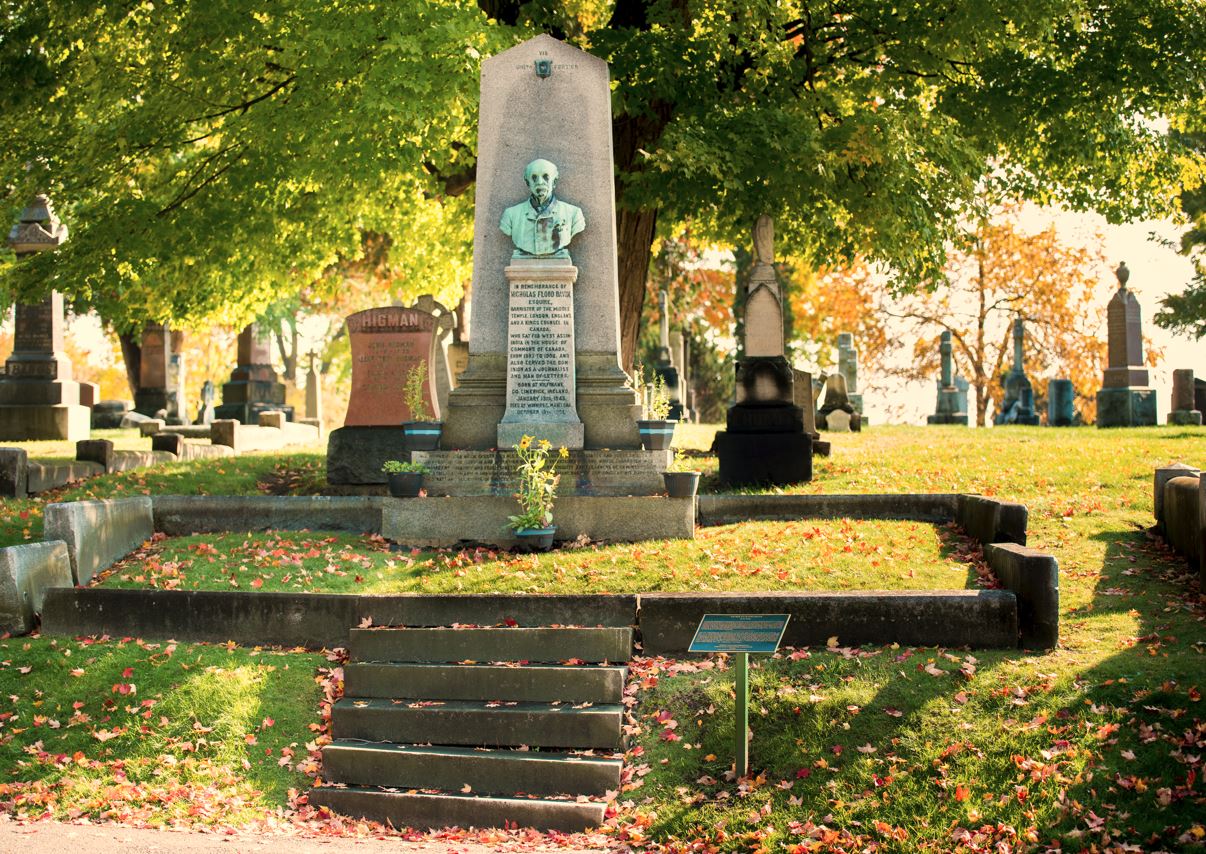
MONUMENT UPDATE: NICHOLAS FLOOD DAVIN: An Artist of some renown
AS YOU STROLL THROUGH BEECHWOOD CEMETERY, one of the highlights is the Nicholas Flood Davin Monument. Members of the Conservative Party erected the monument in 1903 for their fellow MP…
The Great Canadians Tour and Key Feature Map
Beechwood, the National Cemetery of Canada was established in 1873 on 160 acres of land. Since its founding, there have been over 85,000 peoples buried at Beechwood, including many prominent…
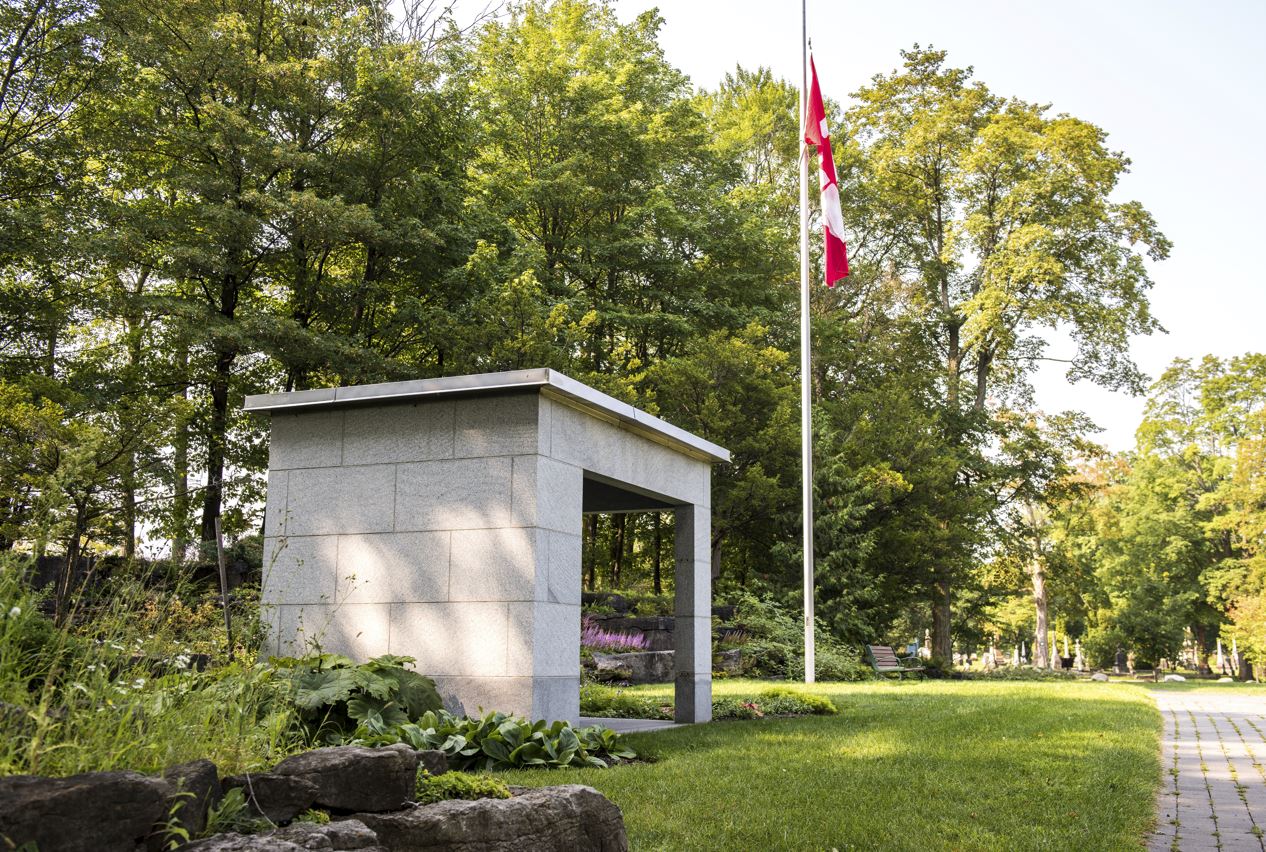
The Ottawa Cremation Memorial
Adjacent to the Field of Honour in Section 27 where War Dead and Veterans are buried, sits a small stone building. This small building is an important early military memorial…
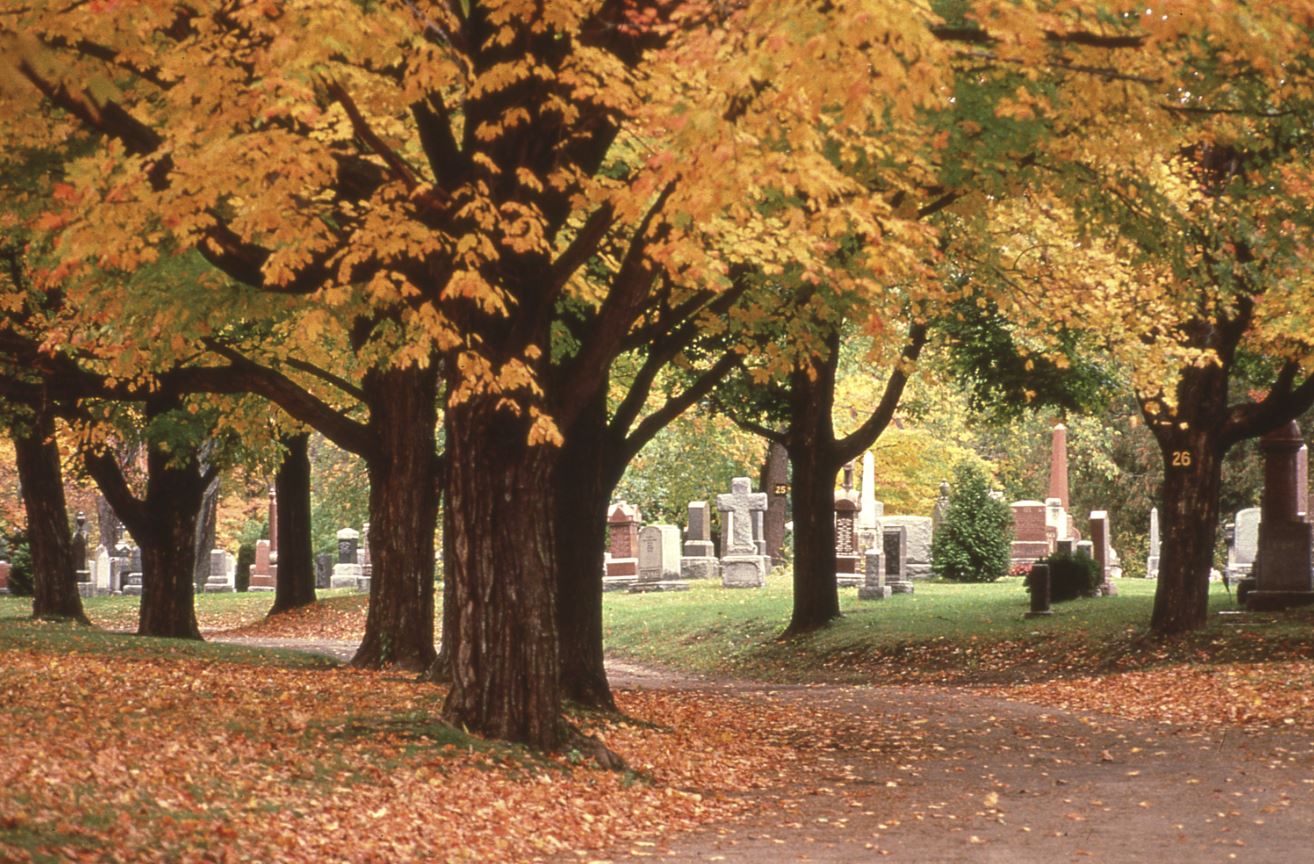
OACFP Invites Design Options for COVID-19 Memorial
OACFP Invites Design Options for COVID-19 Memorial Monument to provide lasting commemoration of lives lost during pandemic The Ontario Association of Cemetery and Funeral Professionals (OACFP) today announced that it…
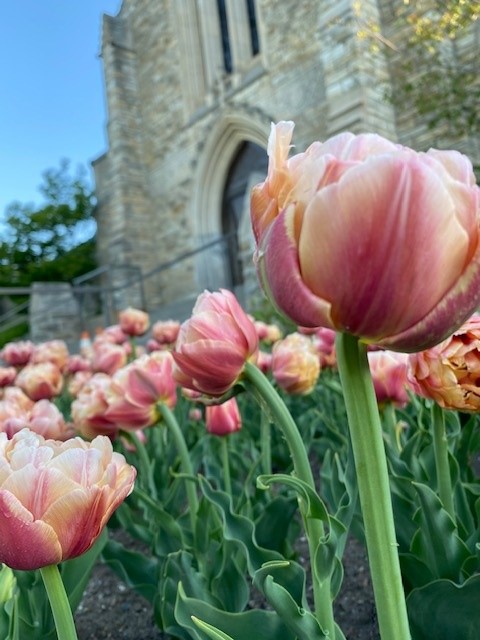
Beechwood Cemetery Tulip Map 2022
Established in 1873, Beechwood is recognized as one of the most beautiful and historic cemeteries in Canada. It has been designated as a National Historic Site. Its breathtaking park-like setting…
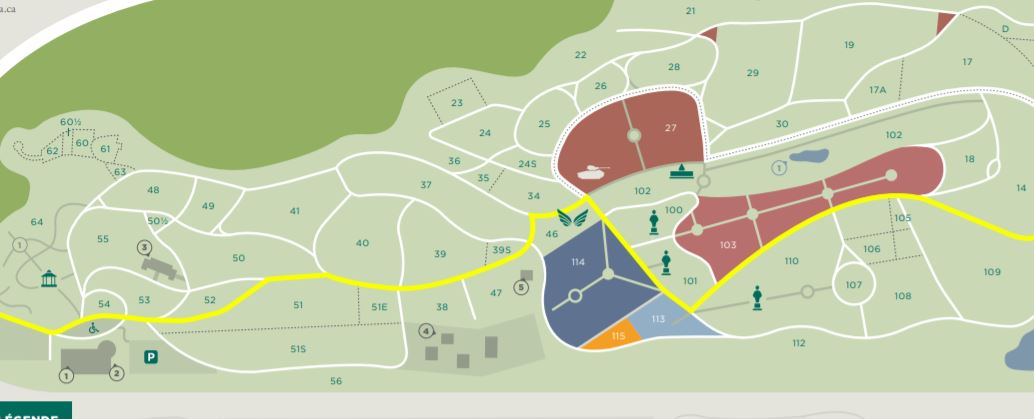
New Beechwood Cemetery Map
Beechwood is proud to present the new and updated cemetery map. Download it today!

EXECUTOR OF AN ESTATE
EXECUTOR OF AN ESTATE If you are an executor/executrix you may wish to seek the help of professionals like lawyers and accountants. However, as the executor, you will be the…
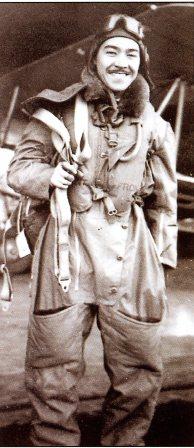
RCAF Timmerman first saw action with the RAF during World War II
Nelles Woods Timmerman was born in Kingston, Ontario in 1913 and was educated there. He studied mining engineering at Queen’s University in the 1930s, ran out of money for the…
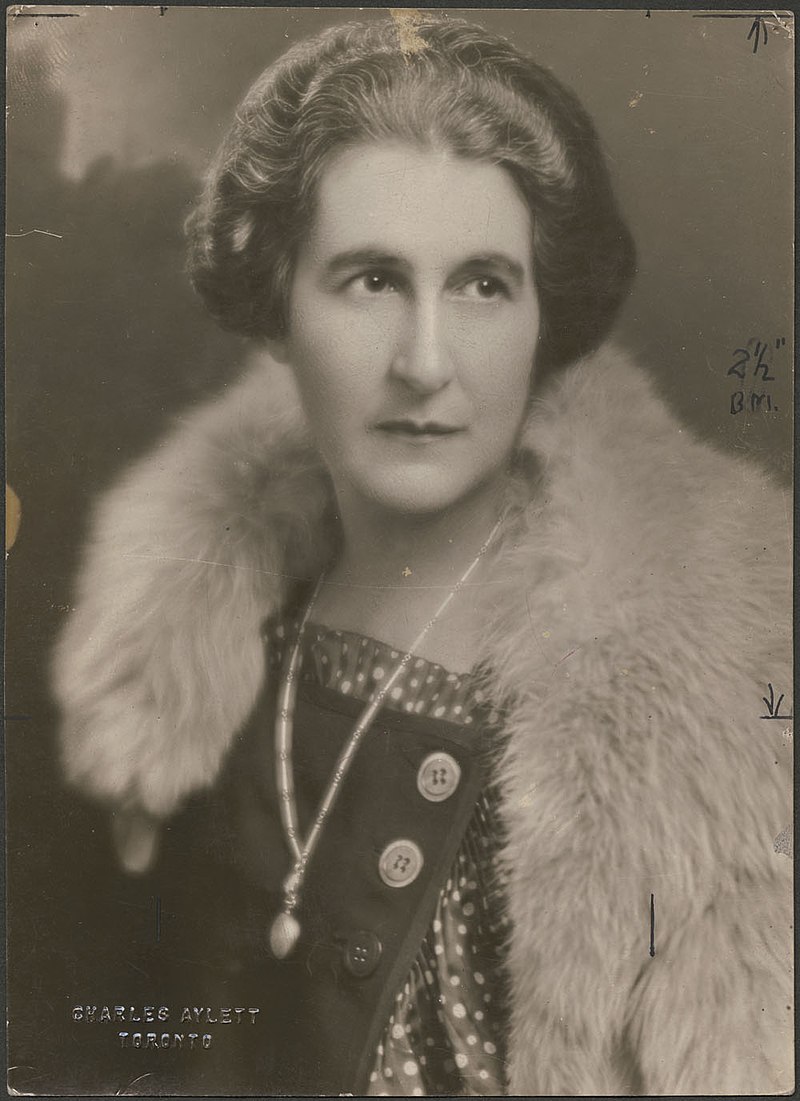
Madge Hamilton MacBeth was a pioneer
Madge Macbeth (nee Madge Hamilton Lyons) was a Canadian pioneer in the literary field defending women’s rights and tackling pertinent political and social issues. She was a prolific writer authoring…
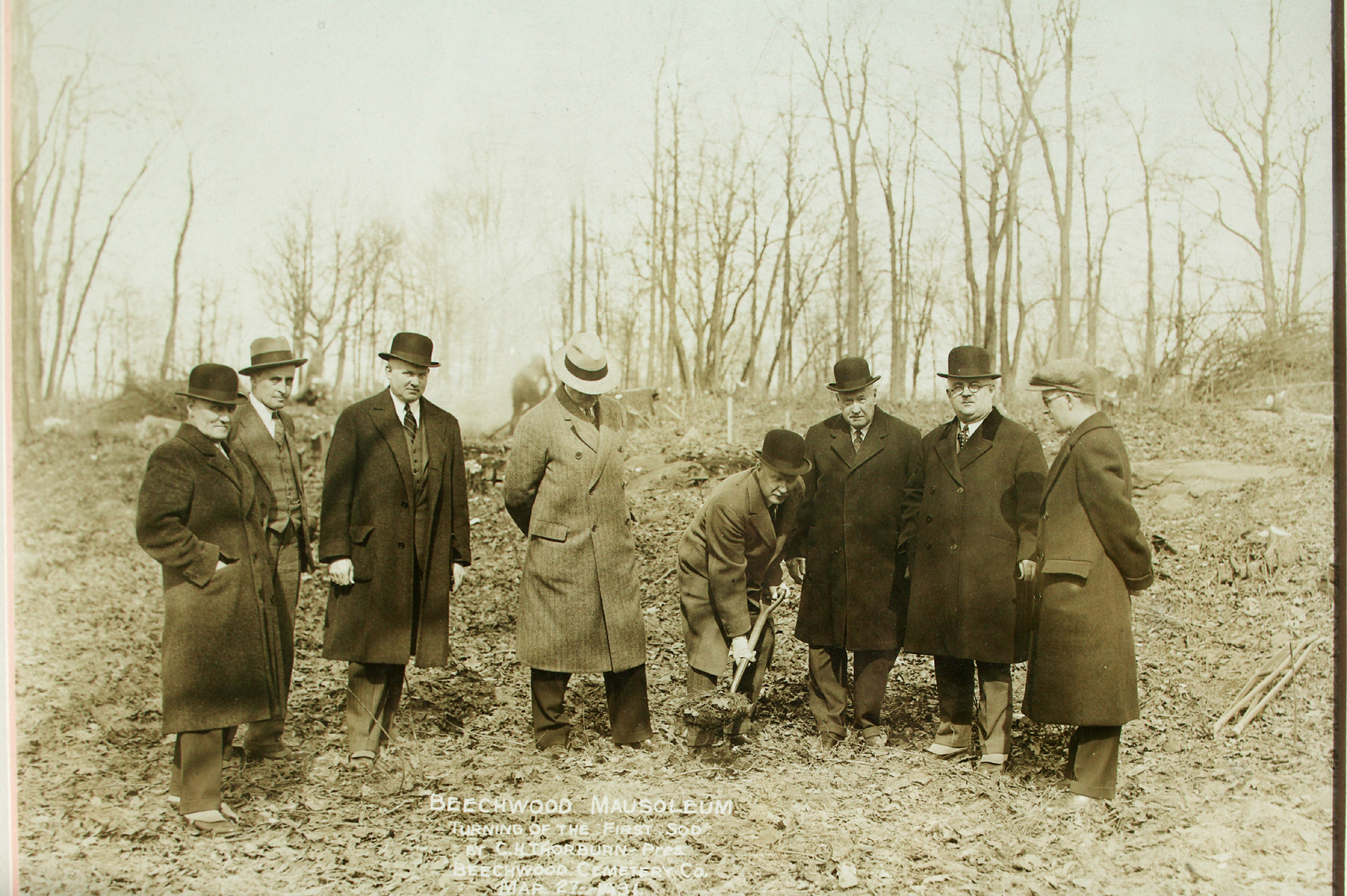
Beechwood Mausoleum had an auspicious start
After years of consideration, hesitation, and due diligence, vice president Charles Thorburn had shoveled the first sod for a community mausoleum. Looking on had been cemetery representatives along with the…
Ottawa artists buried at Beechwood
The artist has been a part of the Bytown/Ottawa community since settlement began near the locks that join the Rideau Canal to the Ottawa River. The canal’s construction (from 1826…
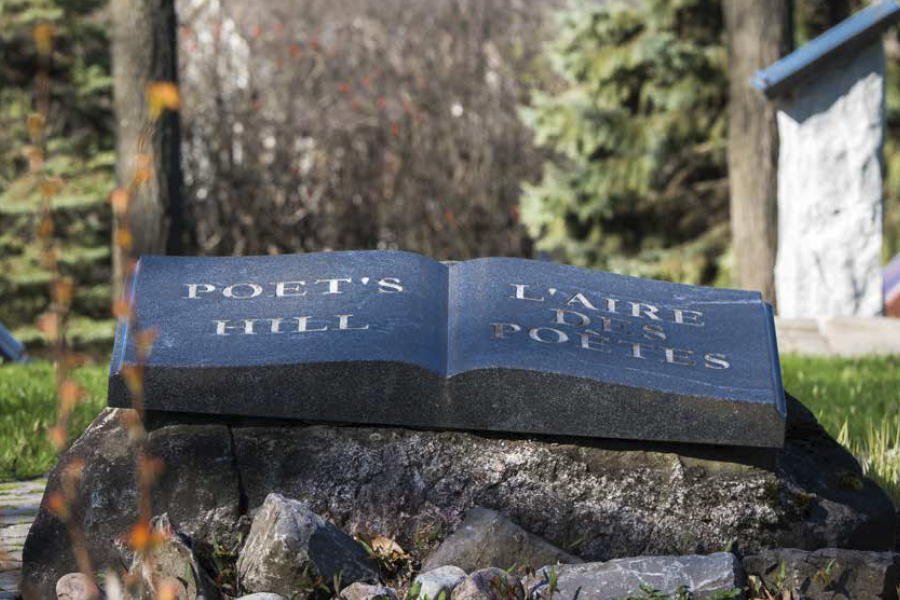
Poets Hill
Overlooking the Parliament of Canada, Poet’s Hill stands tall above the city that has changed so much since Beechwood first opened its doors in 1873. The meandering path climbing alongside…

A Merry Little Christmas
Soloist Chelsea Honeyman signing Merry Little Christmas in our century Beechwood Mausoleum.
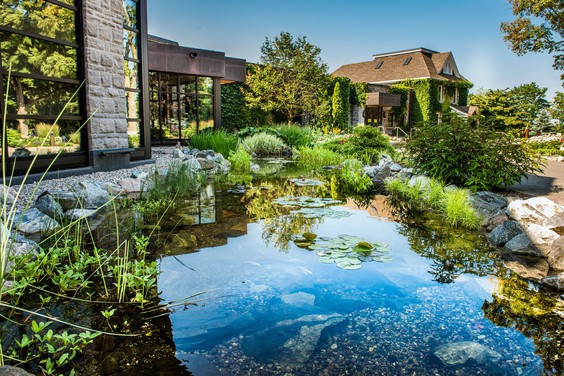
Planning Ahead
Whatever your wishes, Beechwood has everything in one beautiful location: visitation, informal gathering, life celebration, memorial service, funeral, catered reception, cremation, burial, monuments and many other memorialization choices. You can…
The Hall of Colours
The Hall of Colours, created in 2007, is a dignified and honourable resting place for unit Colours which are to be laid-up. The retired Colours (flags) of Canada’s army, naval…
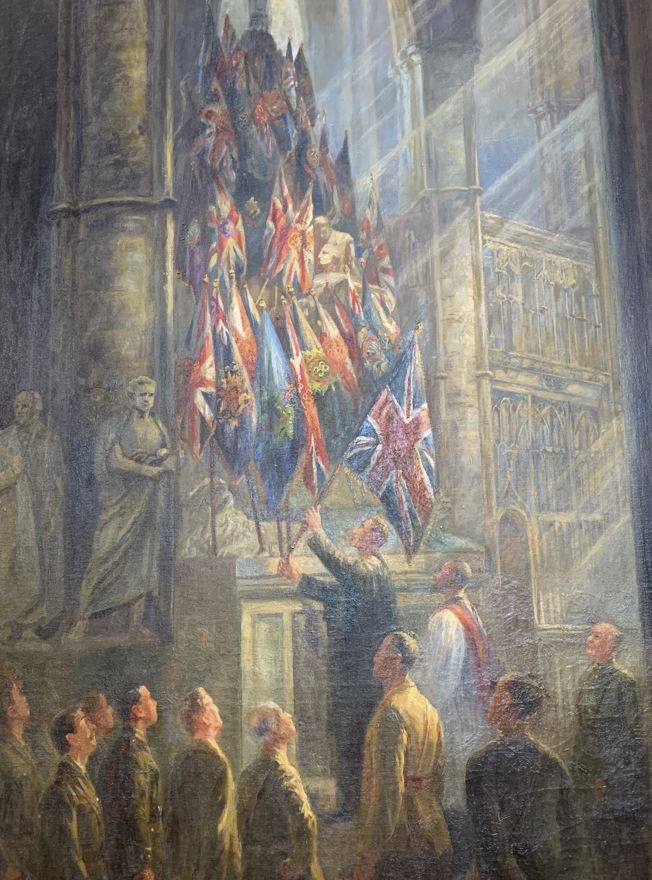
CANADA’S TRIBUTE, THE GREAT WAR 1914–1919
The painting by Emily Mary Bibbens Warren, titled: “ Canada’s Tribute, The Great War 1914–1919 or Placing the Canadian Colours on Wolfe’s Monument in Westminster Abbey” represents a Chaplain laying…
Support the Beechwood Cemetery Foundation
Founded in 2000, the Beechwood Cemetery Foundation was created to safeguard Beechwood’s future and increase public awareness, as well as the important historical persons buried within it. For 21 years,…
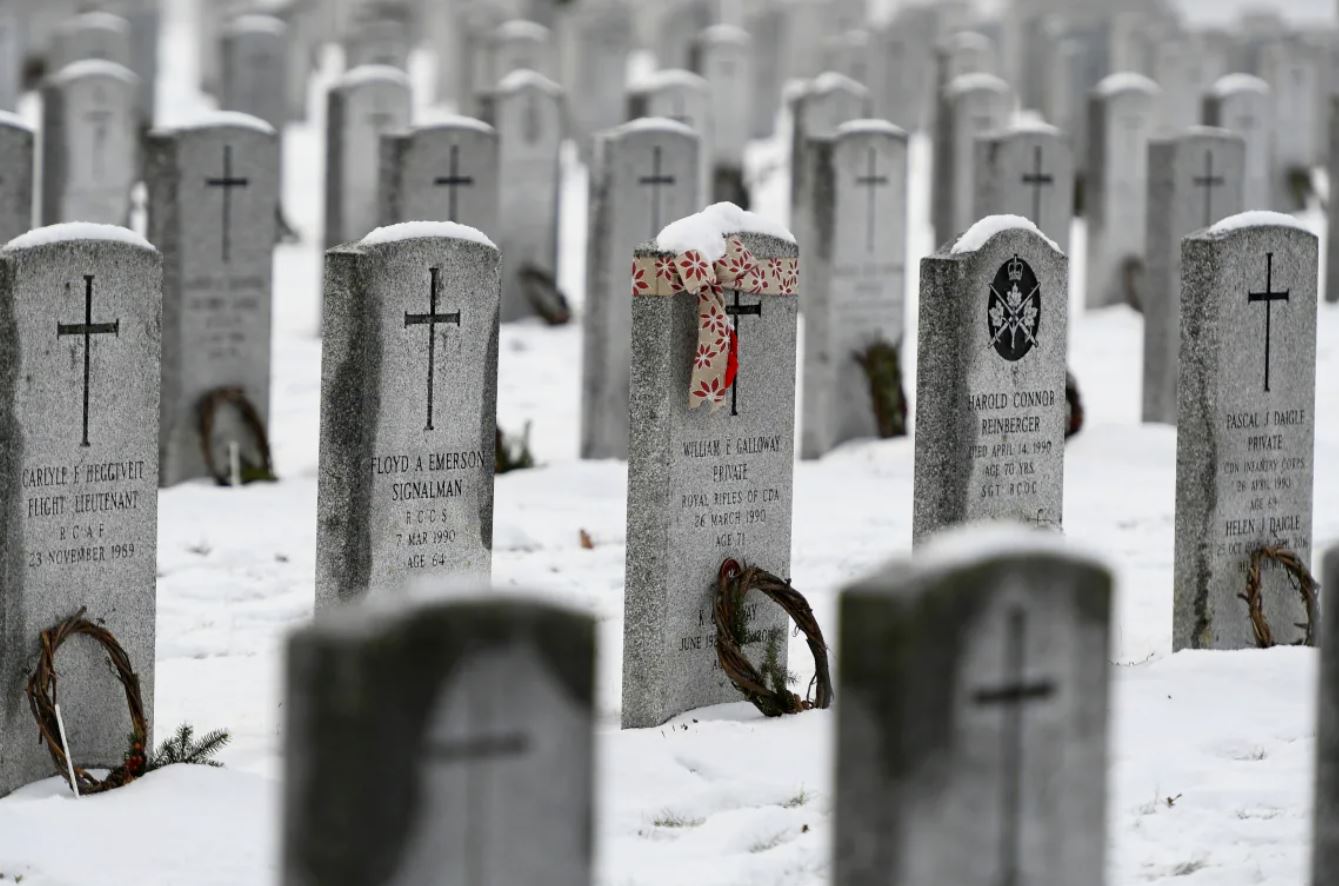
Ceremony goes ahead after volunteers step in to replace stolen wreaths
A wreath-laying ceremony to honour Canadian Armed Forces members was able to go forward this weekend despite thousands of the handmade decorations being stolen only a week before. Dozens of…
Veterans, volunteers save wreath ceremony after theft
With wreaths wrapped around their arms, volunteers and veterans walked through snowy rows of graves in the National Military Cemetery at Beechwood Cemetery in Ottawa, gently laying the handmade decorations…
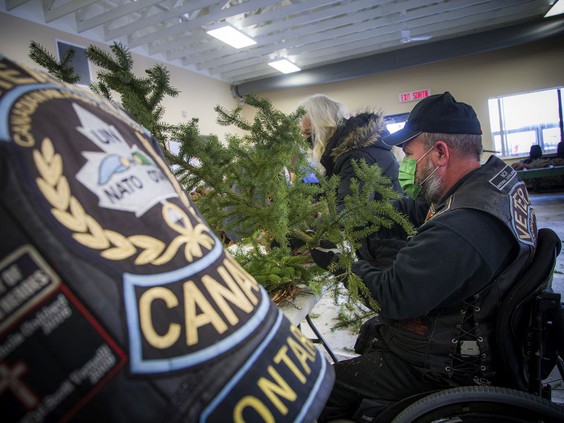
Community rallies to help replace stolen wreaths for veterans graves
Dozens gathered at the National Military Cemetery Sunday to lay out thousands of wreaths, many of which were assembled by volunteers who stepped up to replace the 3,000 wreaths destined…
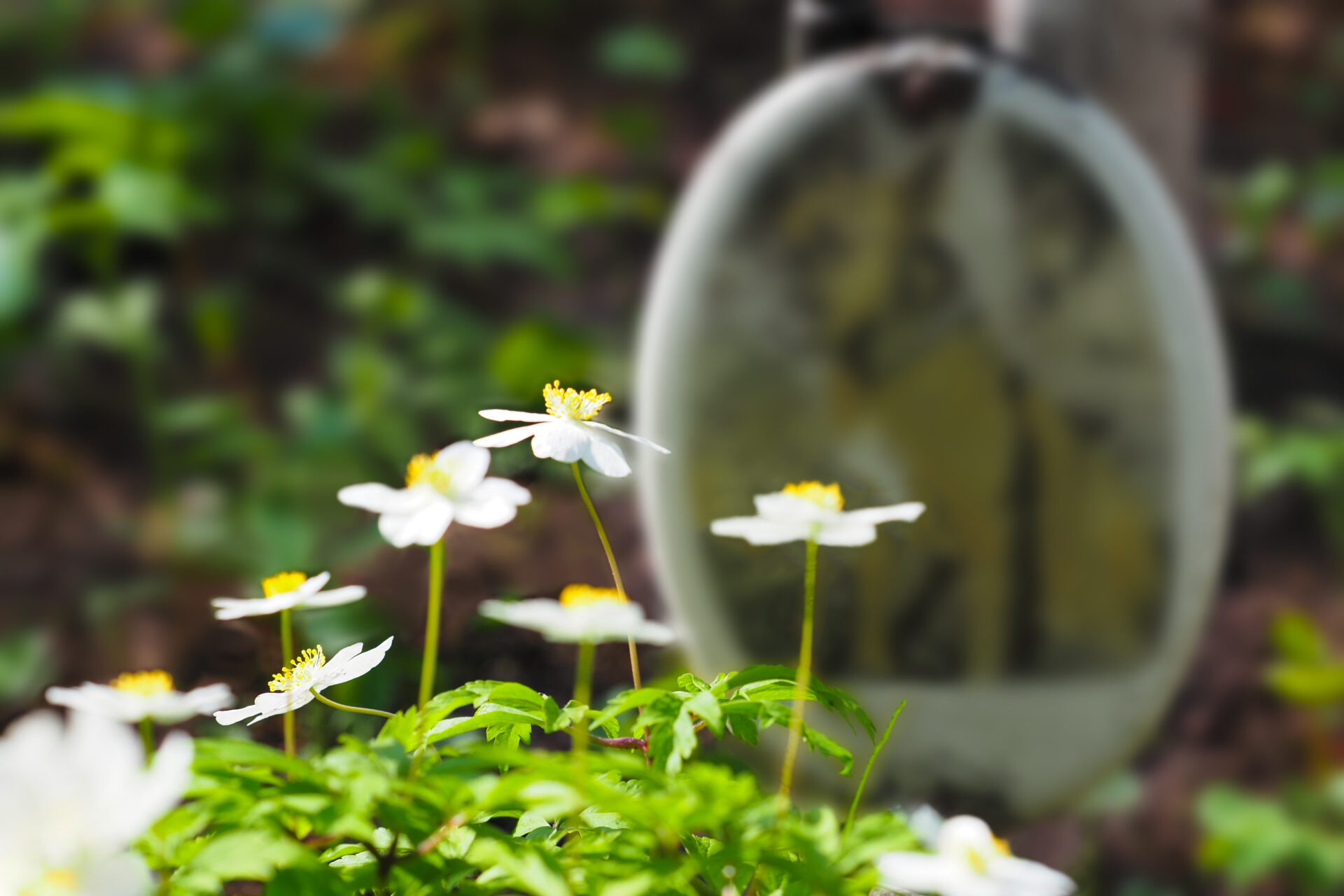
A Personalized Funeral Service – Let’s make it meaningful together.
A Personalized Funeral Service – Let’s make it meaningful together. Funerals play a significant role in our families and our community. They allow people to come together and celebrate the…
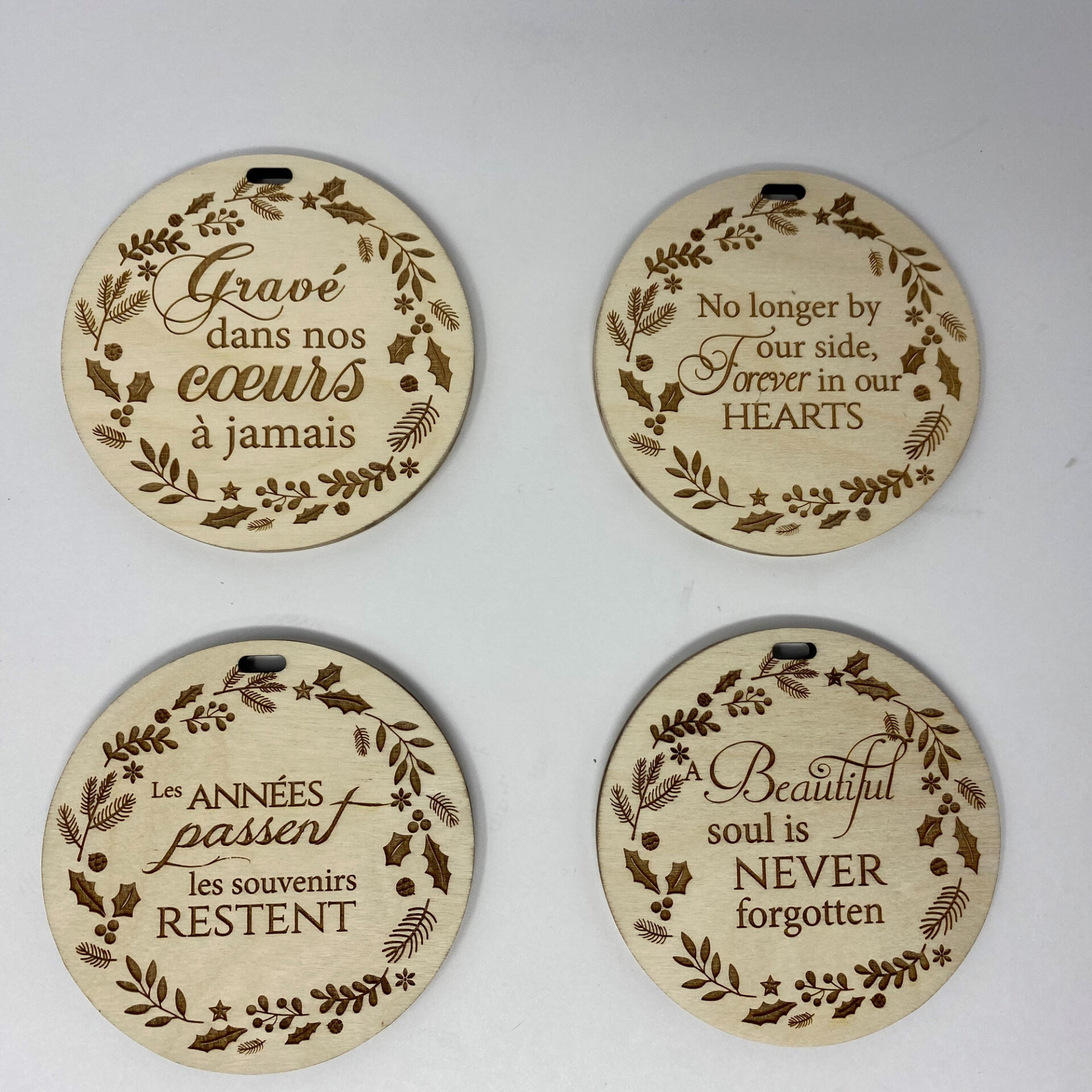
An exclusive custom Christmas Ornament
With the holidays around the corner, Beechwood is proud to offer an exclusive custom Christmas Ornament. Commemorate your loved ones with a locally crafted wooden ornament, which includes your loved…
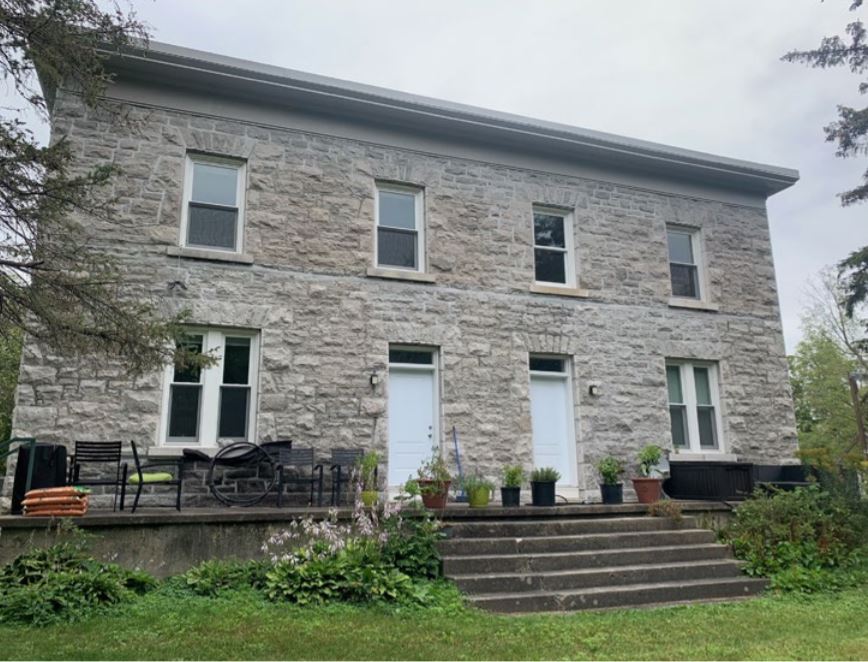
James Mather, Architect and Beechwood President
James Mather Section 41, Lot 97 James Mather was born in 1833 in the Scottish fishing village of Usan, located about 60 miles (100 km) along the North Sea coast from…
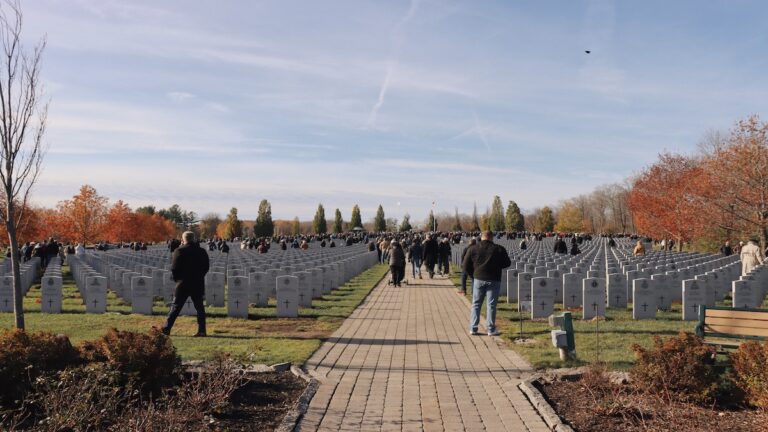
In focus: The chill didn’t deter the crowds from coming to Beechwood Cemetery to remember the sacrifice of veterans
In focus: The chill didn’t deter the crowds from coming to Beechwood Cemetery to remember the sacrifice of veterans. Crowds gathered at Beechwood Cemetery on a sunny but frigid Remembrance…
New Edition – Beechwood Way – Fall 2021
WE OFTEN REFER TO BEECHWOOD AS “A PLACE FOR THE LIVING,” and this fall it did not disappoint. The Beechwood Cemetery Foundation was in full swing with events, tours, and…
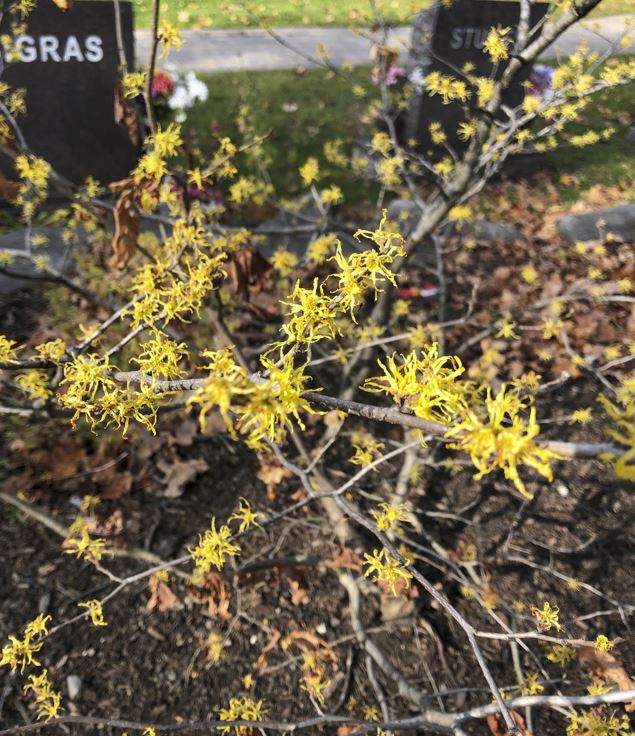
In the Gardens: A welcome surprise when all other plants have been put to bed for the winter.
Hamamelis virginiana, known as Witch-hazel, common Witch-hazel, and American Witch-hazel, is a species of flowering shrub native to eastern North America, from Nova Scotia west to Minnesota, and south to…
Families remember loved ones who served
Remembrance Day ceremonies at the National Military Cemetery at Beechwood Cemetery in Ottawa.
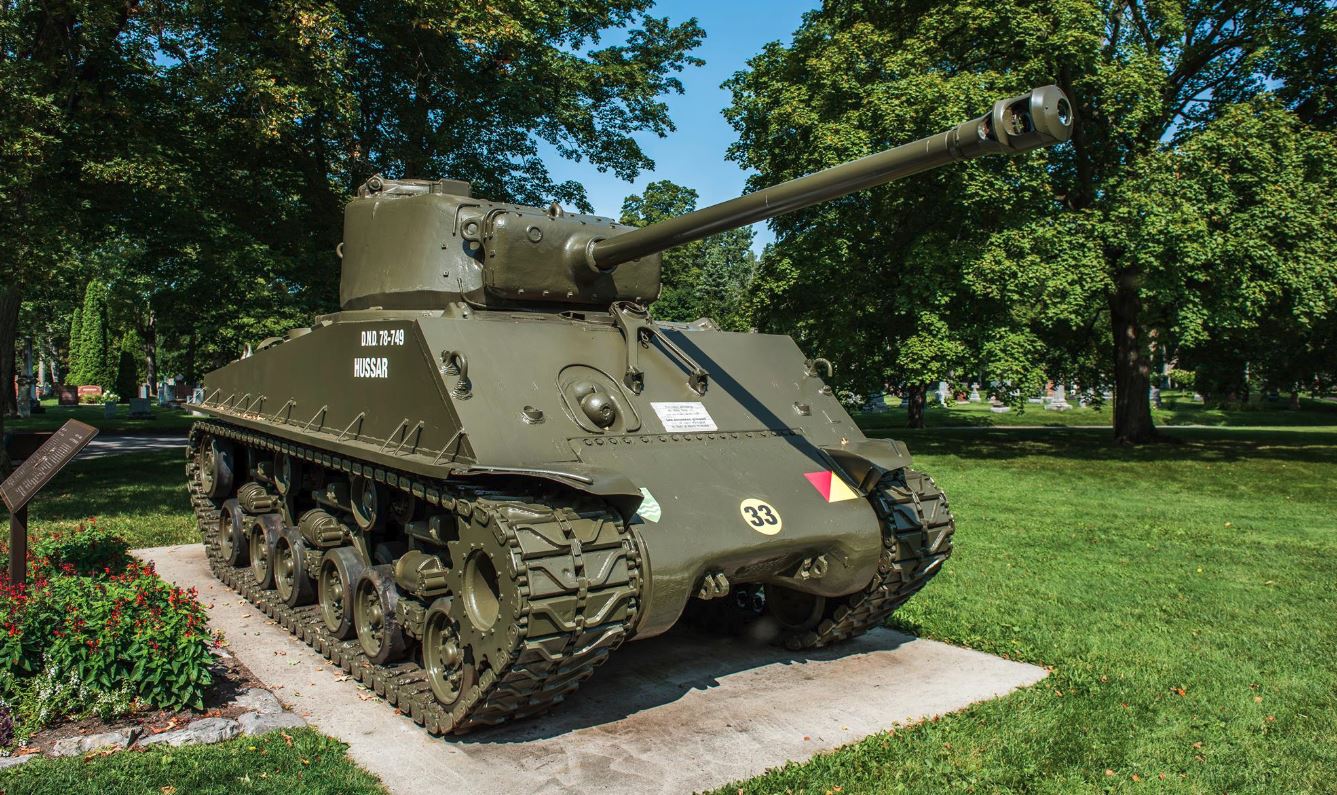
Families remember loved ones who served at Beechwood Remembrance Day ceremony
The ground at Beechwood Cemetery was still covered in hoarfrost early Thursday as Charlie Watson walked along the rows of military headstones, reading names. Watson’s grandfather, Alexander (Sandy) Watson, is…
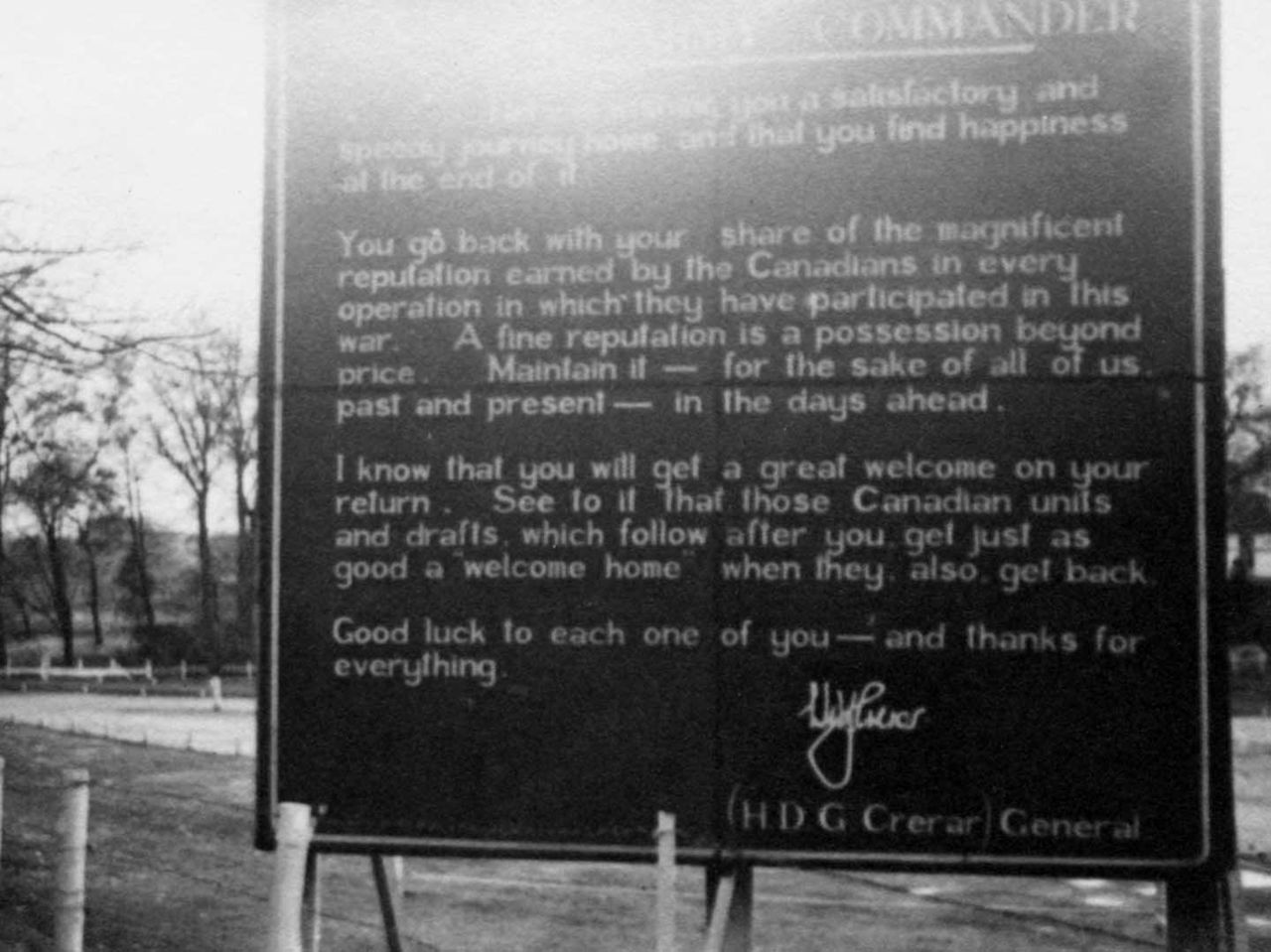
A farewell sign posted on behalf of Crerar to troops of the First Canadian Army
A farewell sign posted on behalf of Crerar to troops of the First Canadian Army departing from the Netherlands in 1945 read: Here’s wishing you a satisfactory and speedy journey…
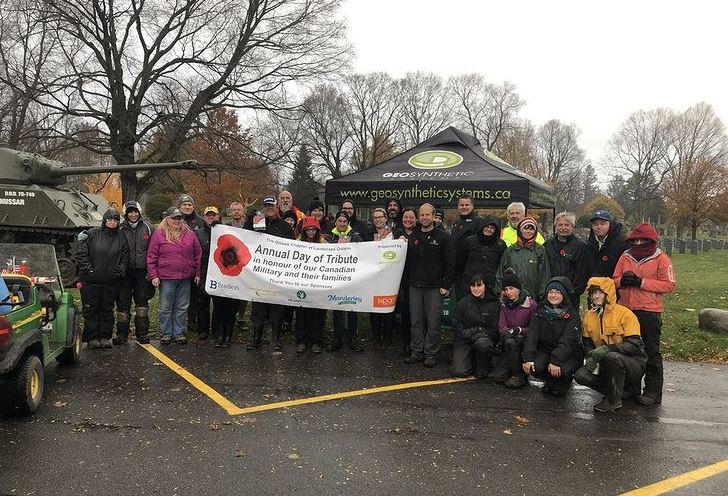
Beechwood’s National Day of Tribute prepares National Military Cemetery for Remembrance Day
Landscapers, horticulturalists and volunteers from across the region gathered early in the morning on Friday, Nov. 5 for Beechwood Cemetery’s 16th annual National Day of Tribute. Participants pitched in their…
ALDRICH: There is no comparison between sacrifices made in world wars and COVID-19
If we are to honour our veterans and those who did not come home from war we need to stop comparing their sacrifices to what has been asked of us…
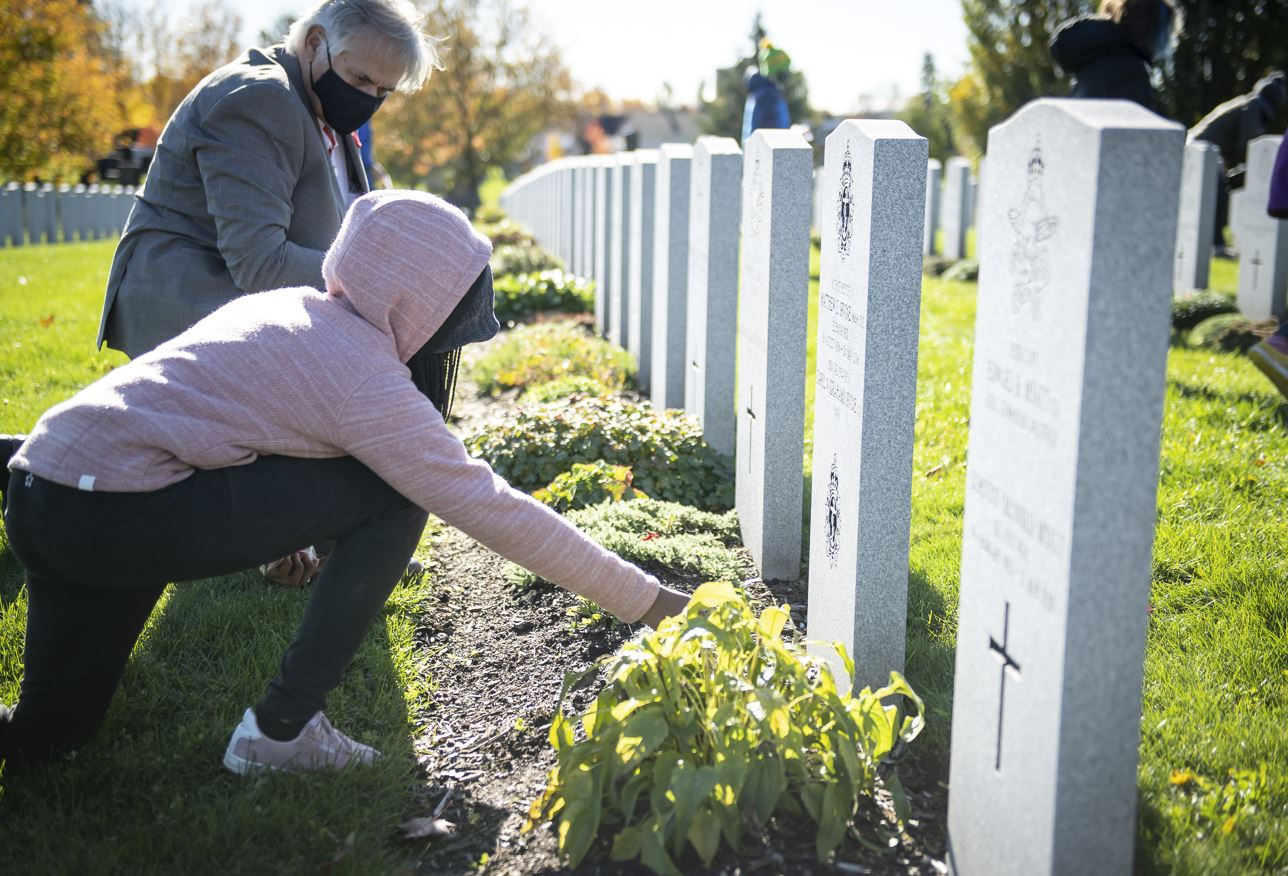
No Stone Left Alone at Beechwood, National Military Cemetery
On a sunny and beautiful November 1st 2021, Beechwood Cemetery and No Stone Left Alone held the Annual No Stone Left Alone ceremony and poppy laying event. The No Stone…
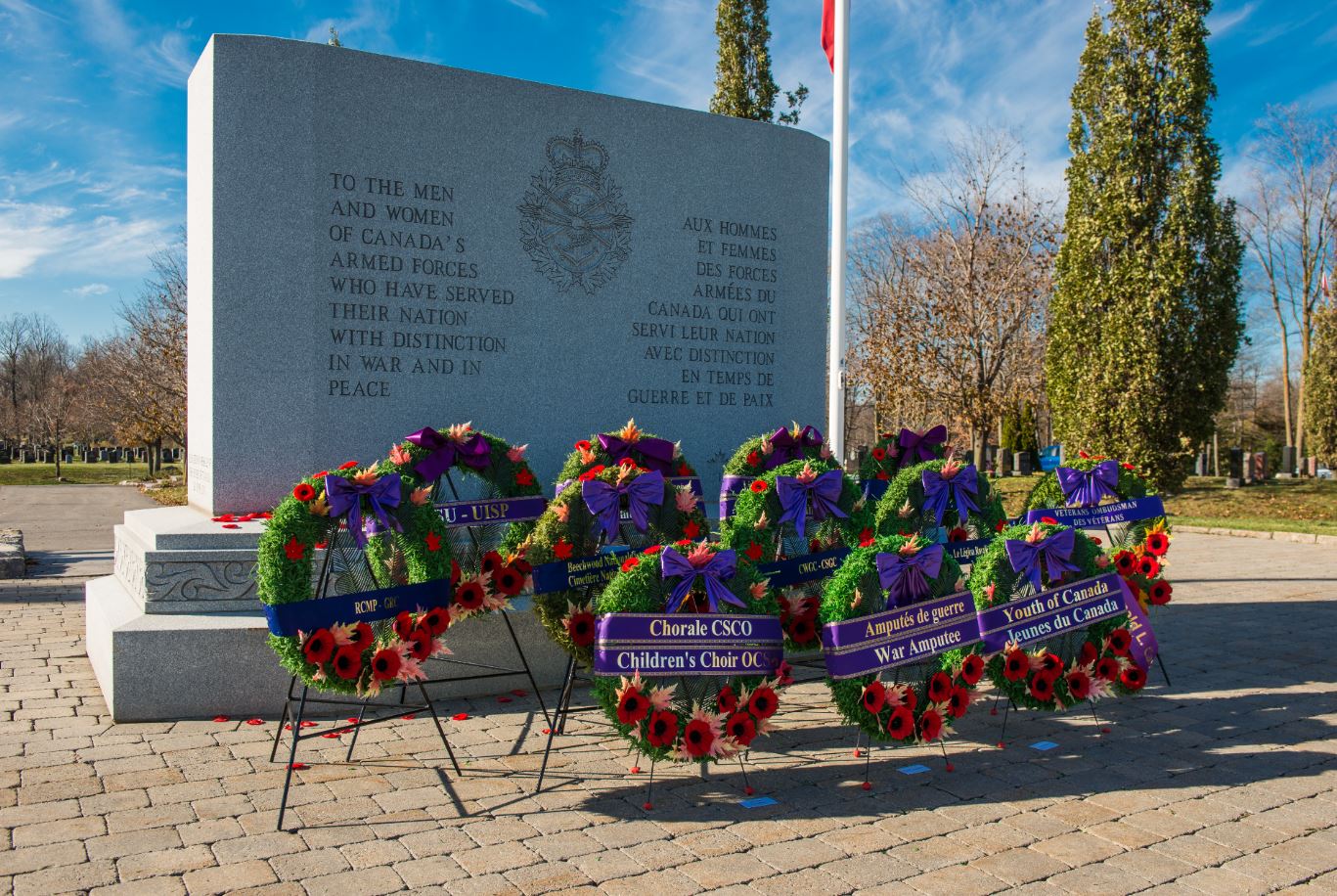
New partnership aims to ignite the spirit of Remembrance in the hearts of young Canadians
As fewer Second World War veterans remain, three national charities band together to educate youth about safeguarding the memory of veterans …
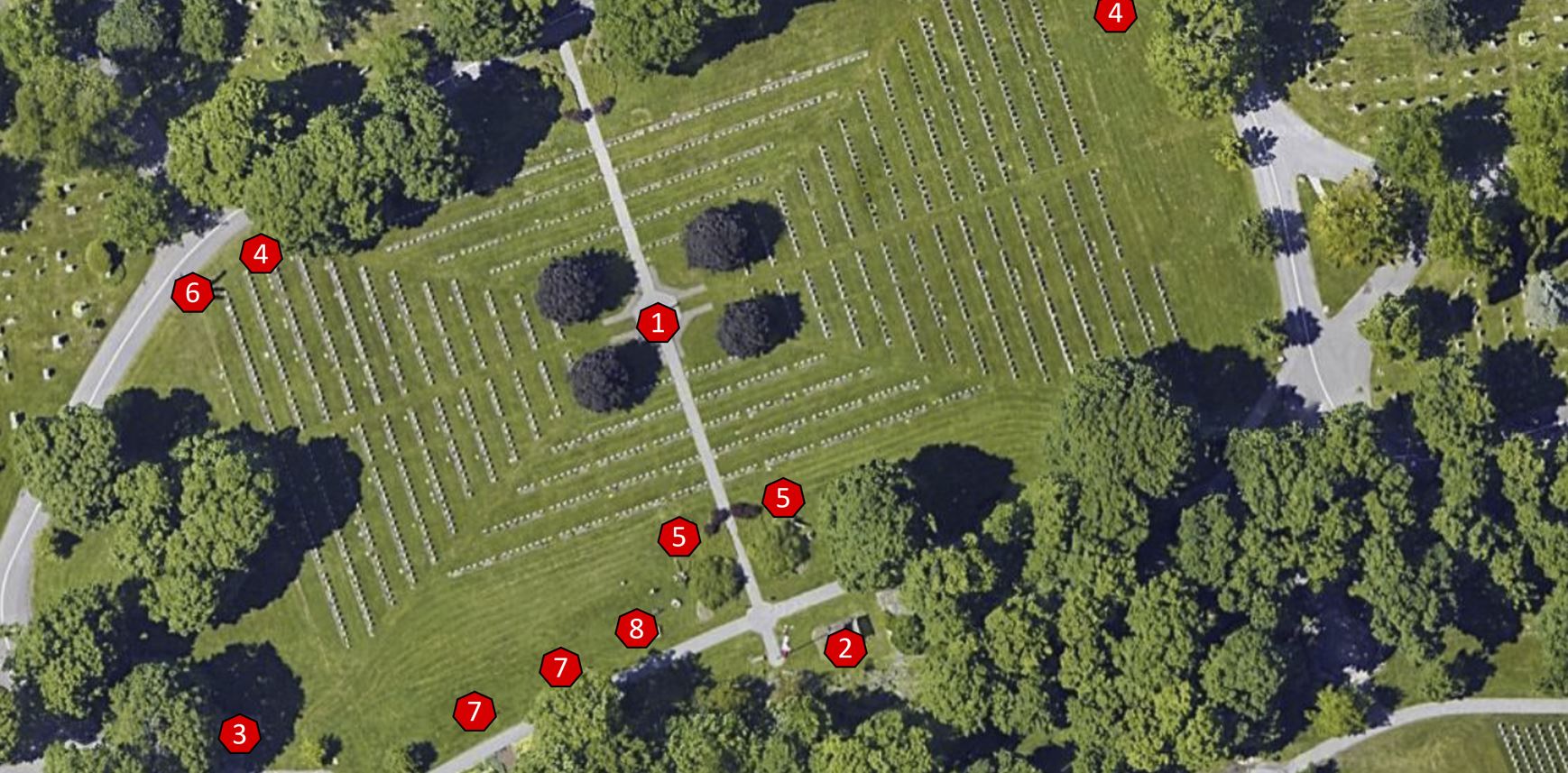
The Field of Honour – Section 27 – Tour
The Field of Honour – Section 27 The Field of Honour is reserved for Canadian Forces Veterans, War Dead from the Northwest Rebellion, the World Wars, the Korean conflict, United…
Beechwood Cemetery — Where Canadians come together to observe solemn acts of remembrance
In the final weeks and days leading up to Remembrance Day on Nov. 11, Canadians’ thoughts naturally turn to remembering the veterans who are no longer with us — the…
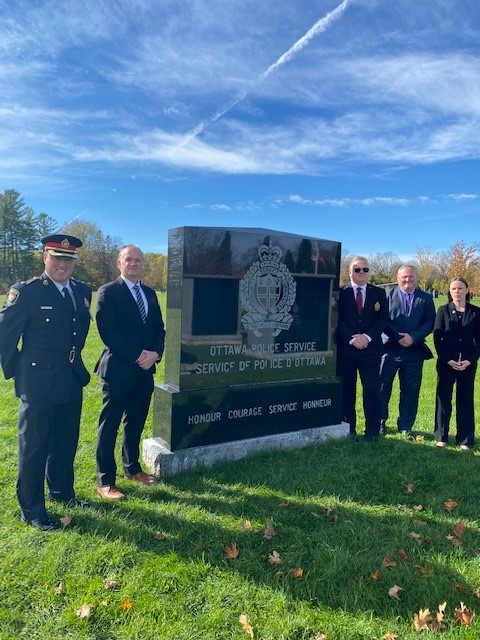
The Unveiling of the Ottawa Police Service Memorial Cemetery Monument
On October 27, 2021, the Ottawa Police Service Memorial Cemetery Main Monument was unveiled under a blue October sky. Beechwood held a small ceremony to mark this momentous occasion. The…
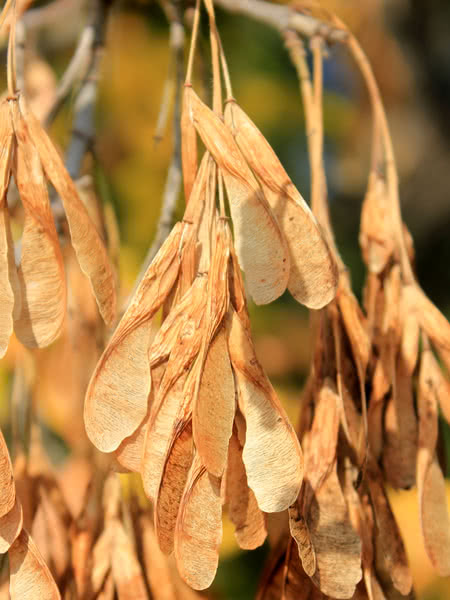
Manitoba maple – A invasive species in our forest
Ontario’s native plants existed here for thousands of years. This diverse group of plants evolved together with indigenous wildlife, adapting to local climate and soil conditions to create stable natural…
The CSIS National Memorial Cemetery
The CSIS National Memorial Cemetery A memorial to those who served courageously in the shadows The CSIS National Memorial Cemetery is an outward appreciation of the service of the CSIS…
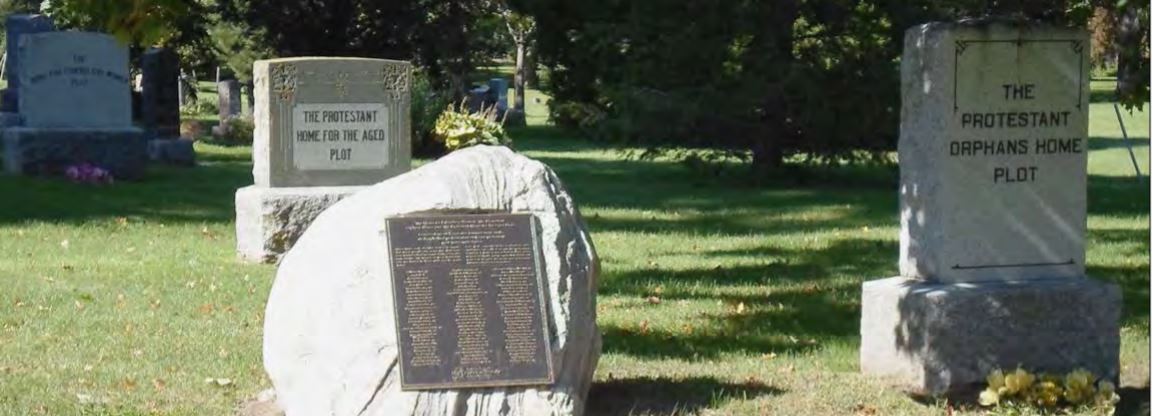
No Longer Forgotten or Friendless: A history of Ottawa’s Protestant Orphans Home, Protestant Home for the Aged, and Home for Friendless Women
A short distance from the St. Laurent Blvd entrance to Beechwood, along the road marked with a yellow stripe, are three side-by-side monuments which identify the burial plots of the…
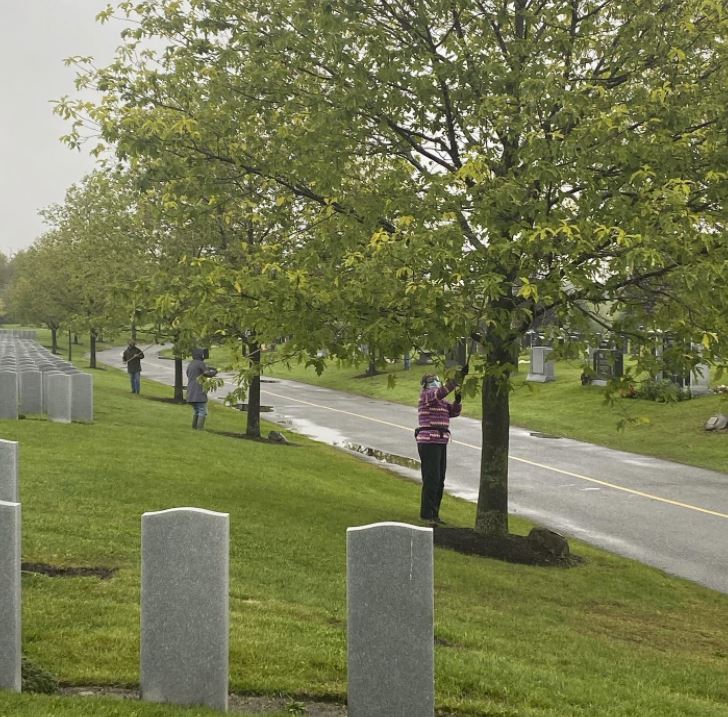
The Great Beechwood Cemetery Tree Clean Up
Beechwood Cemetery Foundation thanks the community for help. We have all been dealing with the LDD Moth problem in the trees in our community. Beechwood has been looking into different…
Echo the Fox
Beechwood’s Echo the Fox is a companion for children during funeral services, a companion to hold and cuddle when things get too confusing or difficult. Given at the time of…
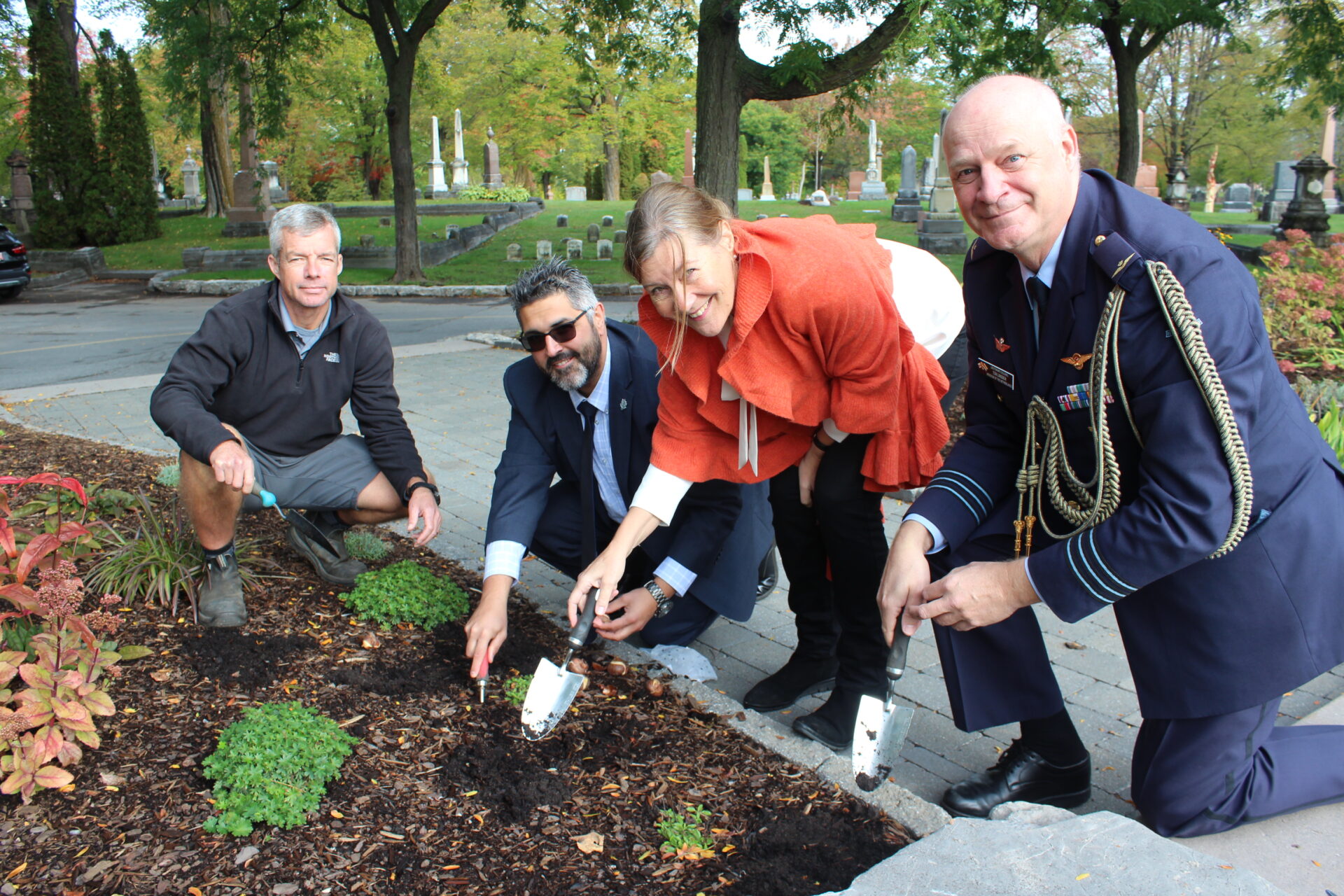
A notable tradition, but not a tradition noted
The morning of October 4th, 2021, Ambassador Ines Coppoolse and Defense Attaché Ton Linssen from the Embassy of the Kingdom of the Netherlands to Canada, alongside Beechwood Cemetery’s Chief Horticulturalist,…
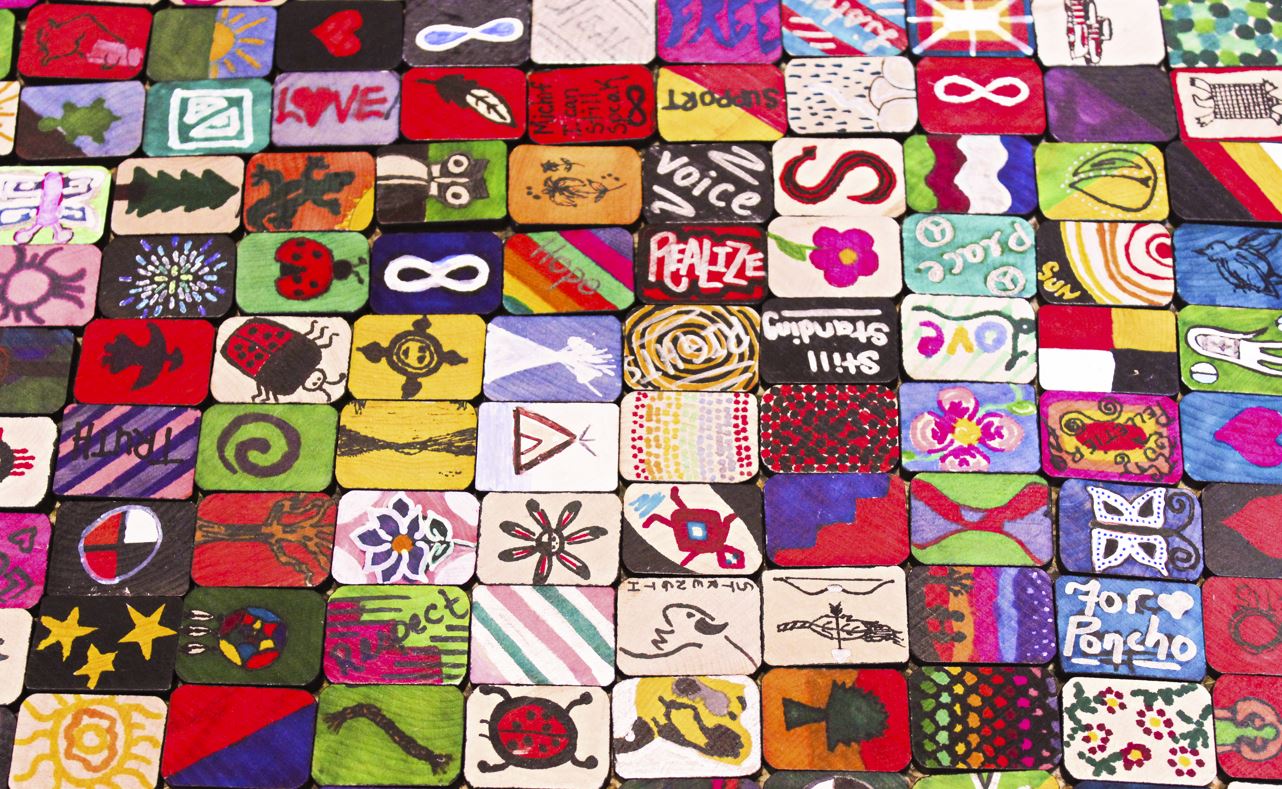
Project of Heart Memory Labyrinth at Beechwood Cemetery Walkthrough
The National Day of Truth and Reconciliation and Orange Shirt Day at Beechwood Cemetery Join us at the Beechwood National Memorial Center’s Sacred Space for the first ever full public…
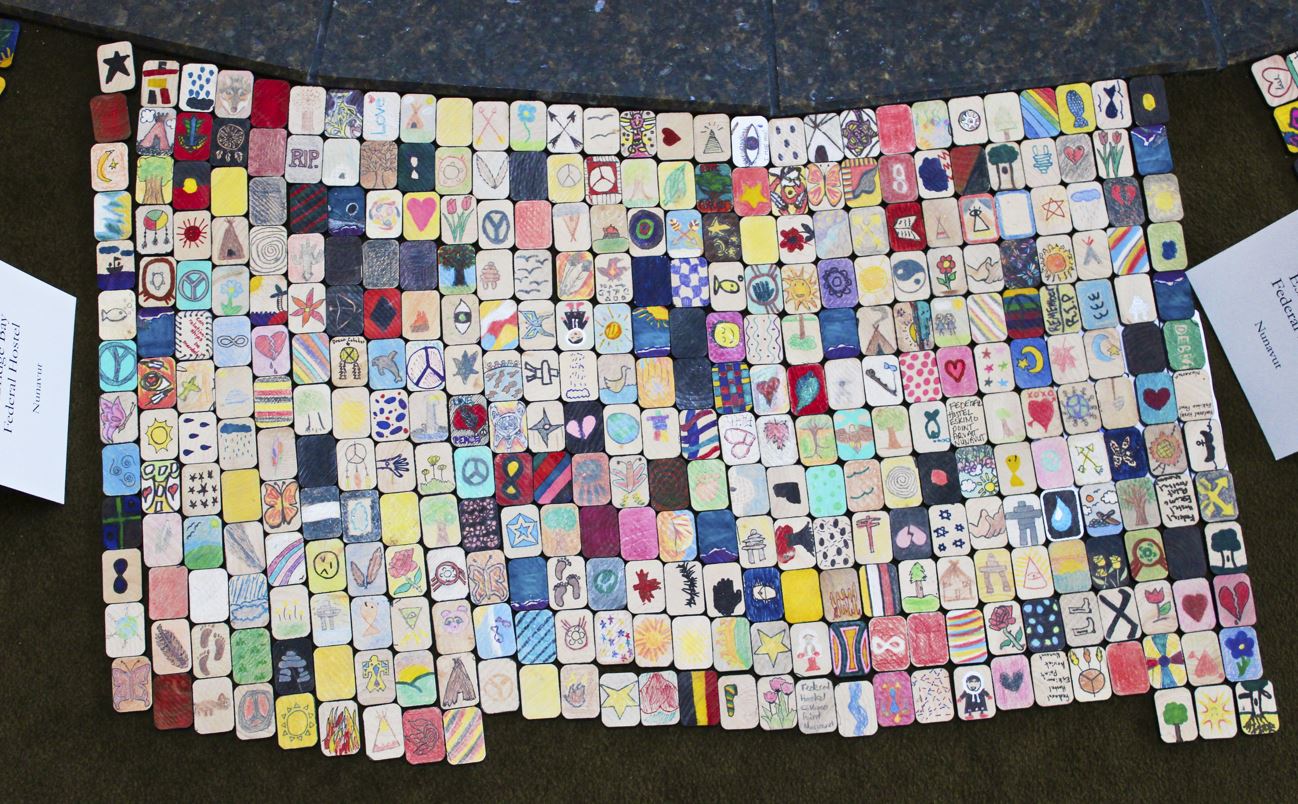
If this is not a genocide, then what is it? – Indigenous residential school students honoured at Beechwood Cemetery
The 57,000 children estimated to have died at Canada’s Indian residential schools were symbolically reunited for the first time on Wednesday — the eve of the first National Day for…
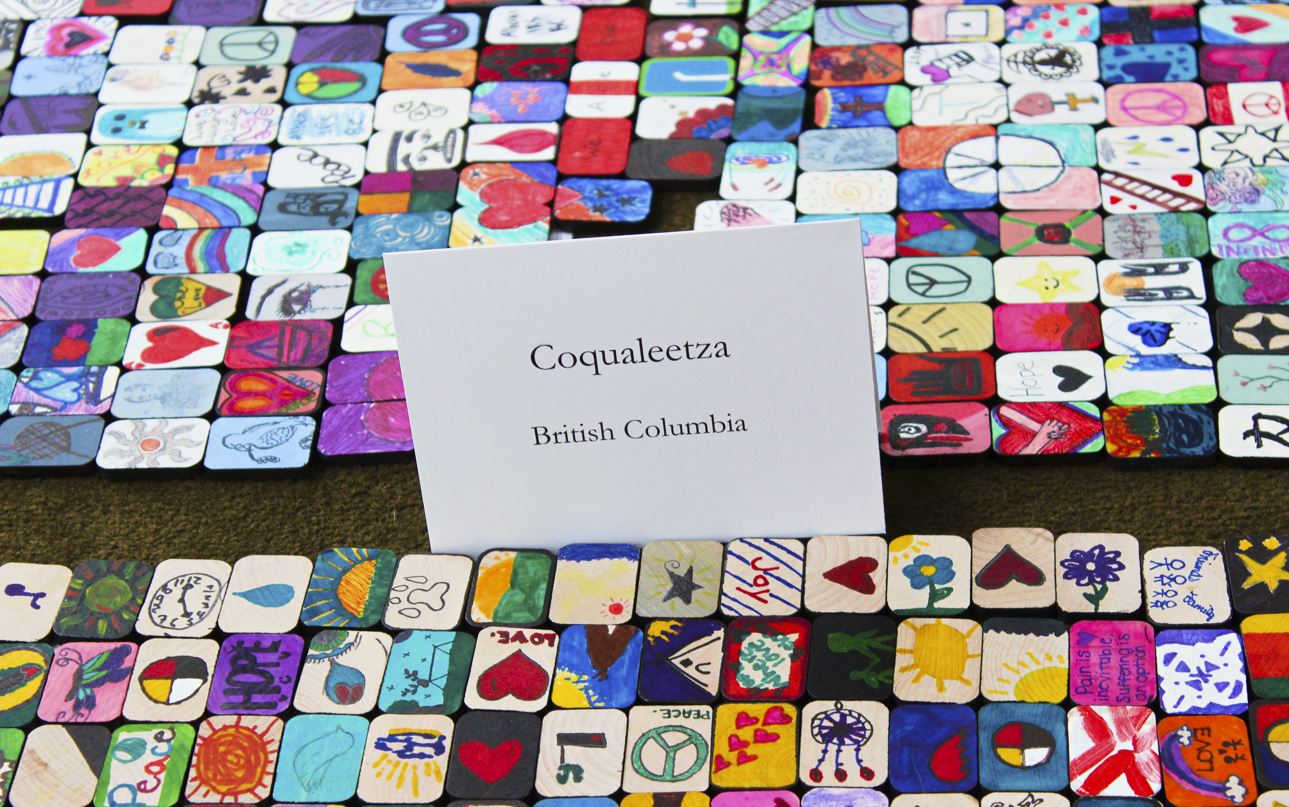
Project of Heart on display at Beechwood Cemetery in Ottawa
OTTAWA — Inside a room at Beechwood Cemetery lies tens of thousands of hand-drawn or painted tiles—a powerful display made in honour of the Indigenous children and youth who went…
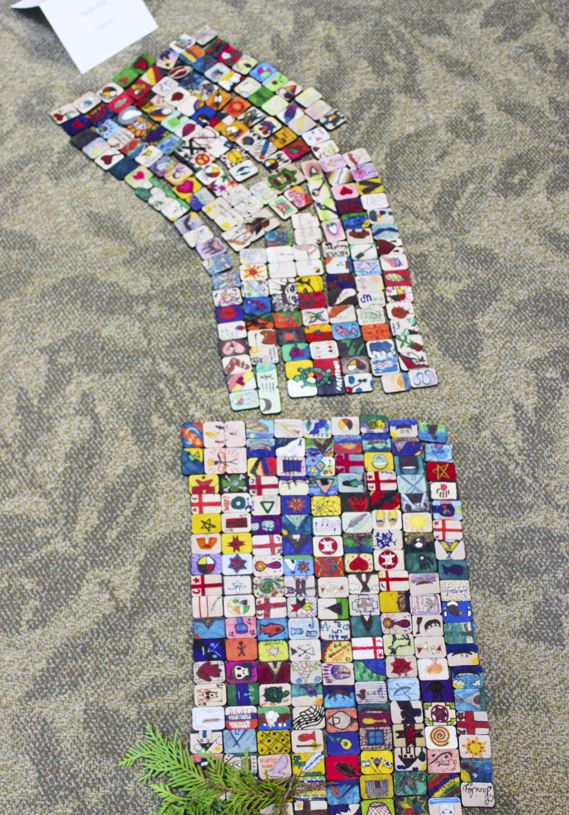
Walking a path of hope and sorrow at Beechwood Cemetery
Under the skylight of the domed Sacred Space building on the grounds of Beechwood Cemetery, a group of Indigenous young people is meticulously arranging thousands of tiny tiles across the floor. Each tile,…
Thousands of tiles designed by students honour children of residential schools
For the first-ever National Day for Truth and Reconciliation, history teacher Sylvia Smith says volunteers laid out 57,000 tiles at the Beechwood Cemetery commemorating the history of residential schools. Volunteer…
Scenes from the National Day for Truth and Reconciliation in Ottawa
Thousands of people gathered in downtown Ottawa Thursday to mark the first National Day for Truth and Reconciliation. The day was made a federal statutory holiday earlier this year, one…
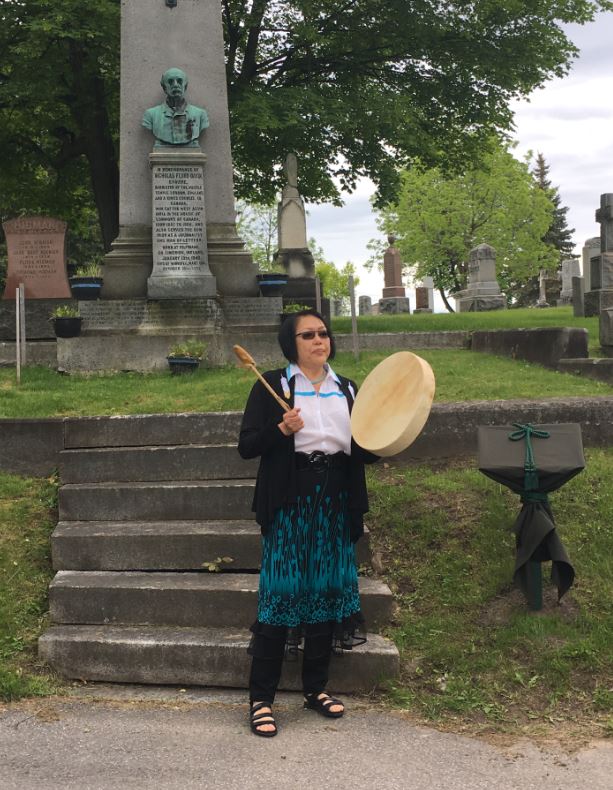
Here is how you can mark the National Day for Truth and Reconciliation in Ottawa
…Beechwood Cemetery, the National Cemetery of Canada, will mark the day with a two-hour tour designed to show the “educational and contemporary truths” of First Nations, Inuit and Metis peoples’…
Dear Dr. Bryce: Letters to late residential school whistleblower express gratitude, pledge action (Anglais Seulement)
For someone who died nearly 90 years ago, Dr. Peter Bryce sure gets a lot of mail. Bryce was the chief health inspector for the Department of Indian Affairs who,…

Support the RCMP Veterans’ Historical Wall
Support the RCMP Veterans’ Historical Wall by purchasing one of the many options available to you. The intent of the RCMP Veterans’ Historical Wall is: to profile the contributions of…
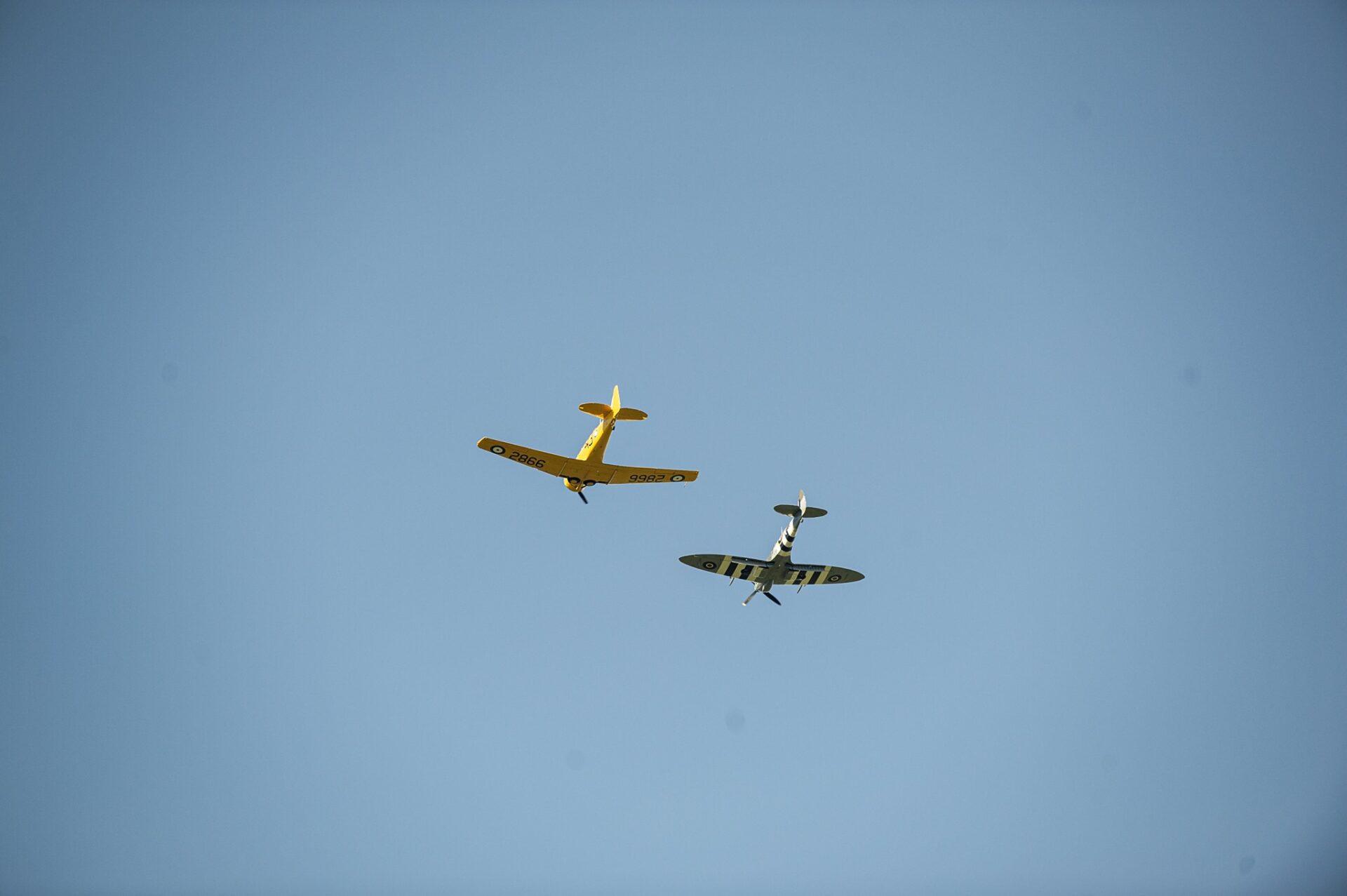
Battle of Britain 81st Anniversary Ceremony
The RCAF marked the 81th anniversary of the #attle of Britain today with a ceremony held at Beechwood National Military Cemetery in Ottawa, Ontario. The event was an opportunity to…
A day for Truth and Reconciliation at Beechwood
It’s not uncommon to find children’s toys, thank you notes, sacred medicines and fresh flowers surrounding the grave of Dr. Peter Henderson Bryce at Beechwood Cemetery. In 1907, three years…
20 years later: Ottawa commemorates the 9/11 attacks
OTTAWA — For the past two decades, Sept. 11 has been a day that weighs heavy on Georgina McLennan. “You sort of go on with life but on a day…
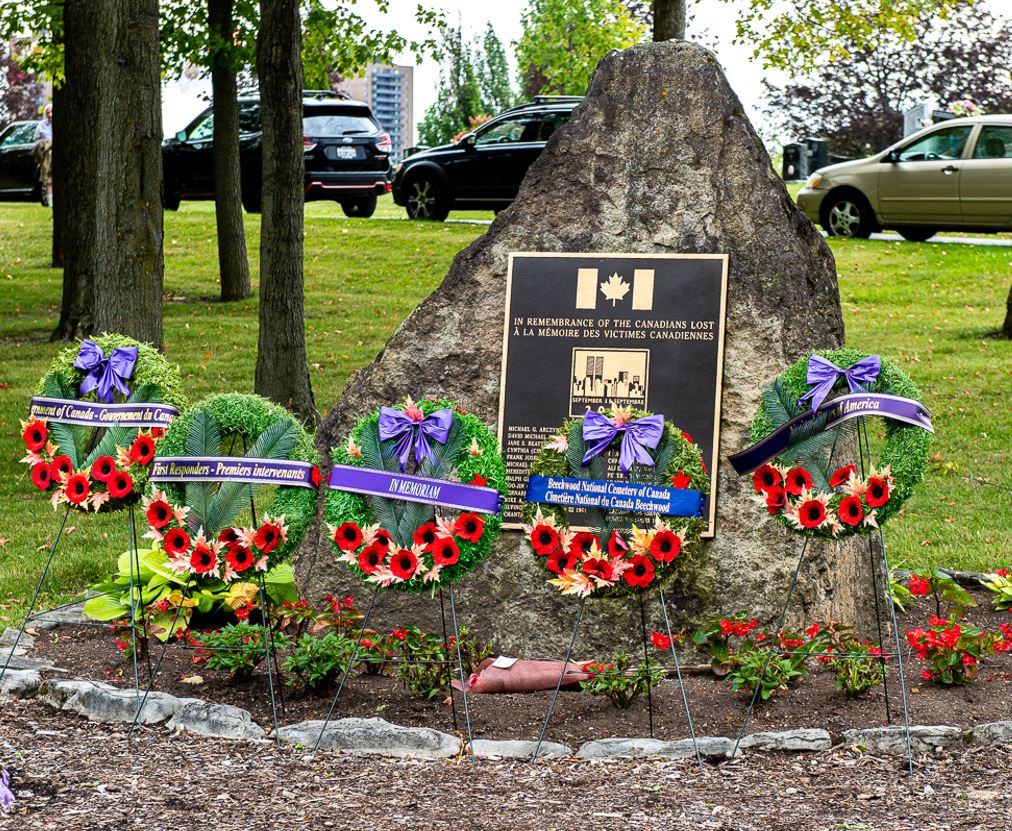
9/11 Memorial
Dedicated on September 15, 2002, the Beechwood 9/11 Memorial was one of the first 9/11 memorials built. It remains the only memorial dedicated to the Canadians who were killed in…

Real Talk with Ryan Jespersen
Beechwood joined Ryan Jespersen’s Real Talk to discuss our Beechwood mail box project! {“preview_thumbnail”:”/sites/default/files/styles/video_embed_wysiwyg_preview/public/video_thumbnails/ZZT3l5tSgjI.jpg?itok=QIDBr1jA”,”video_url”:”https://www.youtube.com/watch?v=ZZT3l5tSgjI”,”settings”:{“responsive”:1,”width”:”854″,”height”:”480″,”autoplay”:1},”settings_summary”:[“Embedded Video (Responsive, autoplaying).”]} 1:31:15 | The national cemetery of Canada is inviting people to mail letters…
New Edition – Beechwood Way – Summer 2021
AS WE MOVE CLOSER AND CLOSER to our 150th anniversary (2023), Beechwood has been researching our past and our history. We dove deep into our own archives, early Bytown and…
CityNews An Hour to Give with Beechwood Cemetery Foundation.
Beechwood is not publicly funded. In fact, the cemetery is owned by The Beechwood Cemetery Foundation and operates on a not-for-profit basis. As a result of its beauty, historical significance,…
Letters to Dr. Bryce.
In honour of the first National Day for Truth and Reconciliation and Orange Shirt Day, we are inviting everyone to share their letters of reconciliation. We want people from coast…
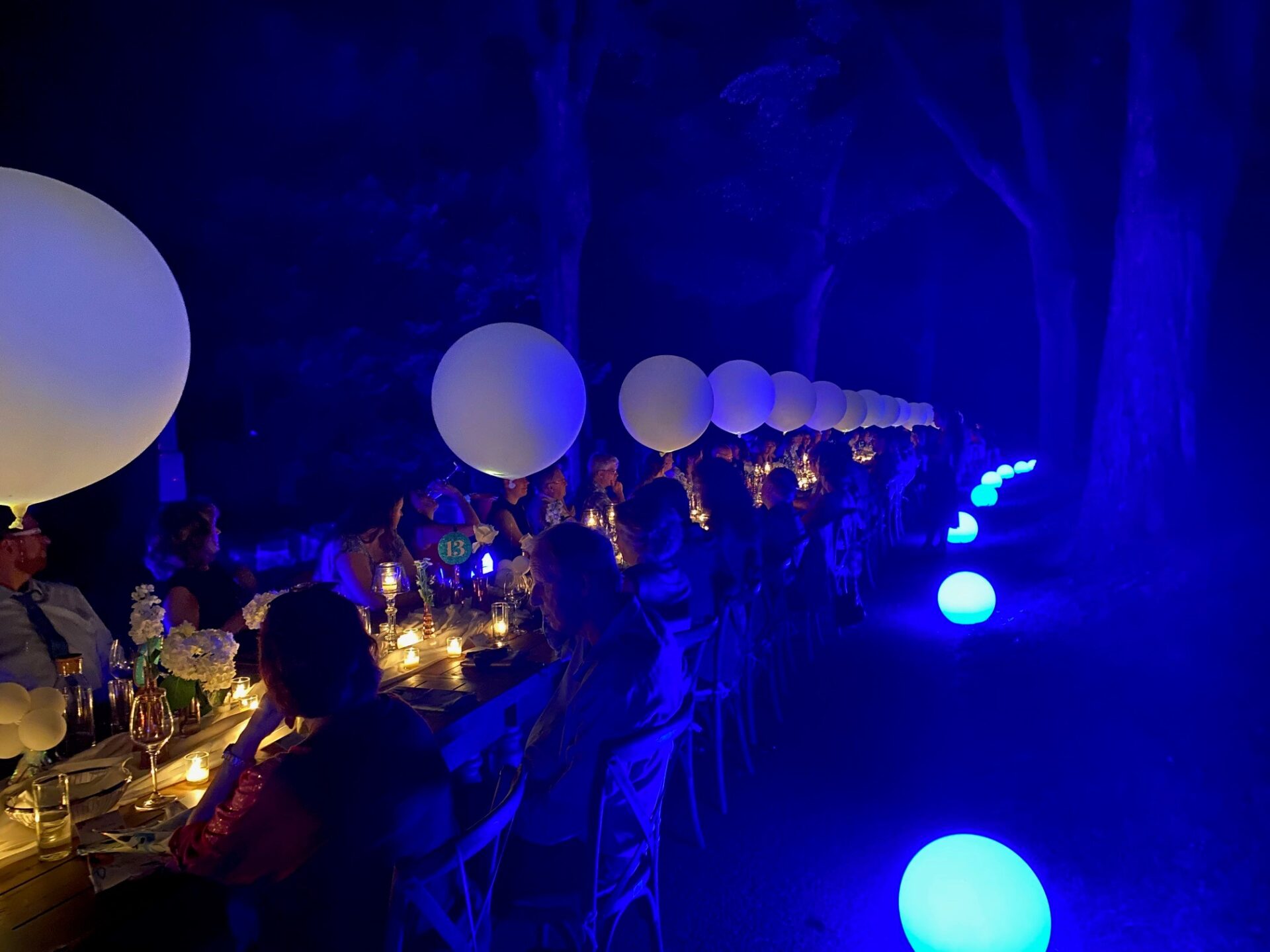
VANIER BIA AND BEECHWOOD CEMETERY RAISE $10,000 FOR ONTARIO’S MOST USED FOODBANK: PARTAGE VANIER
The Vanier BIA and the Beechwood Cemetery proudly announce that we raised $10,000 for the Partage Vanier Foodbank last night. This magical evening nestled in the heart of the Beechwood…

The Beechwood Funeral Planning eBook
Don’t leave the great celebration of your life until the last minute. Help ease the burden on you, your family, and loved ones by pre-planning your funeral. Our free eBook…
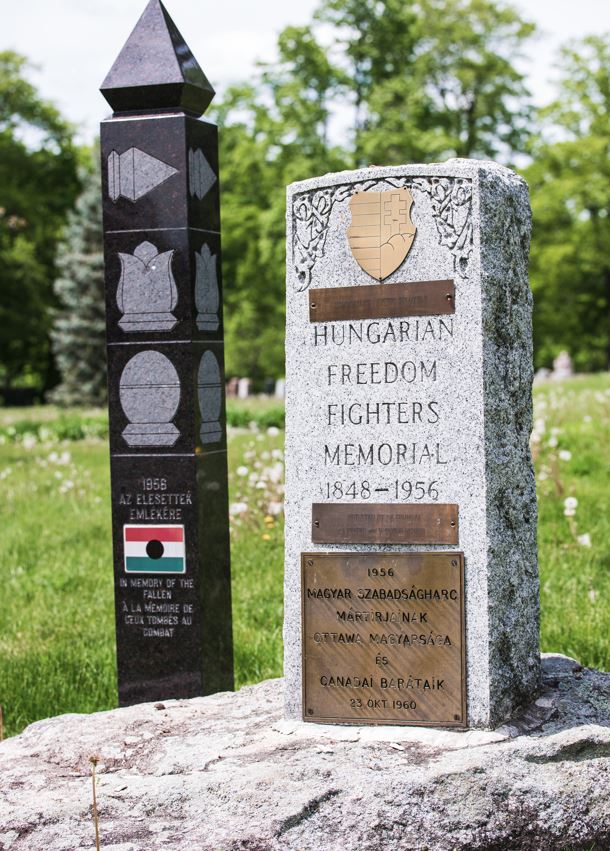
THE HUNGARIAN MEMORIAL
Did you know that the tranquil paths of Beechwood Cemetery had once provided the backdrop to a story of ultimate bravery, theft, and even a car chase? This story is…
Peter Bryce gets his own mailbox in advance of first National Day of Truth and Reconciliation
No one at Beechwood Cemetery gets as much mail as the public health doctor who 99 years ago exposed the terrible conditions and high deaths rates at residential schools across…
National Day for Truth and Reconciliation and Orange Shirt Day at Beechwood
In honour of the first National Day for Truth and Reconciliation, the Beechwood Cemetery Foundation has partnered with the Project of Heart, the Assembly of 7 Generations, and the First…
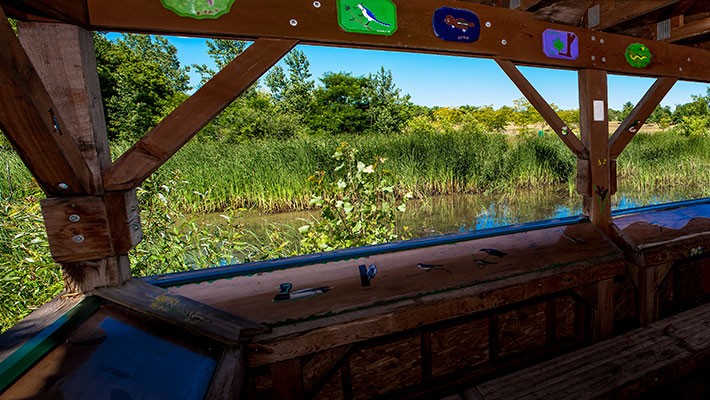
Macoun Marsh Update
The Macoun Marsh continues to be an inspiration to all those who visit. The seasonal changes are rich with life and colour. The end of winter is by far the…

An act of remembrance: Setting a stone
Walking around Beechwood Cemetery, you cannot help but notice the many objects left on or around the headstones. Each cultural community shares its own unique traditions. The most common item…
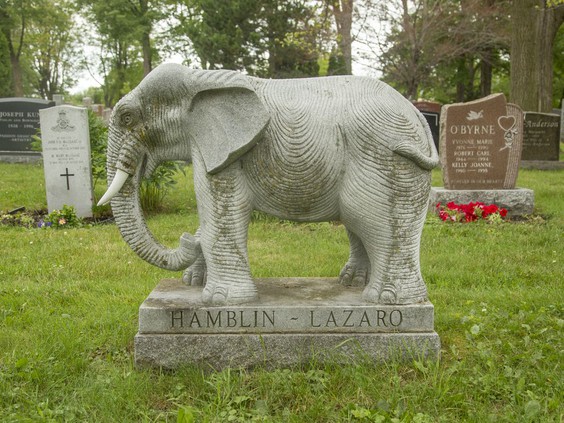
A look at changing traditions in headstones
It took a lifetime, but there’s a golfer in the Cornwall area who eventually reached the pinnacle of achievement — sort of. “Finally, six under,” his headstone reads, a waggish…
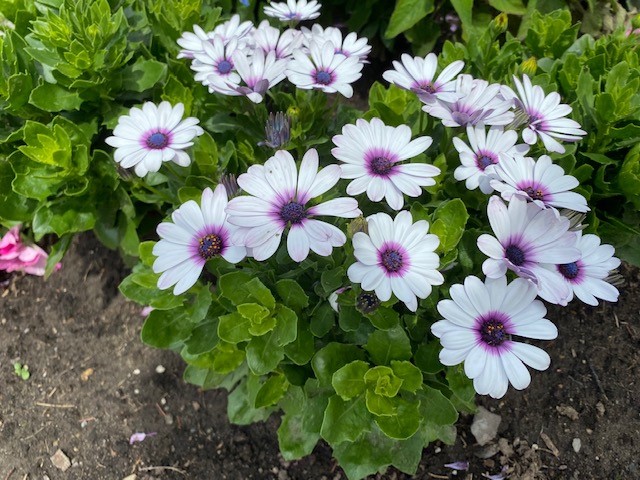
In the Gardens: A Colorful Annual
The Osteospermum is a genus of flowering plants belonging to the Calenduleae, one of the smaller types of the sunflower/daisy family Asteraceae. The scientific name is derived from the Greek…
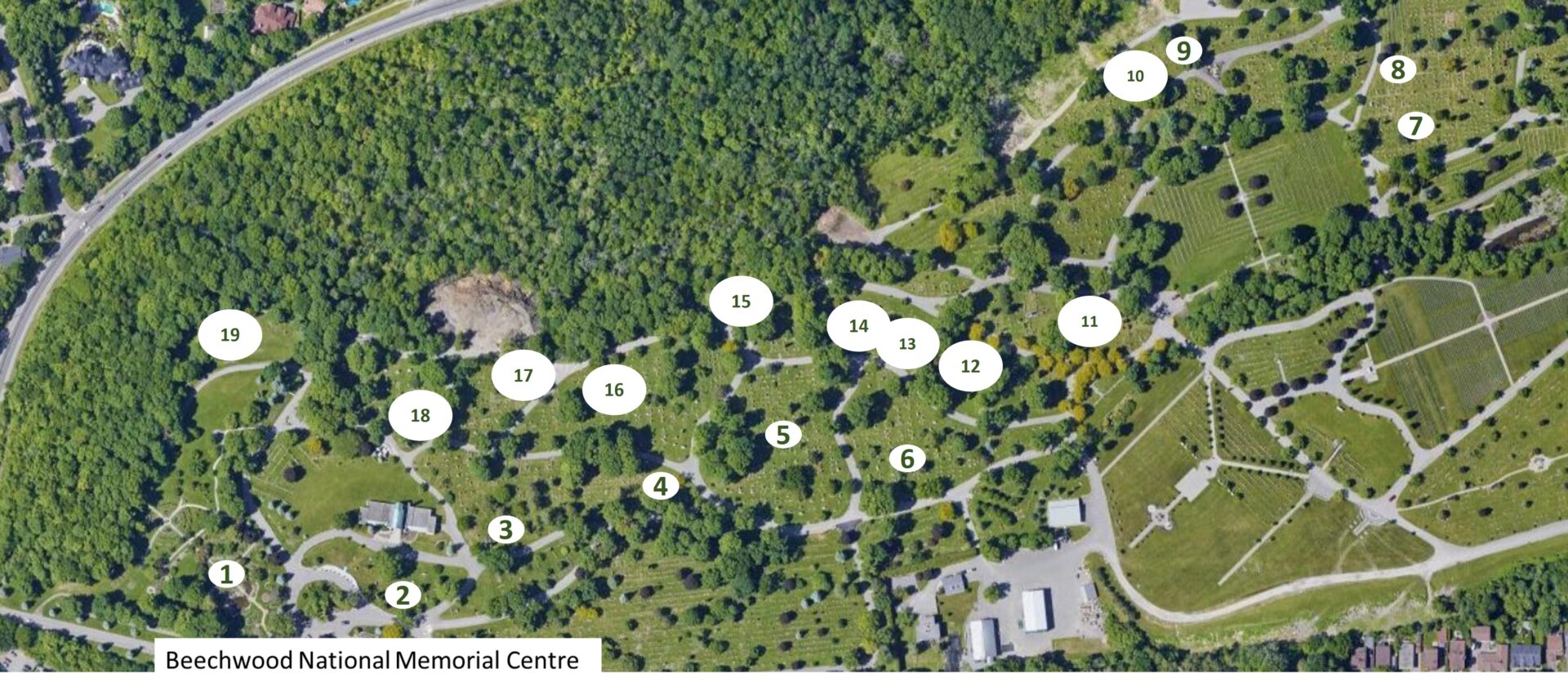
The Scots of Beechwood
The Scots have immigrated to Canada in steady and substantial numbers for over 200 years, with the connection between Scotland and Canada stretching farther — to the 17th century. Scots…
The History of the National Military Cemetery of the Canadian Forces
20 YEARS HAVE GONE BY since then Governor General Adrienne Clarkson officially opened the National Military Cemetery of the Canadian Forces at Beechwood (June 28, 2001). Defence Minister Art Eggleton…
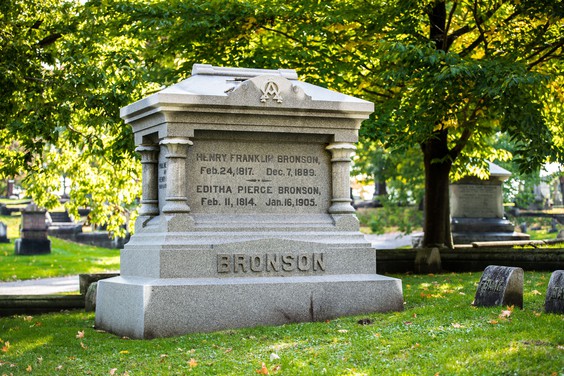
Beechwood Cemetery tours — pathways of reflection through the National Cemetery of Canada
Like cemeteries everywhere, the names of the dead were once those of the living, and each one has a story to tell. At Beechwood Cemetery, the National Cemetery of Canada…
The KAIROS Blanket Exercise and Reconciling History Tour
Join us, at Beechwood Cemetery on August 15th to experience learning history most Canadians were never taught. Run by KAIROS, The Blanket Exercise is an interactive way to understand our…
Beechwood Executor Advisor Program
As the National Cemetery of Canada, we understand the importance of being an executor and how time-consuming and complex it may be. We also understand how difficult it is for…
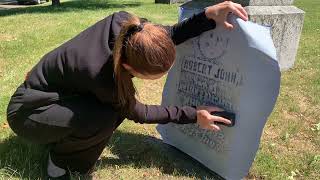
How to read the unreadable inscriptions.
Century old monuments can be hard to read, discovering the names and dates can sometimes be a mystery. Let Beechwood Cemetery, Canada’s National Cemetery, teach you three techniques on how…
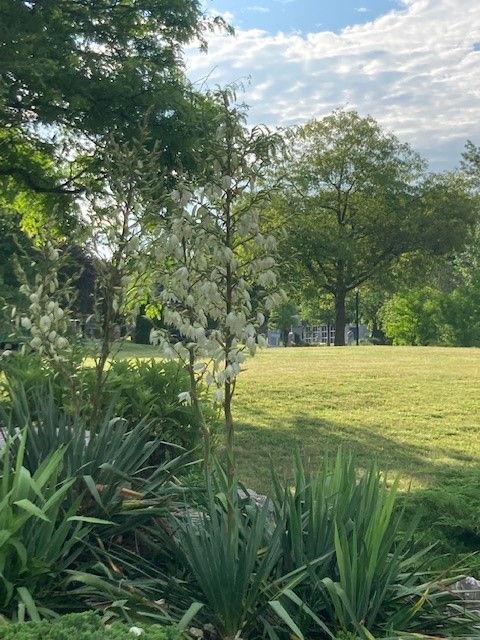
In the Gardens: Adam’s needle and thread in bloom
The Yucca filamentosa comes in many different names including Adam’s needle, common yucca, Spanish bayonet, bear-grass, needle-palm, silk-grass, and spoon-leaf yucca. This species of flowering plant is part of the…
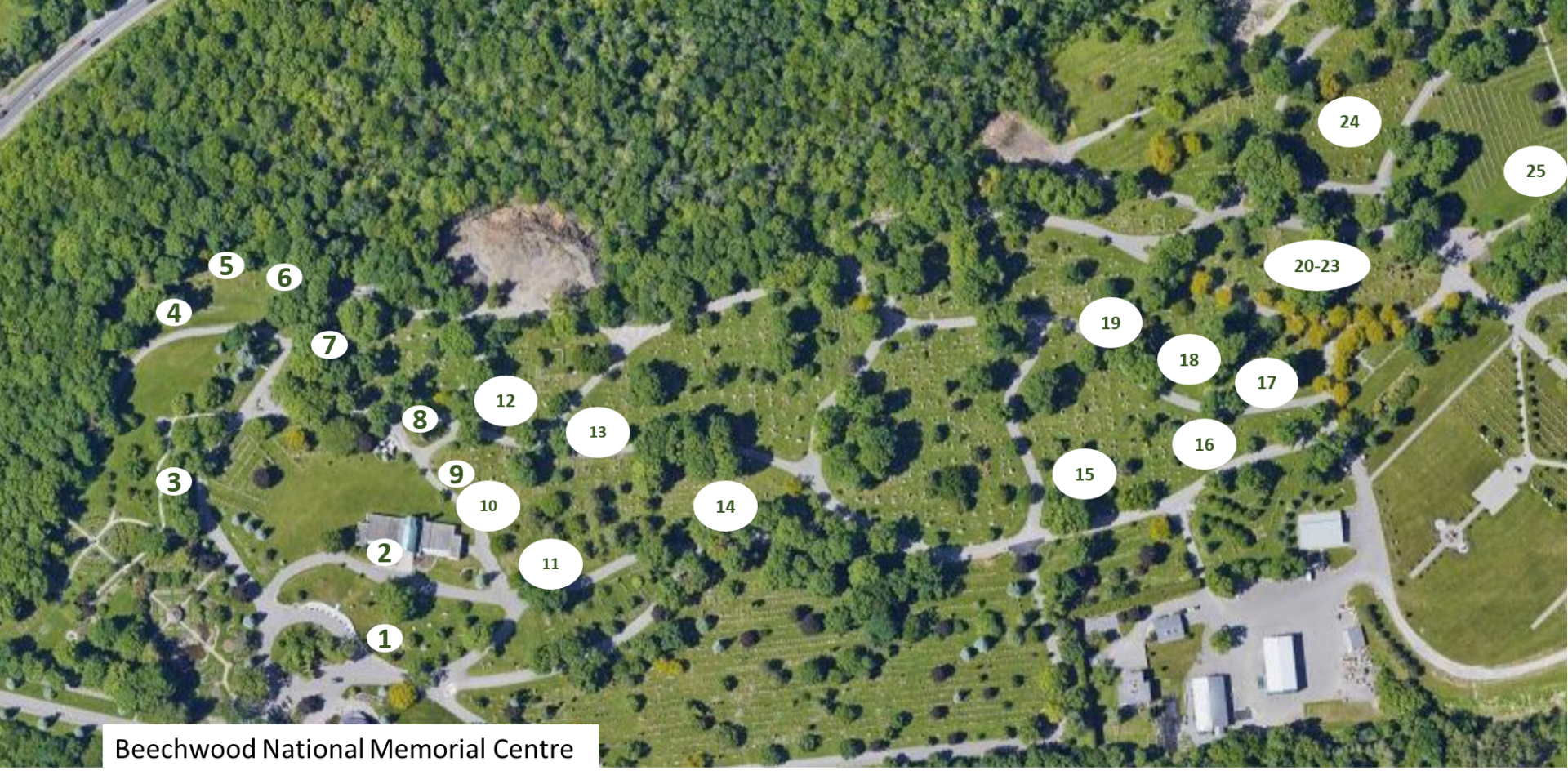
Streets of Ottawa Tour
Historical Walking Tour: Notable Passages Celebrating those who were honoured with a street name in their memory The Streets of Ottawa Tour focuses specifically on some of the families who…
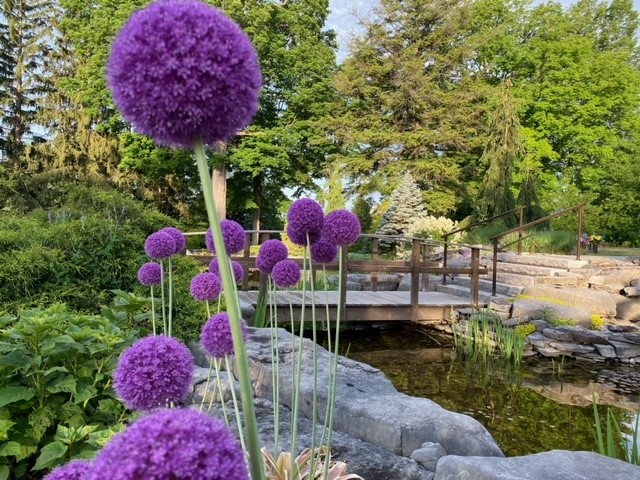
In the Gardens – A Ornamental Onion
Onions, shallots and garlic are members of the allium family that belong in the vegetable garden. But there are many ornamental alliums that deserve a hearty welcome in your perennial…

Announcing the Passing of a loved one on Social Media
Social media is an important tool in our lives. It allows us to connect, share and reach out to each other in a meaningful way. Often social media is used…
Dead reckoning: National cemetery is bringing truth about residential schools to light
In June 2008, the day before then prime minister Stephen Harper stood in the House of Commons to deliver an apology to survivors of Canada’s residential school system, Cindy Blackstock…
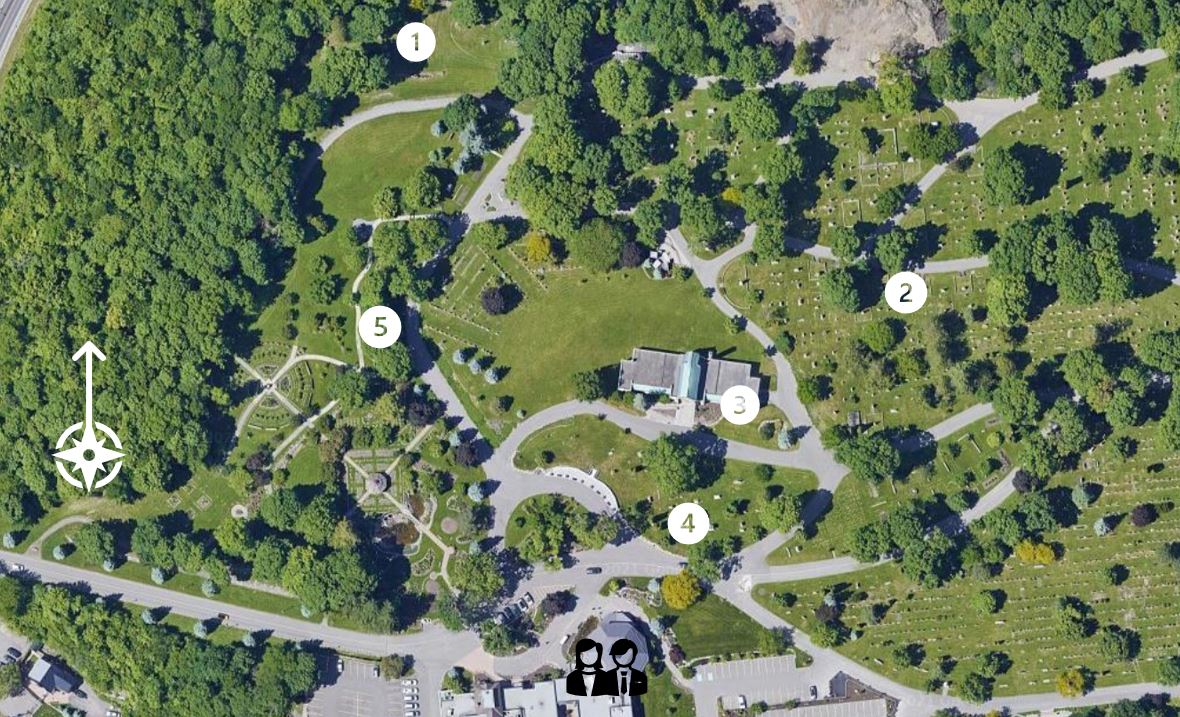
Reconciling History Tour
For over a century, until 1996, the Canadian Government removed at least 150,000 First Nations, Métis and Inuit children from their families to place them in Indian Residential Schools created by…
The policy battle that set the stage for a century of residential school death, misery, grief
As Canada’s residential school system gathered homicidal force in 1909, two formidable bureaucrats wrestled for control of its direction in backroom Ottawa. Dr. Peter Bryce, the crusading chief medical officer…
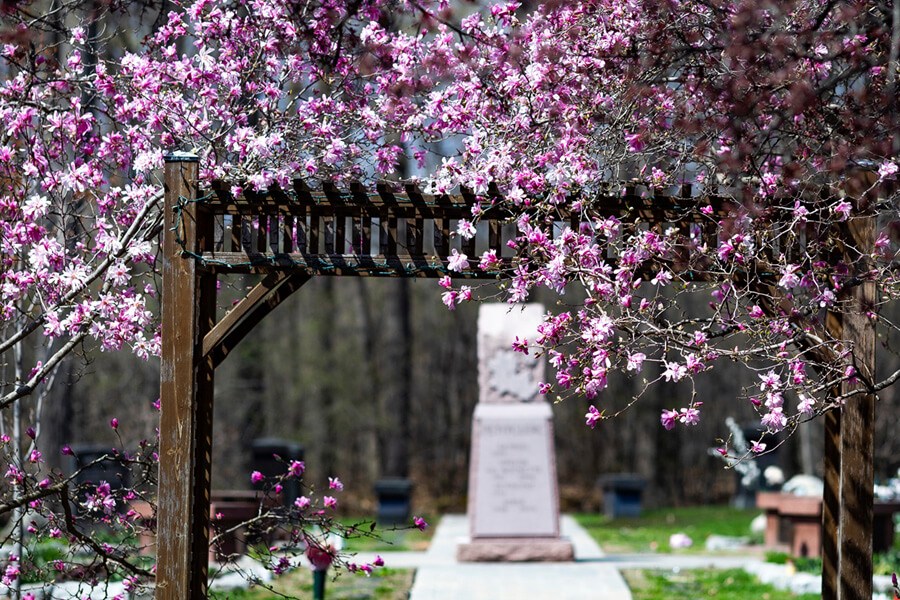
The Beechwood Way – June 2021
FOUNDED IN 2000, the Beechwood Cemetery Foundation has strived to take care of the 162 acres of land with the utmost respect and creativity. Beechwood’s Chief Horticulturist, Trevor Davidson, and…
Must-visit gardens, nurseries, greenhouses and flower festivals in and around Ottawa
Beechwood Cemetery As well as being the final resting place of many illustrious Canadians, Beechwood Cemetery—on the eastern edge of New Edinburgh and Vanier—is also a peaceful garden in its…
Dealing with LDD Moth
The LDD moth can be an annoying pest in residential, urban and rural areas as well as natural forests. The LDD Moth has been slowly spreading across the U.S. and Canada. This…
Flags at half mast
Beechwood Cemetery will have their main entrance flags flying at half mast in memory of the 215 children whose remains were found at the site of a former residential school in…
Come visit the cemetery – A Basic Etiquette
This piece is co-written by No Stone Left Alone Foundation and Beechwood Cemetery Foundation. Cemeteries are often referred to as a place for the living. In urban environment, cemeteries are…
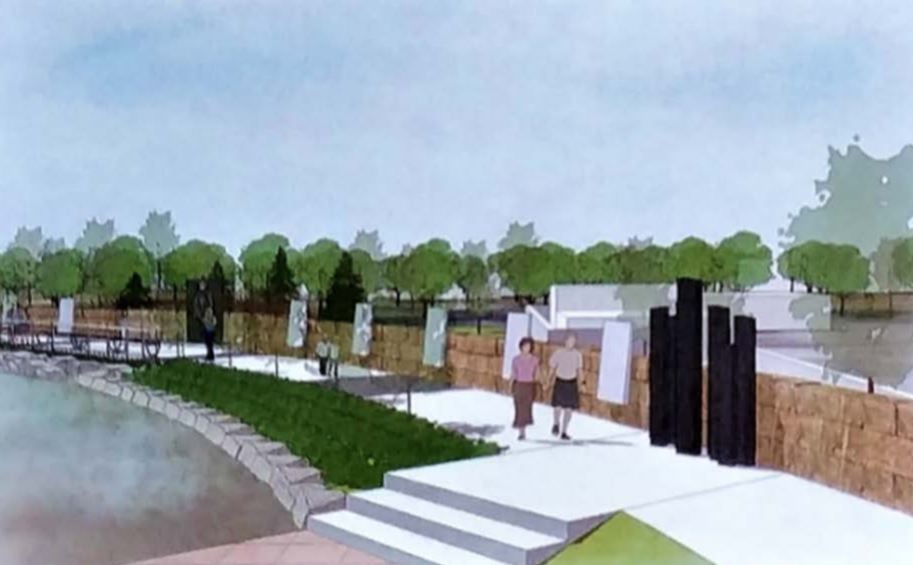
RCMP Veterans’ Historical Wall
Celebrating the 150th anniversary of the Royal Canadian Mounted Police – May 23, 2023 The RCMP Veterans’ Association, Ottawa Division, will build the RCMP Veterans’ Historical Wall at the RCMP…
Canadian Tulip Festival – Veterans Day Ceremony
The Canadian Tulip Festival is proud to present its annual Veterans Day Ceremony on May 18, 2021 at 11 a.m. at Beechwood National Cemetery. Viewers can watch the formal private…
The Importance of Holding a Funeral–Even a Year Later
Chris Hamilton, his wife Kristin and their three daughters held a memorial service recently for his mother, Rona, who died last year, days after the pandemic-related lockdown began. They picked…
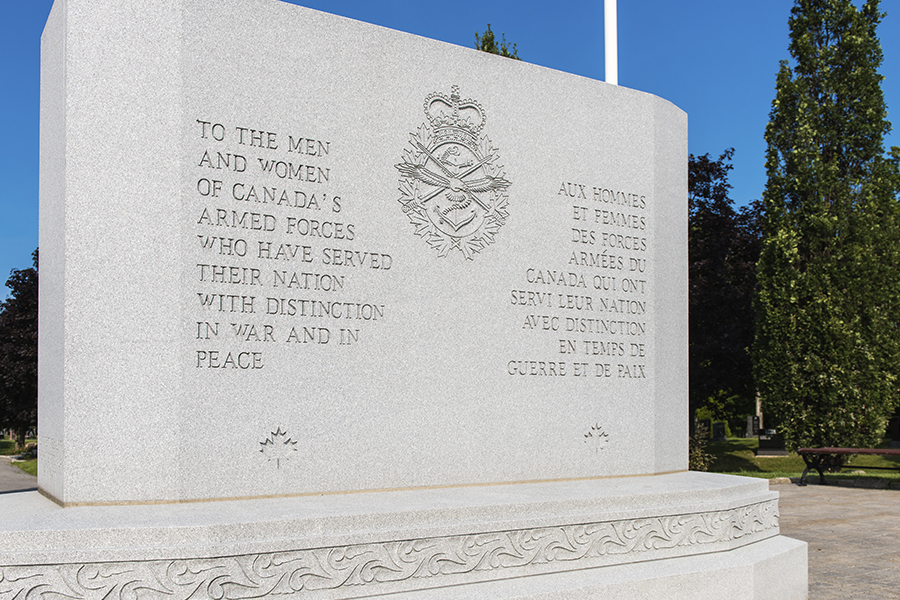
National Military Cemetery of the Canadian Forces at Beechwood: A Tour
{“preview_thumbnail”:”/sites/default/files/styles/video_embed_wysiwyg_preview/public/video_thumbnails/hf_zS9pW7Dc.jpg?itok=IbAtPmD2″,”video_url”:”https://www.youtube.com/watch?v=hf_zS9pW7Dc”,”settings”:{“responsive”:1,”width”:”854″,”height”:”480″,”autoplay”:1},”settings_summary”:[“Embedded Video (Responsive, autoplaying).”]} A brief tour of the National Military Cemetery of the Canadian Forces at the Beechwood Cemetery. Section 27 contains the Cross of Sacrifice, a Sherman tank,…
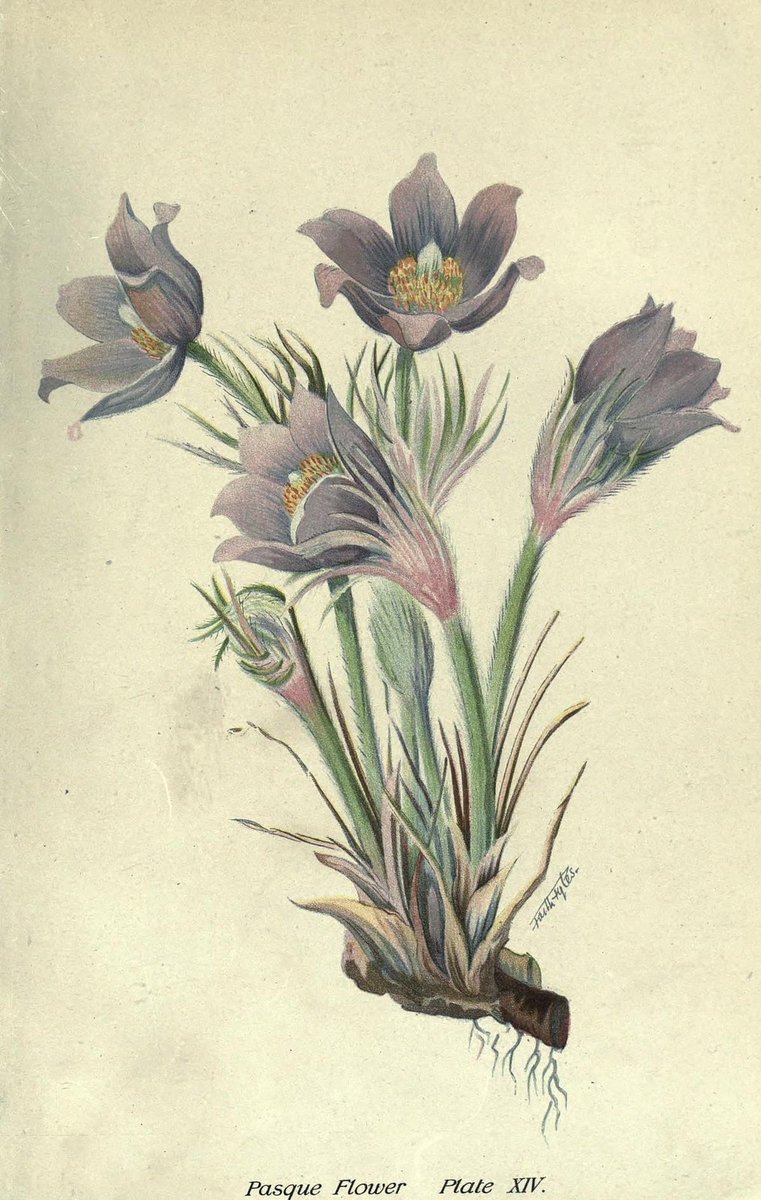
Faith Fyles – a Botanical Artist
Faith Fyles was born September 30, 1875 in Cowansville, Quebec. Her father was the Reverend Dr. Thomas Fyles, an Anglican clergyman (and entomologist) who came to Canada from England to…
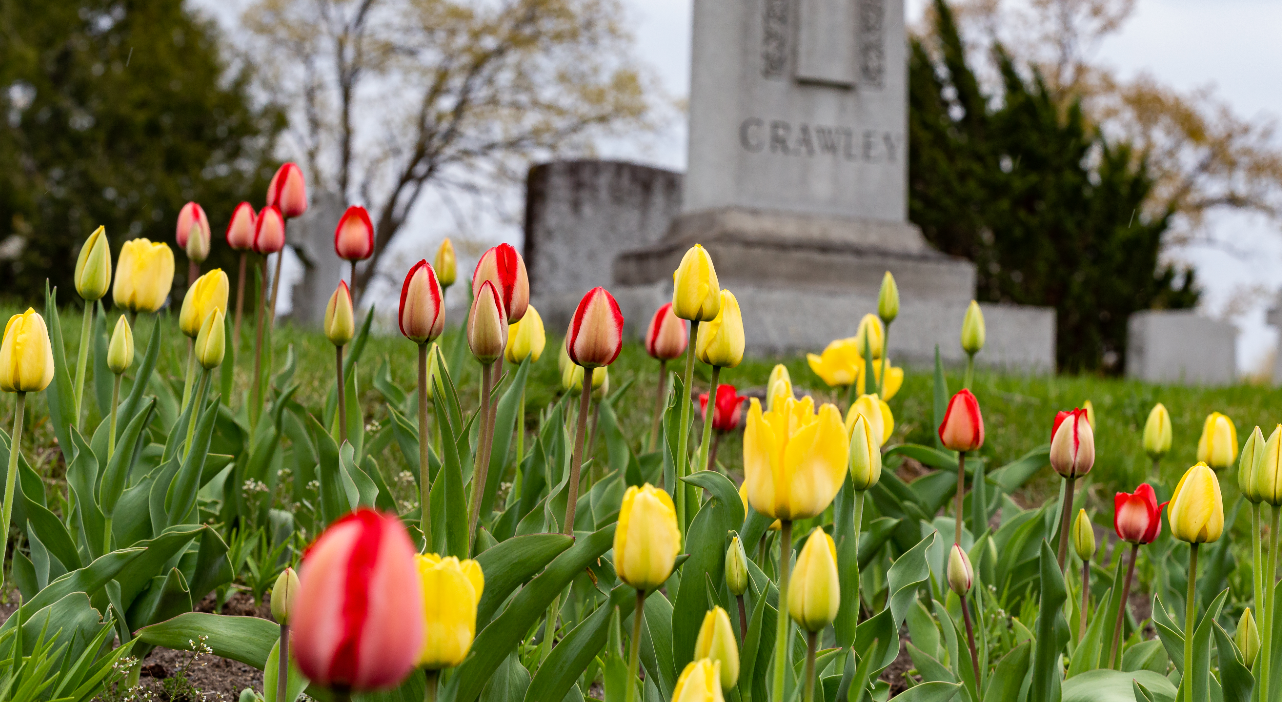
In the Gardens – the Tulip History
Tulips (Tulipa) form a genus of spring-blooming perennial herbaceous bulbiferous geophytes (having bulbs as storage organs). The flowers are usually large, showy and brightly colored, generally red, pink, yellow, or…
A gentle approach to a subject few of us want to talk about
Funeral preplanning through Beechwood: A gentle approach to a subject few of us want to talk about Let’s face it. Discussing funeral plans is hardly at the top of most…
Remembrance Day and Liberation Day in Holland
The liberation of the Netherlands, from September 1944 to April 1945, played a key role in the culmination of the Second World War, as the Allied forces closed in on…
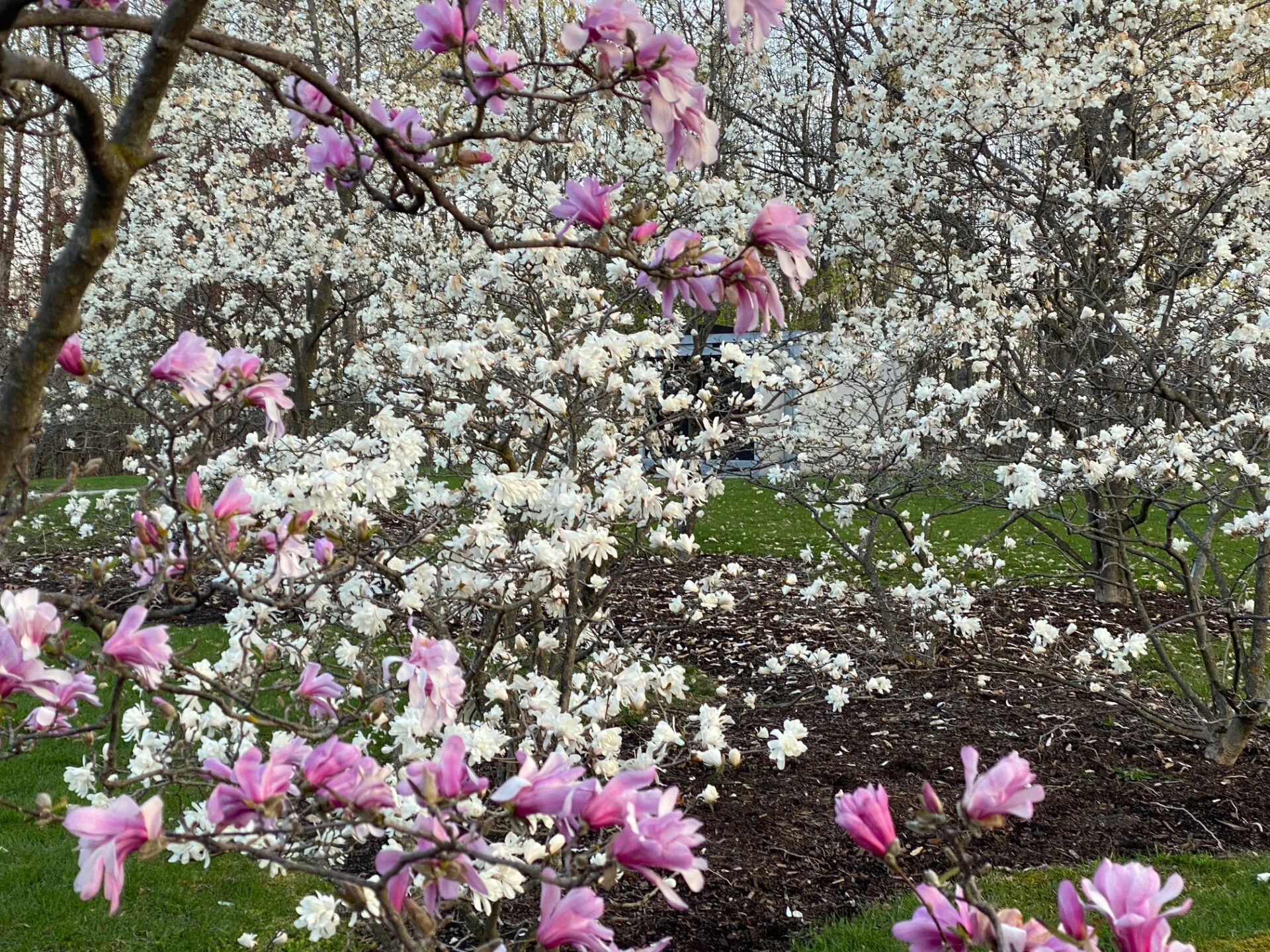
In the Gardens: The bloom of a magnolia tree
Magnolia is a large species of about 210 flowering plant species in the subfamily Magnolioideae of the family Magnoliaceae. It is named after French botanist Pierre Magnol. Magnolia is an…
Butterfly Memorial Event 2021 – BFO Ottawa
On Sunday, June 6 at 3 pm, the Ottawa community will tune in to watch The Butterfly Memorial Event at Beechwood, Canada’s National Cemetery, to remember our loved ones. You…
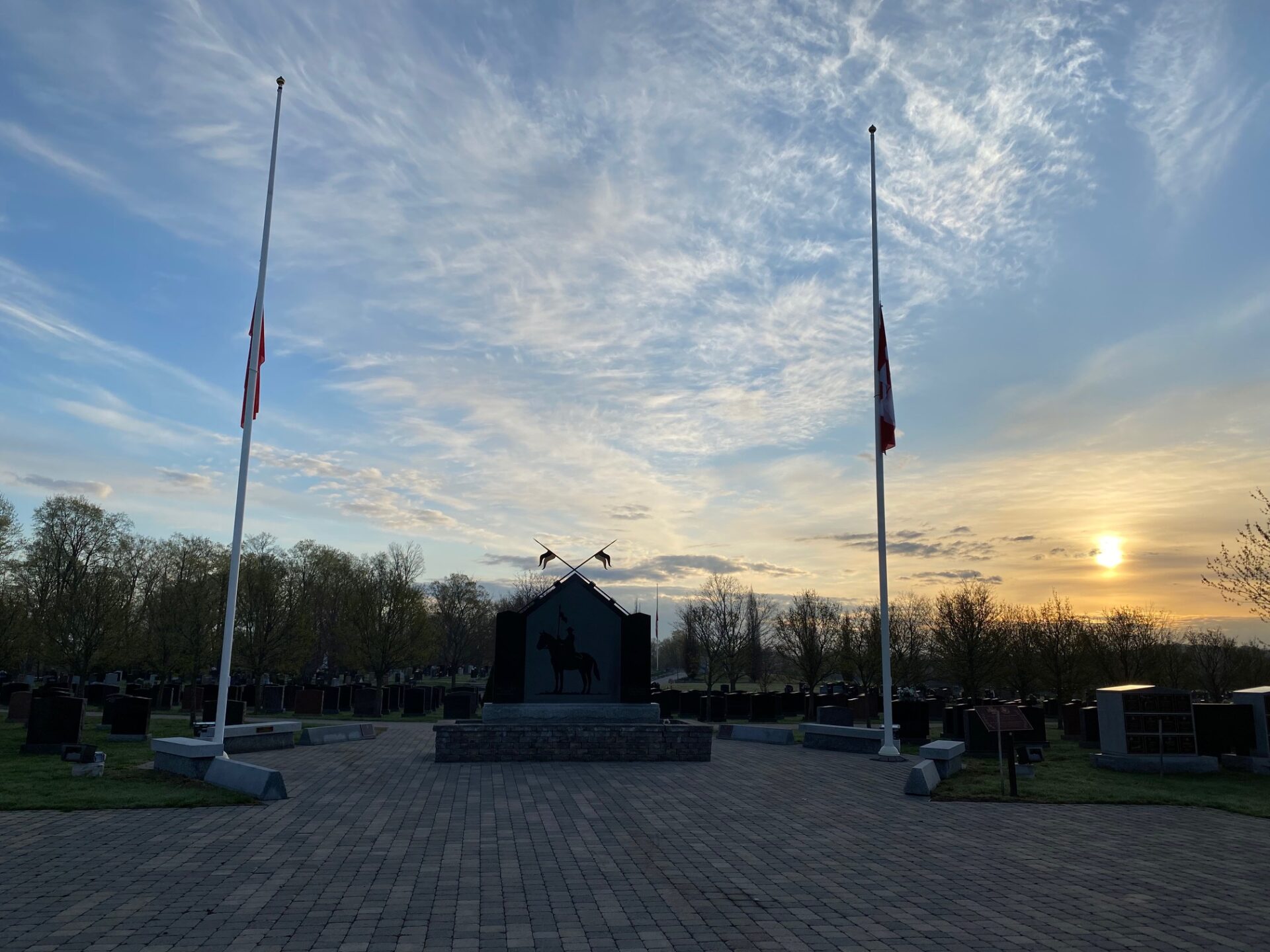
Flags at half-staff at the RCMP NMC
On April 18 and 19, 2020, Northwestern Nova Scotia was the scene of a terrible shooting rampage that left 22 dead, including RCMP Cst. Heidi Stevenson. On the anniversary of…
ANZAC Day – a national day of remembrance in Australia and New Zealand
ANZAC Day marks the anniversary of the first campaign that led to major casualties for Australian and New Zealand forces during the First World War. The acronym ANZAC stands for Australian…
Grief – a definition
I had my own notion of grief. I thought it was the sad time That followed the death of Someone you love. And you had to push through it To…
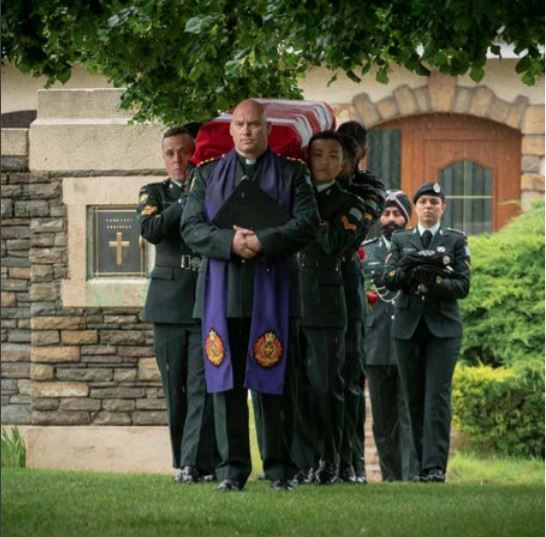
Casualty Identification Program and Beechwood Cemetery
Since April 2019, Beechwood stepped into its role as the Mortuary Service Provider and Contract Representative of The Department of National Defence’s Casualty Identification Program. The Program was established in…
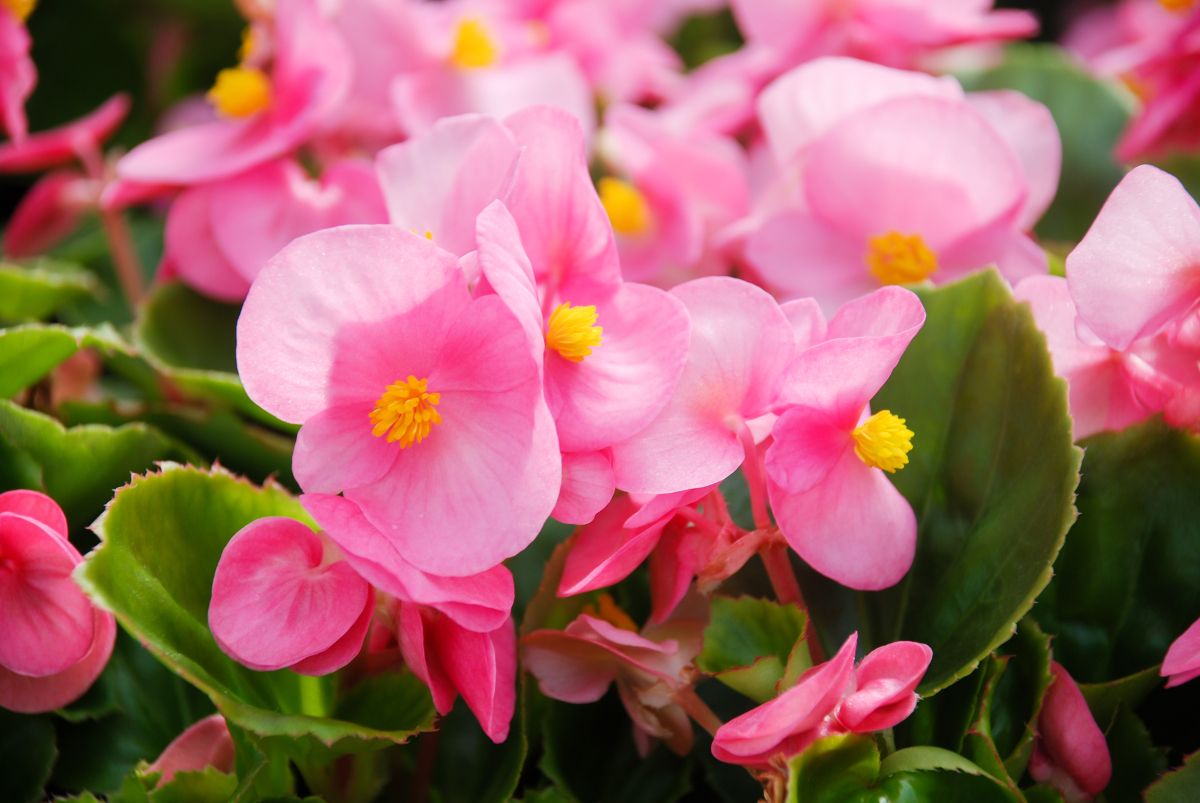
Beechwood Flower Bed Program (Order by May 15th 2021)
Make sure you purchase your flowerbed before May 15th 2021! The annual flowerbed program consists of the following services: planting of annual flowers, fertilizing, watering, weeding, and, edging of flower…
Coins on Headstones
While visiting cemeteries, you may notice that headstones of military personnel have coins on them left by previous visitors to the grave. These coins have distinct meanings when left on…
Tommy Silhouette
In 2018, Beechwood purchased from the Royal British Legion, 6 life size Soldier Silhouette is a fitting tribute to the fallen of World War One. This silhouette campaign marked 100 years since the…
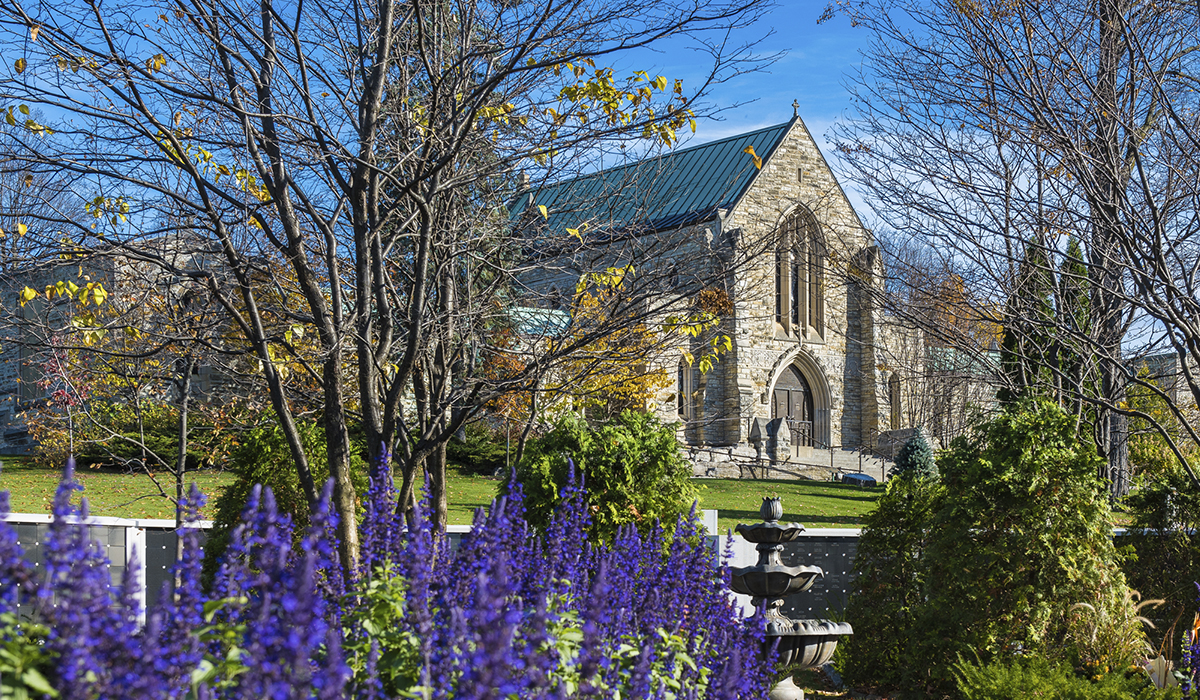
Beechwood’s Mausoleum
The Beechwood Mausoleum is the magestic stone building that sits on a small hill overlooking Beechwood’s main entrance and the Beechwood National Memorial Center. Construction began in the late 1920s,…
St. George and St. Antony Coptic Orthodox Church Community Section
In 2004, Beechwood Cemetery, along with St. George and St. Antony Orthodox Church, entered into an agreement to set aside an area of the Cemetery for their parish. The location…
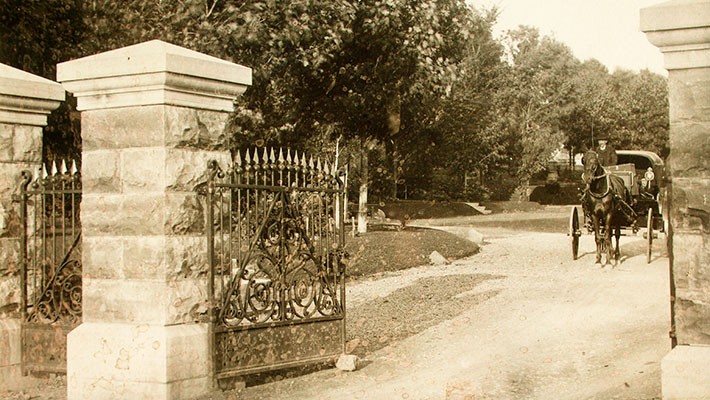
The History of Beechwood
Beechwood Ottawa opened in 1873, fourteen years after Queen Victoria chose Ottawa to be the capital of the Province of Canada, and six years after Ottawa became the capital of…
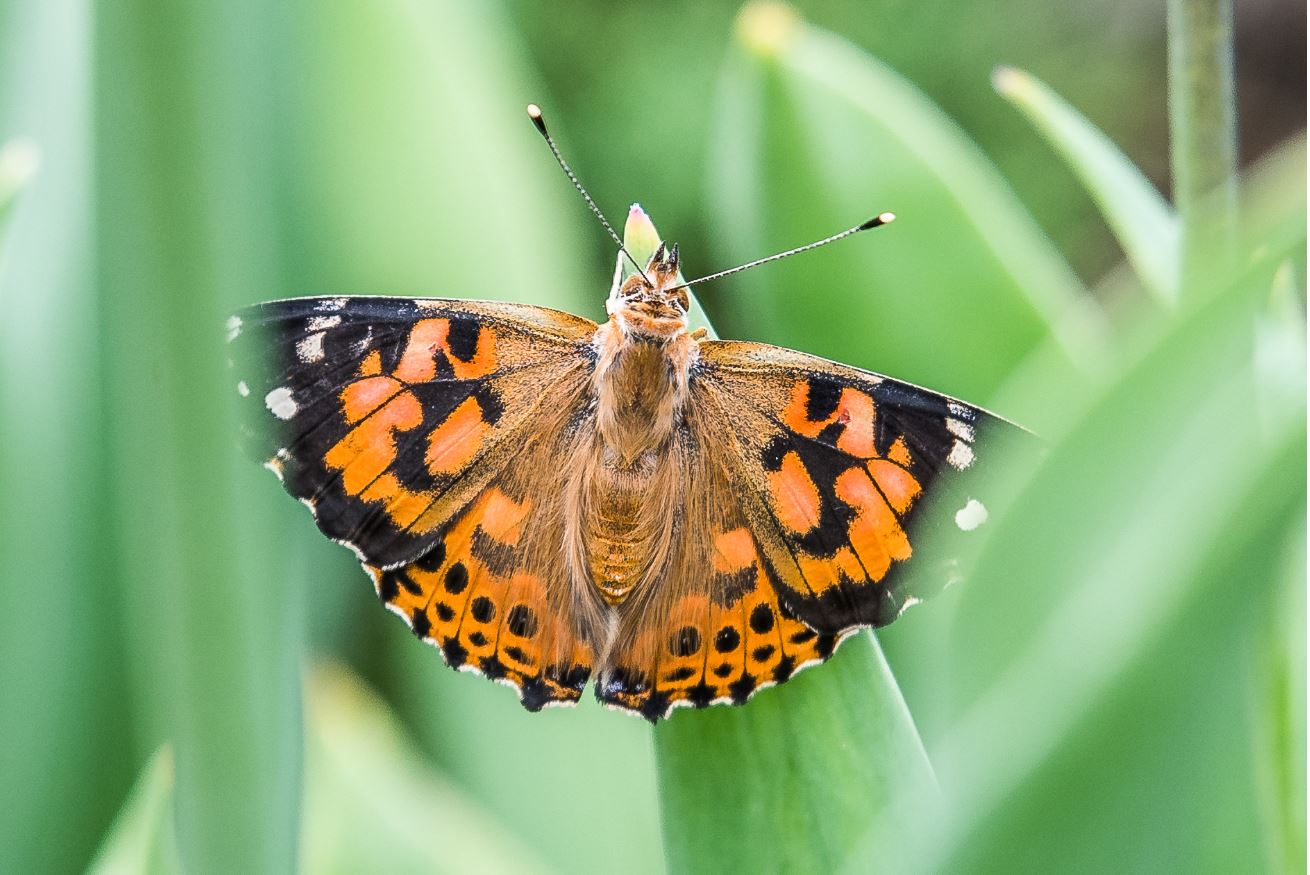
The 5 Stages of Grief
Grief is a normal part of life. Grief is the normal, healthy response to loss. Loss is not only the death of a loved one, but can include the loss…
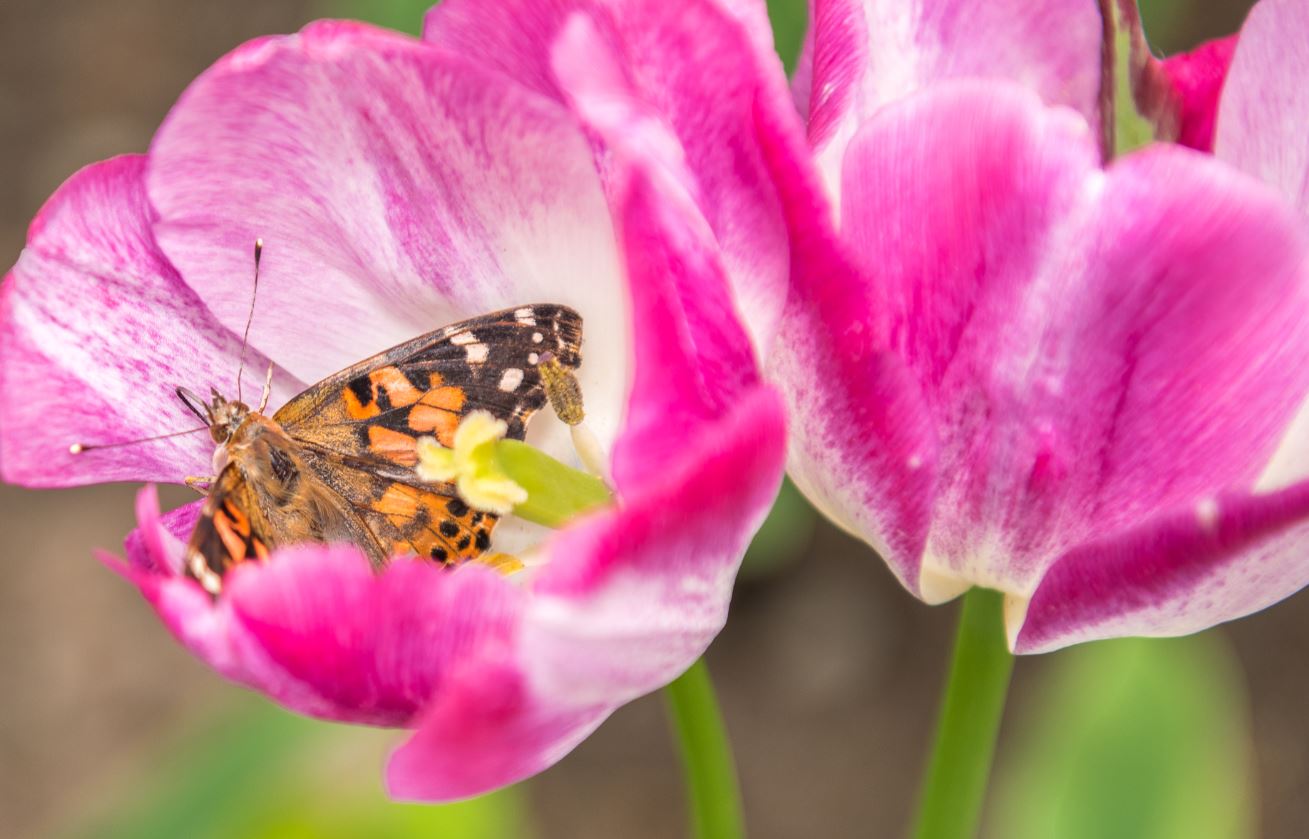
National Day of Observance for COVID-19
Those we love don’t go away, they walk beside us every day. Unseen, unheard, but always near; still loved, still missed and very dear. On this the National Day…
Macoun Marsh
Enjoy the nature of the Macoun Marsh with Michael Leveille {“preview_thumbnail”:”/sites/default/files/styles/video_embed_wysiwyg_preview/public/video_thumbnails/0tY5vD3qyew.jpg?itok=6wWXdwd1″,”video_url”:”https://www.youtube.com/watch?v=0tY5vD3qyew”,”settings”:{“responsive”:1,”width”:”854″,”height”:”480″,”autoplay”:1},”settings_summary”:[“Embedded Video (Responsive, autoplaying).”]}
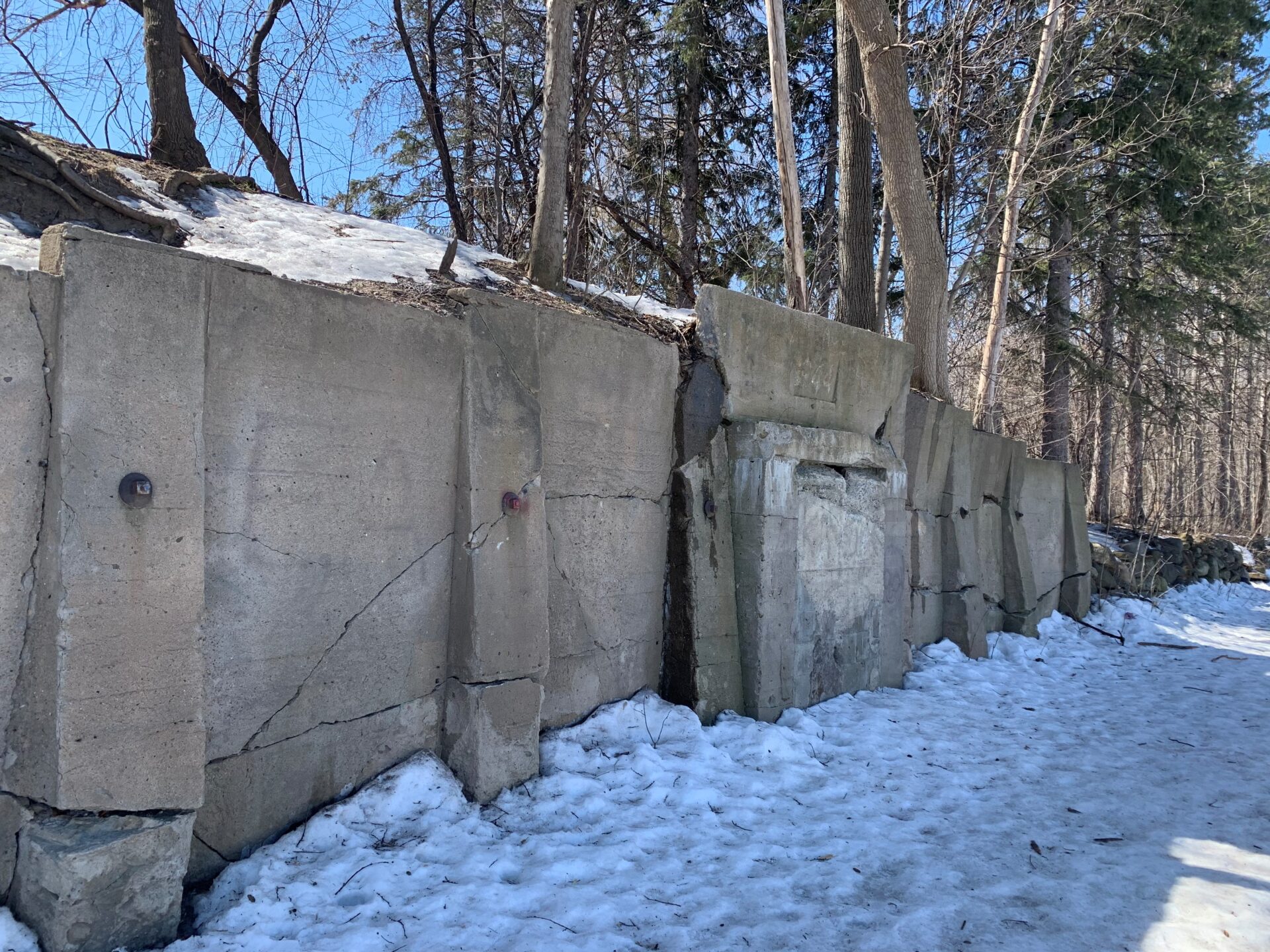
Richelieu Park Crypt
People often ask about the crypt looking building found in the Richelieu Park in Vanier. Does it belong to Beechwood Cemetery? Why does a fence separate Beechwood and the crypt?…
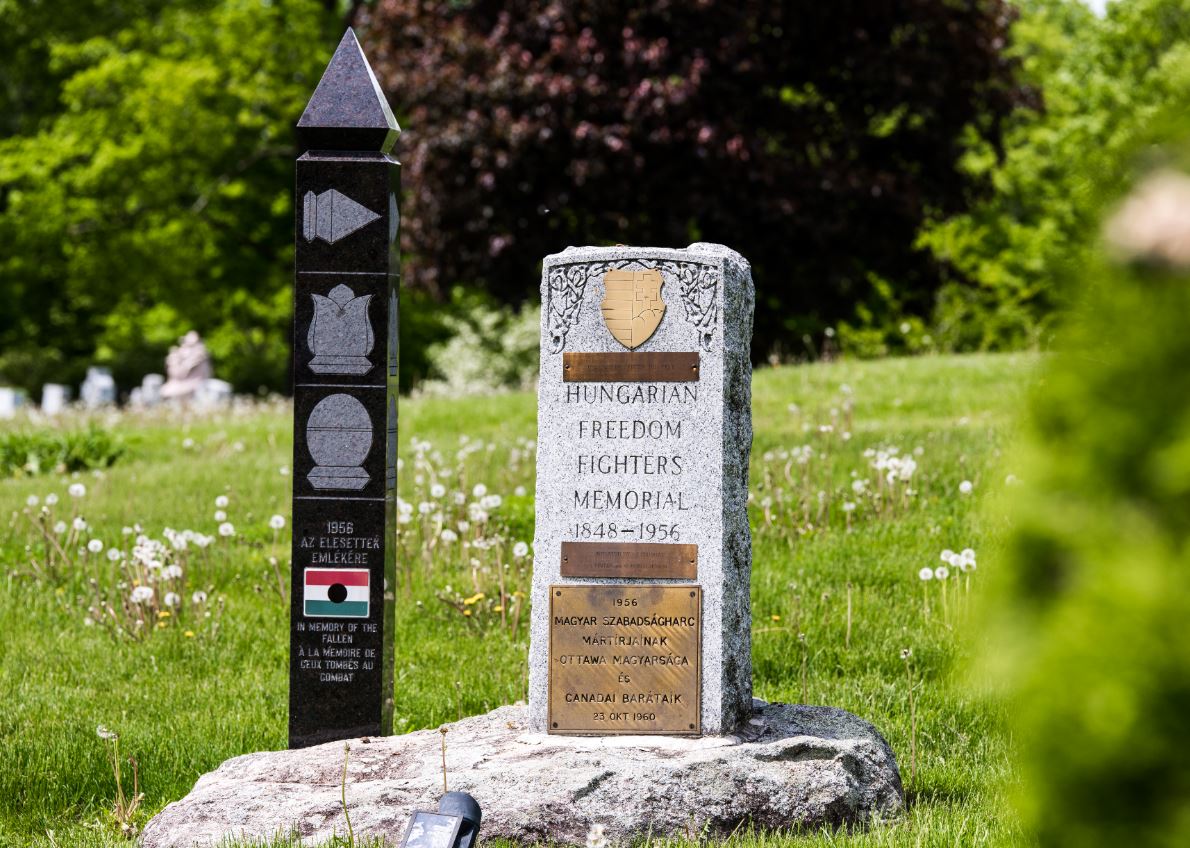
INTRIGUE AT THE HUNGARIAN MEMORIAL
Did you know that the tranquil paths of Beechwood Cemetery had once provided the backdrop to a story of ultimate bravery, theft, and even a car chase? This story is…
How Beechwood Cemetery nearly called Westboro ‘home’
Beechwood Cemetery is a picturesque cemetery that, for the past 148 years, has existed as the final resting place for over 82,000 Canadians. It is Canada’s national cemetery, Canada’s National…
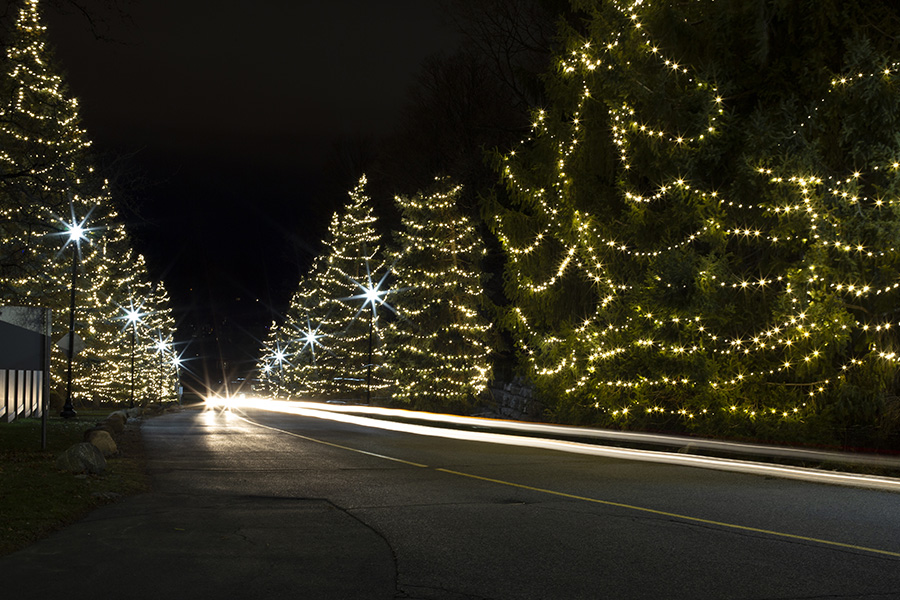
New Beechwood Way – Winter 2021
WE OFTEN REFER to Beechwood Cemetery as a community of communities. So many different people and groups have connections to our cemetery. This issue is certainly a reflection of that.…
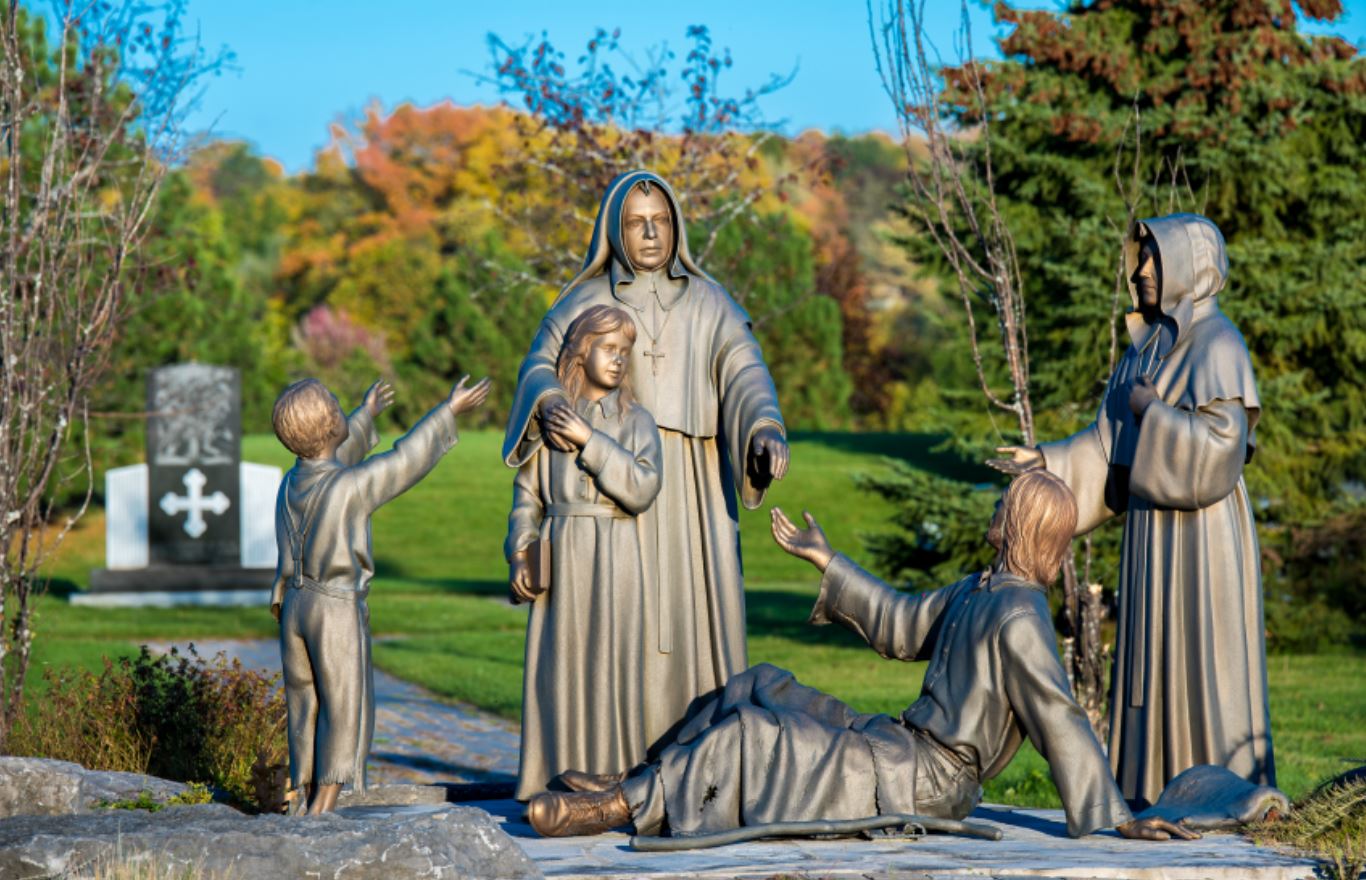
THE ÉLISABETH BRUYÈRE MONUMENT
Sister Élisabeth Bruyère, a young member of the Grey Nuns of Montreal, had been chosen by her superiors to come to Bytown in 1845 with a few companions to establish…
Beechwood Way Sectional: RCMP National Memorial Cemetery at Beechwood
Located in the heart of the National Cemetery of Canada, the RCMP National Memorial Cemetery at Beechwood is the ideal final post for all RCMP employees, Veterans and their loved…
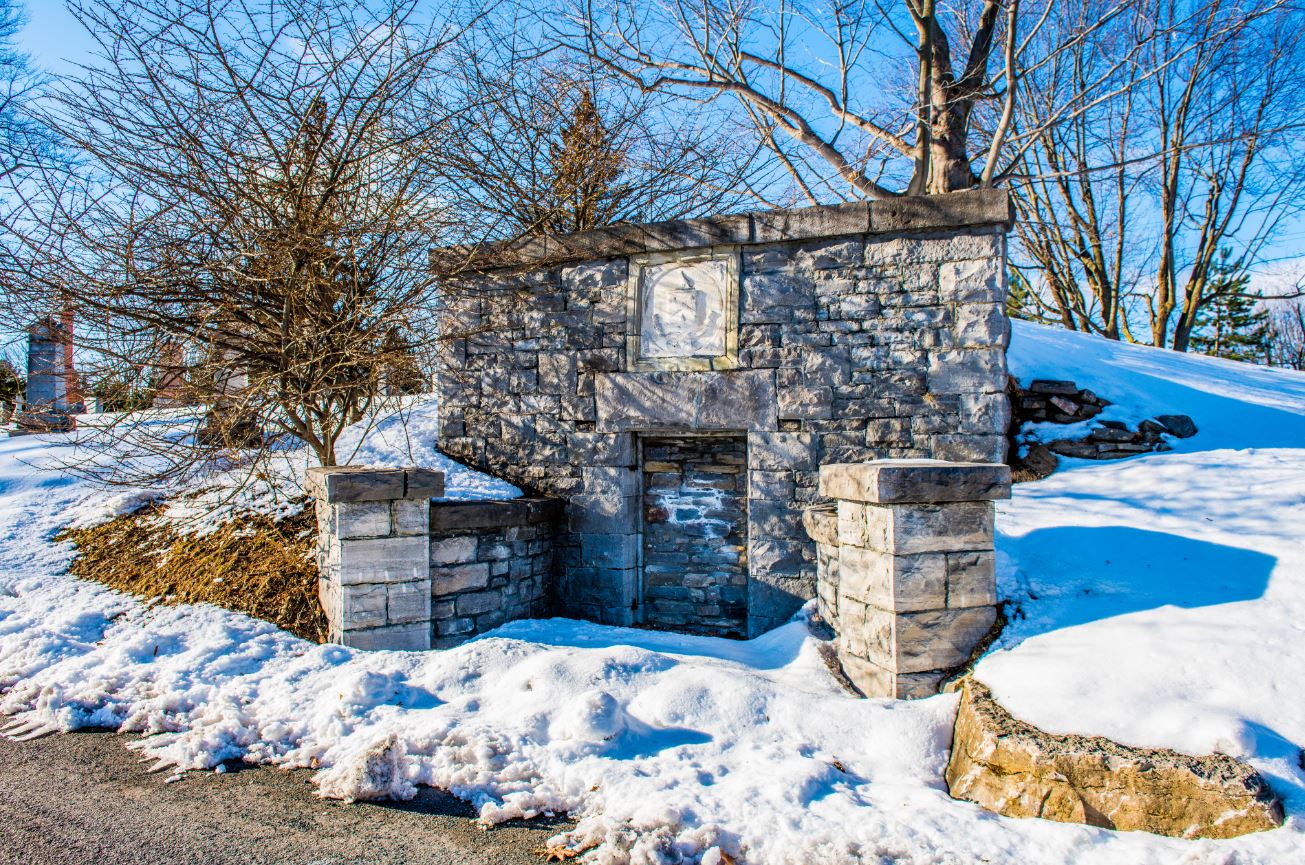
Beechwood Cemetery Soundscape
Beechwood Cemetery, located in the Vanier neighbourhood of Ottawa, has become a popular destination for local runners and walkers during the pandemic. The beauty and serenity of the cemetery was…
A name of one’s own – (Anglais Seulement)
When Brittany MacKenzie and her partner, Matthew Coffey, first viewed Little Glencoe House in Fredericton’s St. Anne’s Point heritage district with thoughts of purchasing it, something immediately caught their attention.…
Beechwood Flower Bed Program
The flowerbed purchases start with the preparing of the flowerbed by removing the exisiting soil to a depth of 18 inches and replacing it with a garden soil mix. We…
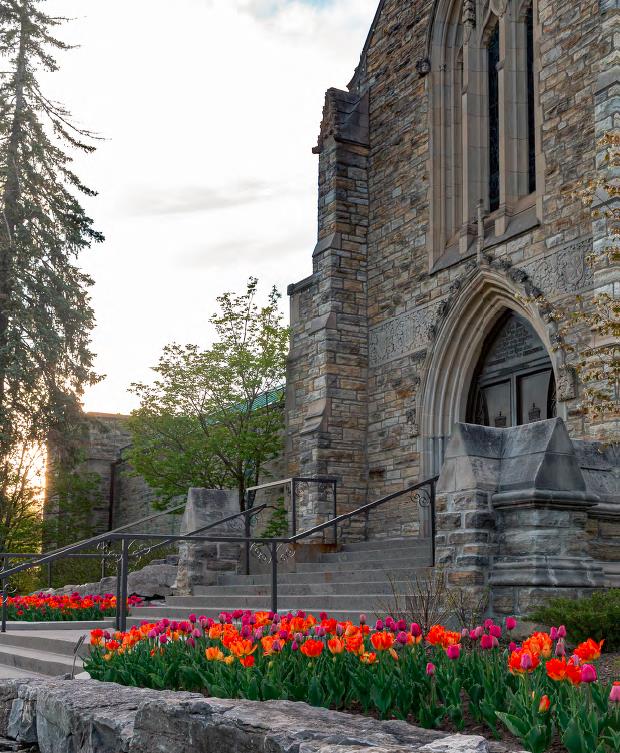
Canadian Foreign Service Alumni Forum
Beechwood is proud to acknowledge the contribution of Foreign Service by providing a significant saving on many of Beechwood’s offerings. The Canadian Foreign Service has played a vital role in…
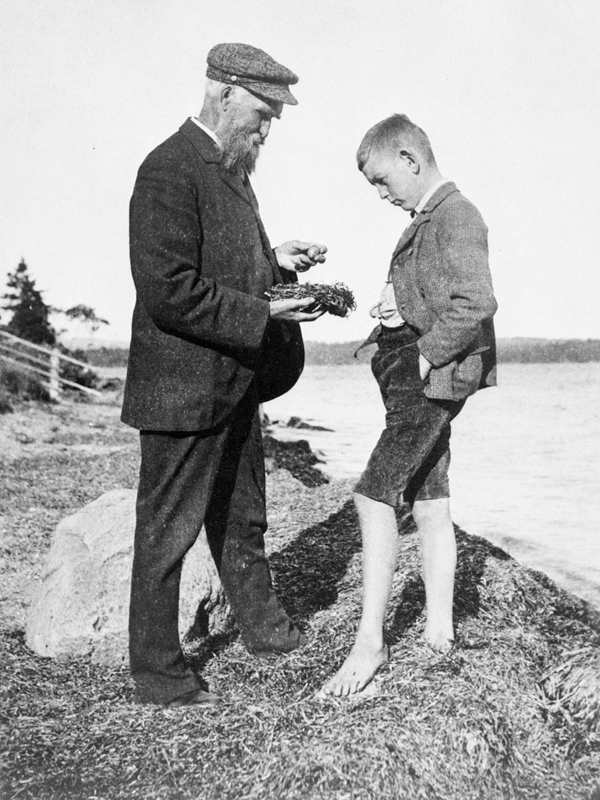
Canada’s foremost field naturalist
Born in Ireland in 1831, John Macoun was the son of a soldier who died when John was six years old. Educated in a parochial school, he obtained employment as…
National Military Cemetery Planning E-Book
To the men and women of Canada’s Armed Forces who have served their nation with distinction in war and in peace. The National Military Cemetery is a national focal point…
How to Talk to Young Children about the Concept of Death
Death tends to surprise us even though it is a fact of life. Tough questions can leave you wondering how to talk to your young children about the concept of…
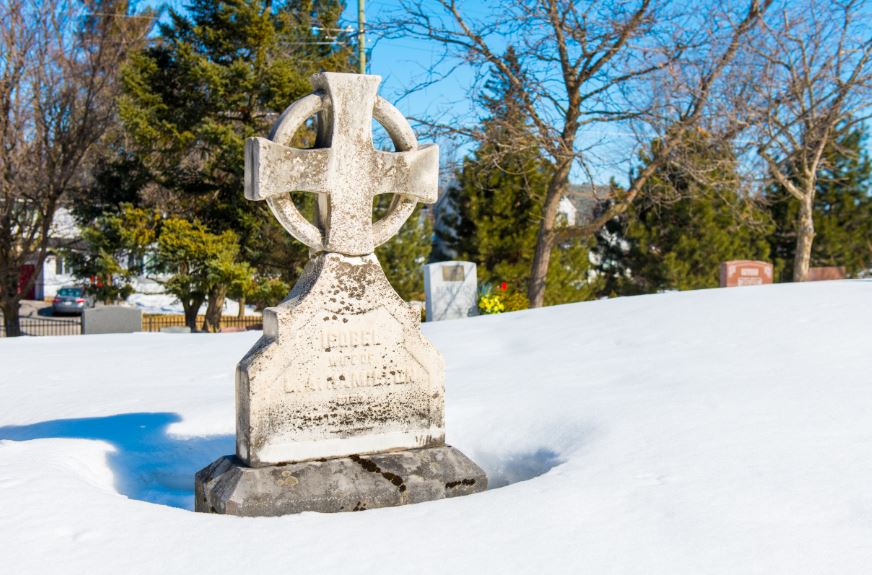
The Poetry of William Wilfred Campbell (Anglais Seulement)
Not unto endless dark do we go down, Though all the wisdom of wide earth said yea, Yet my fond heart would throb eternal nay. Night, prophet of morning, wears…
RCMP National Memorial Cemetery at Beechwood
Located in the heart of the National Cemetery of Canada, the RCMP National Memorial Cemetery at Beechwood is the ideal final post for all RCMP employees, Veterans and their loved…
(Anglais Seulement) Beechwood Cemetery welcomes everyone
Re: We need a refresher on cemetery etiquette, Jan. 11. Beechwood Cemetery lies at the bottom of the street where I live and grew up. I also have two parents…
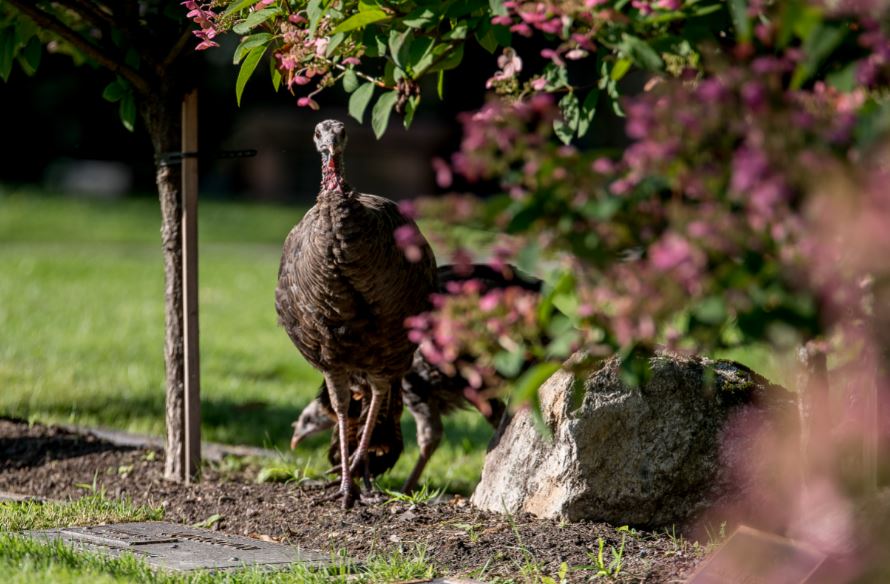
The Eastern Wild Turkey
Beechwood is home to a few families of Eastern Wild Turkeys that can be seen around the Cemetery ground. The Eastern wild turkey is native to southern Ontario and Quebec.…
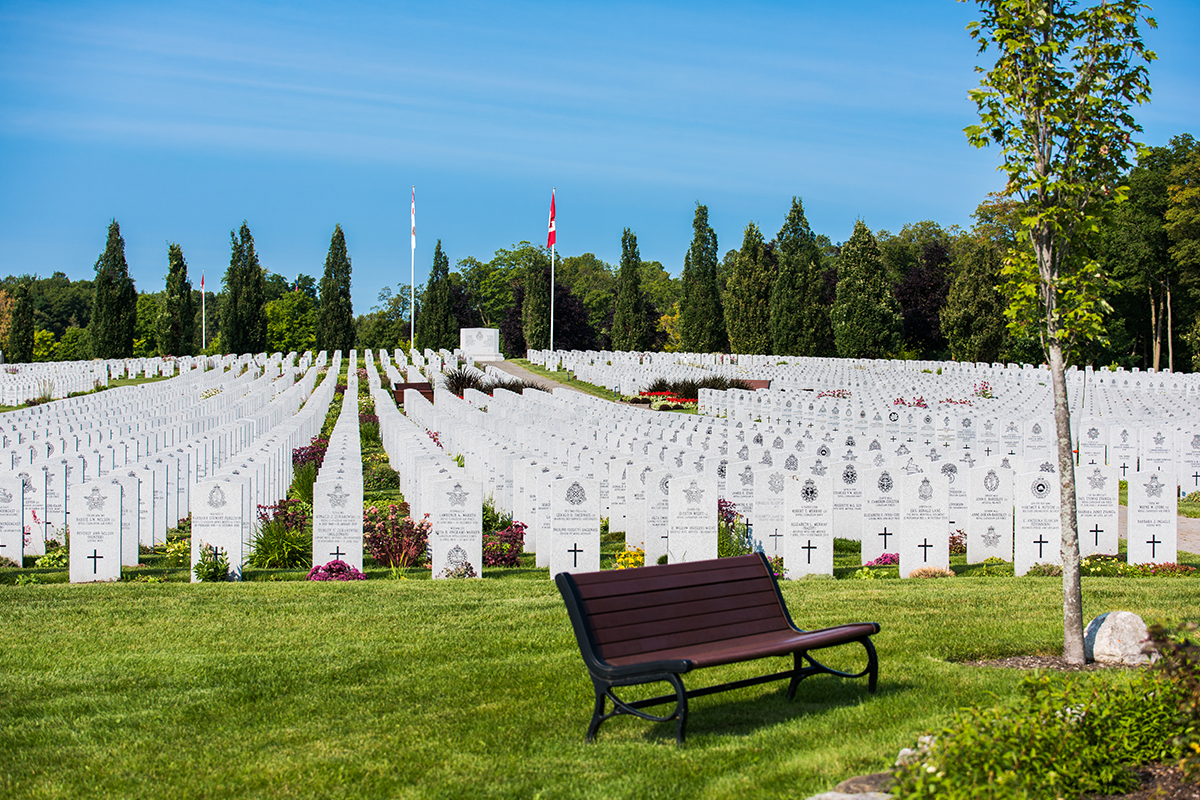
Opinion Piece – Faassen: We need a refresher on cemetery etiquette during the pandemic
Earlier this year, I checked in on a friend to see how they were managing with the pandemic lockdown, and they let me in on a secret: they had been…
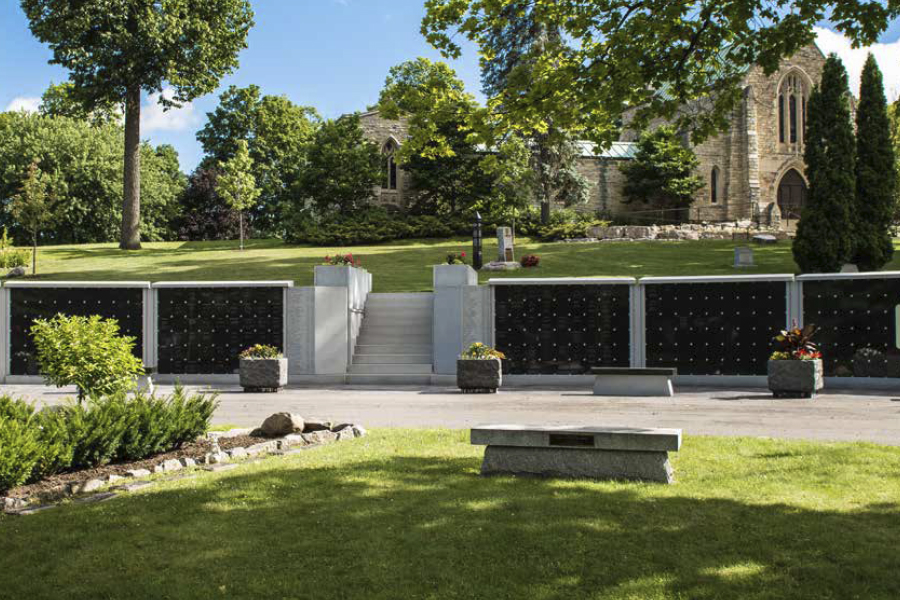
Step by step guide to planning when you have lost someone you love
Losing someone is one of life’s most difficult experiences. It can bring heavy emotions, difficult feelings that at times cannot be properly expressed. On top of the grief and pain,…
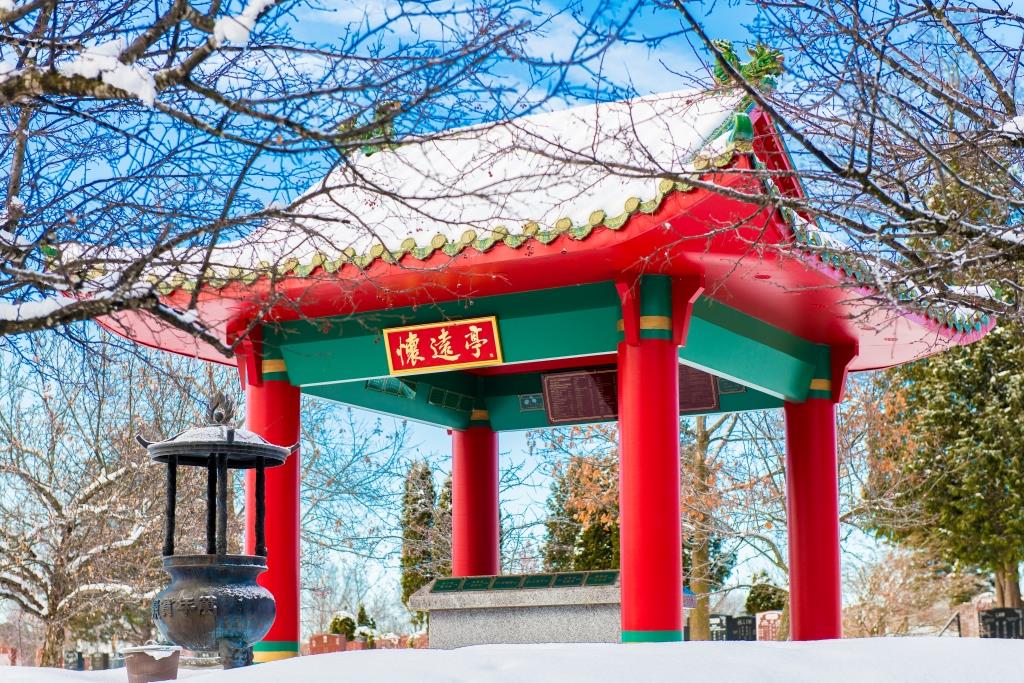
Ottawa-Chinese Section at Beechwood.
One of the first things visitors will see when entering the southeast corner of Beechwood Cemetery is a pagoda honouring the ancestors of Ottawa’s Chinese community. Built-in 1995, the red,…
It is not just what your legacy will be. It is where.
What is cemetery planning? Preplanning your cemetery arrangements is one of the most thoughtful and considerate gifts you can give to your loved ones, because it relieves the burden of…
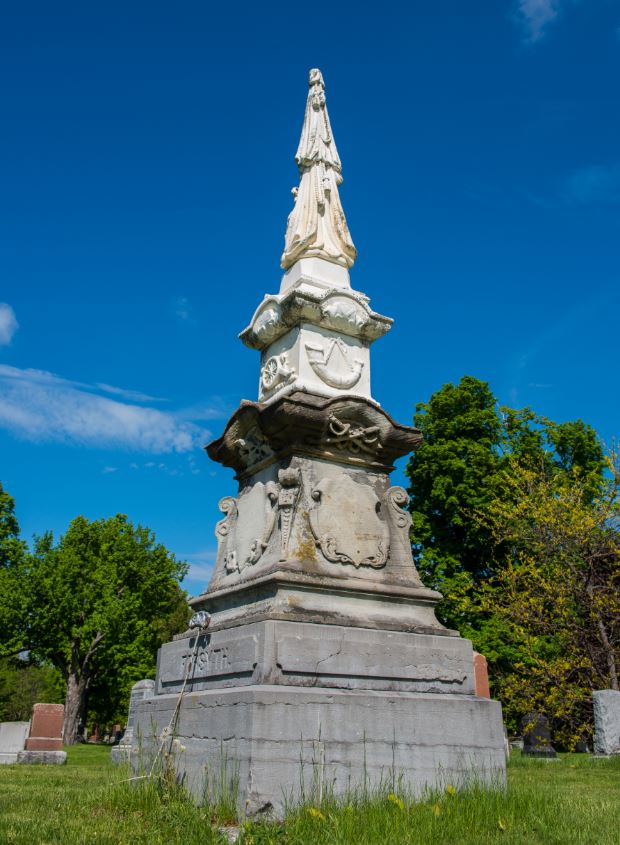
Captain James Forsyth Memorial
Erected in the 1870s by members of the 2nd Ottawa Field Battery, this memorial is dedicated to the memory of a former commander, Captain James Forsyth. Inscription found on memorial…

Christmas Candlelight Service – 2020
Due to covid-19, we couldn’t host this event in person, but beechwood would still like to share the Christmas season with the community. Sit back, relax, maybe grab a cup…
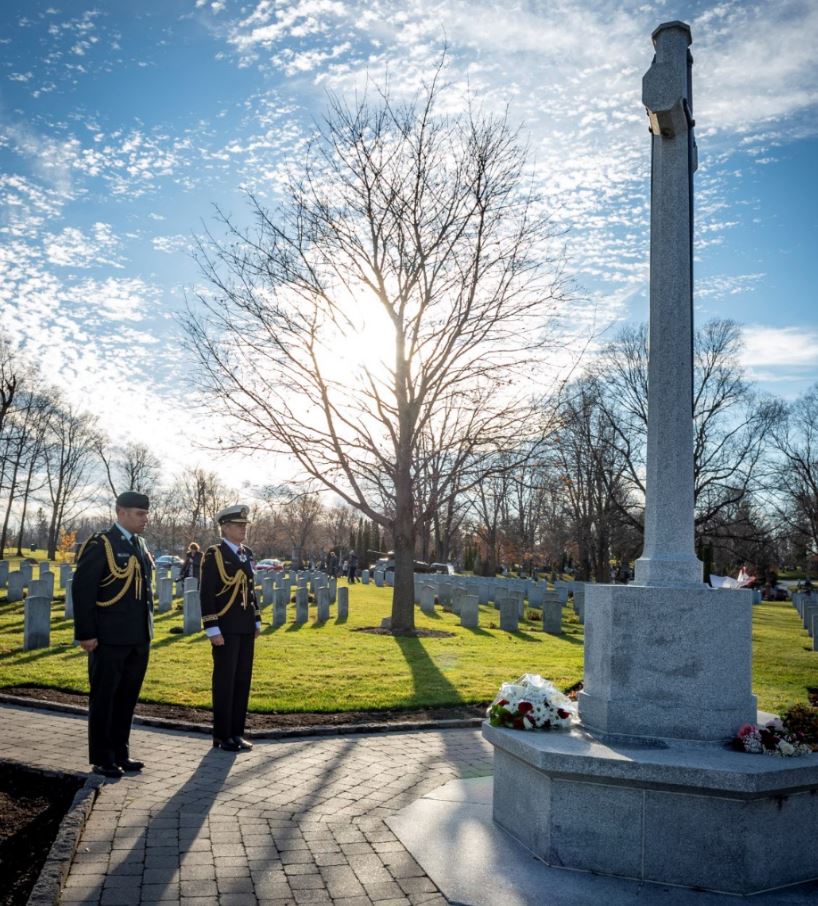
A Remembrance Day Visit 2020 by the Governor General
Her Excellency the Right Honourable Julie Payette, Governor General and Commander-in-Chief of Canada finished Remembrance Day with a visit personal to the National Military Cemetery located at Beechwood Cemetery where…
(Anglais Seulement) Former Citizen editor saw a life of ink and blood
The life of former Citizen editor Edward “Dinky” Morrison was coloured by ink and blood. Morrison led the Ottawa newsroom for 10 years after being recruited from the Hamilton Spectator…
Beechwood Way – Fall 2020
IN A SHORT SPAN OF TIME, the COVID-19 virus has changed all of our lives significantly. Our schedules, our routines, our way of spending time with our friends and family…
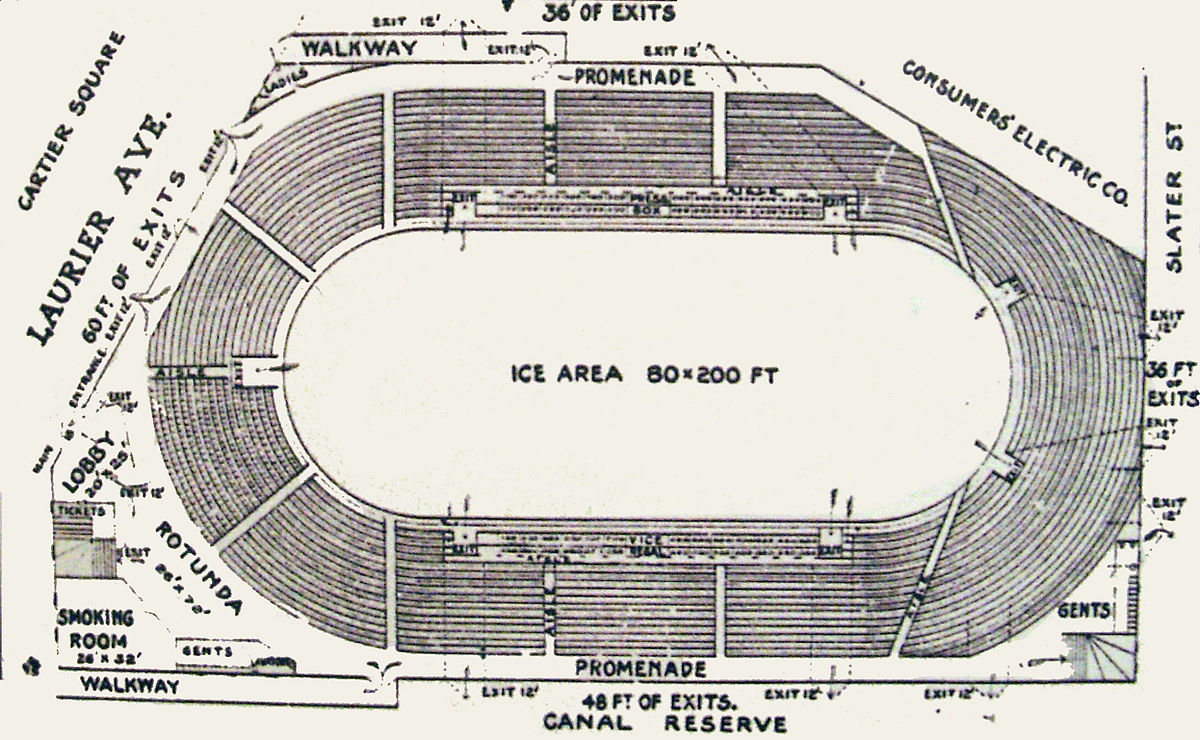
The Arena Builder – Edwin Peter Dey
EDWIN PETER DEY was born in Hull, Canada East on April 21, 1864, Dey followed in his father’s footsteps by operating one of the country’s leading boat works. His plant…
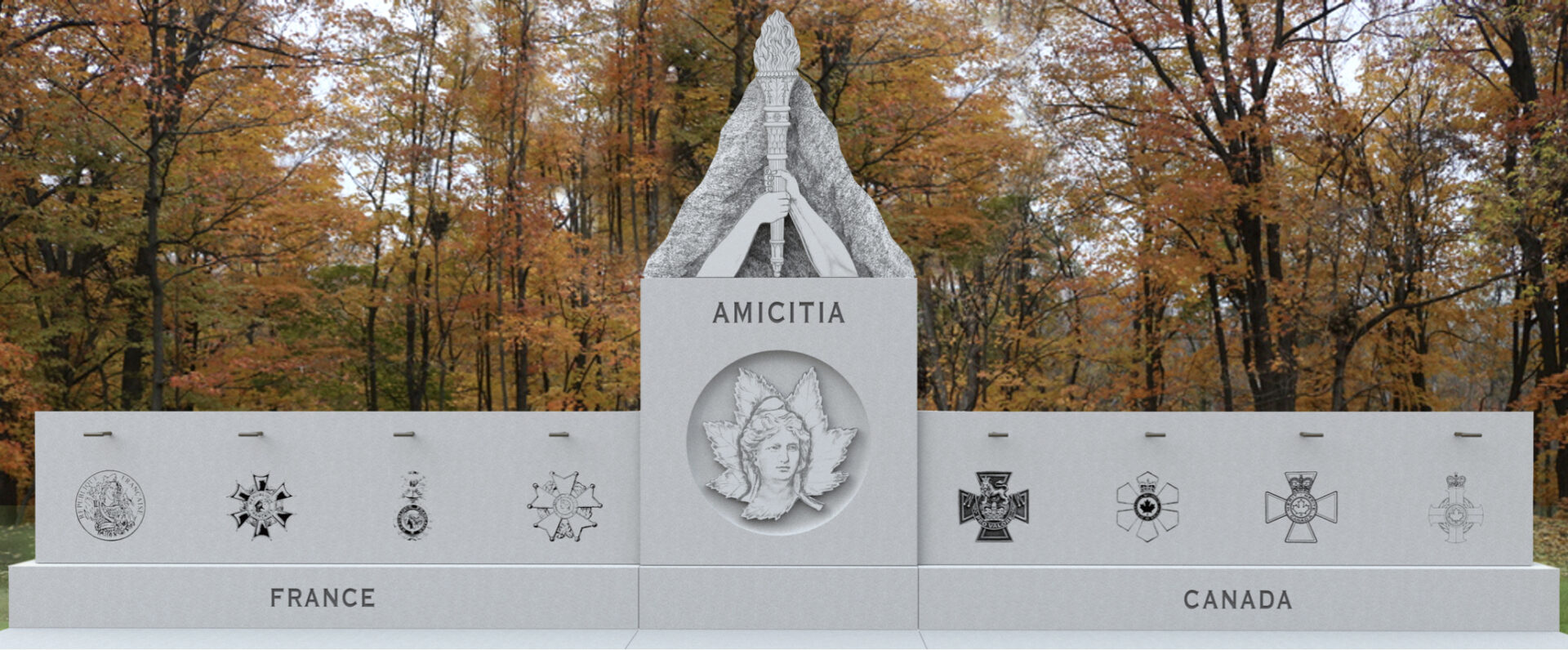
AMICITIA FRANCE-CANADA – A Monument born from shared history and heritage
“AMICITIA FRANCE-CANADA” is the Latin expression for “fraternal friendship France–Canada” and is also the name chosen for the monument being planned in Ottawa to recognize the more than four centuries…
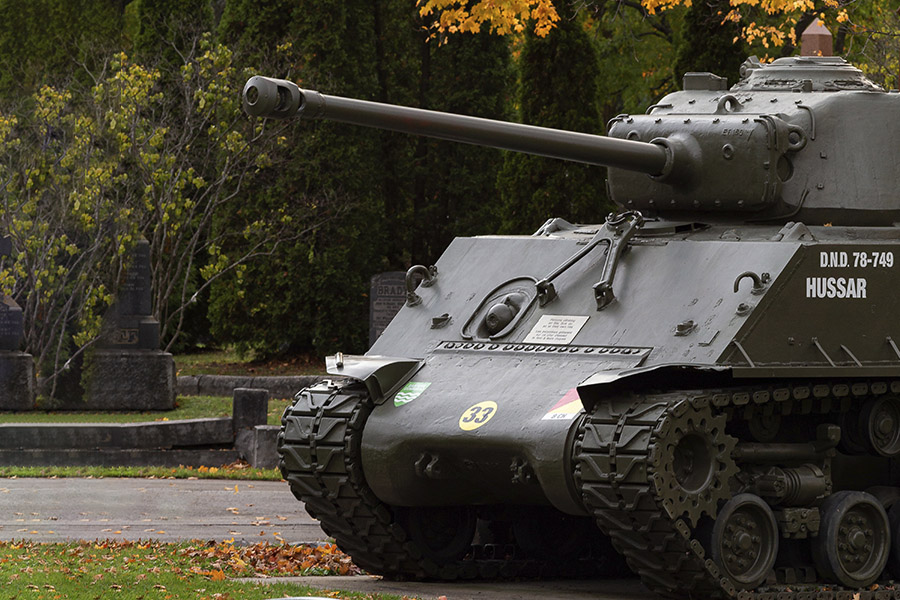
Calgarians develop gravestone app to honour lives of soldiers with photos, stories
Three years ago, Ryan Mullens was sitting next to the grave of a long-dead soldier in the Canadian military cemetery at Groesbeek, Holland. He played Amazing Grace on his wooden…
Large Remembrance Day ceremonies replaced by individual remembrances
In different rows, but separated by just a few headstones and positioned in an almost perfectly straight line, are the Beechwood Cemetery graves of Lieut. Lloyd Davies (and his wife,…
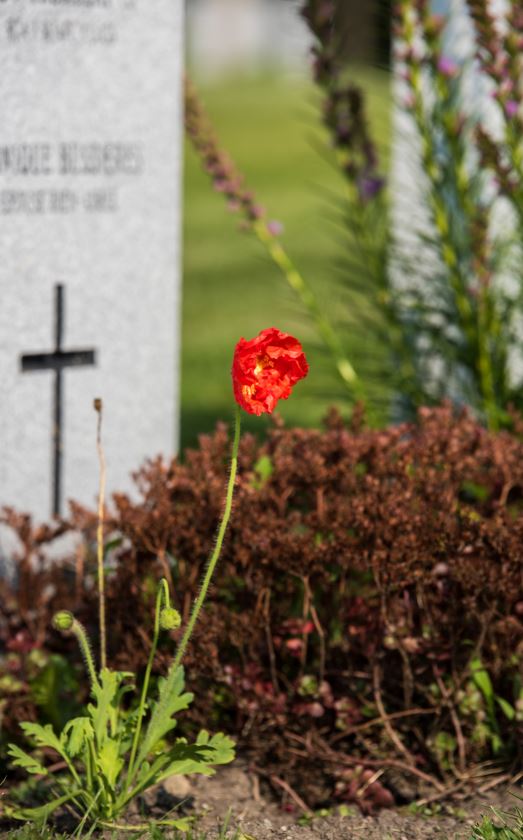
In Flanders Field
{“preview_thumbnail”:”/sites/default/files/styles/video_embed_wysiwyg_preview/public/video_thumbnails/2THF_oVkpNQ.jpg?itok=vAN3Kjen”,”video_url”:”https://youtu.be/2THF_oVkpNQ”,”settings”:{“responsive”:1,”width”:”854″,”height”:”480″,”autoplay”:1},”settings_summary”:[“Embedded Video (Responsive, autoplaying).”]}
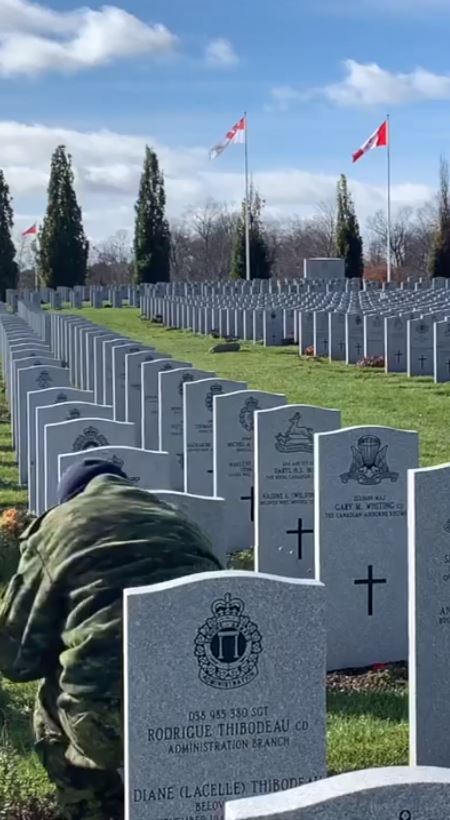
No Stone Left Alone at National Military Cemetery 2020
On November 2 2020, the National Military Cemetery at Beechwood hosted a No Stone Left Alone event where the 76 Communications Regiment united in a remembrance experience. The ceremony traditionally…
Ottawa sites that honour Canada’s military
Ottawa is home to many sites where you can honour Canada’s armed forces year round, not just on Remembrance Day (November 11). When visiting Canada’s capital, pause to reflect at…
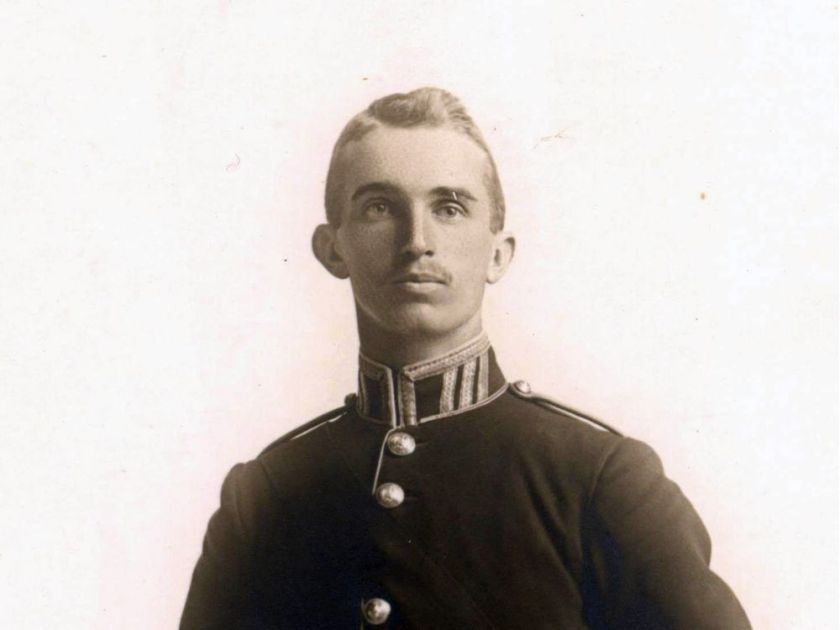
Inspiration for McCrae’s poem In Flanders Fields
LT ALEXIS H. HELMER was born in Hull, Quebec on June 29, 1892, Alexis Hannum Helmer was the son of Elizabeth and Brigadier General R. A. Helmer. He was educated…
Beechwood Cemetery livestreaming Remembrance commemorations to keep people connected during COVID-19
Remembrance Week observances at Beechwood Cemetery will have a bit of a different look this year as organizers limit on-site attendance to comply with pandemic health restrictions. Despite the need…
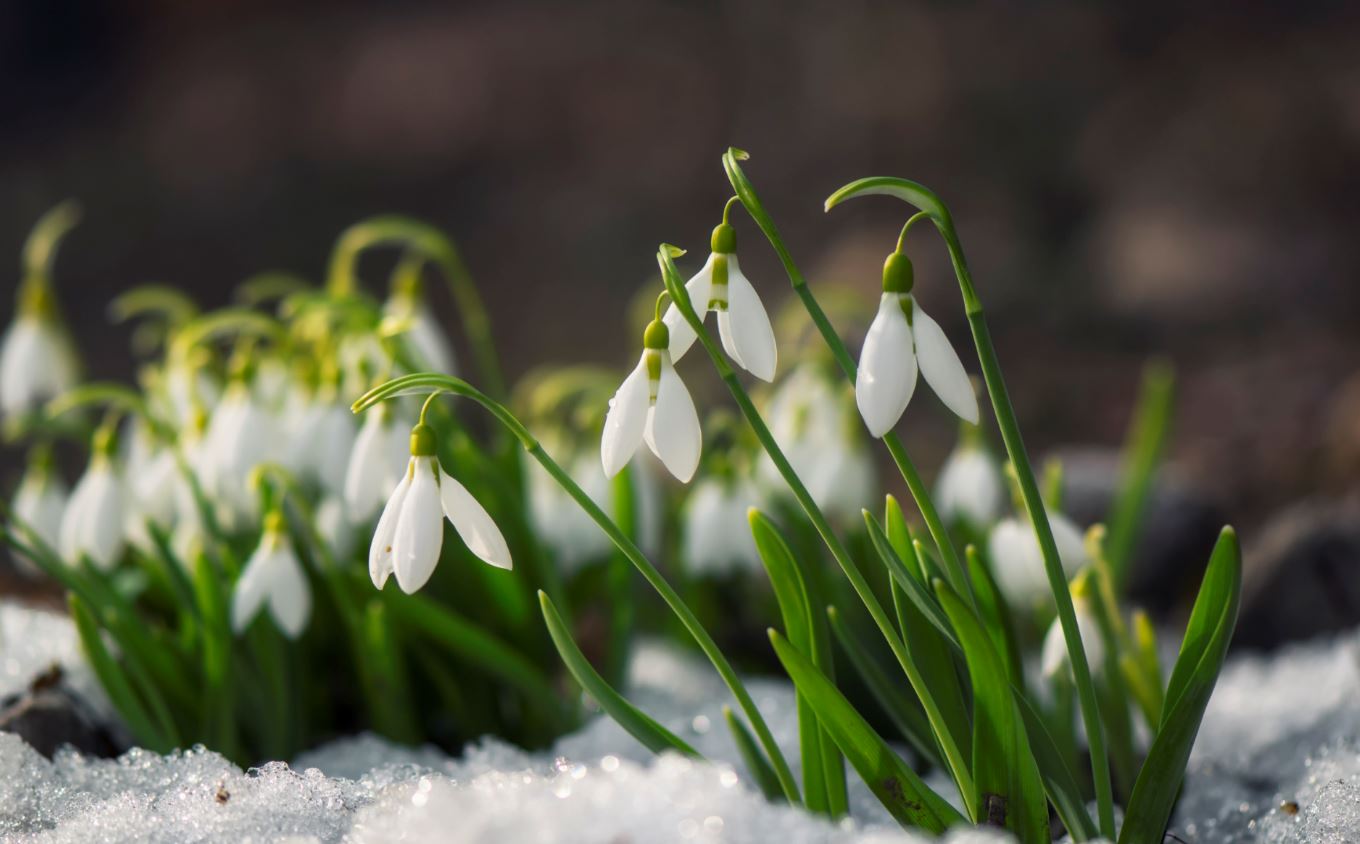
Worried about what to wear?
Are you attending a funeral or burial? The below guide can help you figure out what to wear. The most important thing to do: Read the obituary. The details about…
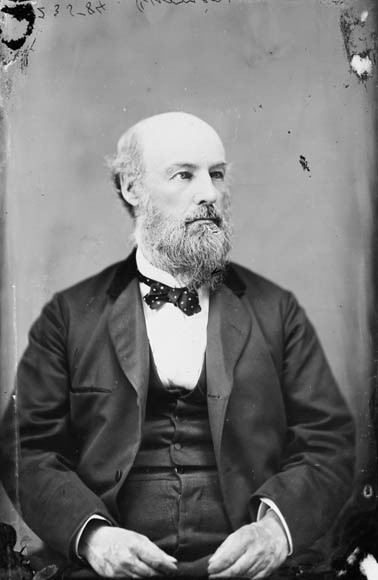
(Anglais Seulement) History sleuth Andrew King with two Manotick stories: A haunting and a long-forgotten distillery
Interesting story about John Currier, who was also one of the founders of the Beechwood Cemetery Company; he was the first president of the company, a position he held until…
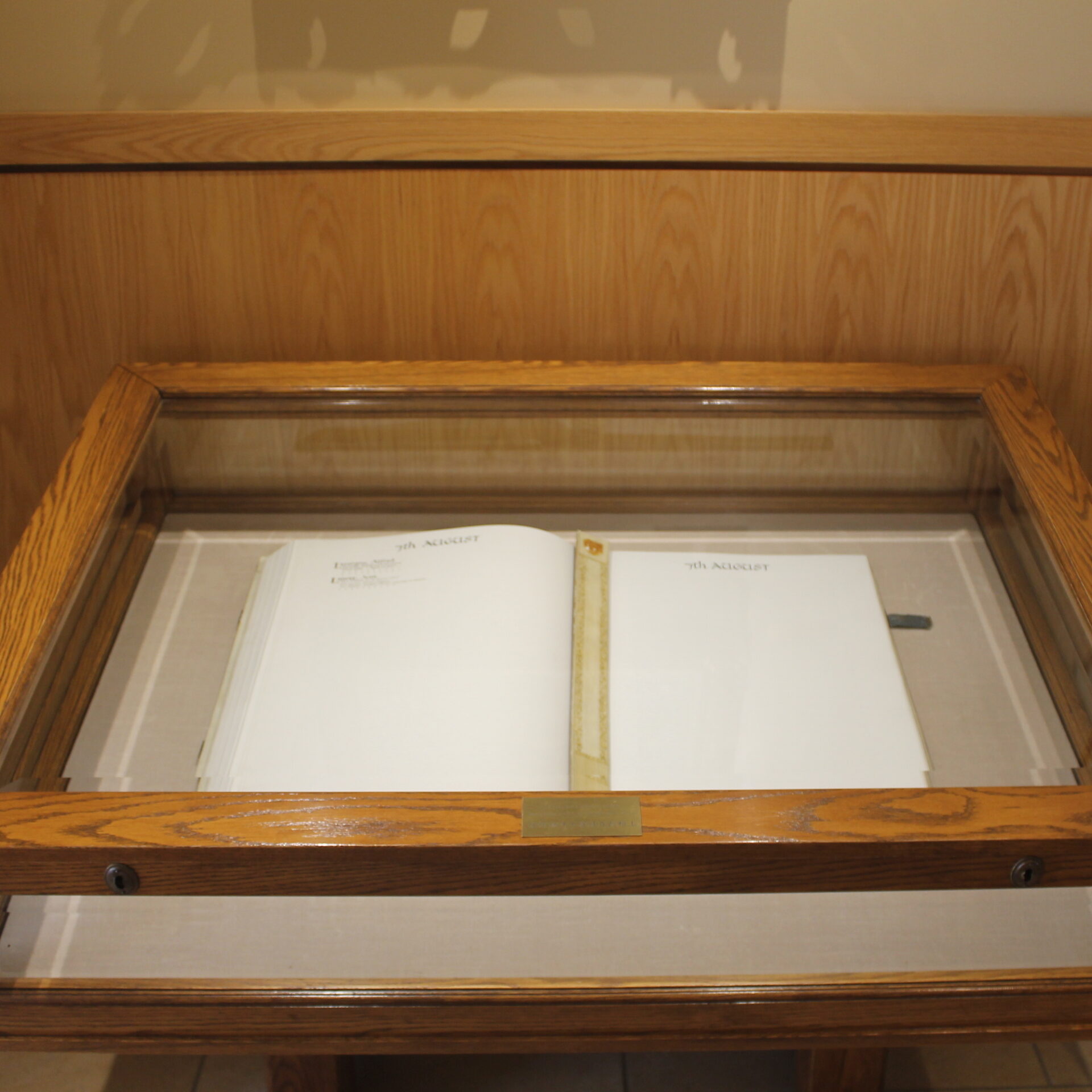
Beechwood Book of Remembrance
Memorialization provides a place for family and friends to come together to celebrate the spirit of a life once lived. In fact, more and more people are planning and buying…
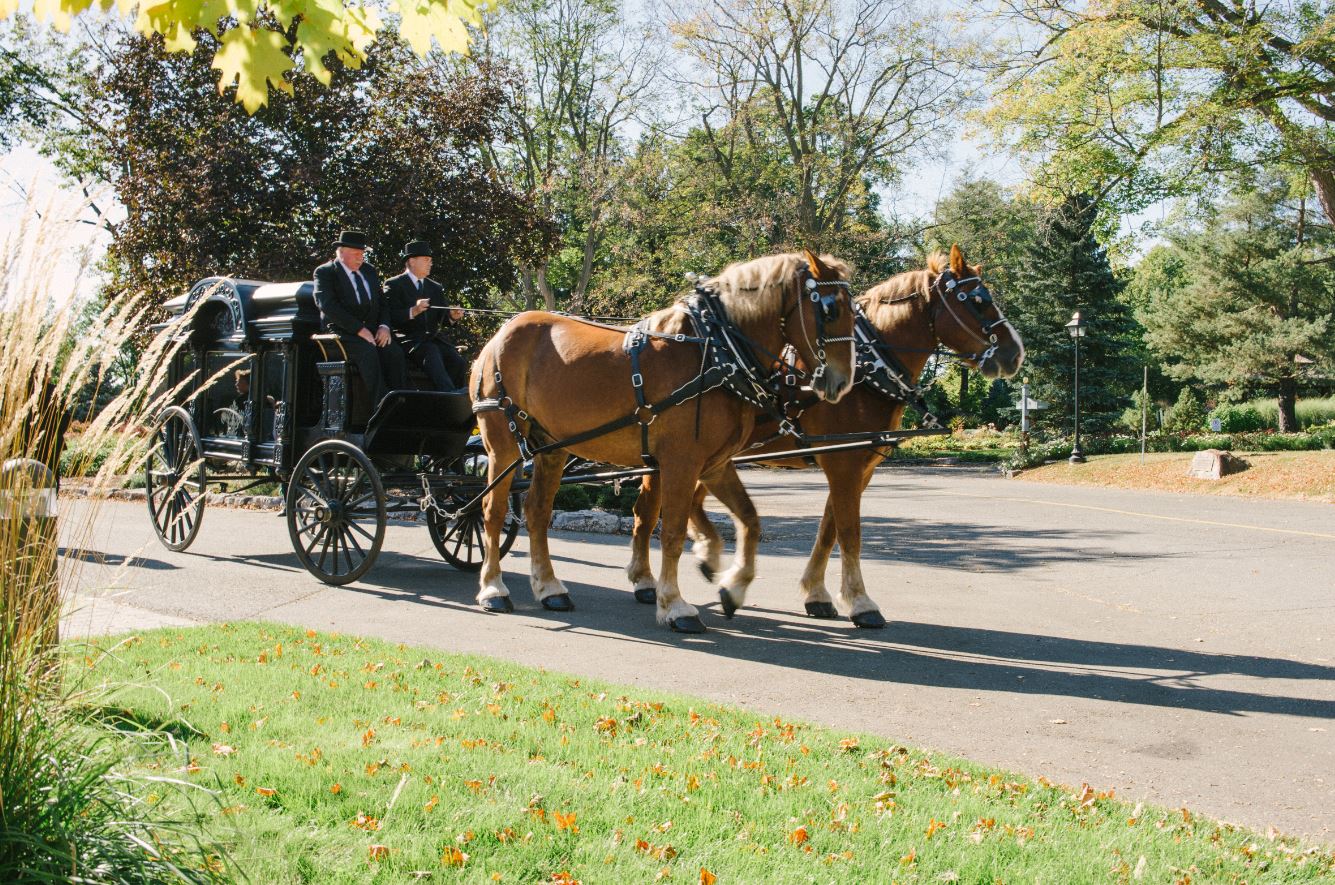
Barrack Hill Cemetery at Beechwood
Barrack Hill Cemetery was located at the heart of the old city, being the final resting place of many early Bytown pioneers and their families. Lower Bytown from Barrack Hill…
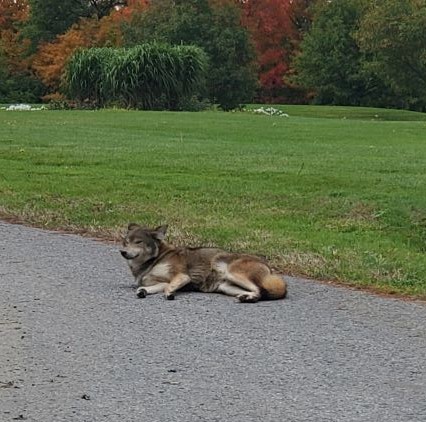
Coyote living at Beechwood
Beechwood for the past few months has had a coyote living on the southern part of the grounds. The Canis latrans is one of the seven types of the Canidae…
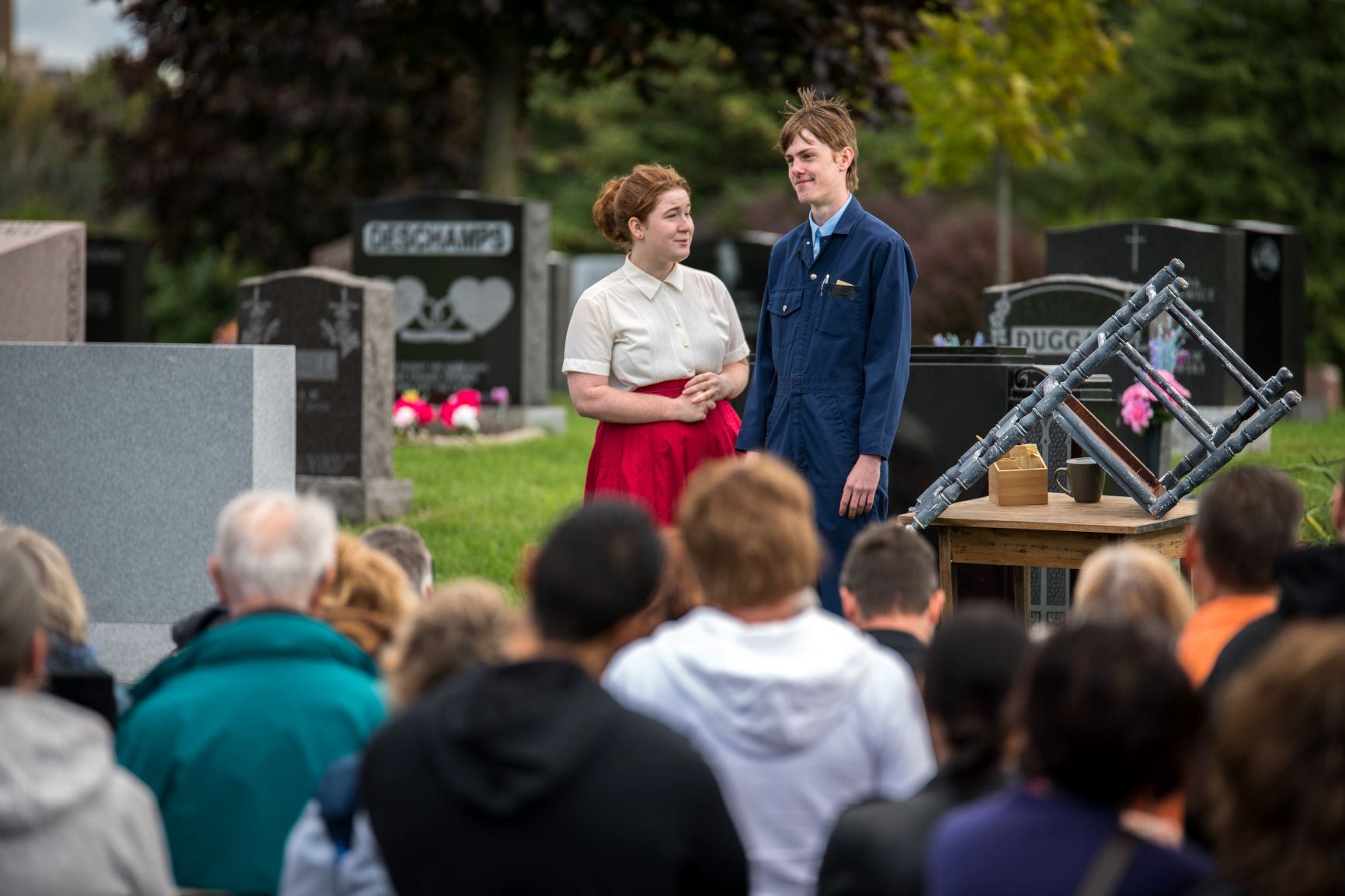
Annual Historical Walking Tour- Doctors and Nurses
The 26th Annual Historical Walking Tour -Doctors and Nurses, occurred Sunday, October 4th. Up until the day before, the event had been planning to be in person however, due to…
Beechwood Annual Memorial Service 2020 – Virtual Edition
The Beechwood Annual Memorial Service went fully virtual in 2020! Listen to the Salvation Army Band and soloist Chelsea Honeyman perform beautiful hymns. The service will be overseen by Canon James Beall…
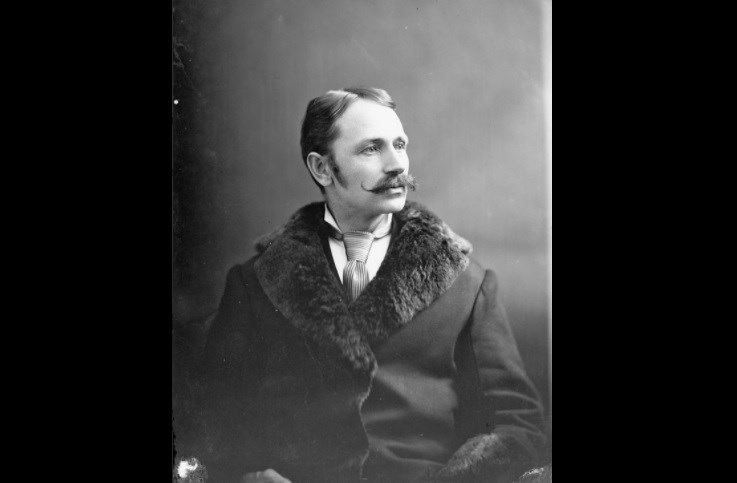
Remember This? Ottawa s self-proclaimed weather prophet
September 22, 1882 Canadians love to talk about the weather. This undoubtedly reflects the fact that we get a lot of it — four distinct seasons with a wide variability…
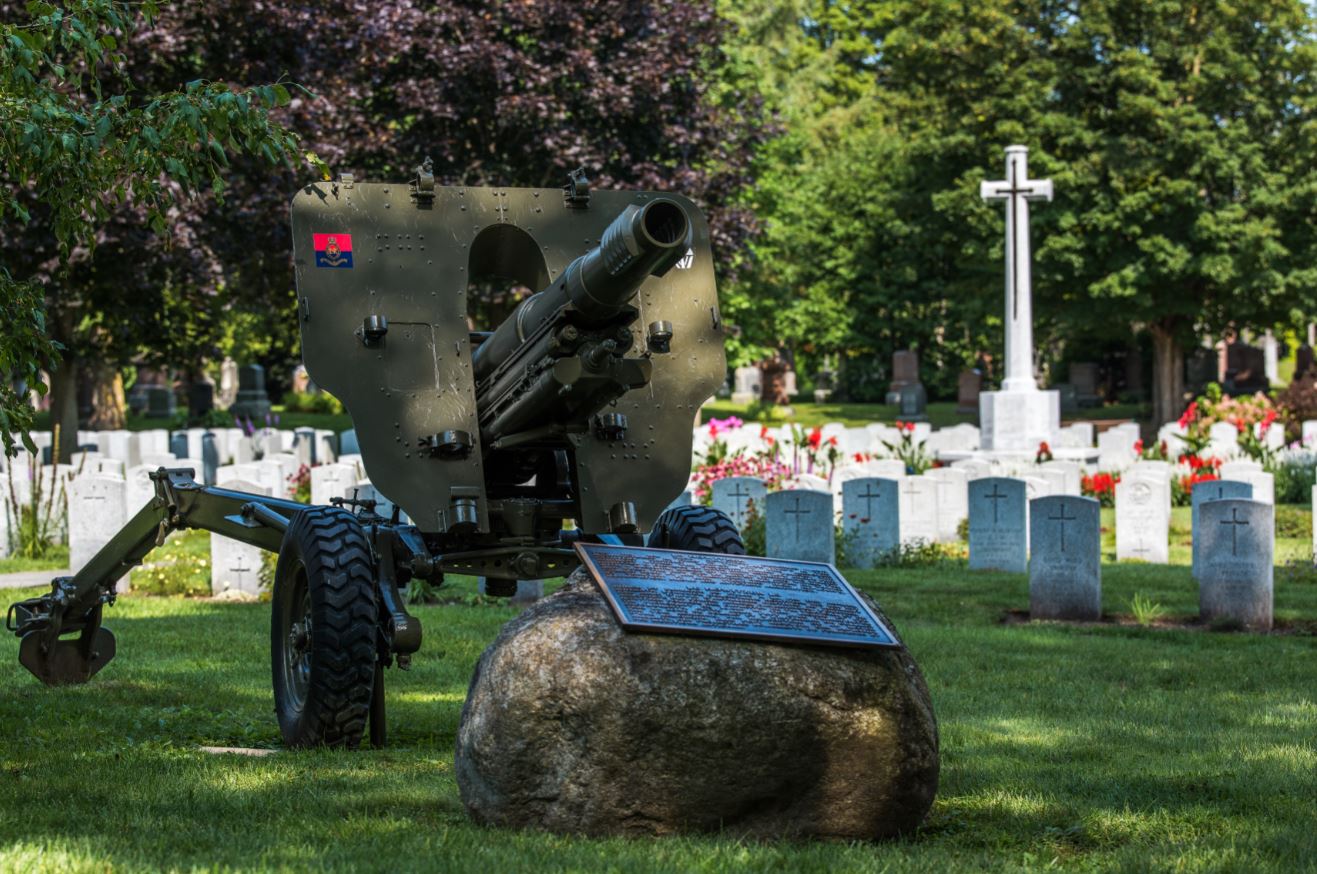
Vintage aircraft take to the skies to commemorate Battle of Britain
With clear skies in the forecast Sunday morning, vintage aircraft from the Second World War performed a flypast during a ceremony at Beechwood Cemetery honouring the sacrifice made during the Battle of…
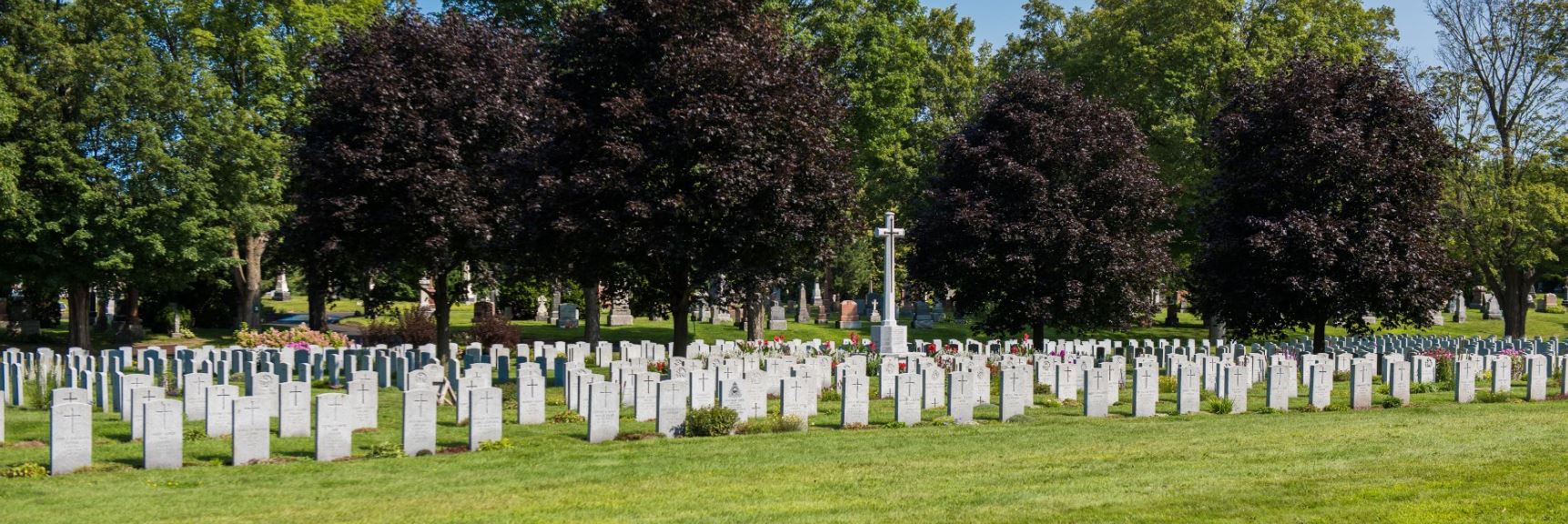
Researching your Military Ancestor – Digital Workshop
Are you interested in researching your ancestors’ military service? In this year of the 75th Anniversary of the Liberation of Holland (May 4) and Victory in Europe (May 8), watch…

MORE MEANINGFUL THAN A TABLE
Beechwood is always looking to give back to the community, to be sustainable and innovative. We discovered a company during the renovation of our Borden/Fleming Reception Rooms, which meets this…

Honouring Special Days
There are significant days in the calendar. They represent the important moments in your and your loved one life. These special days helped to build the memories of the life…
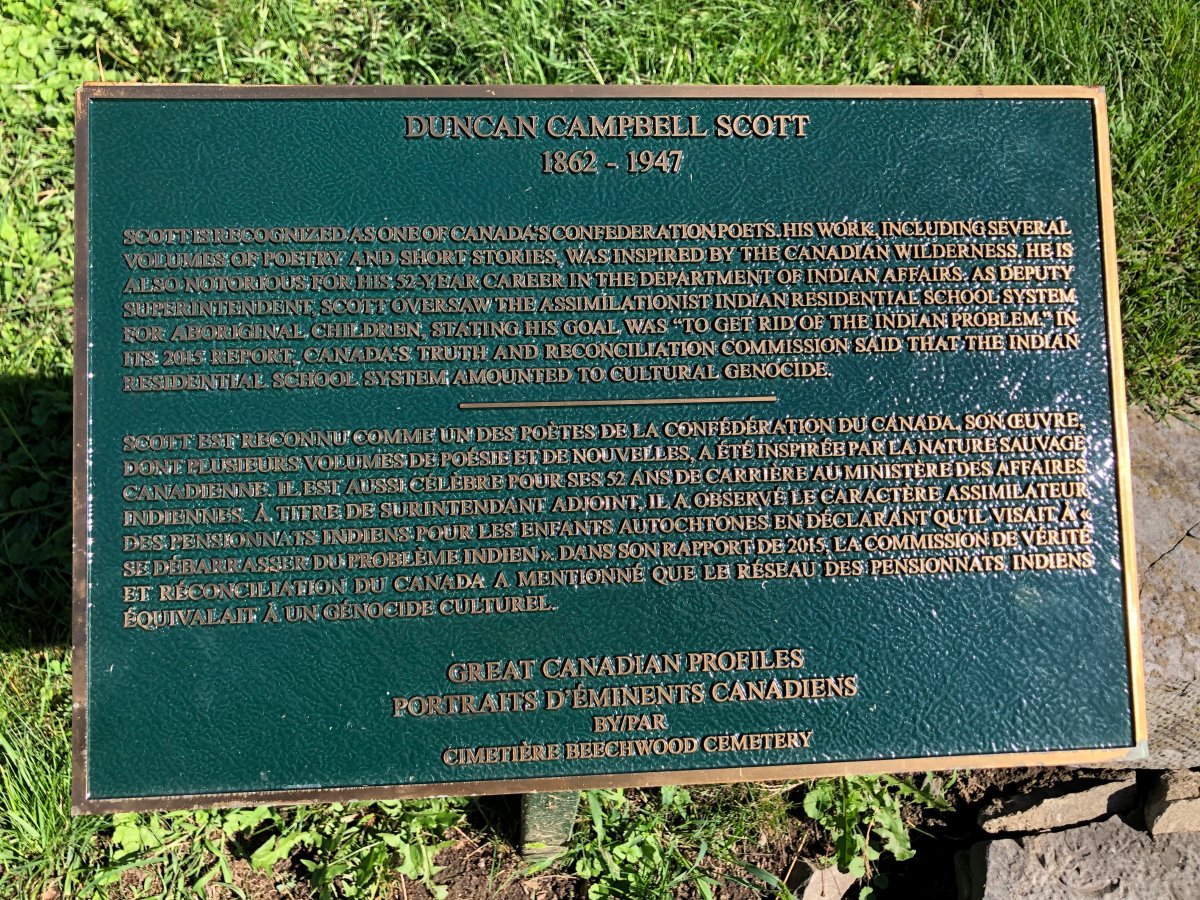
Amid historical figures debate, Ottawa cemetery plaques offer a model to reconcile troubling legacies
As officials across Canada struggle with how to reconcile the problematic legacies of the country’s historical figures, a national cemetery in Ottawa could show the path to presenting Canadian history…
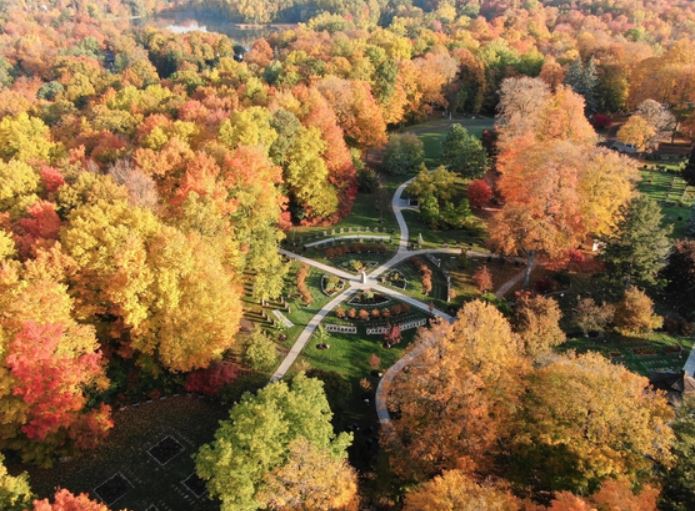
Flowers and bees and frogs and trees: Beechwood Cemetery’s biodiverse urban oasis in the heart of Ottawa
As the season winds down and we prepare to welcome the crisp, cool days of autumn, the beautiful grounds of Beechwood Cemetery remain open to visitors who may be looking…
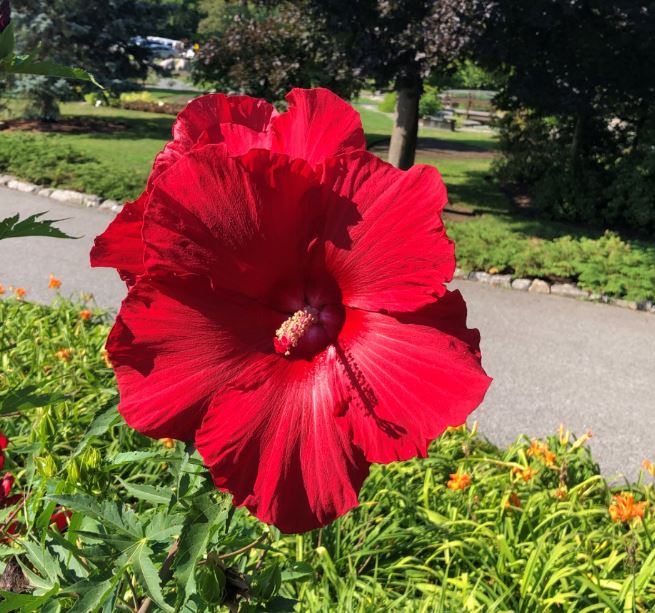
In the Gardens – A perennial crowd pleasure
Growing hibiscus is an easy way to add a tropical flair to your garden. Hibiscus plants will reward your garden with many years of lovely flowers. Hibiscus is a genus…
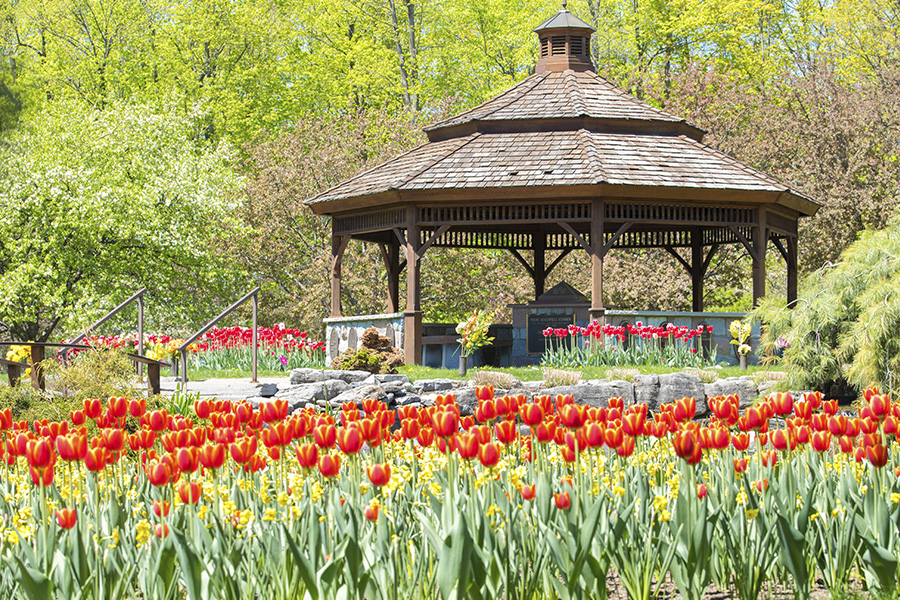
The Beechwood Cemetery Foundation
People are often surprised to learn that Beechwood is not publicly funded. In fact, Beechwood is owned by The Beechwood Cemetery Foundation and operates on a not-for-profit basis. What is…

Grief is a normal part of life.
Breathe! Hold on to the breath! Exhale! Grief is a normal part of life. Grief is the normal, healthy response to loss. Loss is not only the death of a loved…
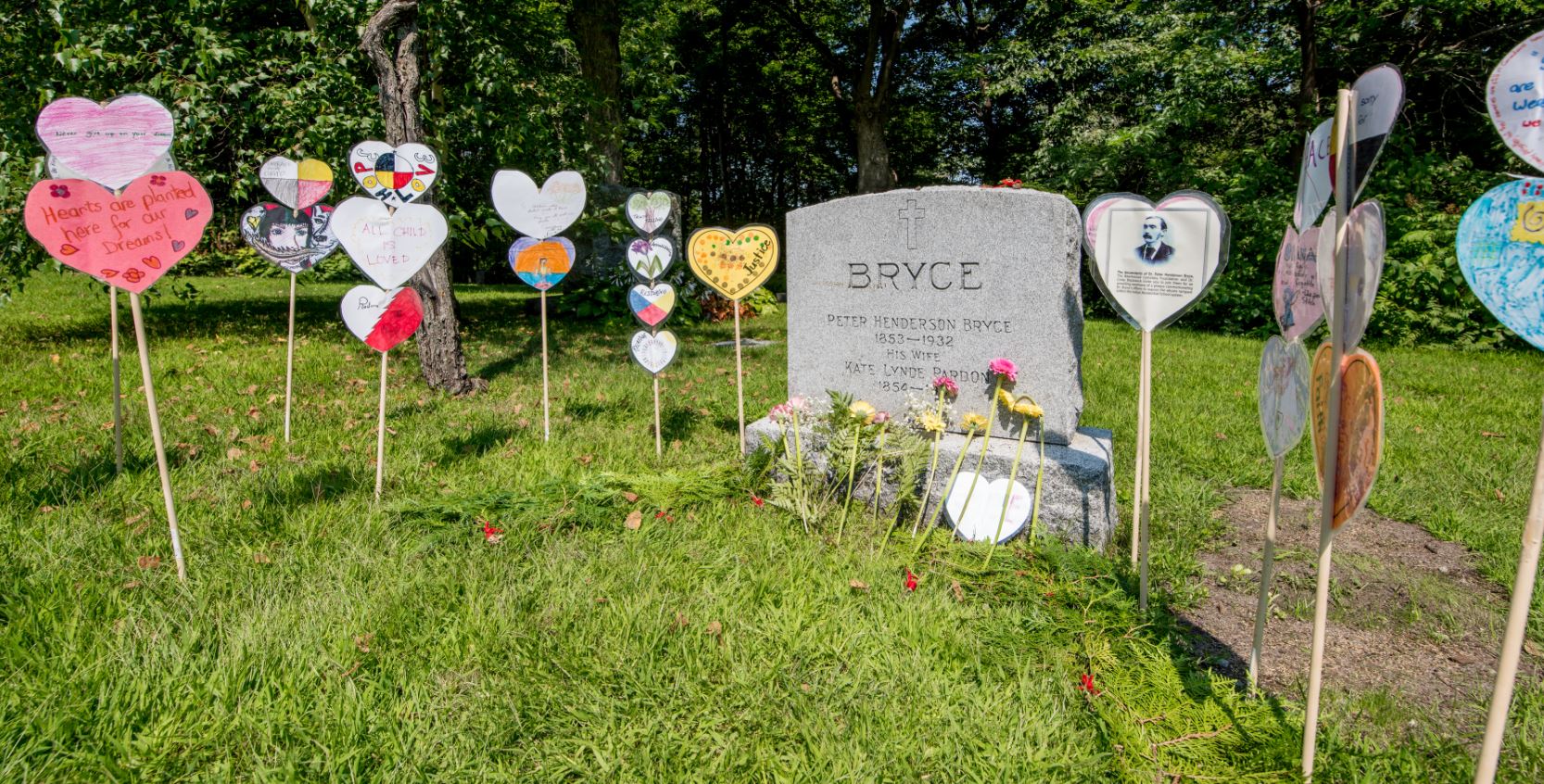
Reconciling History
Beginning in 2014, the Beechwood Cemetery Foundation have collaborated with the Indigenous community to create the Reconciling History program. Beechwood has partnered with the First Nations Child & Family Caring…
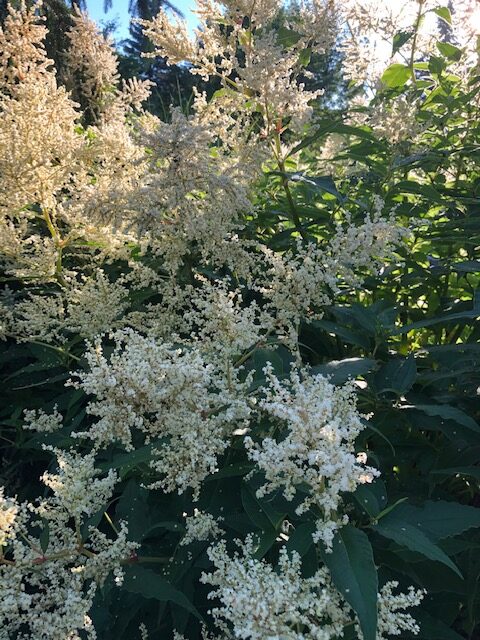
In the Gardens – White fleece flower
Persicaria polymorpha, also known as white fleece flower looks like a shrub but it grows like a herbaceous perennial, dying back to the ground in winter. However, it makes up…
Beechwood Historical Profiles
Beechwood, established in 1873, is recognized as one of the most beautiful and historic cemeteries in Canada. It is the final resting place for over 85,000 Canadians from all walks…
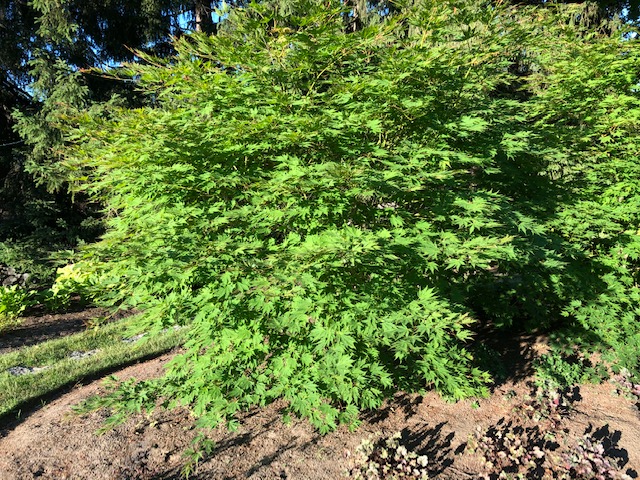
Some plants are not what they appear.
It may look like the common Japanese maple; however, the Arctic Jade™ maple is a newer hybrid maple that is good for harsher climate. This hybrid, between a Japanese maple…
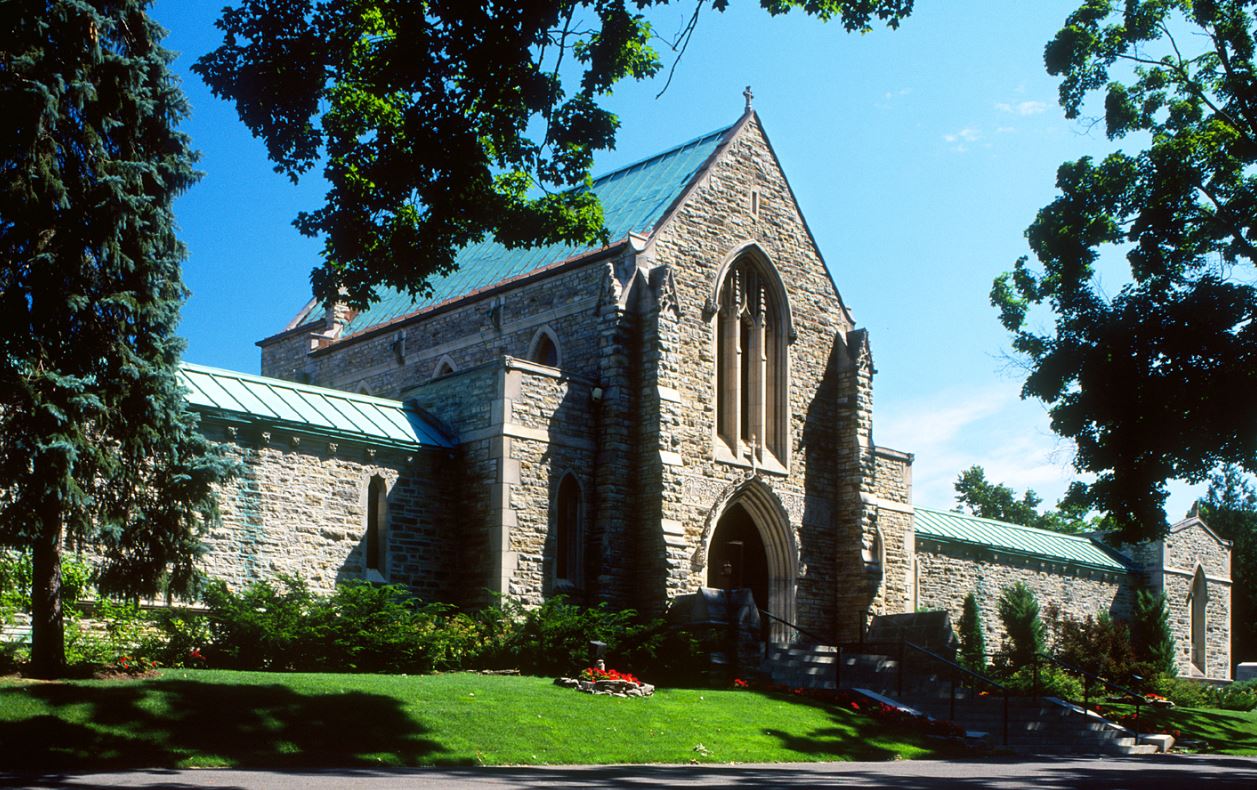
Beechwood Mausoleum
Overlooking the Beechwood National Memorial Centre sits the Beechwood Mausoleum. The first stones, quarried from Beechwood’s very ground were laid in the late 1920’s and the building was finally completed…
Beechwood Cemetery Virtual Tour with Erika Wagner
Join Beechwood Cemetery’s Program and Fundraising Coordinator, Erika Wagner, on a tour of four of her favourite locations at Beechwood. Erika provides insights and the history of four unique locations…
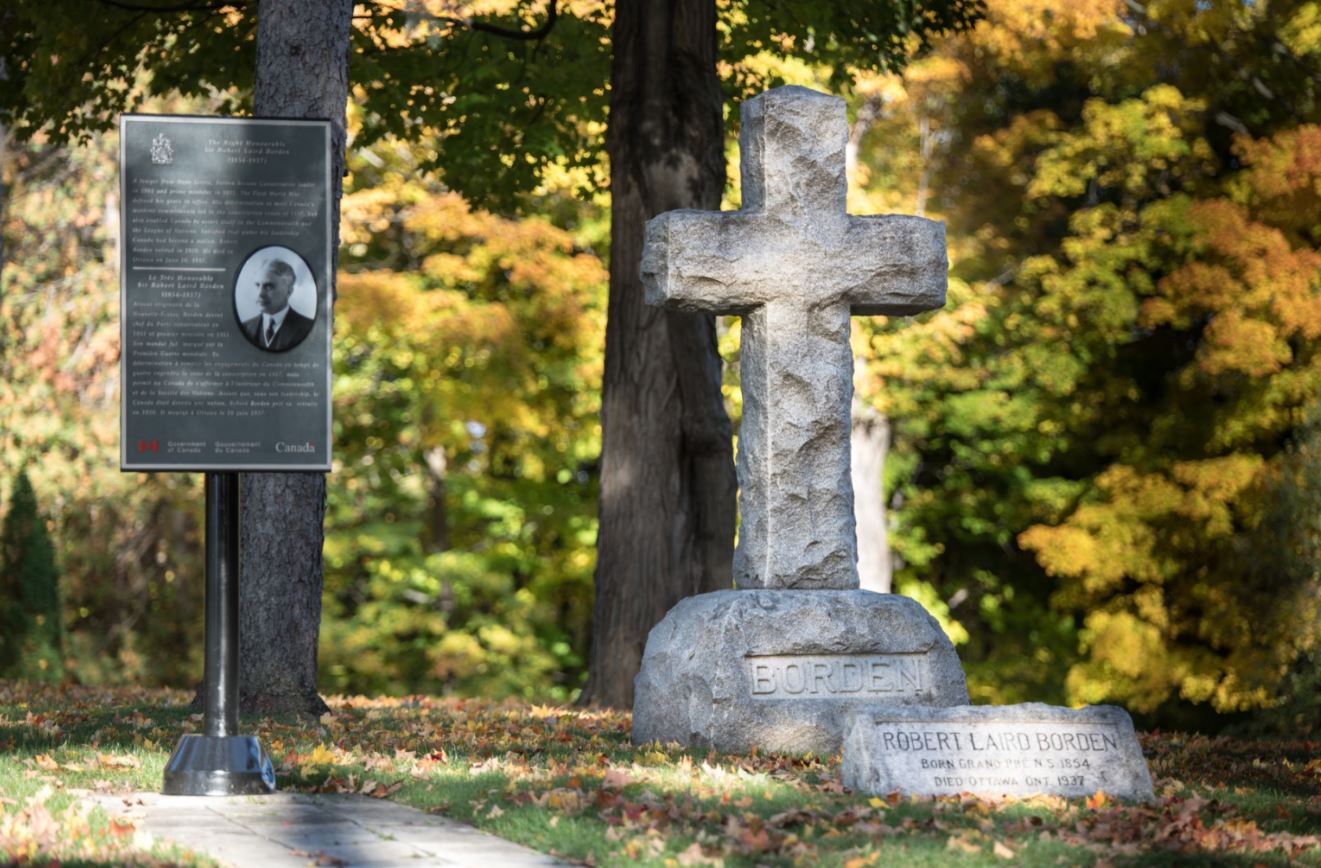
The Great Canadian Profiles plaques
Beechwood, the National Cemetery of Canada was established in 1873 on 160 acres of land. Since its founding, there have been over 85,000 people buried at Beechwood, including many prominent…
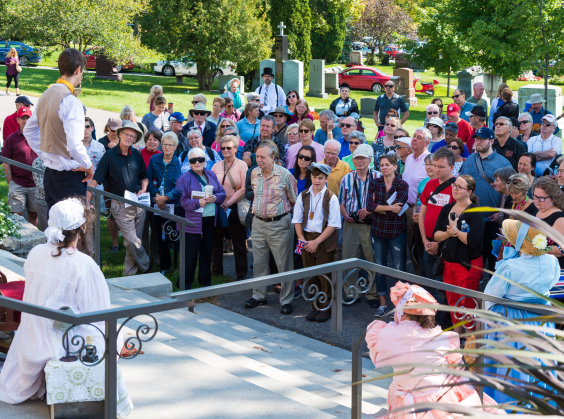
In praise of Ottawa’s unsung heroes! Beechwood’s 25th annual historical walking tour Sunday, Sept. 8
What better way could there be to wind down a glorious run of summer than by taking a leisurely stroll through history in one of Ottawa’s finest park-like settings? On…
No Stone Left Alone: Beechwood’s act of remembrance aimed at our nation’s youth
In ones and twos, with envelopes of poppies in hand, the schoolchildren from l’École élémentaire catholique Saint-François-d’Assise in Hintonburg fan out across the grounds of the National Military Cemetery at…
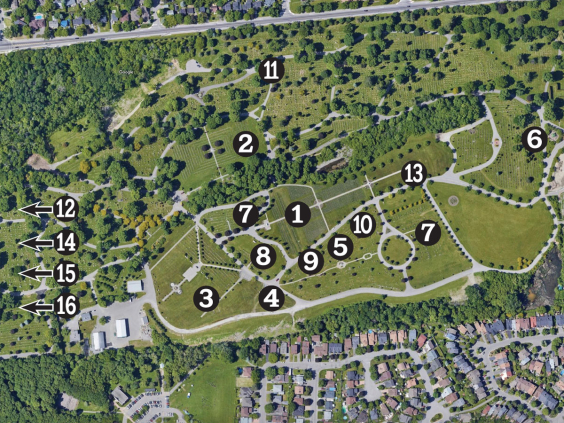
Beechwood Cemetery — the National Cemetery of Canada: A community of communities in the heart of Ottawa
Beechwood Cemetery has been an integral part of the diverse community fabric of Ottawa since 1873, and is the final resting place for nearly 87,000 Canadians of all denominations and…

HOW TO CLOSE SOCIAL MEDIA ACCOUNTS
With social media being such an important form of communication, people often don’t want to see reminders or notifications from people who are no longer with us. Here are ways…
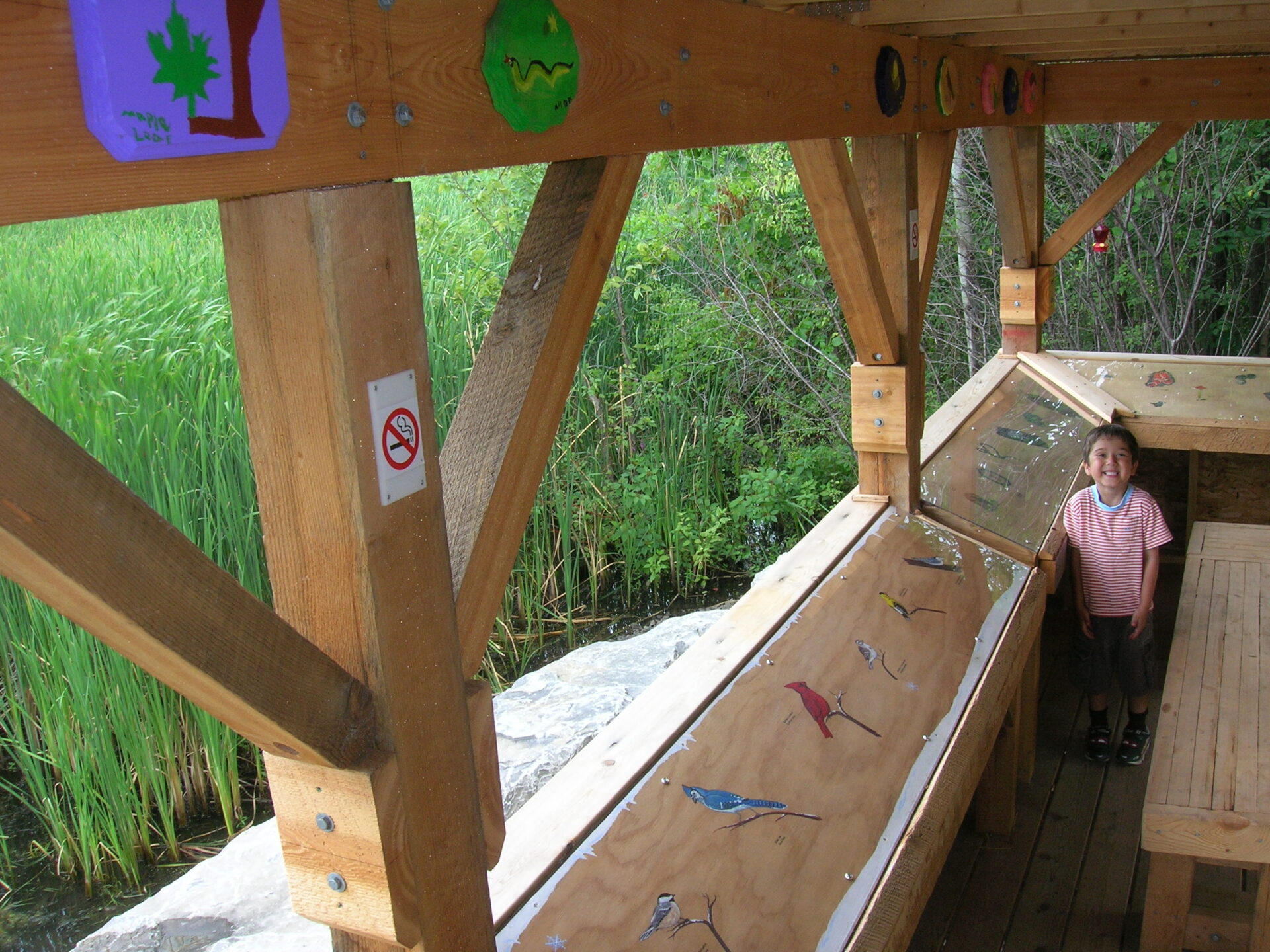
The Macoun Marsh
Nestled in the southeast corner of Beechwood lays a little oasis filled with foxes, salamanders, blue herons, woodpeckers, frogs, turtles and even groundhogs. This unique pocket of urban wetland is…
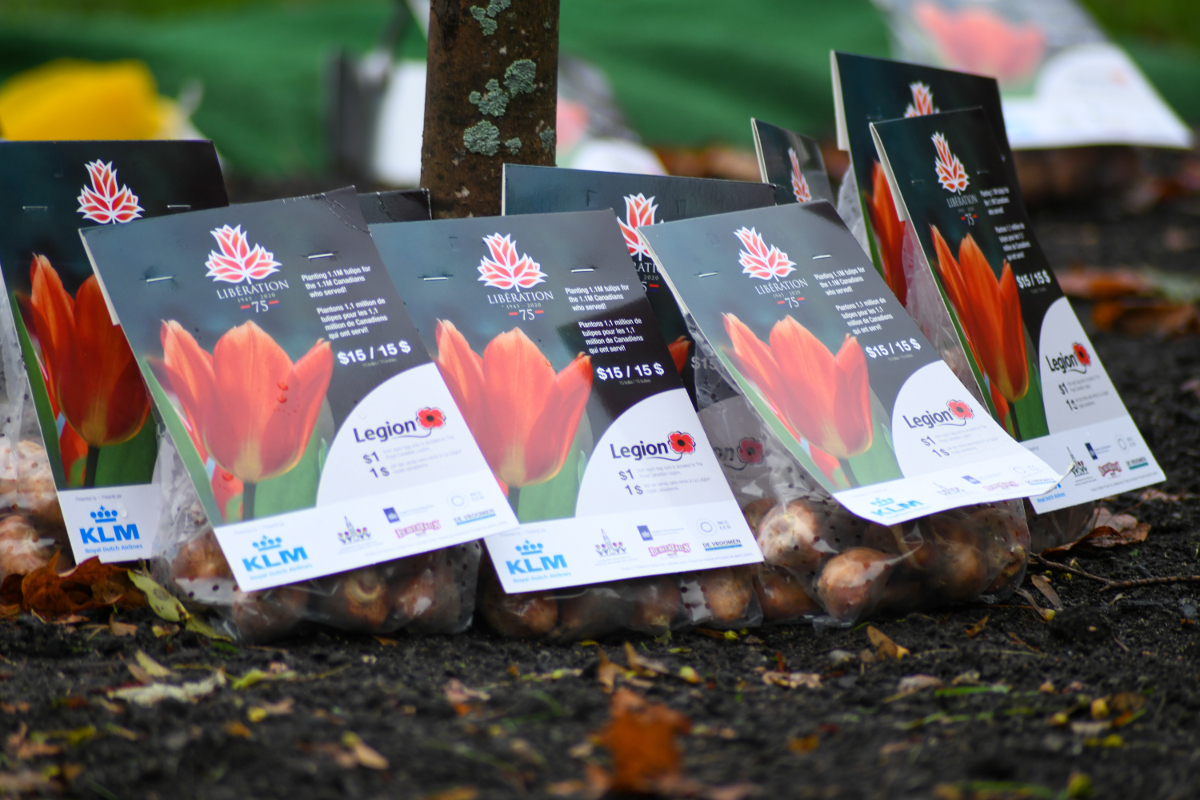
THE LIVING TRIBUTE GARDEN in Bloom
Originally planted on June 6, 2019, for the 75th anniversary of D-Day, the Living Tribute Garden is an outward commitment to educate, teach and share the stories of the past…
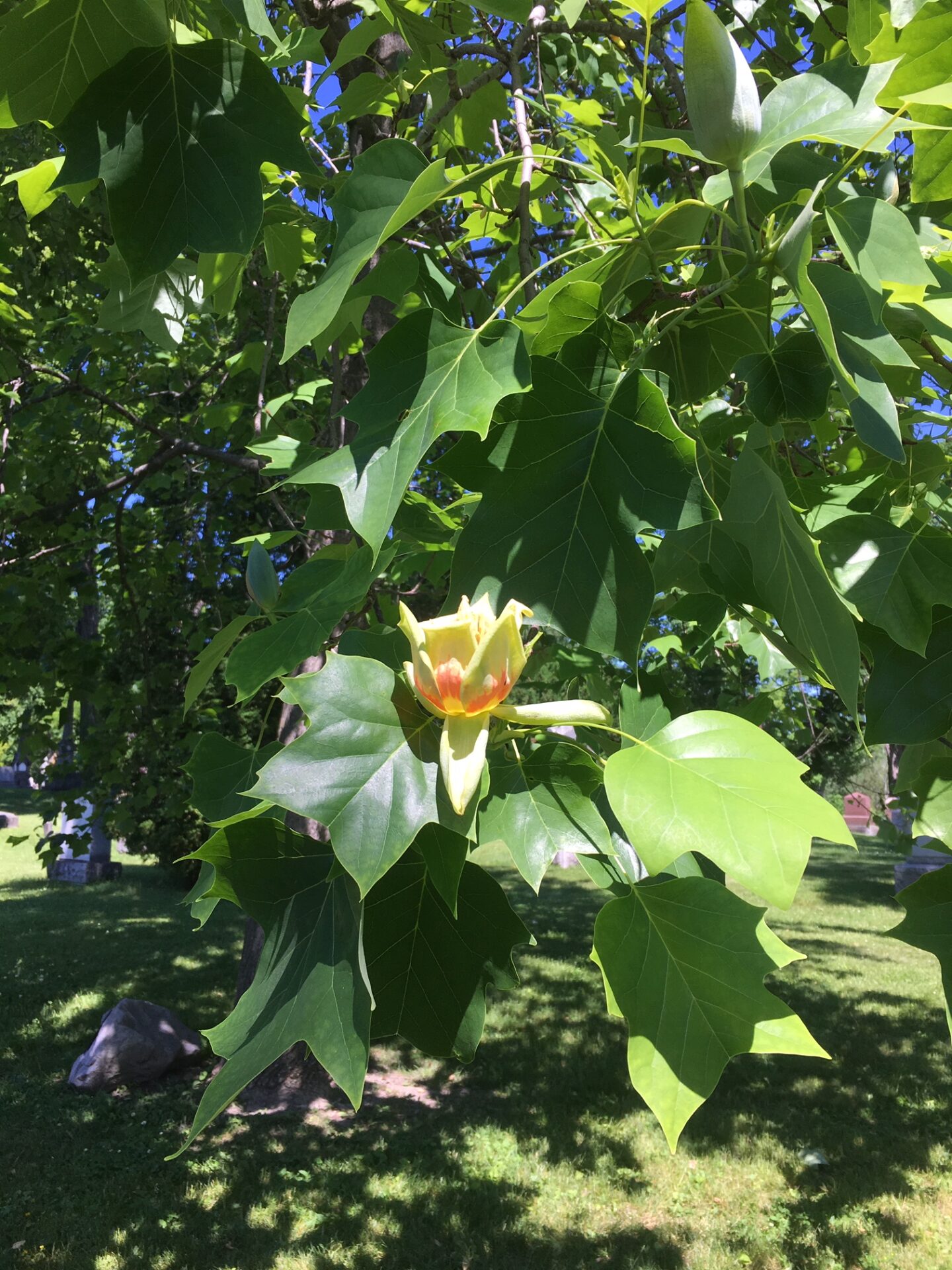
Rare sight in Ottawa: The Tulip Tree
The tulip tree is a large, fast-growing tree, up to 35 metres tall with a trunk up to 160 centimetres in diameter. As its name suggest, the tulip tree produces…