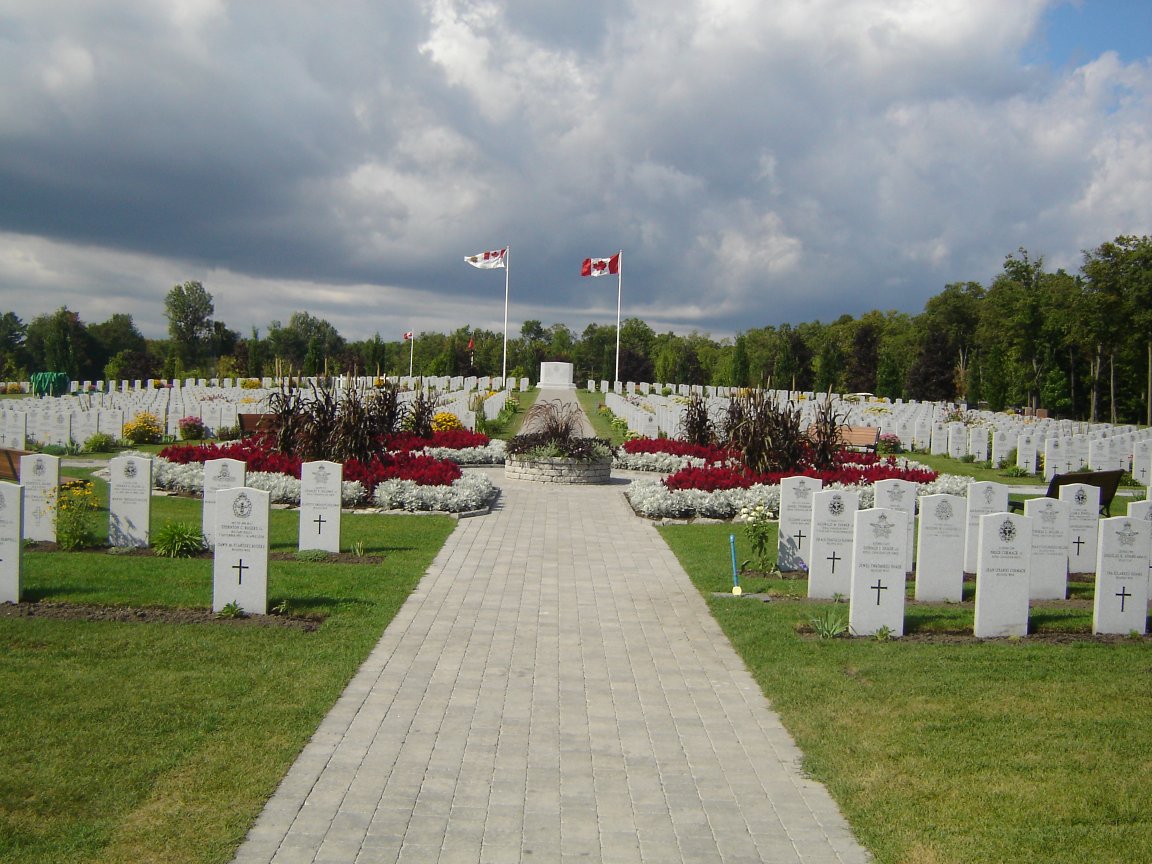
Walk through Beechwood Cemetery during the spring or summer, and you will find more than beautiful gardens and carefully maintained landscapes. Among the flowers, trees, and climbing vines lies a language that was once understood by nearly everyone. During the Victorian era (1837–1901), flowers were more than decoration, they were symbols that expressed emotions, beliefs, and messages that words often could not.
Known as floriography, or the language of flowers, this symbolic tradition became deeply woven into Victorian mourning culture. Bouquets, memorial gardens, funeral wreaths, and cemetery plantings were carefully chosen to communicate love, grief, hope, remembrance, and eternal life. While many visitors today simply admire their beauty, these plants continue to tell stories more than a century later.
The Victorian Language of Flowers
The fascination with symbolic flowers grew rapidly throughout Europe and North America during the nineteenth century. Inspired in part by botanical exploration, romantic literature, and earlier traditions from the Ottoman Empire, Victorians developed elaborate floral dictionaries that assigned meanings to hundreds of plants.
At a time when outward displays of emotion were often restrained by social convention, flowers became an accepted way to communicate affection, sorrow, remembrance, and faith. They appeared everywhere, from wedding bouquets and greeting cards to funeral arrangements and cemetery landscapes.
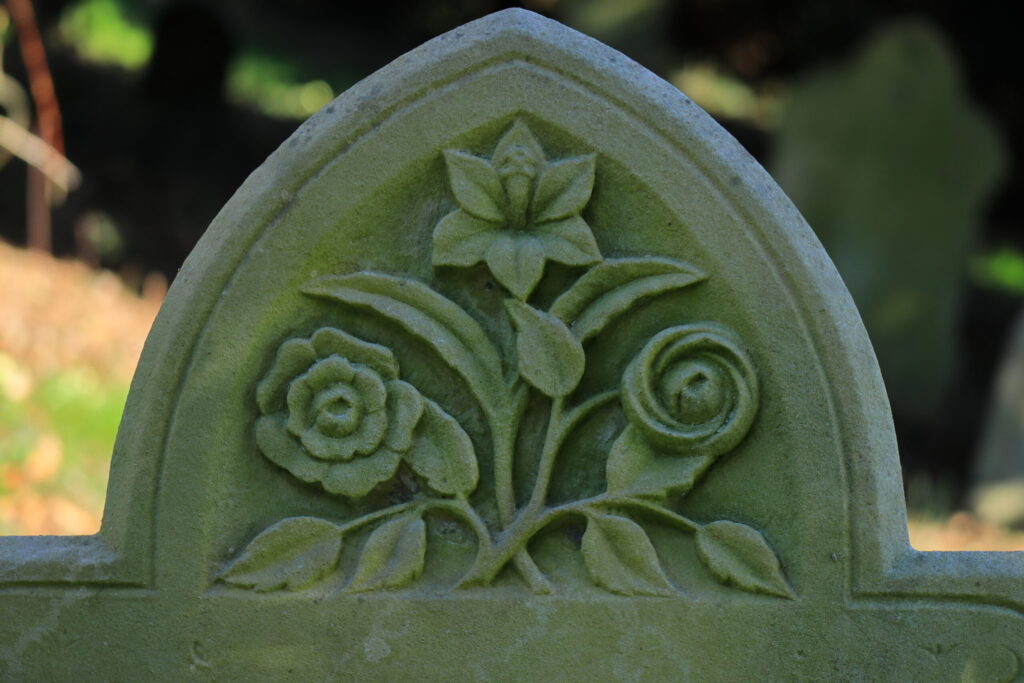
Many of Canada’s historic cemeteries, including Beechwood, reflect this tradition through both their original landscape design and the symbolism carved into monuments.
Lilies: Purity, Resurrection, and Peace
Few flowers have become more closely associated with remembrance than the lily.
In Christian tradition, white lilies symbolize purity, innocence, and the promise of resurrection. Their trumpet-shaped blooms became powerful reminders of hope beyond death and were frequently incorporated into Victorian funerals and memorial gardens.
Today, lilies continue to appear throughout Beechwood in seasonal plantings and funeral arrangements, carrying forward a symbolism that has endured for generations.
Ivy: The Bonds That Never Break
Evergreen ivy represented fidelity, friendship, and eternal life.
Because it clings tightly to walls and trees while remaining green throughout the year, Victorians viewed ivy as a symbol of enduring affection and relationships that continued beyond death.
Ivy also appears frequently in Victorian funerary art, often carved around urns, crosses, and memorial tablets to represent an everlasting connection between the living and those who have passed away.
Roses: Love Remembered
Few flowers possess as many layers of symbolism as the rose.
White roses represented innocence and spiritual purity.
Red roses symbolized enduring love and sacrifice.
Pink roses conveyed gratitude and remembrance.
Even after death, the rose reminded mourners that love did not disappear with physical absence. Victorian cemeteries often incorporated rose gardens as living expressions of continuing affection.
Today, roses remain among the most common flowers placed on graves and memorials, continuing a tradition that spans centuries.
Oak Leaves: Strength Beyond Life
Not all Victorian symbolism came from flowers.
Oak leaves represented strength, endurance, honour, and courage.
Rooted in both Classical and Christian traditions, the mighty oak symbolized lives built upon integrity and steadfast character. Oak leaf carvings frequently appear on the monuments of military officers, civic leaders, and individuals remembered for public service.
Across Beechwood, visitors can still discover oak motifs engraved into monuments, reminding us that character often becomes one’s greatest legacy.
Laurel: Victory Over Death
The laurel wreath traces its origins to ancient Greece and Rome, where it crowned victorious athletes, scholars, and military commanders.
Victorians embraced this classical symbol with new Christian meaning.
Rather than celebrating earthly triumph alone, the laurel came to represent victory over death, eternal life, and the successful completion of one’s earthly journey.
Stone-carved laurel wreaths remain among the most recognizable decorative elements found throughout nineteenth-century cemeteries.
Forget-Me-Nots: A Promise Never to Forget
Perhaps no flower captures remembrance more simply than the forget-me-not.
Its very name became its message.
Victorians used the delicate blue flower as a symbol of faithful memory and enduring affection. It reminded mourners that although a loved one might no longer be physically present, their memory remained alive in the hearts of family and friends.
The flower continues to appear in memorial gardens and remembrance ceremonies across Canada, making it one of the most enduring symbols of commemoration.
A Living Landscape of Meaning
The plants found throughout Beechwood are more than seasonal displays. Together with mature trees, historic gardens, and carefully planned landscapes, they reflect a centuries-old tradition in which nature became an expression of remembrance.
Many of the species chosen for cemetery landscapes were selected not only for their beauty but also for the messages they conveyed. Evergreen plants represented eternity. Flowering shrubs reminded visitors of renewal. Shade trees created places for quiet reflection while symbolizing permanence and protection.
Although many visitors today may no longer recognize this symbolic language, its meanings remain woven into the landscape.
Flowers Continue to Tell Their Stories
Beechwood Cemetery preserves more than monuments, it preserves traditions, landscapes, and the quiet symbolism that has helped generations express grief, hope, and remembrance.
The next time you visit, pause to notice the flowers growing beside a monument, the ivy climbing an old memorial, or the carved oak leaves decorating a weathered stone. They are not simply ornamental details. They are part of a centuries-old language that continues to speak without words.
In every season, Beechwood reminds us that remembrance is not only written in stone, it is also rooted in the living landscape that surrounds us.