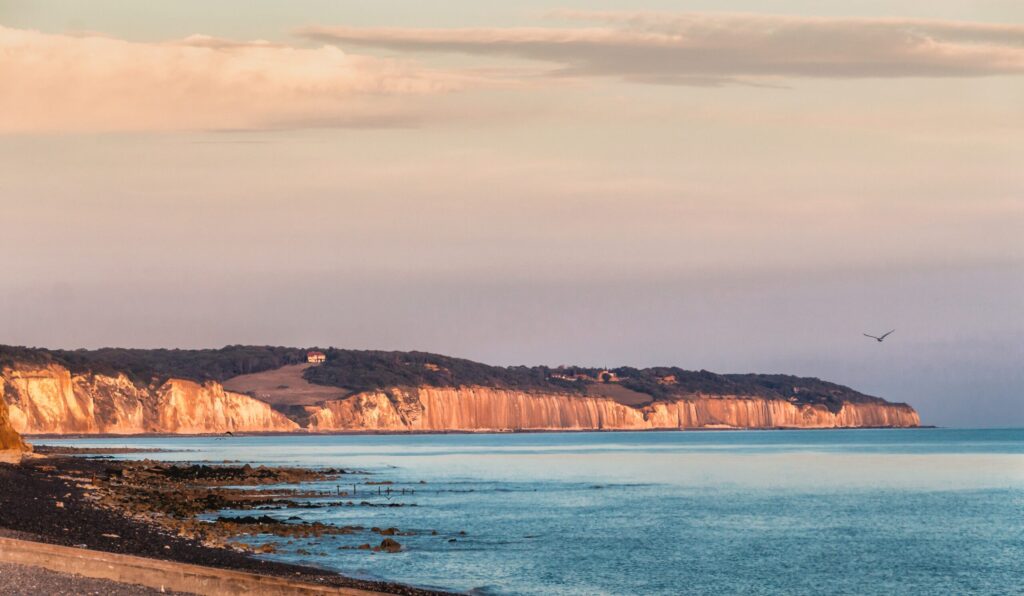
On August 19, 1942, Canadian troops landed on the beaches surrounding Dieppe, France, as part of Operation Jubilee. What followed became one of the deadliest days in Canadian military history.
Nearly 5,000 Canadians participated in the raid. Only 2,210 returned to England, many of them wounded. Canada suffered 3,367 casualties, including 1,946 who were taken prisoner. In total, 916 Canadians lost their lives as a result of the operation.
The raid failed to achieve most of its military objectives. Its devastating outcome remains the subject of historical study and debate. The courage of those who served, however, is beyond dispute. Canadian soldiers advanced under overwhelming fire, supported one another amid chaos and endured unimaginable hardship on the beaches, in military hospitals and in prisoner-of-war camps.
The losses at Dieppe were felt across Canada. Families and communities mourned sons, brothers, husbands and fathers who did not return. Those who survived carried the physical and emotional consequences of that day for the rest of their lives.
The operation also exposed critical weaknesses in planning, intelligence, communications, naval support and the use of armoured vehicles during an assault on a defended coastline. These hard-earned lessons influenced preparations for later Allied amphibious operations, including the Normandy landings of June 1944. They do not diminish the tragedy of Dieppe or make its losses easier to accept. They remind us of the responsibility to study military history honestly and to remember the human cost behind every strategic decision.
What Dieppe Represents at Beechwood
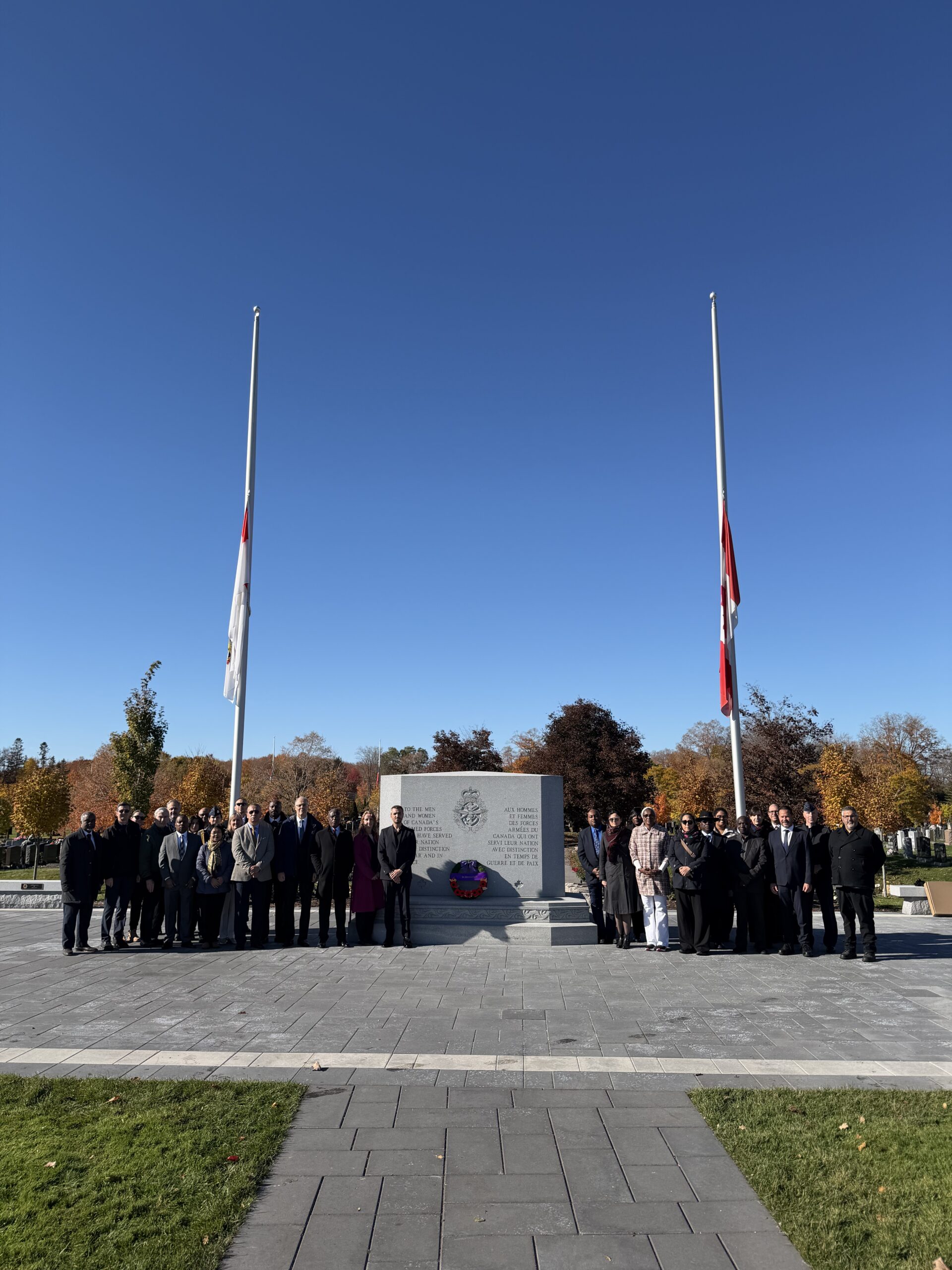
As the home of the National Military Cemetery, Beechwood has a responsibility to preserve the memory of those who served Canada, not only through their final resting places, but through education, ceremony and national reflection.
Dieppe represents courage in the face of overwhelming circumstances. It represents the bond formed among those who serve and the enduring impact of military service on Veterans and their families. It also represents the importance of learning from the past.
The National Military Cemetery brings together members of Canada’s military community from different generations, ranks, branches and conflicts. Here, each headstone represents an individual life: a family, a military career and a unique contribution to Canada. Together, they form a national record of service and sacrifice.
Remembering Dieppe means looking beyond casualty figures. It means remembering the young Canadians who stepped ashore that morning, those who died on the beaches, those who suffered in captivity and those who returned home carrying memories that could never be left behind.
It also means ensuring that future generations understand what happened. Remembrance must be active. It requires us to share these stories, confront difficult history and recognize the lasting consequences of war.
Eighty-four years after the raid, Beechwood honours the Canadians and Allied personnel who served at Dieppe. We remember those who never returned, those who endured imprisonment and injury, and the families whose lives were forever changed.
Their courage remains part of Canada’s military history.
Their sacrifice remains part of our national memory.
We will remember them.