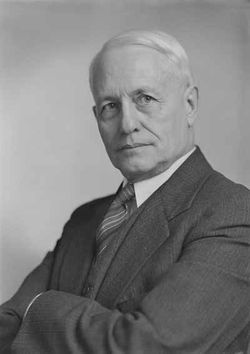
1875–1955
Section 41, Lots 46 and 47
James Bernard Harkin helped transform a small federal parks office into the foundation of Canada’s modern national parks system. A gifted communicator, public servant and conservation advocate, he became the first Commissioner of the Dominion Parks Branch—the organization now known as Parks Canada.
Harkin was born in Vankleek Hill, Ontario, on January 30, 1875. He began his career as a newspaperman in the 1890s, working with the Montreal Herald and the Ottawa Journal. His experience as a journalist helped him develop the clear and persuasive writing style that would later become central to his work promoting Canada’s parks.
In 1901, Harkin joined the federal Department of the Interior. He initially worked as secretary to Clifford Sifton, the Minister of the Interior, and later continued under Sifton’s successor, Frank Oliver. In 1911, Harkin was appointed the first Commissioner of the newly established Dominion Parks Branch.
It was a significant assignment. The new branch opened in Ottawa with seven employees, a budget of approximately $200,000 and little direction regarding how Canada’s national parks should be managed, protected or promoted. Over the next 25 years, Harkin helped build a national organization with a clear public mandate.
Harkin believed parks served two closely connected purposes. They protected important landscapes and wildlife, but they also contributed to the physical, mental and social well-being of Canadians. He viewed time spent in nature as an important escape from the pressures of industrial and urban life. Parks, in his view, belonged to the Canadian people and should be accessible places of recreation, renewal and national pride.
He was also highly pragmatic. Harkin understood that conservation required political support and sustained public investment. He therefore emphasized the economic value of parks, arguing that protected landscapes could stimulate tourism, create opportunities for local businesses and attract visitors to Canada.
This approach guided the development of new roads, visitor facilities and promotional programs. Harkin supported regulations allowing automobiles into national parks and encouraged improvements to roads throughout the system. One of the most important projects completed during his tenure was the Banff–Windermere Highway, opened in 1923. The route connected Banff and Kootenay national parks and made the central Rocky Mountains considerably more accessible to motorists.
Harkin also recognized the power of public communications. The Parks Branch distributed annual reports, brochures, guidebooks, photographs and promotional materials throughout Canada. Working with talented staff members such as writer Mabel Williams, the branch presented the national parks as places every Canadian had a right to experience.
The strategy produced measurable results. Annual attendance at Canada’s national parks increased from approximately 100,000 visits in 1921 to 550,000 by 1928. The expanding road network and growing affordability of automobiles also made park travel possible for a broader segment of the population, rather than primarily wealthy visitors travelling by railway.
Between 1914 and 1930, 13 new national parks dedicated to the protection of scenery and wildlife were created. Harkin’s administration oversaw the establishment or development of parks including Mount Revelstoke, Kootenay, Point Pelee, Wood Buffalo, Prince Albert, Riding Mountain, Georgian Bay Islands and Cape Breton Highlands.
Harkin also advocated for stronger wildlife protections. His work contributed to the development of national policies concerning migratory birds, endangered species and protected wildlife habitats. These initiatives helped expand the federal government’s role in conservation beyond scenic landscapes.
His influence extended into the preservation of Canadian history. On Harkin’s advice, the federal government established the Historic Sites and Monuments Board of Canada in 1919. Harkin served as one of its original members. The Board continues to advise the Government of Canada on the national significance of historic people, places and events.
One of Harkin’s most enduring achievements was his contribution to the National Parks Act of 1930. The legislation strengthened the legal foundation of the parks system and affirmed that national parks were to be maintained for public benefit, education and enjoyment. It also gave the Parks Branch greater authority to administer nationally significant natural and historic places.
Harkin’s record must also be understood within the broader history of early conservation in Canada. Many parks were created on Indigenous territories that had been occupied, used and cared for over generations. The establishment of Wood Buffalo National Park, which Harkin strongly supported, resulted in the removal of local Dené people and restrictions on their Treaty rights and traditional land use.
This history challenges the early portrayal of national parks as untouched wilderness. It also demonstrates why contemporary conservation increasingly recognizes Indigenous rights, knowledge and leadership. In 2023, the Canadian Parks and Wilderness Society renamed its former J.B. Harkin Medal as the CPAWS Conservation Award to reflect a more inclusive approach to conservation and reconciliation.
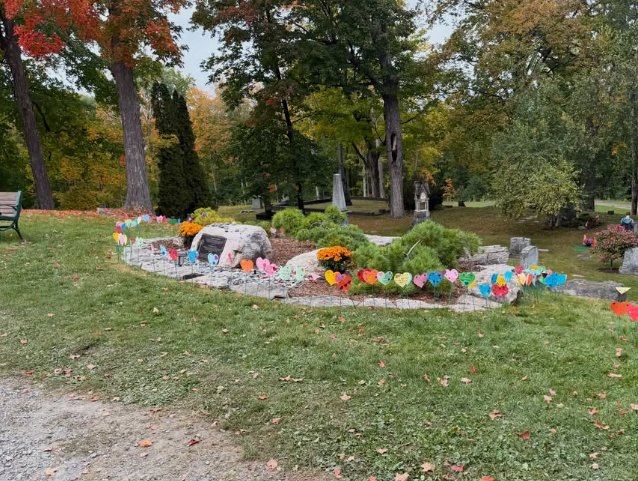
Harkin’s tenure as commissioner ended in 1936 following a restructuring of the federal parks administration. He died in Ottawa on January 27, 1955, three days before his 80th birthday, and was laid to rest at Beechwood Cemetery.
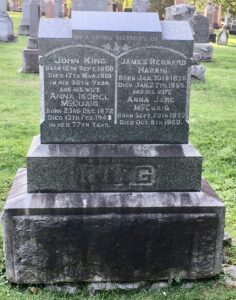
His contributions were recognized nationally shortly after his death when he was designated a person of national historic significance. Mount Harkin, a 2,979-metre summit in British Columbia’s Kootenay National Park, also bears his name.
Remembered as the “father of Canada’s national parks,” James Bernard Harkin shaped the administration, promotion and legal protection of Canada’s natural heritage. His story reflects both the lasting achievements and the difficult historical realities of the country’s early conservation movement.
Today, his grave at Beechwood connects the National Cemetery of Canada to the history of the national parks system and to the continuing responsibility of protecting Canada’s natural and cultural heritage for future generations.
References: Beechwood Cemetery, The Canadian Encyclopedia, Parks Canada and James Bernard Harkin biography.