SHIRLEY MOULDS – Section 41, Lot 39 E Ctr
Long before women’s professional hockey, Olympic tournaments or national broadcasts brought female athletes into homes across Canada, women were already competing, and winning on Ottawa’s rinks, courts and playing fields.
Among the most remarkable of them was Shirley Moulds.
Born in Ottawa in 1904, Moulds grew up in the Glebe and reportedly lived in the same house throughout her life. Sport became a defining part of that life. She played hockey, basketball, softball and tennis and, later, became a competitive bowler.
What distinguished Moulds was not simply the number of sports she played. It was how successful she became in nearly every one of them. Her athletic career unfolded during an important period for women’s sport in Canada. Opportunities remained limited compared with those available to men, but women were forming teams, organizing competitions and establishing leagues of their own. Ottawa became an important centre for women’s hockey, and Moulds emerged as one of its leading players.
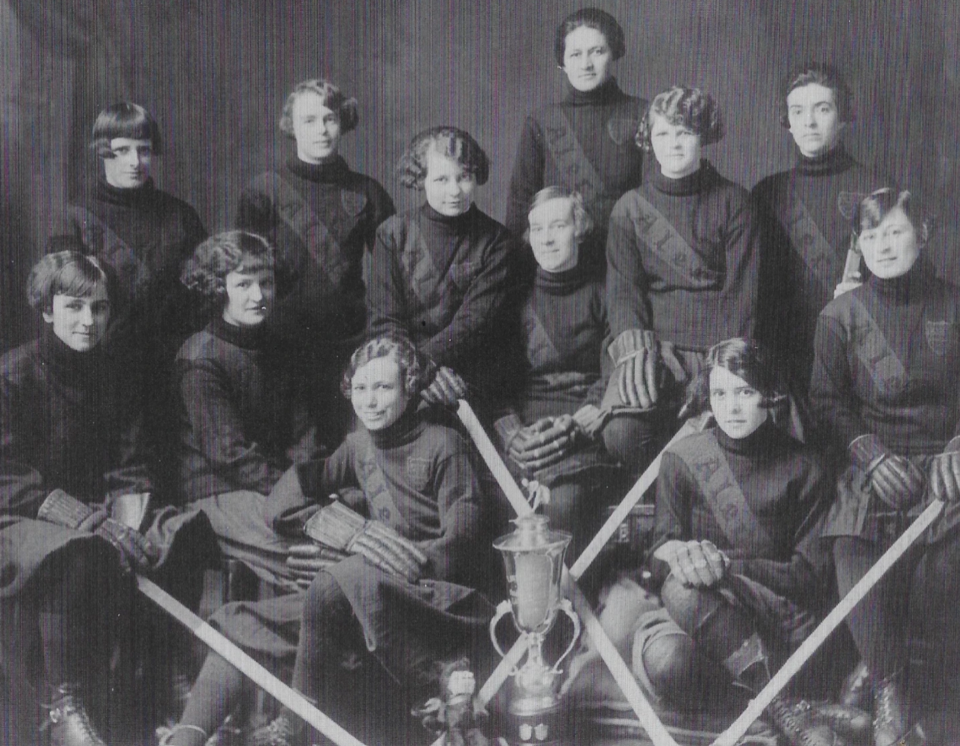
Moulds played with the Ottawa Alerts, one of the capital’s most successful early women’s hockey teams. The Alerts competed against teams from Ottawa and communities throughout Ontario and Quebec and became part of the growing movement to formally organize women’s hockey. In December 1922, that movement resulted in the establishment of the Ladies Ontario Hockey Association. The Alerts joined the new organization, and Moulds would soon play a central role in its first championship.
In March 1923, Ottawa faced North Toronto in a two-game, total-goal series. The first game was played in Ottawa. It remained close throughout, with neither team able to generate much offence. When the game ended, Ottawa had won 1–0. The only goal was scored by Shirley Moulds. That gave Ottawa a narrow advantage heading into the deciding game in Toronto on March 20. Then Moulds delivered one of the great performances of her career.
The Alerts scored five goals.
Shirley Moulds scored four of them.
Ottawa won 5–2 and captured the series by an aggregate score of 6–2, earning the Dr. Lorne Robertson Trophy as Ontario champions. Across the entire championship series, the Alerts scored six goals. Moulds scored five. It is the kind of performance that would attract considerable attention today. More than a century ago, it helped establish Moulds as one of the outstanding players in Ontario women’s hockey. The Alerts successfully defended their Ontario championship in 1924, and Moulds continued to demonstrate her scoring ability. On February 5, 1925, the Alerts faced Renfrew. Ottawa won 4–0, with Moulds scoring all four goals.
During another championship series, this time against the University of Toronto Varsity team, Moulds scored Ottawa’s lone goal in a 4–1 opening-game loss.
Her ability to find the net repeatedly distinguished her, but her hockey career would soon enter another important chapter.
Moulds moved from the Alerts to the women’s hockey team associated with the Ottawa Rowing Club. Historical accounts describe her departure as a significant loss for the Alerts.
The Rowing Club defeated them for the Ottawa and District championship in 1926 and emerged as another force in women’s hockey. Moulds became captain of the team. In 1927, the Ottawa Rowing Club women captured the Ontario championship. Moulds and the team would eventually be featured as part of the historical record of women’s hockey at the Hockey Hall of Fame. Her accomplishments on the ice alone would have made Moulds an important figure in Ottawa sporting history.
Moulds was also a talented basketball player. She was a leading scorer with the Alerts basketball team, which won the Ottawa and District championship, and later became a top scorer for the Ottawa Rowing Club’s championship basketball team. She excelled in softball as well, playing shortstop for the Rowing Club’s city and district championship team. Then there was tennis. In an extraordinary three-year run, Moulds became Ottawa’s city tennis champion in 1923, 1924 and 1925.
Those dates are particularly striking. At essentially the same time that Moulds was helping the Alerts win hockey championships, she was establishing herself as one of Ottawa’s leading female tennis players. Her athletic ability was not confined to one sport, one season or one playing surface. She was an exceptional all-around athlete.
Even after her years of competitive hockey had ended, sport remained part of her life. In her 50s, Moulds became a bowling champion. There is something fitting about that detail. Competition was not simply a chapter in Shirley Moulds’ youth. Athletics remained part of her life decades after her championship hockey years.
Perhaps one of the most surprising aspects of her story is how quietly she carried those accomplishments.
According to an account published by the Historical Society of Ottawa, Moulds was intensely private and rarely discussed her hockey career. Her niece later recalled that she did not fully understand the extent of her aunt’s hockey accomplishments until after Moulds had died.
The contrast is remarkable.
Here was a woman who had scored five of her team’s six goals in a provincial championship series. She had played for one of Ottawa’s leading women’s hockey teams and captained another championship club. She had won three consecutive city tennis titles and competed successfully in basketball, softball and bowling.
Yet much of that story gradually disappeared from public memory.
Decades later, Ottawa formally recognized her contribution. On May 5, 2010, Shirley Moulds was inducted posthumously into the Ottawa Sport Hall of Fame for hockey. The recognition came long after the games that had made her one of the city’s outstanding athletes, but it helped restore Moulds to her place in Ottawa’s sporting history.
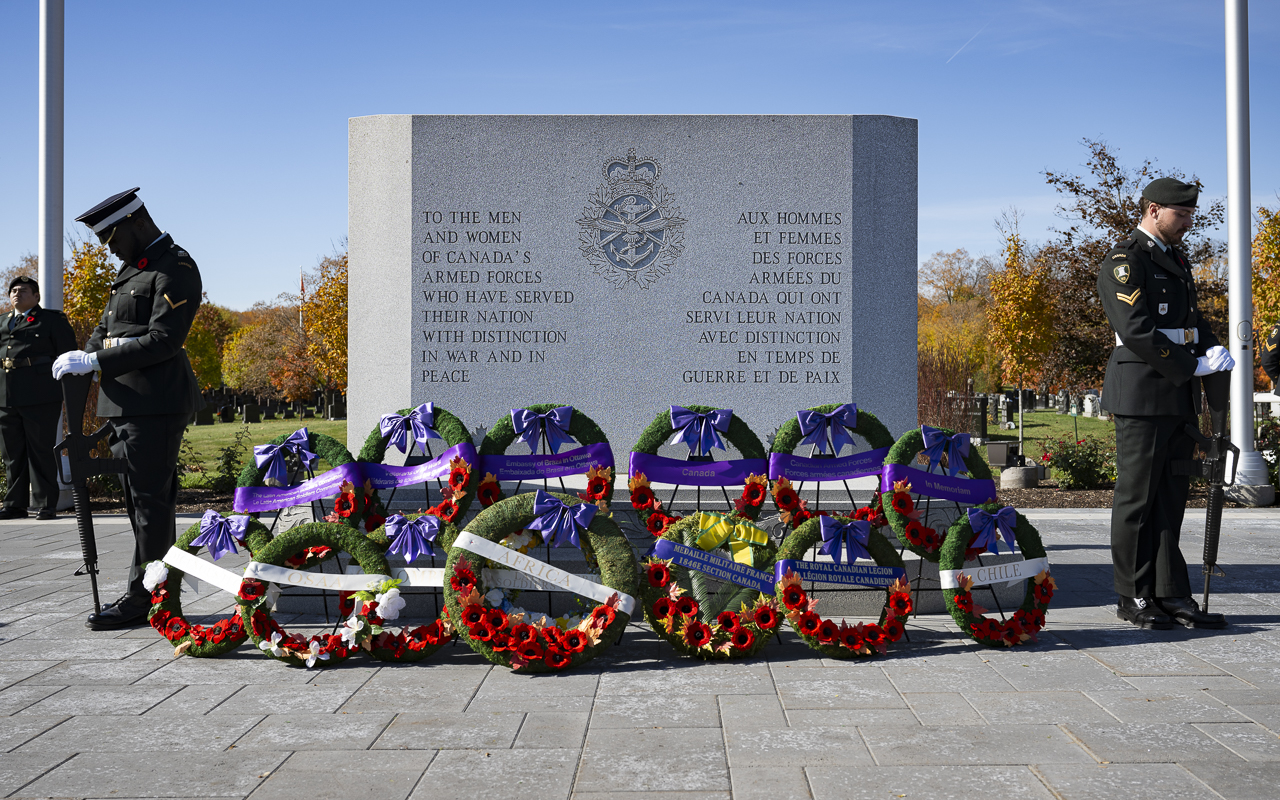
Today, Shirley Moulds rests at Beechwood Cemetery in Section 41, Lot 39 E Ctr.