The ranks of the Royal Canadian Mounted Police tell a story that extends far beyond titles and insignia. They reflect more than 150 years of tradition, leadership, operational experience and institutional change.
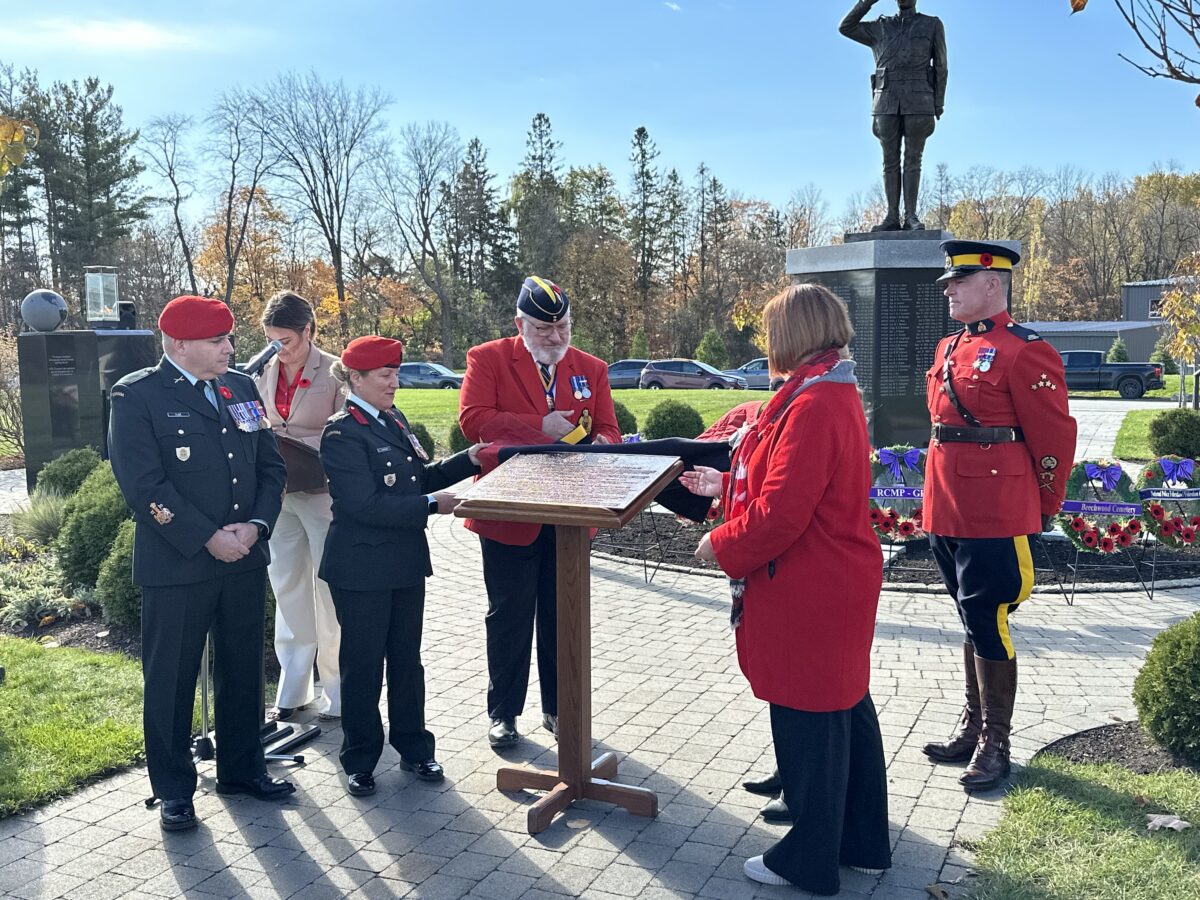
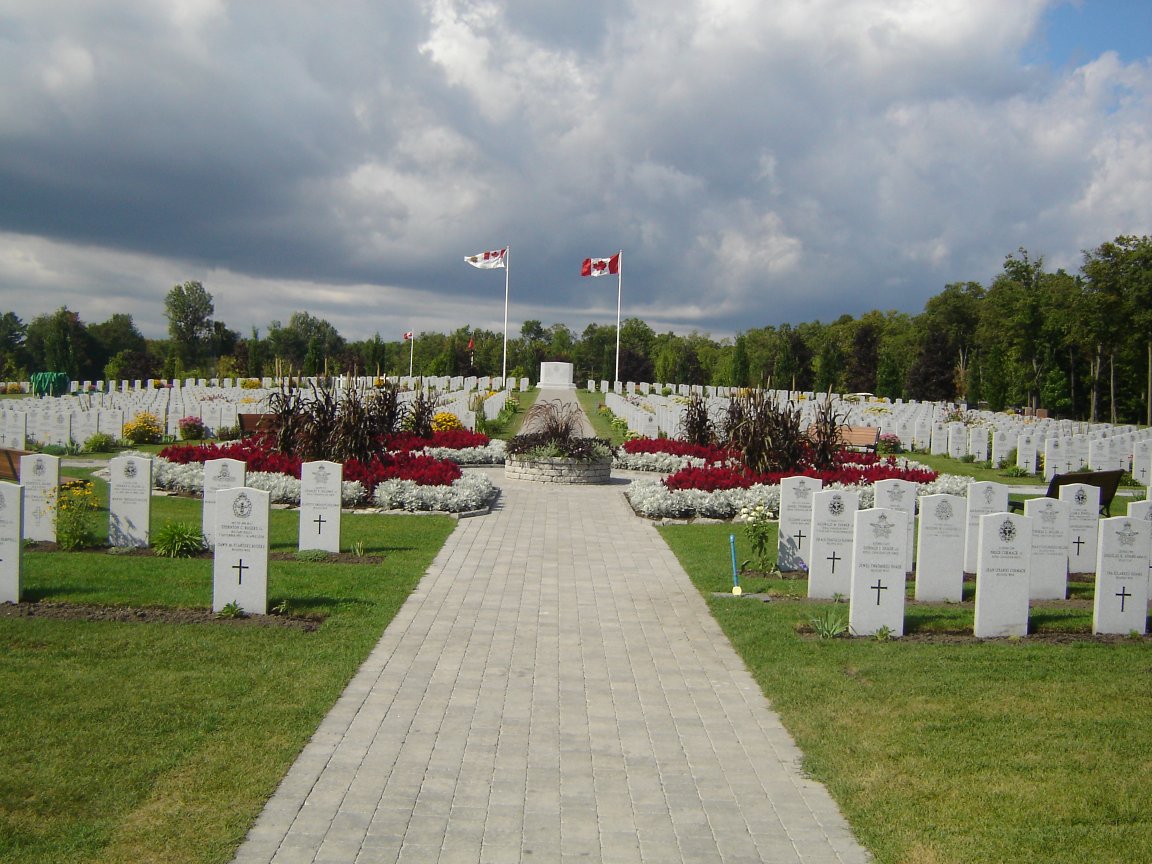
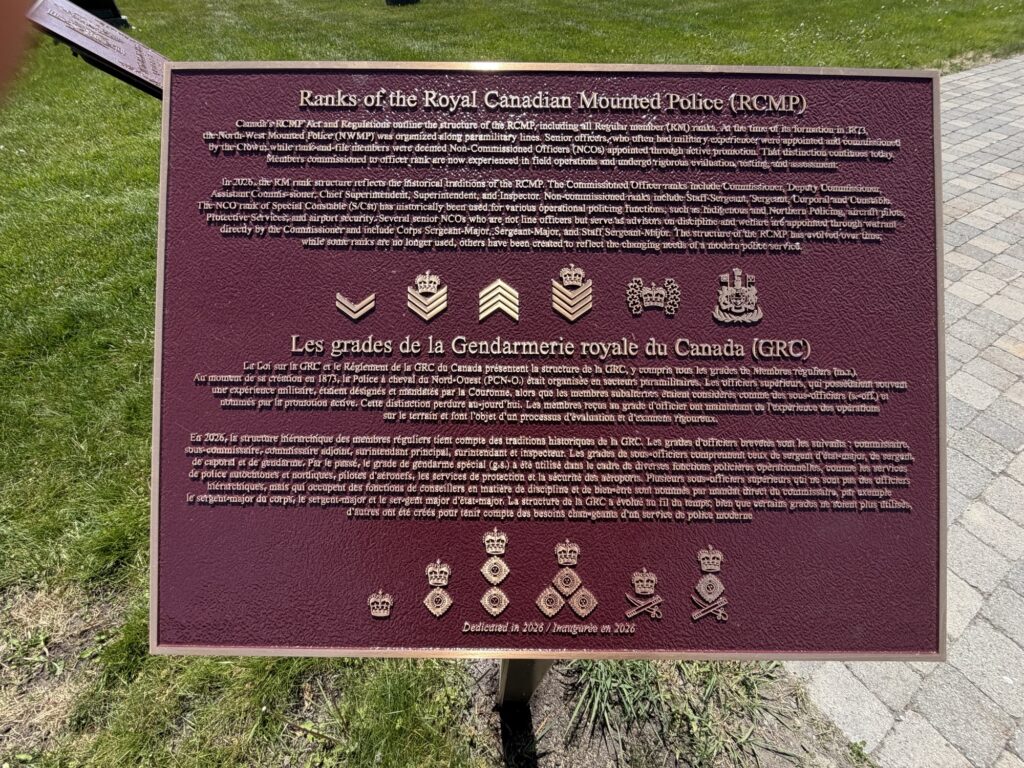
A new plaque at the RCMP National Memorial Cemetery at Beechwood Cemetery explores this history and helps visitors understand how the RCMP’s rank structure developed and how it continues to support the work of a modern national police service.
A Structure Rooted in History
When the North-West Mounted Police was established in 1873, it was organized along paramilitary lines. The new police force needed a clear chain of command as its members travelled across vast distances and carried out demanding duties in remote communities.
Many of its earliest senior officers had military experience. They were appointed and commissioned by the Crown. Rank-and-file members were considered non-commissioned officers and advanced through active promotion.
This distinction between commissioned and non-commissioned ranks remains part of the RCMP’s structure today. However, the process for becoming a commissioned officer has evolved considerably. Modern RCMP officers bring extensive operational experience and must complete rigorous evaluations, testing and assessments before being commissioned.
The result is a rank structure that preserves important traditions while ensuring that senior leaders understand the realities of policing and frontline service.
Commissioned Officer Ranks
The RCMP Act and its regulations establish the organization’s rank structure, including the ranks held by Regular Members.
In 2026, the RCMP’s commissioned officer ranks are:
- Commissioner
- Deputy Commissioner
- Assistant Commissioner
- Chief Superintendent
- Superintendent
- Inspector
The Commissioner is the RCMP’s most senior officer. The commissioned ranks beneath the Commissioner provide leadership and oversight across the organization’s divisions, regions, specialized operations and national responsibilities.
Together, these ranks form the senior leadership structure responsible for guiding the RCMP and ensuring it can respond to the changing public-safety needs of communities across Canada.
Non-Commissioned Ranks
The RCMP’s non-commissioned ranks are:
- Staff Sergeant
- Sergeant
- Corporal
- Constable
Constables perform many of the policing duties most often associated with the RCMP. As members gain experience and accept greater responsibilities, they may advance through the non-commissioned ranks.
Corporals, sergeants and staff sergeants provide supervision, operational leadership and guidance. Their knowledge and experience help maintain professional standards and support members carrying out complex policing responsibilities.
These ranks are an essential part of the RCMP’s leadership structure. They connect frontline operations with senior command and help ensure that members receive the direction and support they need.
The Historical Role of Special Constables
The rank of Special Constable has also played an important role in RCMP history. It has been used for members performing a range of specialized operational duties, including Indigenous and Northern policing, aircraft operations, protective services and airport security.
The use of this rank demonstrates how the RCMP has adapted its workforce to meet specific operational requirements. As Canada changed, the organization required new forms of expertise and new approaches to delivering police services.
Some ranks and classifications have therefore changed or disappeared, while others have been introduced to meet emerging needs.
Senior Warrant Appointments
The RCMP’s structure also includes several senior non-commissioned appointments that carry distinct responsibilities.
The Corps Sergeant Major, Sergeant Major and Staff Sergeant Major are appointed by warrant directly from the Commissioner. These senior members are not line officers. Instead, they serve as trusted advisors on matters such as discipline, member welfare, professional conduct and organizational traditions.
Their positions recognize the importance of experienced non-commissioned leadership within the RCMP. They also help preserve the customs, standards and professional identity that connect generations of members.
Rank Insignia and RCMP Identity
The insignia displayed on the plaque provide a visual representation of the RCMP’s hierarchy and traditions. Chevrons, crowns, stars and other symbols allow ranks to be recognized while also connecting the modern RCMP to its historical foundations.
These insignia are more than decorative elements. They represent responsibility, experience, authority and service. Each promotion reflects a member’s professional development and willingness to accept a greater leadership role within the organization.
For visitors, the plaque offers an opportunity to look more closely at these symbols and understand what they represent.
An Organization That Continues to Evolve
The RCMP of today operates in a country and a policing environment very different from those of 1873. Its responsibilities have expanded, its methods have changed and its members now serve in highly specialized fields that the organization’s founders could never have imagined.
Its rank structure has evolved alongside these changes. Some historical ranks are no longer used, while new roles and appointments have emerged to support the needs of a modern police service.
At the same time, the fundamental purpose of the rank system remains consistent. It establishes responsibility, supports effective leadership and provides a clear structure through which members can serve the public.
By presenting this history in an accessible format, the plaque helps visitors understand both the continuity and the evolution of the RCMP. It also recognizes the generations of members who have carried these ranks and served communities throughout Canada.
*The plaque was officially unveiled on May 23, 2026, during the RCMP Uniforms & Traditions Commemorative Pathway Ceremony at the RCMP National Memorial Cemetery at Beechwood Cemetery.