Cremation answers one important question, but it does not answer every question.
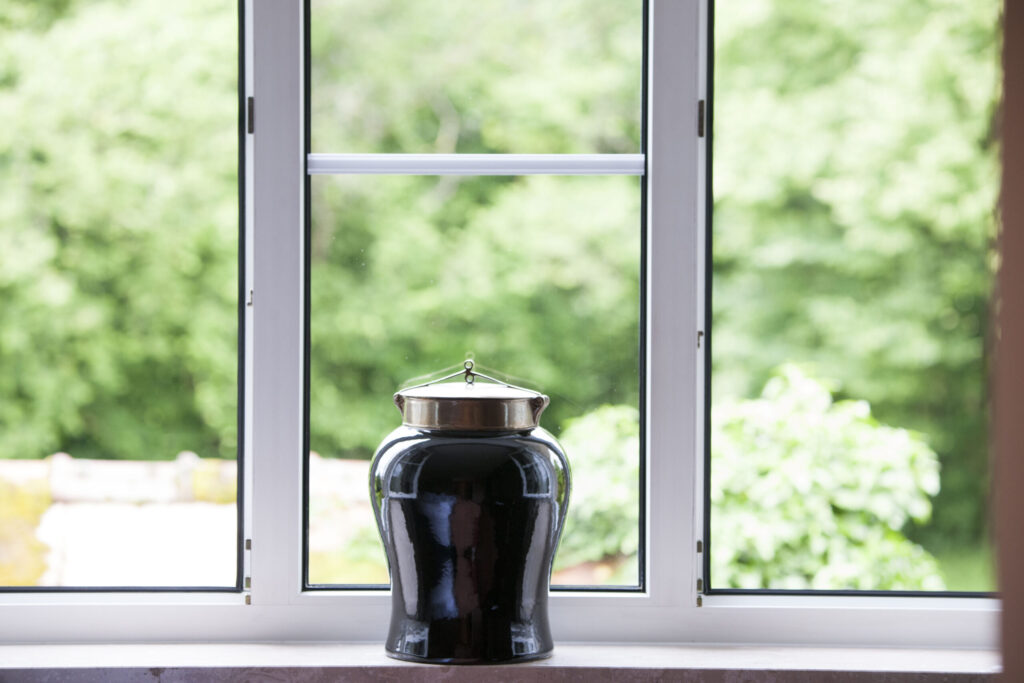
After the funeral is over and family members return to their daily lives, the urn remains. It may be placed on a mantel, stored in a closet or entrusted to a relative until everyone decides what should happen next.
Sometimes, that decision comes quickly. In other families, months become years.
The delay is understandable. Choosing a permanent place for a loved one’s ashes can feel like another goodbye. It requires us to accept the finality of death and decide how—and where—a life will be remembered.
But knowing what to do with cremated remains is an important part of planning for death. It provides clarity for families, dignity for the person who has died and a lasting place where memories can be carried forward.
The Question Families Do Not Always Expect
Many people choose cremation because it appears simple and flexible. It can offer families more time to organize a gathering, accommodate relatives who live far away or consider different memorial options.
That flexibility can also create uncertainty.
Who will keep the ashes? Should they be buried, placed in a niche or divided among family members? Is scattering permitted in the location the family has chosen? What happens to the urn when the person caring for it moves, downsizes or dies?
These are practical questions, but they are also deeply emotional ones. When they are left unanswered, responsibility often falls to the next generation—sometimes without any knowledge of the deceased person’s wishes.
An urn intended to remain temporarily in a family home can eventually become an obligation no one feels prepared to address.
Cremated Remains Are Not the End of the Story
Ashes are more than something to be stored. They are the physical remains of a person who lived, loved and mattered.
Choosing a permanent resting place recognizes that significance.
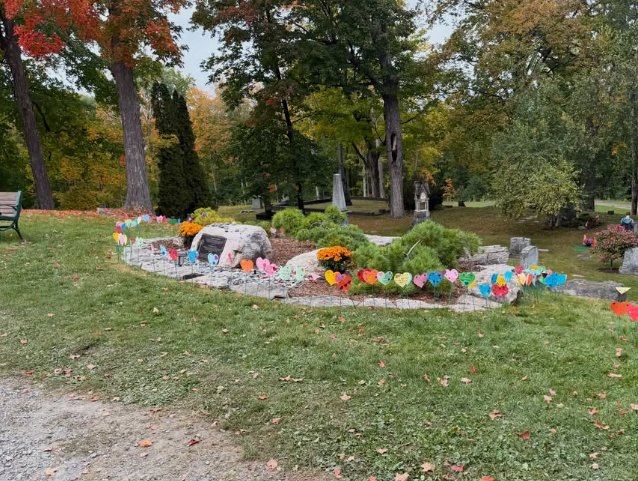
For some families, that means burial in a cemetery lot, perhaps alongside a spouse, parent or other relative. For others, it means placement in a columbarium niche where the person’s name can be permanently recorded. Memorial gardens and other cemetery options can also provide a meaningful connection between remembrance and the natural environment.
There is no single choice that is right for every family. What matters is that the decision is thoughtful, lawful and clearly communicated.
A permanent place gives grief a destination. It offers family and friends somewhere to visit on birthdays, anniversaries and quiet afternoons when they simply want to feel close to the person they miss.
It also creates a place for future generations.
What Happens When There Is No Plan?
Keeping ashes at home is a valid personal choice, but it should still be supported by a long-term plan.
Homes are sold. Families relocate. Relationships change. Urns can be misplaced, damaged or passed to someone who never knew the person whose remains they contain.
Without clear instructions, relatives may disagree about what should happen. One person may want burial, another may prefer scattering and another may feel strongly that the ashes should remain within the family.
These disagreements rarely come from a lack of love. They come from different understandings of what respect and remembrance should look like.
Planning removes much of that uncertainty.
By recording your wishes and discussing them with those closest to you, you give your family direction at a time when making decisions may be especially difficult.
A Decision About Memory
Choosing what should happen to ashes is not simply about selecting a container or purchasing cemetery space. It is a decision about memory.
Where will your story be preserved?
Where will your name be recorded?
How will someone find you 20, 50 or 100 years from now?
A permanent memorial connects an individual life to a family, a community and a place. It says that this person was here and that their life remains worthy of recognition.
Cemeteries serve an important role in protecting that connection. They provide permanence, professional care and a public record that cannot always be maintained when cremated remains remain in private hands.
Begin the Conversation Before It Is Urgent
Talking about ashes can feel uncomfortable, but the conversation does not need to be bleak.
It can begin with simple questions:
Where would you want to be remembered? Would you prefer burial or placement in a columbarium? Is there a family plot or cemetery that holds special meaning? Who should be responsible for carrying out your wishes?
These discussions can reveal what matters most to a person: family, faith, nature, military service, community or a connection to a particular place.
Preplanning also allows time to understand the available options, confirm any legal or cemetery requirements and make financial arrangements without the pressure that follows a death.
Most importantly, it replaces assumptions with certainty.
Give Grief a Place to Rest
Grief does not end when ashes are placed in their final location. Nor should it.
But a permanent resting place can transform the experience of remembrance. The urn is no longer waiting for a decision. The family is no longer carrying an unresolved responsibility. The person’s name, story and place within the community can be preserved.
We plan carefully for many of life’s milestones. We choose where we will live, how we will celebrate and what we hope to leave behind. Deciding what should happen to our ashes deserves the same care.
The question is not only, “What should happen to my remains?”
It is also, “Where should the people who love me be able to find me?”
Knowing the answer is one final gift we can give them.