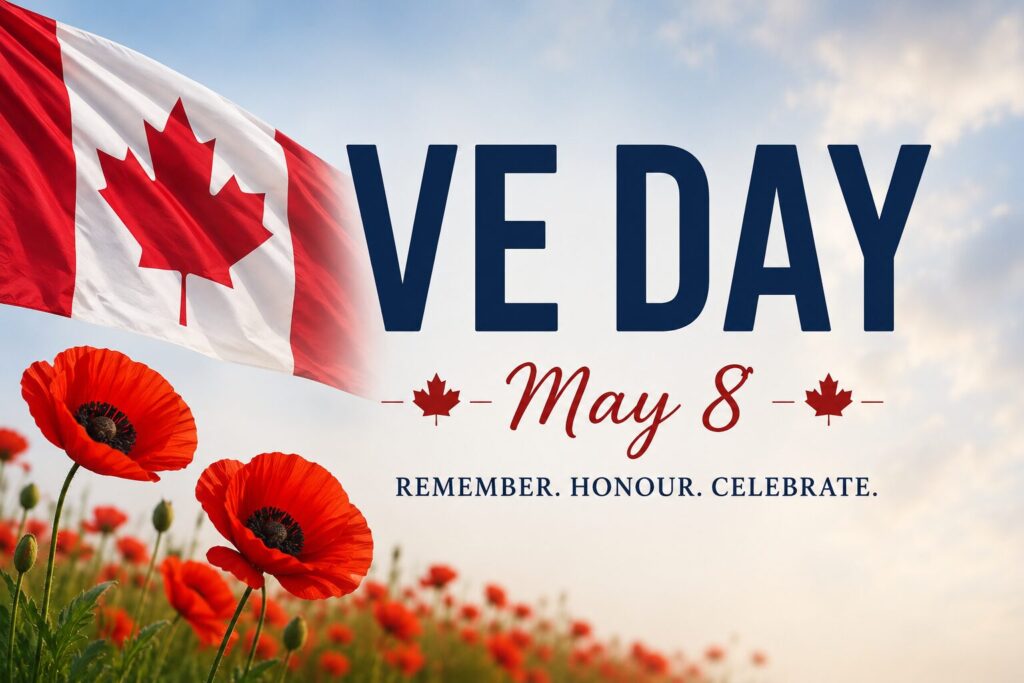
Every year on May 8, Canadians pause to mark Victory in Europe Day, better known as VE Day. It was on May 8, 1945, that Nazi Germany officially surrendered to Allied forces, bringing an end to the Second World War in Europe after nearly six years of devastating conflict.
For Canada, VE Day is far more than a historical milestone. It is a national moment of remembrance that speaks to sacrifice, service, unity, and the enduring responsibility to protect democracy and freedom.
More than one million Canadians and Newfoundlanders served during the Second World War. Thousands crossed the Atlantic to fight in Europe, while others supported the war effort from home through industry, agriculture, intelligence, medicine, and community service. Over 45,000 Canadians lost their lives during the war, and countless others returned home carrying the physical and emotional scars of conflict.
VE Day reminds Canadians that peace was not freely given. It was earned through extraordinary sacrifice.
Canadian forces played a critical role throughout the European campaign. From the beaches of Sicily and Italy to the liberation of the Netherlands, from the Normandy landings on D-Day to the final push into Germany, Canadian soldiers, sailors, and aircrew helped shape the outcome of the war. The Royal Canadian Air Force contributed significantly to Allied air operations, while the Royal Canadian Navy became one of the largest navies in the world by the end of the conflict, protecting convoys across the Atlantic.
One of the strongest and most enduring connections Canadians hold to VE Day is the liberation of the Netherlands. Canadian troops were instrumental in freeing Dutch cities and communities from occupation and famine during the final months of the war. That shared history created a lasting friendship between Canada and the Netherlands that continues to this day and remains one of the most meaningful legacies of Canada’s wartime service.
Yet VE Day is not only about military victory. It is also about remembering the human cost of hatred, dictatorship, antisemitism, and extremism. The Second World War revealed the consequences of intolerance and the devastating impact of unchecked authoritarianism. Commemorating VE Day ensures those lessons are not forgotten.
For younger generations, VE Day offers an opportunity to better understand the experiences of those who came before them. As the number of surviving Second World War veterans continues to decline, Canada carries an even greater responsibility to preserve their stories and ensure their sacrifices remain part of our national memory.
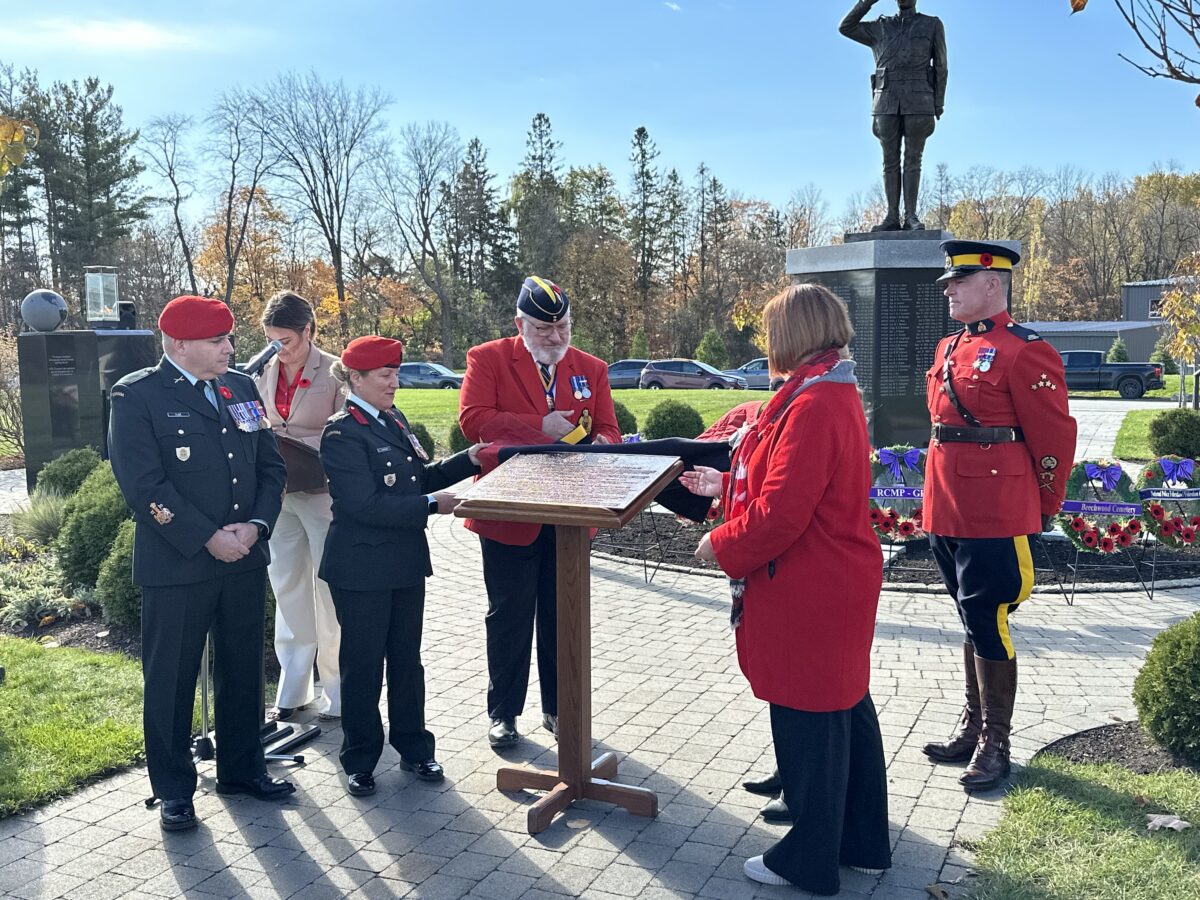
Across the country, ceremonies, wreath-layings, educational programs, and moments of reflection help Canadians reconnect with this history. These acts of remembrance are not simply symbolic. They reinforce the values that many fought and died to defend: democracy, human dignity, freedom, and collective responsibility.
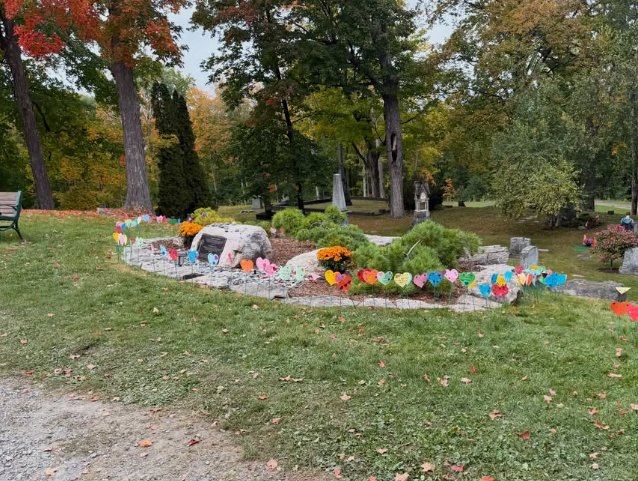
At places of remembrance such as the National Military Cemetery of the Canadian Armed Forces within Beechwood Cemetery, VE Day continues to serve as a powerful reminder that remembrance is an active commitment. It calls on Canadians to honour those who served not only through ceremony, but through continued dedication to peace, understanding, and service to others.
More than 80 years later, the importance of VE Day remains as relevant as ever.
As conflicts continue to unfold around the world, May 8 reminds Canadians that peace cannot be taken for granted. It must be protected, defended, and remembered.