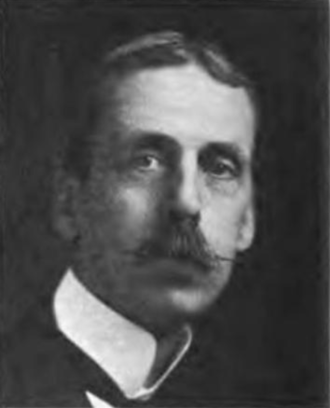
James White
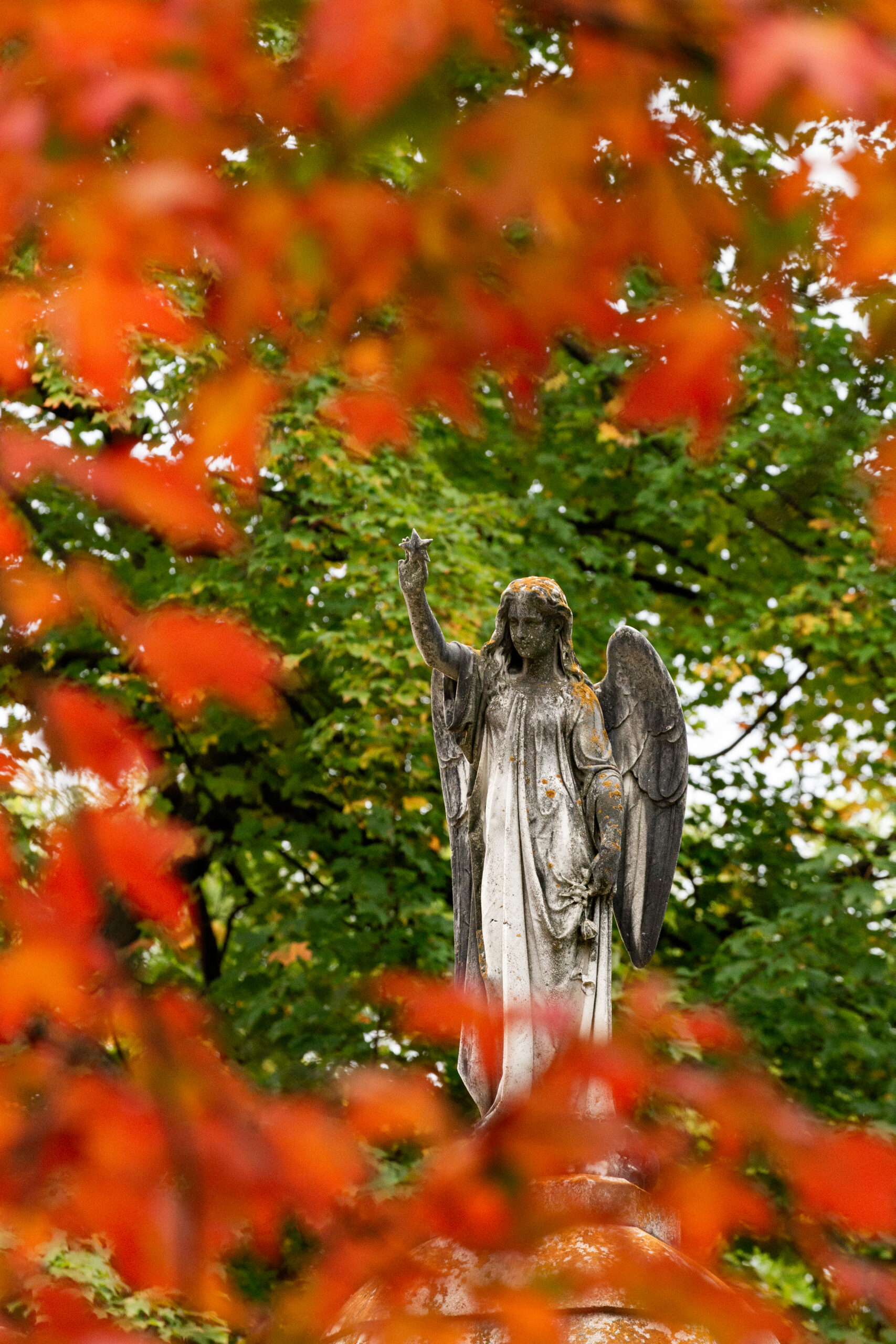
Section 24, Lot 7 NW
Born in Ingersoll, Canada West on February 3, 1863, White attended the Royal Military College in Kingston and joined the Geological Survey of Canada in 1884.
In January 1884, White was employed as a topographer on a geological survey of Canada. Later that year and over the course of 1885 he surveyed the Rocky Mountains region, after which he continued his work in the gold district of Madoc, Ontario (1886), the phosphate district of Ottawa (1887–1890) and then the Kingston and Pembroke districts of Ontario (1891–1893). After spending 1894 as the geological survey’s geographer and chief draughtsman, White was appointed chief geographer of the department of the interior in 1899.

He served on the Alaska boundary commission in 1903. White was interested in the concept of Canadian sovereignty, particularly as it affected claims to the Alaska boundary region. In 1904 he proposed that the Geographic Board of Canada counteract American naming of territory by referring to the area as Ellesmere Land. He undertook an investigation into trans-Atlantic passenger steamships in 1906. In 1906, he published The Atlas of Canada, his chief contribution to Canadian geography.

James White was appointed secretary of the Commission of Conservation in 1909. Canada was supplying countries such as Australia and America with wood, but by 1920, many Commonwealth countries were becoming concerned over a shortage in supply of wood and associated paper products. In his position with the Commission of Conservation, White emphasized that the Canadian forest resources were limited but also noted that the commission had no administrative powers and was not aligned with any particular political ideology.
White pointed out that Canada had “55 years’ supply…at 1918 rates of consumption, and the rate…is increasing” and added that recent fires had destroyed twenty times as many trees as had been cut down for timber. He advocated a system of conservation designed to protect business as well as the environment, saying:
The only proper way to conserve any resource is to develop it to the point of highest productivity and with the maximum of efficiency, and to use every means to maintain its productivity. To withhold any natural resource from use under proper conditions…is waste in the grossest form.
From 1921 to his death, he was technical advisor to the minister of justice. In this position, he played an important role in the litigation over the Labrador boundary between Canada and Newfoundland before the judicial committee of the Privy Council in 1926.

In 1927, he was elected chairman of the Geographic Board of Canada, of which he had been a member since 1898.
White died in Ottawa on February 26, 1928.