Section 21, Lot 12 S
A Visionary Who Transformed Canadian Farming and Gardening
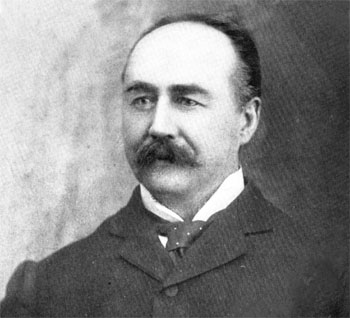
Born on March 28, 1852, in Ashe, England, James Fletcher’s early life and education in Rochester, near London, set the foundation for his lifelong passion for nature. Although his initial career path led him to the Bank of British North America, his eventual move to Canada marked the beginning of a transformative legacy in horticulture and agricultural science.
In 1876, Fletcher left the banking sector to work as an accountant at the Library of Parliament in Ottawa. This role gave him access to a treasure trove of botanical and entomological literature, fueling his enthusiasm for plant and insect studies. His natural curiosity and dedication earned him recognition as one of the foremost experts in botany and entomology in Canada.
Championing Horticulture at the National Level
Fletcher’s contributions to horticulture began with his co-founding of the Ottawa Field-Naturalists’ Club in 1879, a platform for sharing knowledge and advancing scientific exploration of Canada’s flora and fauna. His expertise led to his appointment in 1884 as Canada’s first Dominion Botanist and Entomologist under the Department of Agriculture.
Recognizing the critical need for research in agriculture, Fletcher championed the establishment of experimental farms across Canada. These farms became pivotal research centres for solving agricultural challenges, from pest control to soil management. His crowning horticultural achievement was the creation of an arboretum at the Central Experimental Farm in Ottawa, where he introduced diverse plant species and conducted groundbreaking studies. The arboretum remains a cherished institution, offering a living legacy of Fletcher’s vision for horticultural advancement.
Practical Solutions for Canadian Farmers
Fletcher’s commitment to helping farmers was unparalleled. Through his research, he identified strategies to combat invasive pests and weeds, preserving Canada’s crops and bolstering the agricultural economy. His publication, “The Farm Weeds of Canada,” co-authored with other experts, became an essential resource for farmers, reflecting his practical approach to scientific challenges.
As a respected lecturer and communicator, Fletcher travelled extensively to educate farmers about horticultural practices and pest control methods. His ability to translate scientific findings into actionable advice earned him the trust and admiration of the agricultural community.
Expanding Horticultural Knowledge
Fletcher’s botanical studies were extensive, and he is credited with discovering 17 species of butterflies while contributing significantly to the classification and understanding of Canadian flora. His numerous papers, published in leading journals like the Transactions of the Royal Society of Canada, showcased his meticulous research and profound understanding of plants and their environments.
A Lasting Legacy
Dr. Fletcher’s influence extended far beyond his lifetime. His work laid the groundwork for modern agricultural and horticultural practices in Canada, and his contributions continue to be celebrated. The Central Experimental Farm Arboretum, with its lush gardens and diverse plant life, stands as a vibrant tribute to his vision.
After his passing on November 8, 1908, Fletcher was honoured with a memorial at the Experimental Farm, featuring a bronze bas-relief portrait by renowned sculptor Tait Mackenzie. This monument reflects his enduring impact on Canada’s natural and agricultural heritage.
James Fletcher’s legacy is one of innovation, dedication, and a deep love for the natural world. His contributions to horticulture not only shaped Canada’s agricultural future but also fostered a lasting appreciation for the beauty and utility of plants.