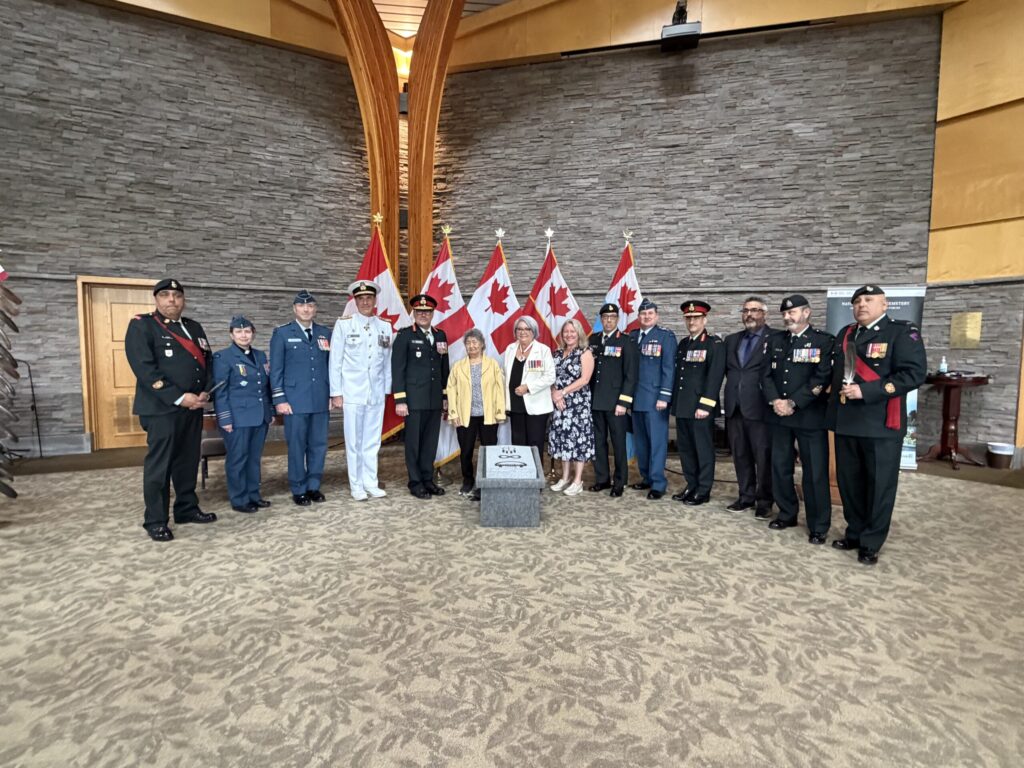
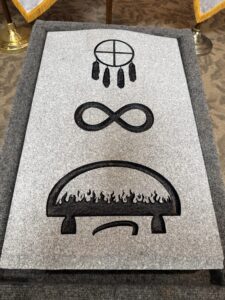
On May 19, 2026, the National Military Cemetery of the Canadian Forces at Beechwood Cemetery marked an important and historic moment in Canada’s evolving landscape of military remembrance through the formal recognition of the Inuit Qulliq alongside First Nations and Métis sacred spiritual representations.
Held within the Sacred Space at Beechwood Cemetery, the ceremony brought together Indigenous Elders, members of the Canadian Armed Forces, cultural performers, community representatives, veterans, and national leaders for a moment rooted in dignity, reflection, and recognition. The ceremony was honoured by the presence of Her Excellency the Right Honourable Mary Simon, Governor General and Commander-in-Chief of Canada.
At its core, the ceremony represented far more than the unveiling of updated sacred spiritual symbols. It marked another step forward in ensuring that Canada’s national places of remembrance truly reflect the diversity of the individuals who have served this country.
The Importance of the Qulliq
The Qulliq holds profound cultural and spiritual meaning within Inuit communities. Traditionally carved from soapstone and fuelled with seal oil, the Qulliq served as a source of warmth, light, nourishment, and gathering within Inuit life for generations. Beyond its practical purpose, it represents life, resilience, guidance, community, and continuity.
Its inclusion within the National Military Cemetery acknowledges the enduring contributions and sacrifices of Inuit members of the Canadian Armed Forces while ensuring their cultural identity and spiritual traditions are visibly recognized within Canada’s national military remembrance framework.
For many Indigenous communities, sacred spiritual symbols are deeply connected to identity, ancestry, ceremony, and memory. Their presence within a national cemetery is not symbolic, it is an affirmation that remembrance must honour the whole individual, including the culture and traditions they carried throughout their service and life.
Why This Matters
Remembrance is one of the foundations of a nation’s identity. It preserves stories, carries forward sacrifice, and connects generations to those who came before them.
But remembrance must continue to evolve.
As Canada grows and deepens its understanding of its own history, national places of remembrance must reflect the full diversity of military service in Canada. Indigenous members of the Canadian Armed Forces have served this country with distinction across generations and conflicts, often while carrying the additional burden of cultural displacement, discrimination, and invisibility within national narratives.
The recognition of the Qulliq helps address that invisibility.
It reinforces that remembrance is strongest when it is inclusive, when it reflects not only service and sacrifice, but also the identities, cultures, languages, and spiritual traditions of those being remembered.
The National Military Cemetery is not simply a place of burial. It is a living landscape of national memory. Every monument, ceremony, and symbol contributes to the ongoing story of Canada and the people who helped shape it.
Years of Collaboration and Leadership
Projects of this significance do not happen overnight. The recognition of the Inuit Qulliq within the National Military Cemetery was made possible through extensive collaboration between Indigenous advisors, military leadership, cultural representatives, veterans, community advocates, and Beechwood Cemetery.
The project also involved engagement with Inuit leaders and organizations to ensure the recognition was approached respectfully and meaningfully. Central to the initiative was the understanding that nothing was being imposed. Instead, the project focused on creating visibility and ensuring Inuit members and families could choose a symbol that reflected their culture and spiritual identity within the National Military Cemetery.
This approach reflects a broader shift occurring within Canada’s military remembrance landscape, one focused on inclusion, representation, and ensuring that national remembrance evolves alongside the country it serves.
Ceremony Rooted in Reflection and Culture
The ceremony itself blended military tradition with Indigenous cultural reflection.
The Eagle Staff stood prominently throughout the ceremony as a symbol of honour, strength, protection, and spiritual connection. Elders provided reflections and cultural context, including the lighting of the Qulliq.
Guests also experienced moving cultural performances from Isaruit Inuit Arts, featuring traditional Inuit throat singing and drumming , artistic traditions that continue to carry stories, identity, memory, and connection across generations.
One of the most powerful moments of the ceremony came through the performance of O Canada in Inuktitut by Juurini, followed later by a powerful closing musical tribute. The inclusion of Indigenous language and culture within such a national military setting reinforced the broader message of the day: remembrance must make space for all voices and traditions connected to service in Canada.
Continuing the Evolution of National Remembrance
The National Military Cemetery of the Canadian Forces continues to evolve as a place that reflects both Canada’s military history and the people who shaped it.
This historic recognition of the Inuit Qulliq stands as a meaningful reminder that remembrance is not static. It grows stronger, deeper, and more authentic when it embraces the full diversity of those who served.
As Canada continues to reflect upon its history and future, projects like this help ensure that national remembrance remains relevant, inclusive, and rooted in respect.
At Beechwood Cemetery, the National Cemetery of Canada, remembrance is not only about preserving the past. It is also about ensuring future generations see themselves reflected within the stories, symbols, and traditions that shape the country’s collective memory.