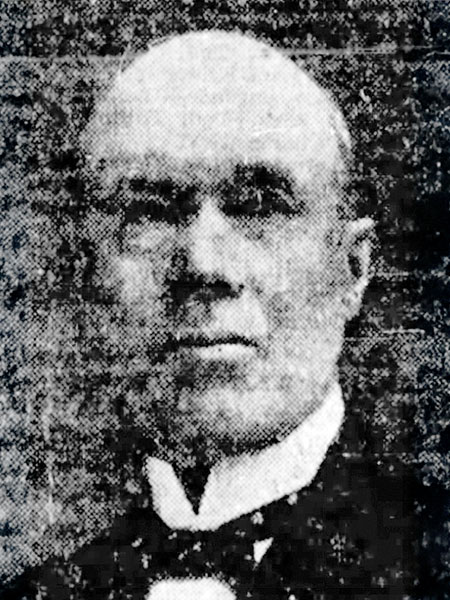
Lieutenant Colonel George Henry Bradbury
June 23, 1859 – September 6, 1925 Section 41, Lot 61 SE
Lieutenant Colonel George Henry Bradbury was a distinguished Canadian parliamentarian, senior militia officer, and public servant whose life spanned the defining years of early Confederation and the First World War. A man of purpose and principle, Bradbury served both in uniform and in Parliament with distinction, shaping Canada’s legislative agenda while championing the needs of the Canadian West.
Born on June 23, 1859, in Hamilton, Canada West (now Ontario), Bradbury came of age during a time of national promise and political transformation. Like many ambitious men of his era, he was drawn to the opportunities of the expanding West, eventually settling in Winnipeg, Manitoba, where he became a prominent businessman involved in the grain and milling industries. His success in commerce paralleled his growing involvement in public life, and he soon emerged as a leading figure in Manitoba’s political landscape.
Bradbury was elected to the House of Commons in 1908 as the Conservative Member of Parliament for Selkirk, a seat he held for nearly a decade until 1917. His tenure in Parliament was defined by a clear focus on economic development, infrastructure expansion, and equitable resource management.
As Chair of the Select Standing Committee on Railways, Canals and Telegraph Lines, Bradbury oversaw the development of national infrastructure essential for binding Canada’s vast geography. He supported transportation projects that promoted growth in the western provinces and helped bridge regional disparities at a time when Canada’s nationhood was still in formation.
In addition to infrastructure, Bradbury was deeply concerned with environmental protection and public access to natural resources. He condemned private leases of fishing rights, particularly on Lake Winnipeg, and strongly advocated for federal protection of the whitefish population, a critical ecological and economic resource for both Indigenous and settler communities. His foresight in managing public resources prefigured modern environmental policy and demonstrated his commitment to fairness and sustainability.
Bradbury’s sense of public duty extended well beyond the halls of Parliament. A proud member of the Canadian militia, he served with the 100th Regiment, Winnipeg Grenadiers, a key unit in Manitoba’s military establishment. Rising to the rank of Lieutenant Colonel, he helped lead and organize militia operations during a period of military modernization.
During the First World War, Bradbury’s military expertise was recognized with an appointment to the Military Hospitals Commission, the national body responsible for coordinating the medical care and rehabilitation of wounded soldiers returning from overseas. His work helped lay the groundwork for Canada’s veteran support systems and reflected his deep compassion for those who served.
On December 17, 1917, at the height of the First World War, Bradbury was appointed to the Senate of Canada by Prime Minister Sir Robert Borden, in recognition of his legislative achievements and national service. As a Senator representing Manitoba, he remained a steadfast advocate for the region’s development and postwar recovery. He continued to contribute to debates on economic growth, transportation, and the evolving role of the federal government in supporting both infrastructure and individuals.
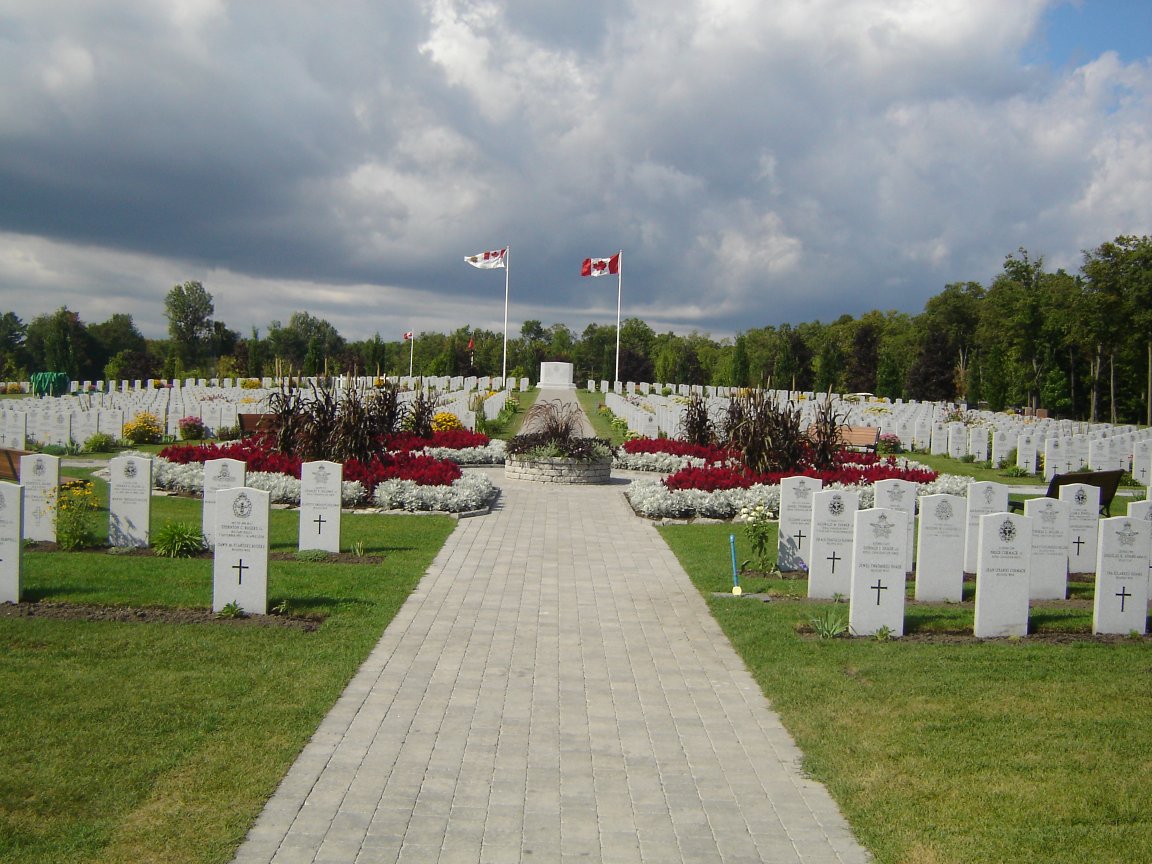
Bradbury passed away on September 6, 1925, at the age of 66, concluding a life defined by patriotic service, political integrity, and unwavering dedication to the national interest. He was laid to rest at Beechwood Cemetery in Section 41, Lot 61 SE.

Lieutenant Colonel George Henry Bradbury’s legacy is one of principled leadership, military commitment, and legislative foresight. His contributions helped shape Canada’s physical and political landscape during a transformative period in its history. Remembered as both a builder and a guardian of Canada’s emerging national identity, Bradbury remains a powerful example of service in both war and peace.