Yesterday, Beechwood was different.
The grounds were still a cemetery. They remained a place of remembrance, history and reflection. But for the National Day for Truth and Reconciliation, we made a deliberate decision to set aside our regular services and dedicate our spaces to something that deserves our full attention: truth, learning, reflection and reconciliation.
From the beginning of the morning, that commitment could be seen across the grounds.
Hundreds of school children came to Beechwood to participate in our Reconciling History walks. They walked among the headstones and monuments, learning about people whose decisions and actions shaped Canada’s relationship with First Nations, Inuit and Métis peoples.
For many young people, these stories are difficult. They should be.
Beechwood’s Reconciling History program was created to use the history found within these grounds as a tool for education. It does not seek to erase people from history or overlook uncomfortable parts of their lives. Instead, it asks us to examine the fuller story, including the actions of individuals connected to the residential school system and those who challenged the injustices they witnessed.
Watching hundreds of young people participate yesterday morning was a powerful reminder of why this work matters.
Education creates the opportunity to understand our history differently. It gives another generation the knowledge to ask difficult questions, challenge injustice and consider the role they can play in reconciliation.
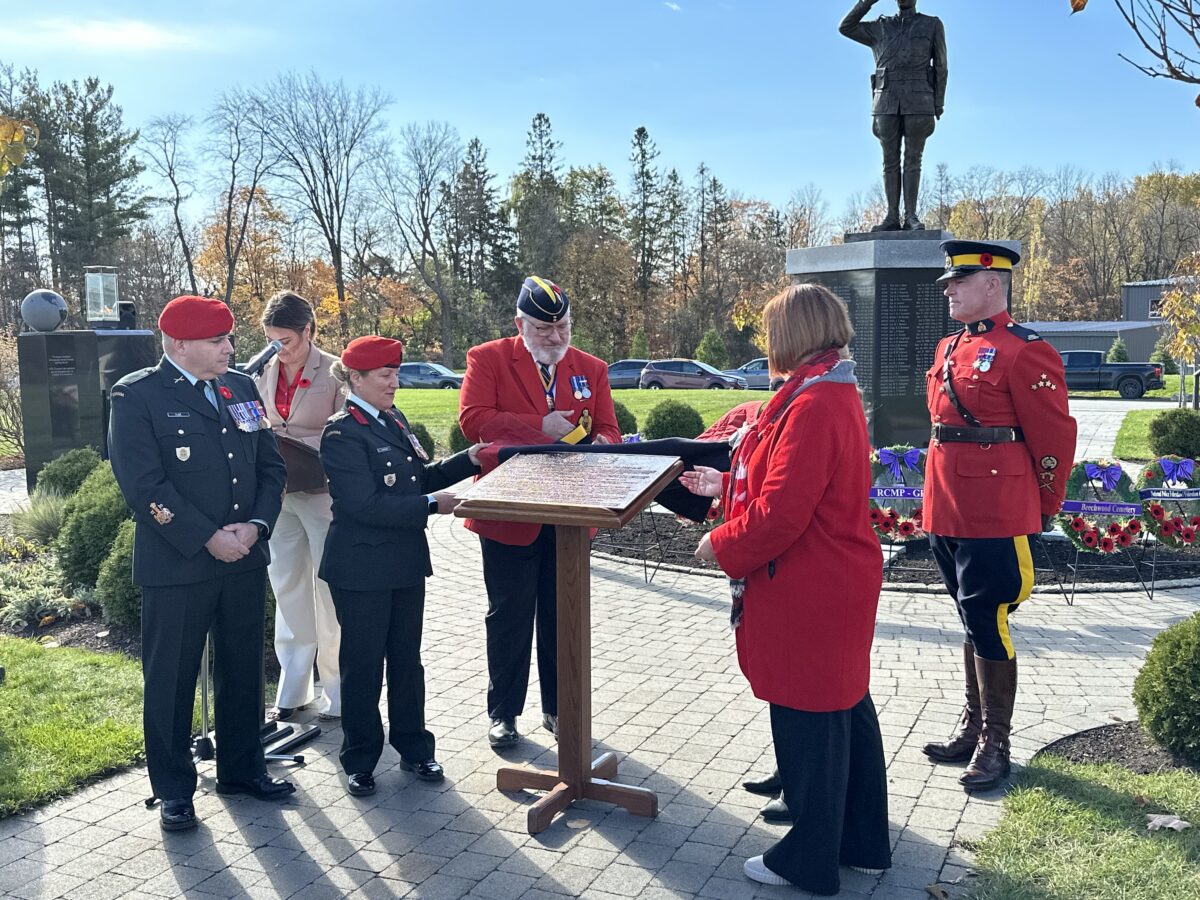
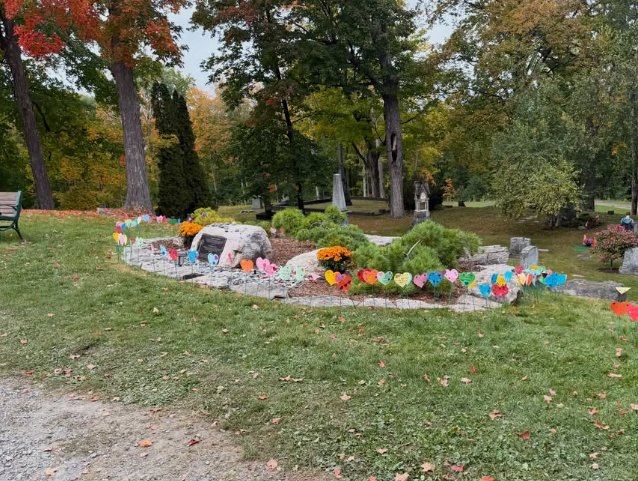
At 2 p.m., we gathered for our commemorative ceremony, remembering the children who never returned home from residential schools and honouring Survivors, their families and their communities. The ceremony formed part of a day at Beechwood dedicated to education, reflection and action.
There are moments when a cemetery can speak through silence.
Yesterday was one of them.
The afternoon continued with hundreds of adults and families walking the grounds, participating in tours, learning together and taking time to reflect. Parents walked alongside their children. People stopped at gravesites, listened to stories and had conversations about parts of Canadian history that cannot be understood through a few paragraphs in a textbook.
This is why Beechwood dedicates its spaces to reconciliation programming on September 30.
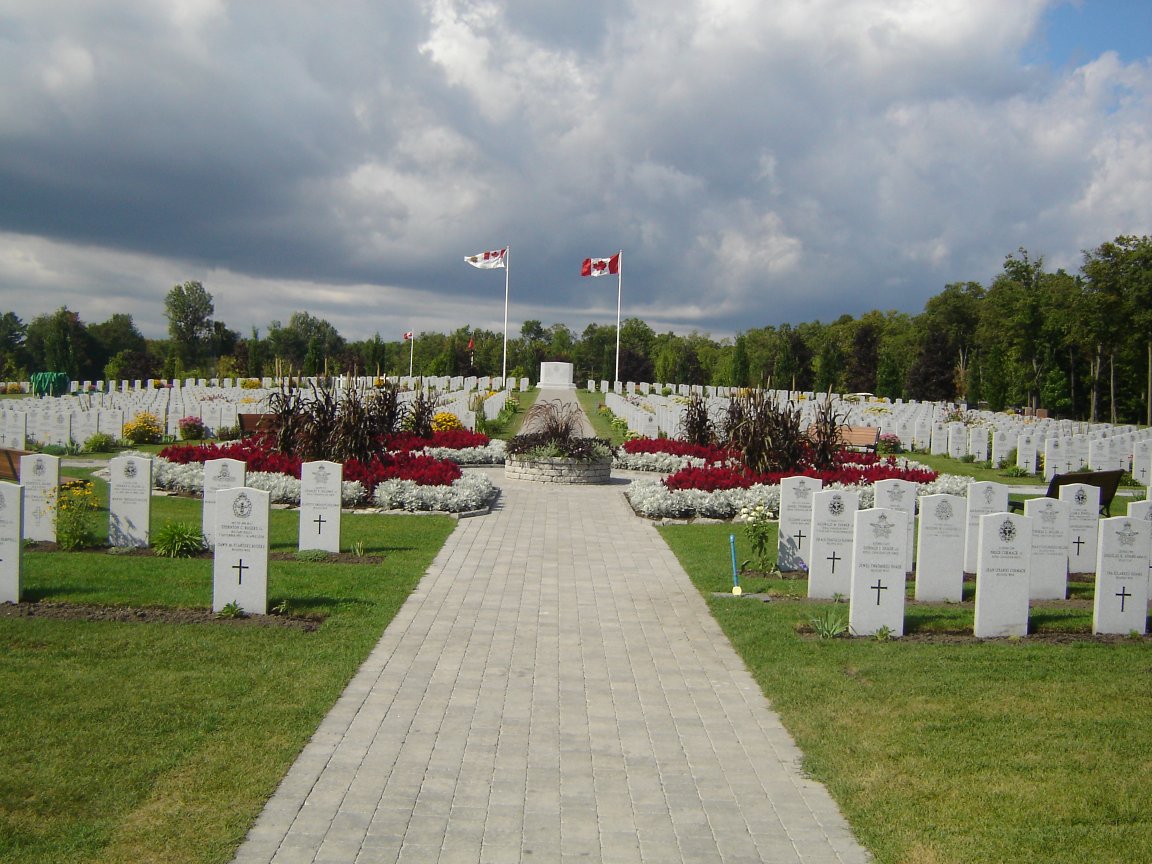
As the National Cemetery of Canada, our grounds contain the stories of people who helped build this country. Those stories include remarkable achievements, but they also include decisions and policies that caused profound and lasting harm.
We have a responsibility to tell both.
For more than a decade, the Reconciling History program has sought to foster understanding through education and truth-telling. The program began in 2014 and has grown through collaboration with Indigenous and non-Indigenous partners committed to helping Canadians better understand this history.
We are particularly thankful for our continuing partnerships with the Assembly of Seven Generations (A7G) and the First Nations Child & Family Caring Society.
These relationships are fundamental to this work. Beechwood has been fortunate to work alongside these organizations on National Day for Truth and Reconciliation programming for years, creating opportunities for education, action and reflection.
Reconciliation cannot be something Beechwood does alone, nor should it be.
It requires listening. It requires partnership. It requires Indigenous voices and perspectives to be central to the conversation. And it requires institutions such as ours to understand that reconciliation is not simply about acknowledging history, it is about considering what we do with that knowledge today.
Yesterday, that meant hundreds of children walking through our grounds in the morning.
It meant gathering together at 2 p.m.
It meant hundreds more adults and families arriving throughout the afternoon.
It meant questions being asked, stories being shared and people taking the time to listen.
And perhaps most importantly, it meant making space.
Space to learn.
Space to remember.
Space for difficult conversations.
Space to consider what reconciliation asks of each of us.
September 30 is one day.
The responsibility it represents continues throughout the year.
To everyone who joined us yesterday, to the educators who brought their students, to the families who chose to spend part of their National Day for Truth and Reconciliation at Beechwood, and especially to our partners who continue to guide and strengthen this work:
Thank you.
We will continue to listen.
We will continue to learn.
And we will continue to make space for truth and reconciliation.